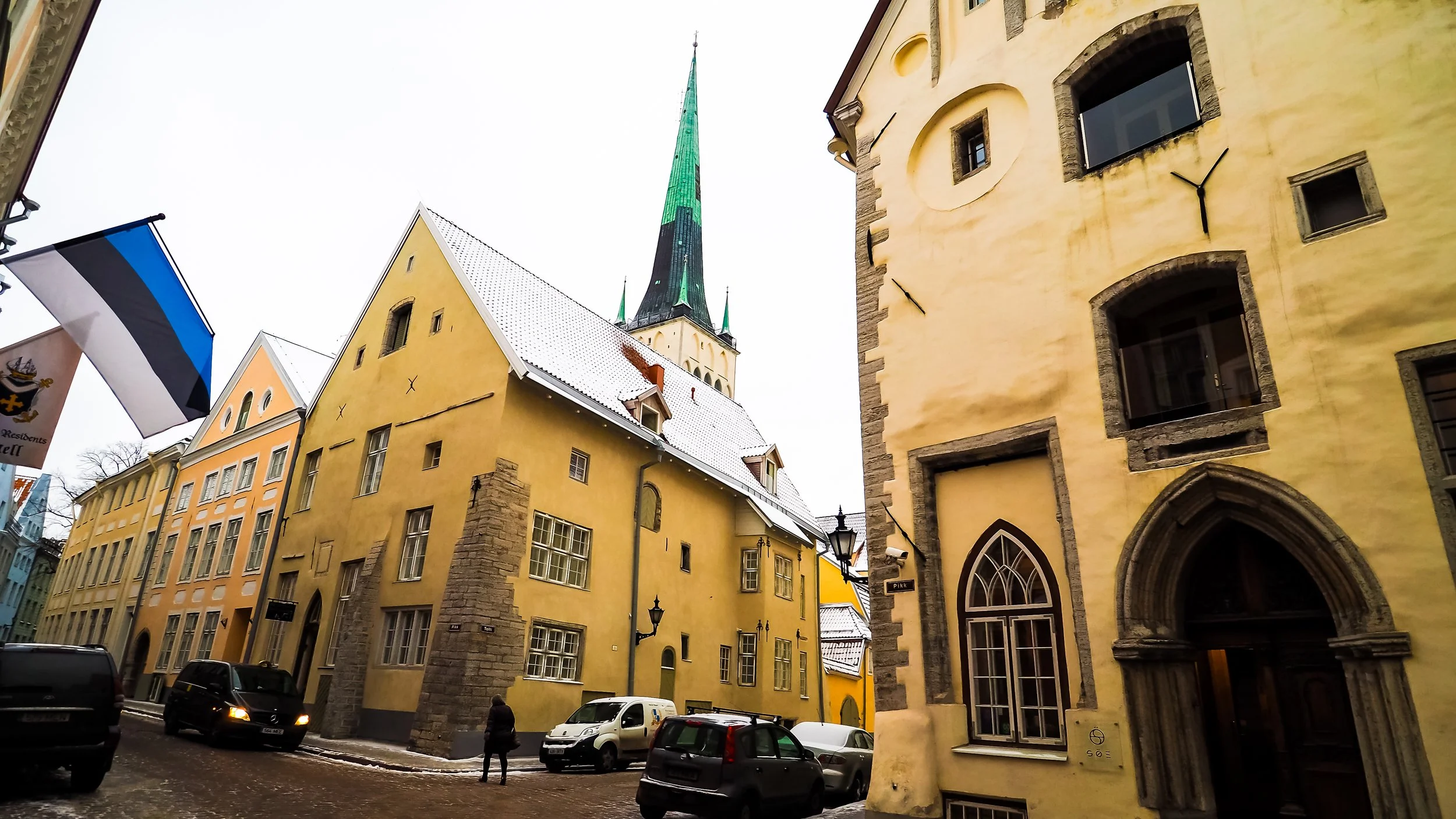
Tallin Estonia 2019
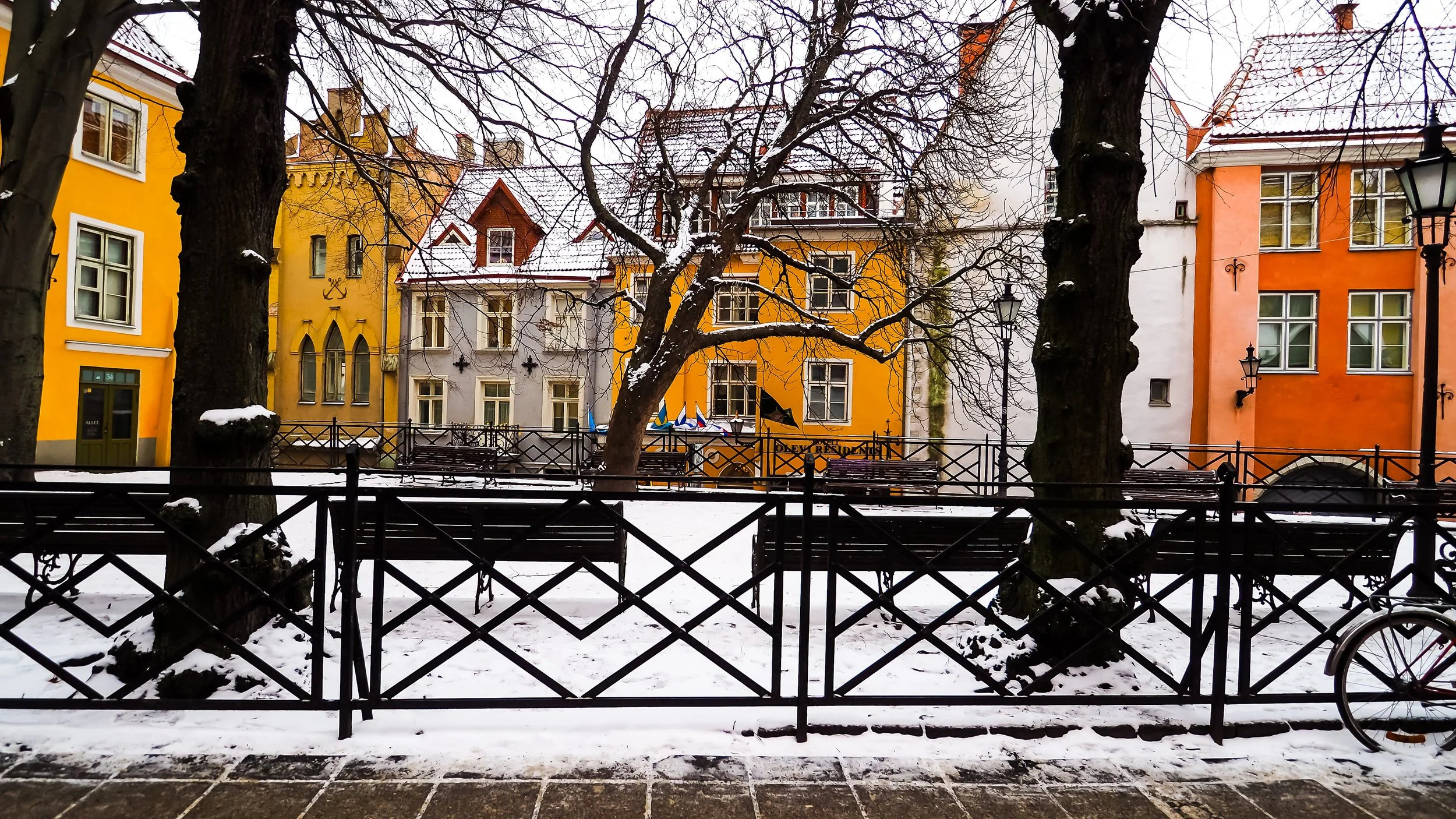
Tallinn Estonia 2019
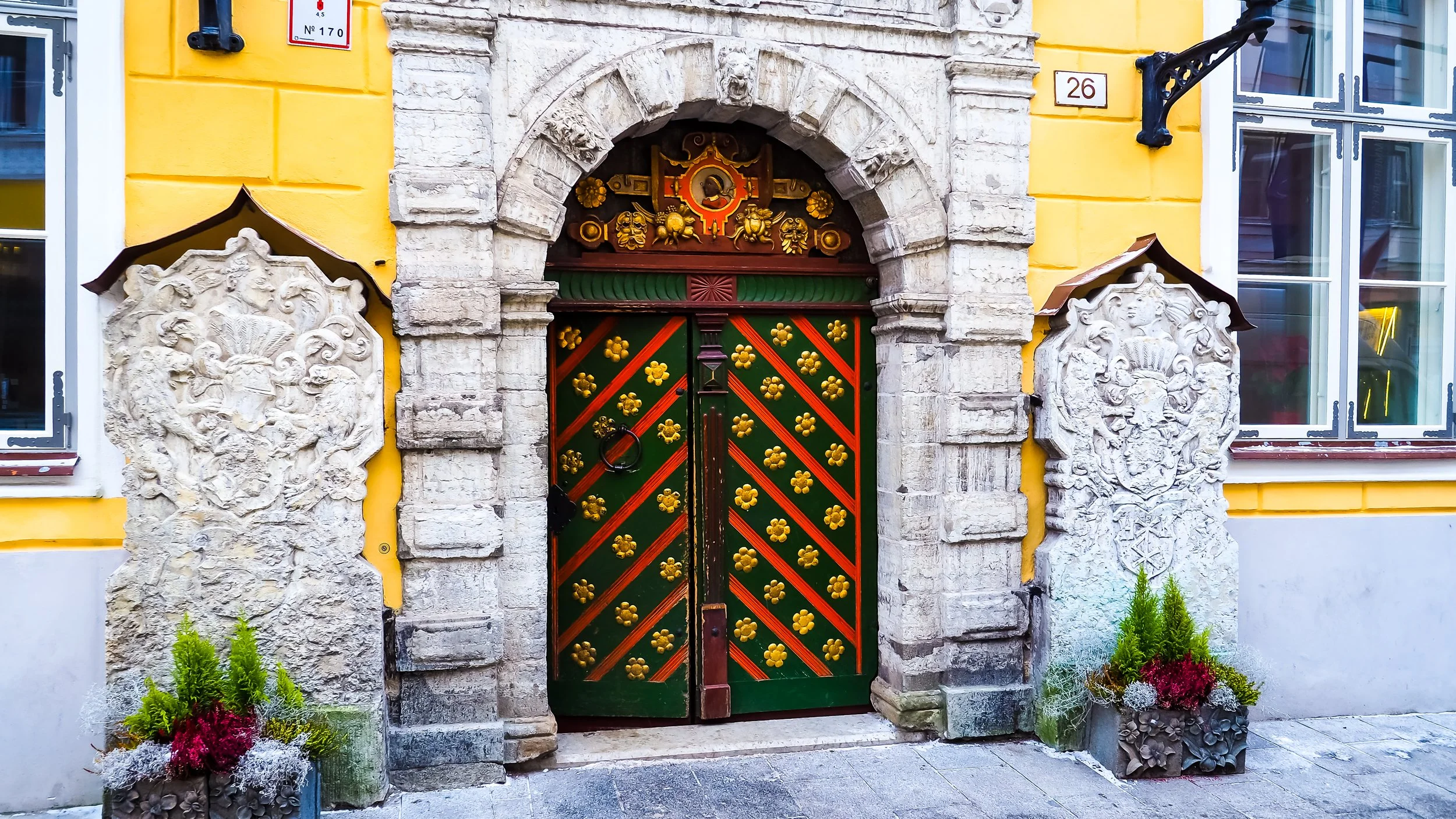
Tallinn Estonia 2019
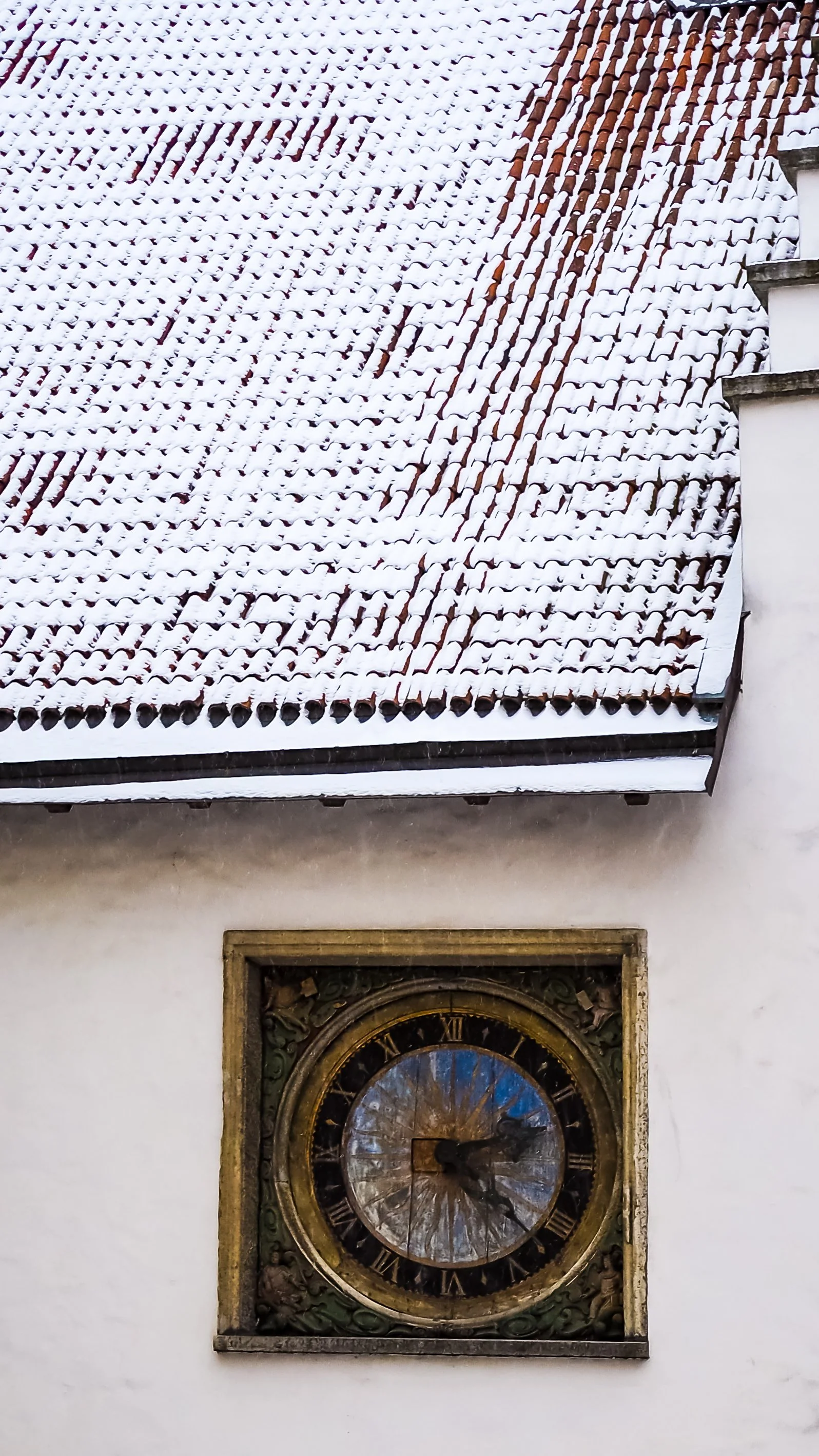
Tallinn Estonia 2019
Tallinn Estonia 2019
Tallinn Estonia 2019
Tallinn Estonia 2019
Tallinn Estonia 2019
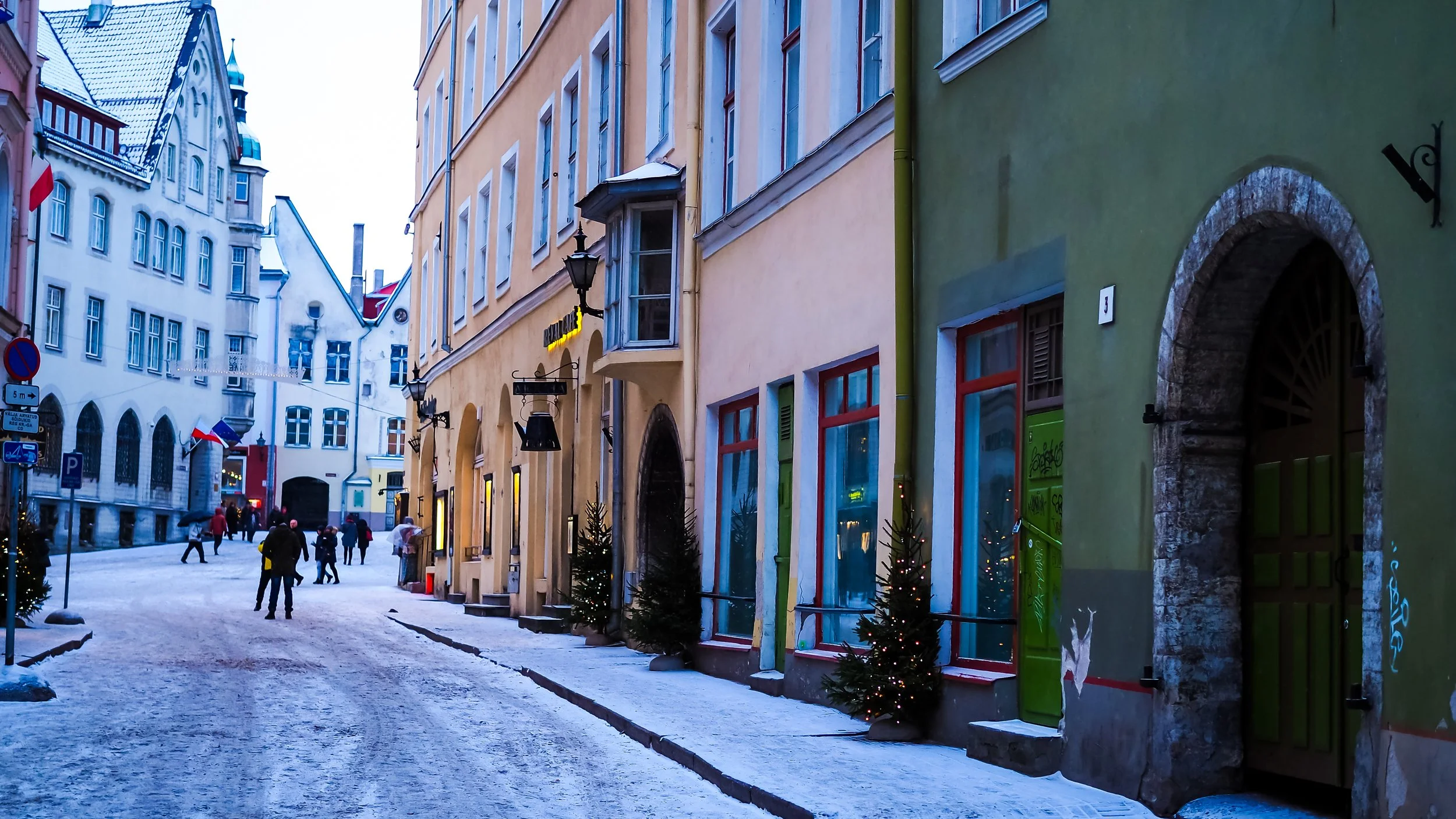
Tallinn Estonia 2019
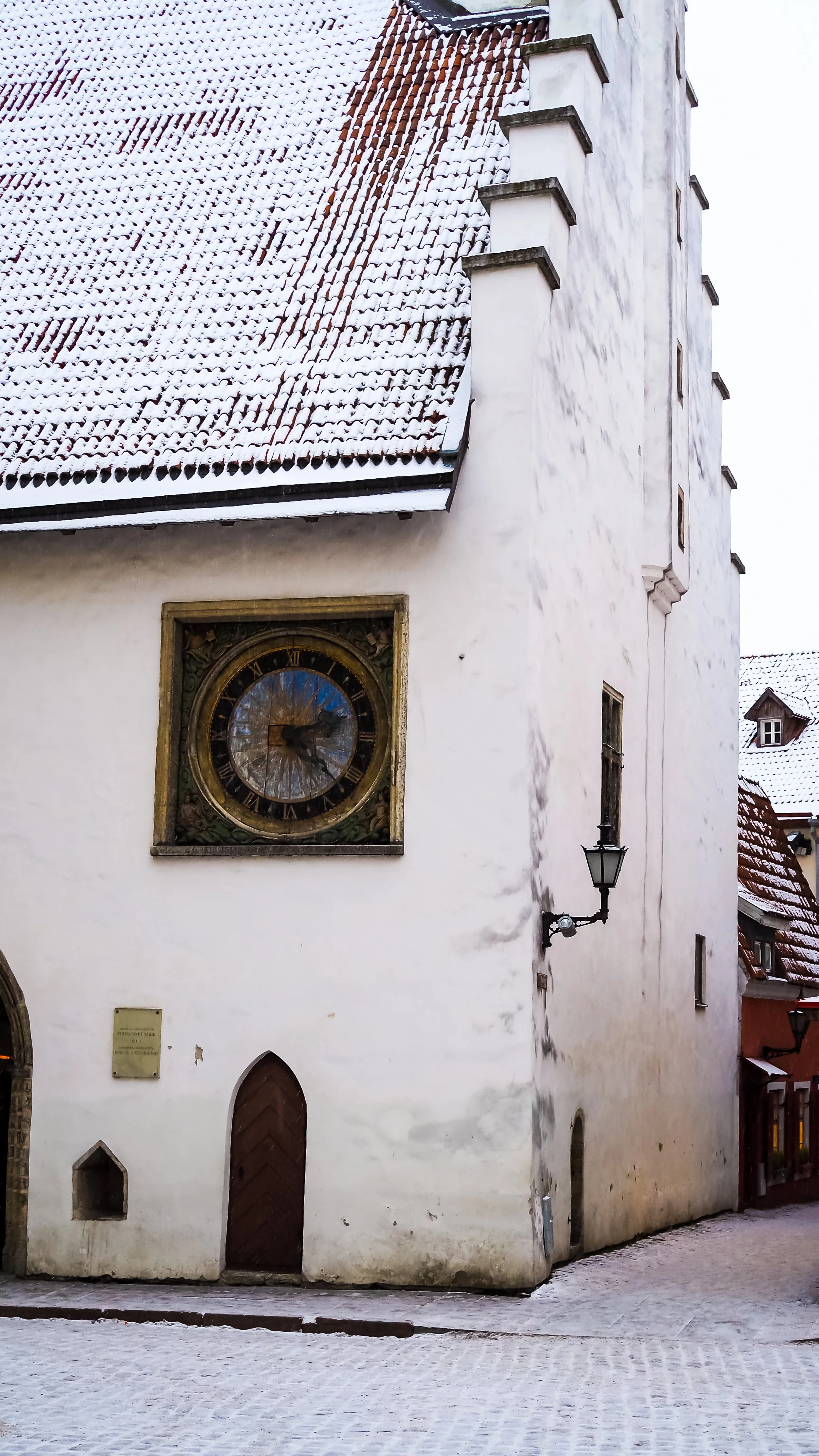
Tallinn Estonia 2019
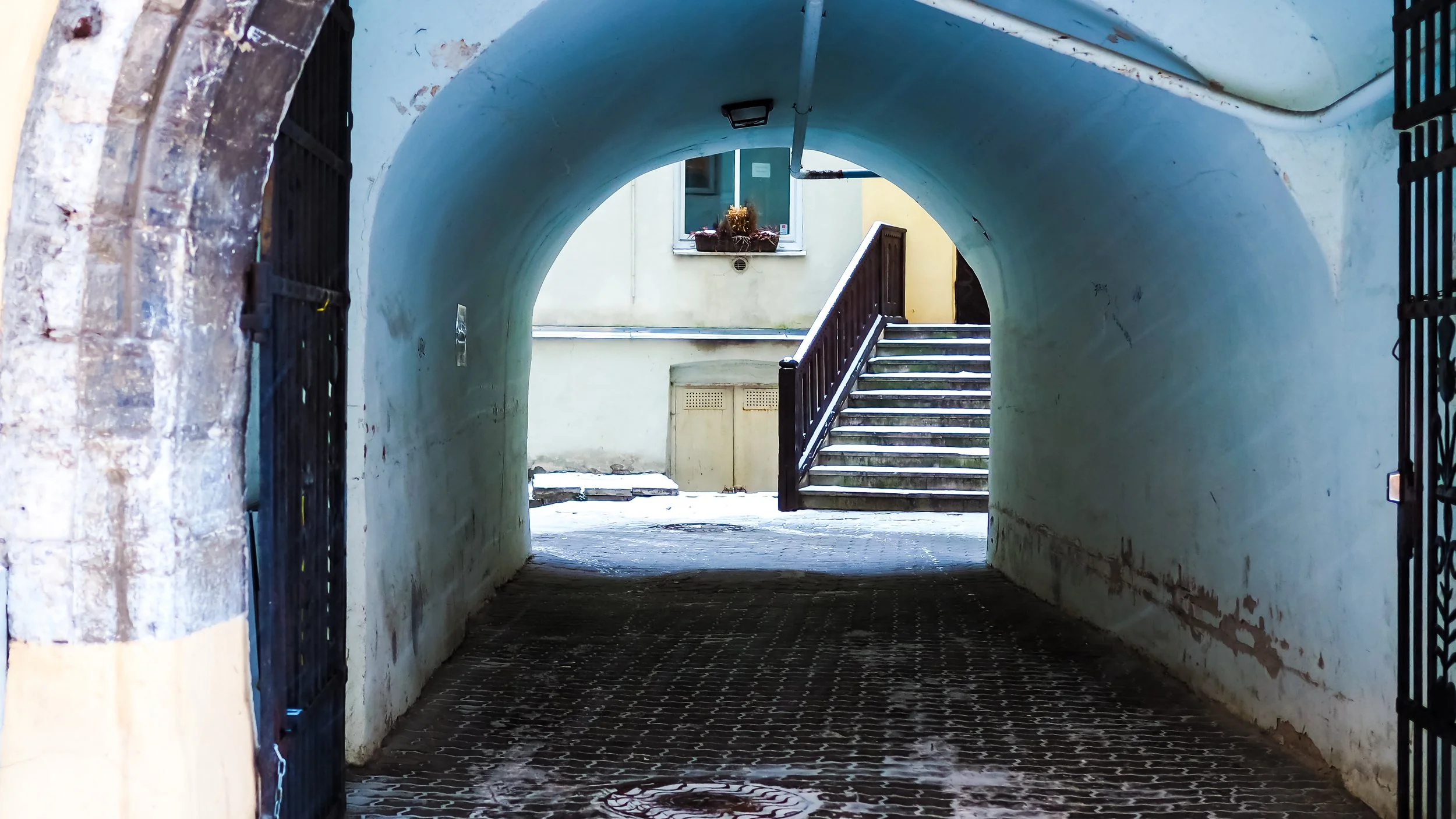
Tallinn Estonia 2019
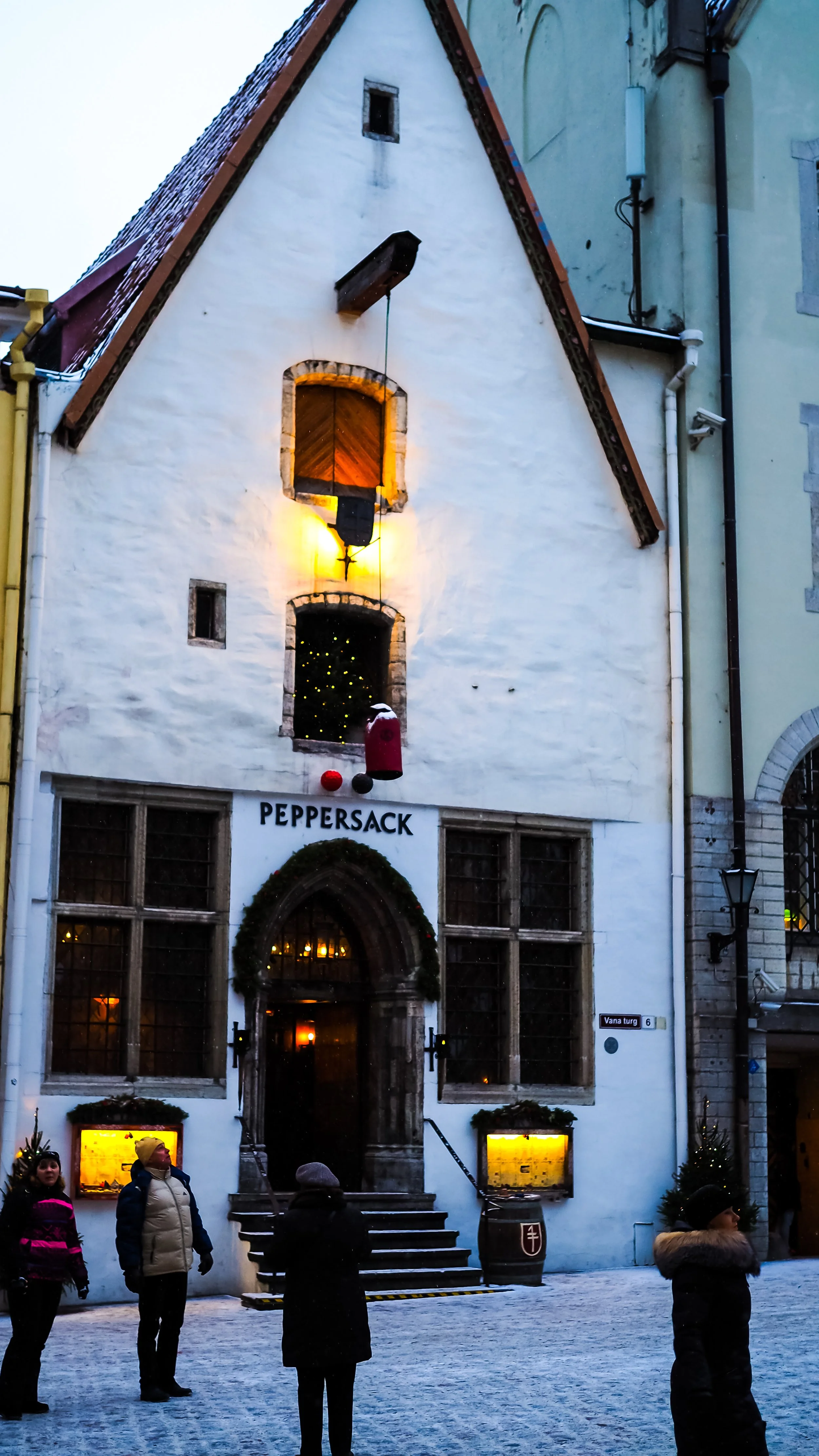
Tallinn Estonia 2019
Tallinn Estonia 2019
Tallinn Estonia 2019
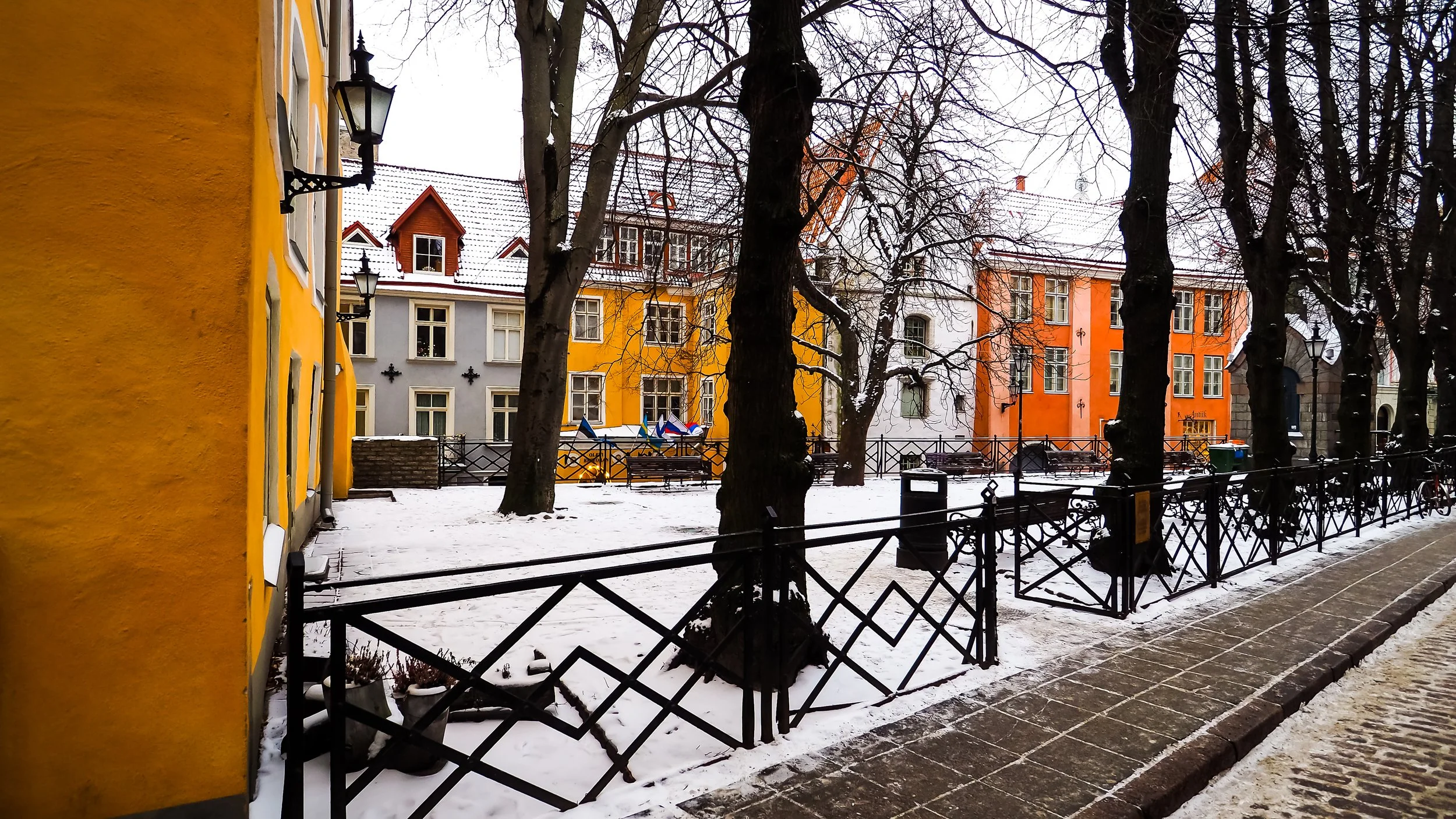
Tallinn Estonia 2019
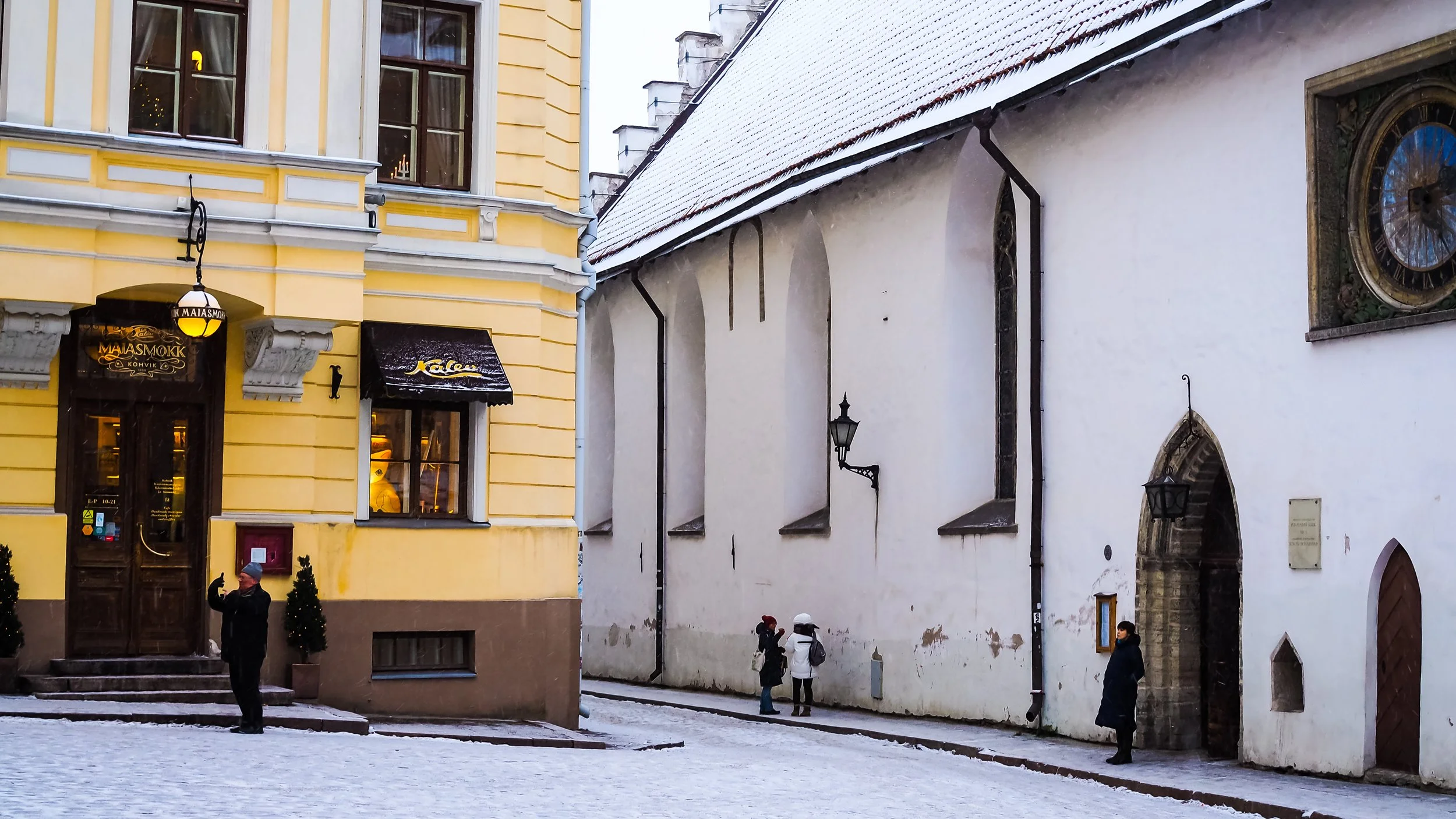
Tallinn Estonia 2019
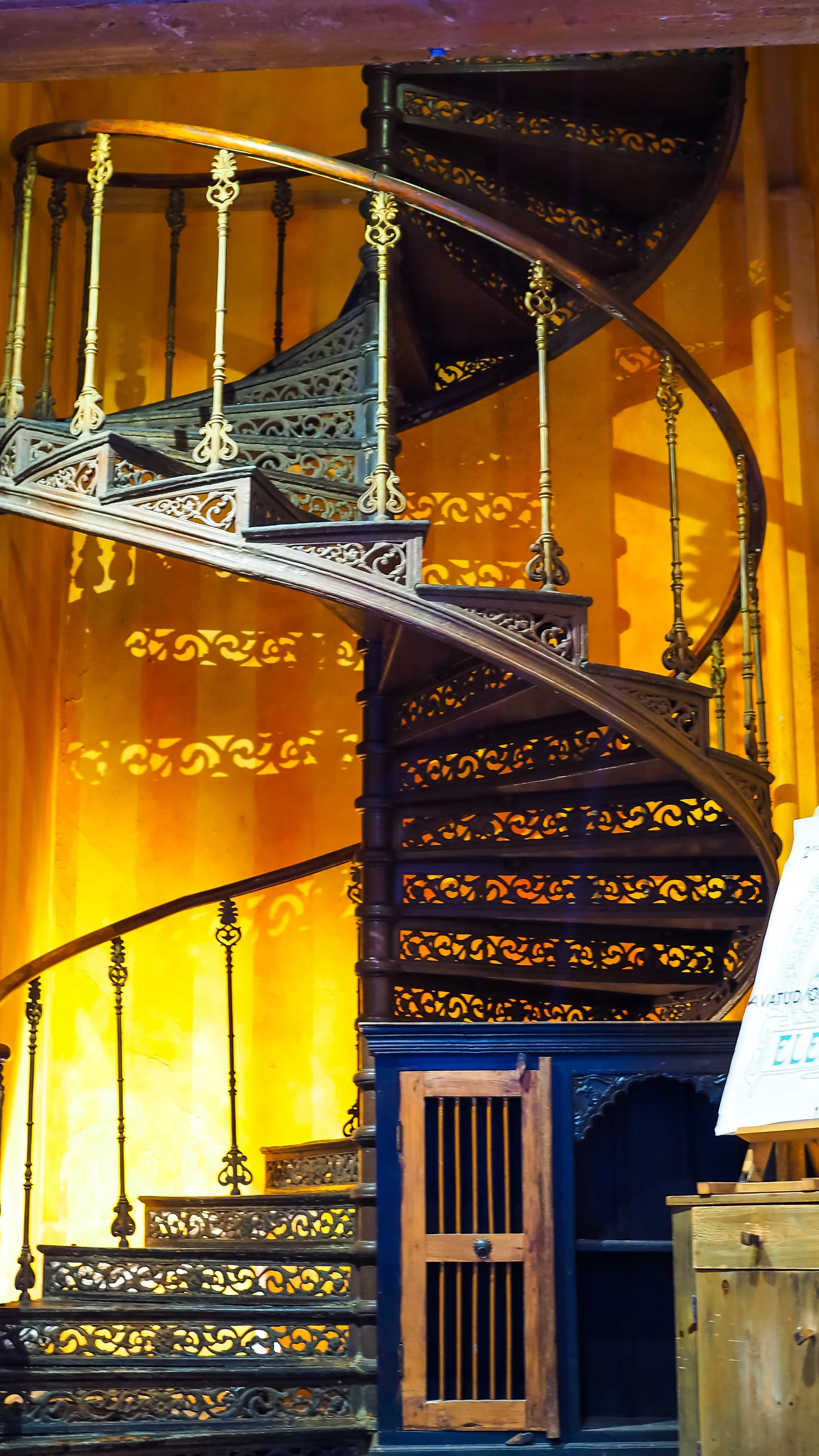
Tallinn Estonia 2019
Tallinn Estonia
Tallinn, the capital of Estonia, boasts a rich and diverse history that spans many centuries. Archaeological evidence suggests that the area where Tallinn stands today has been inhabited since around 5,000 years ago. The first recorded mention of Tallinn dates back to 1154 by the Arab cartographer al-Idrisi, who referred to it as "Qlwn."
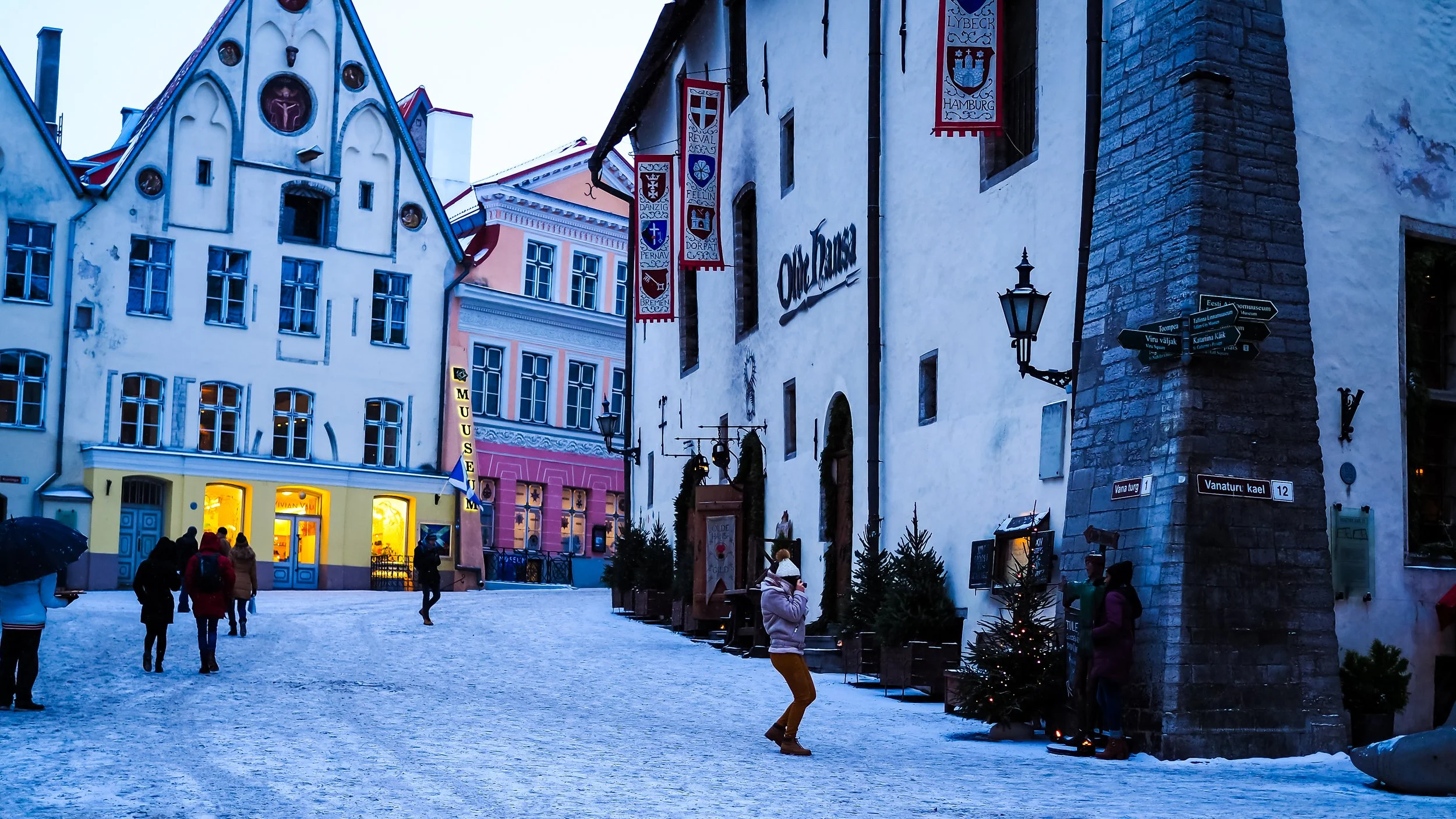
In 1219, the Danish King Valdemar II conquered Tallinn. The city’s name, derived from the Estonian words "Taani linn" (Danish town), reflects this period. Tallinn received Lübeck city rights in 1248, establishing it as an important trading hub in the Hanseatic League, a powerful medieval commercial and defensive confederation of merchant guilds and market towns. In 1346, the Danes sold Tallinn to the Teutonic Order, under which the city continued to prosper as a key trade centre. In 1561, during the Livonian War, Tallinn came under Swedish control. This period is often considered a golden age for the city, marked by growth in trade and culture.
Following the Great Northern War, Tallinn, along with the rest of Estonia, was ceded to the Russian Empire in 1710. The city became an important port and administrative center in the Baltic region under Russian rule. After the collapse of the Russian Empire, Estonia declared its independence in 1918, with Tallinn as its capital. The city experienced significant growth and modernization during the interwar period.
During World War II, Tallinn was occupied first by the Soviet Union in 1940, then by Nazi Germany from 1941 to 1944, and again by the Soviet Union from 1944 until Estonia's re-independence in 1991. Following the collapse of the Soviet Union, Estonia regained its independence in 1991. Tallinn has since become a vibrant, modern European capital, known for its well-preserved medieval Old Town, a UNESCO World Heritage Site, and its burgeoning tech industry.
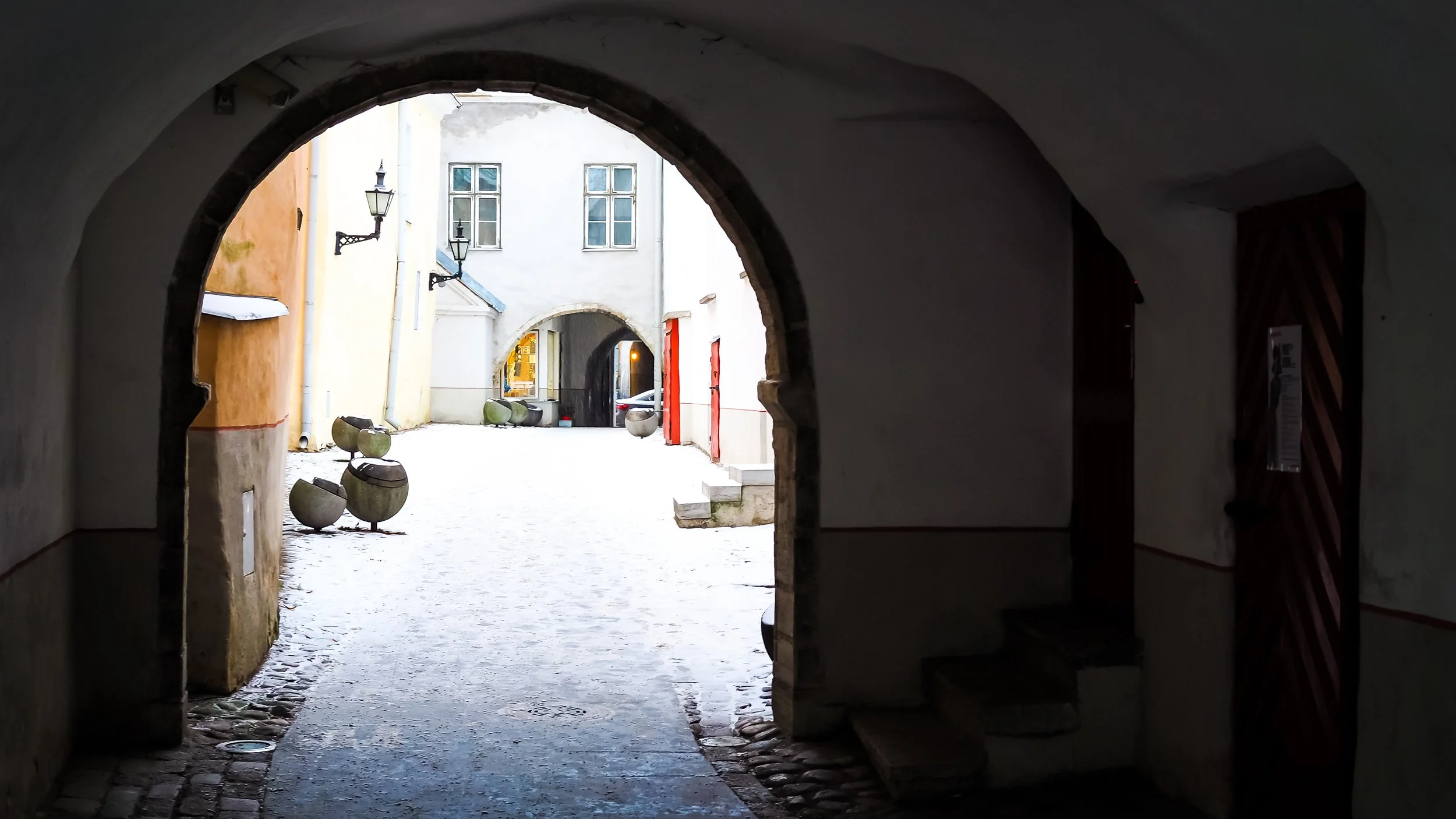
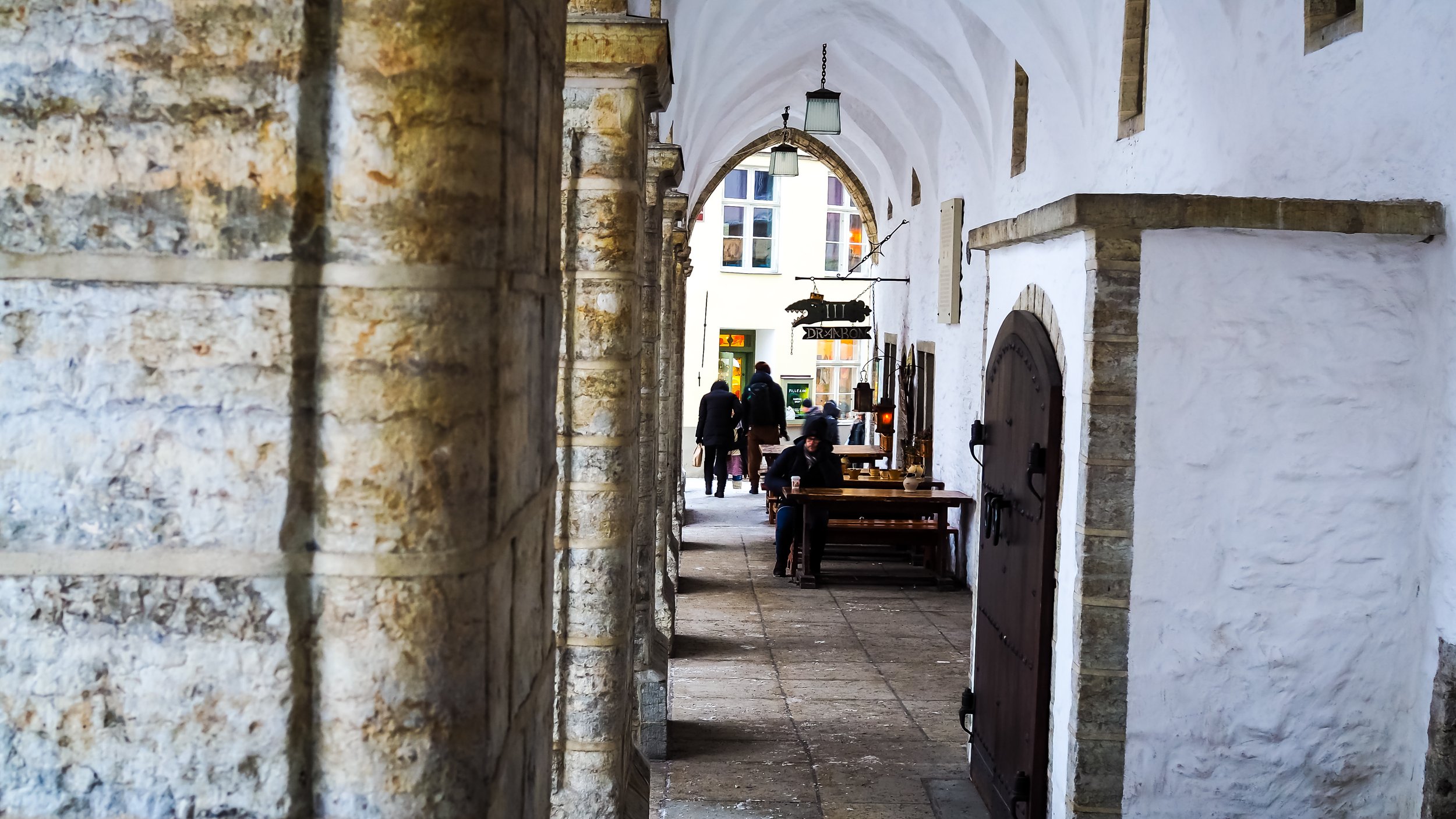
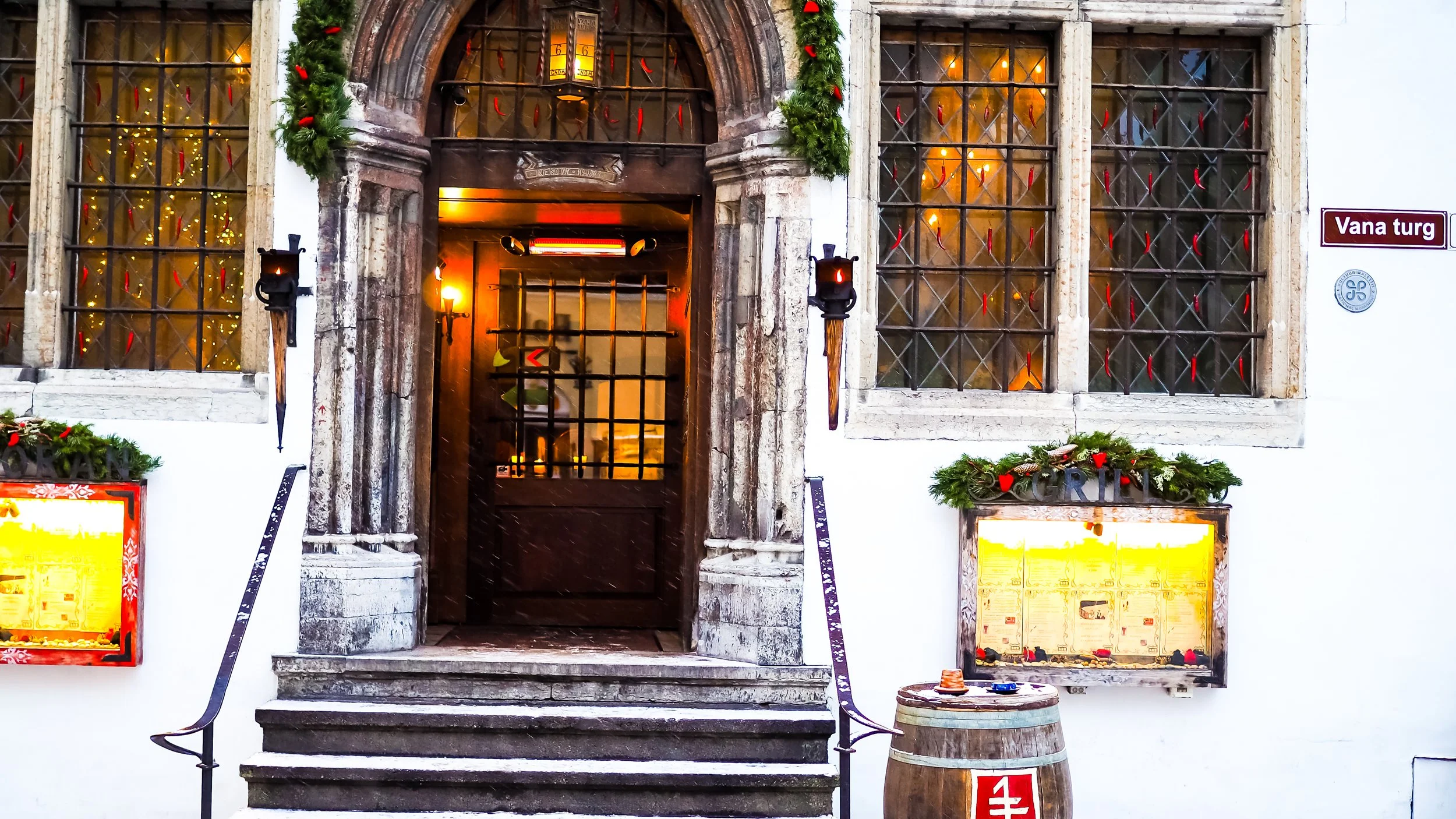
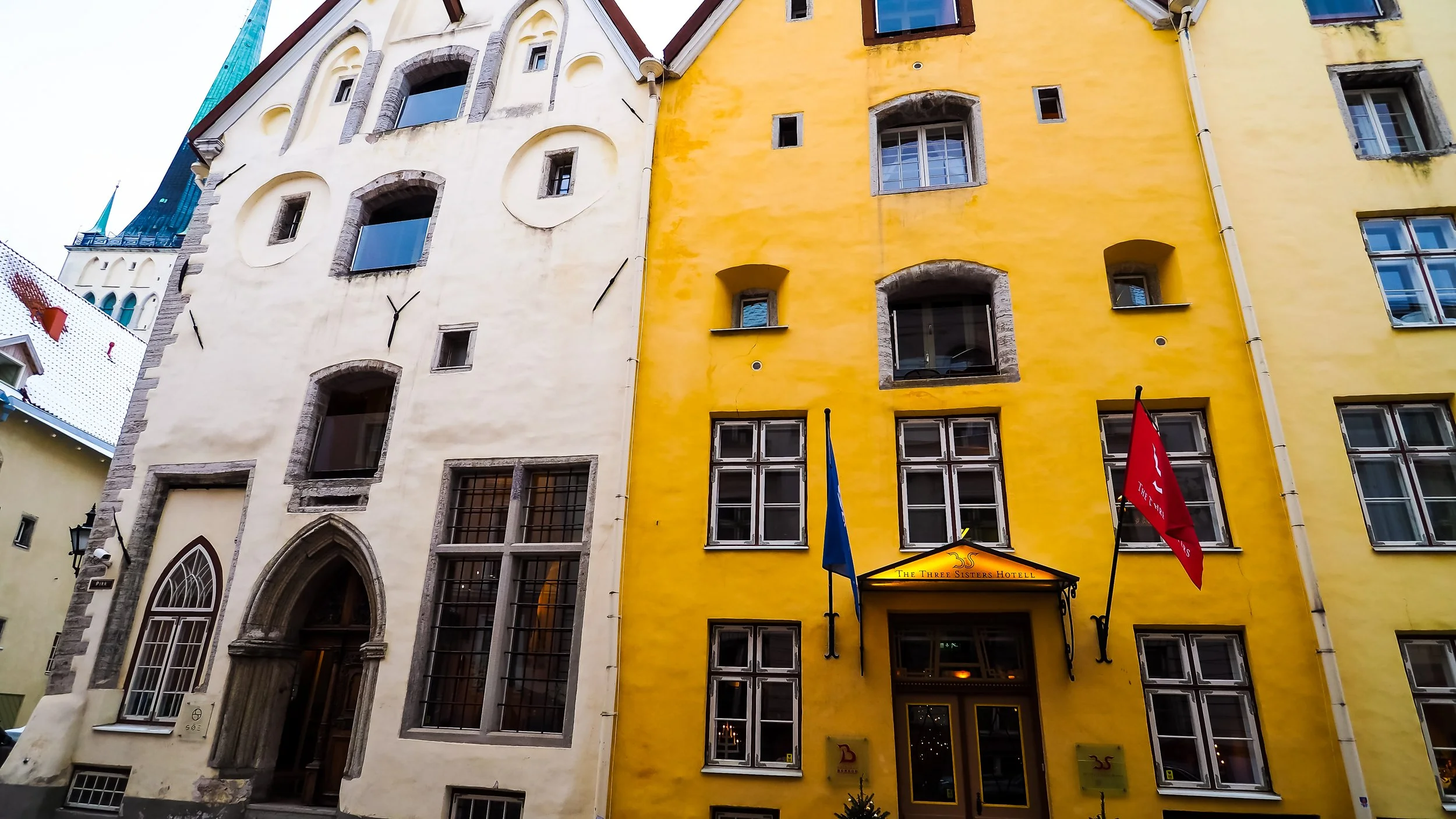
Tallinn is a cultural hub with numerous museums, theaters, and festivals. Its medieval Old Town is one of the best-preserved in Europe, attracting many tourists.
In recent years, Tallinn has become a notable center for the tech industry, often referred to as the "Silicon Valley of Europe" due to the success of startups like Skype and TransferWise (now Wise).
Tallinn’s history is a testament to its resilience and adaptability, showcasing its ability to thrive through various periods of foreign domination and emerge as a dynamic and modern city in the 21st century.