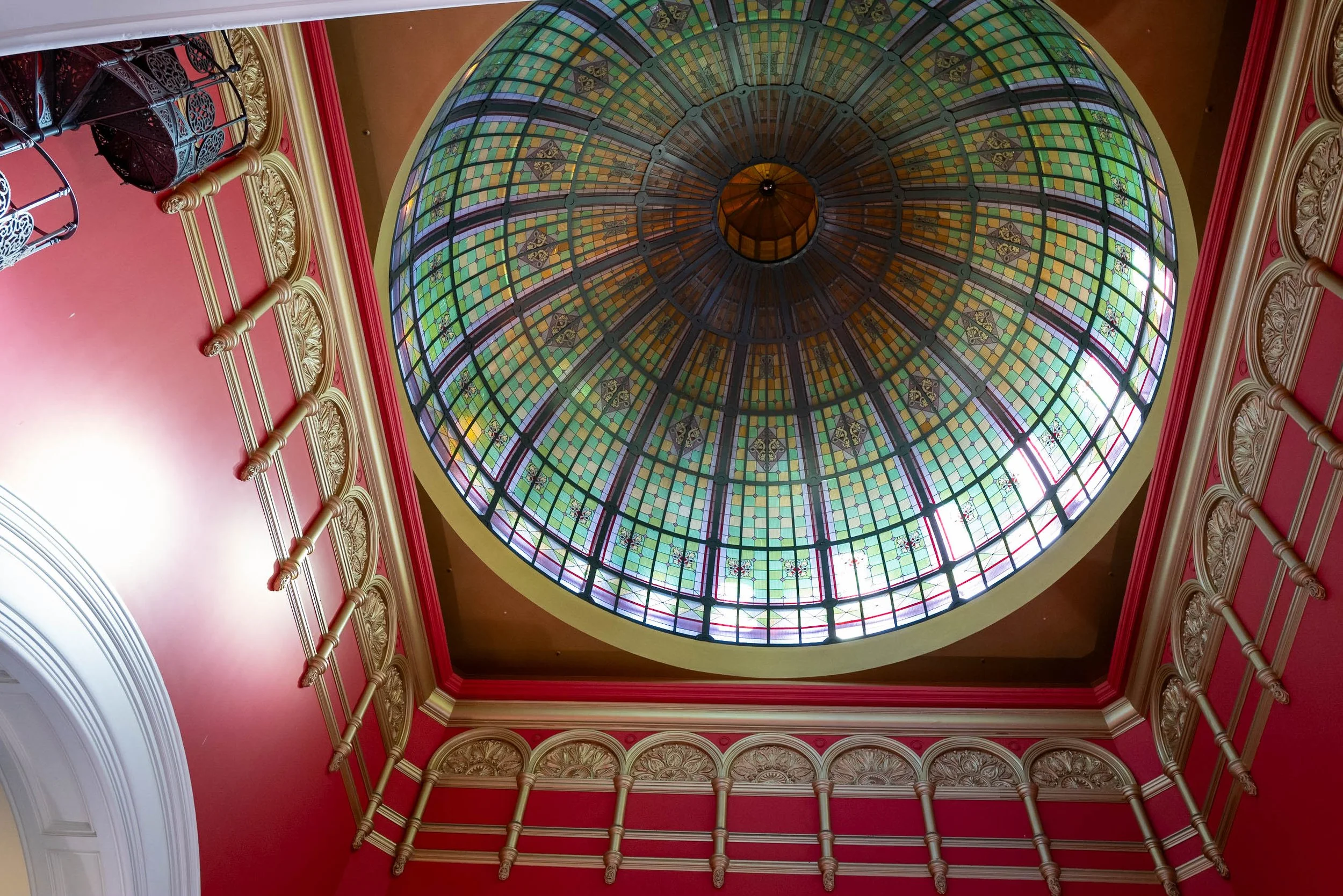
Queen Victoria Building Sydney 2023
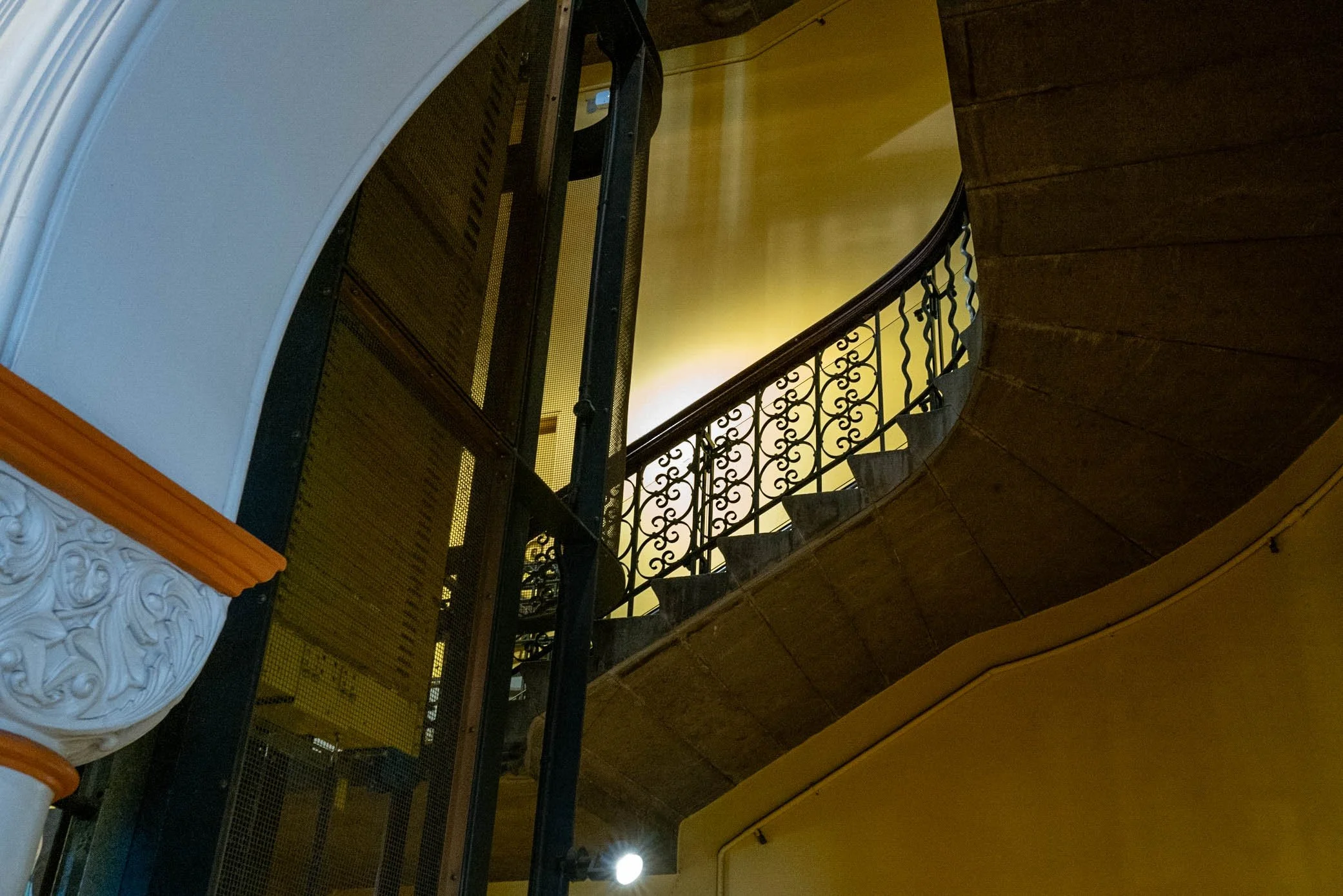
Queen Victoria Building Sydney 2023
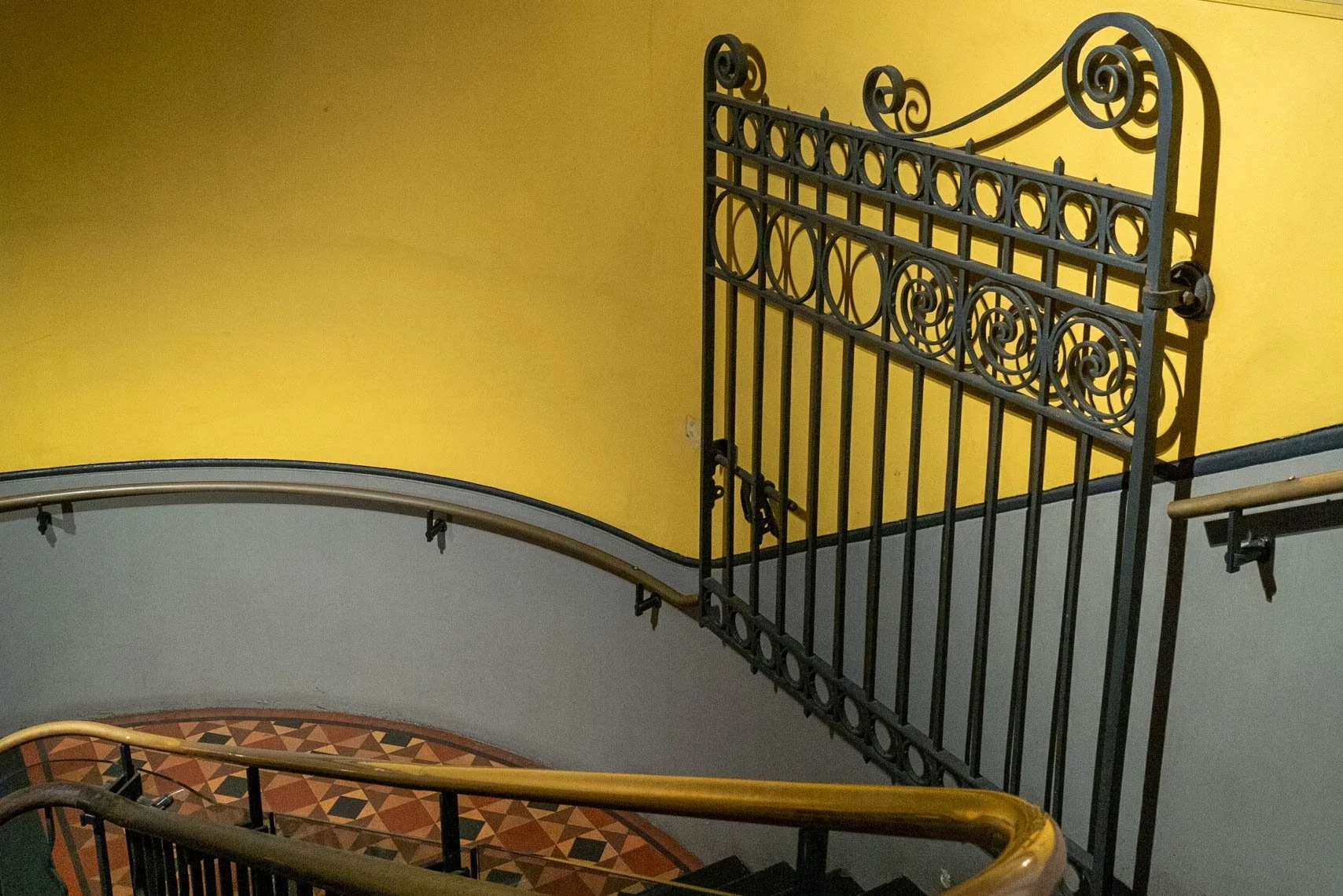
Queen Victoria Building Sydney 2023
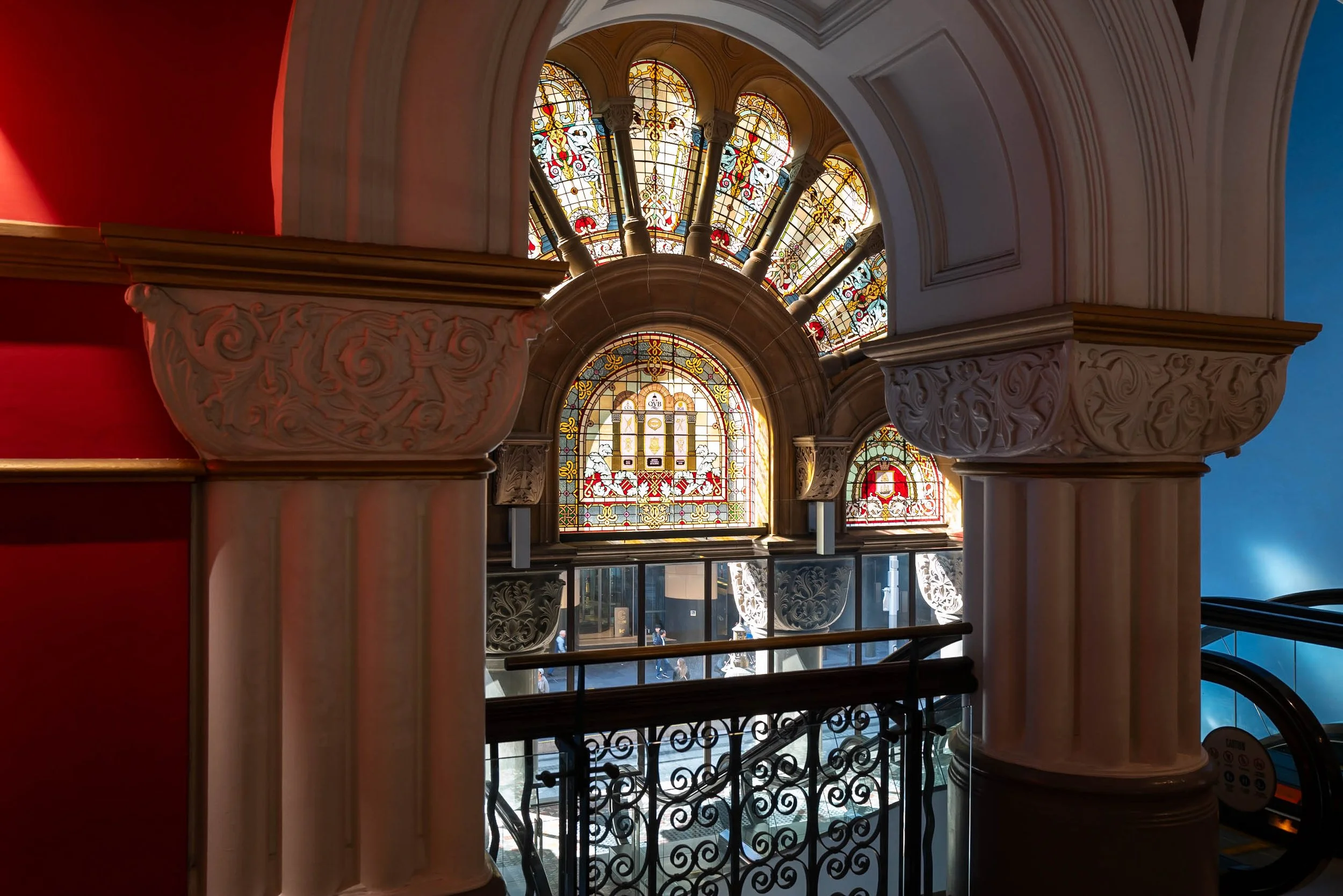
Queen Victoria Building Sydney 2023
Queen Victoria Building Sydney 2023
Queen Victoria Building Sydney 2023
Queen Victoria Building Sydney 2023
Queen Victoria Building Sydney 2023
Queen Victoria Building Sydney 2023
Queen Victoria Building Sydney 2023
Queen Victoria Building Sydney 2023
Queen Victoria Building Sydney 2023
Queen Victoria Building Sydney 2023

Queen Victoria Building Sydney 2023
Queen Victoria Building Sydney 2023
Queen Victoria Building Sydney 2023
Queen Victoria Building Sydney 2023
Queen Victoria Building Sydney 2023
Queen Victoria Building Sydney 2023
Queen Victoria Building Sydney 2023
Queen Victoria Building Sydney 2023
Queen Victoria Building Sydney 2023
Queen Victoria Building Sydney 2023
Queen Victoria Building Sydney 2023
Queen Victoria Building Sydney 2023
Queen Victoria Building Sydney 2023
Queen Victoria Building Sydney 2023
Queen Victoria Building Sydney 2023
Queen Victoria Building Sydney 2023
Queen Victoria Building Sydney 2023
Queen Victoria Building Sydney 2023
Queen Victoria Building Sydney 2023

Queen Victoria Building Sydney 2023
Queen Victoria Building Sydney 2023
Queen Victoria Building Sydney 2023
Queen Victoria Building Sydney 2023
Queen Victoria Building Sydney 2023
Queen Victoria Building Sydney 2023
Queen Victoria Building Sydney 2023

Queen Victoria Building Sydney 2023
Queen Victoria Building Sydney 2023
Queen Victoria Building Sydney 2023
Queen Victoria Building Sydney 2023
Queen Victoria Building Sydney 2023
Queen Victoria Building Sydney 2023
Queen Victoria Building Sydney 2023
The Queen Victoria Building,
Sydney, Australia
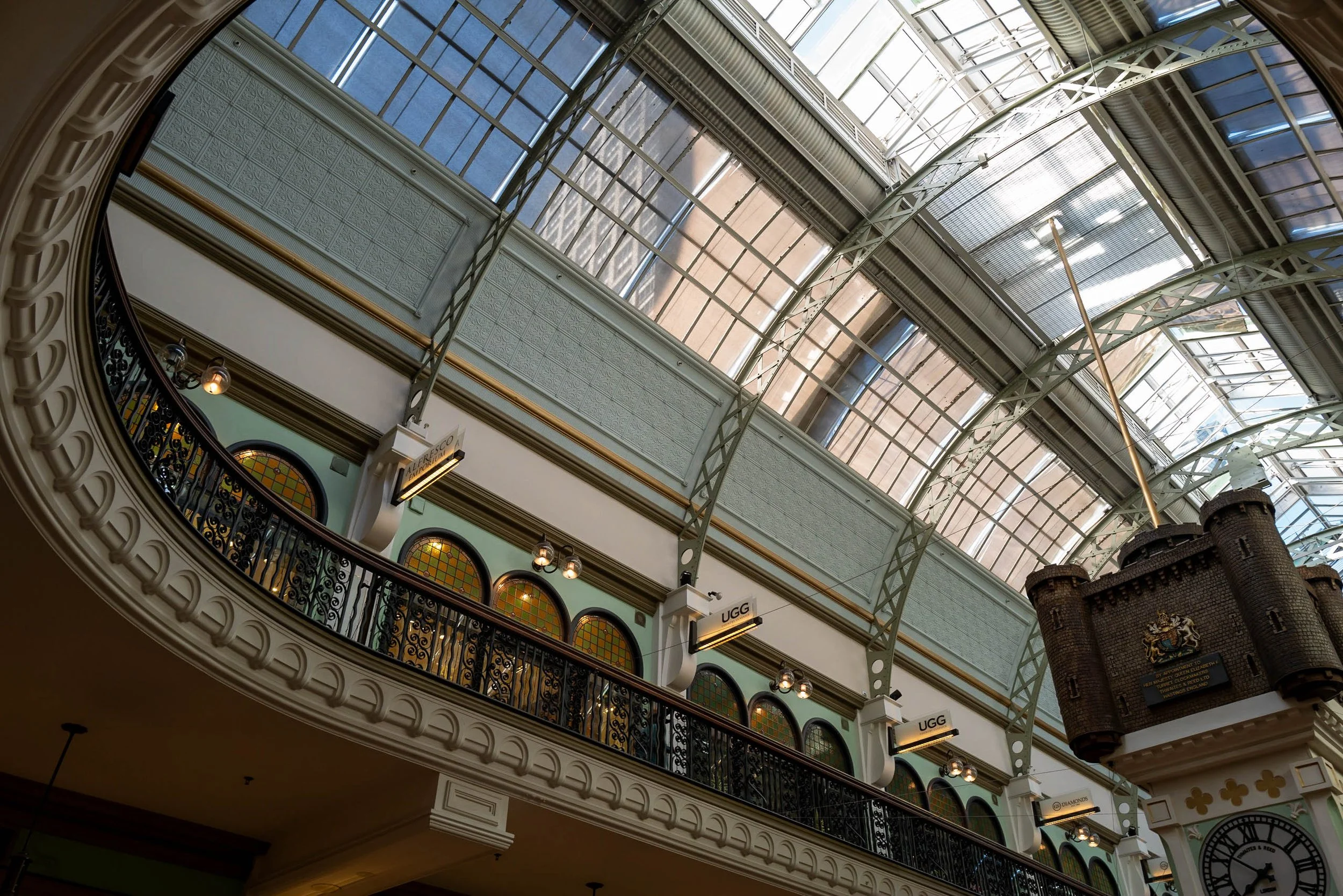
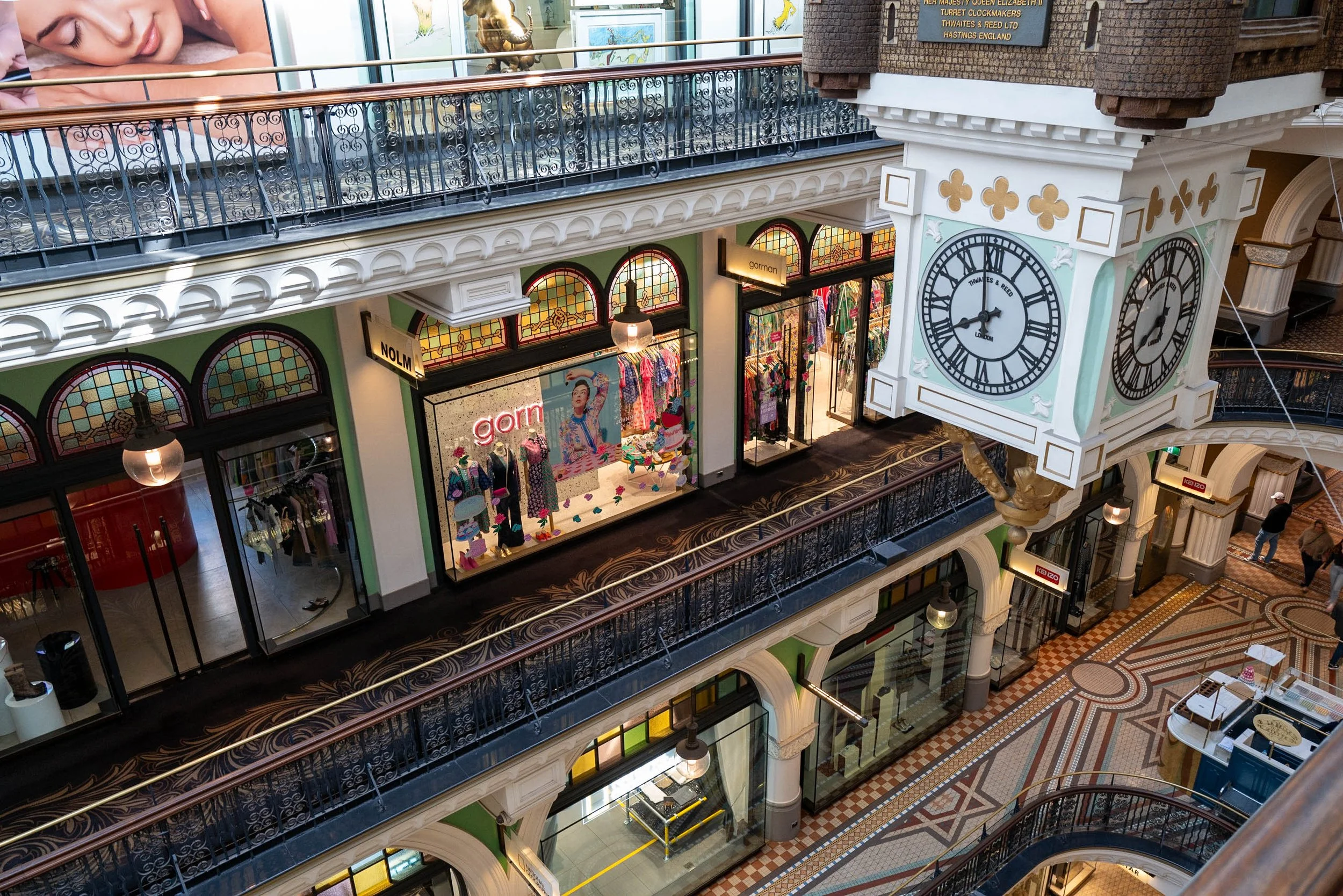
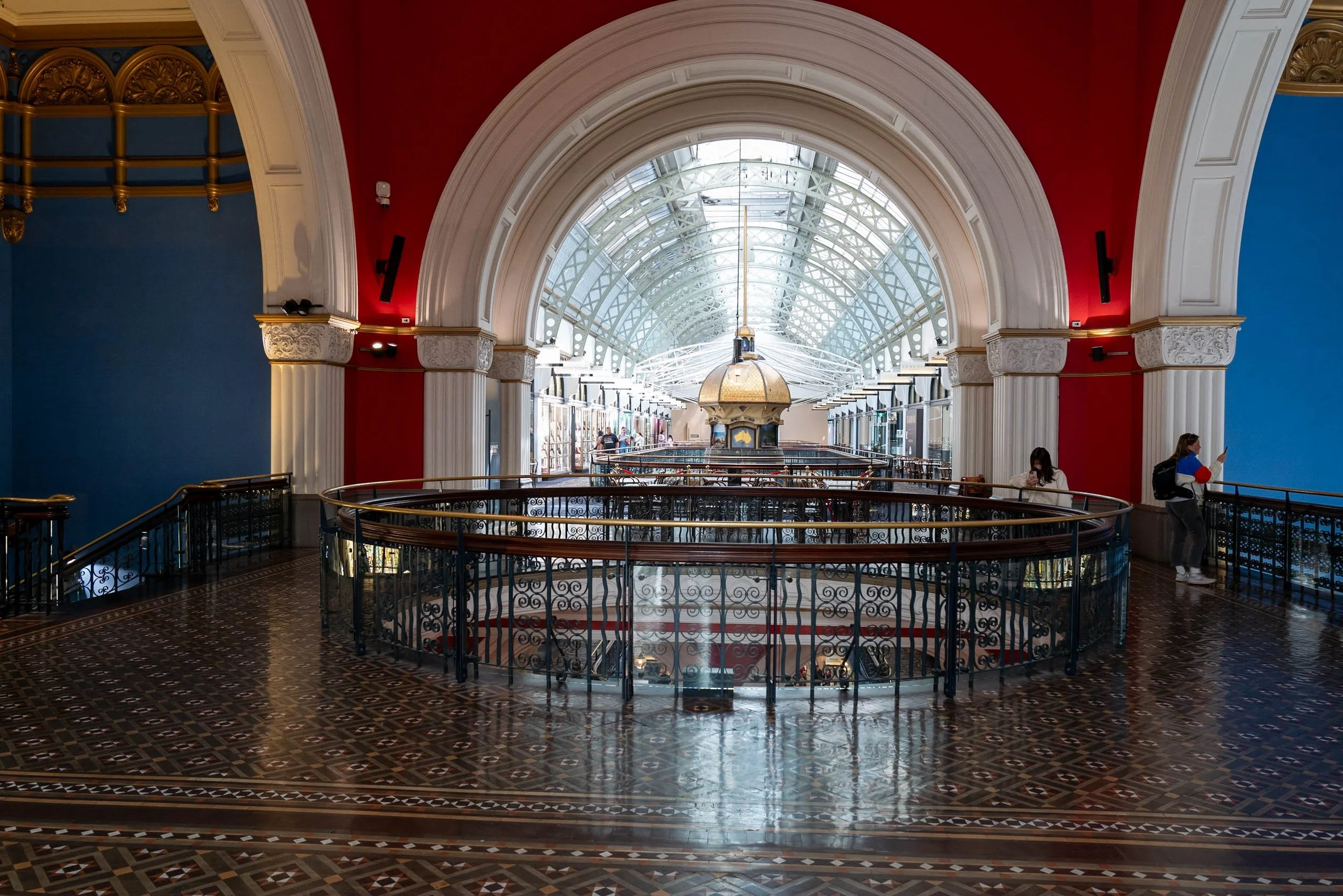
The history of the QVB in Sydney is rich and spans over a century, marked by its evolution from a marketplace to a cherished heritage building and shopping destination. It was originally commissioned during the late 19th century, a period of economic prosperity in Sydney. Designed by architect George McRae in the Romanesque Revival style, construction began in 1893 and was completed in 1898.
Originally, the QVB was intended as a marketplace to replace the original Sydney markets. The building was named in honour of Queen Victoria, who was the reigning monarch at the time of its construction. When it opened in 1898, it housed a wide range of traders, from produce sellers to tailors and florists. It quickly became a bustling hub of activity in central Sydney.
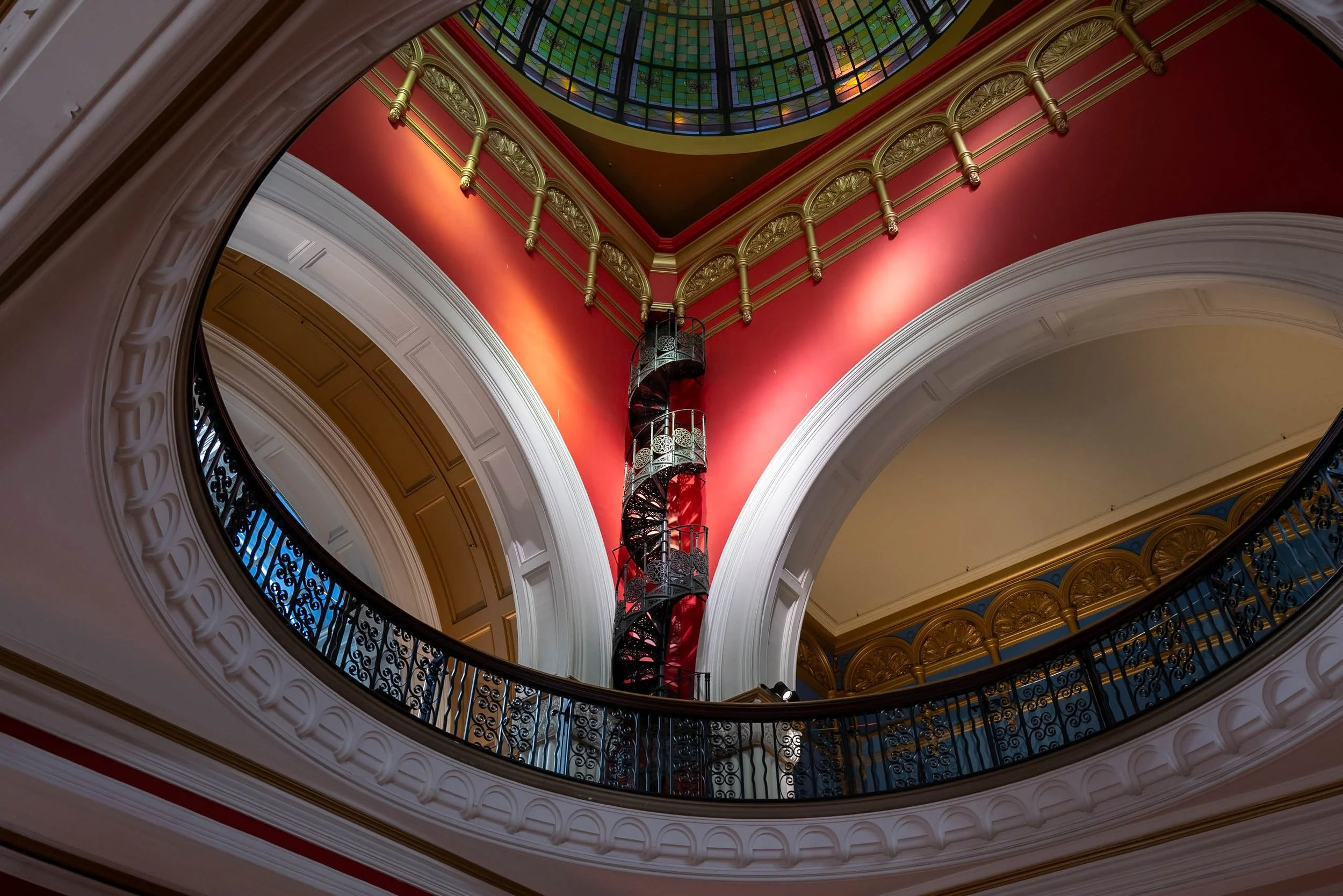
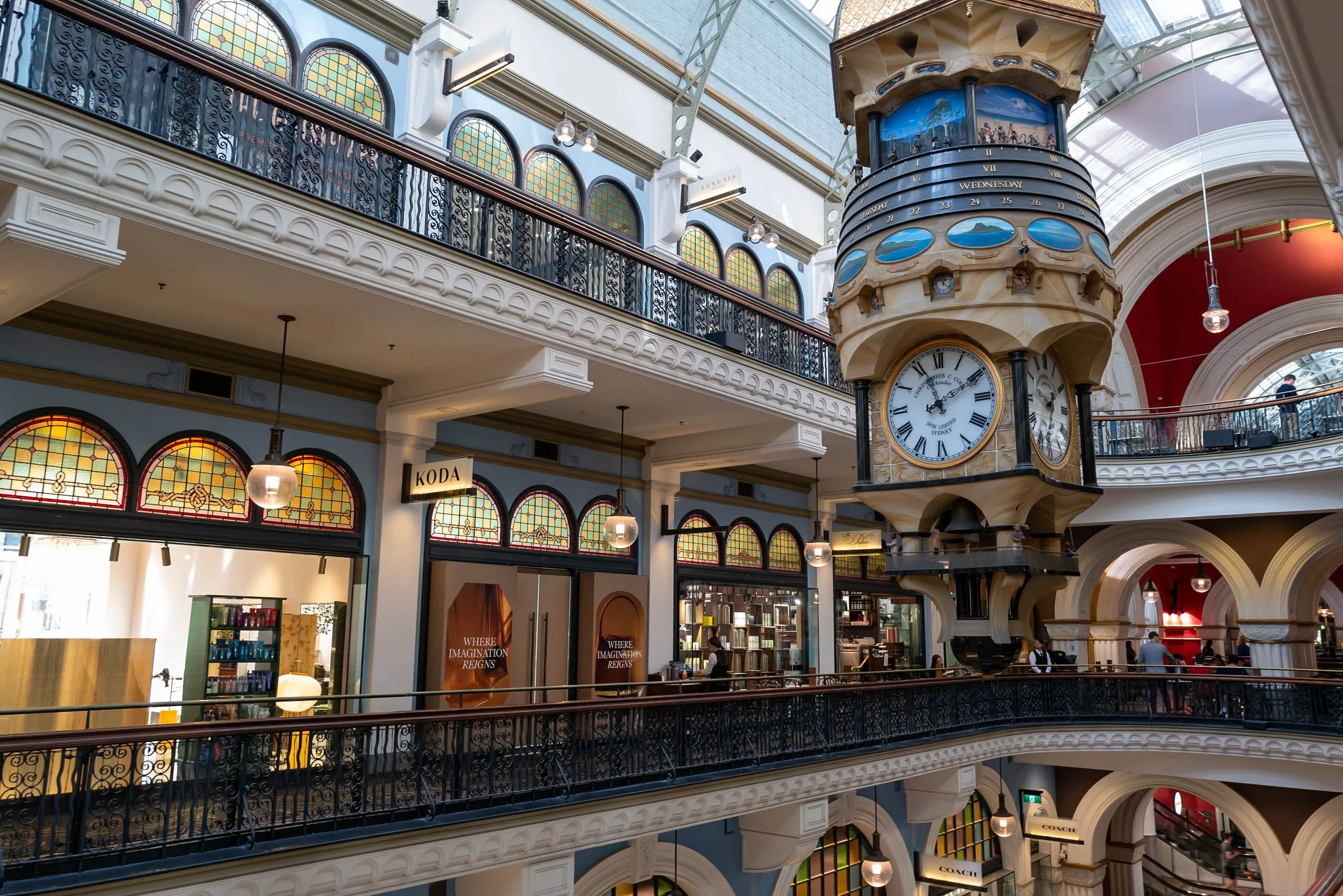
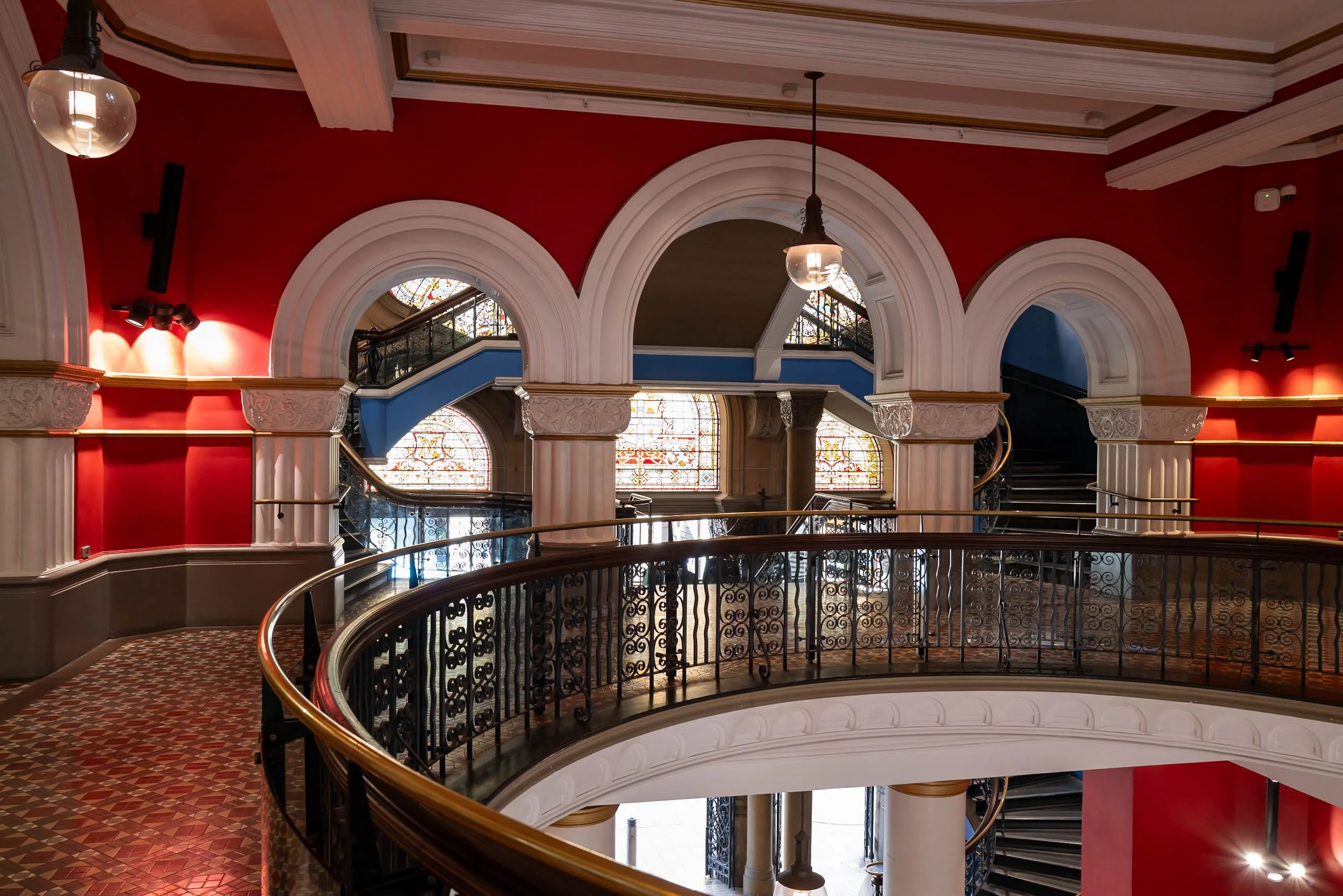
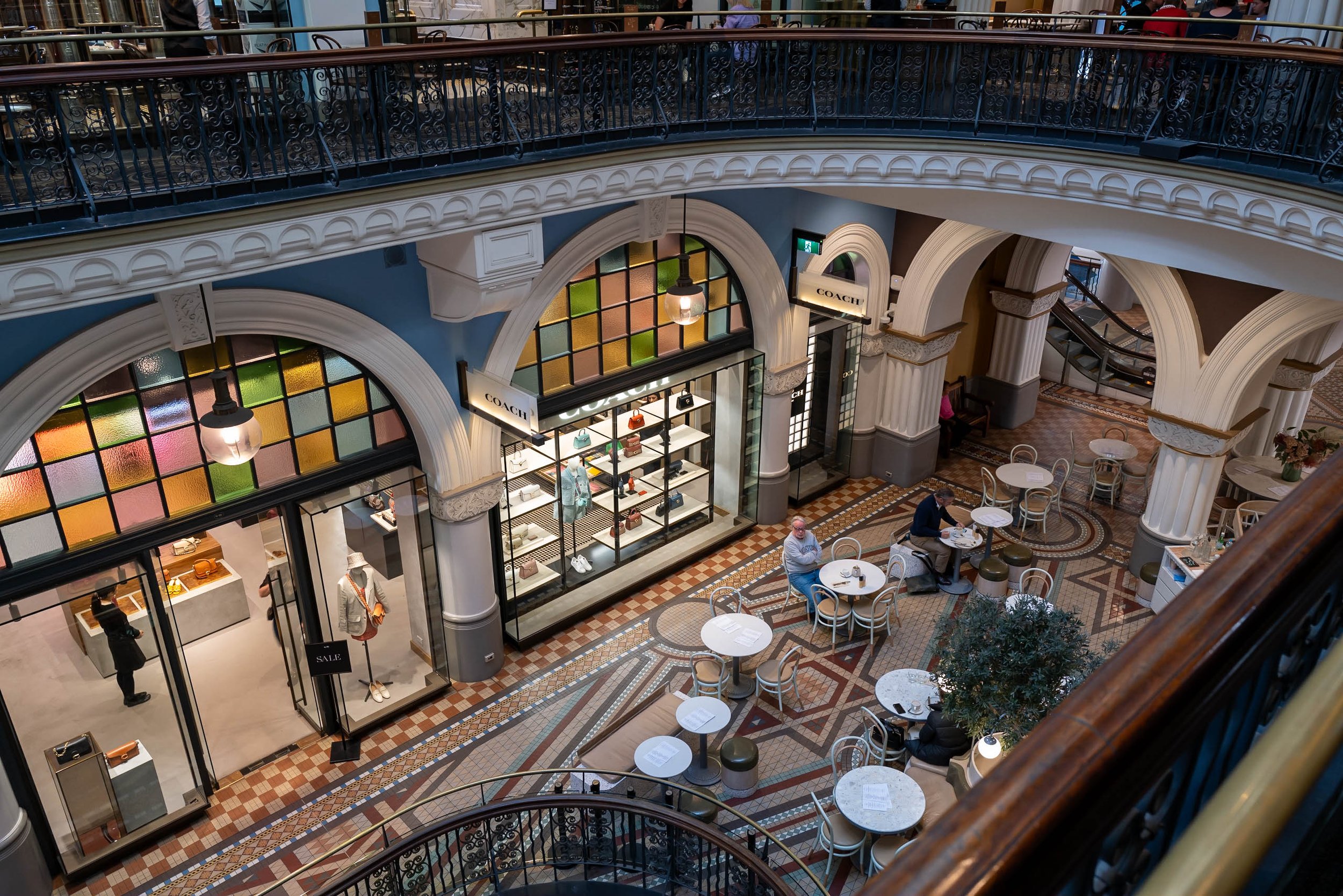
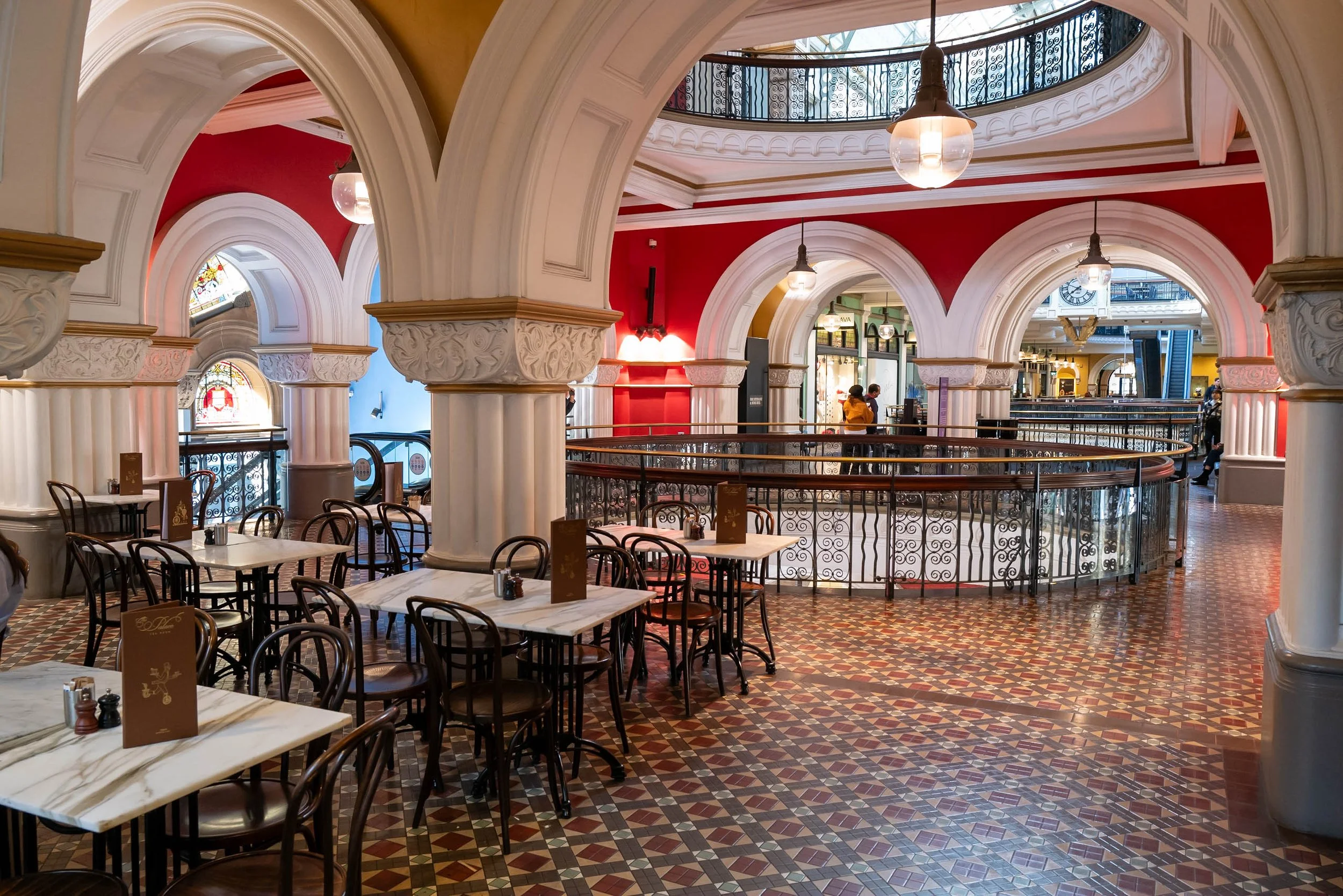
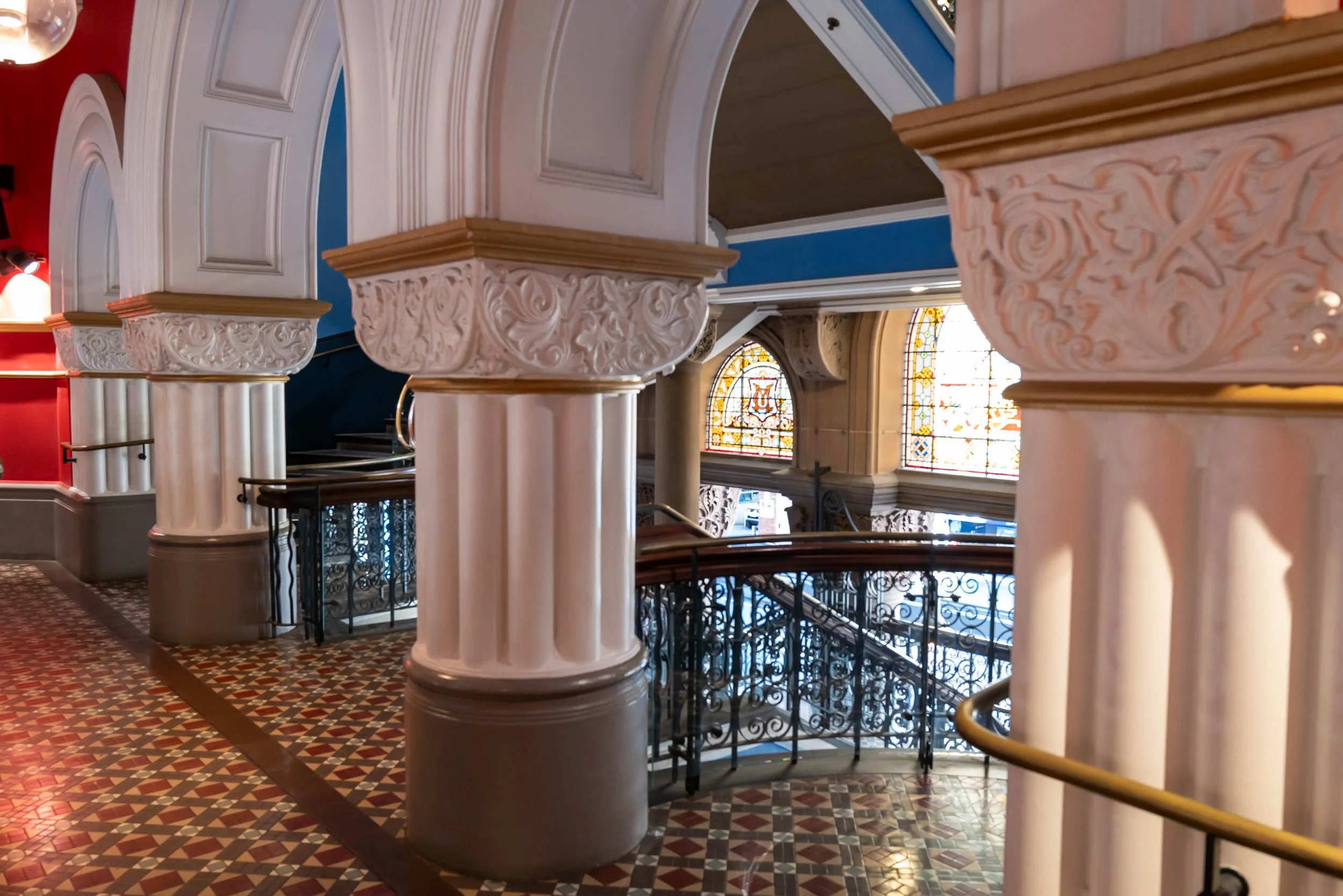
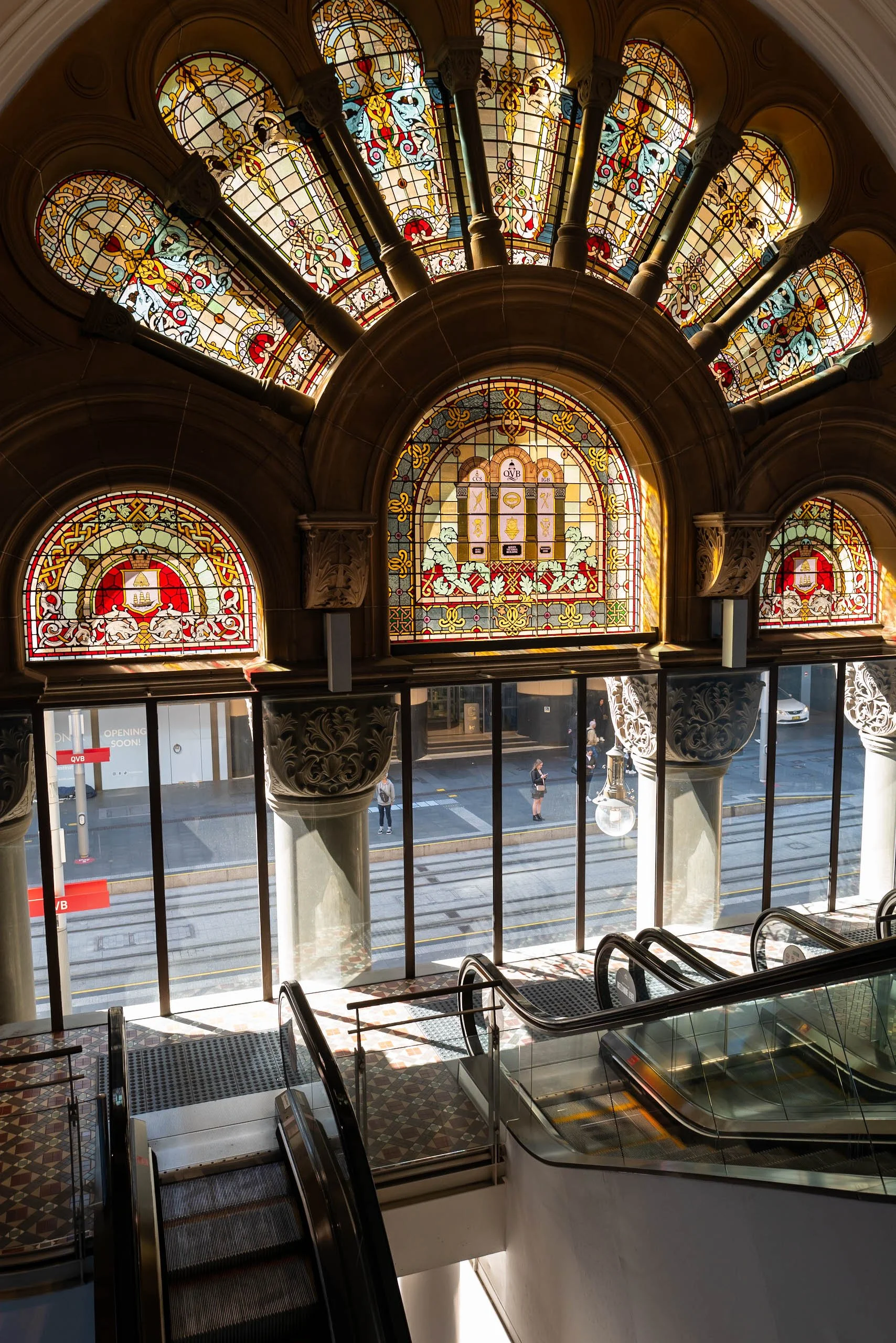
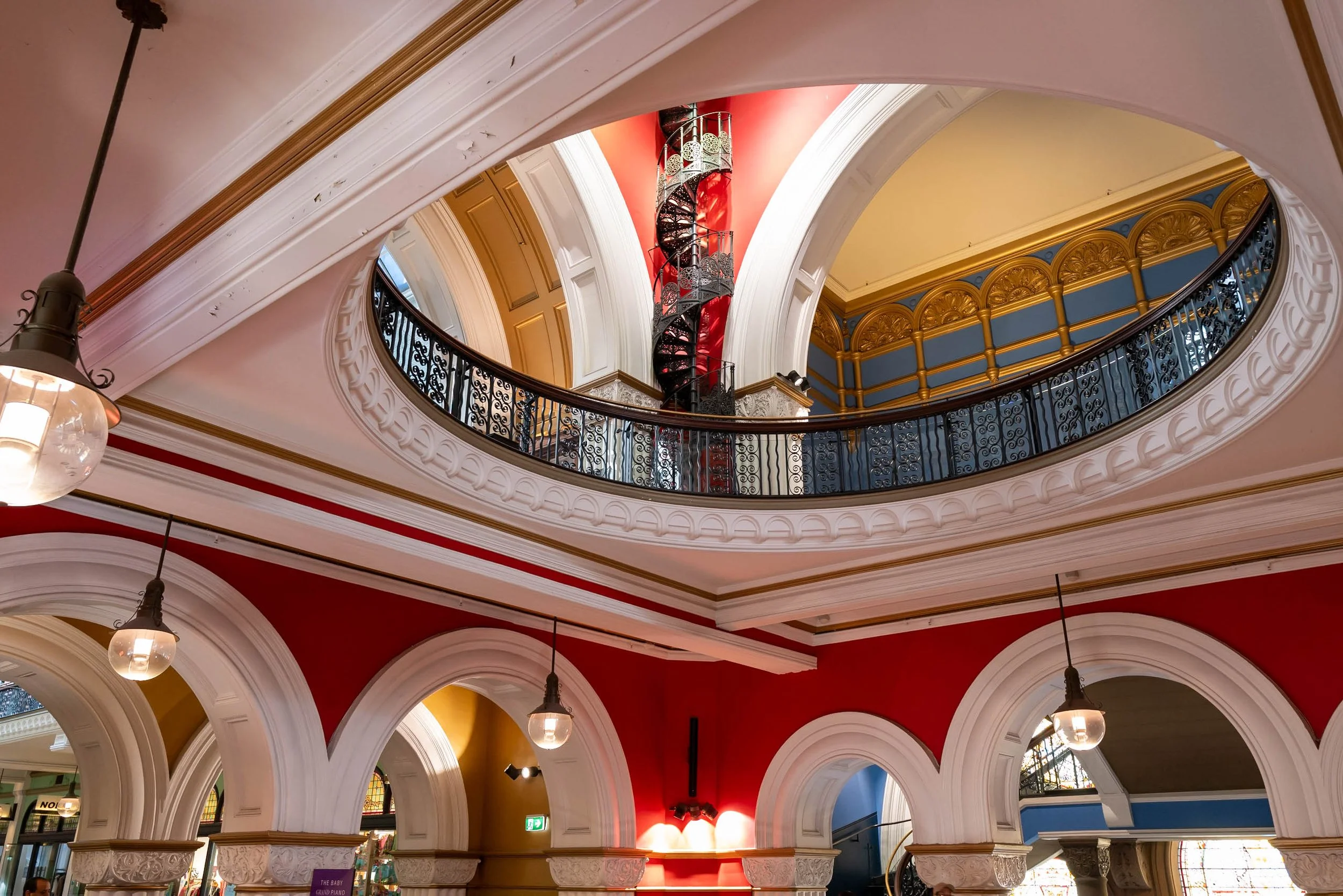
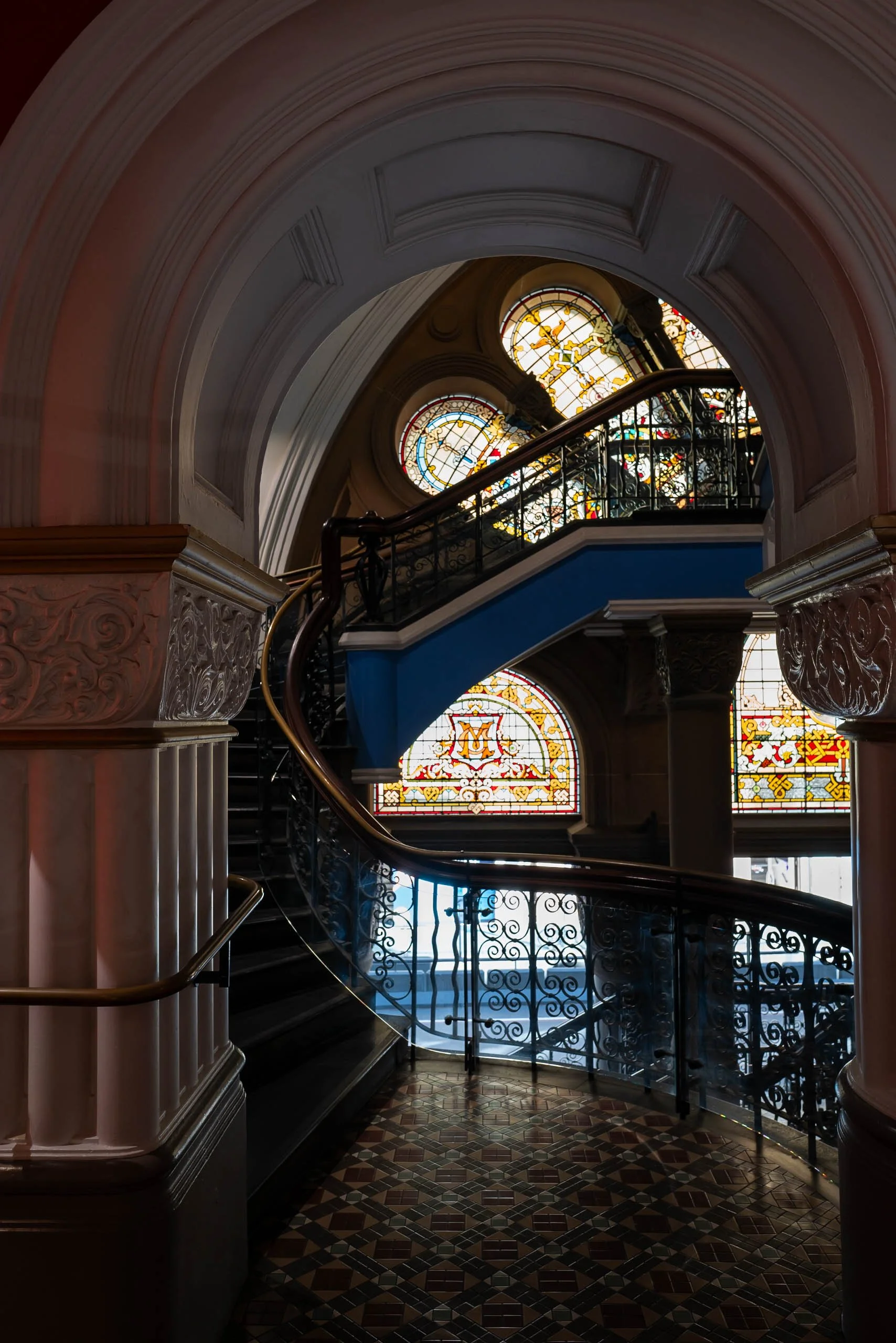
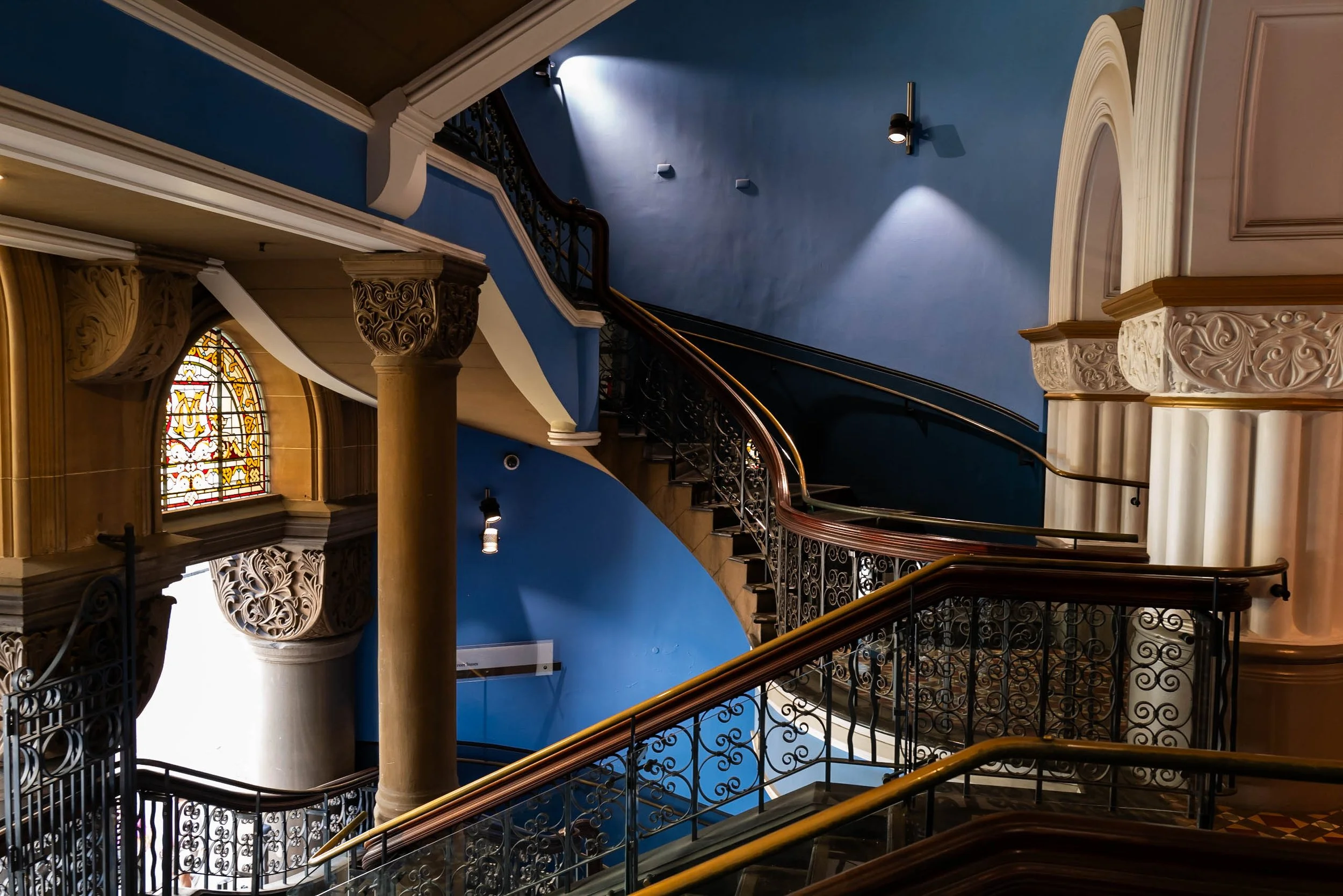
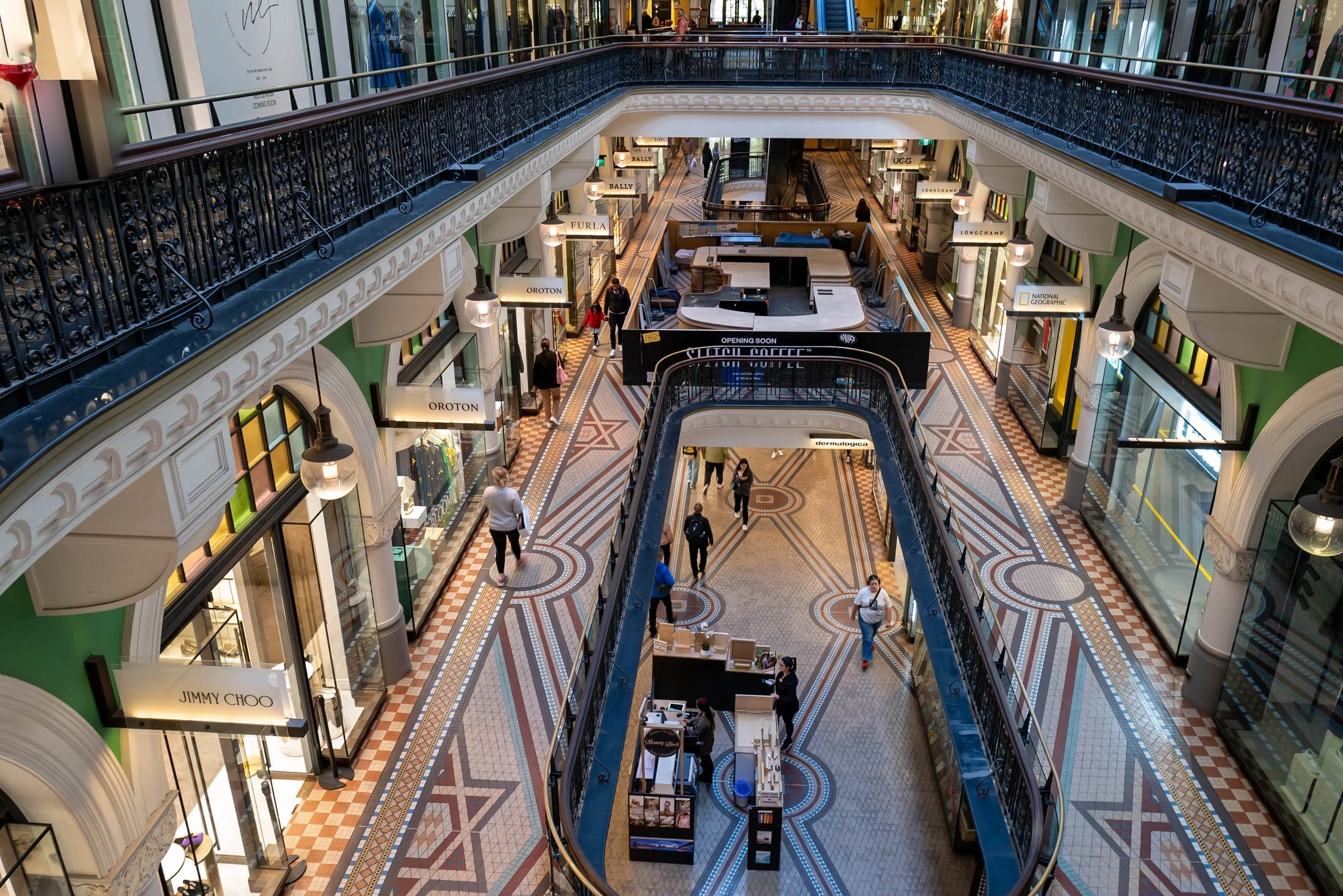
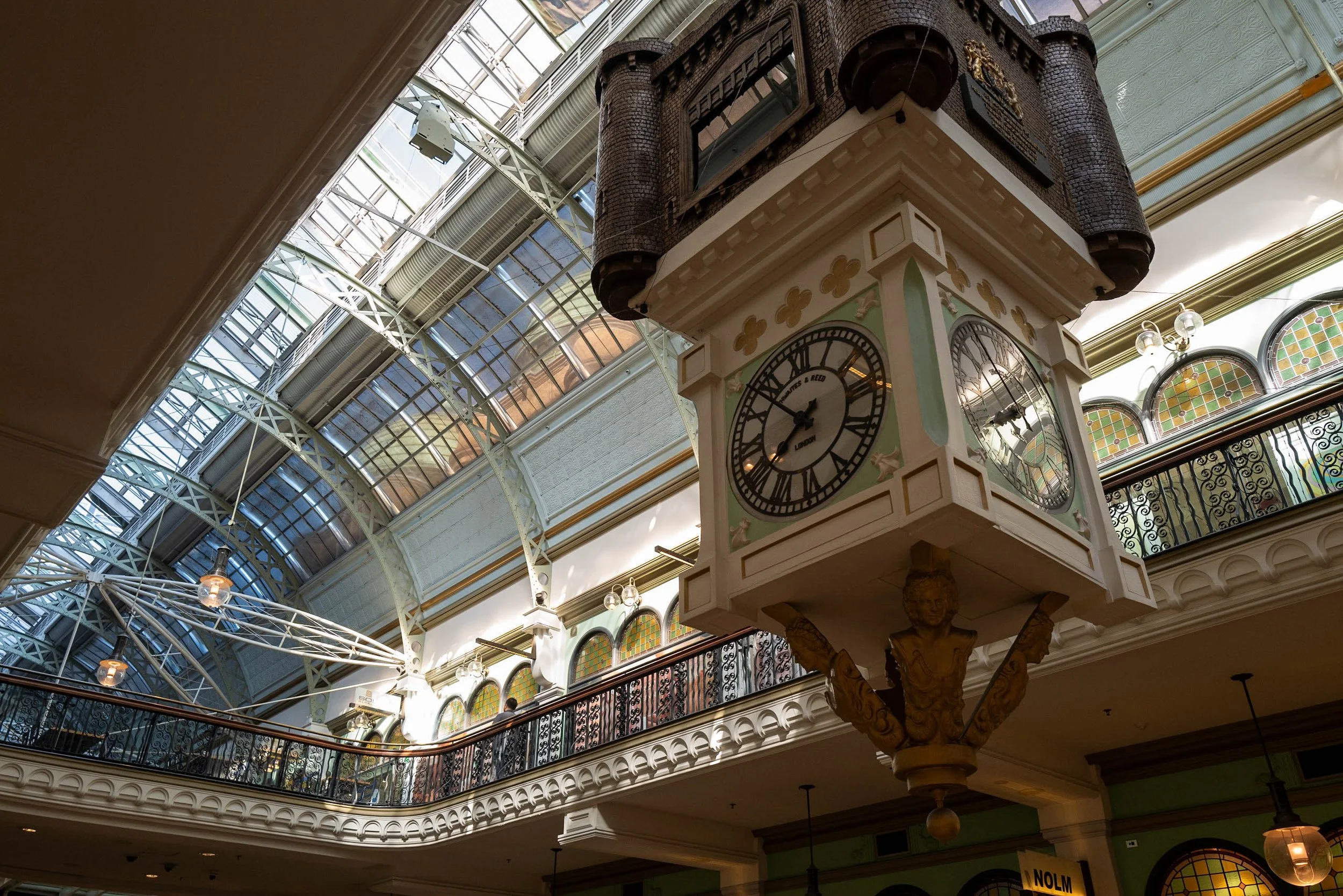
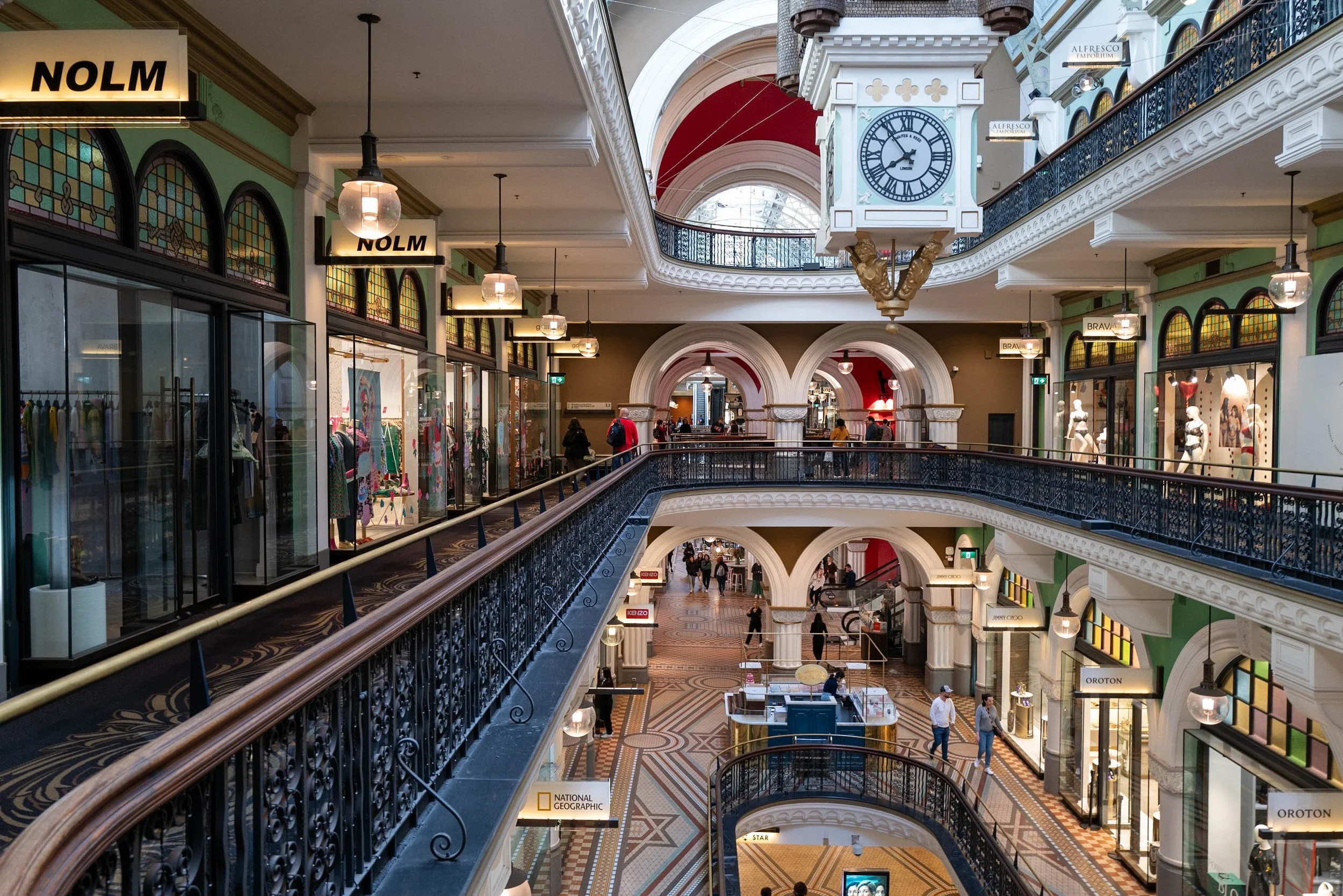
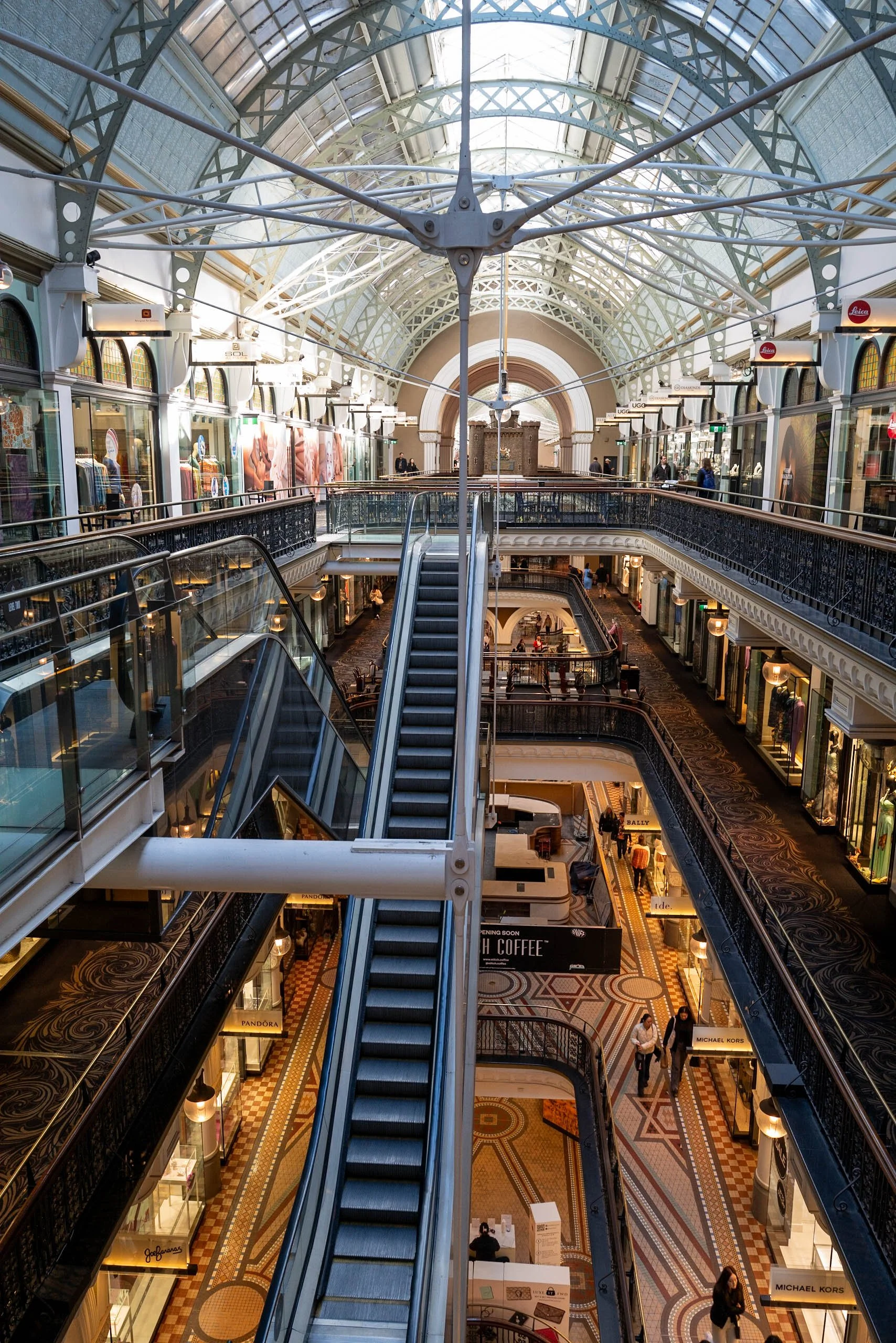
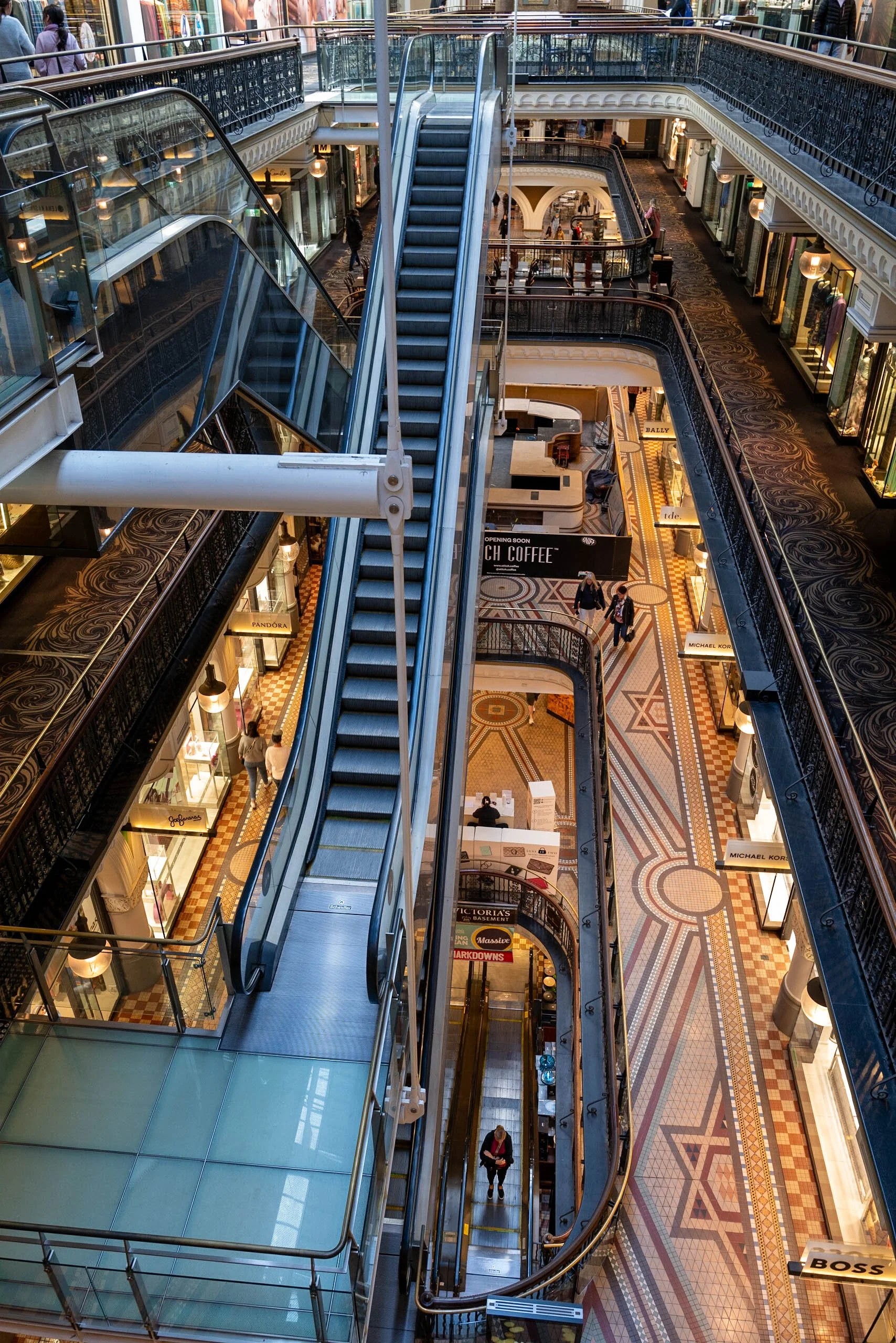
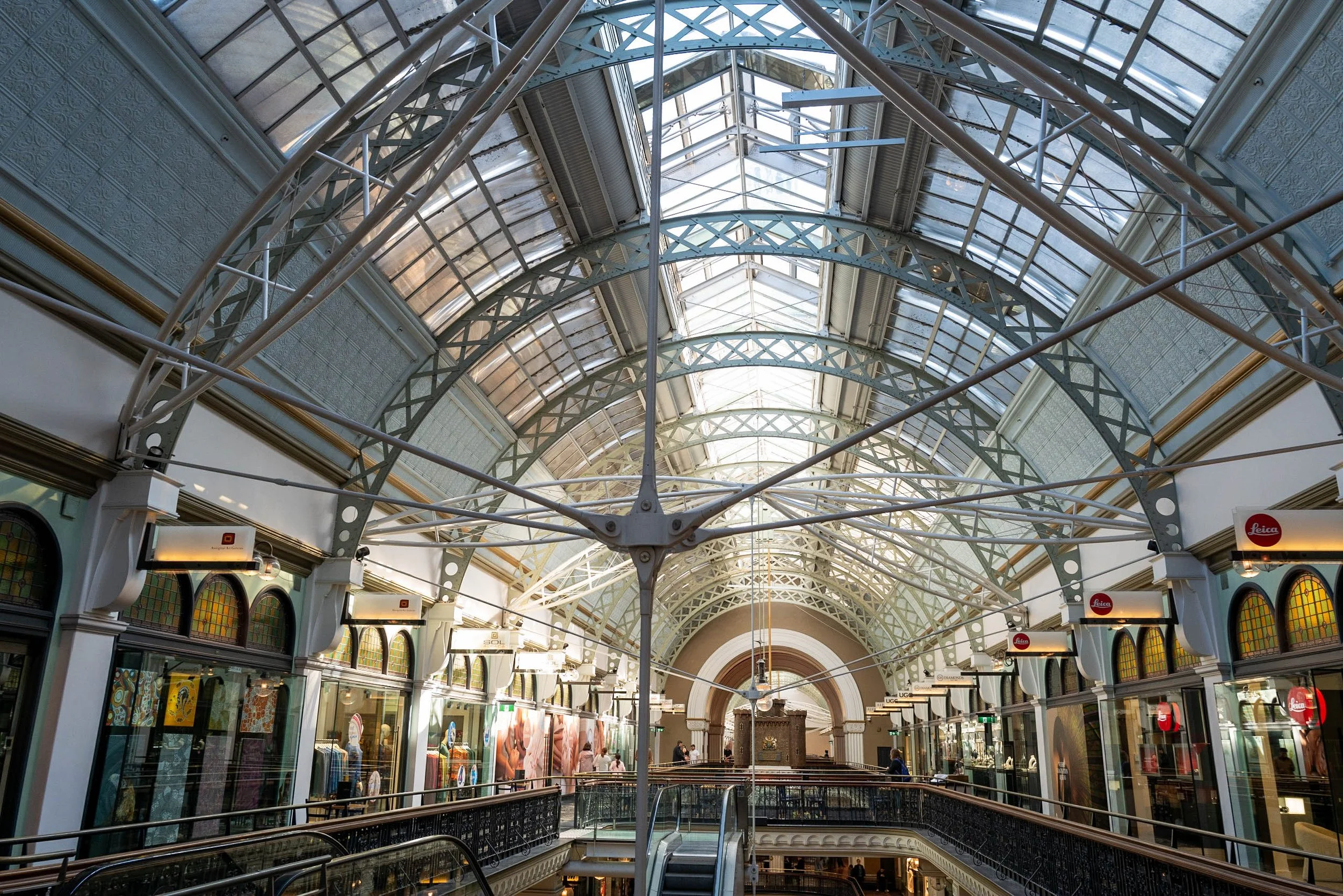
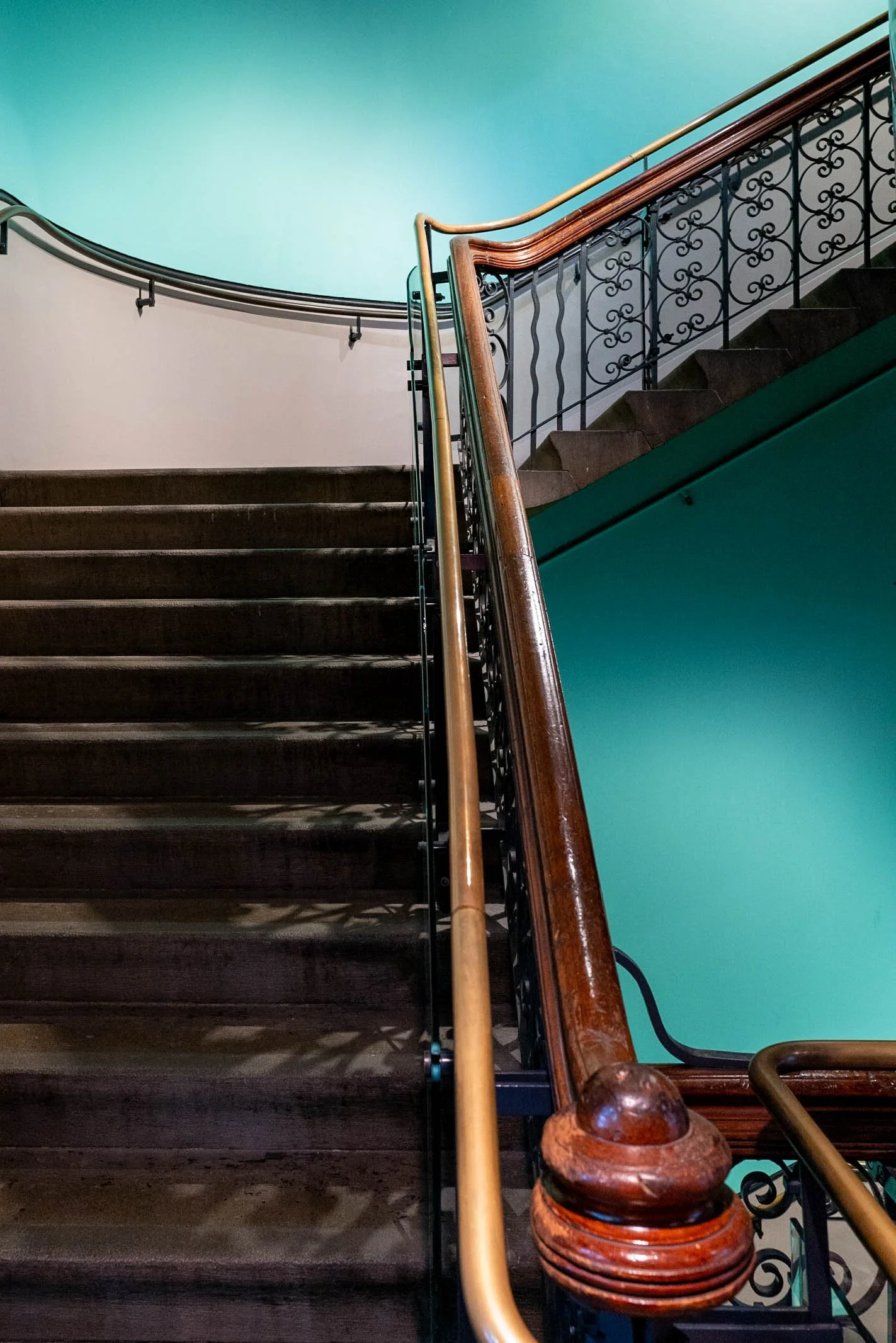
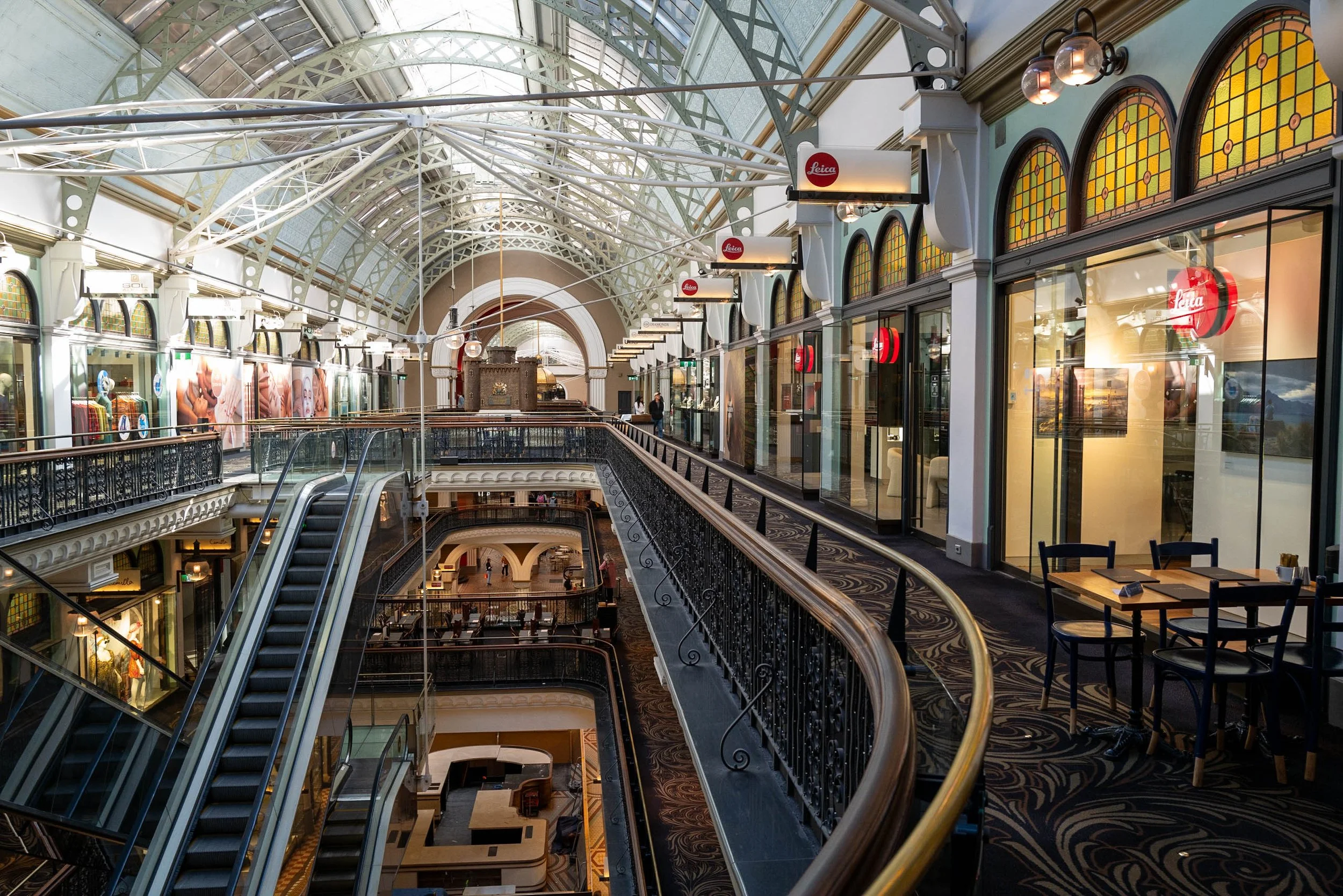
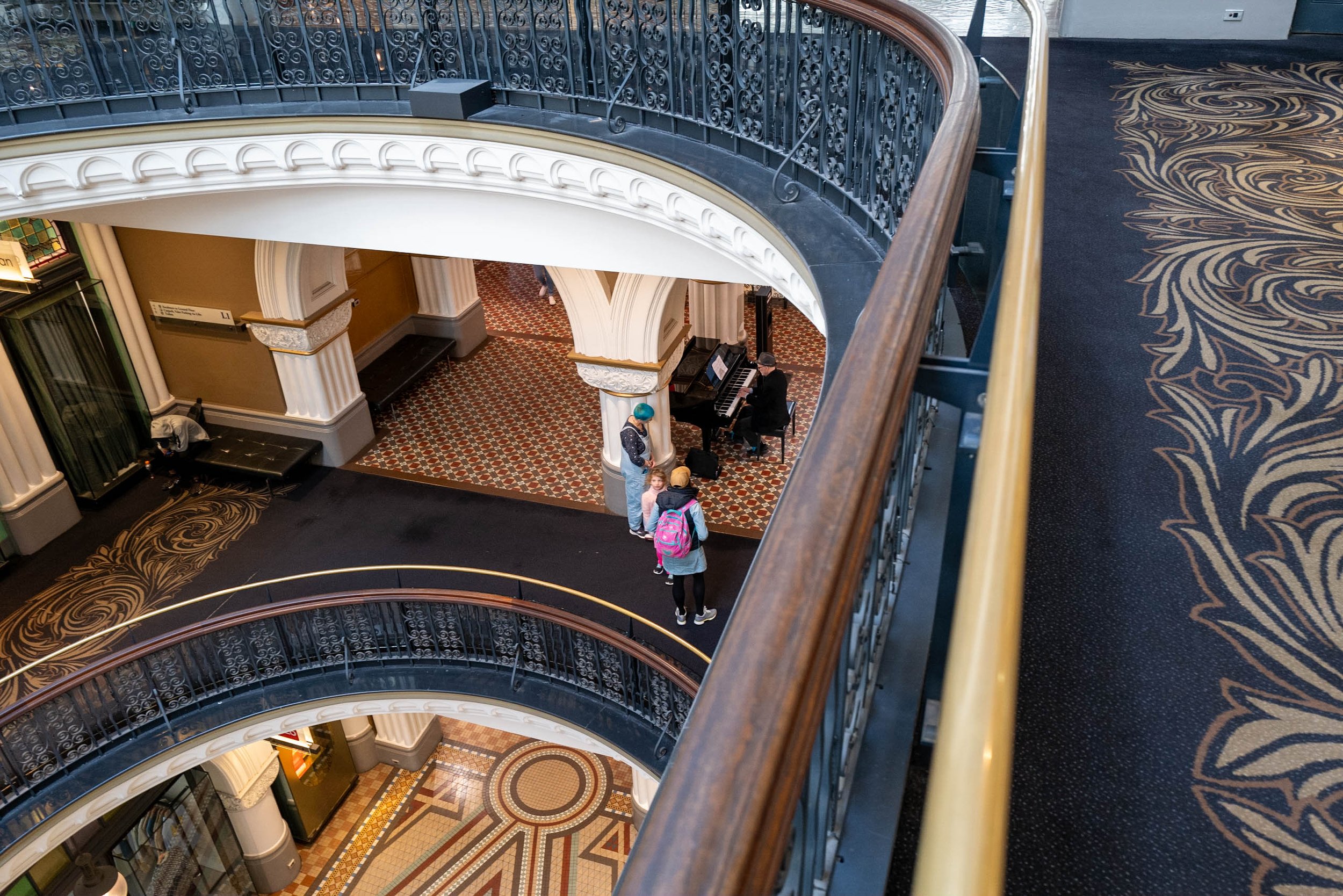
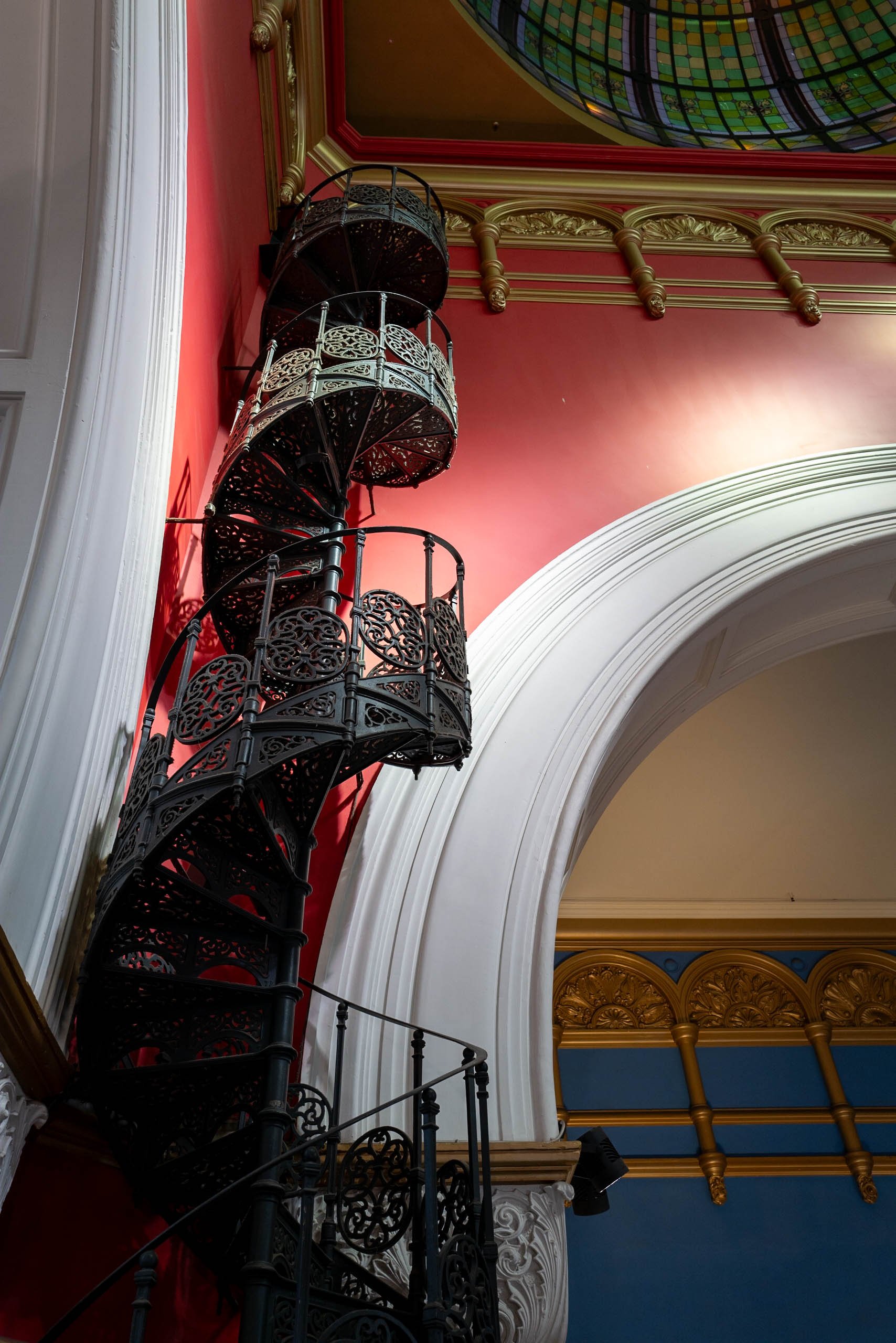
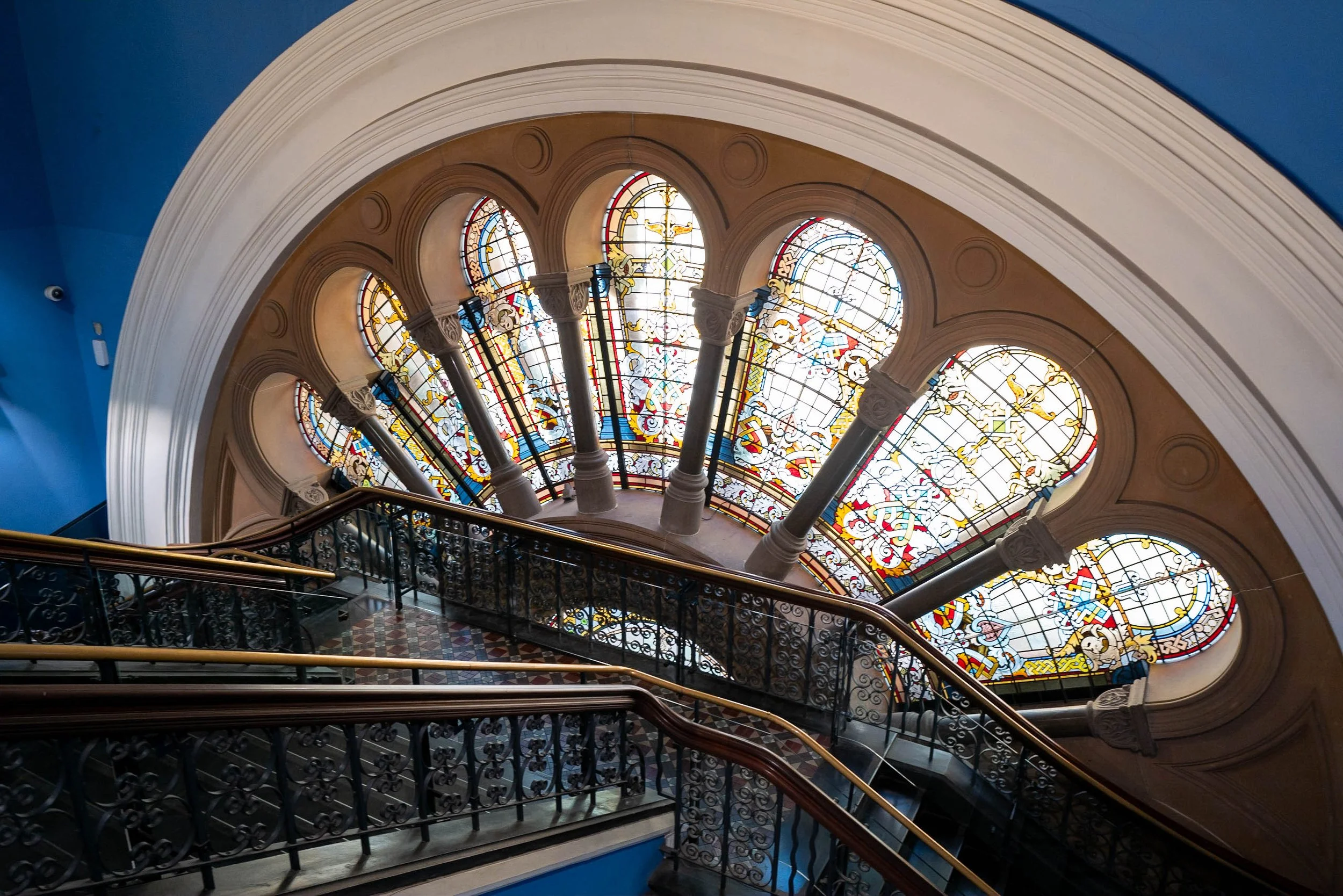
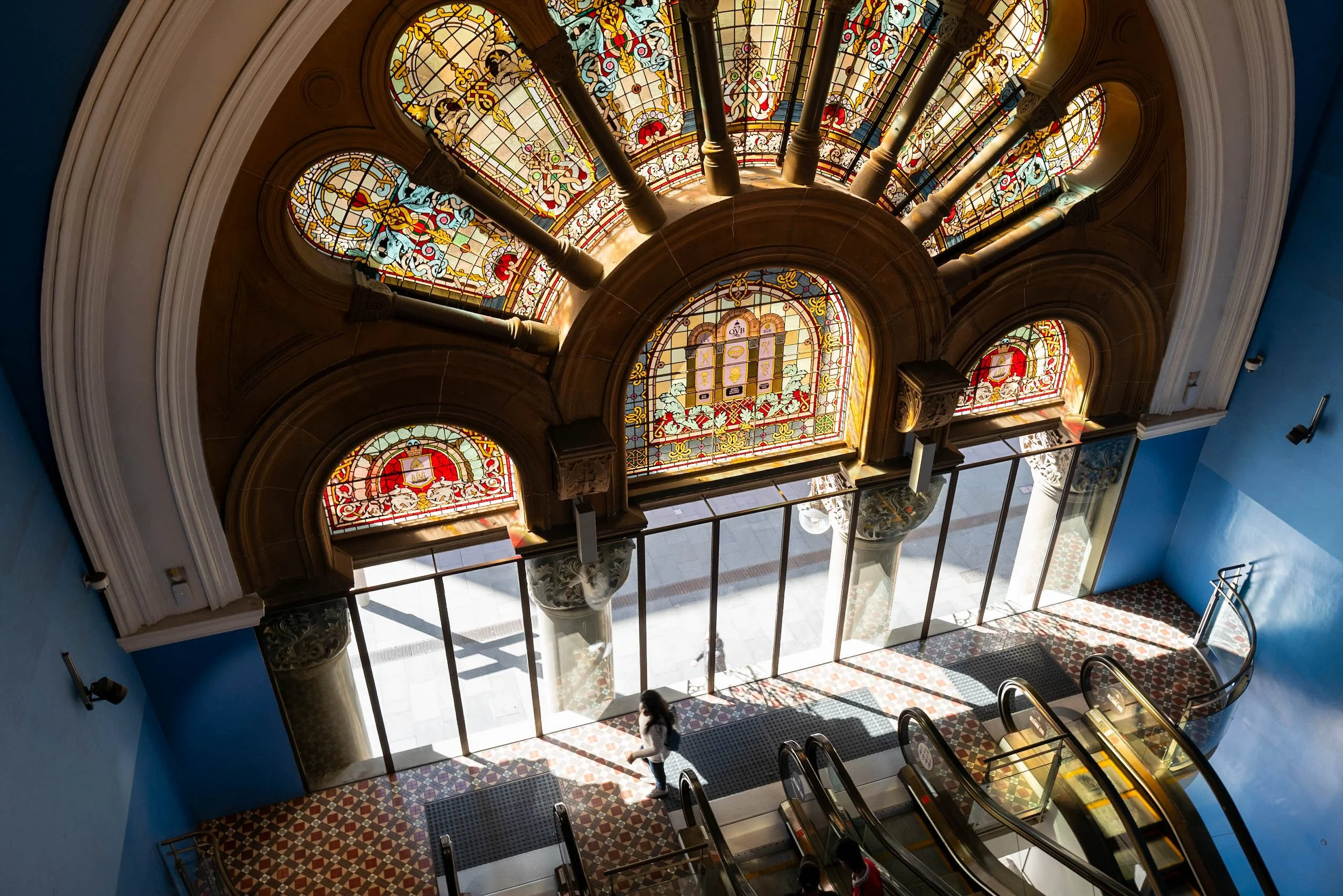
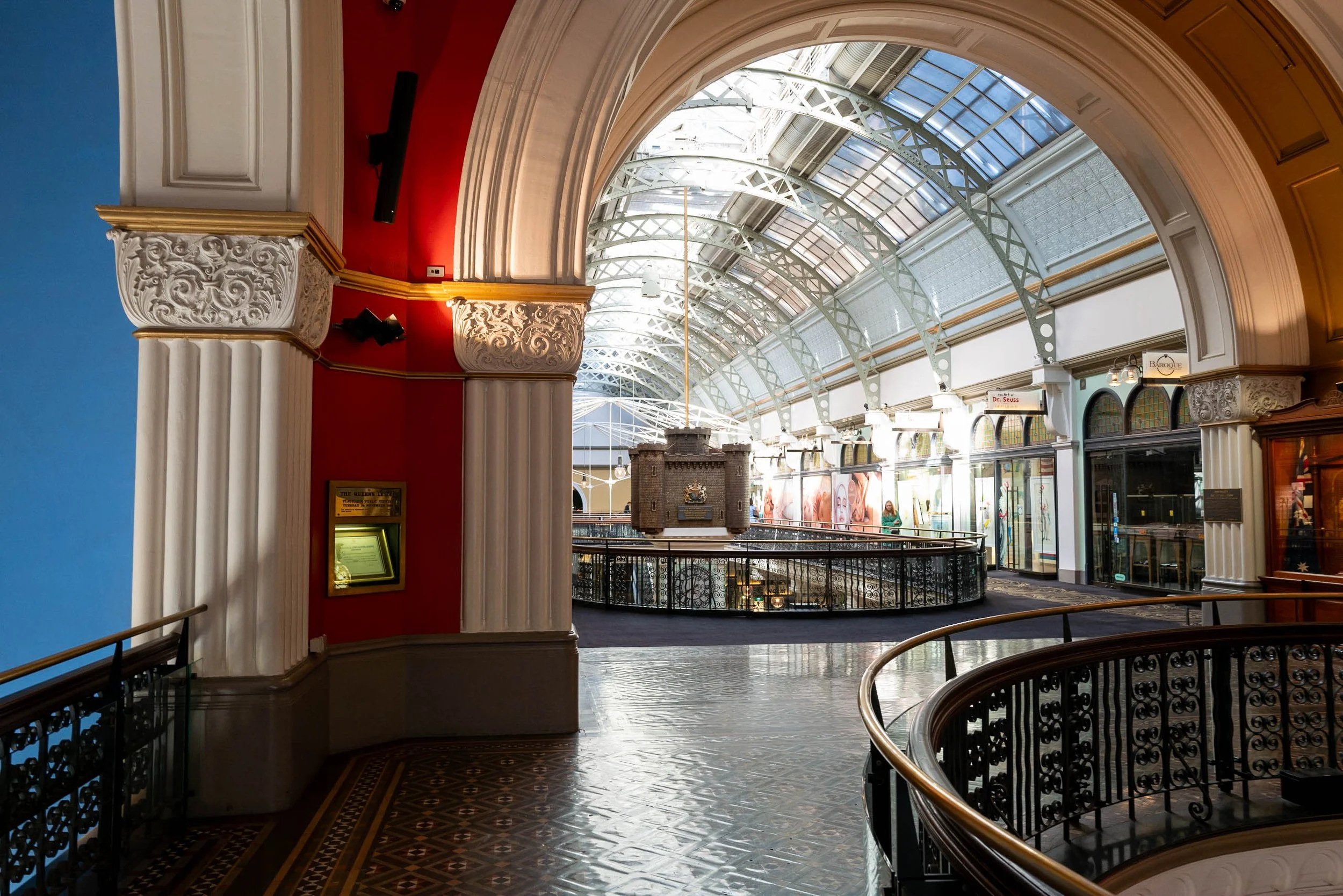
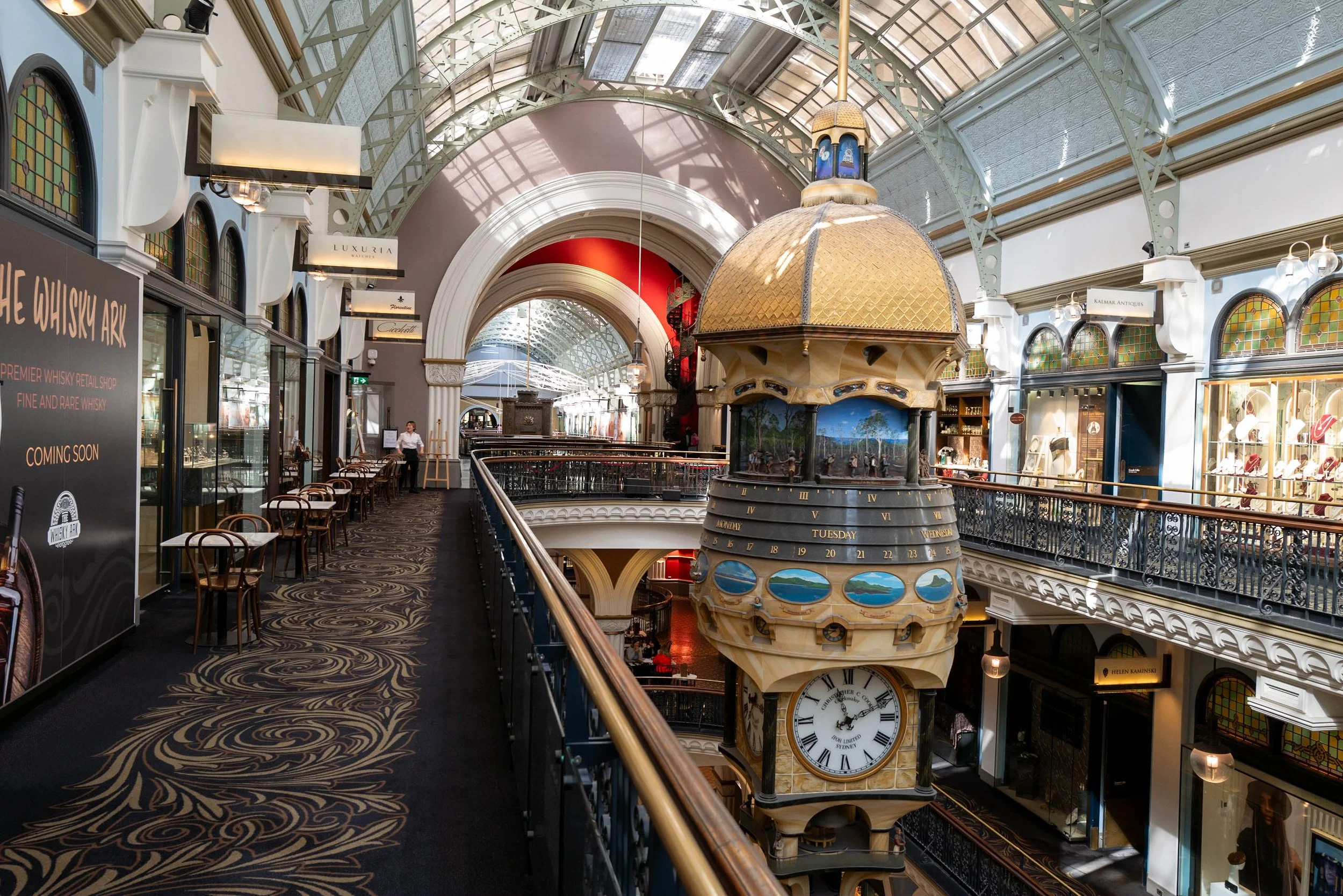
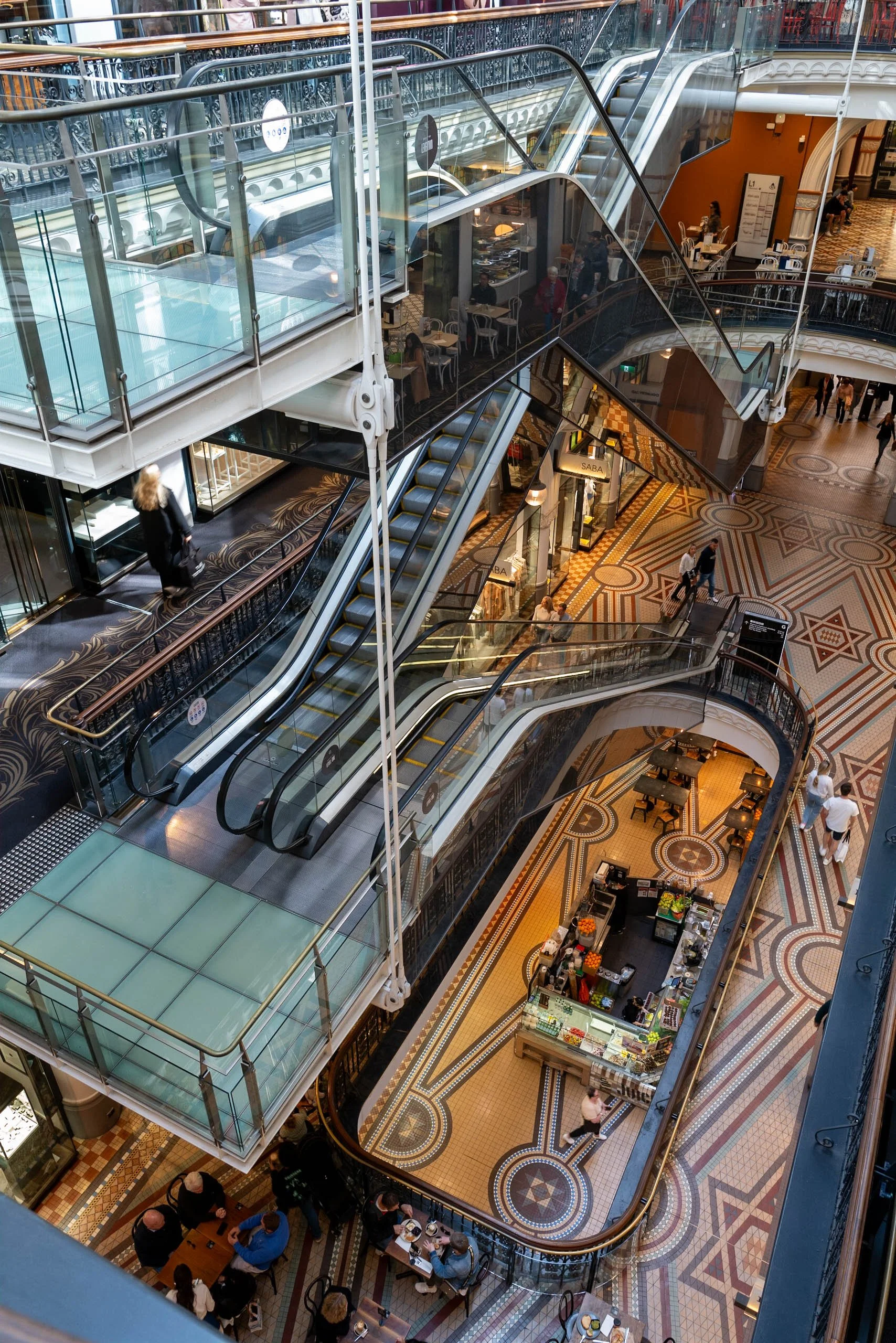
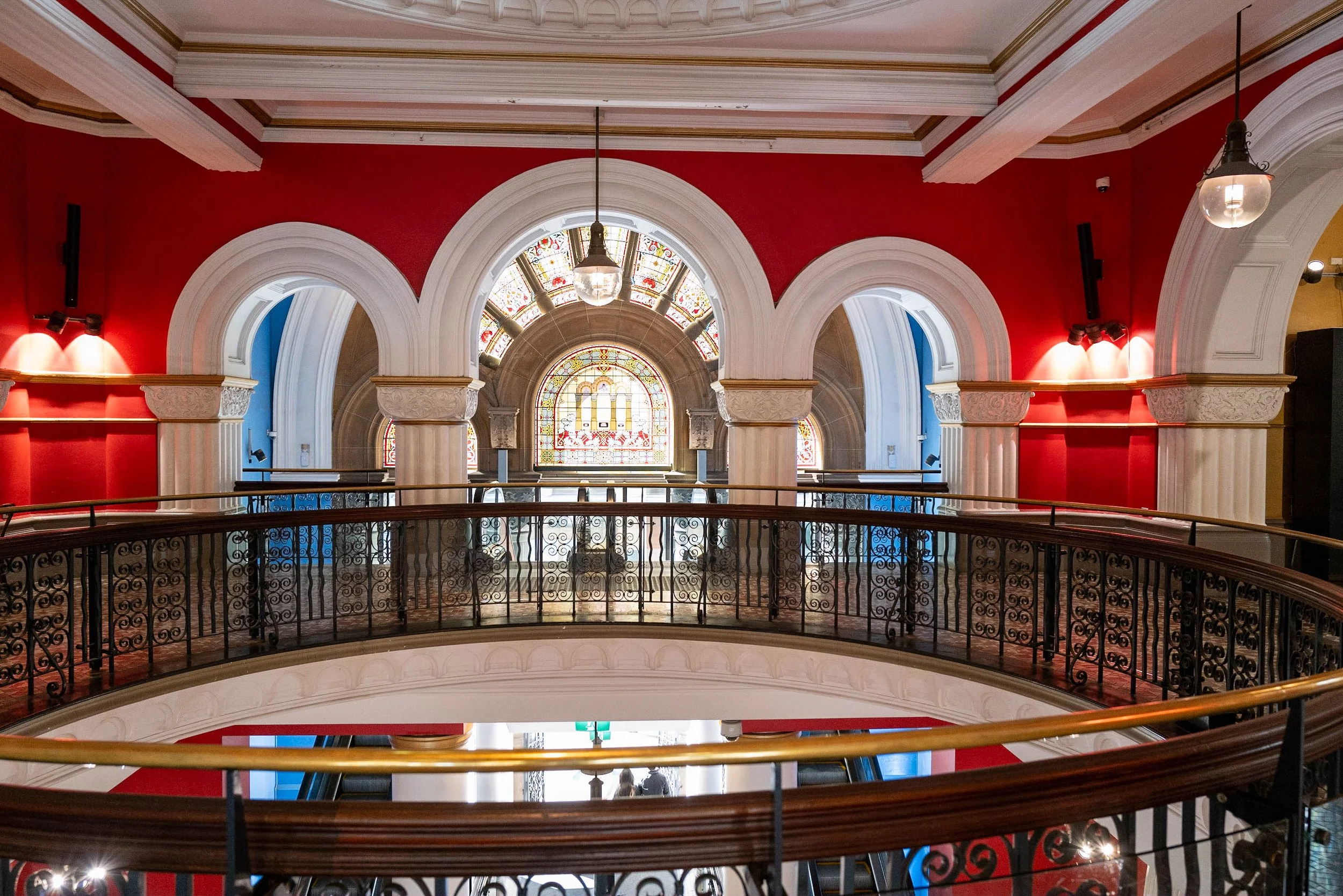
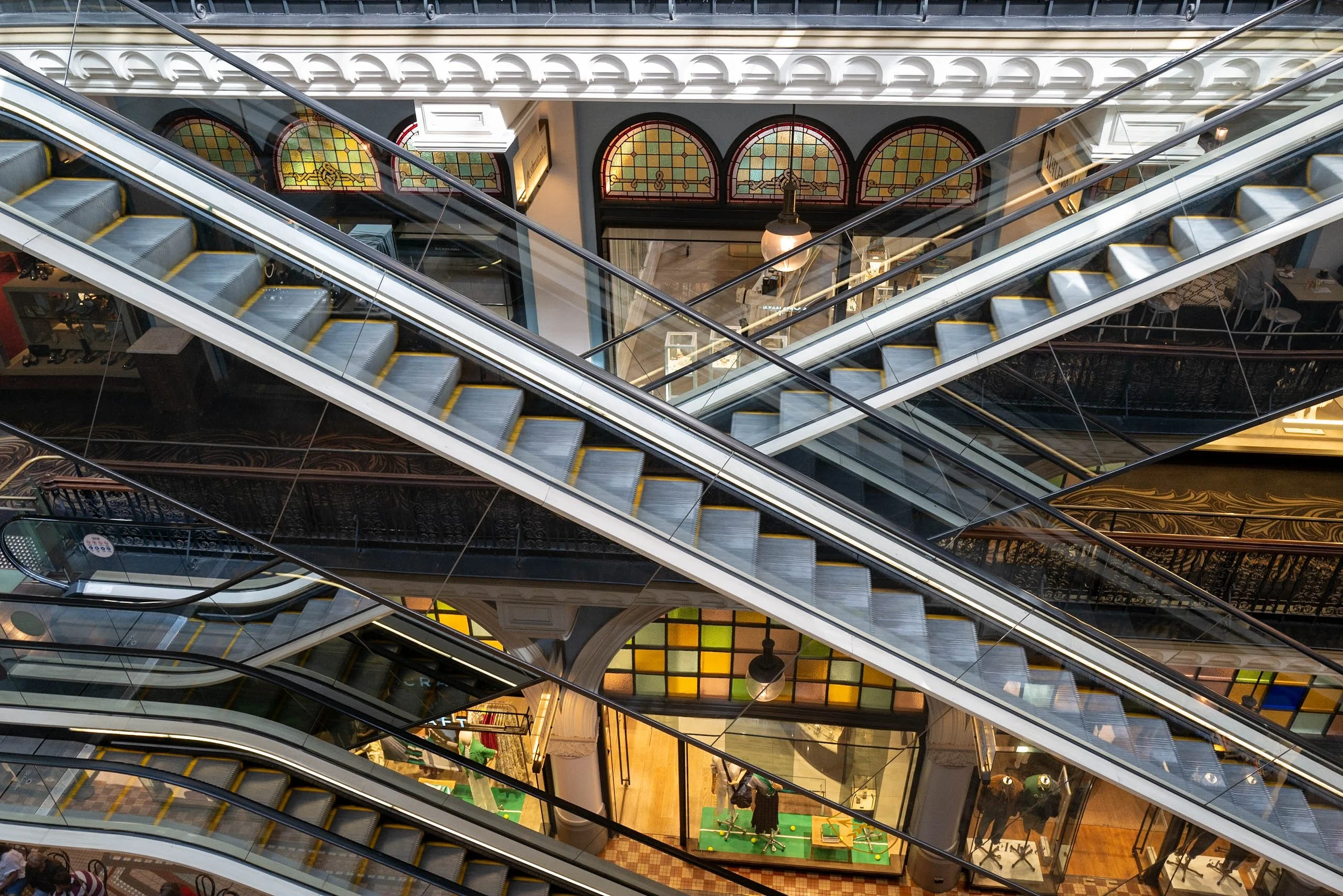
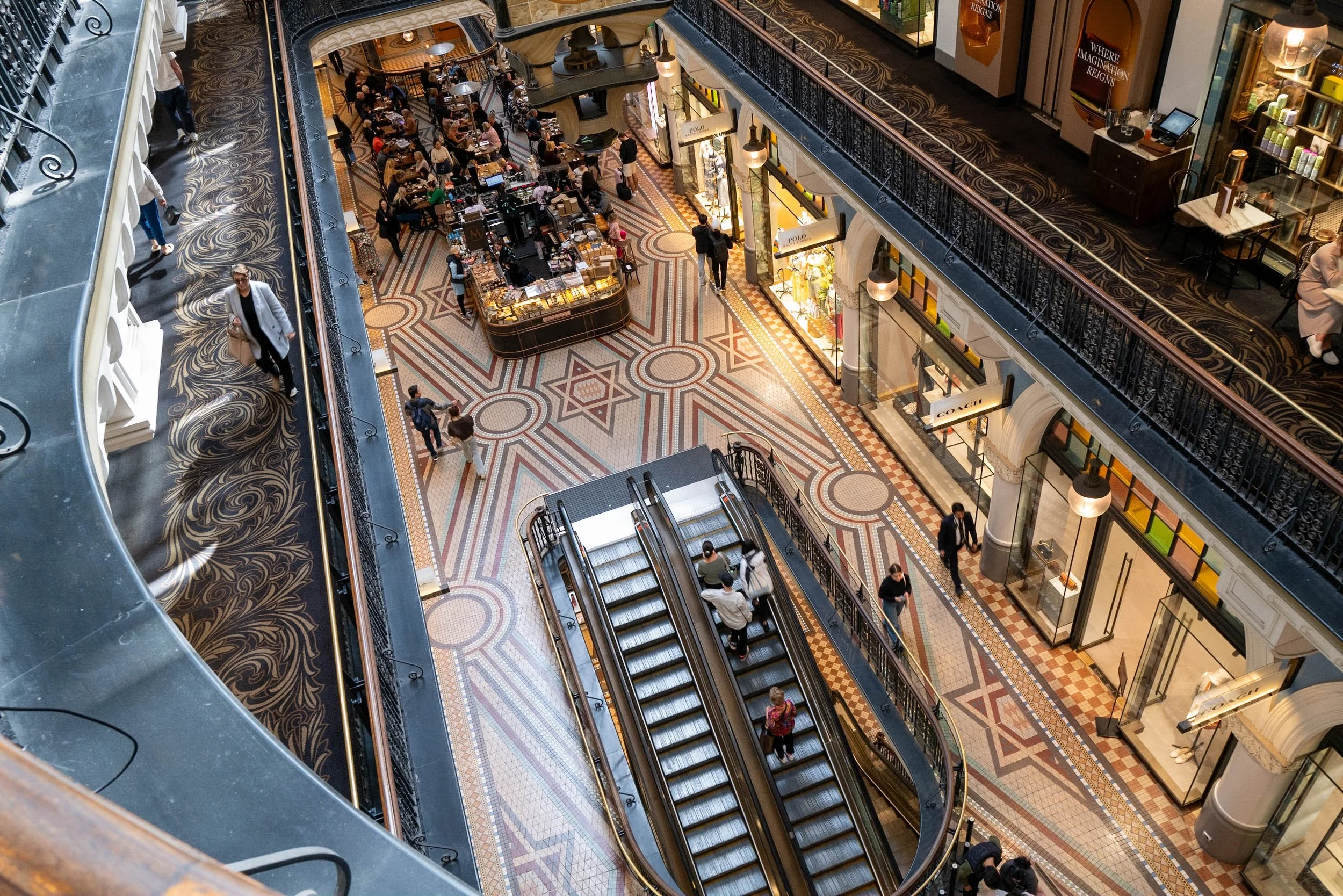
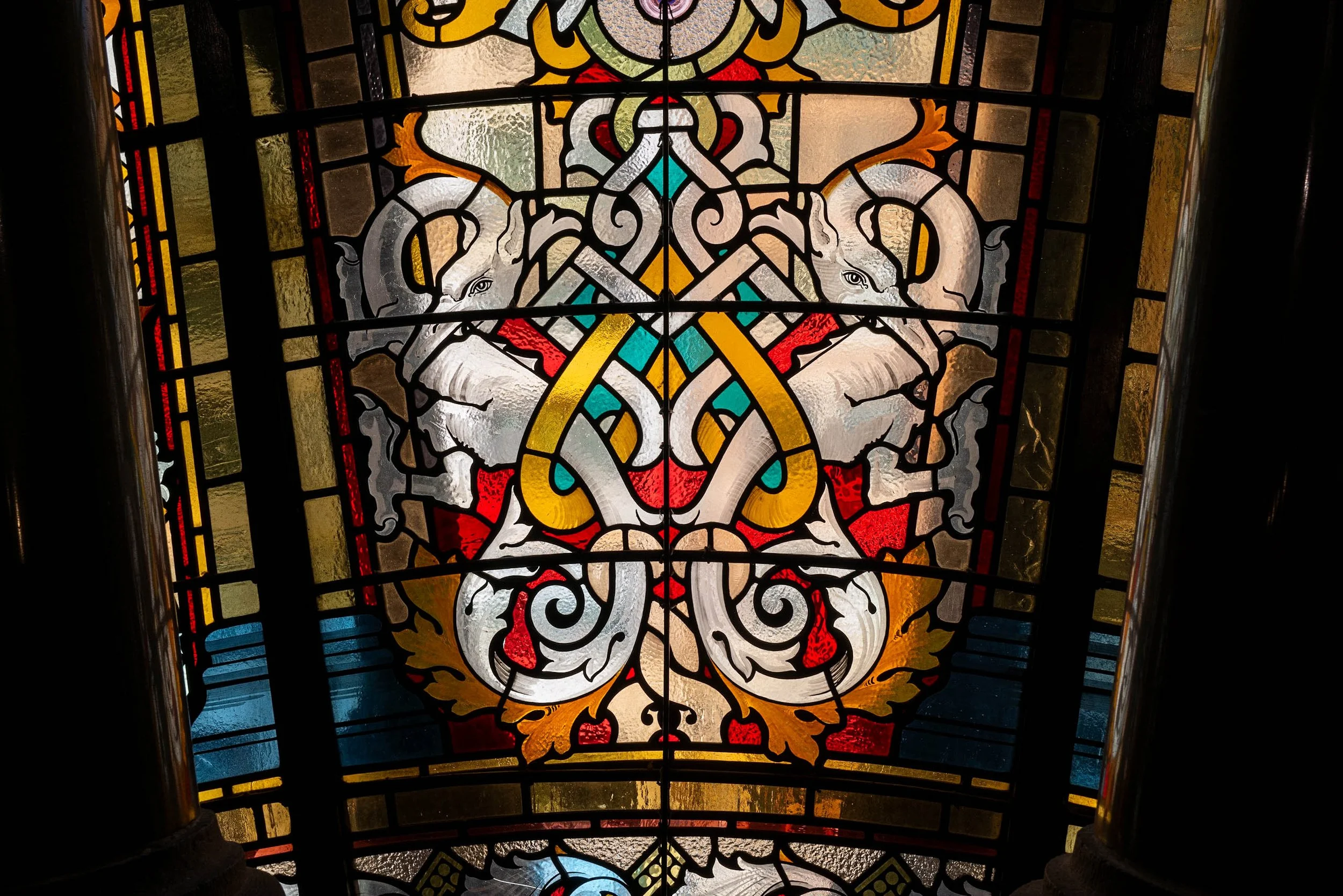
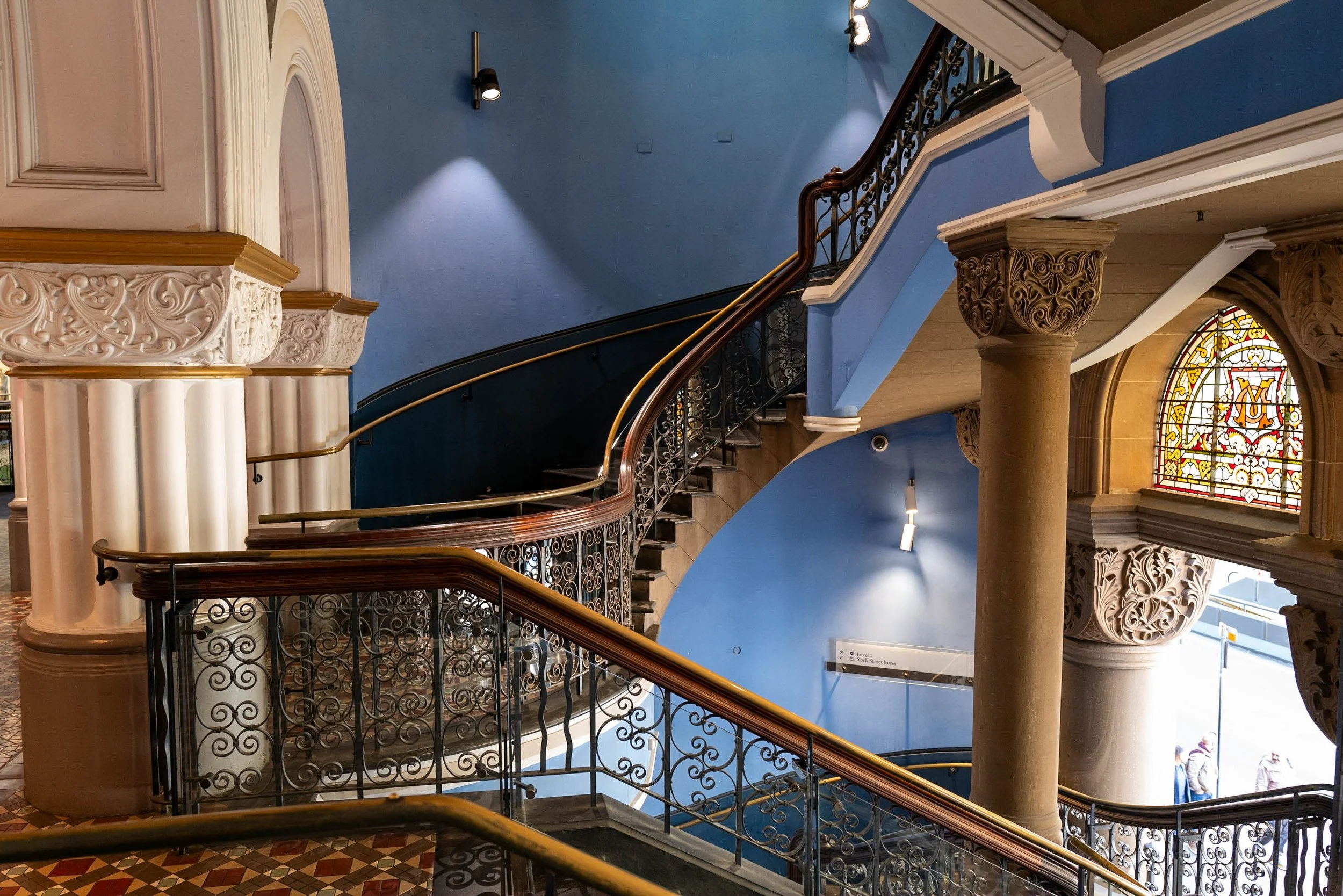
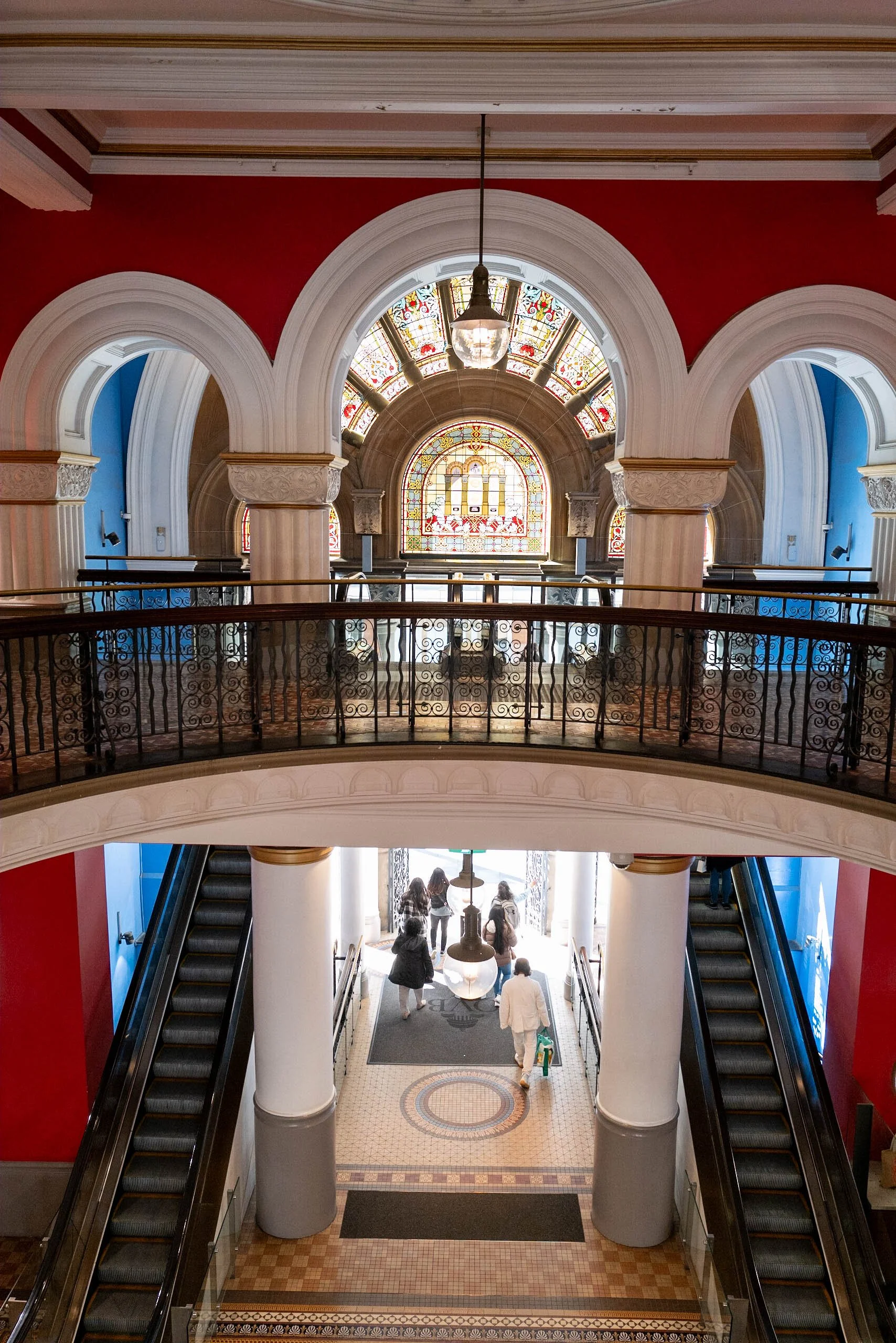
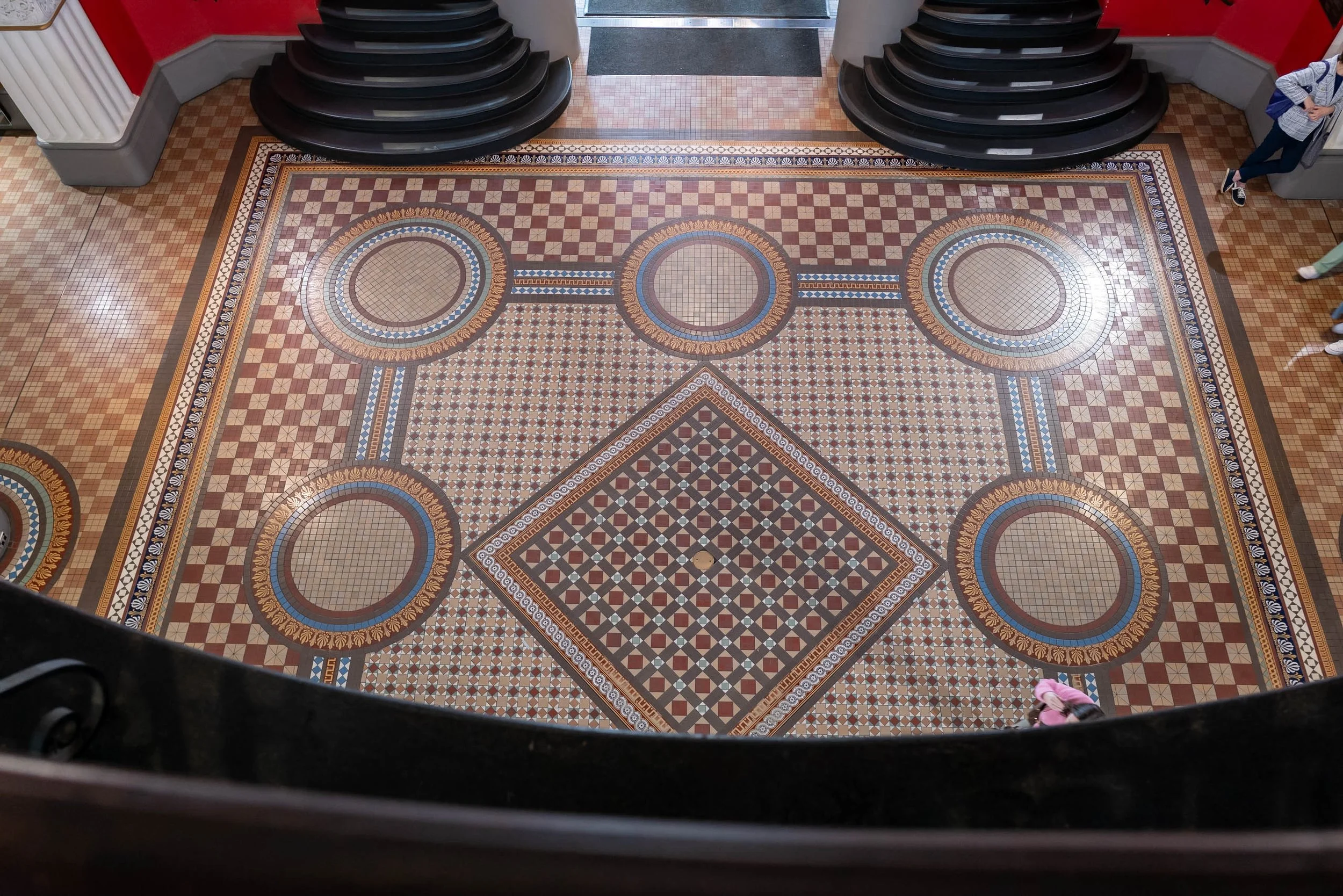
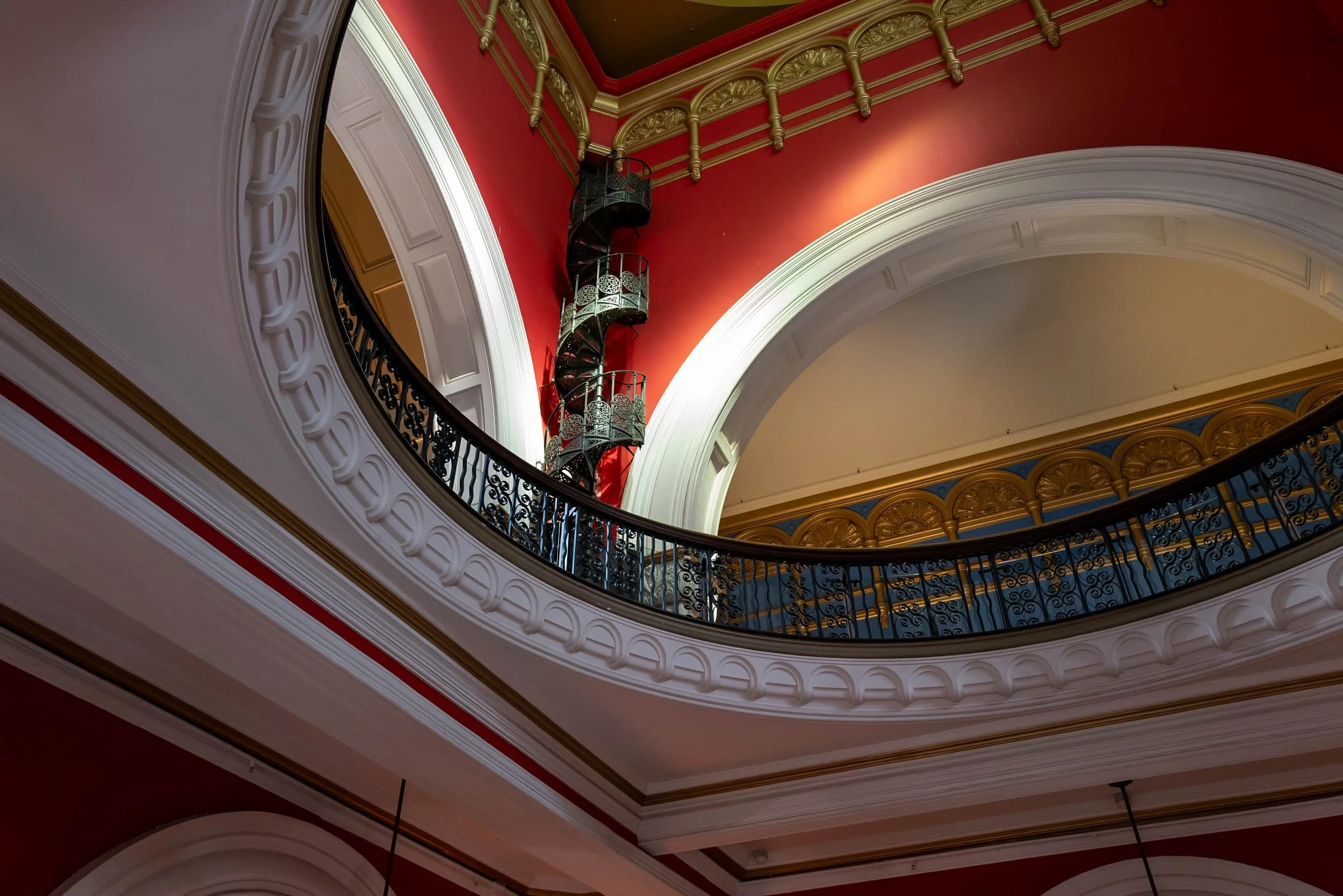
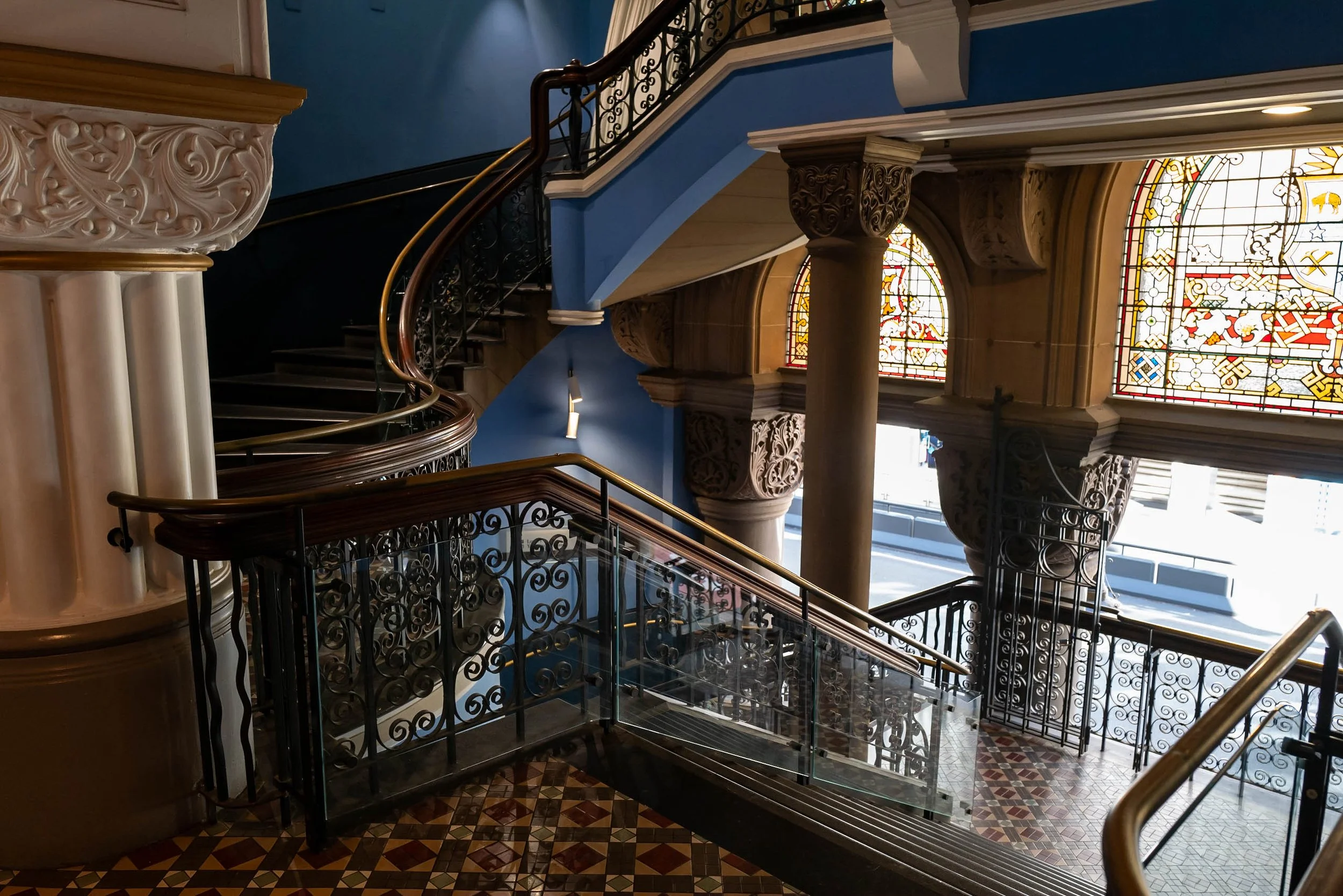
In the mid-20th century, as Sydney developed and modernized, the QVB fell into disrepair. By the 1950s, there were even proposals to demolish it due to its deteriorated state. Fortunately, in the 1980s, a significant restoration effort was launched to save the QVB from demolition. The restoration aimed not only to preserve its historic architecture but also to adapt it for modern use as a shopping centre. After extensive restoration work, the QVB reopened in 1986 as a prestigious shopping destination. The restoration carefully preserved the building's original features, including its grand central dome, stained glass windows, and intricate tile work.
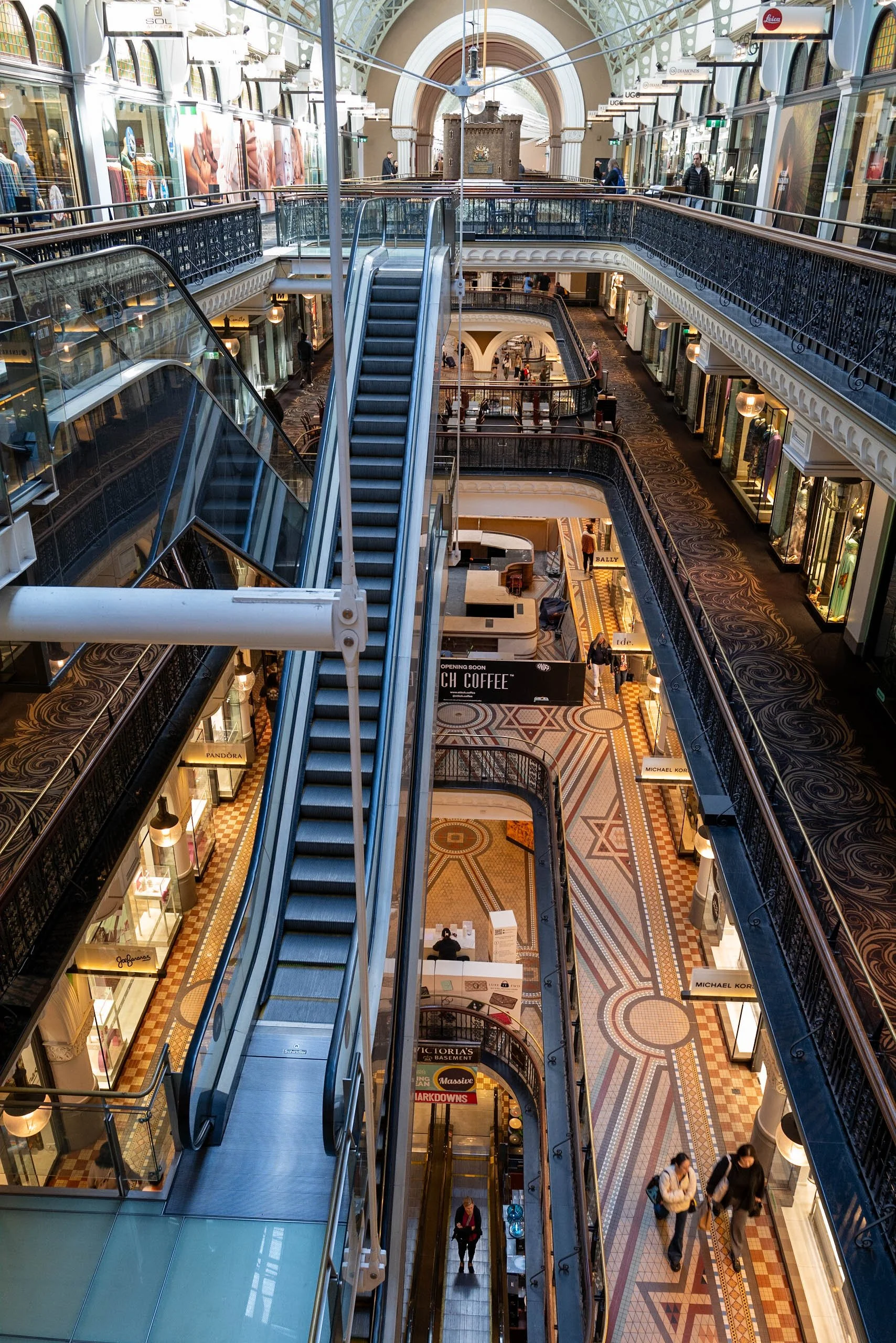
Today, the QVB is not just a shopping centre but a cultural landmark of Sydney. It symbolises the city's history and architectural heritage, attracting both locals and tourists who come to admire its beauty and shop in its luxury boutiques. It stands as a testament to Sydney's commitment to preserving its historical buildings and integrating them into the modern urban landscape. It continues to be an integral part of Sydney's central business district and a beloved icon of the city.