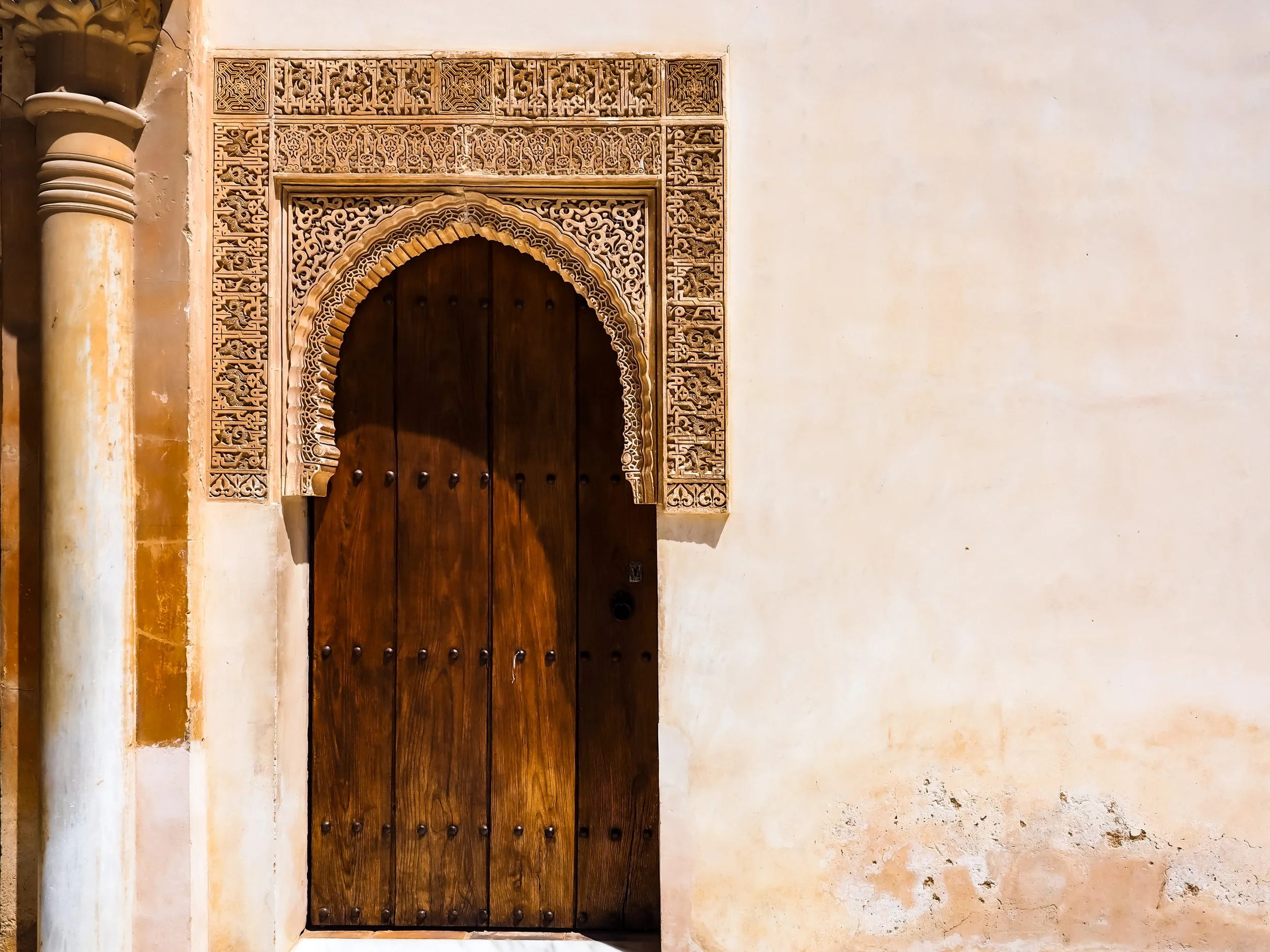
The Alhambra Spain 2015
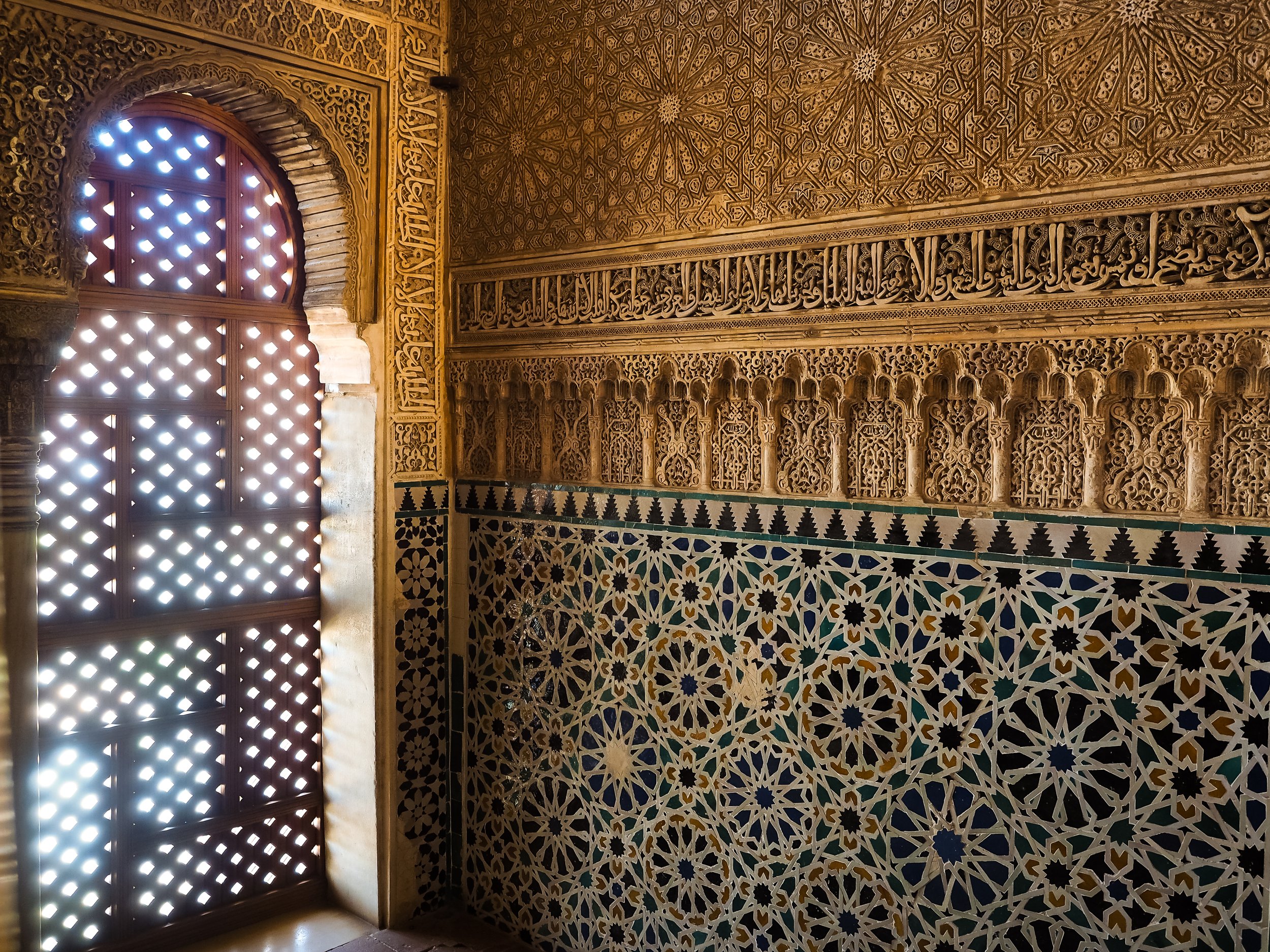
The Alhambra Spain 2015
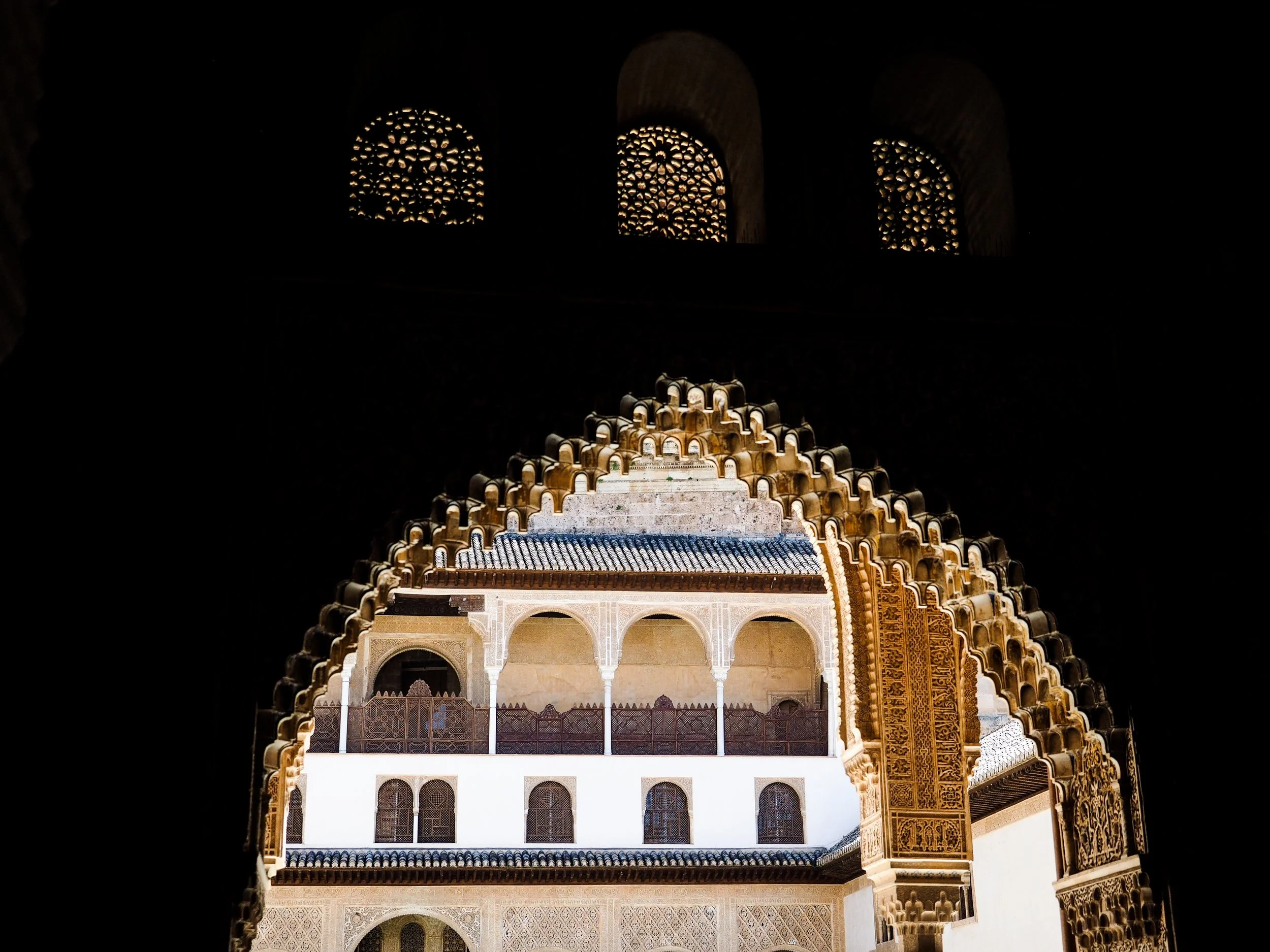
The Alhambra Spain 2015
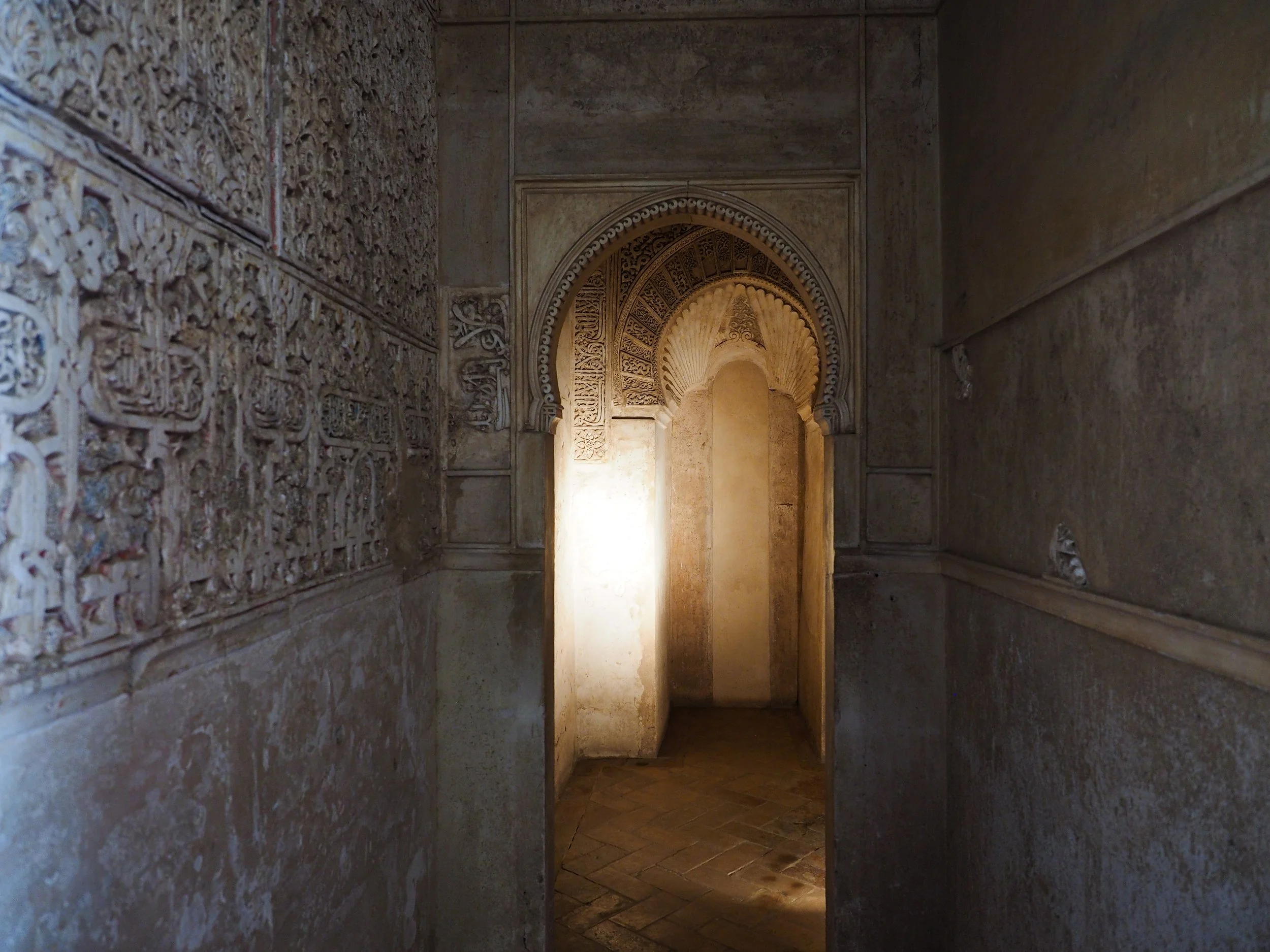
The Alhambra Spain 2015
The Alhambra Spain 2015
The Alhambra Spain 2015
The Alhambra Spain 2015
The Alhambra Spain 2015
The Alhambra Spain 2015
The Alhambra Spain 2015
The Alhambra Spain 2015
The Alhambra Spain 2015
The Alhambra Spain 2015
The Alhambra Spain 2015
The Alhambra Spain 2015
The Alhambra Spain 2015
The Alhambra Spain 2015
The Alhambra Spain 2015
The Alhambra Spain 2015
The Alhambra Spain 2015
The Alhambra Spain 2015
The Alhambra Spain 2015
The Alhambra Spain 2015
The Alhambra Spain 2015
The Alhambra Spain 2015
The Alhambra Spain 2015
The Alhambra Spain 2015
The Alhambra Spain 2015
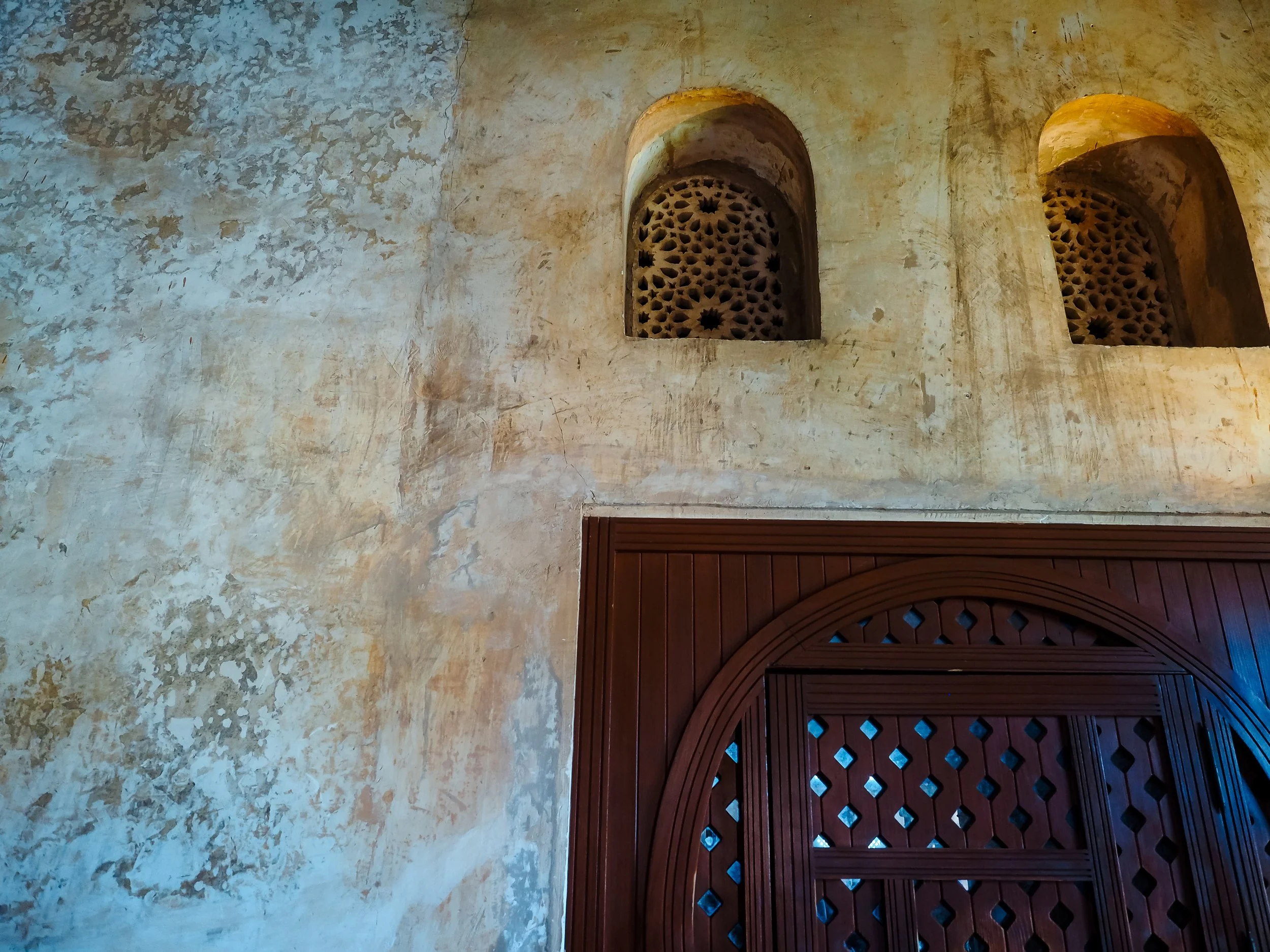
The Alhambra Spain 2015
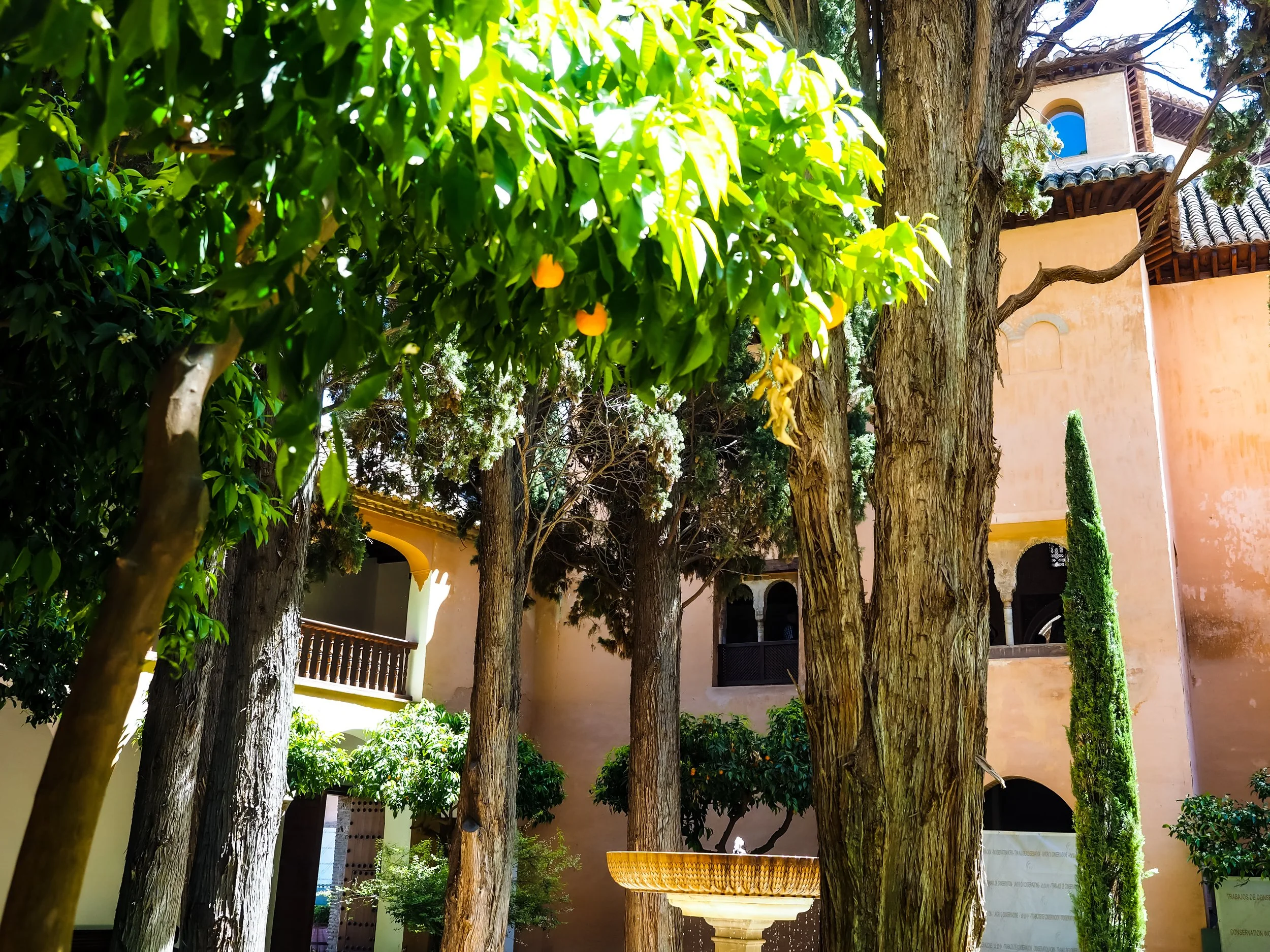
The Alhambra Spain 2015
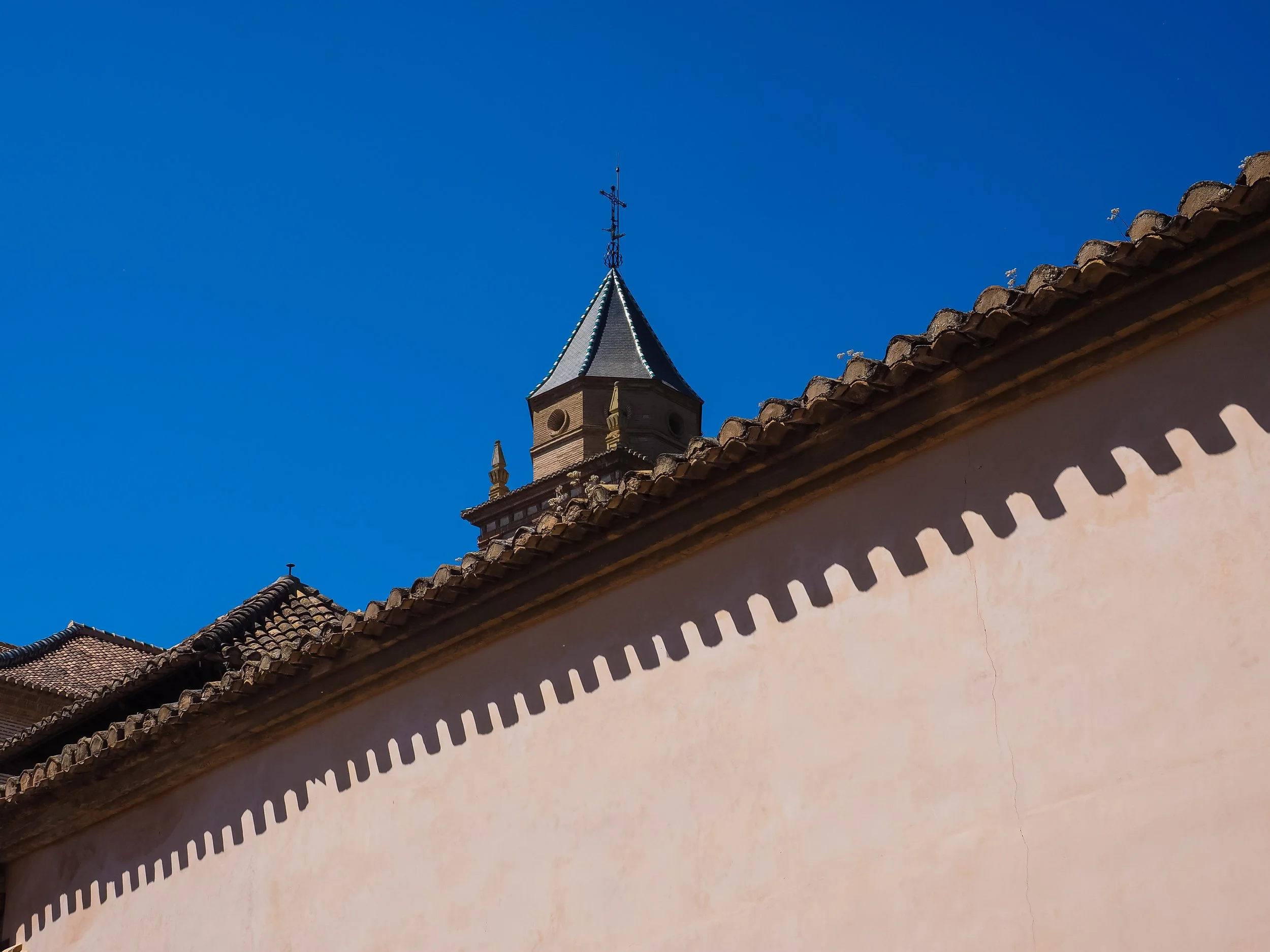
The Alhambra Spain 2015
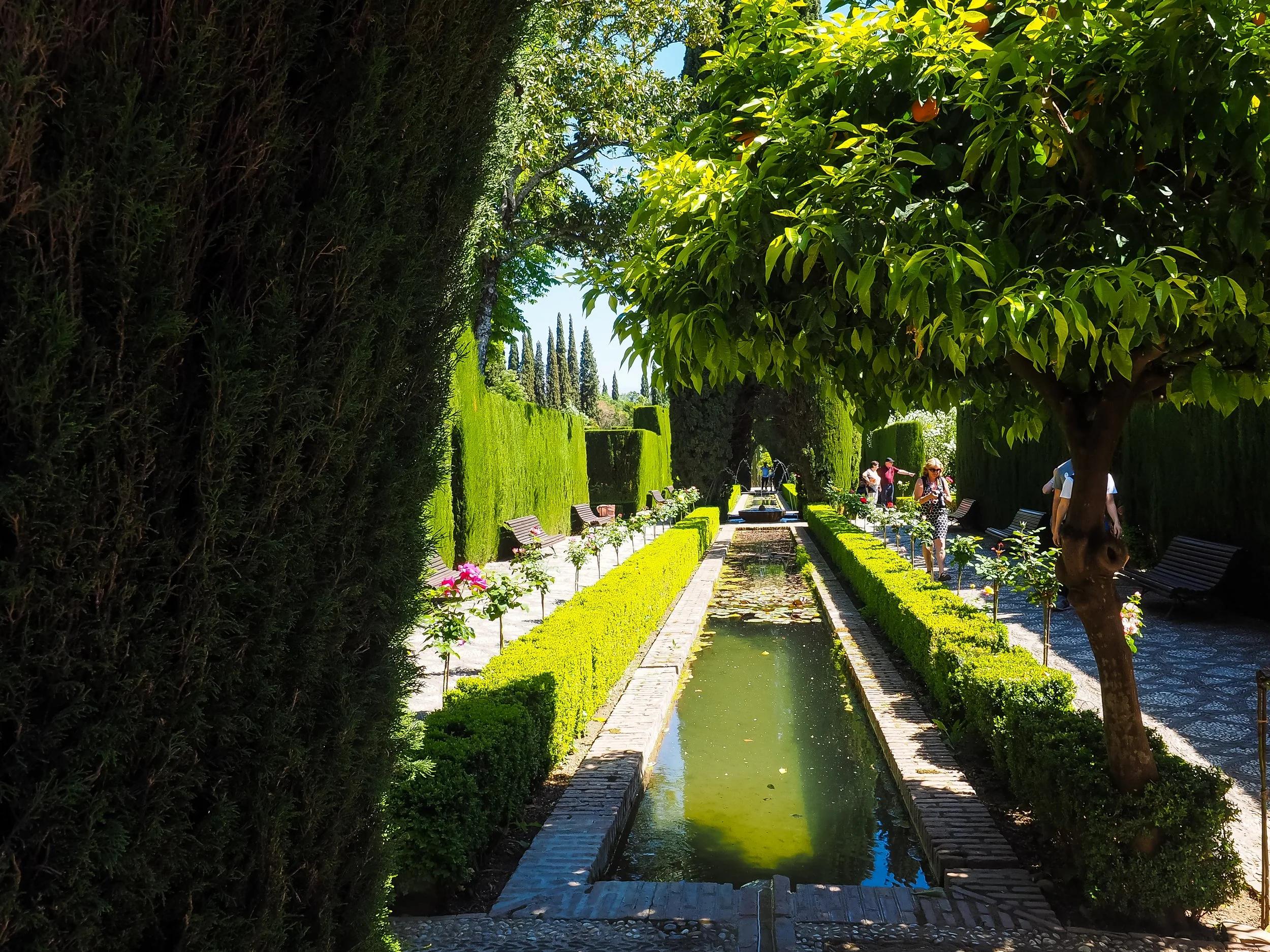
The Alhambra Spain 2015
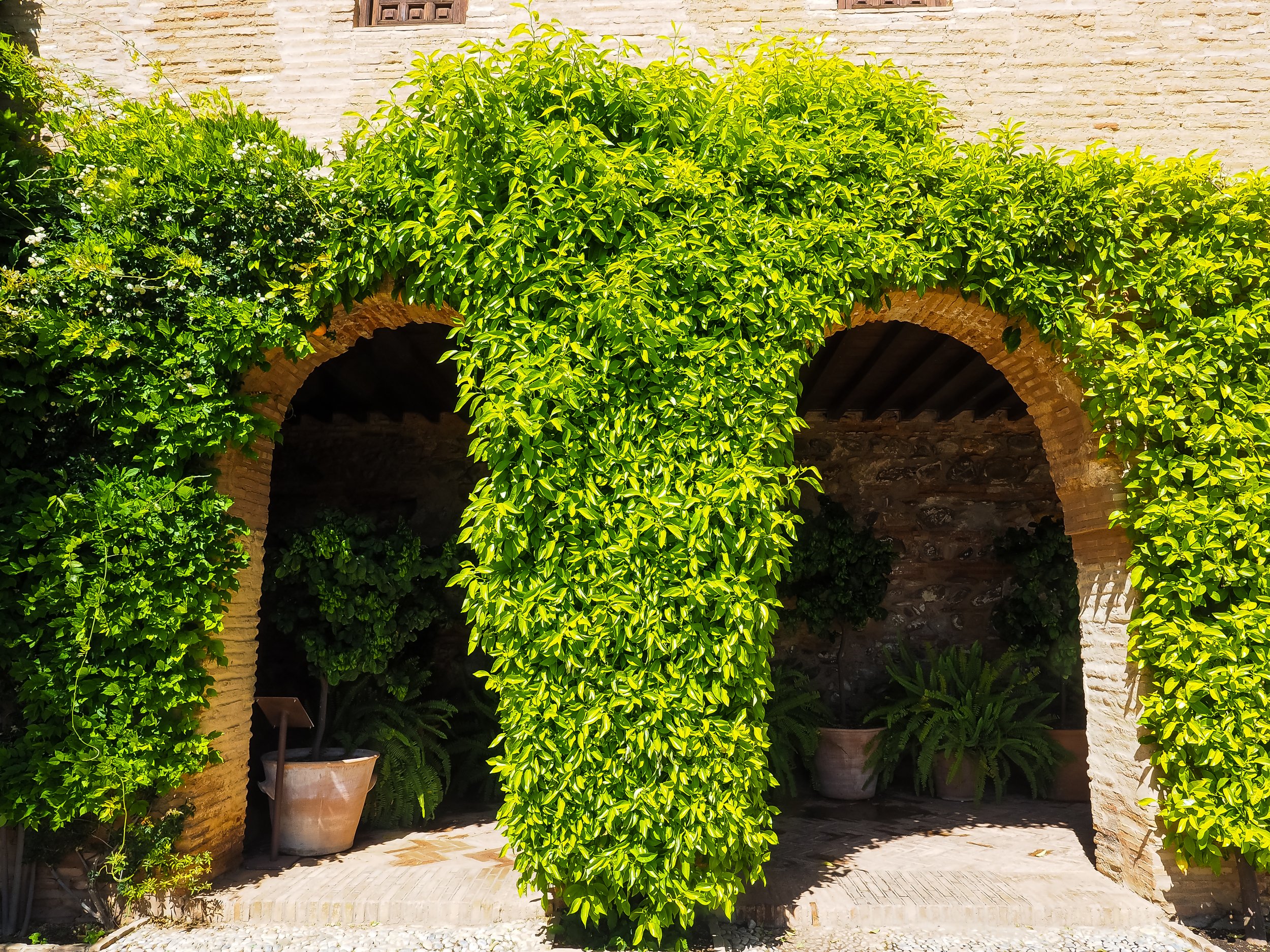
The Alhambra Spain 2015
The Alhambra Palace,
Granada, Spain
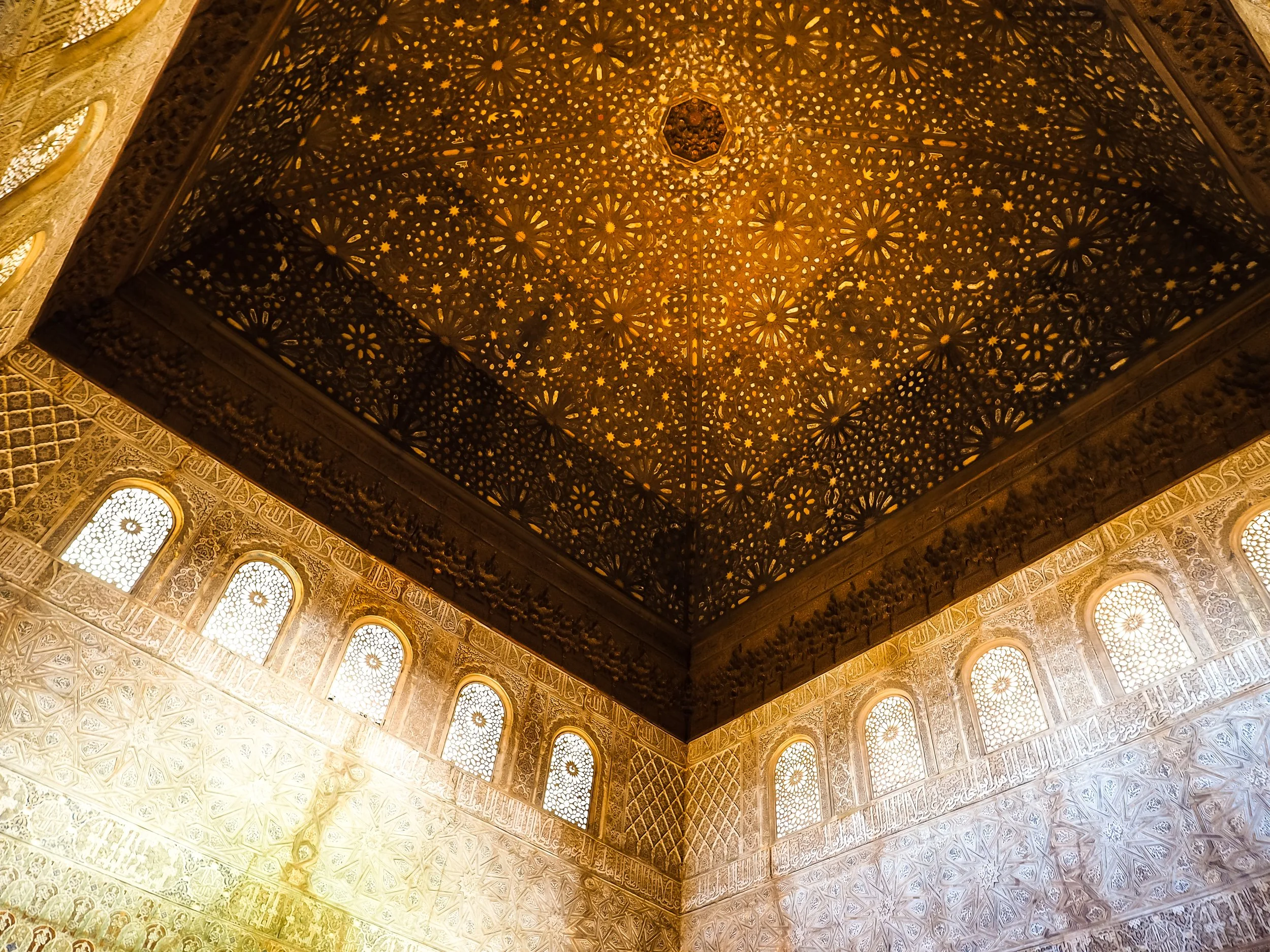
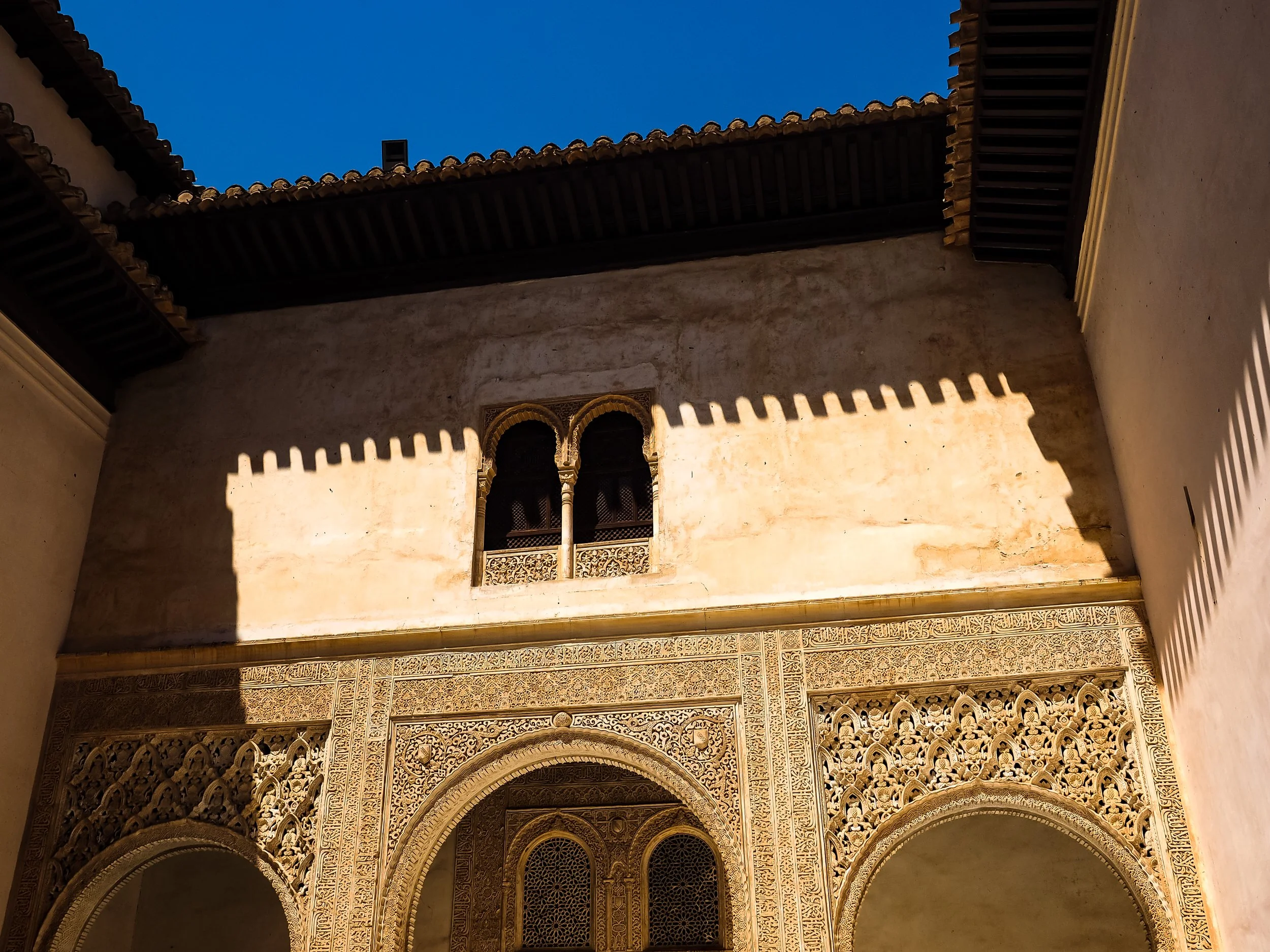
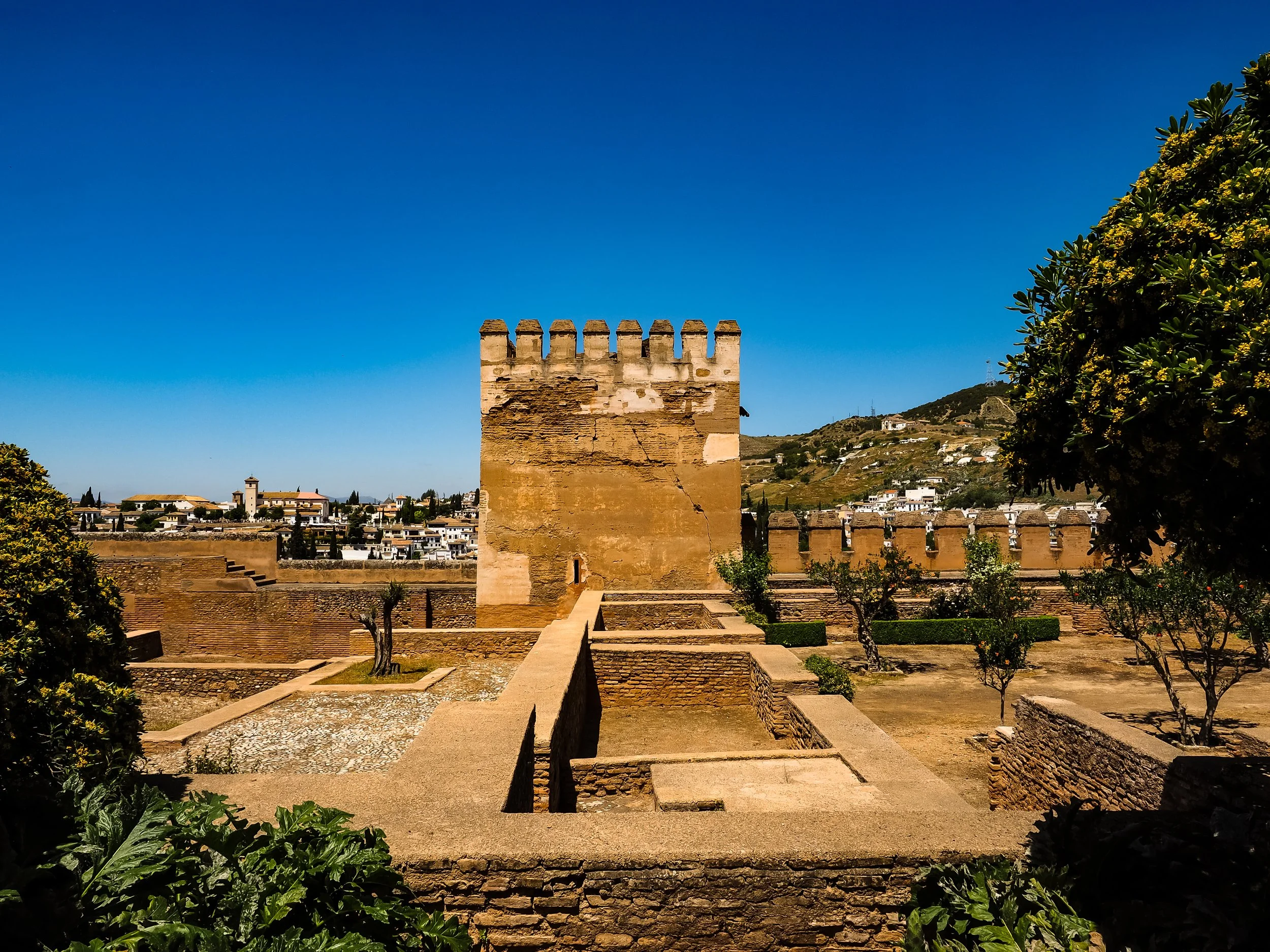
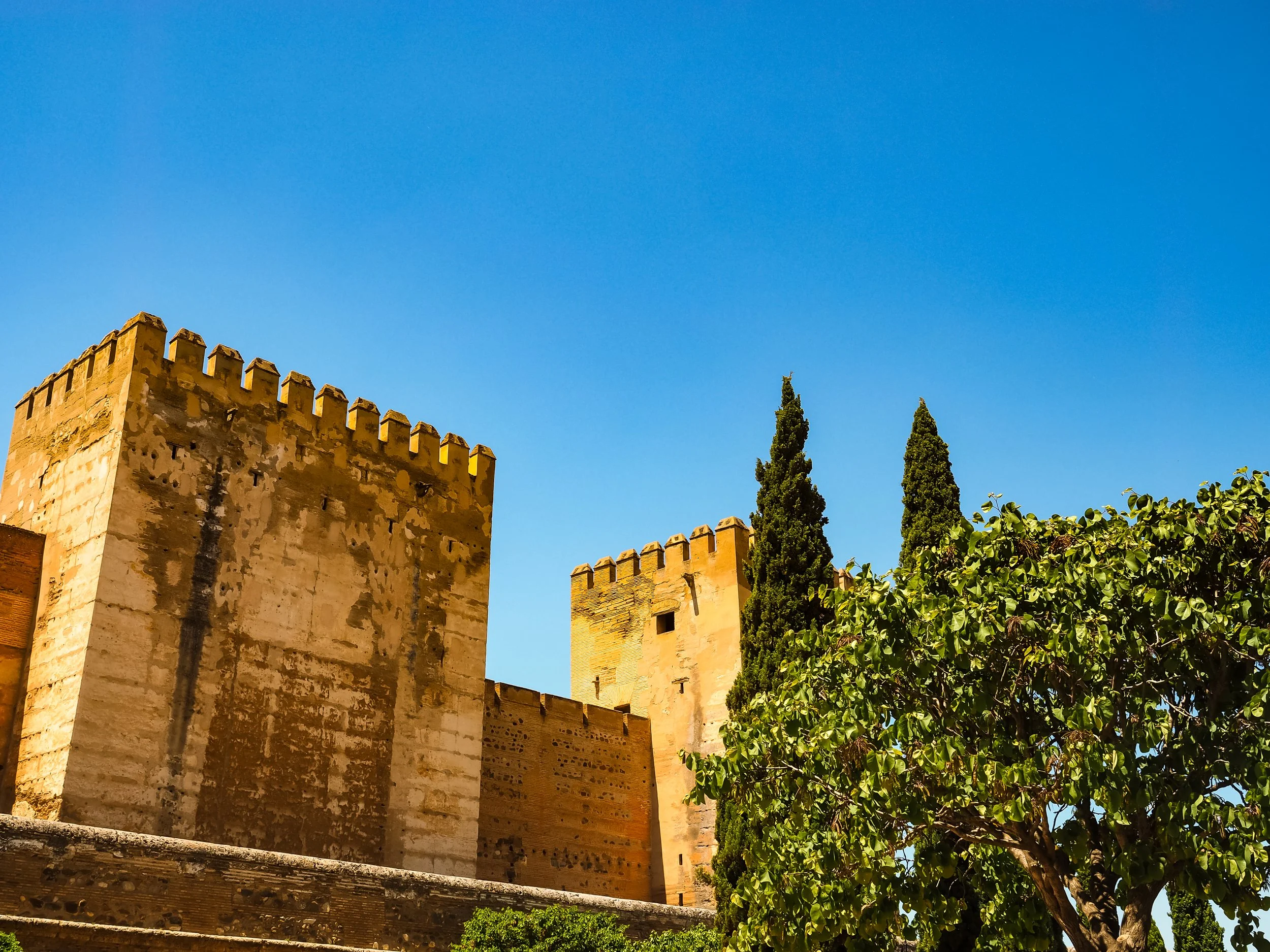
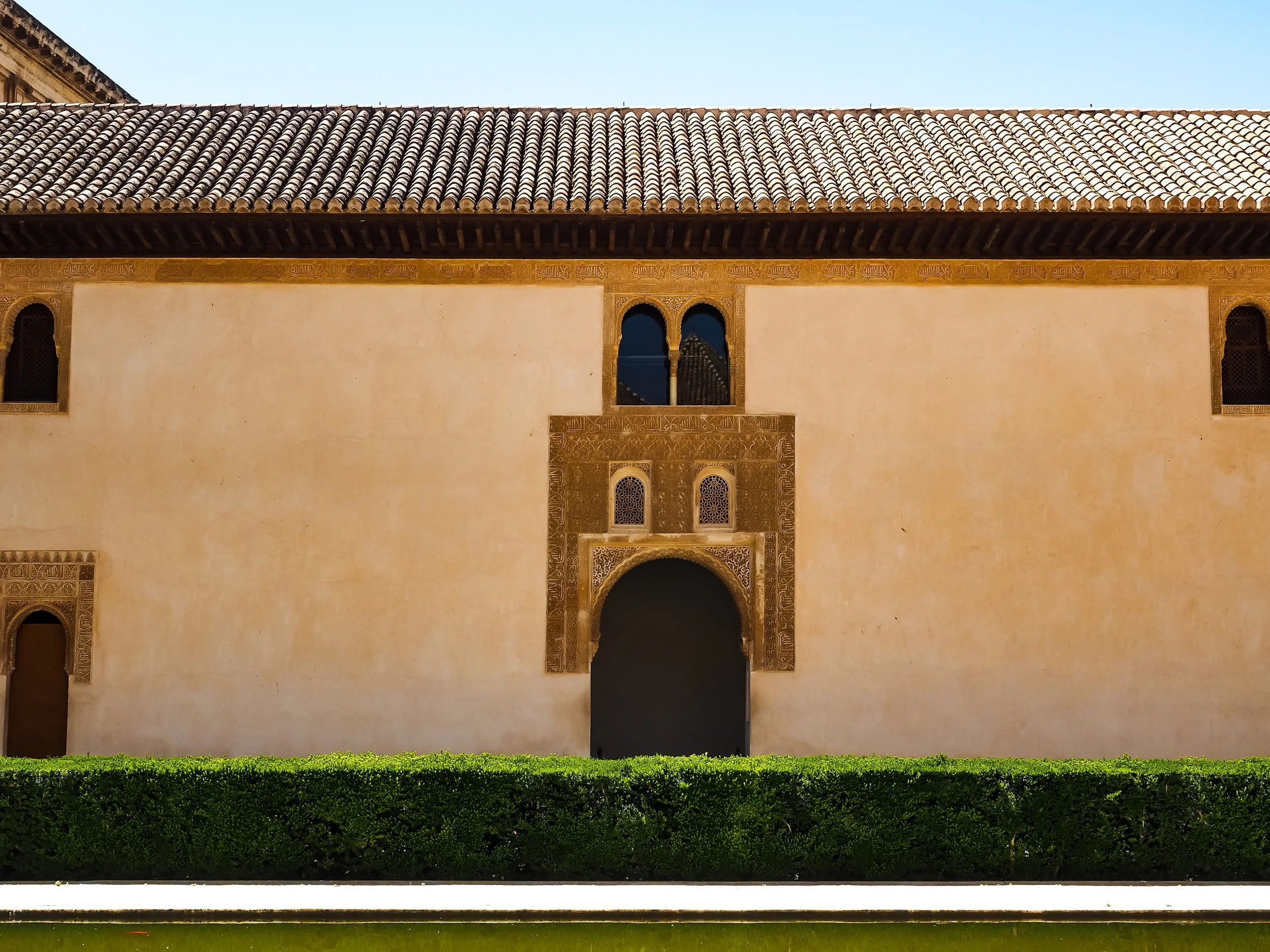
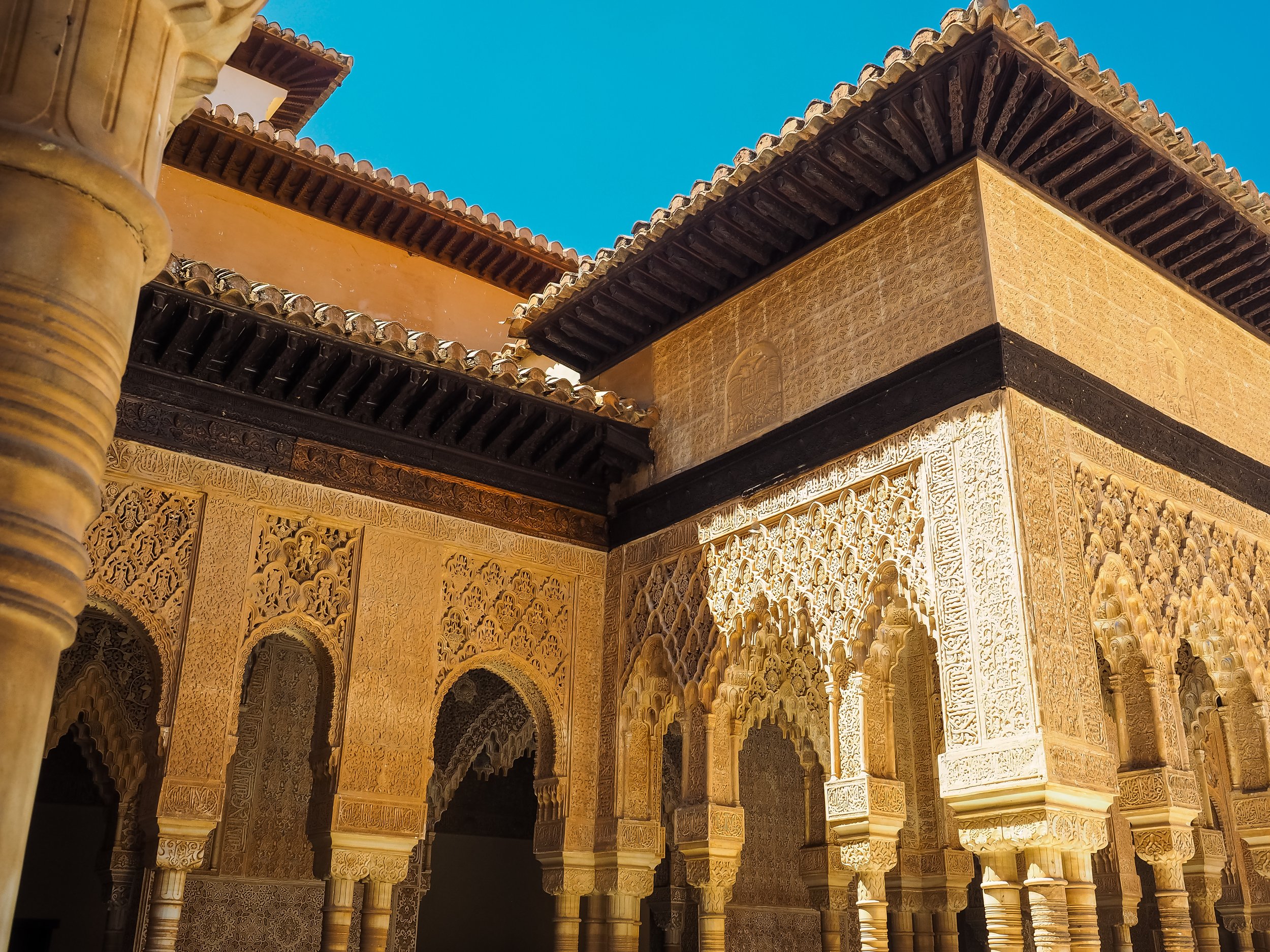
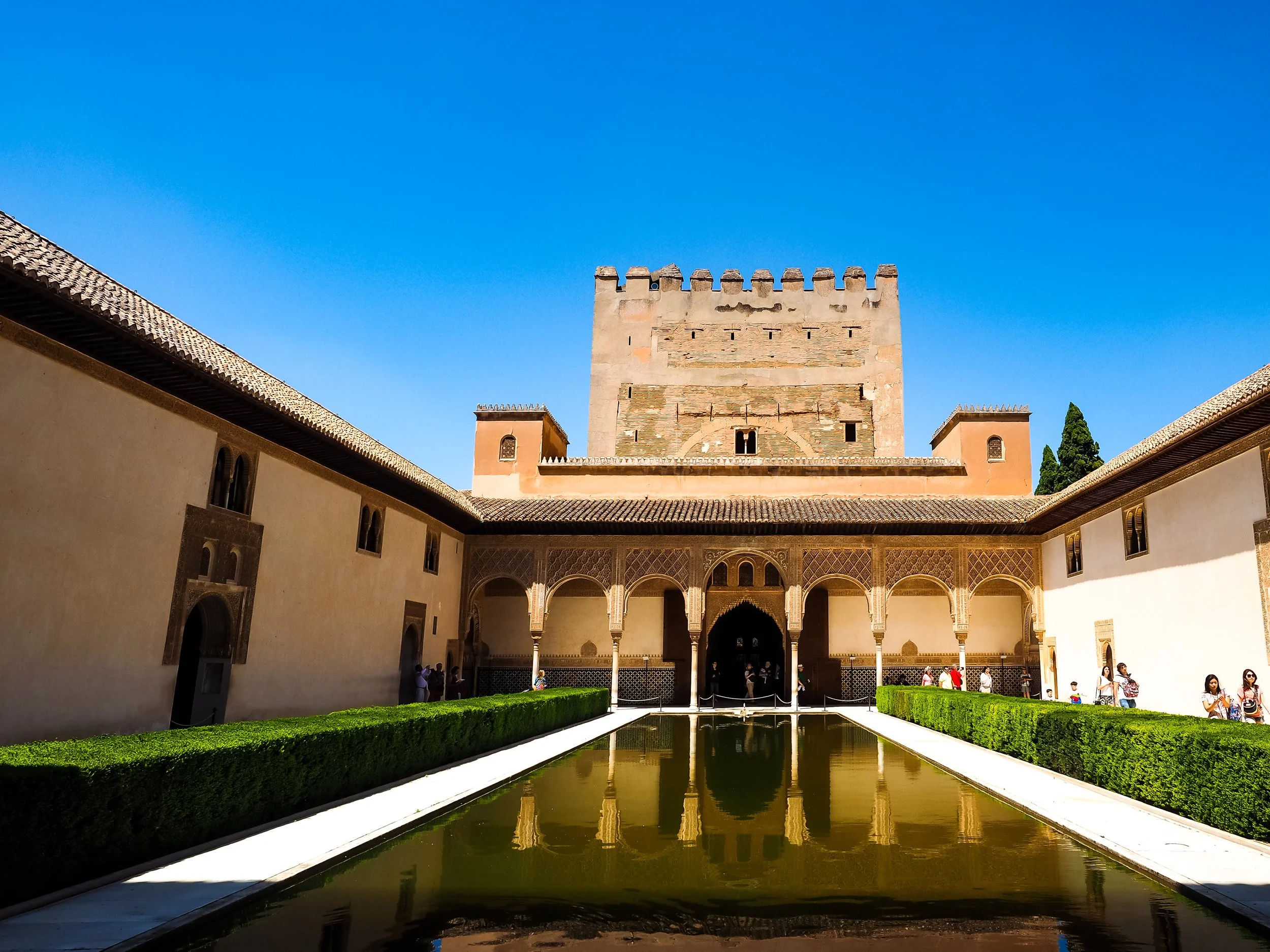
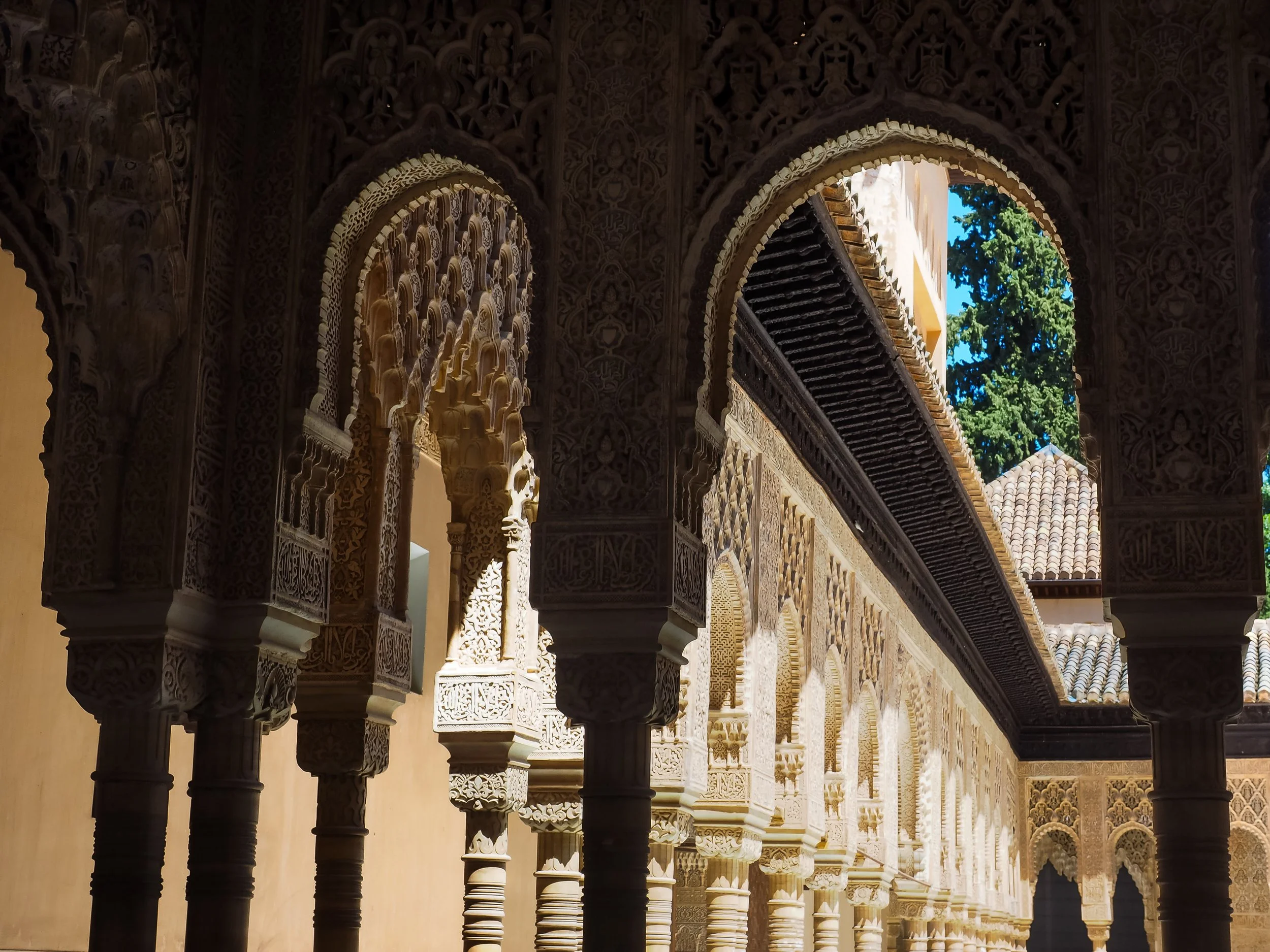
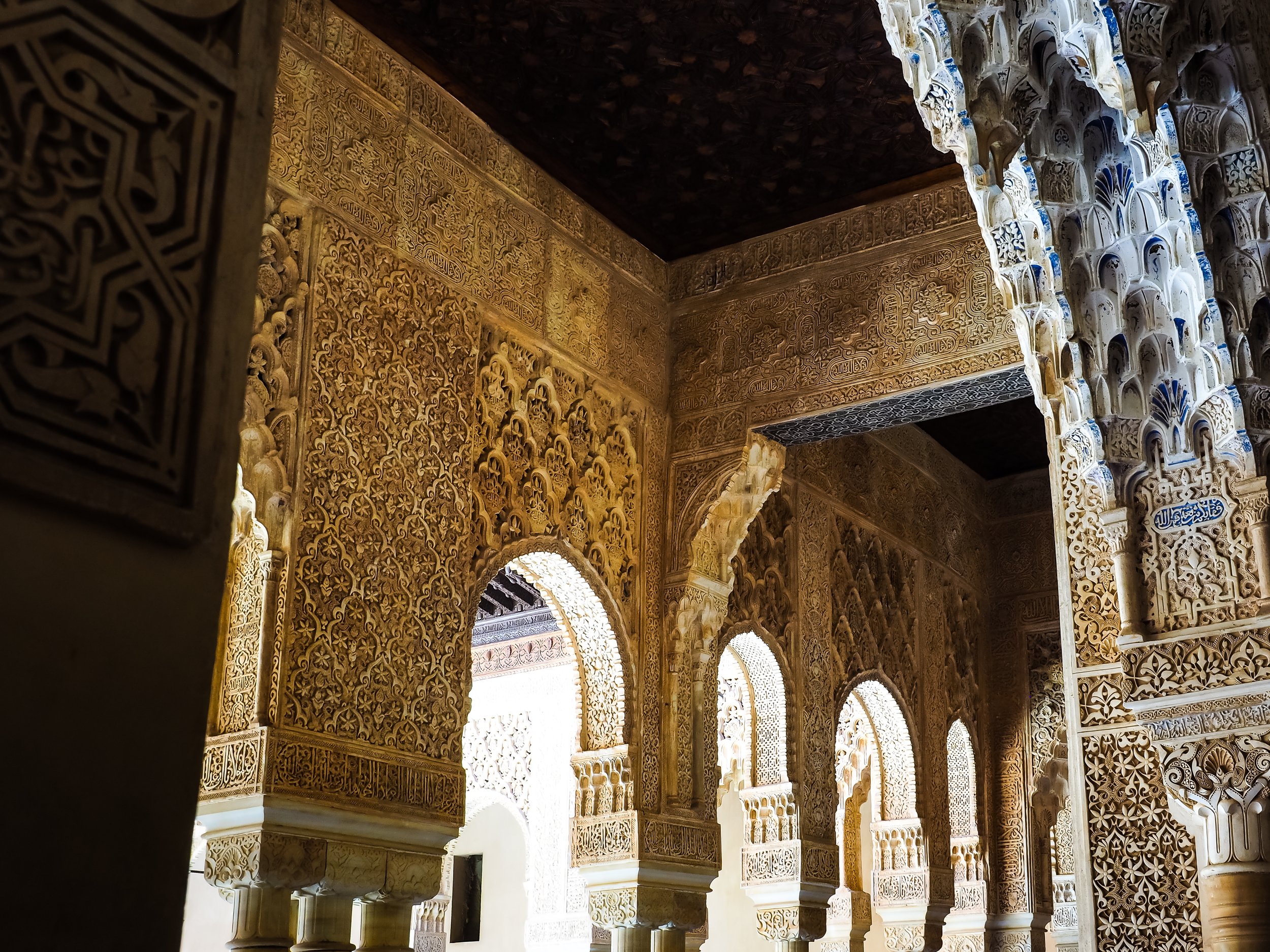
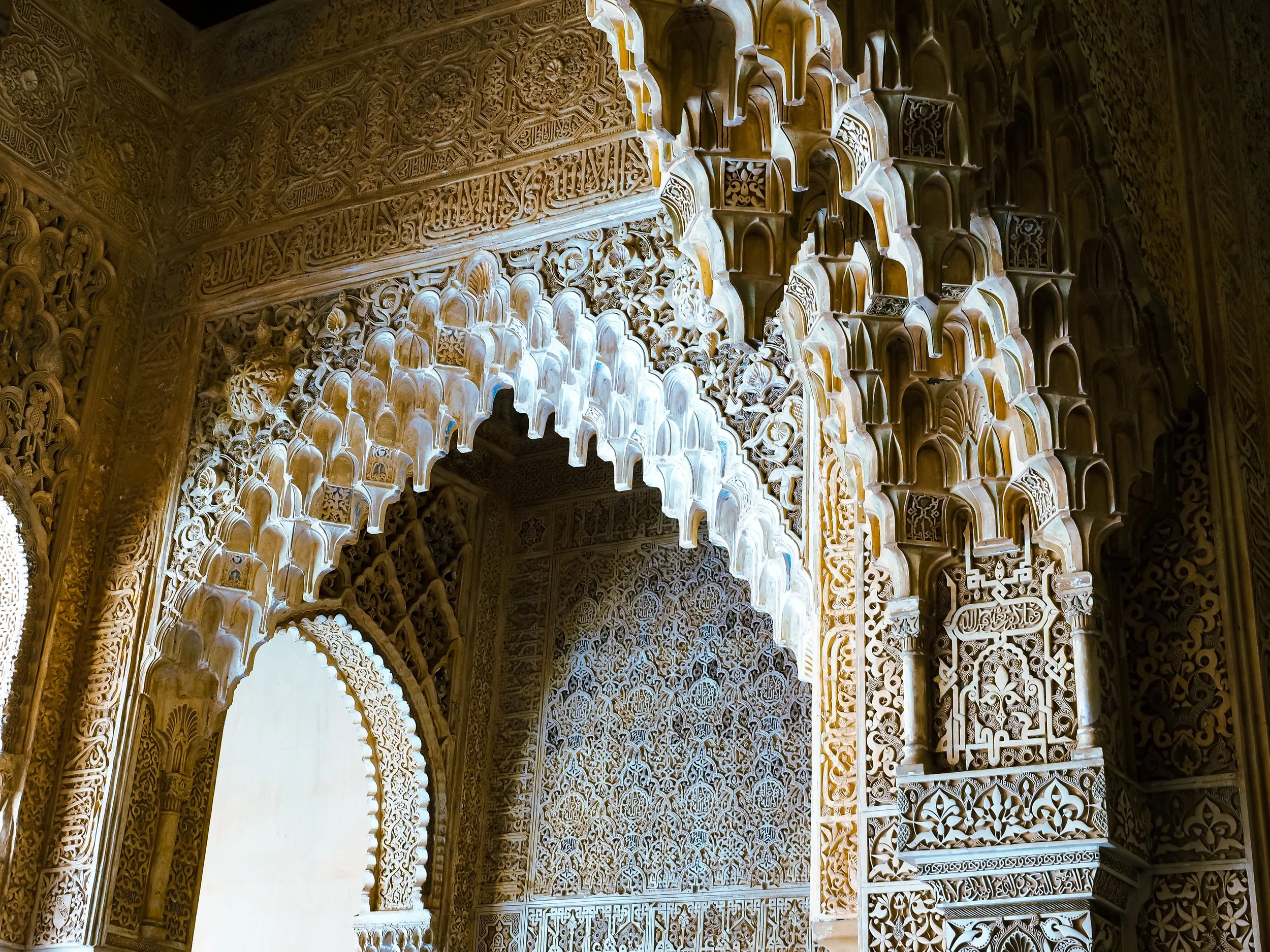
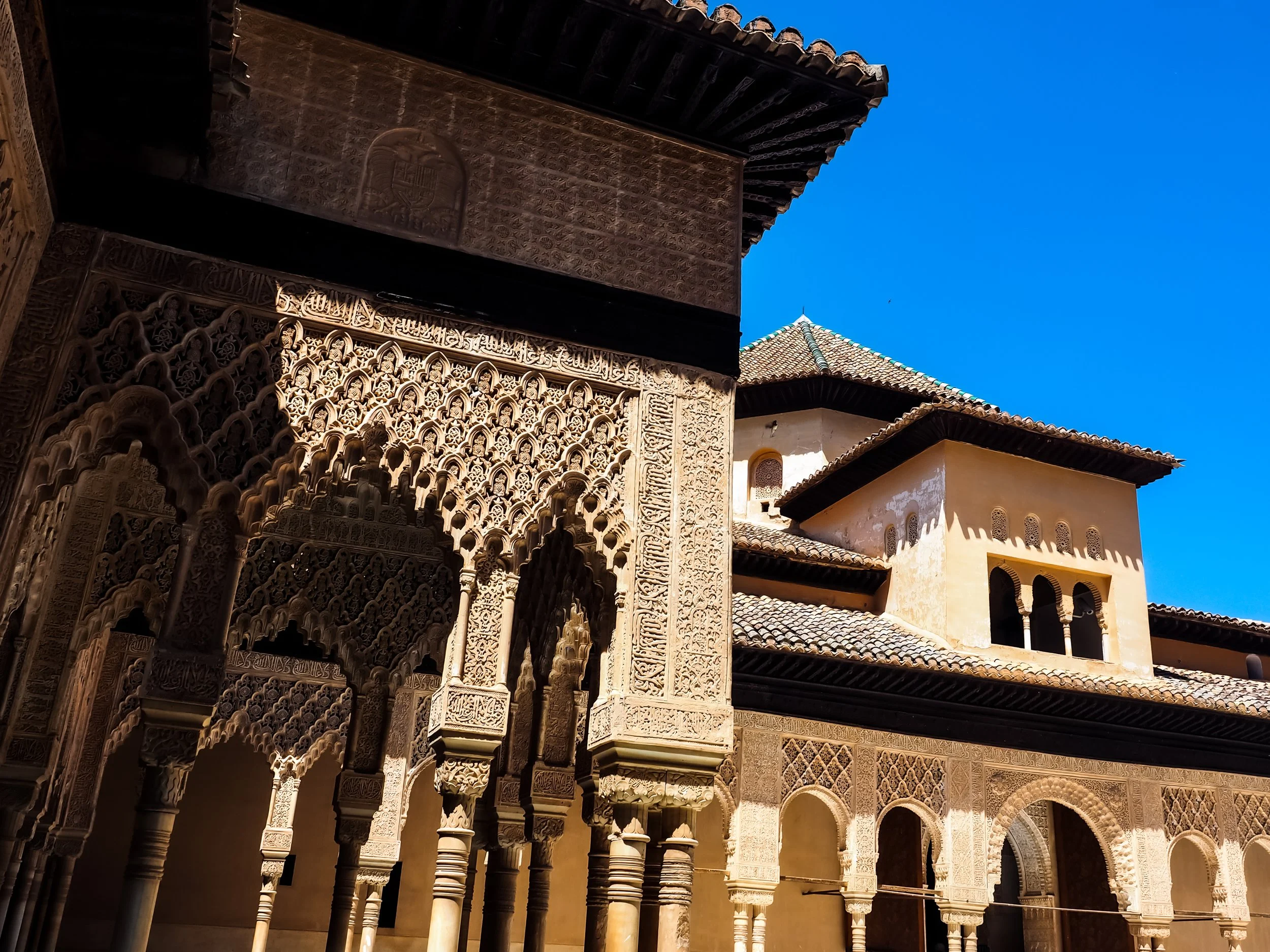
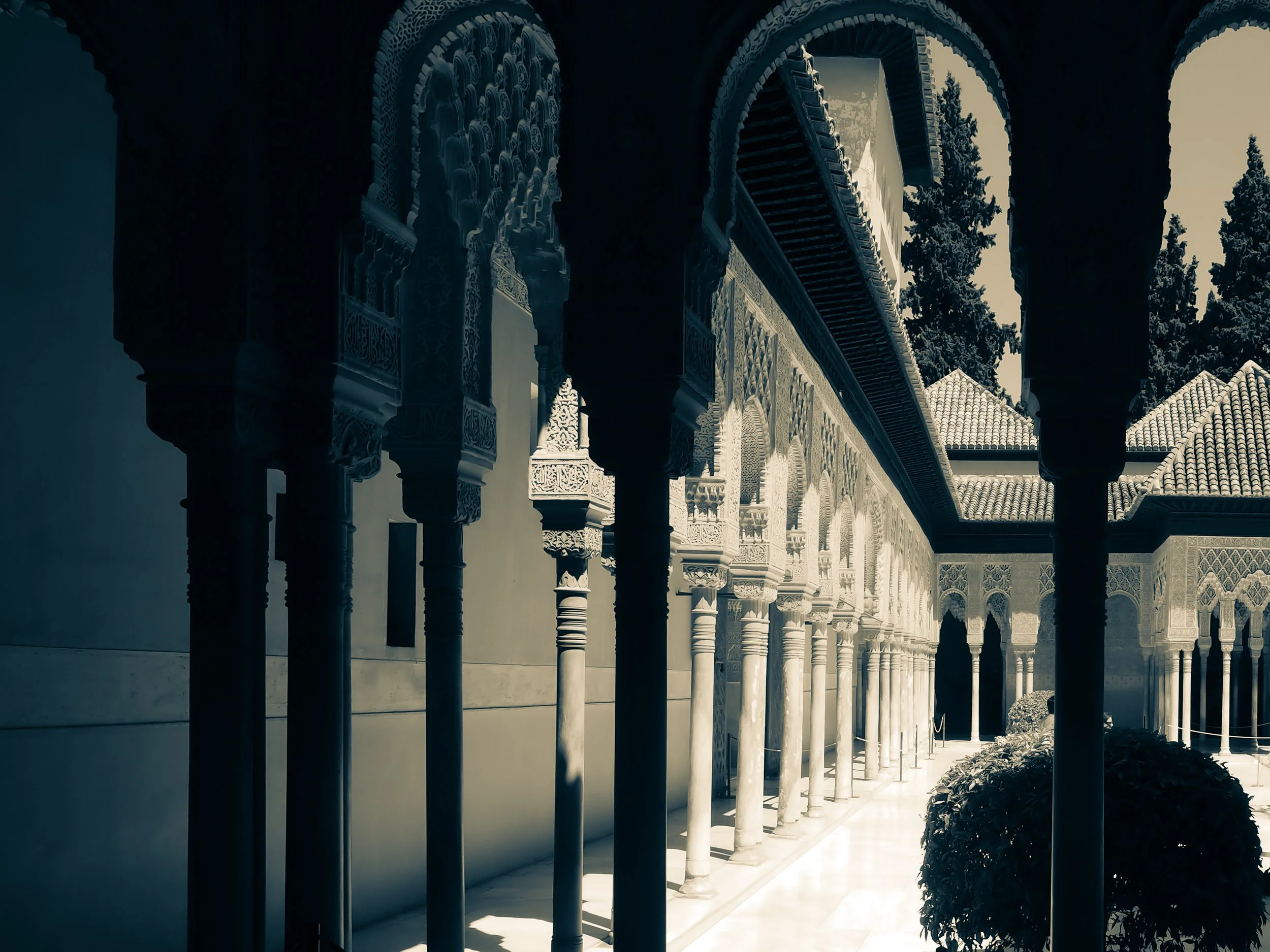
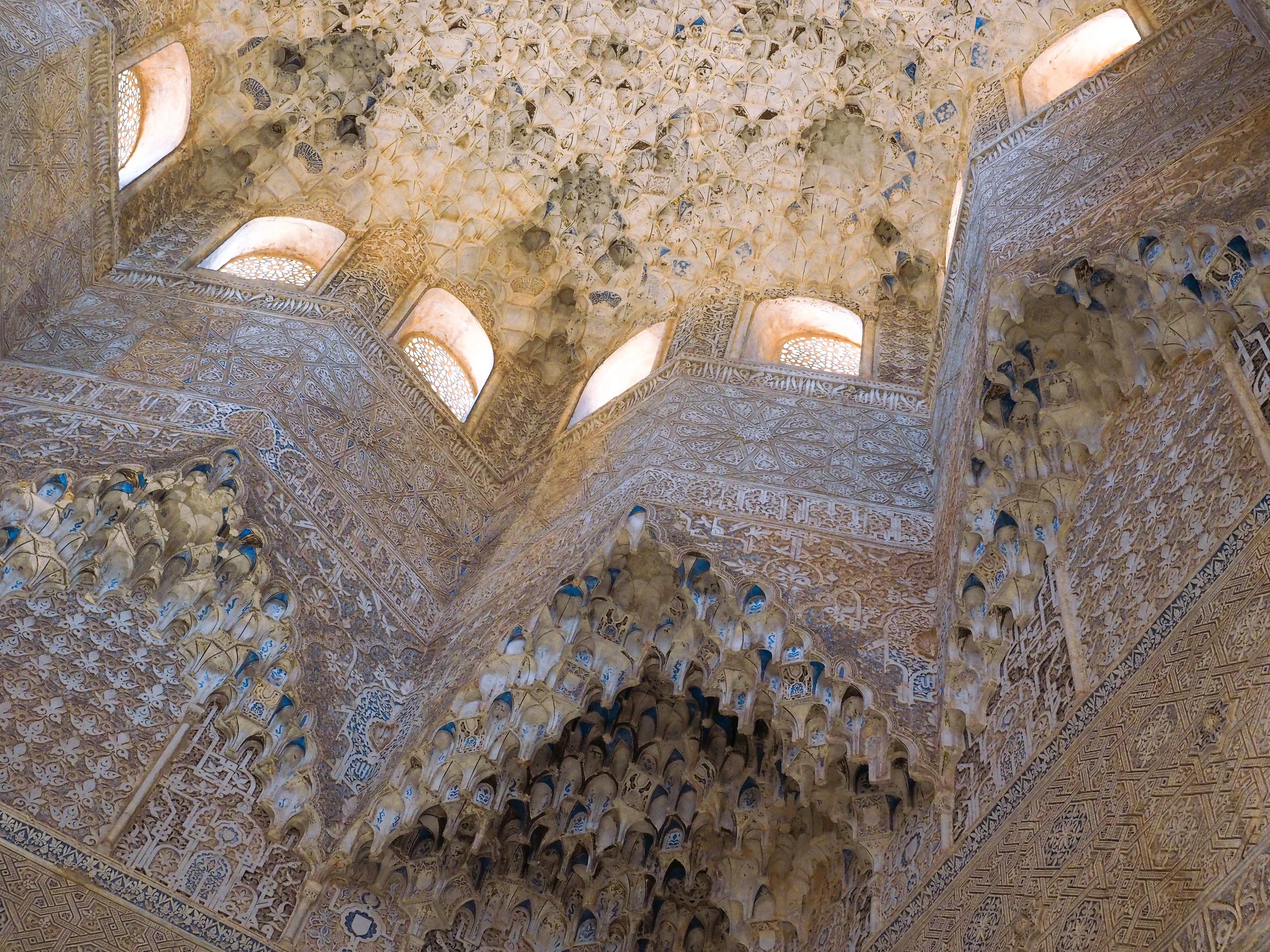
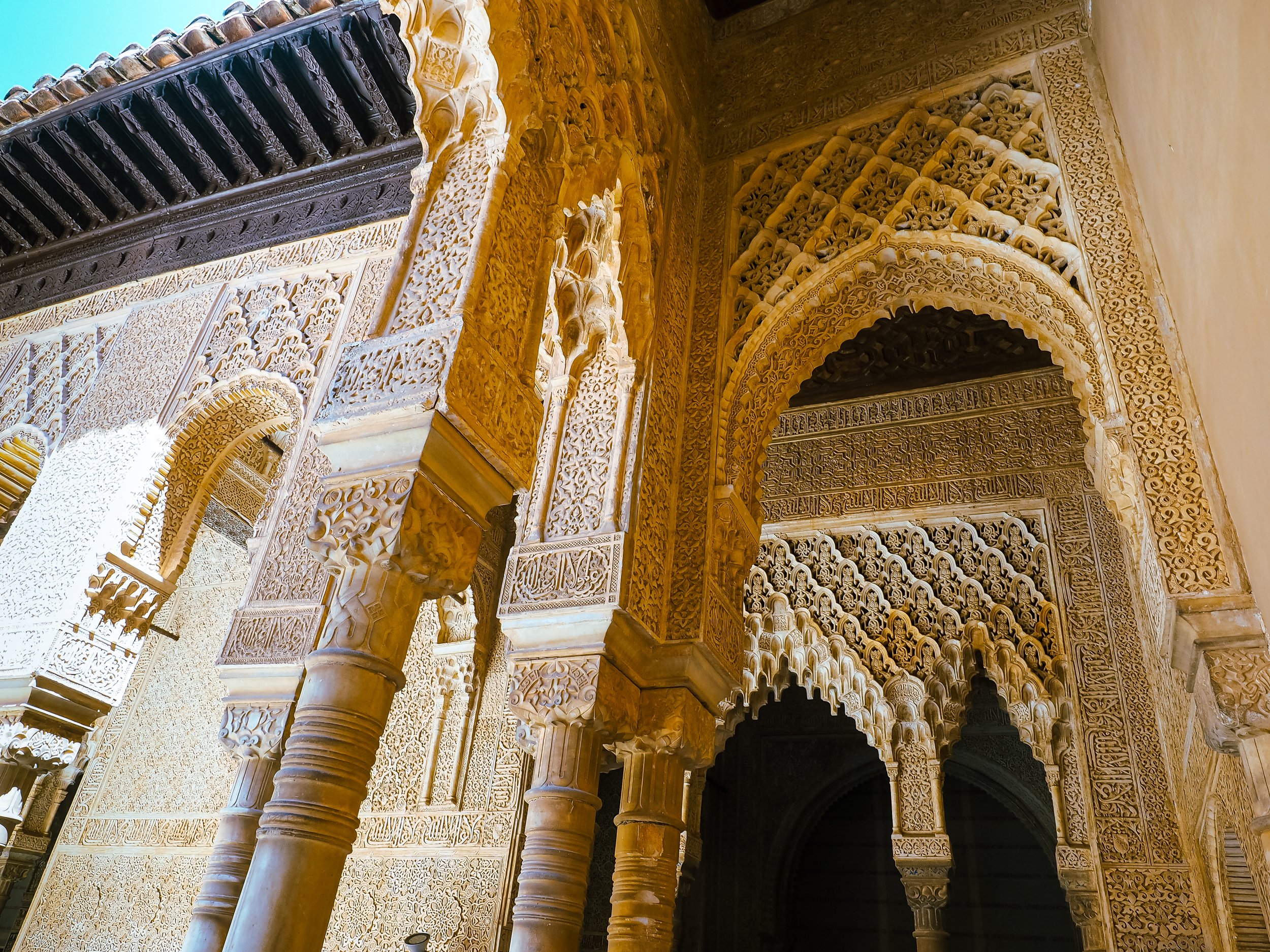
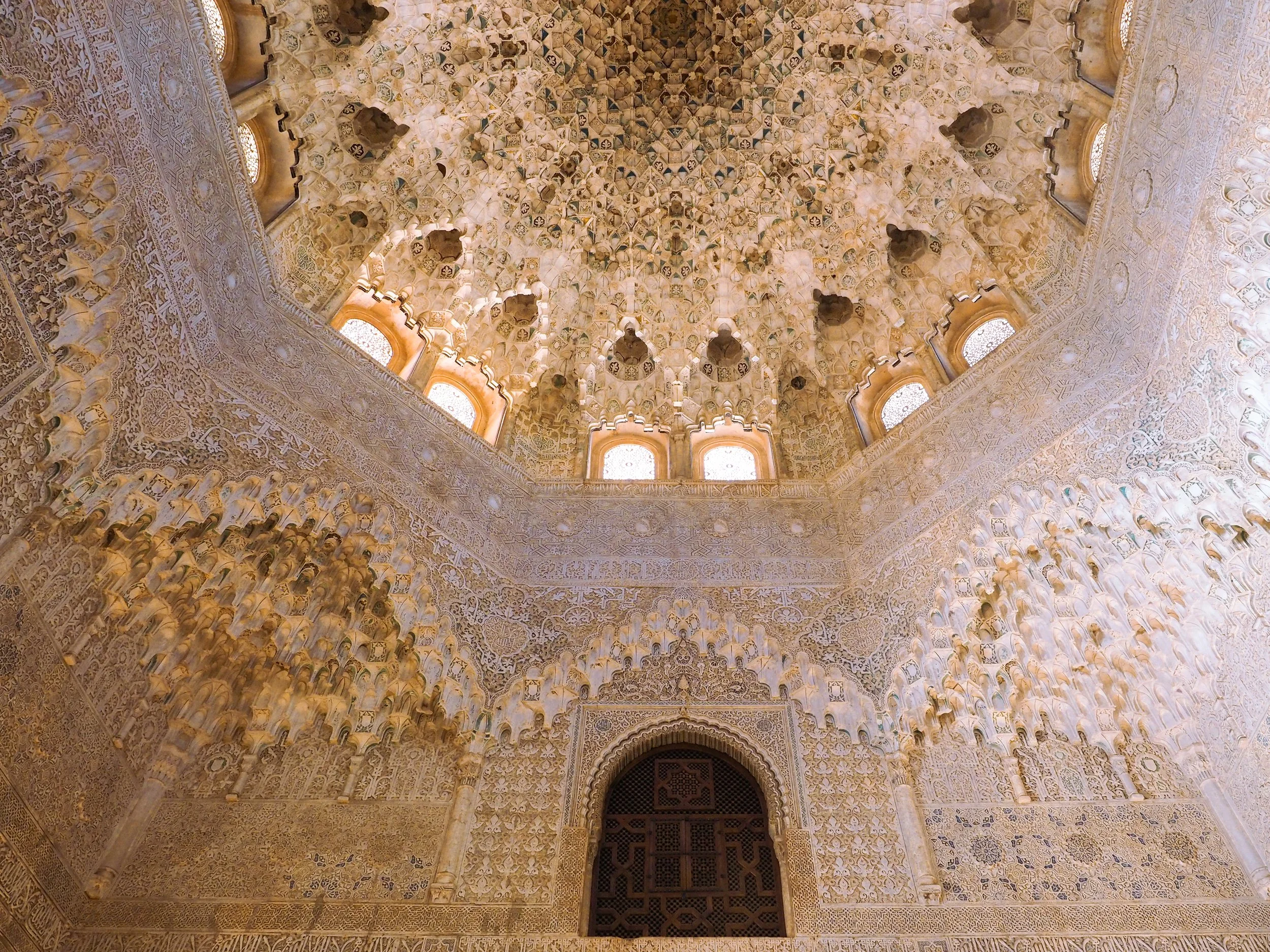
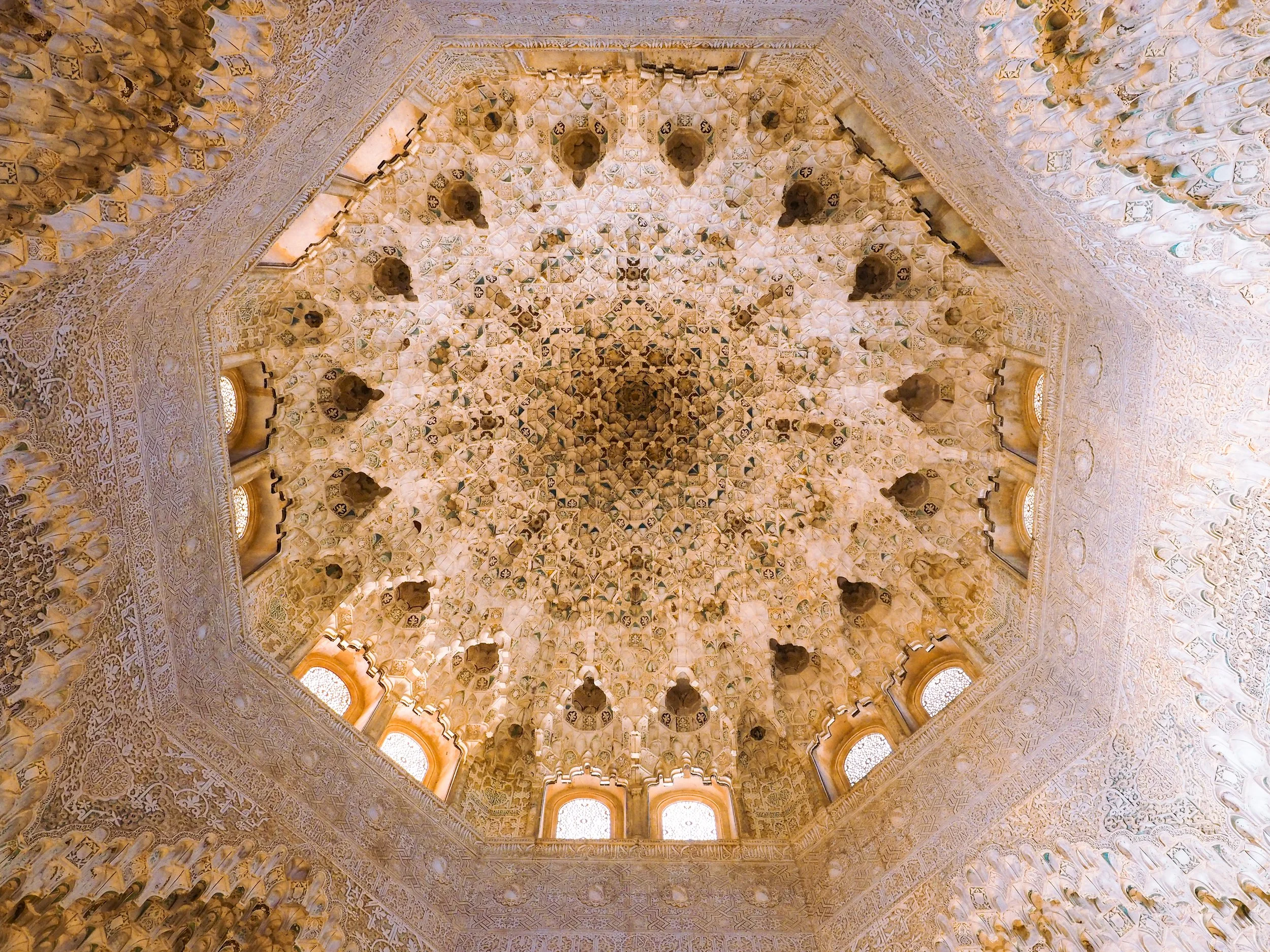
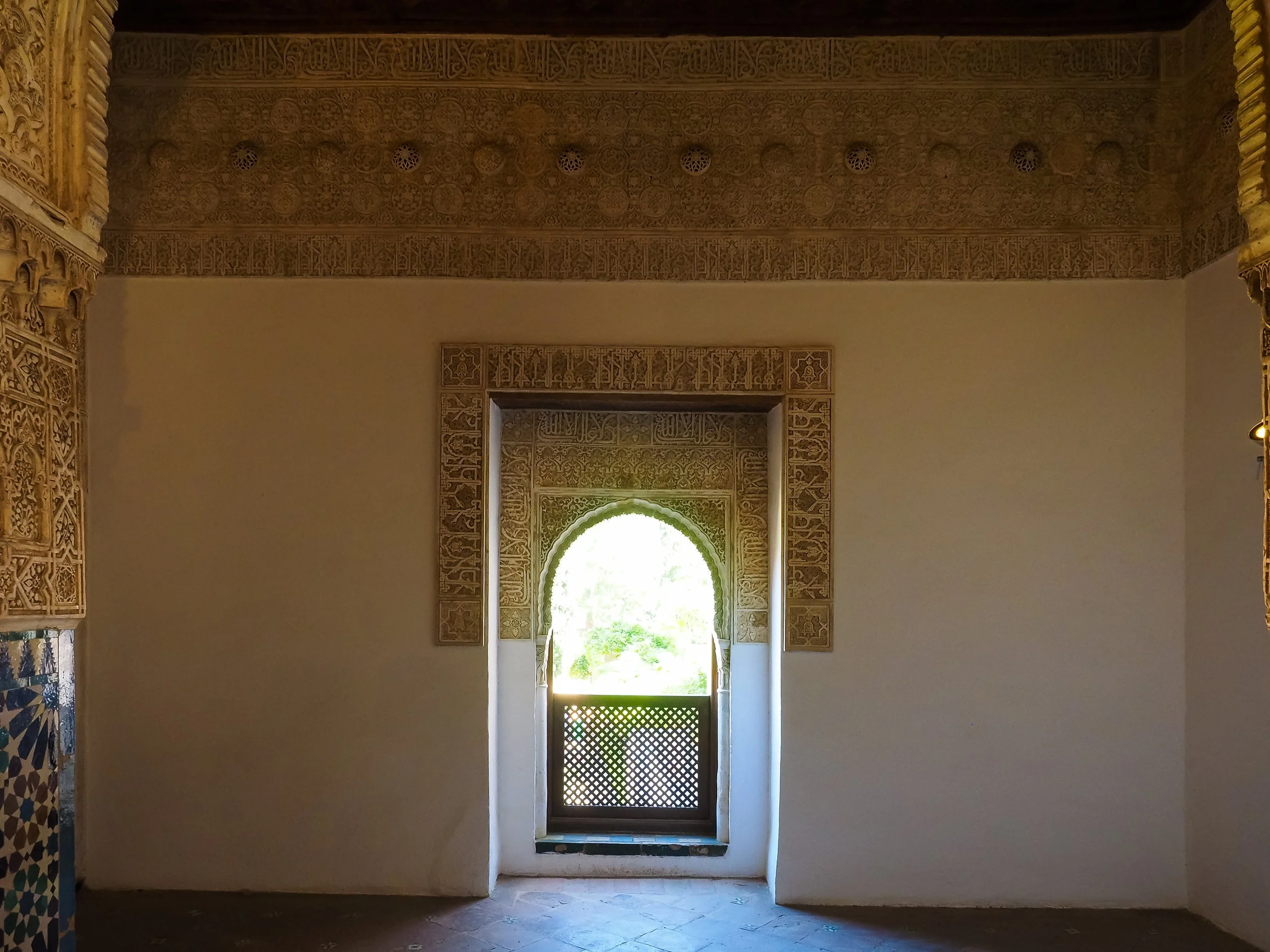
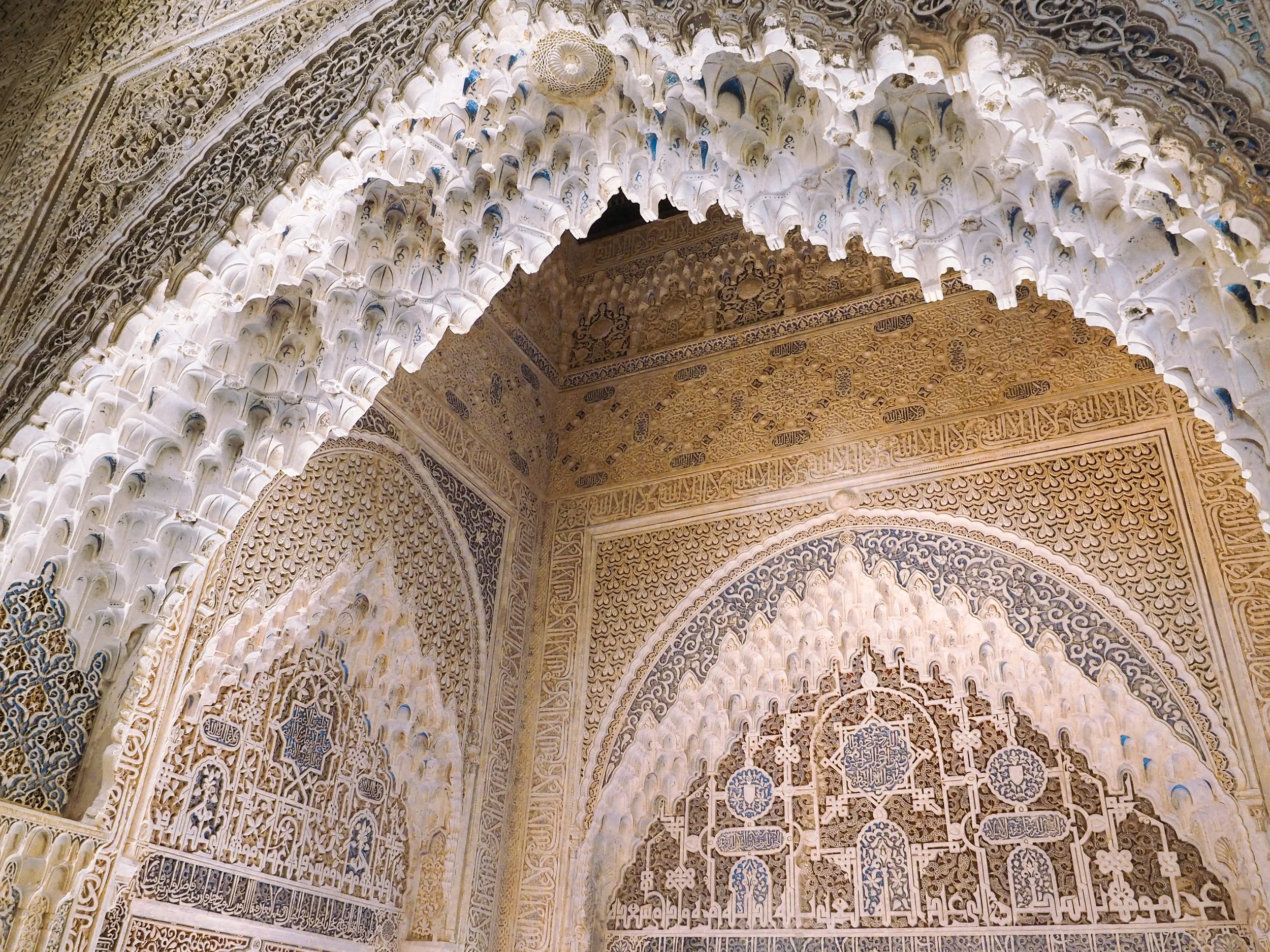
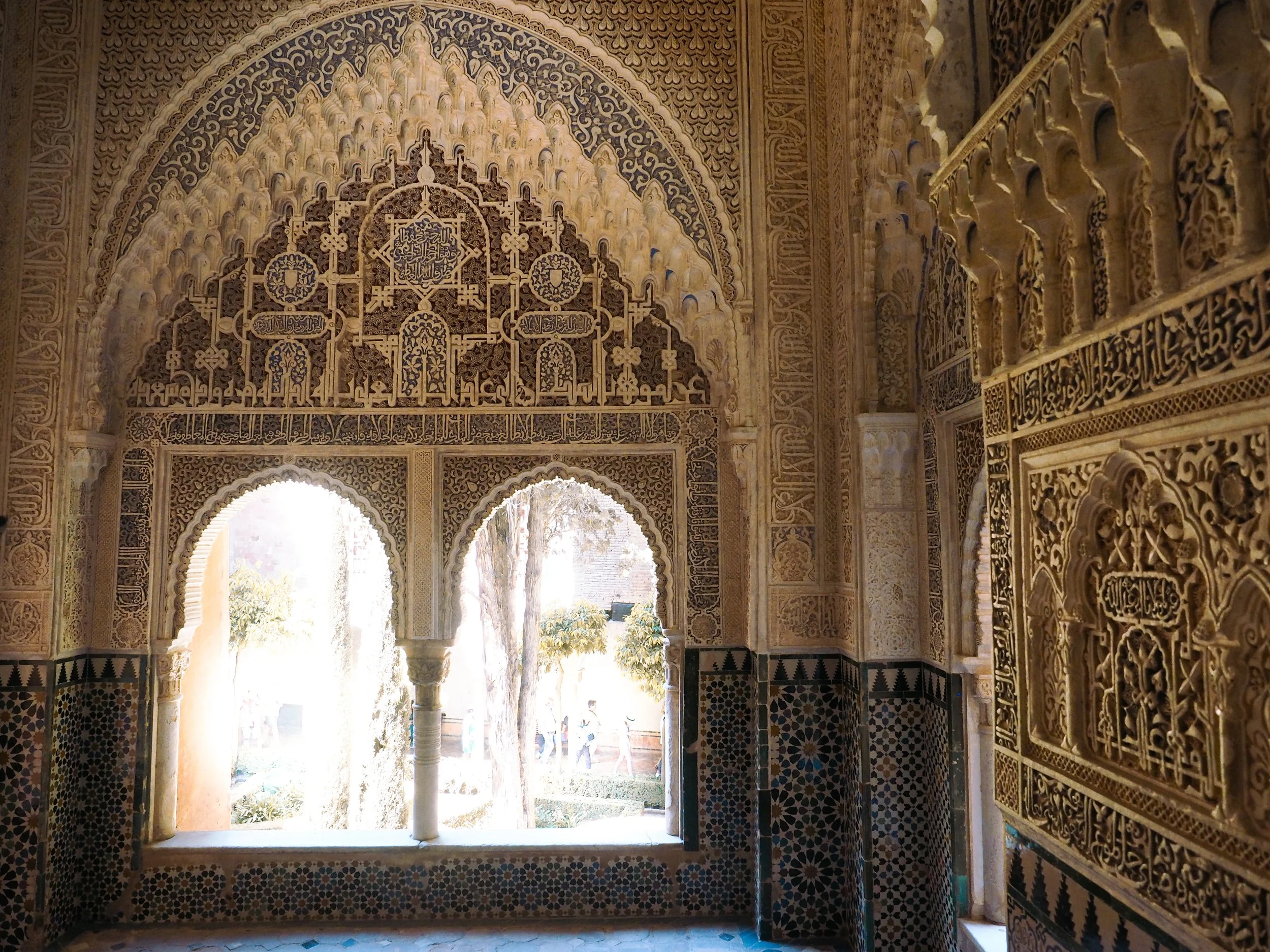
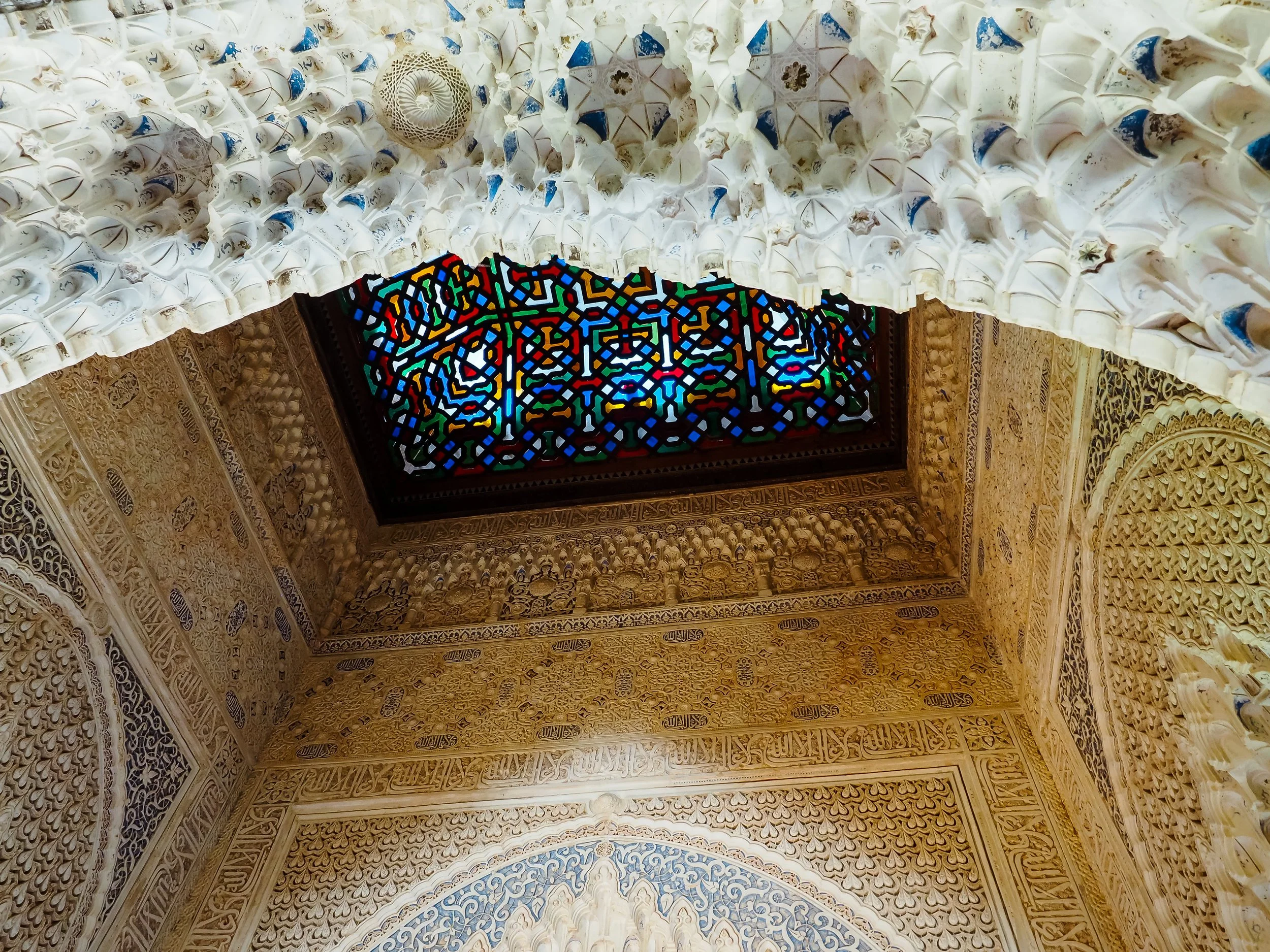
The Alhambra is a remarkable historical monument that combines Islamic art and architecture with Christian modifications over the centuries. It was originally built as a small fortress in 889 AD. In the mid-13th century, Muhammad I, the first Nasrid ruler of the Emirate of Granada, began to transform the fortress into a royal palace. The most significant expansions and constructions took place under Yusuf I (1333-1354) and Mohammed V (1354-1391), who added the intricate Islamic architectural features and decorations that the Alhambra is famous for. The Alhambra reached its peak during the Nasrid period (1238-1492), characterised by its beautiful palaces, courtyards, gardens, and water features.
In 1492, Granada fell to the Catholic Monarchs, Ferdinand II of Aragon and Isabella I of Castile, marking the end of Muslim rule in Spain. Charles V, Holy Roman Emperor, decided to build a Renaissance palace within the Alhambra complex in the 16th century, which contrasts starkly with the original Islamic architecture. After the Reconquista, the Alhambra fell into disrepair and was used by Christian rulers for various purposes.
In the 19th century, European scholars and travellers rediscovered the Alhambra and began to appreciate its historical and architectural significance. Extensive restoration efforts then began and continue to this day, aiming to preserve the Alhambra's unique blend of Islamic and Christian architecture.
The Alhambra was declared a UNESCO World Heritage Site in 1984 and is now one of Spain's most visited tourist attractions.
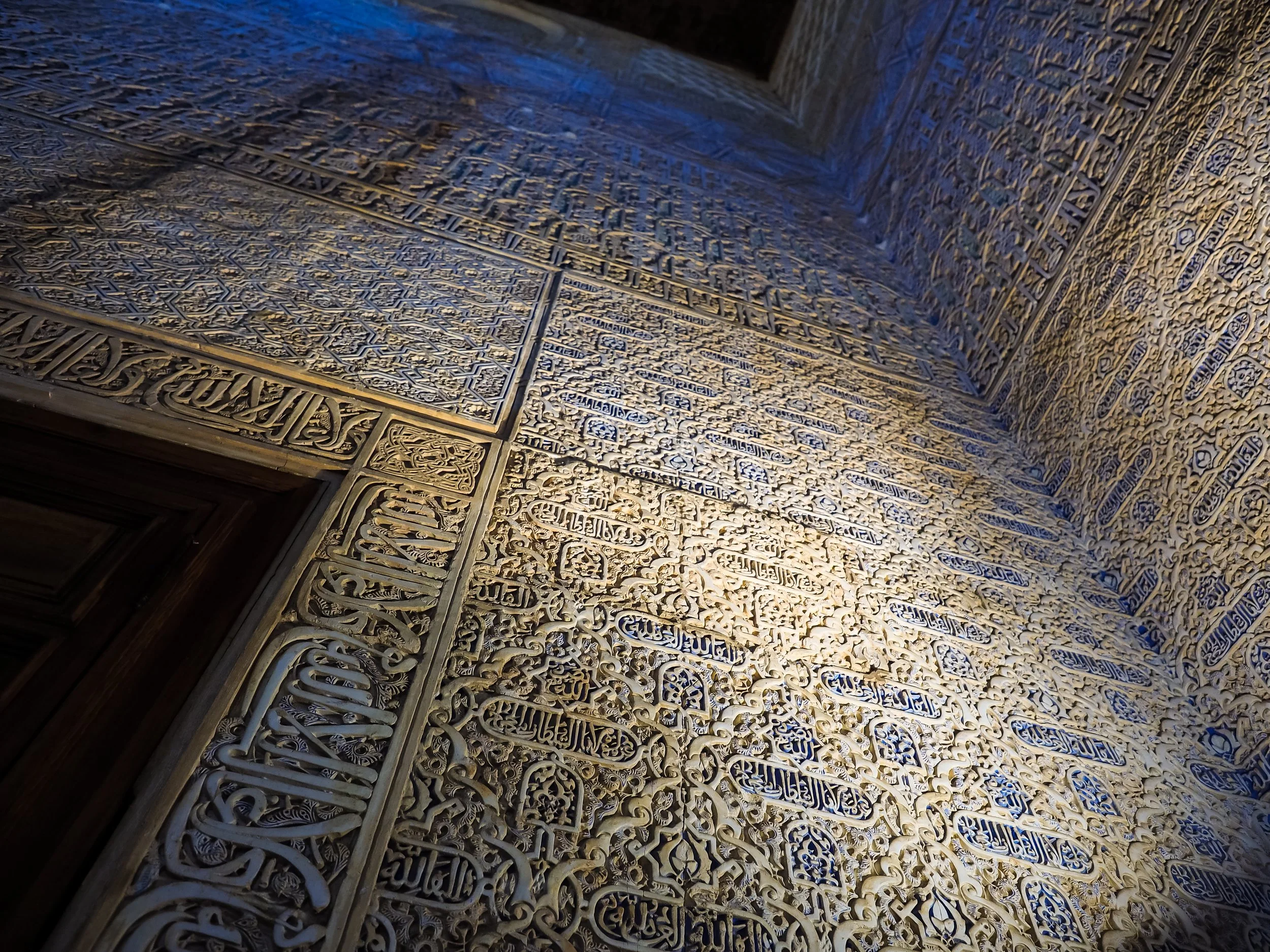
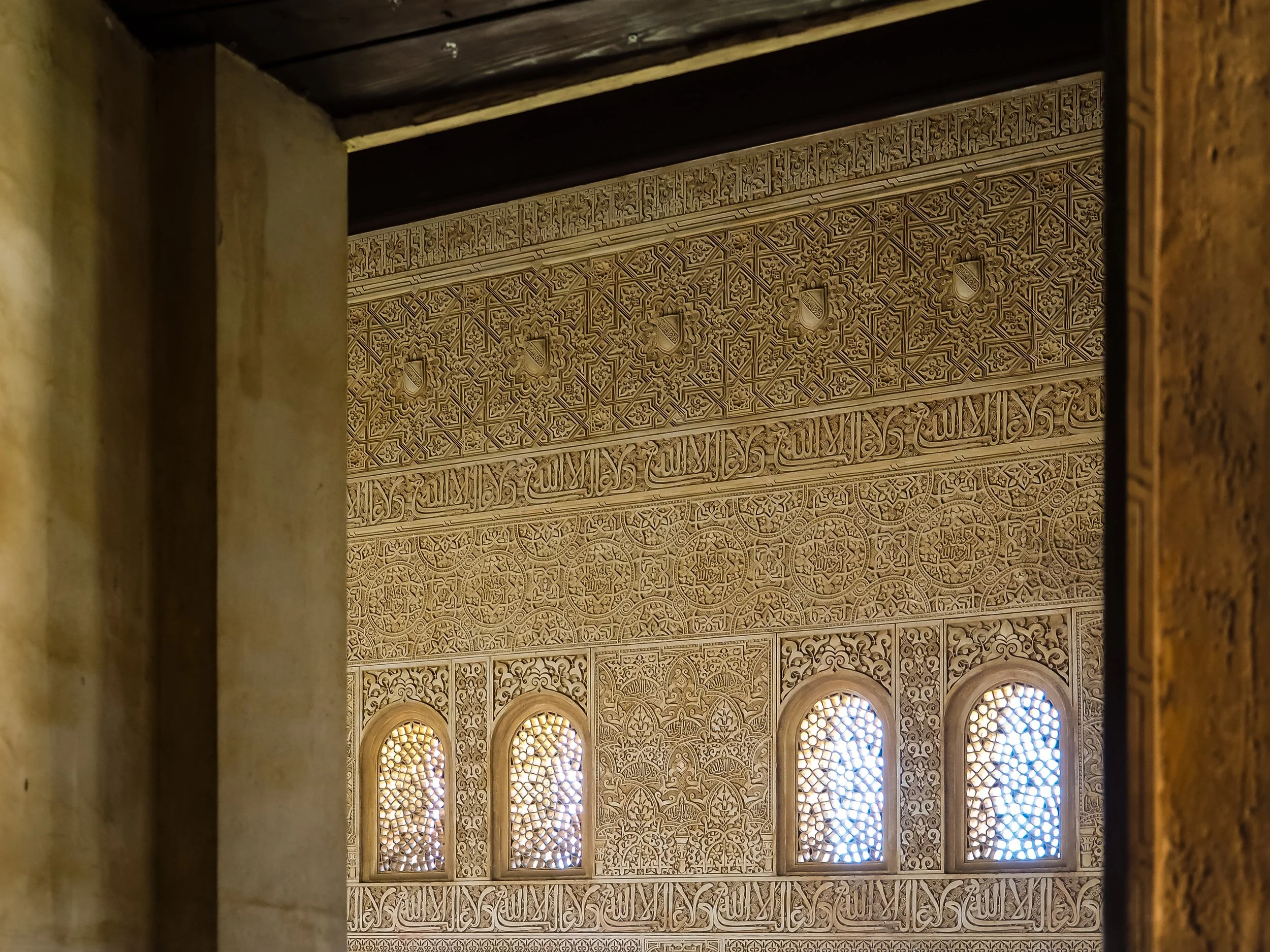
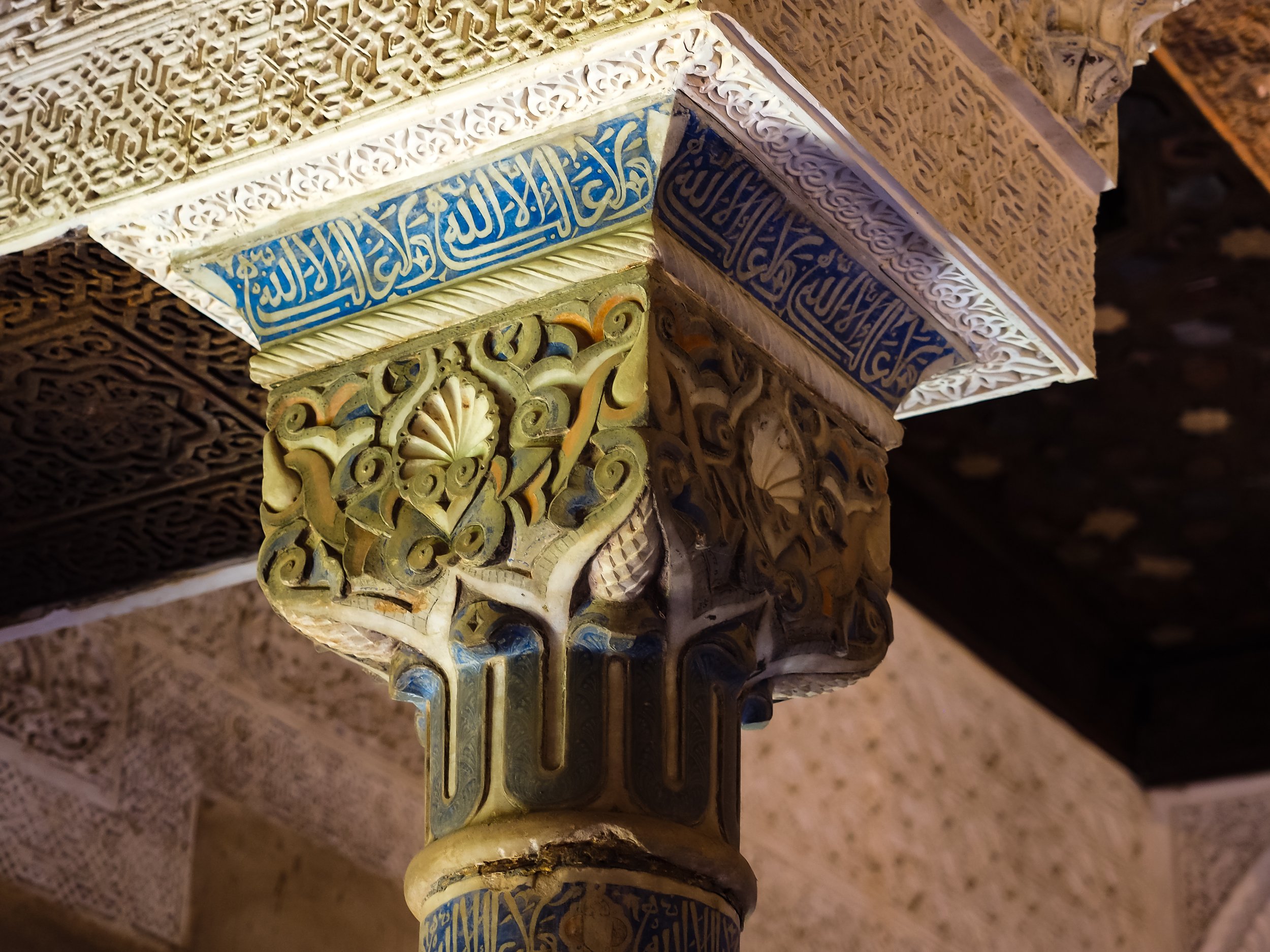
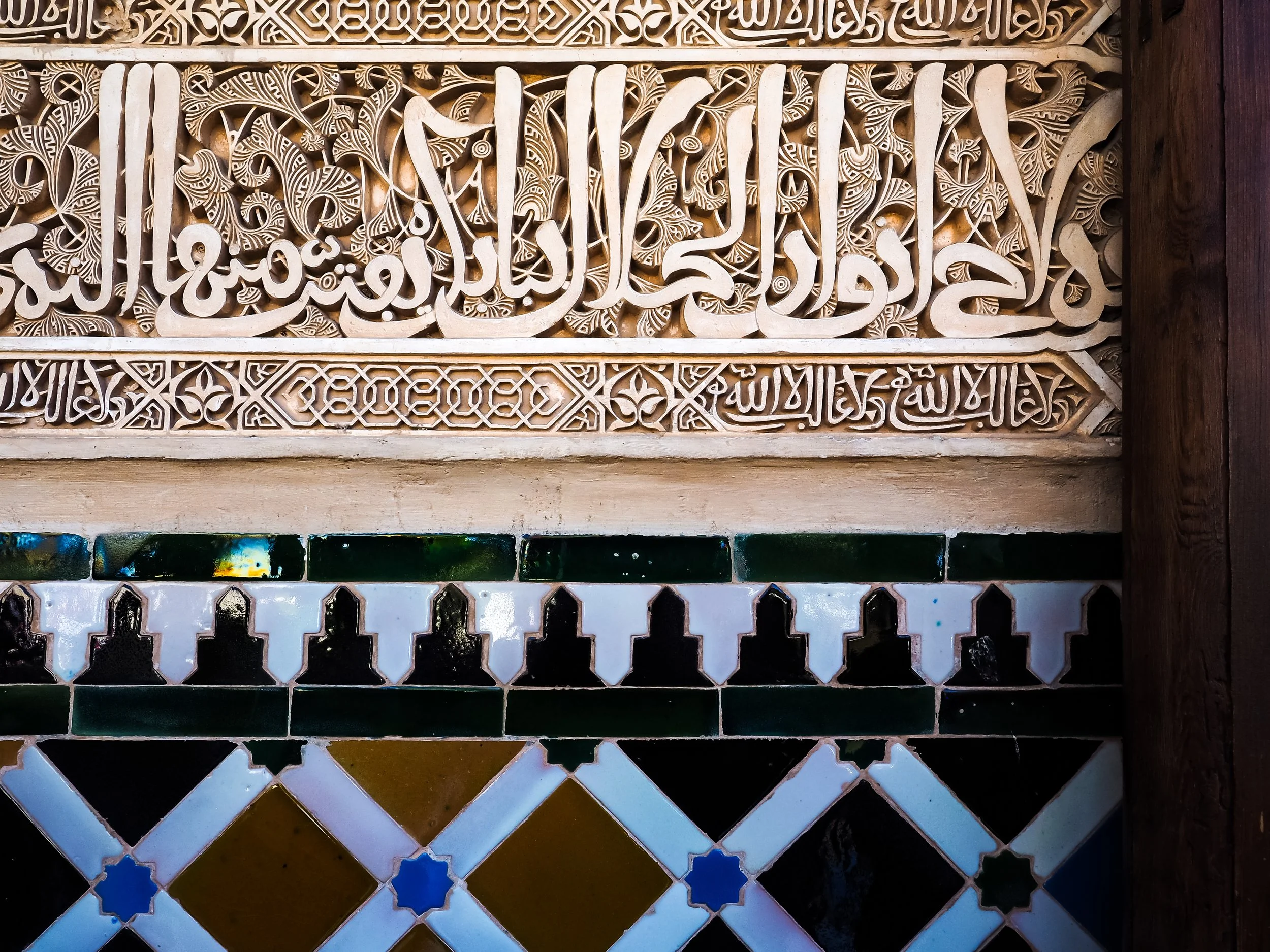
The Alhambra represents the rich cultural exchange and coexistence of Muslim, Christian, and Jewish communities in medieval Spain, known as "convivencia." Its intricate decorations, including arabesques, calligraphy, and geometric patterns, reflect the artistic achievements of Islamic Spain. It stands as a testament to Spain's diverse cultural heritage and serves as a vivid reminder of the country's complex history of religious and cultural interaction.