Sagrada Familia, Barcelona,
Spain
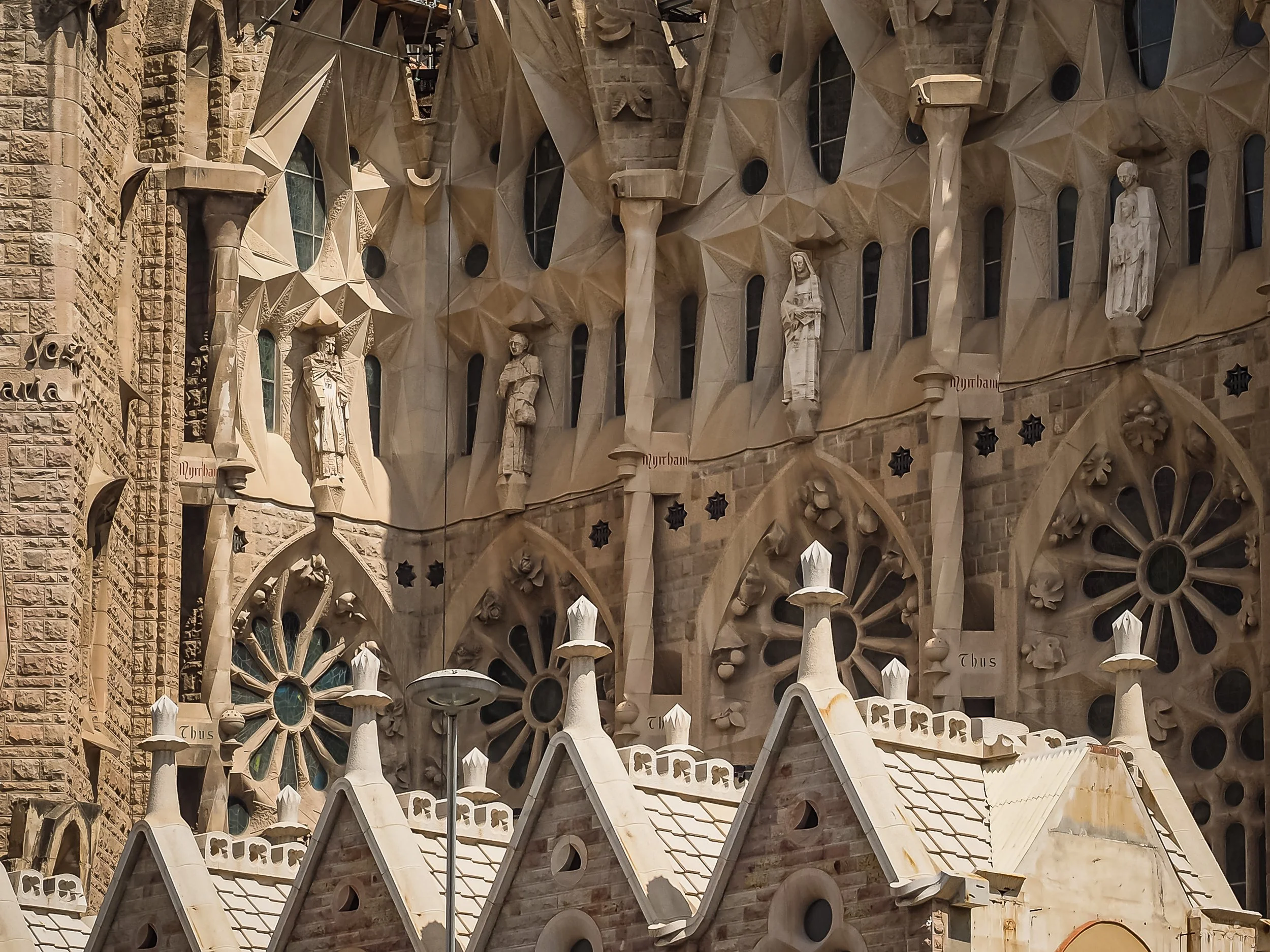
The Sagrada Família, located in the Eixample district of Barcelona, is one of the most iconic and distinctive architectural works in the world. Conceived by architect Antoni Gaudí, the basilica represents the pinnacle of Catalan Modernisme and one of the most ambitious religious structures ever undertaken. Construction began in 1882 under architect Francisco de Paula del Villar, but the project took a radical turn the following year when Gaudí assumed leadership. Devoting the last decades of his life entirely to the basilica, he transformed it into a visionary synthesis of architecture, sculpture, and symbolic storytelling.
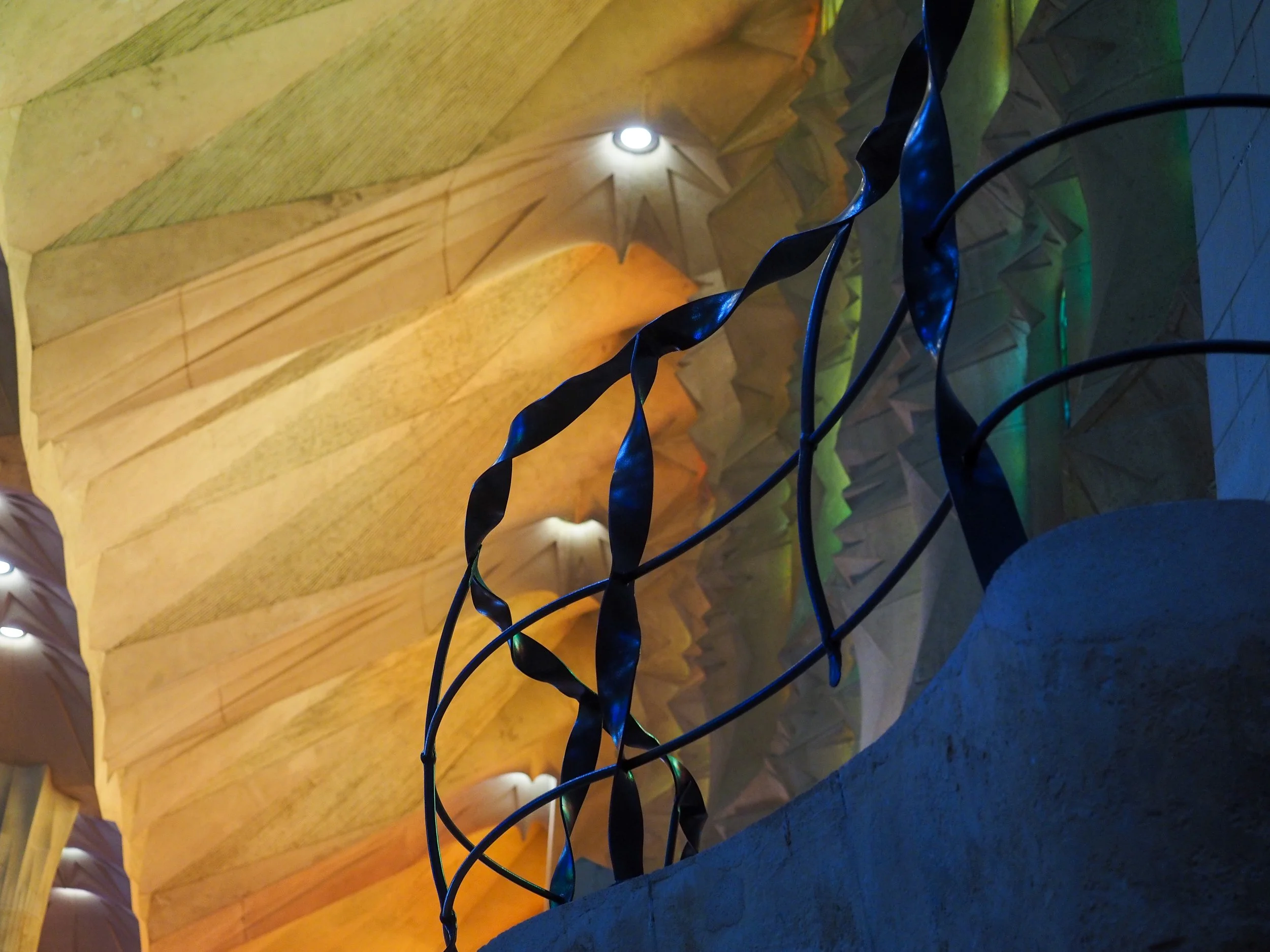
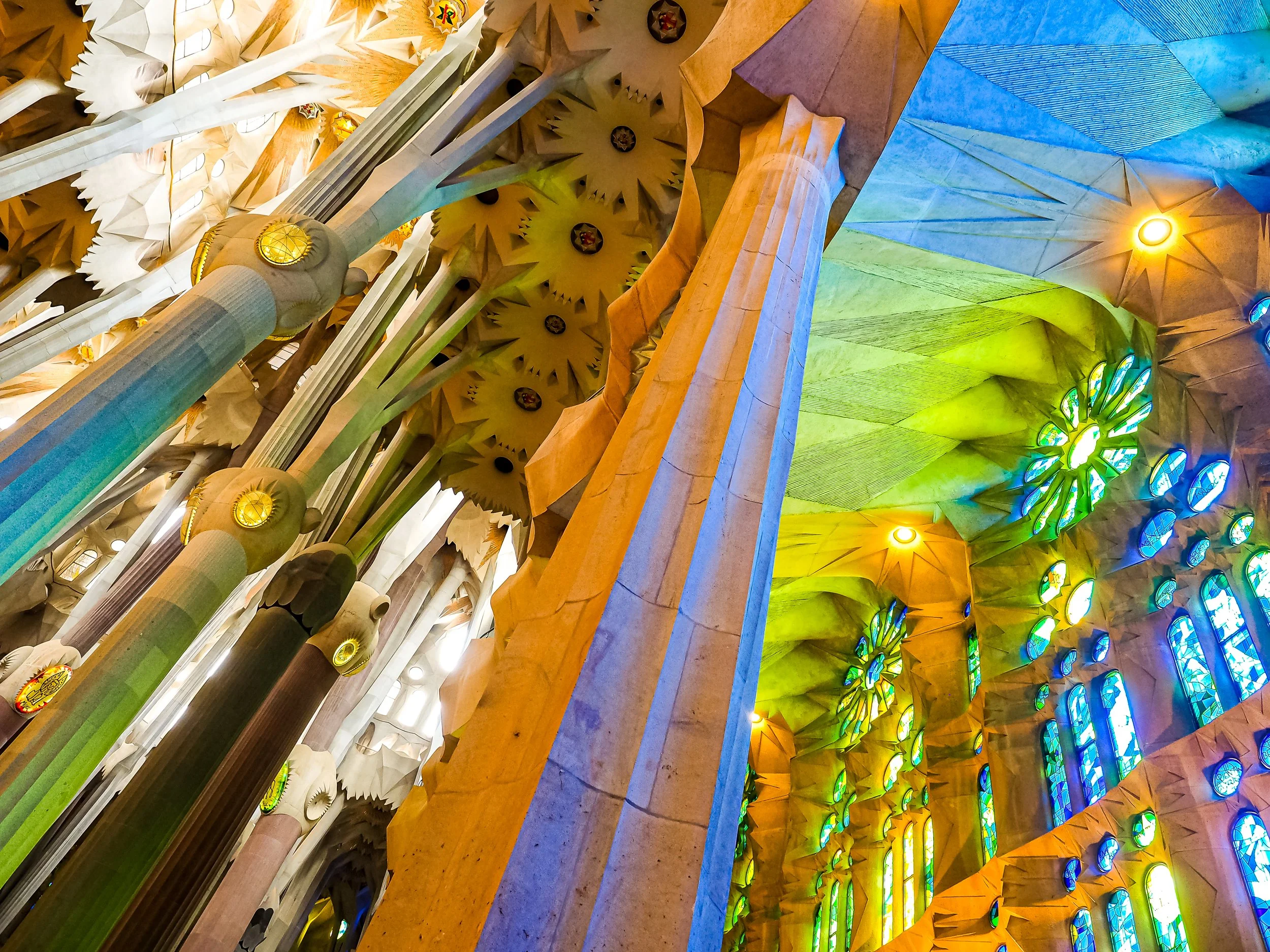
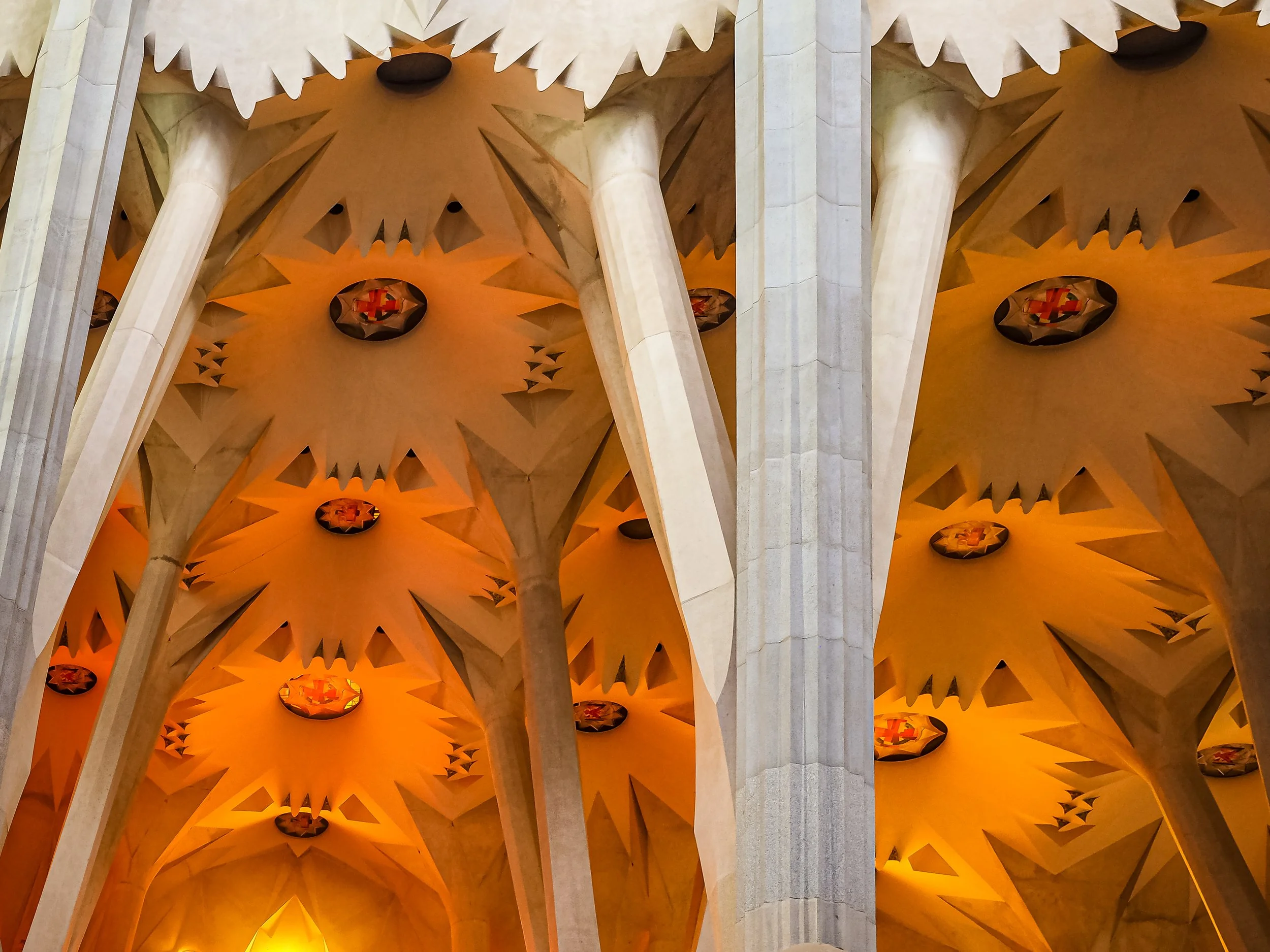
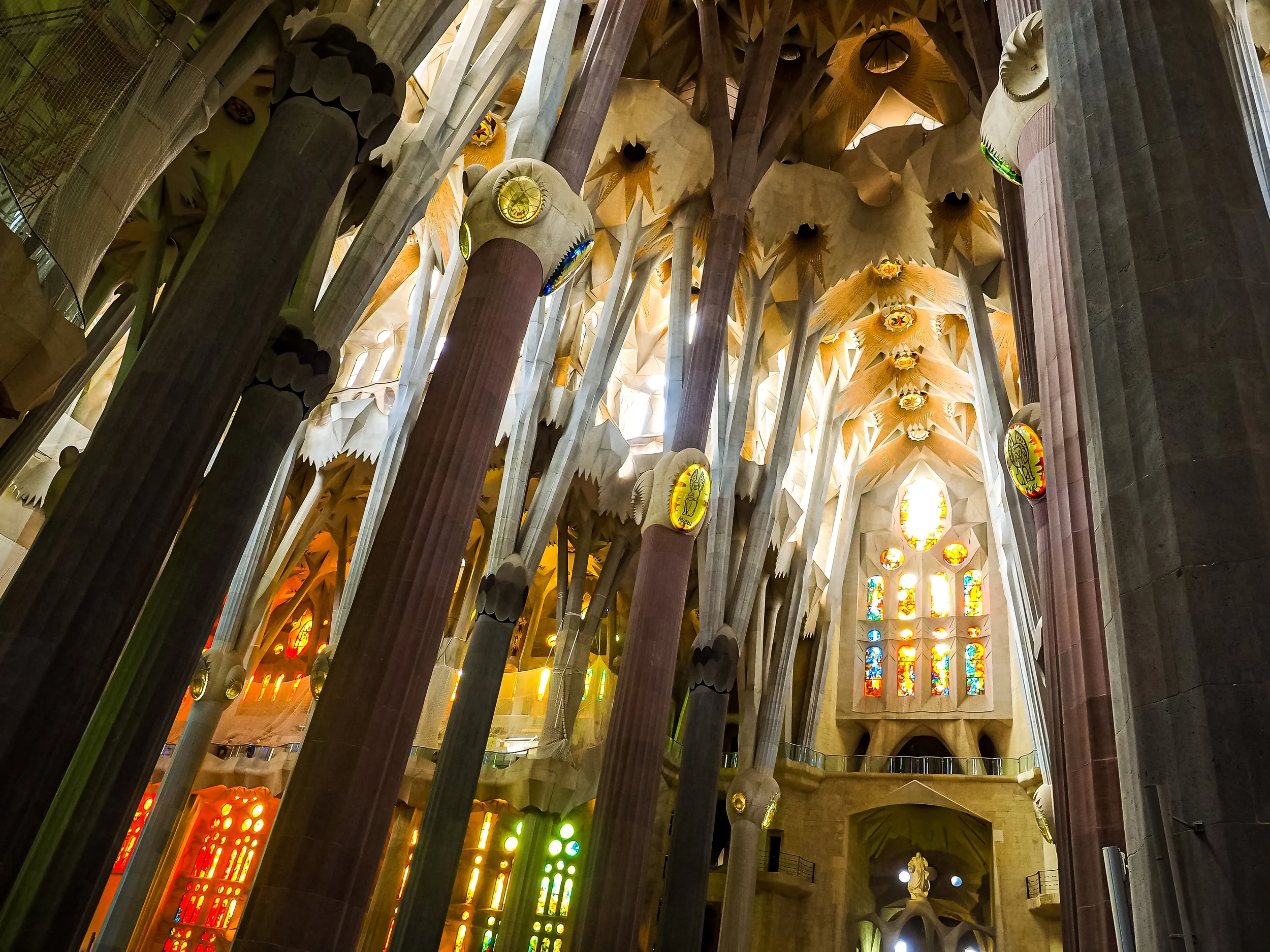
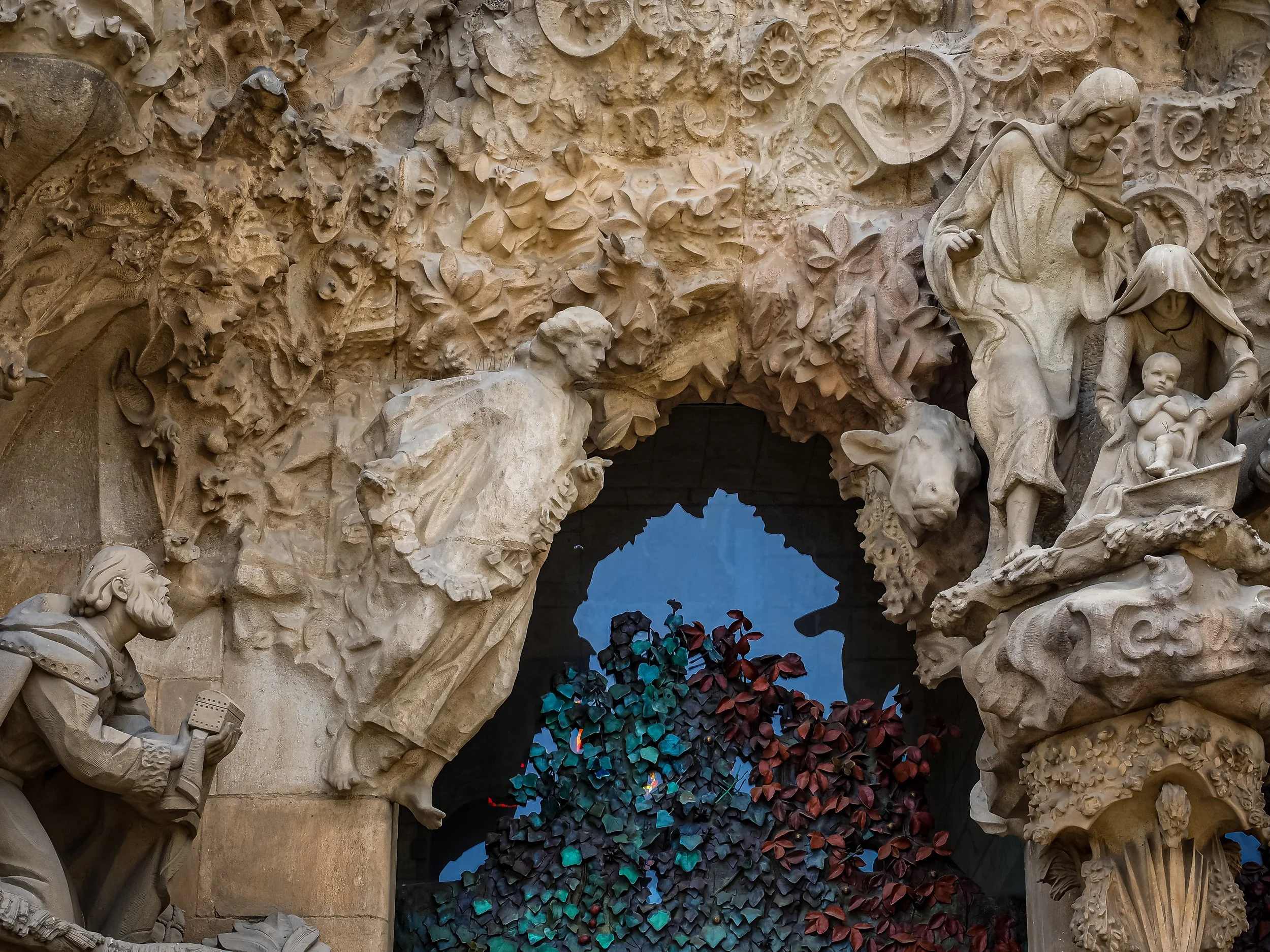
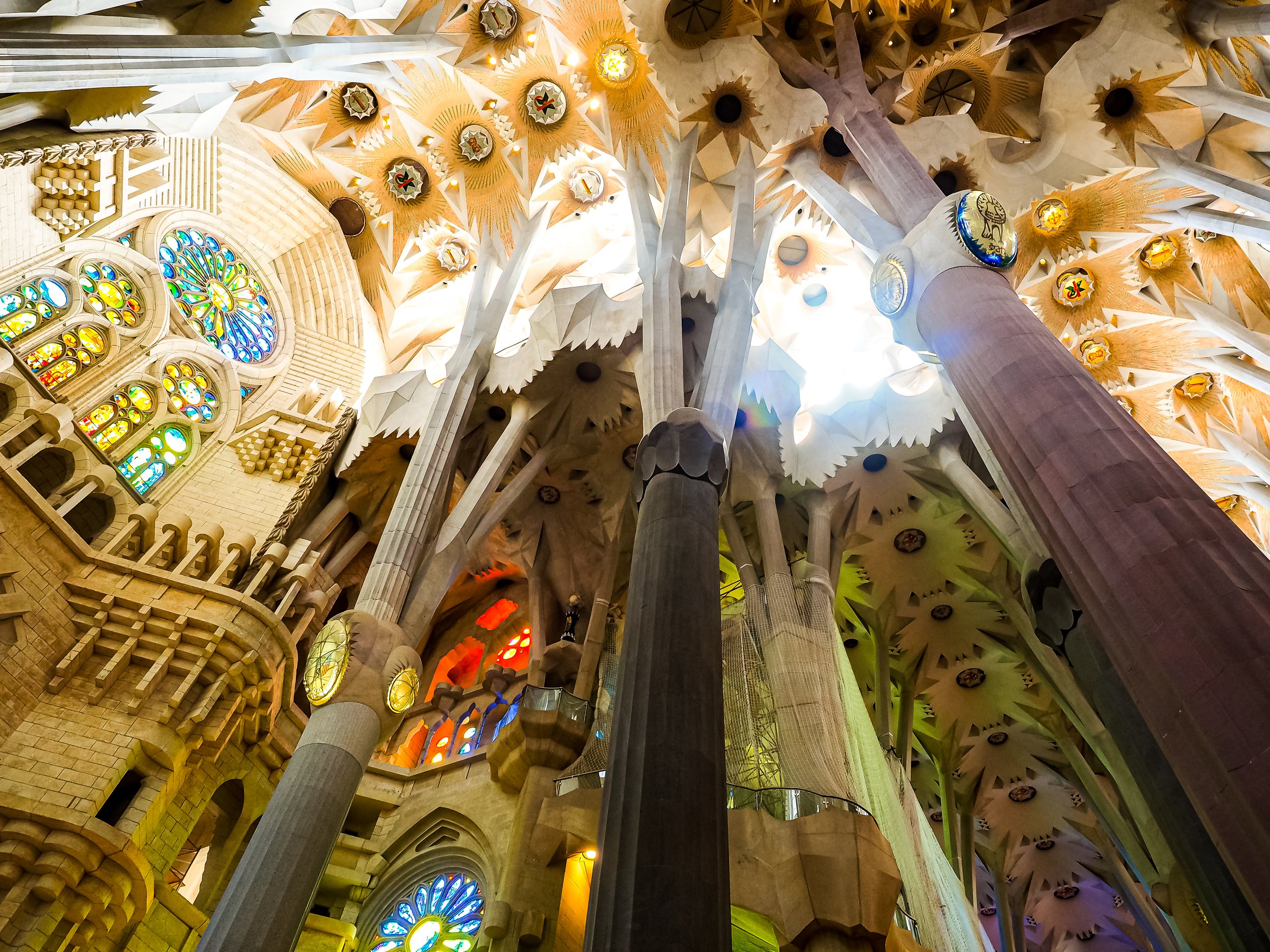
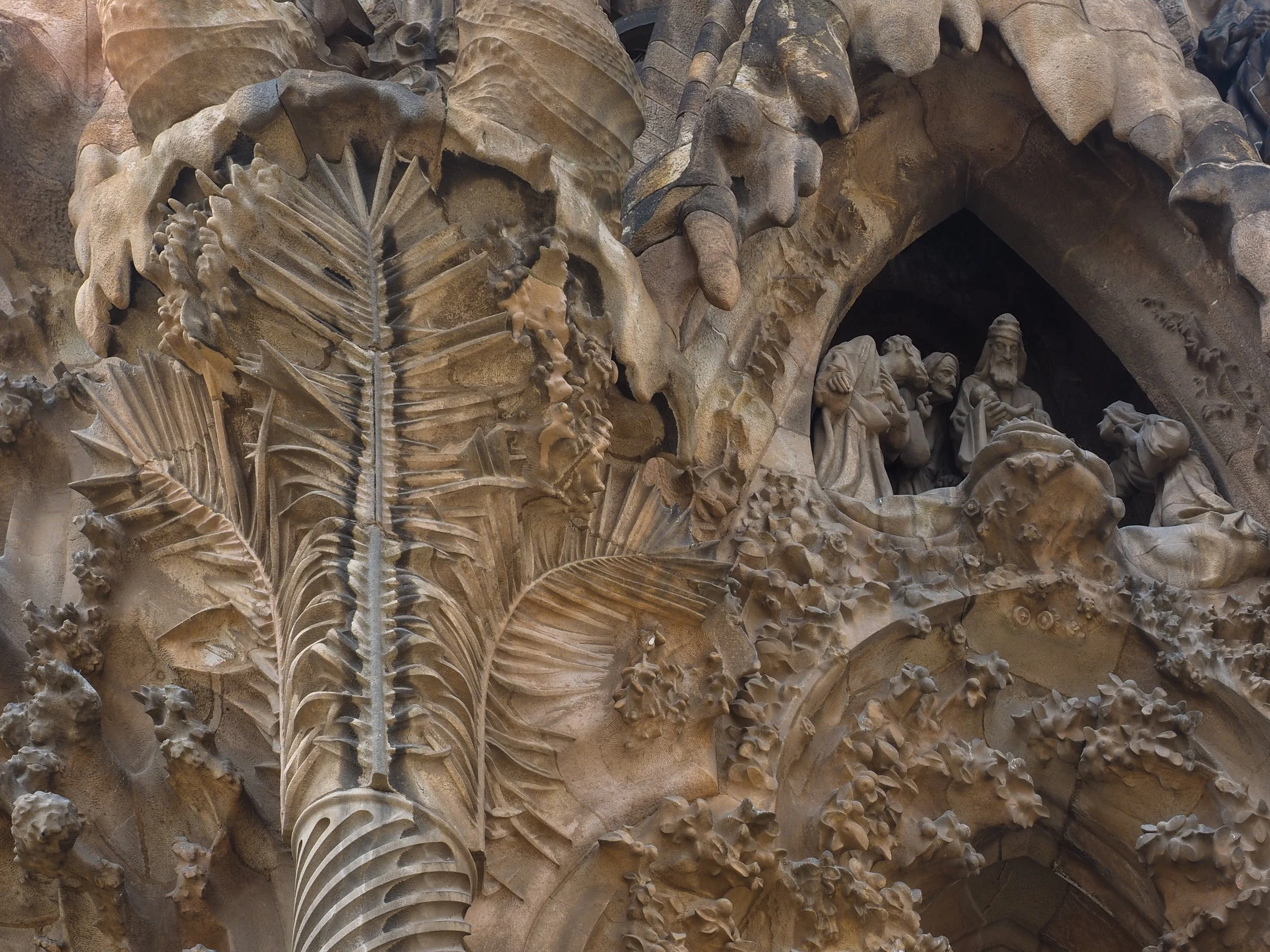
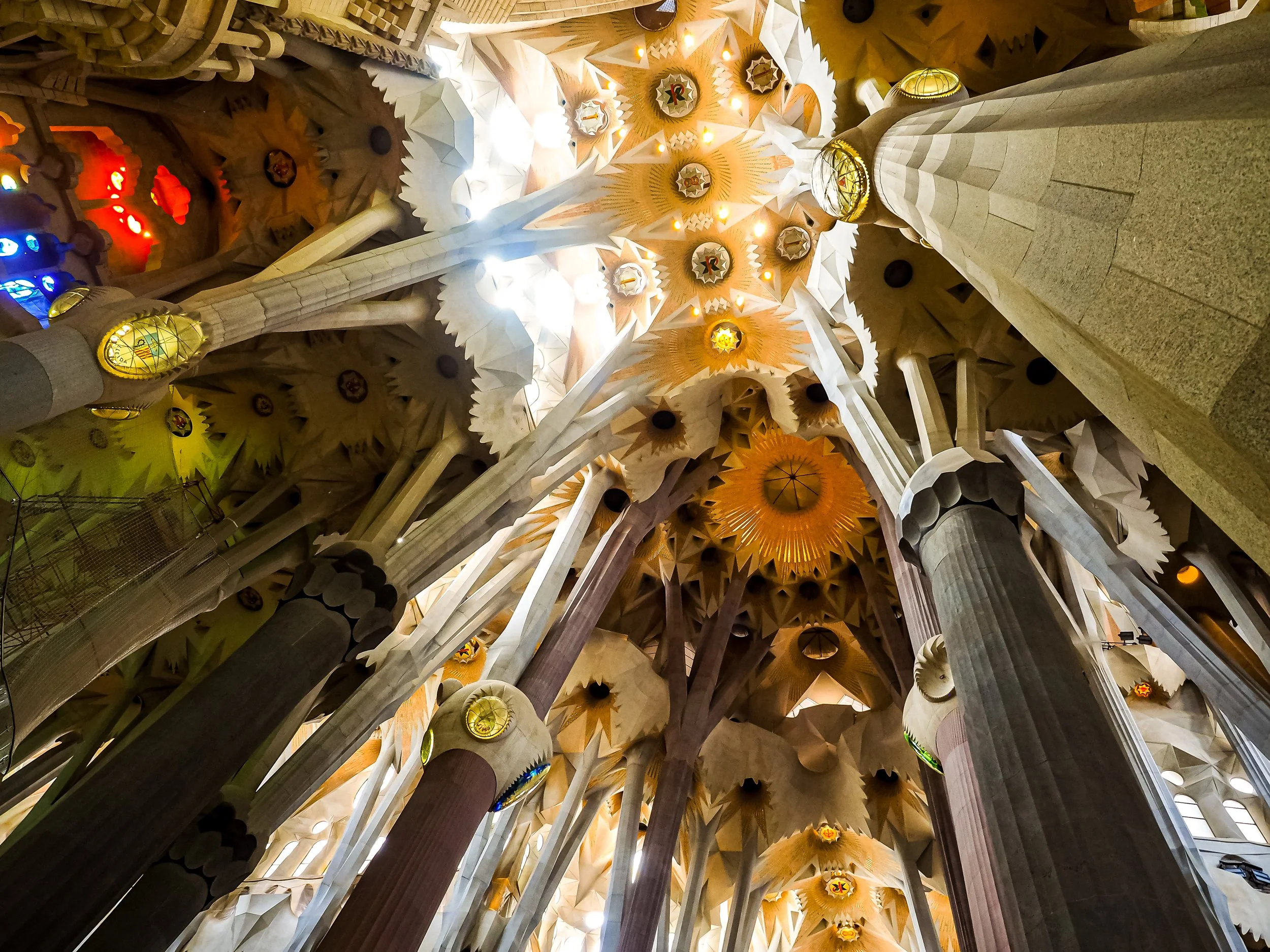
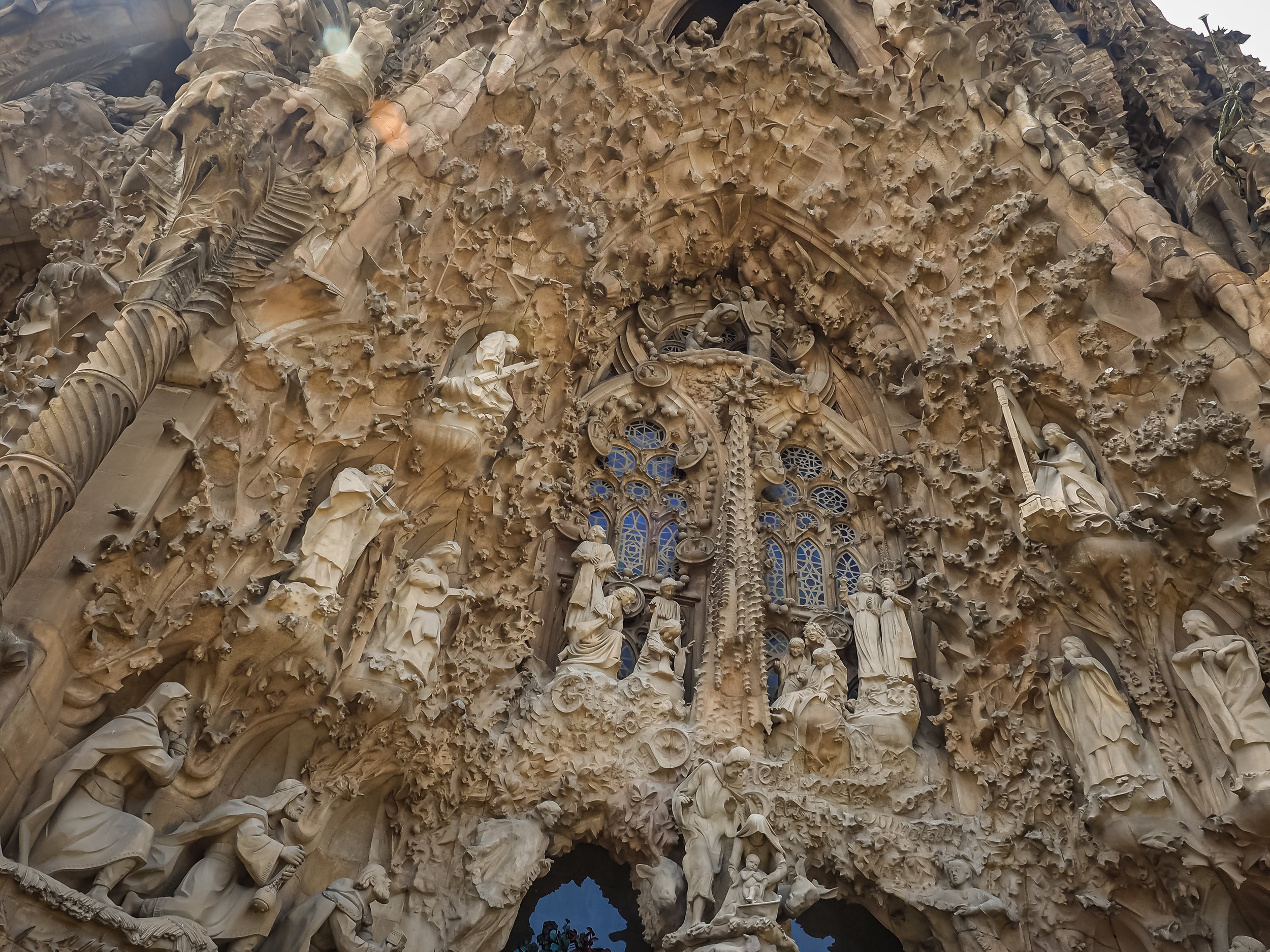
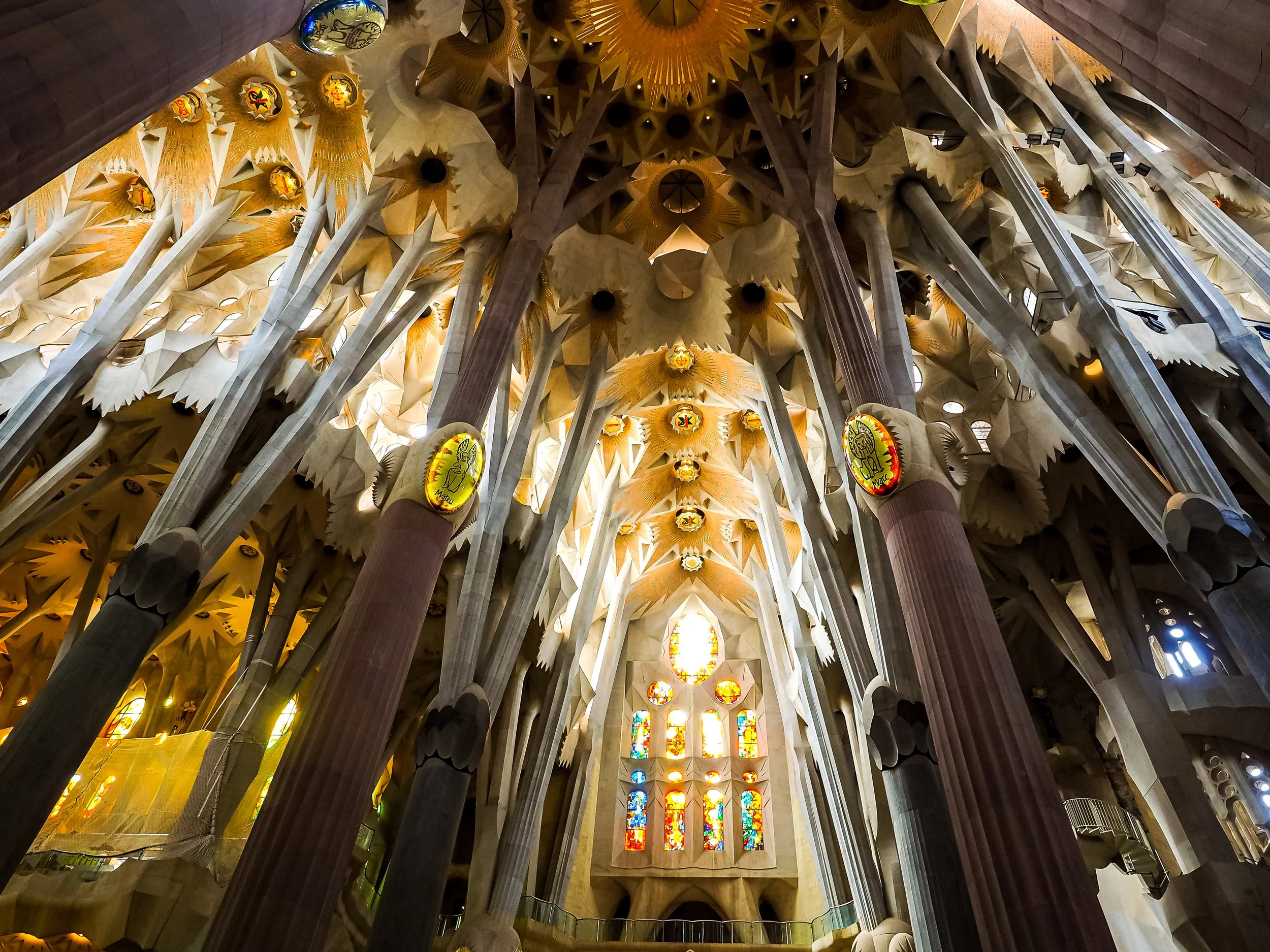
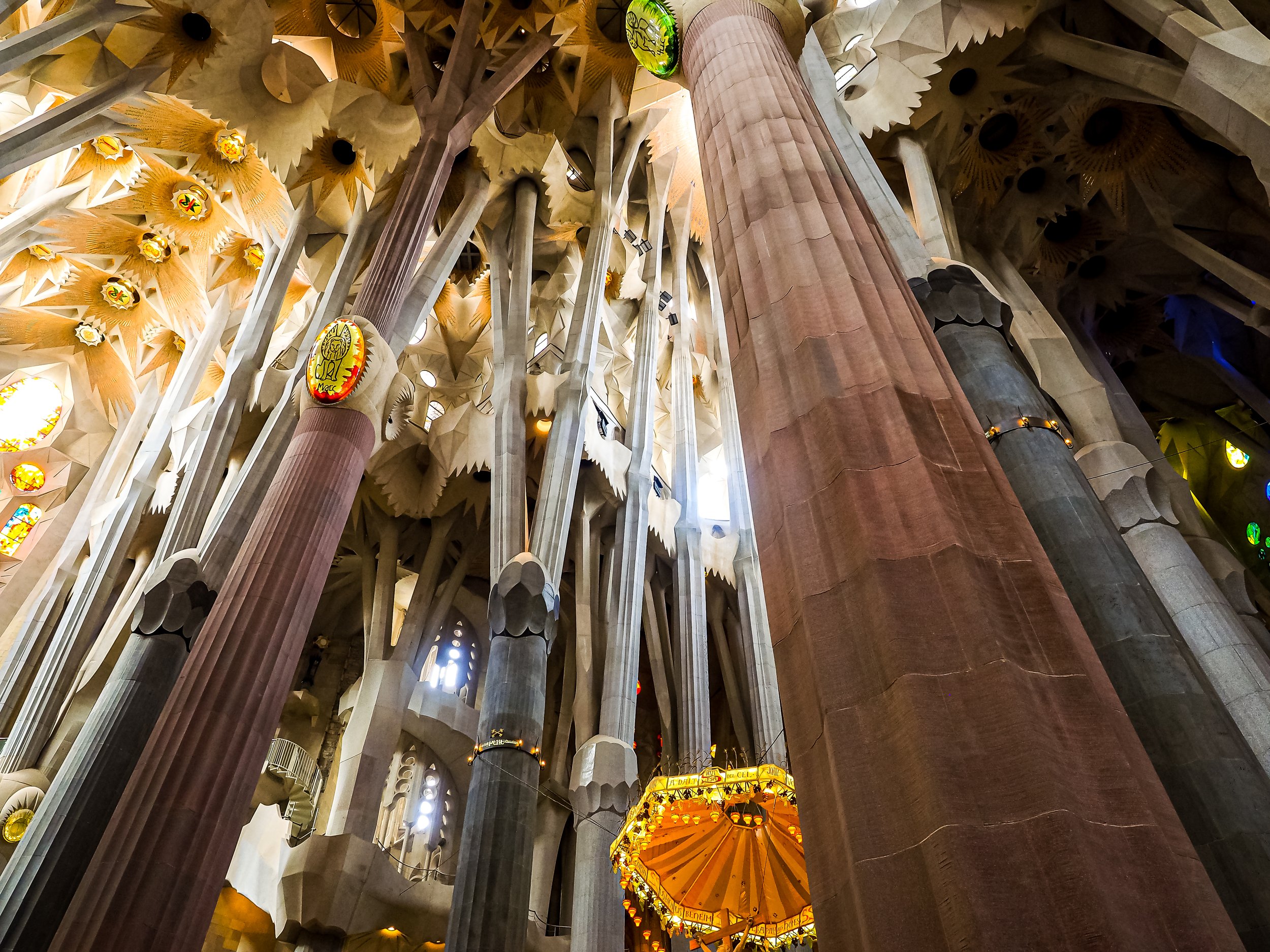
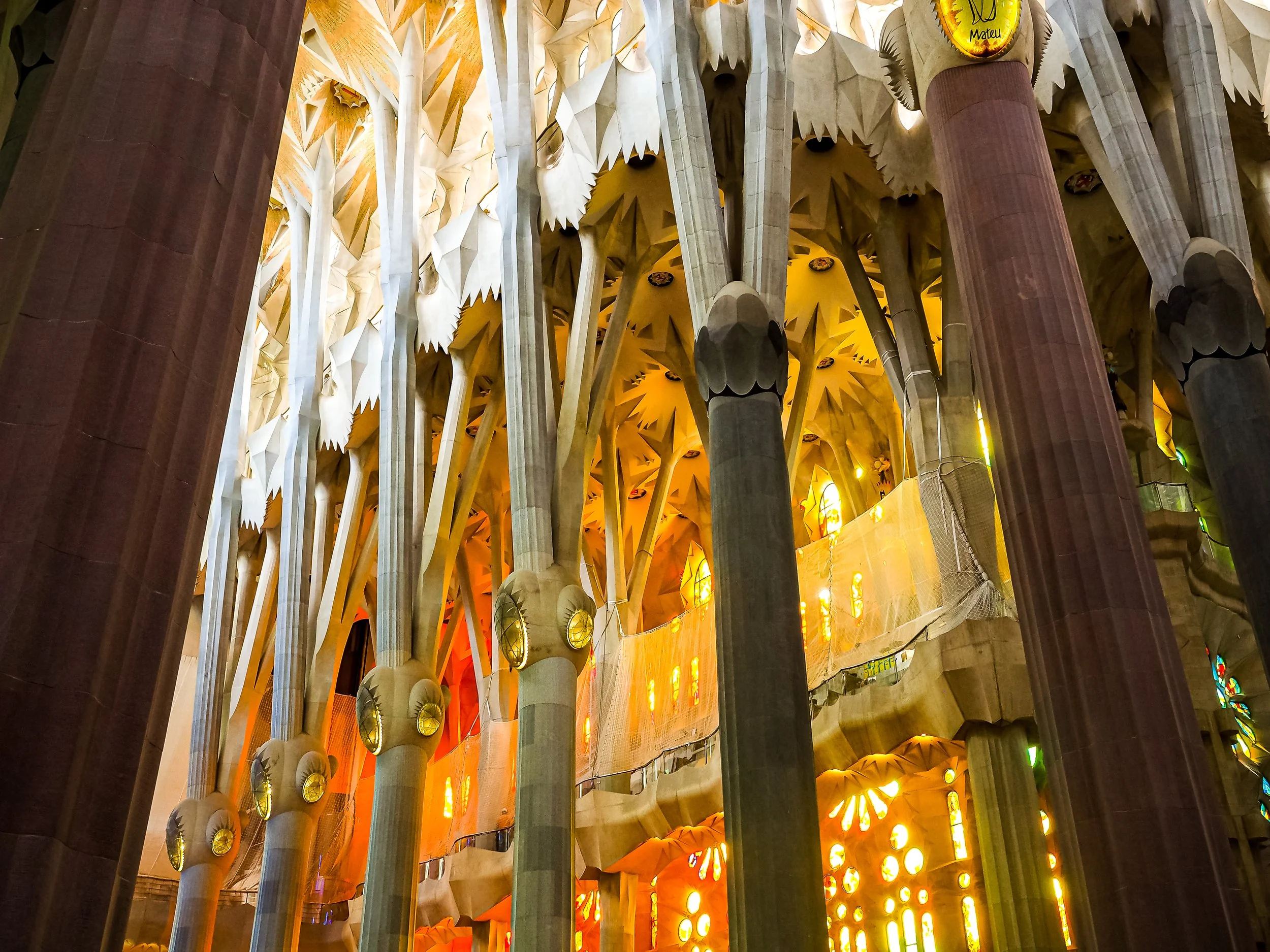
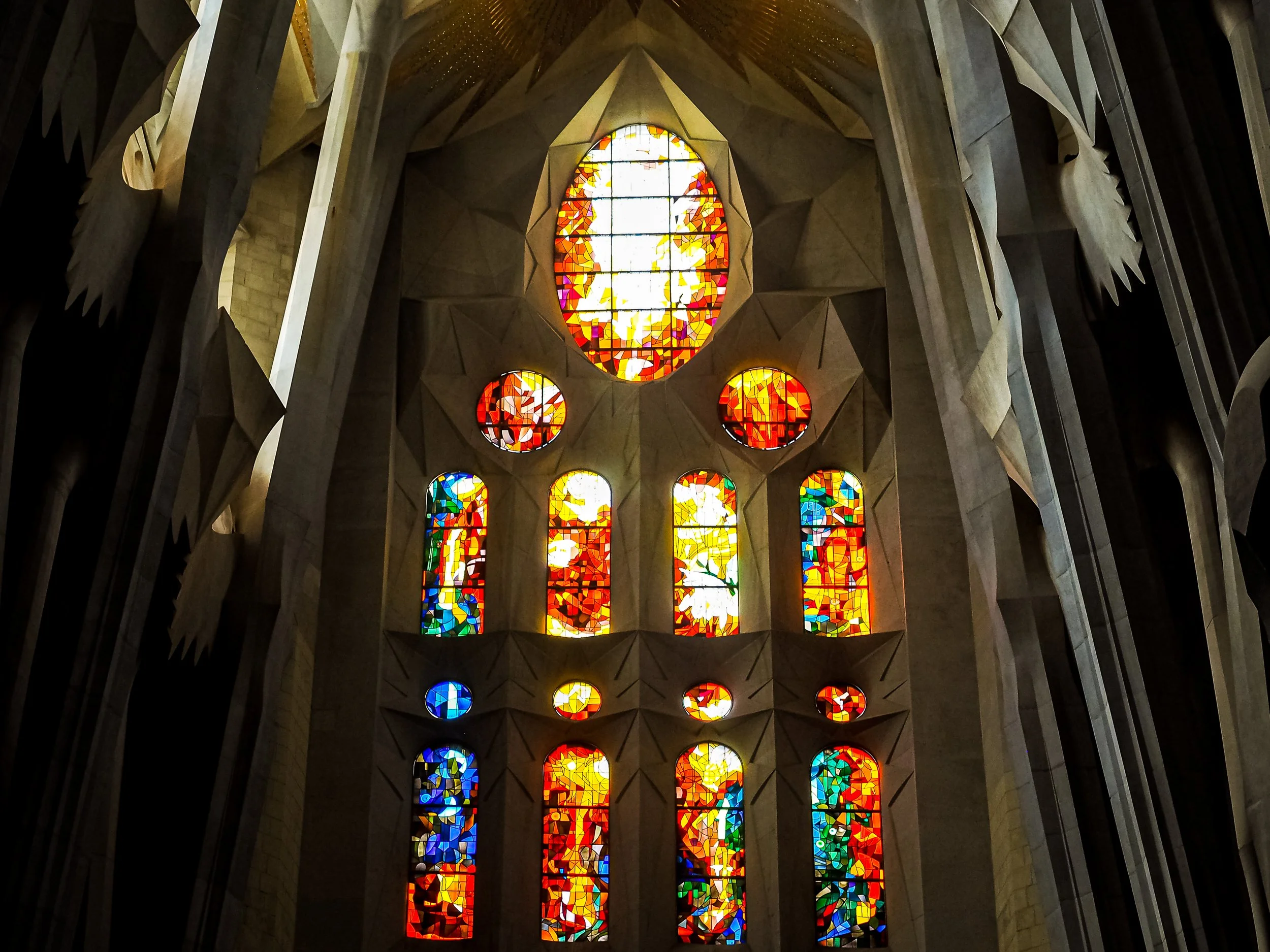
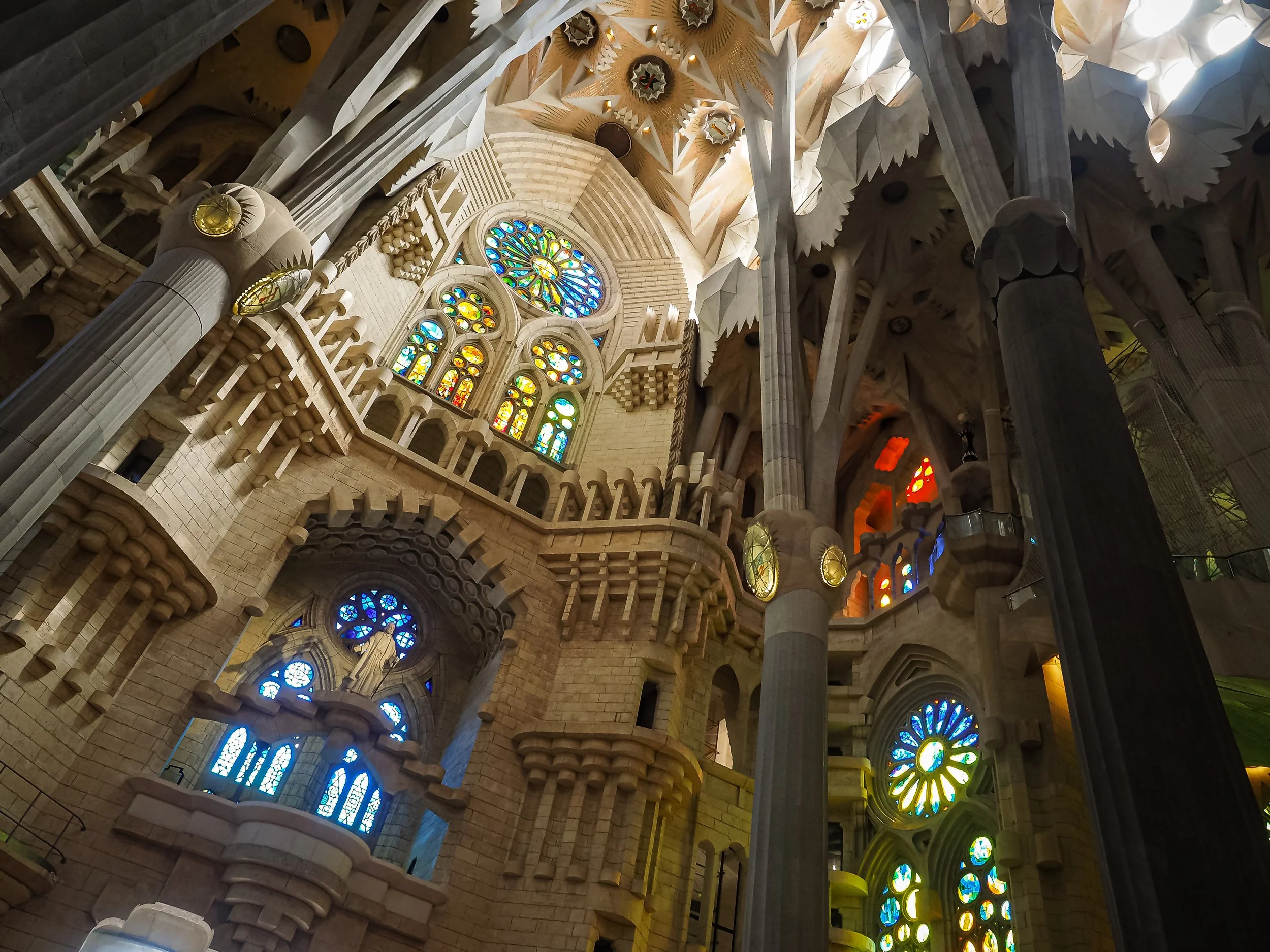
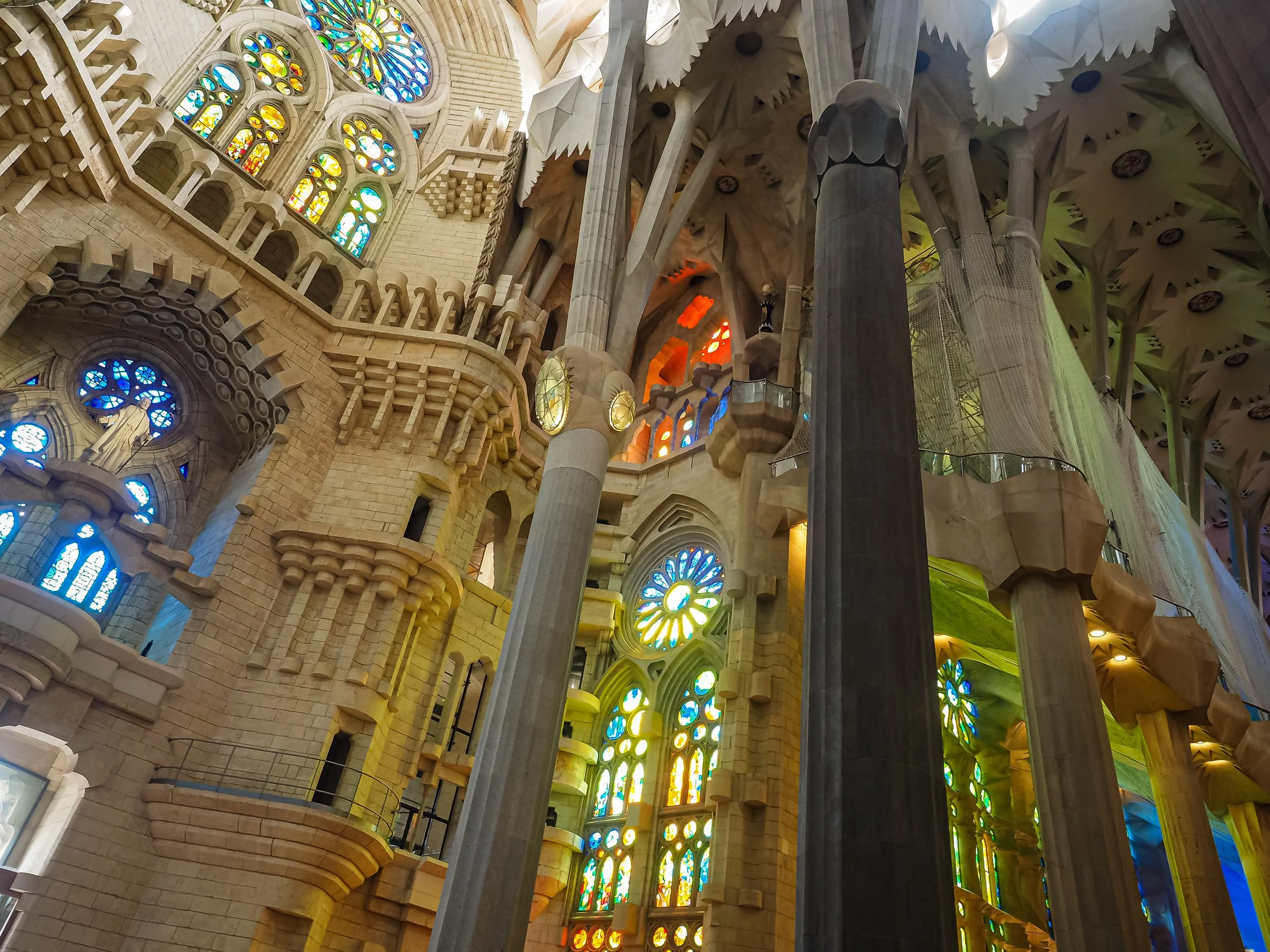
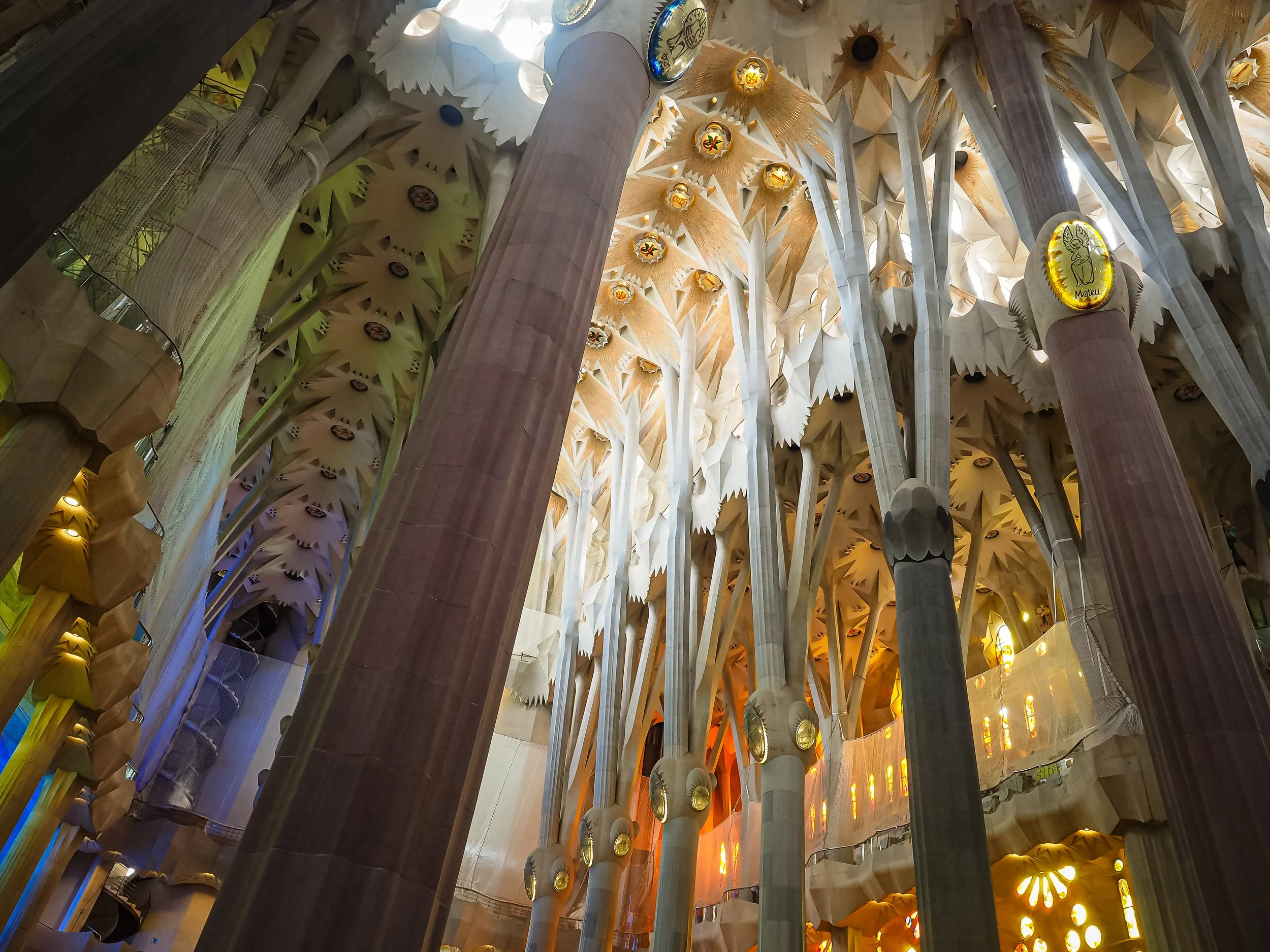
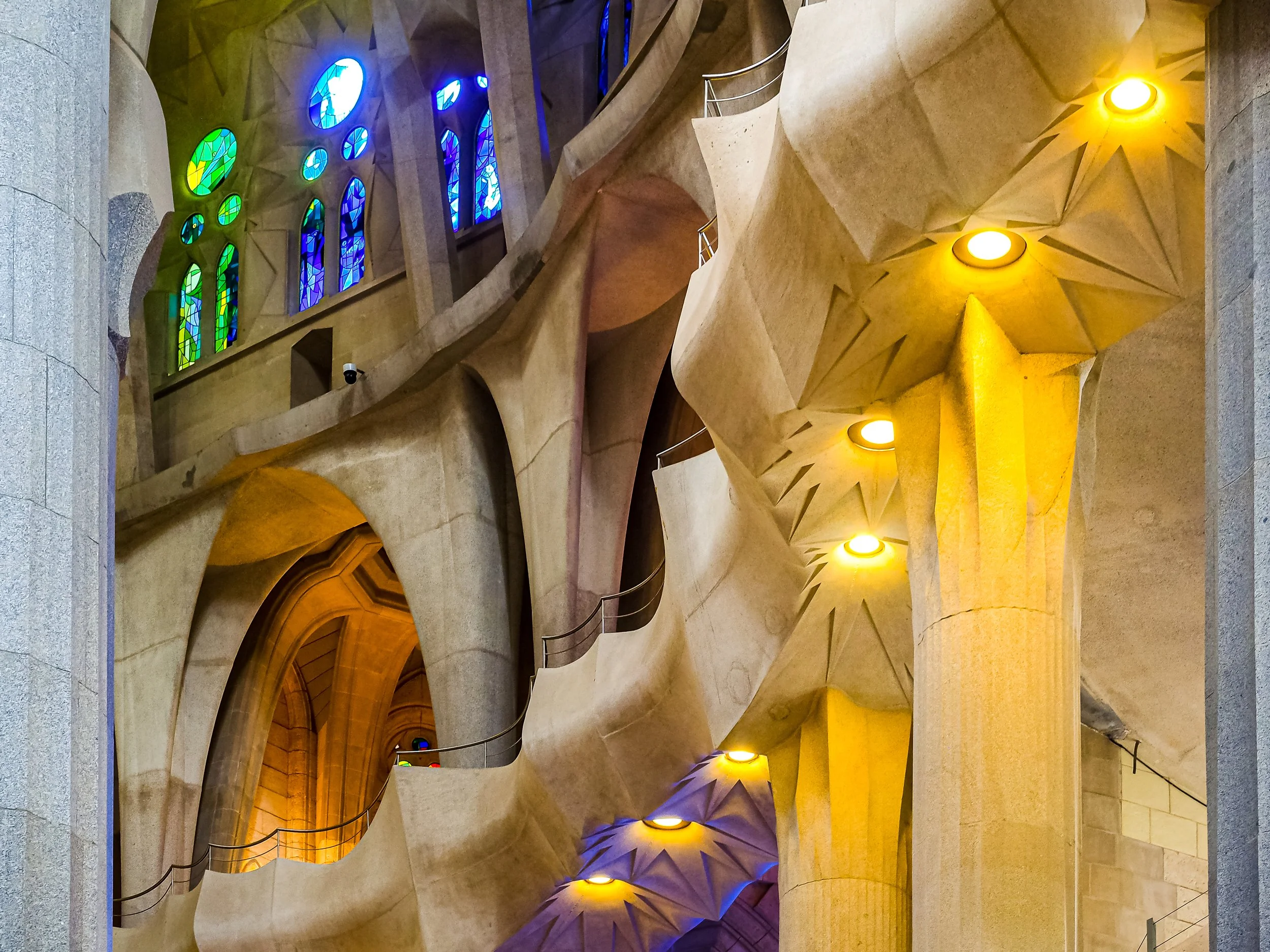
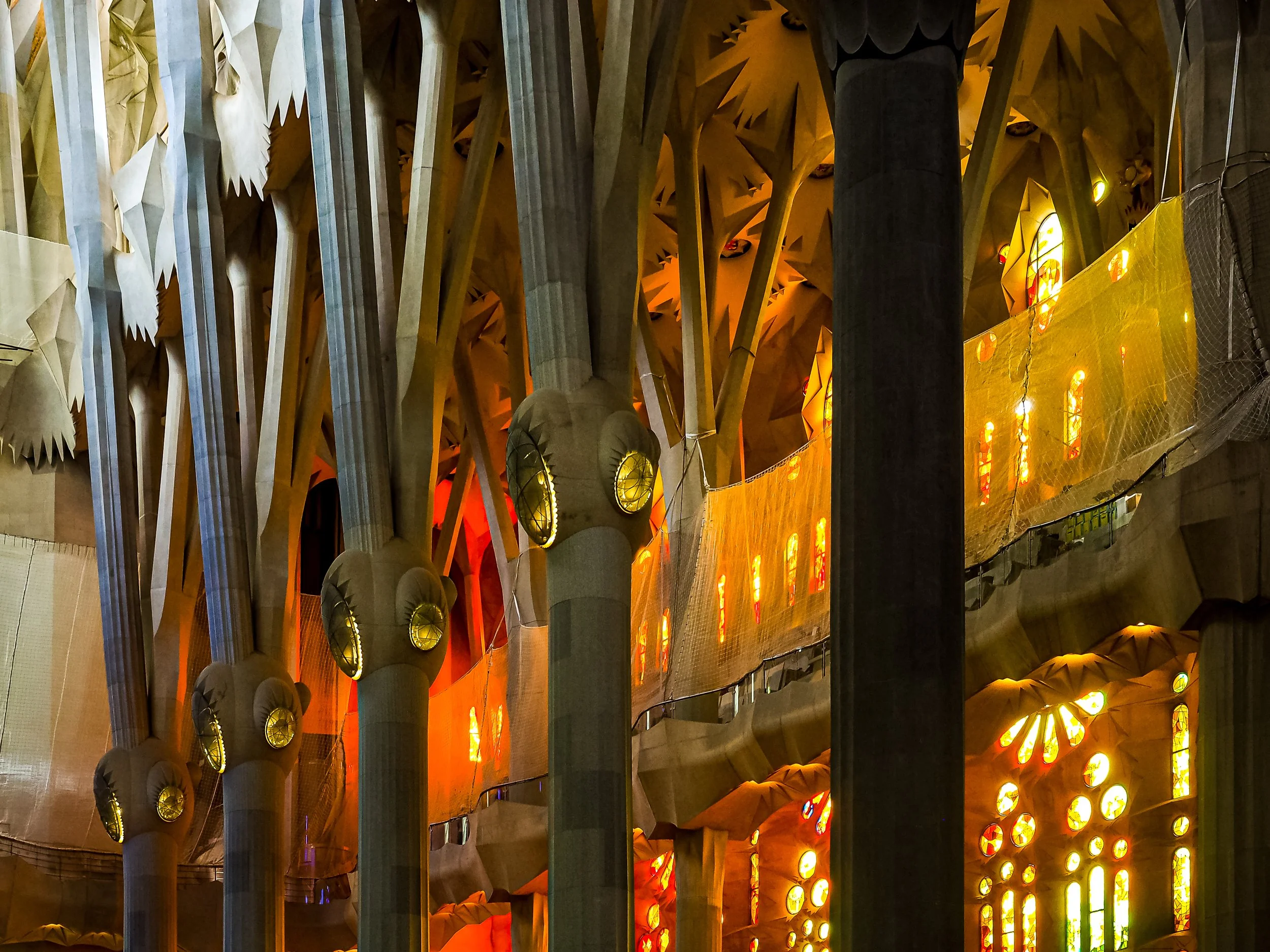
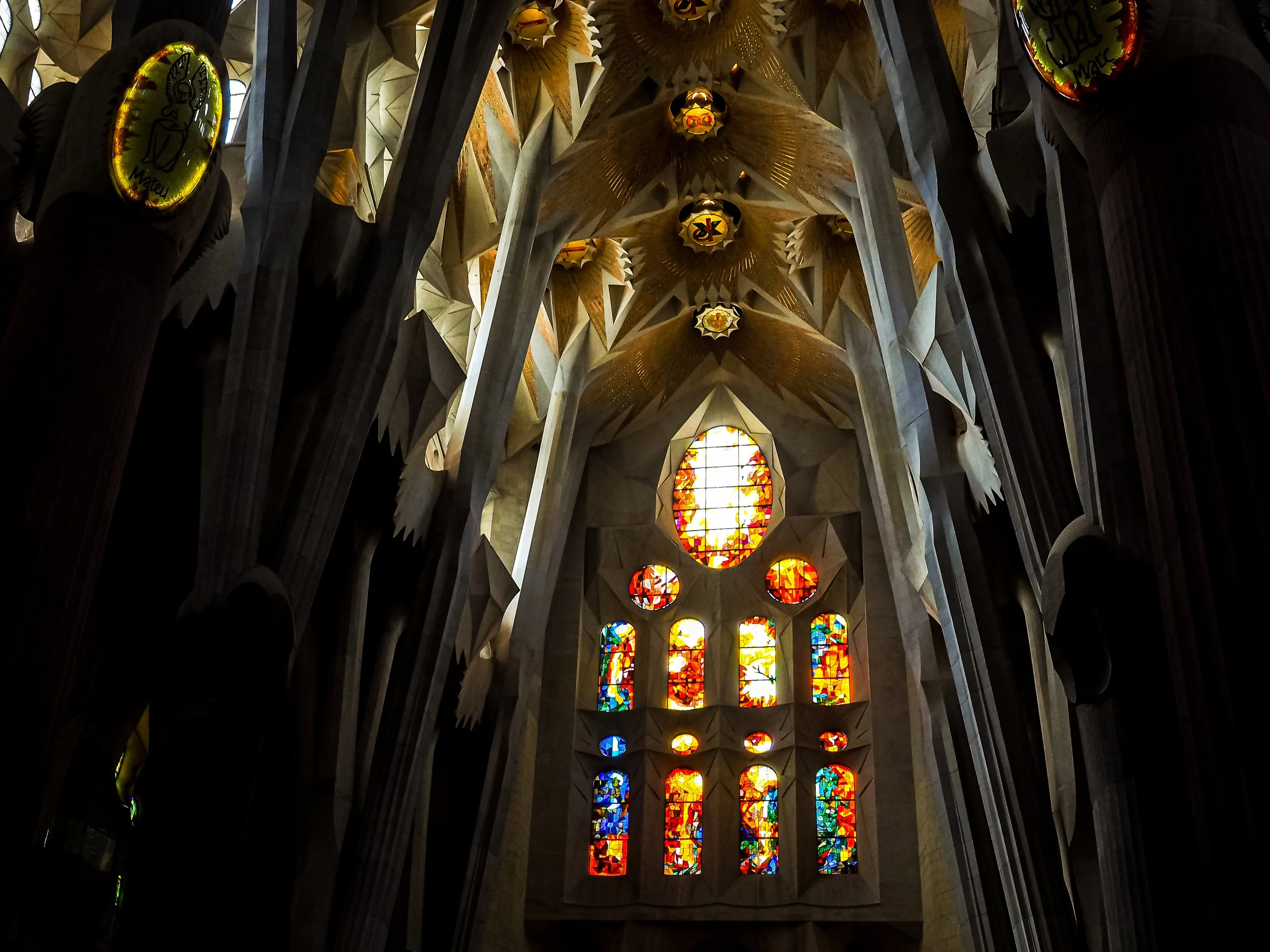
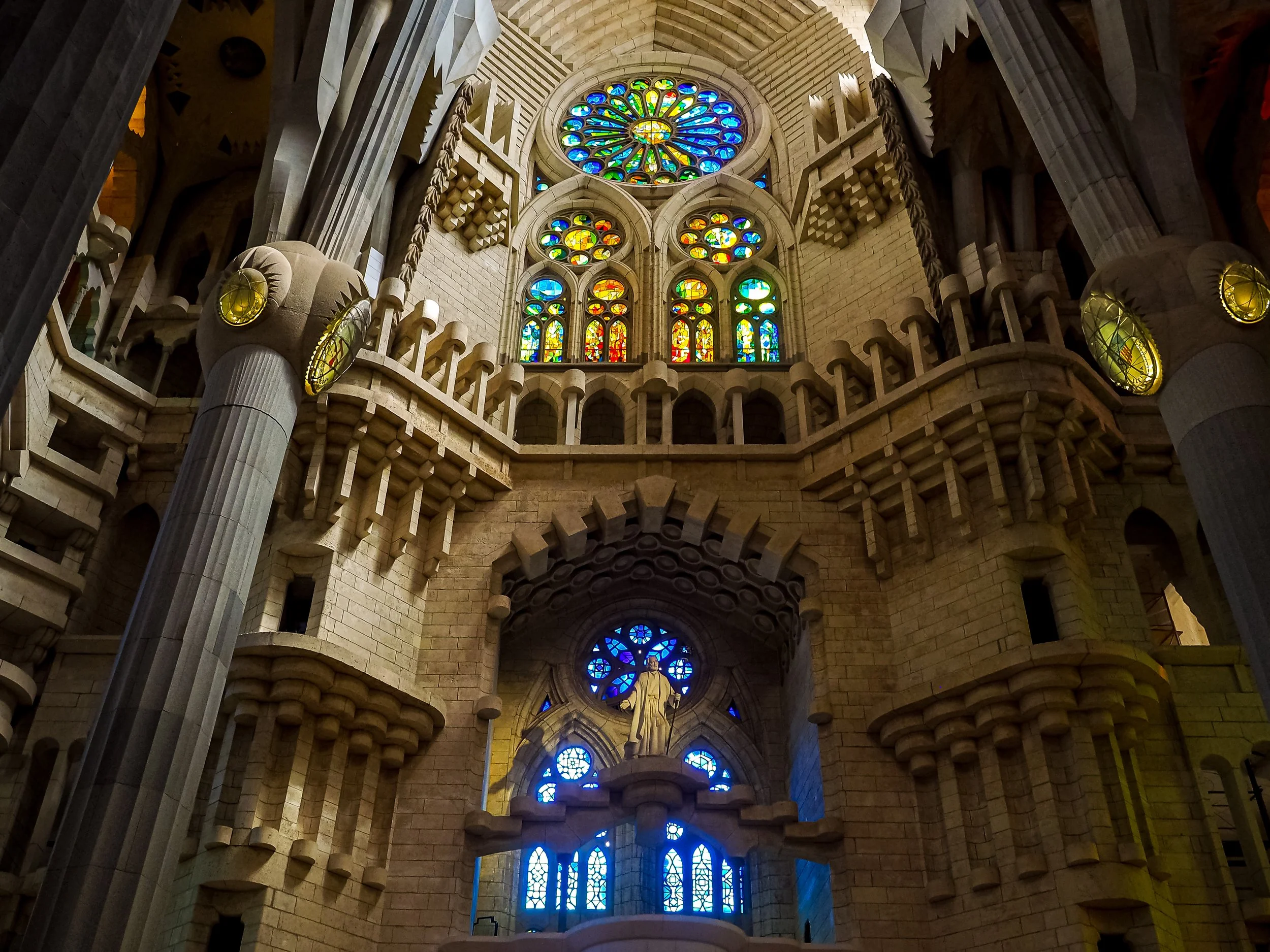
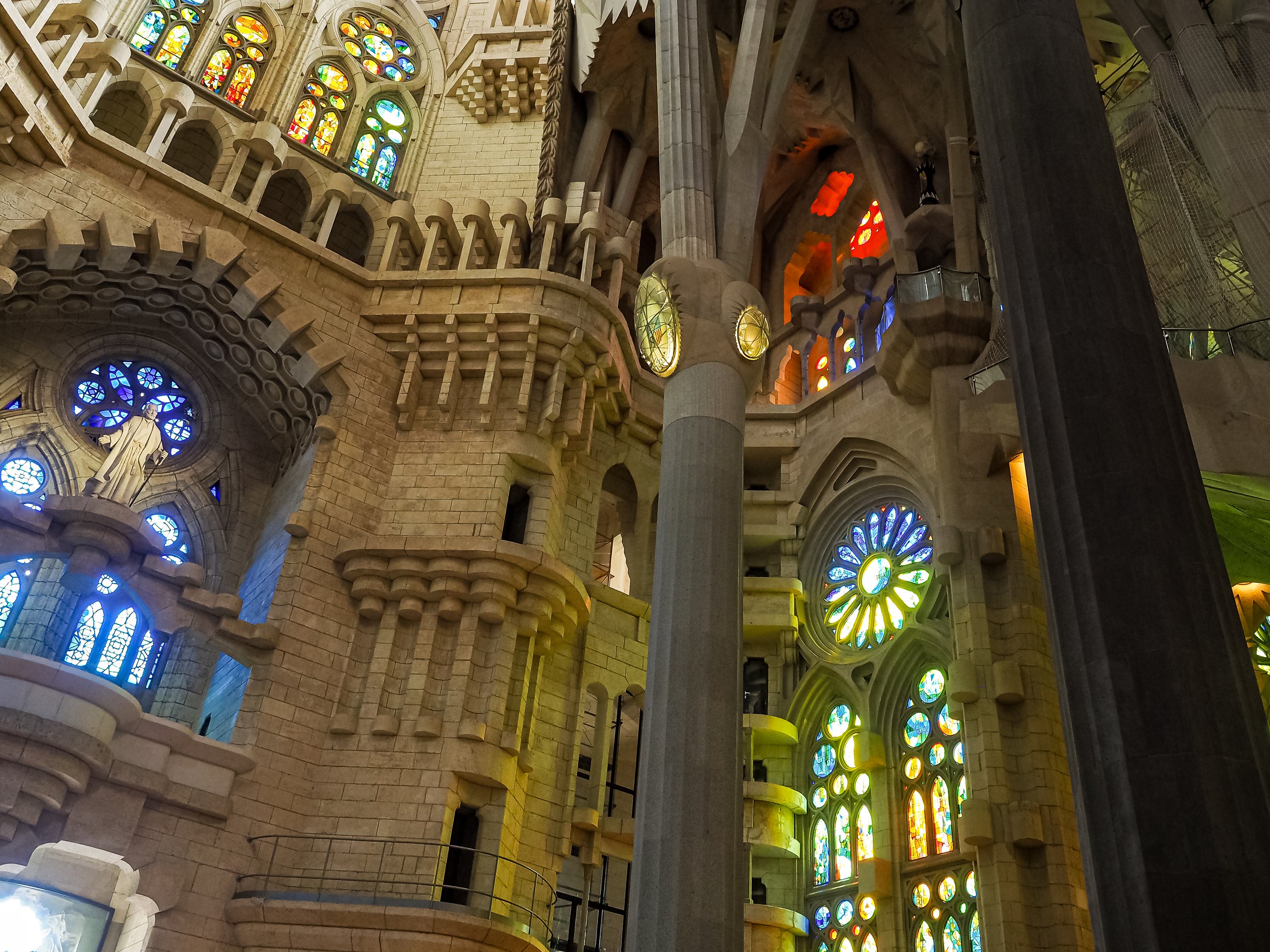
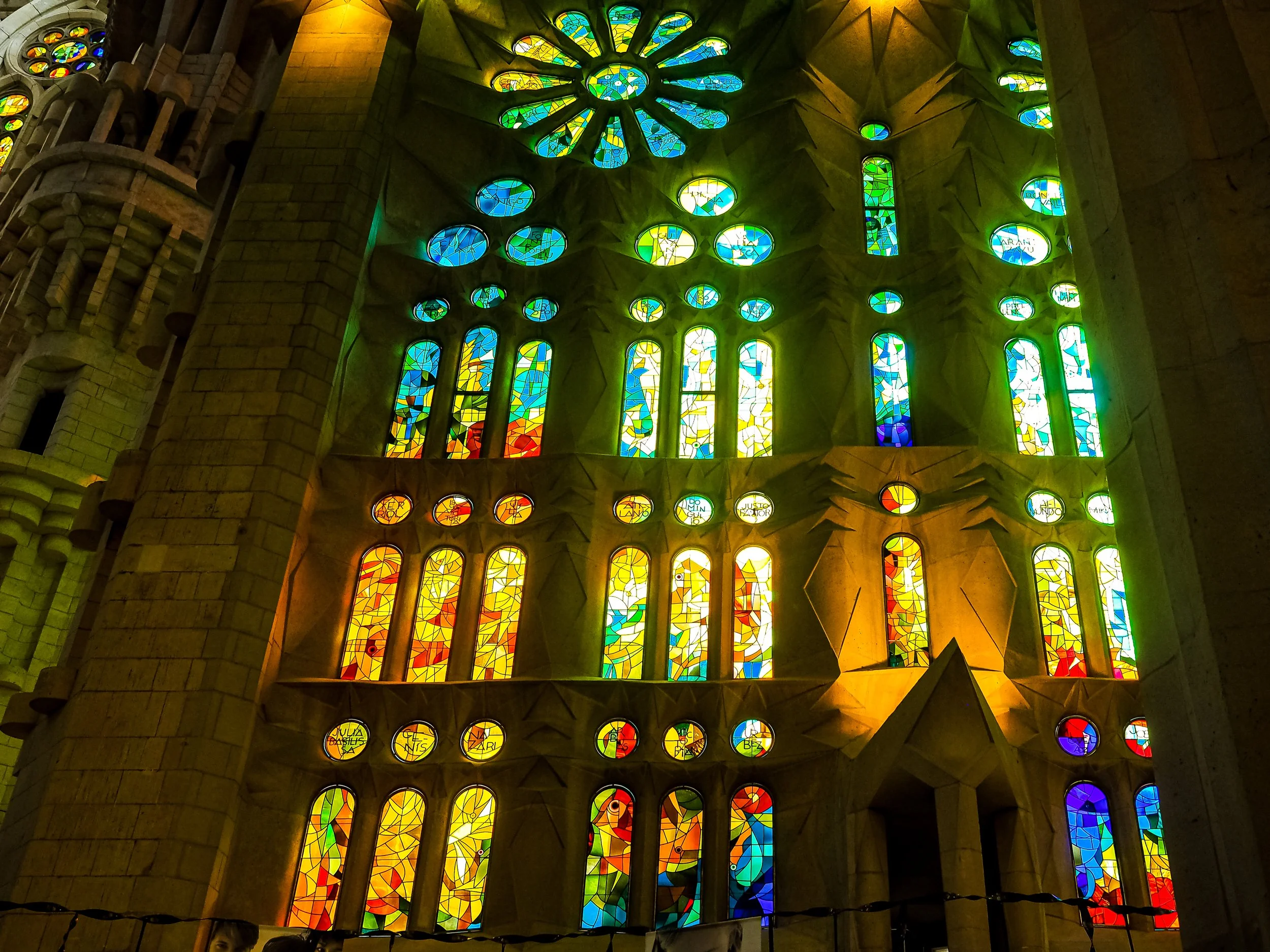
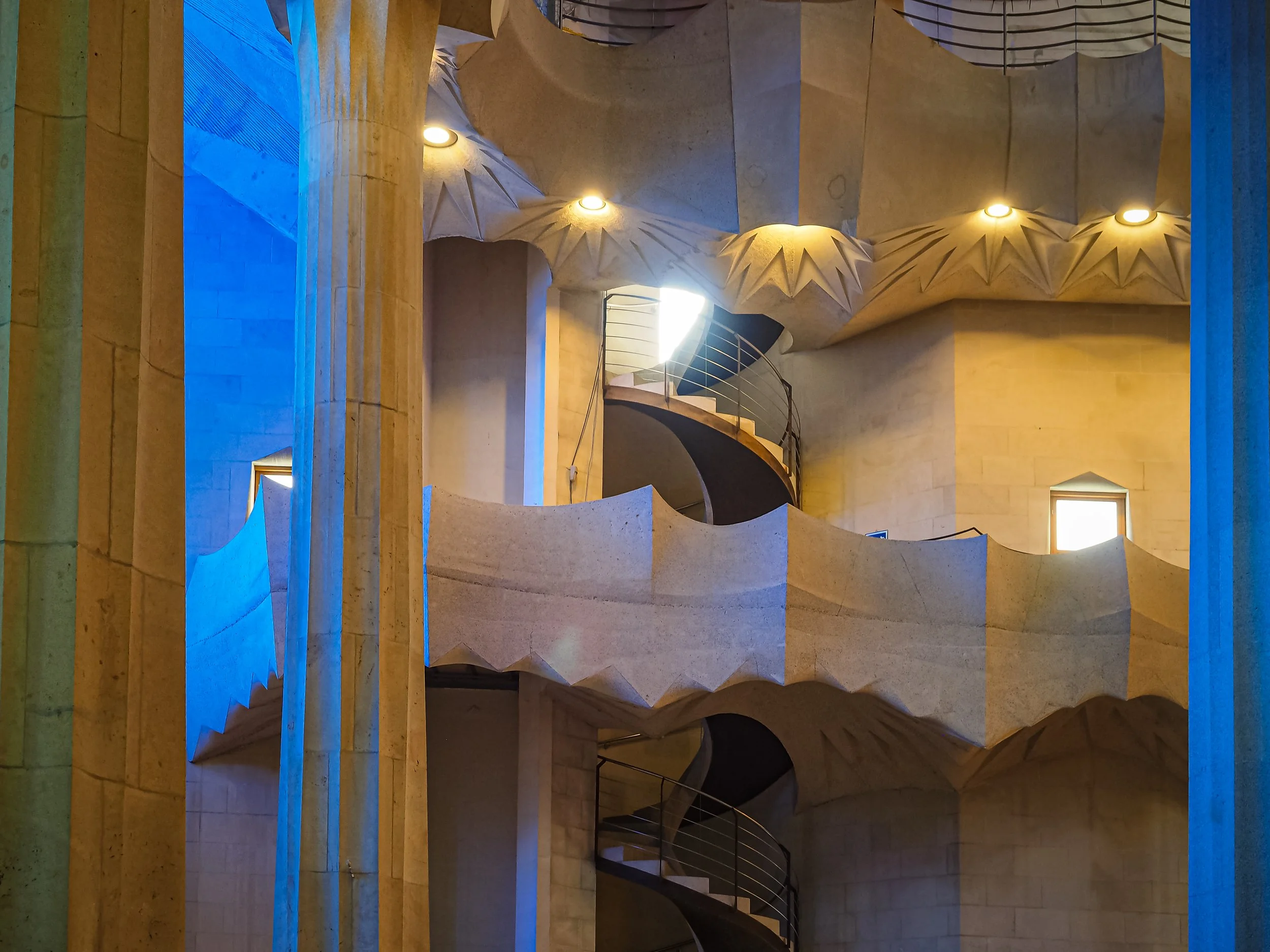
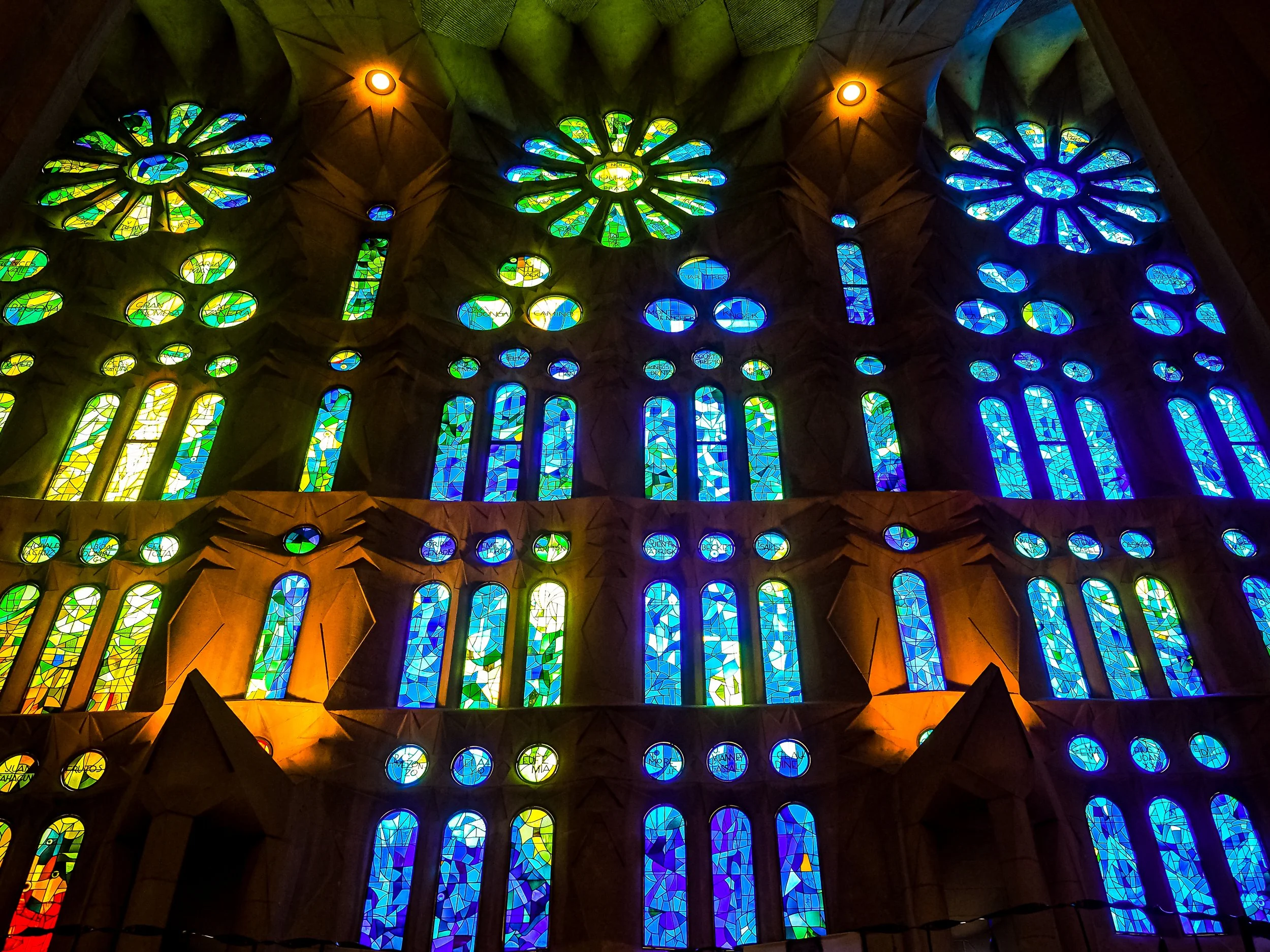
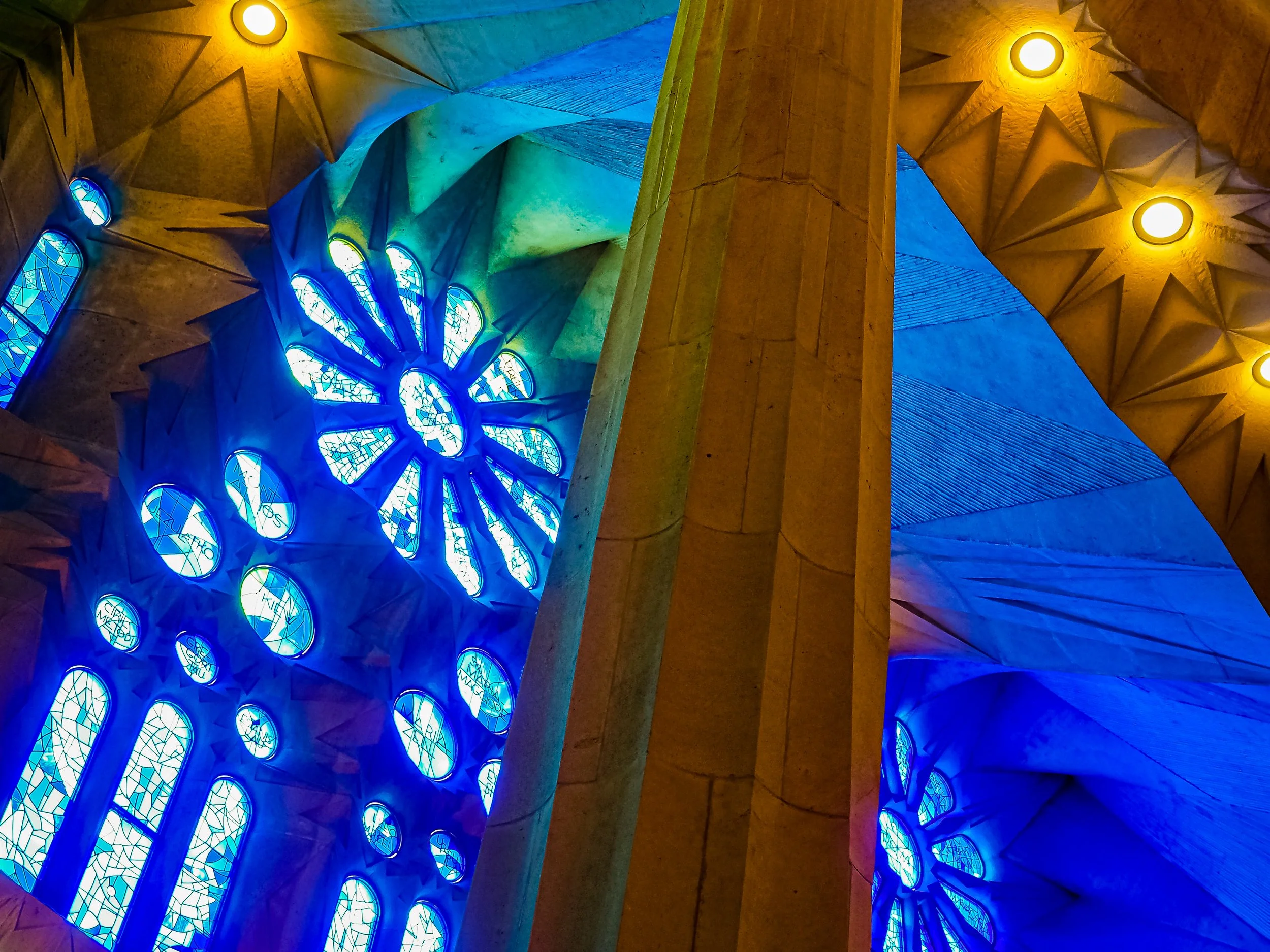
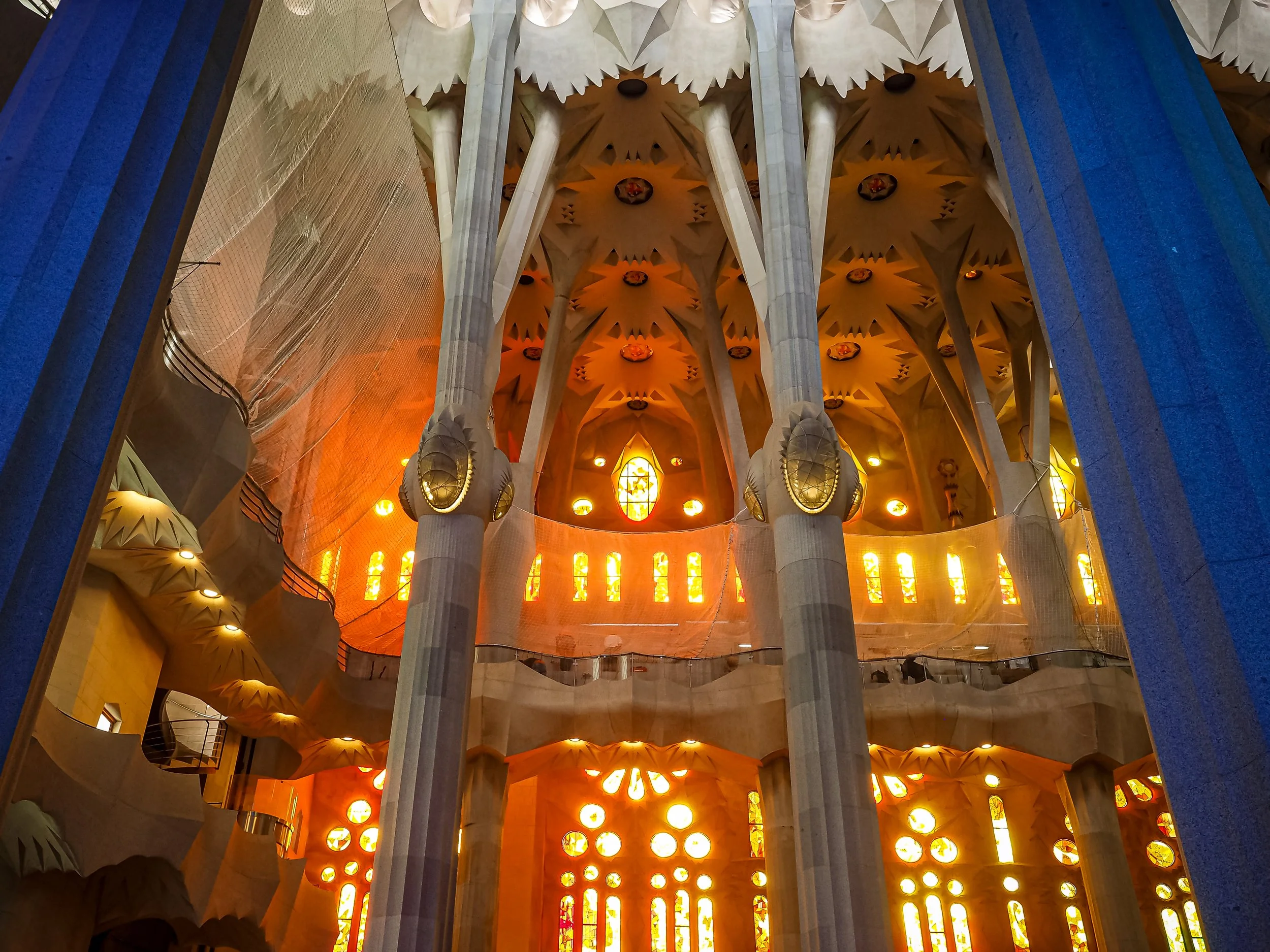
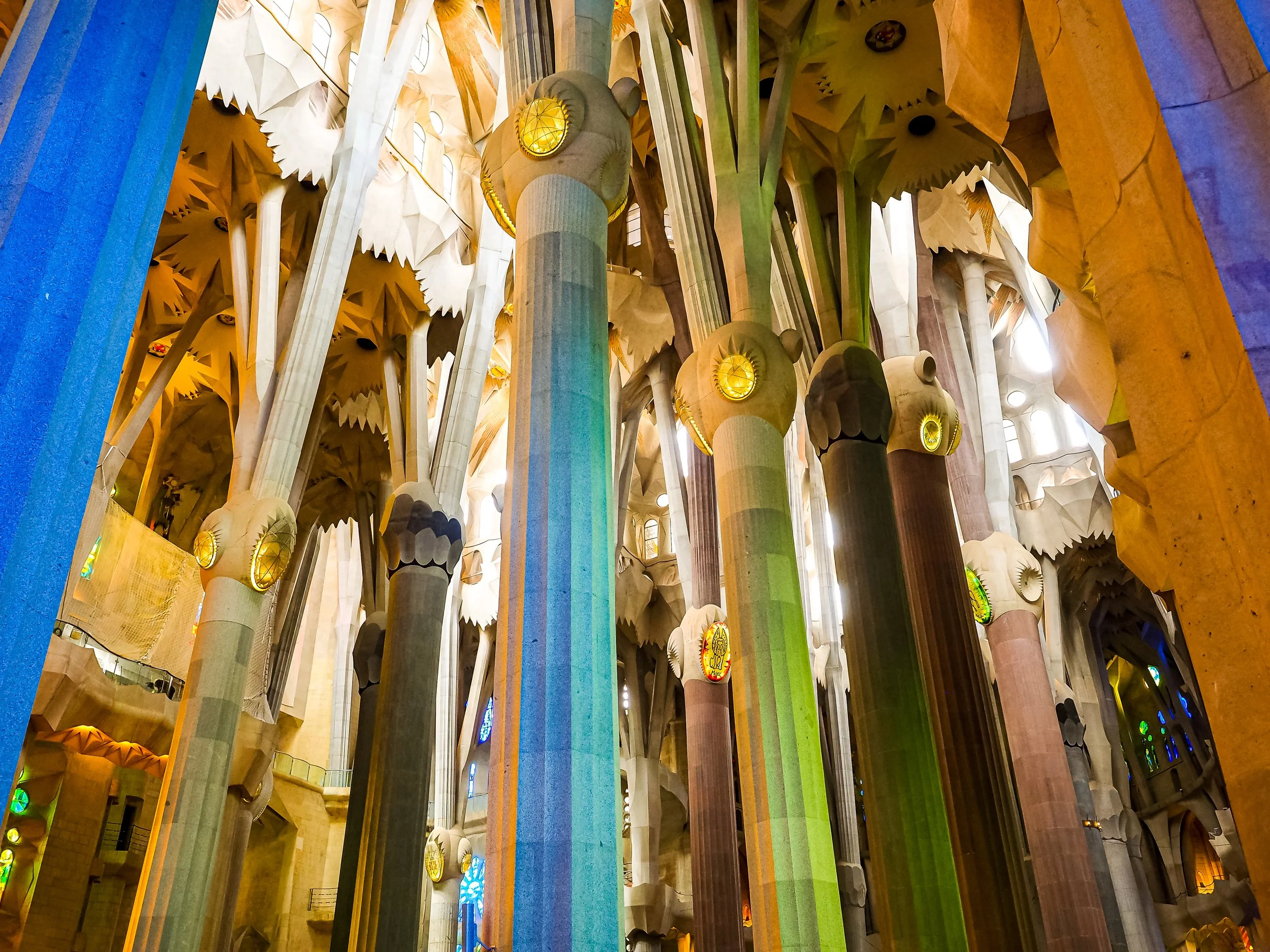
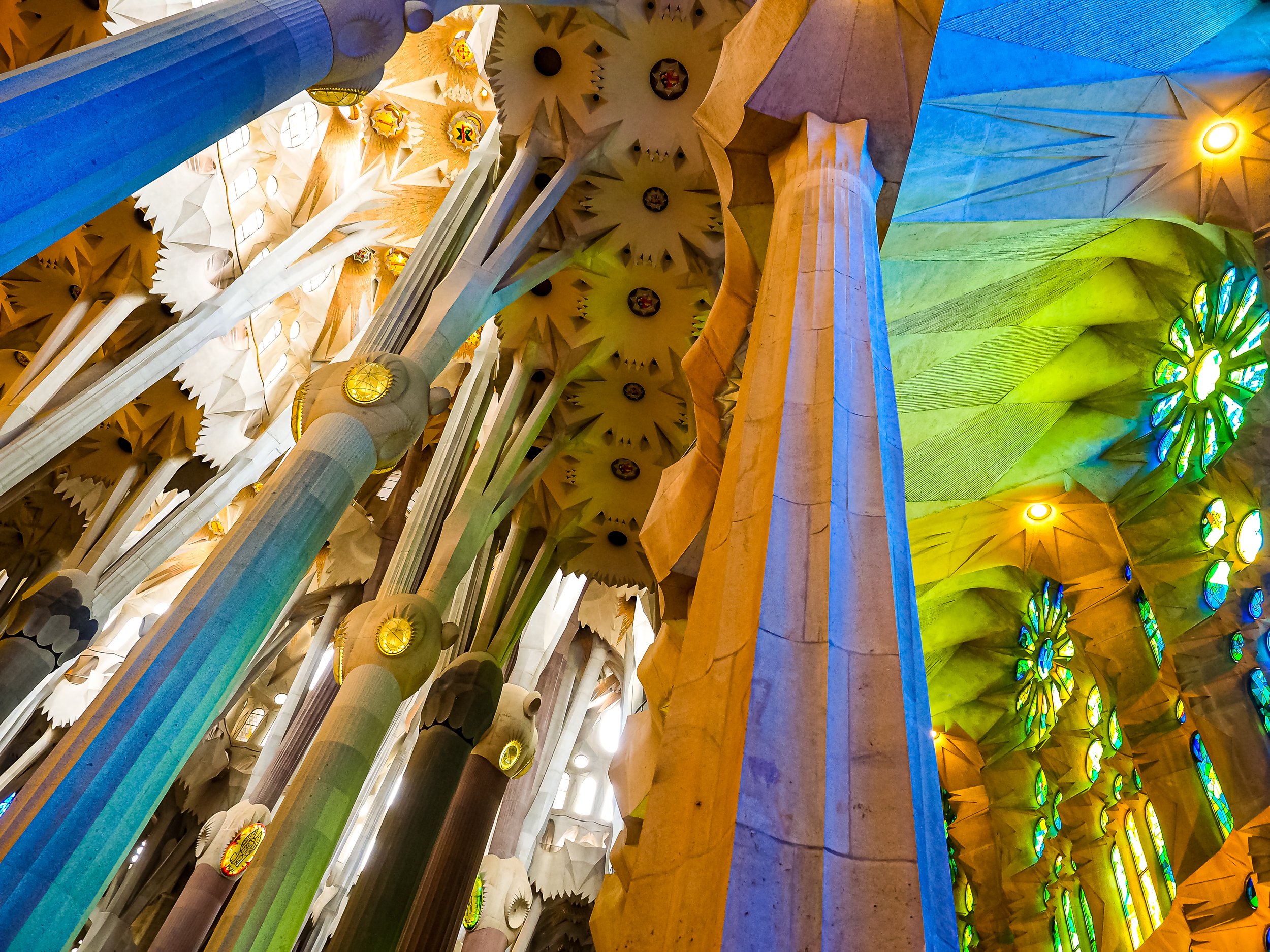
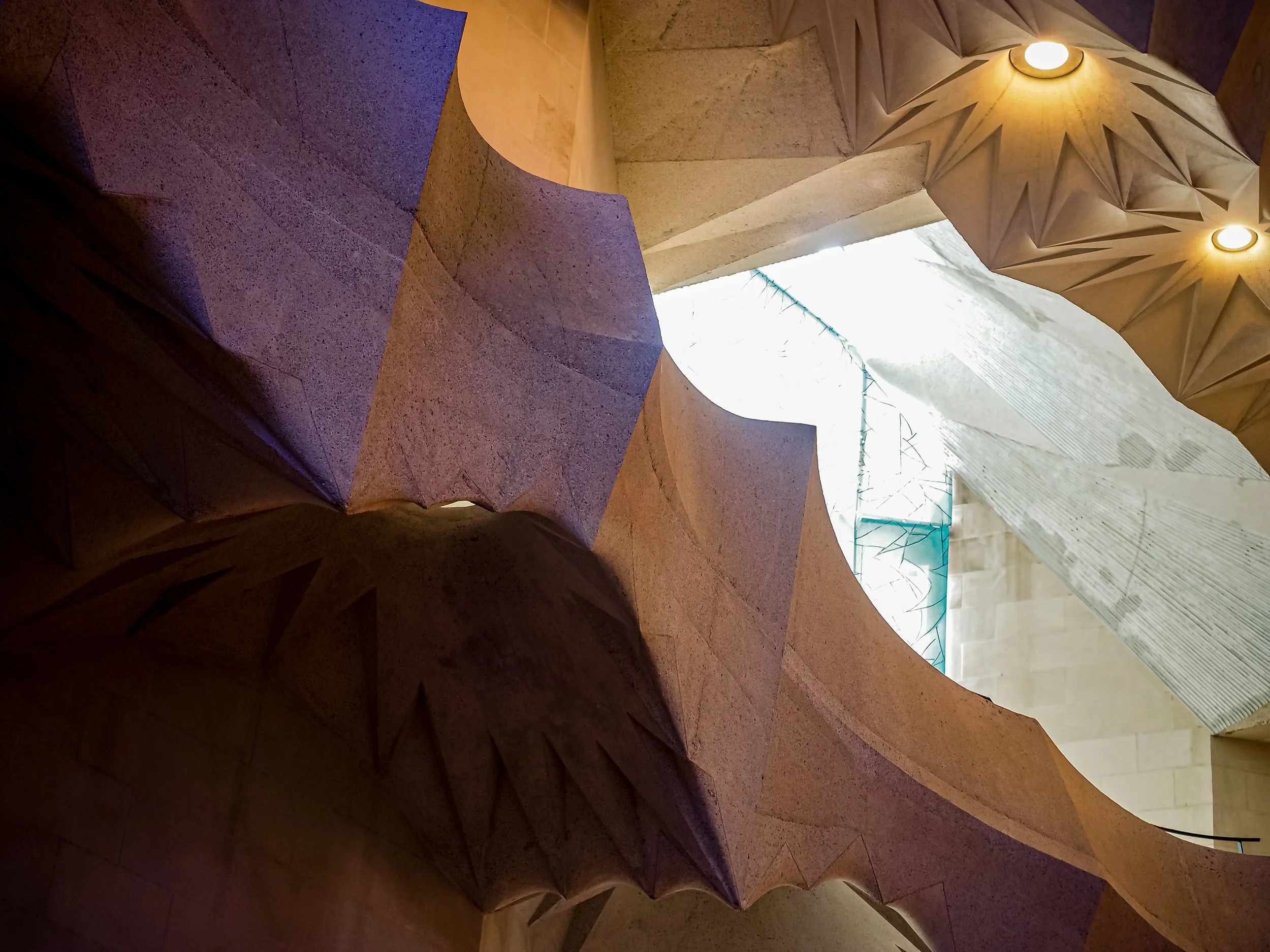
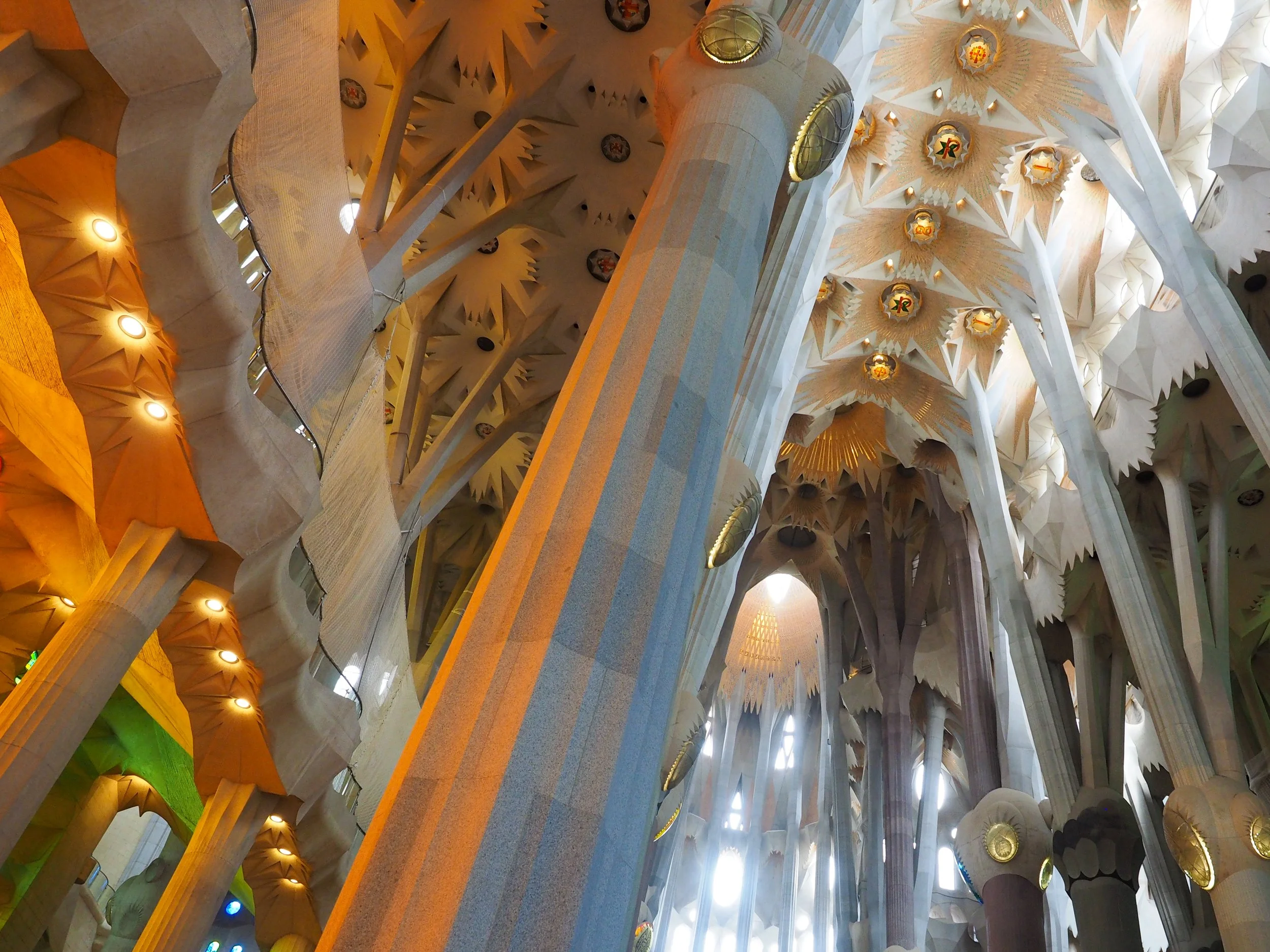
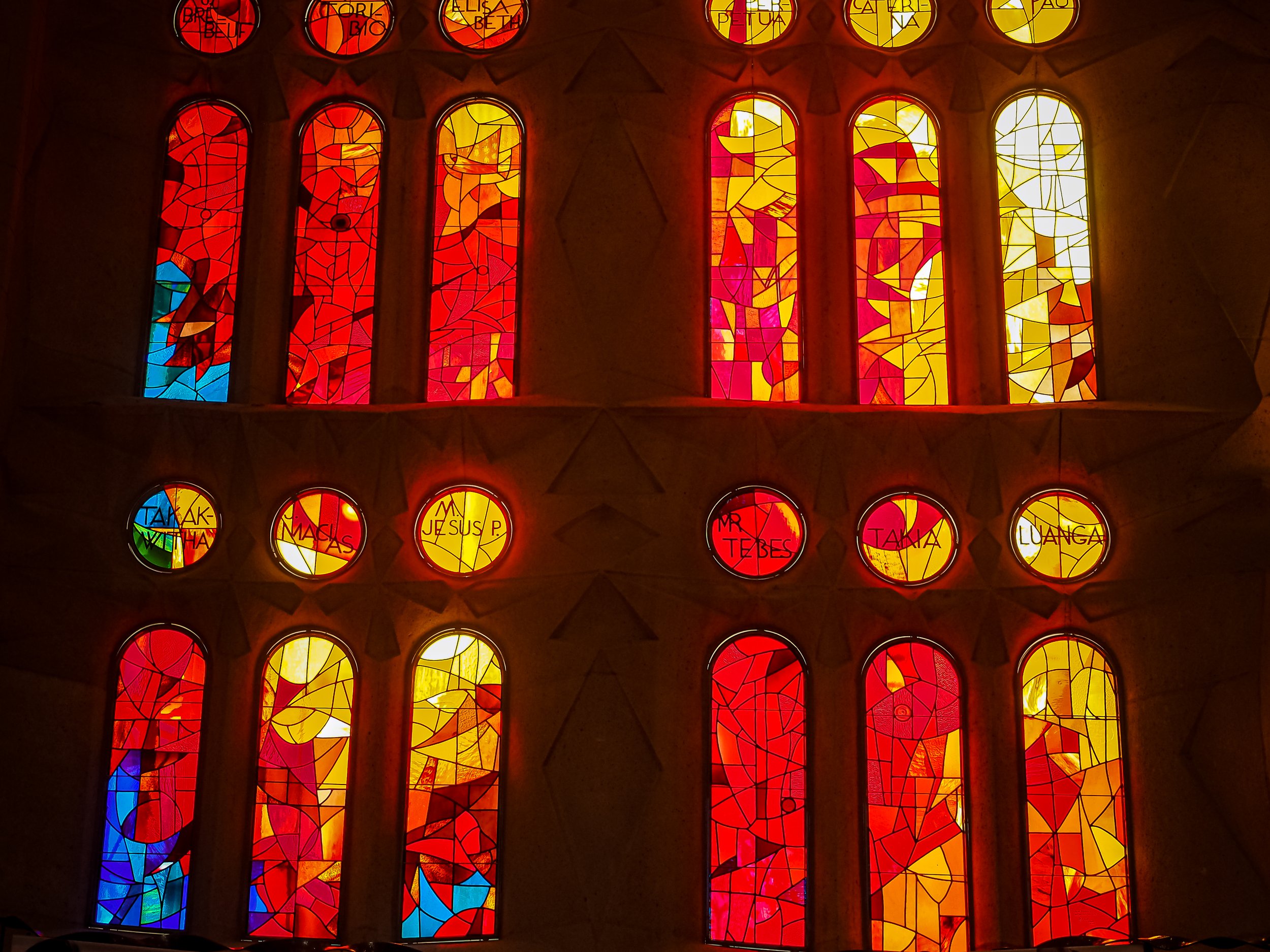
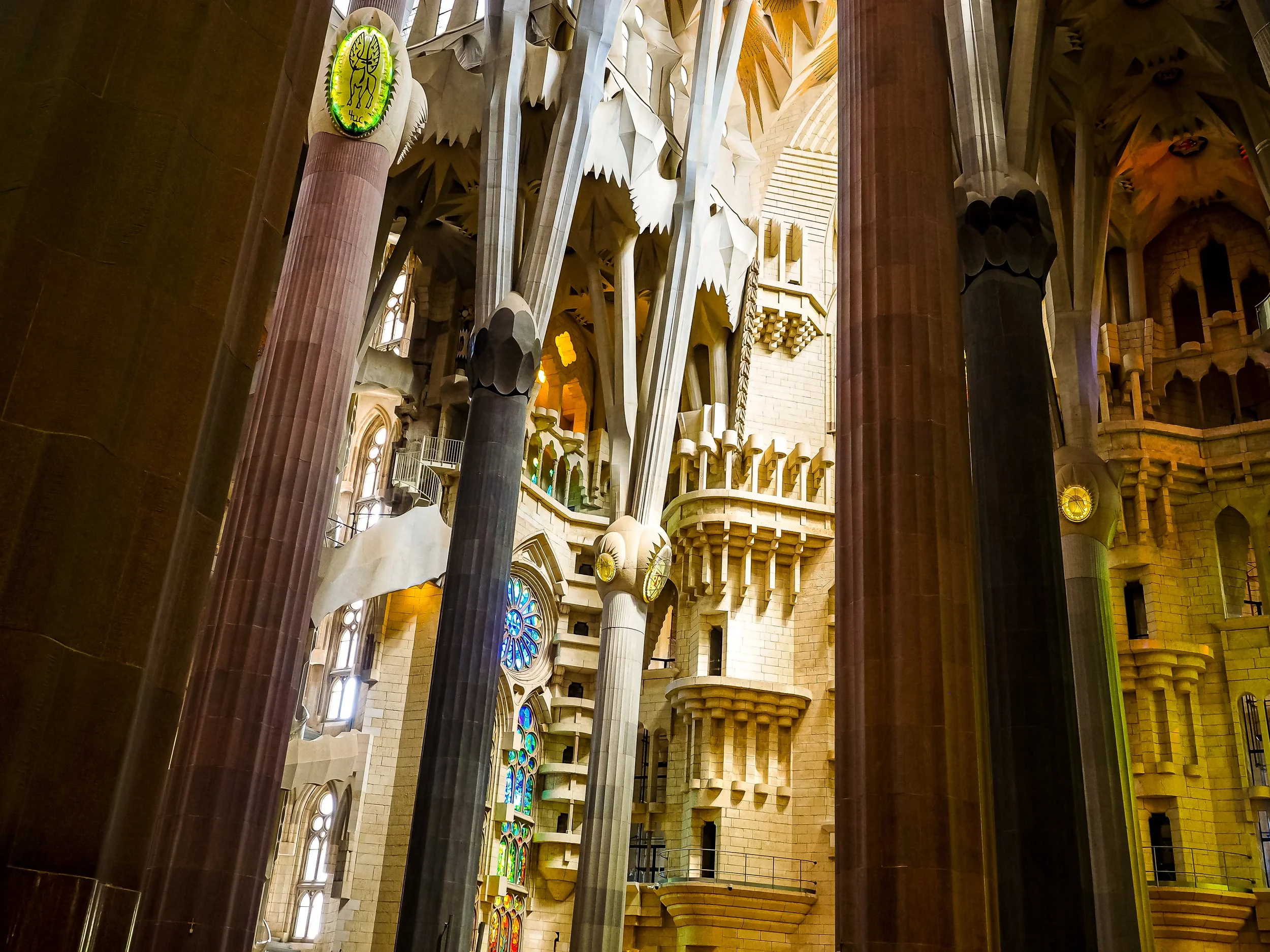
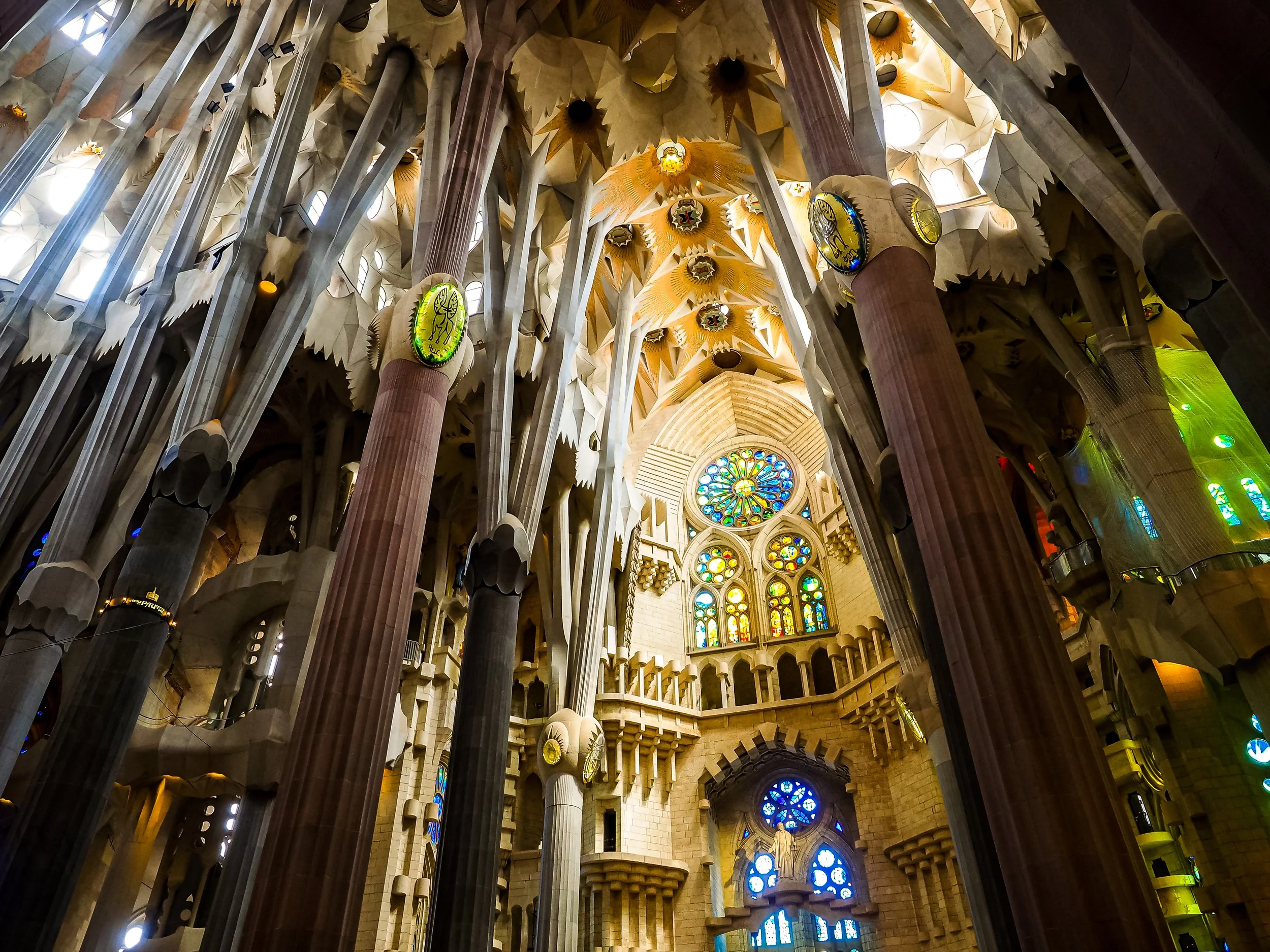
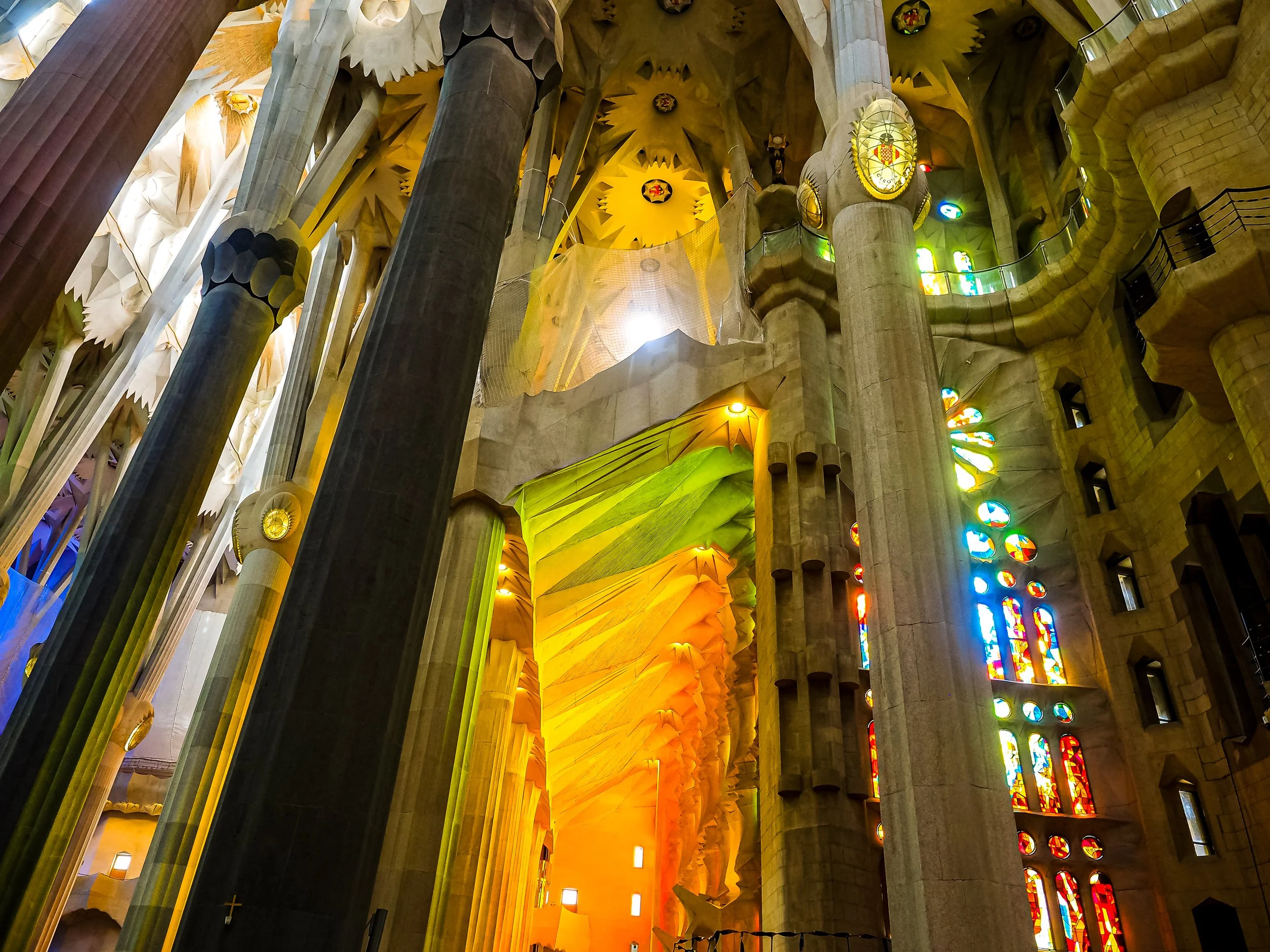
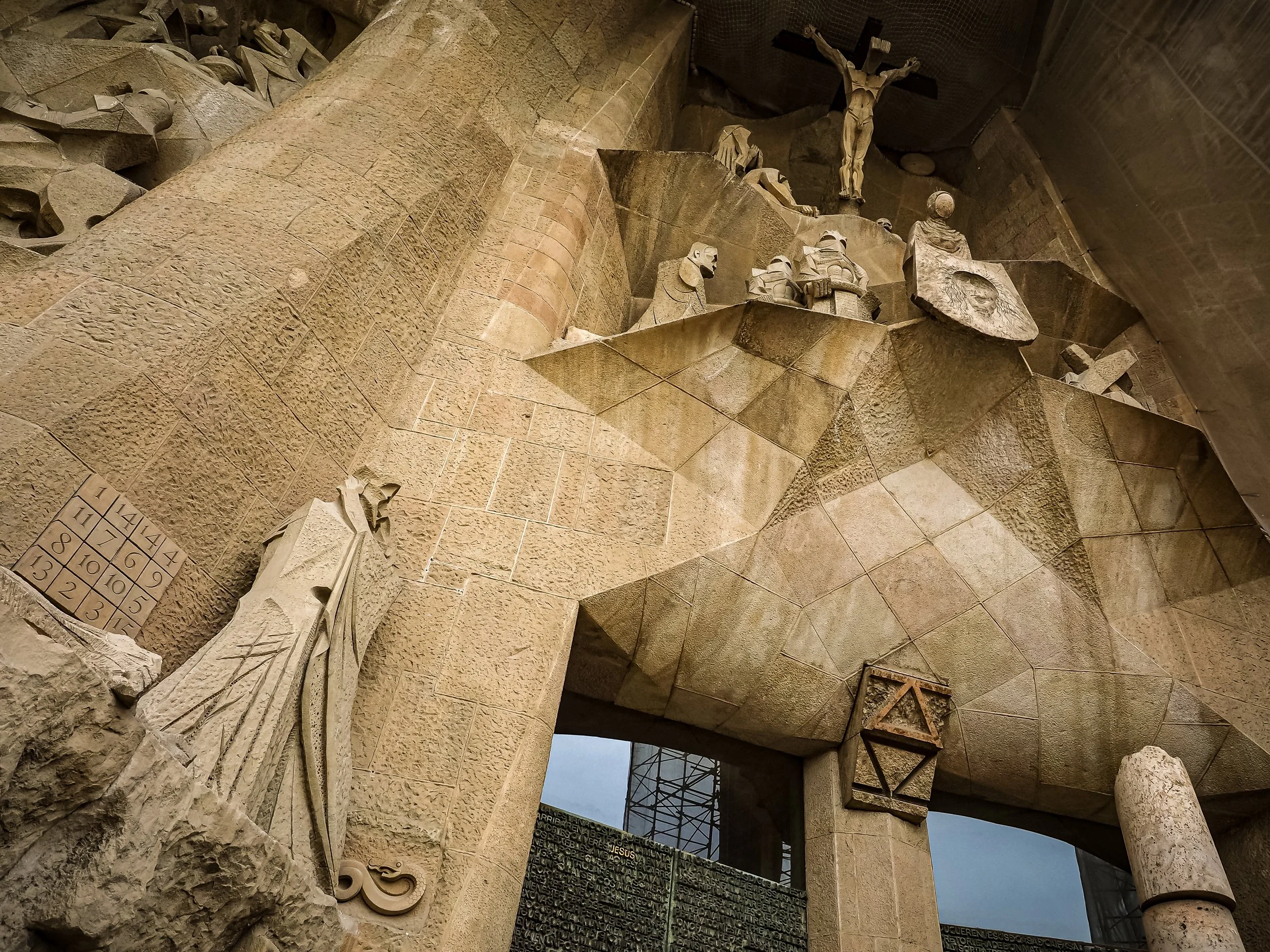
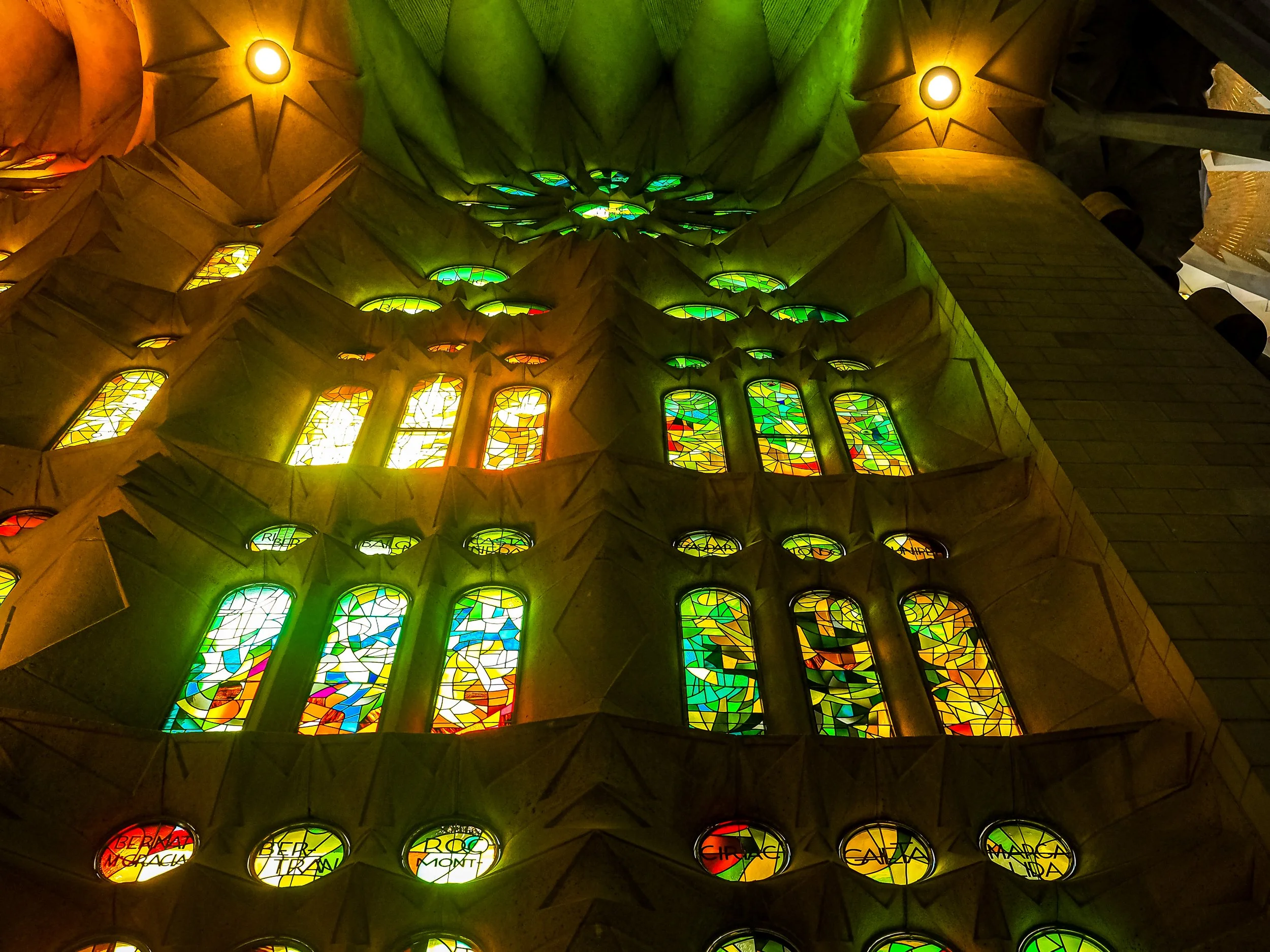
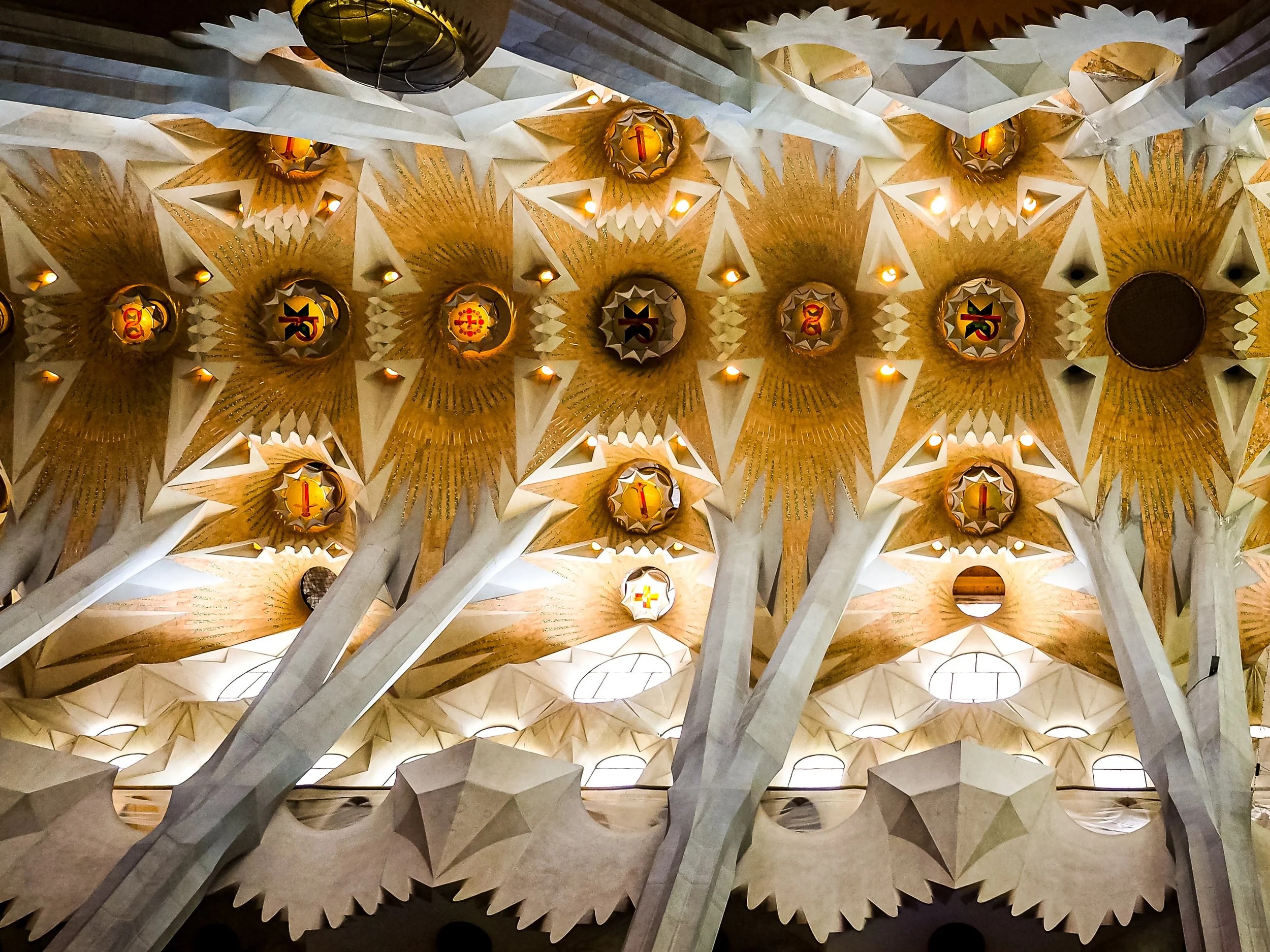
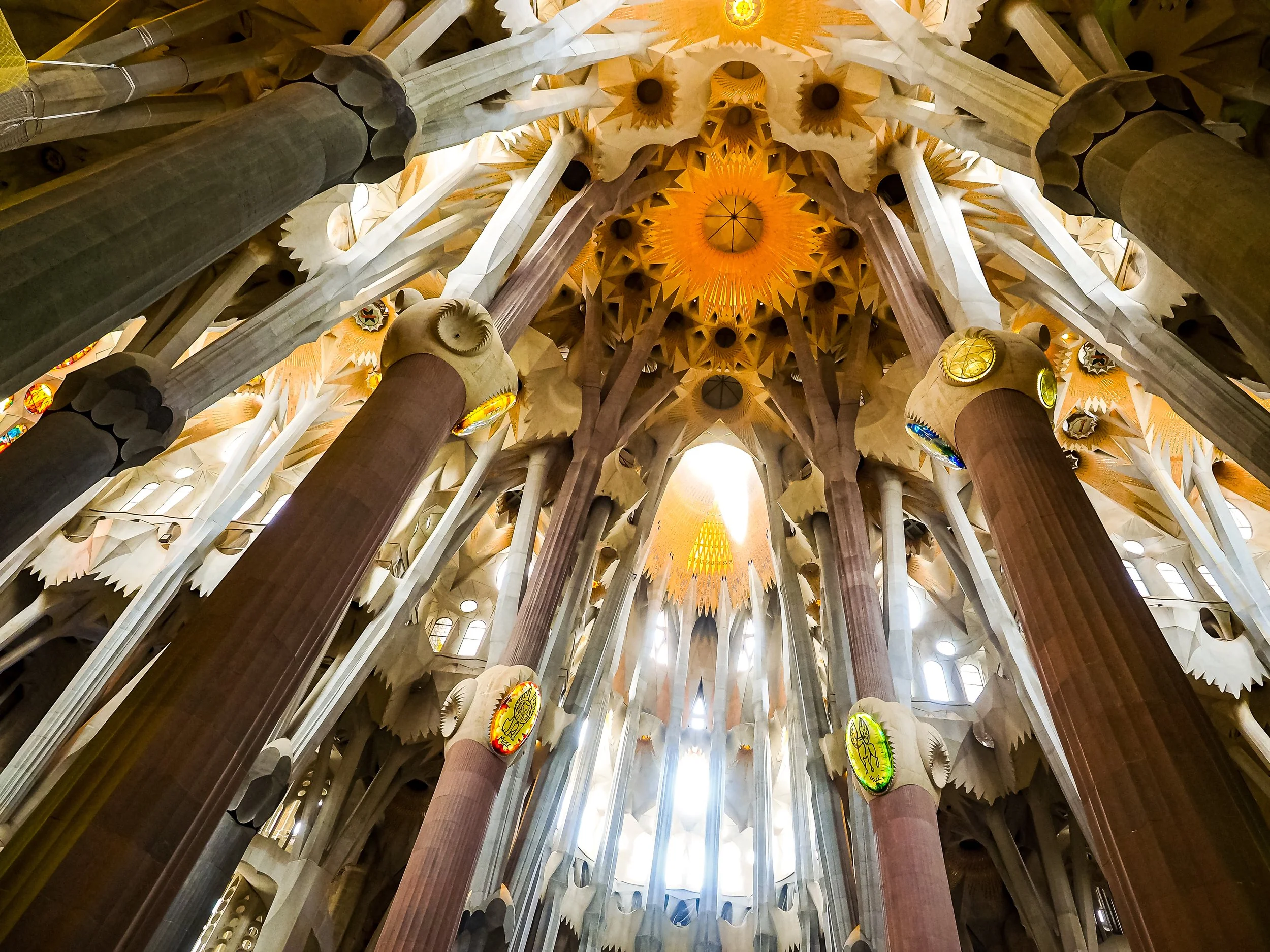
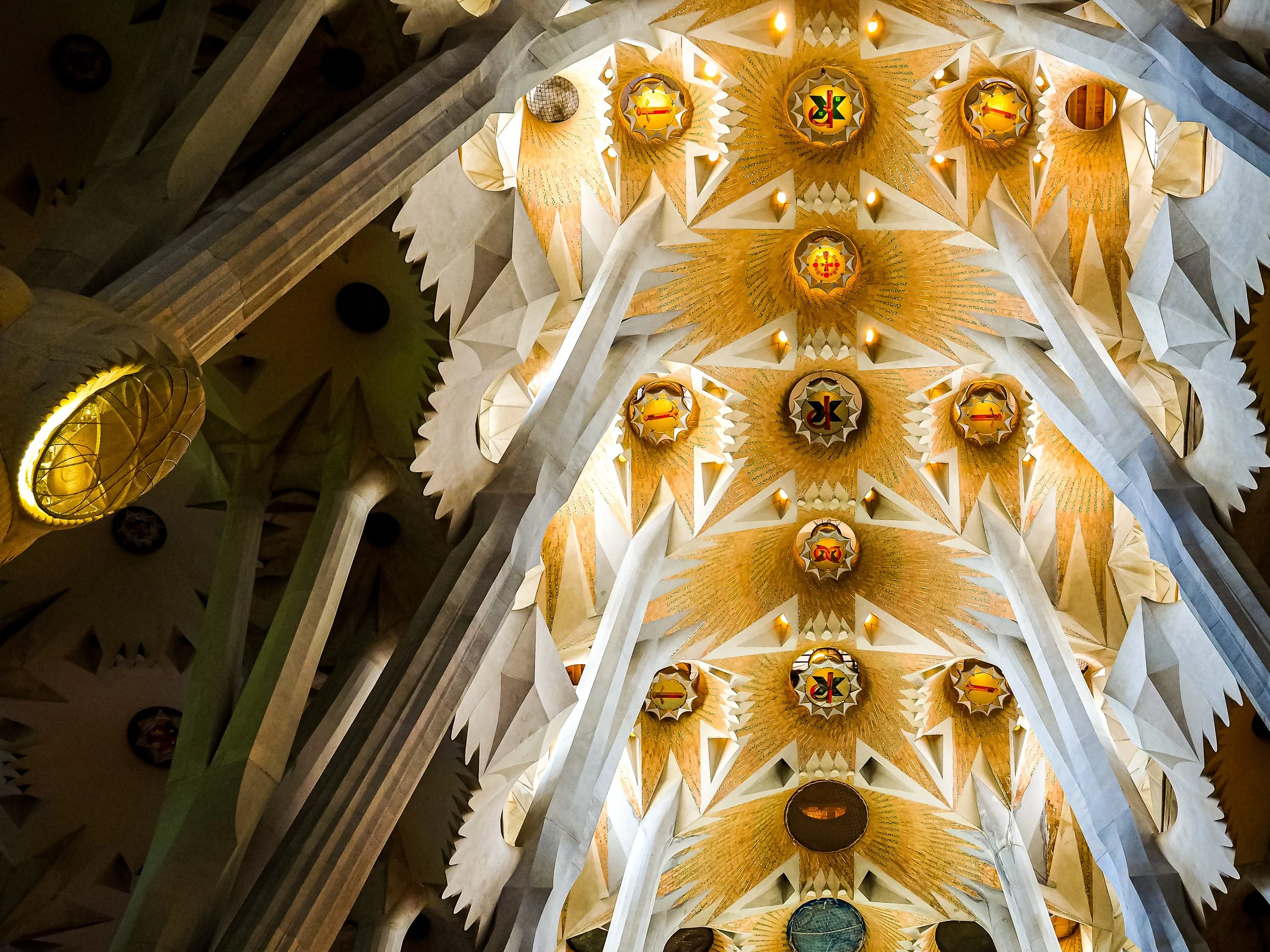
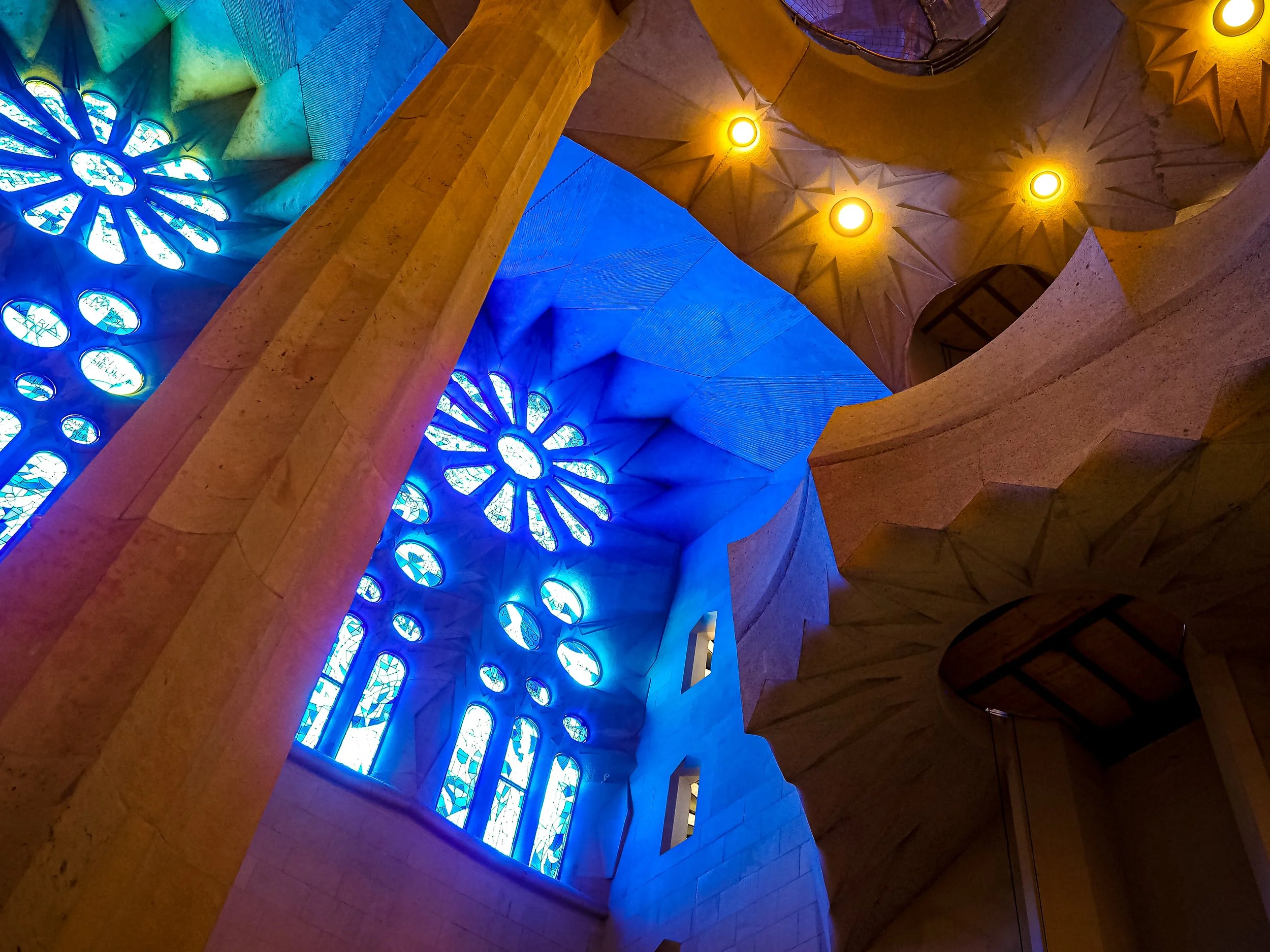
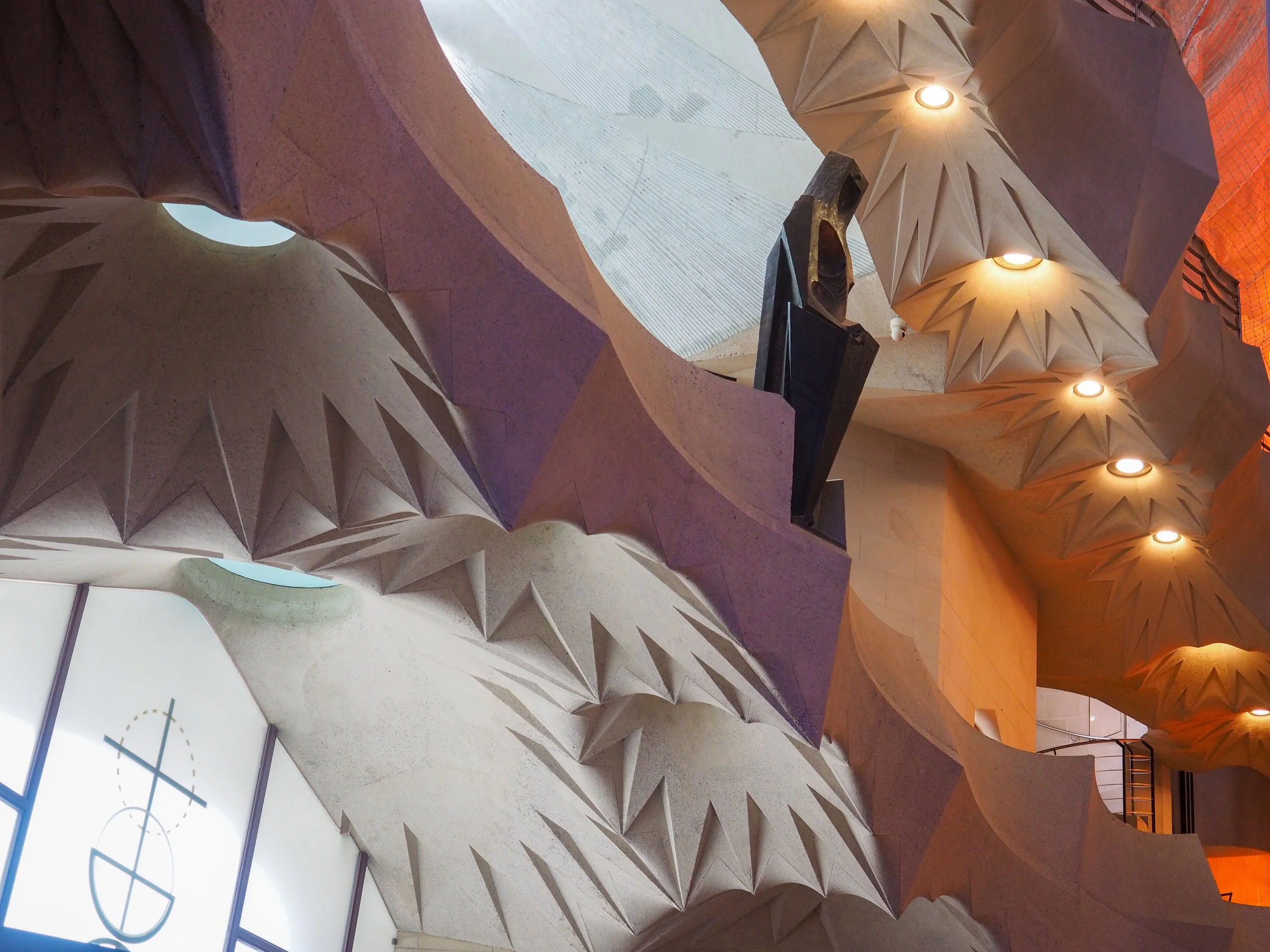
Gaudí’s design blends Gothic traditions with inventive structural solutions inspired by nature, geometry, and organic form. Its soaring facades—Nativity, Passion, and the still-in-progress Glory—each recount different chapters of Christian narrative through intricate carvings and expressive architectural vocabulary. Inside, the basilica opens into a forest of branching columns,
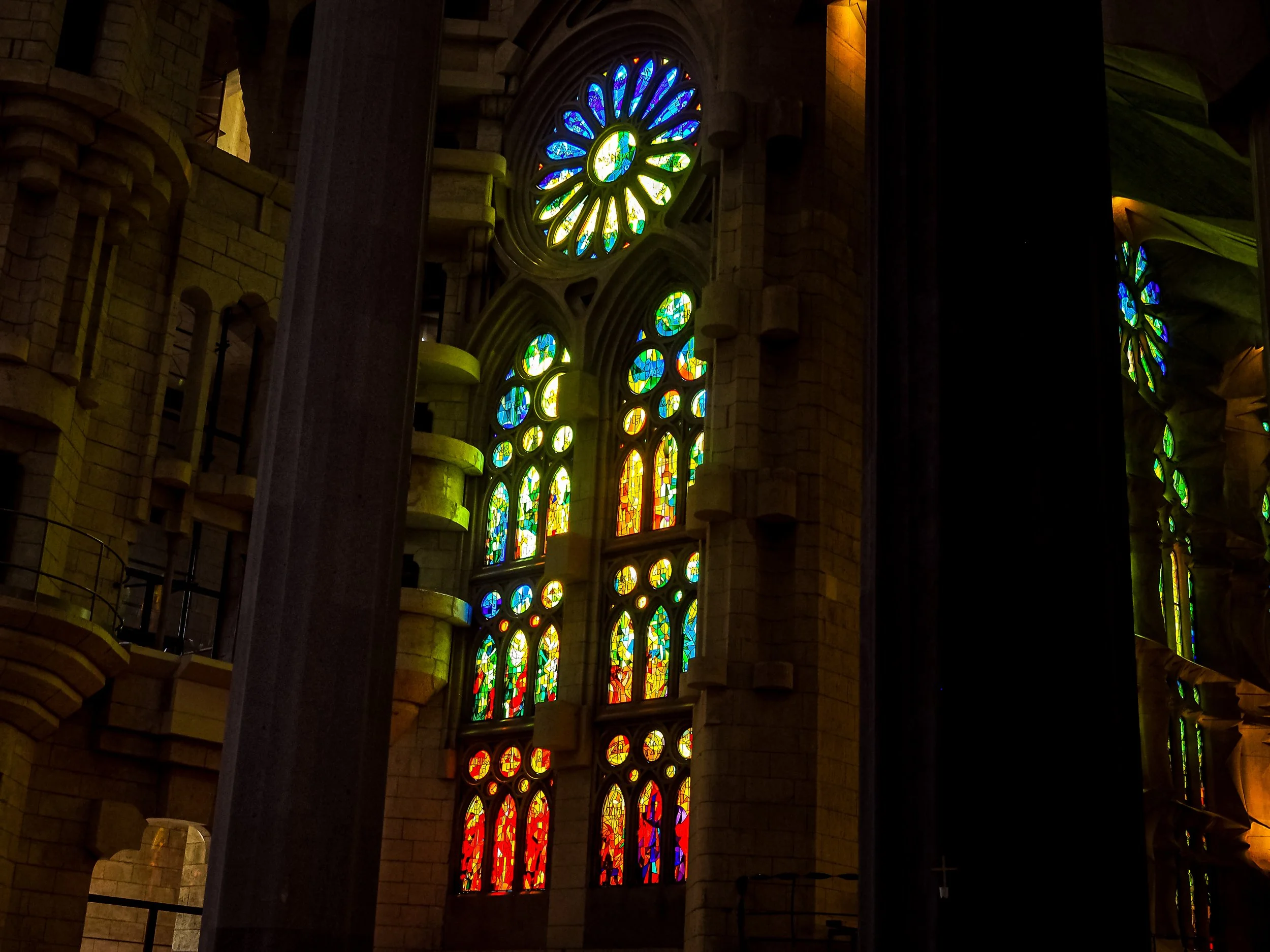
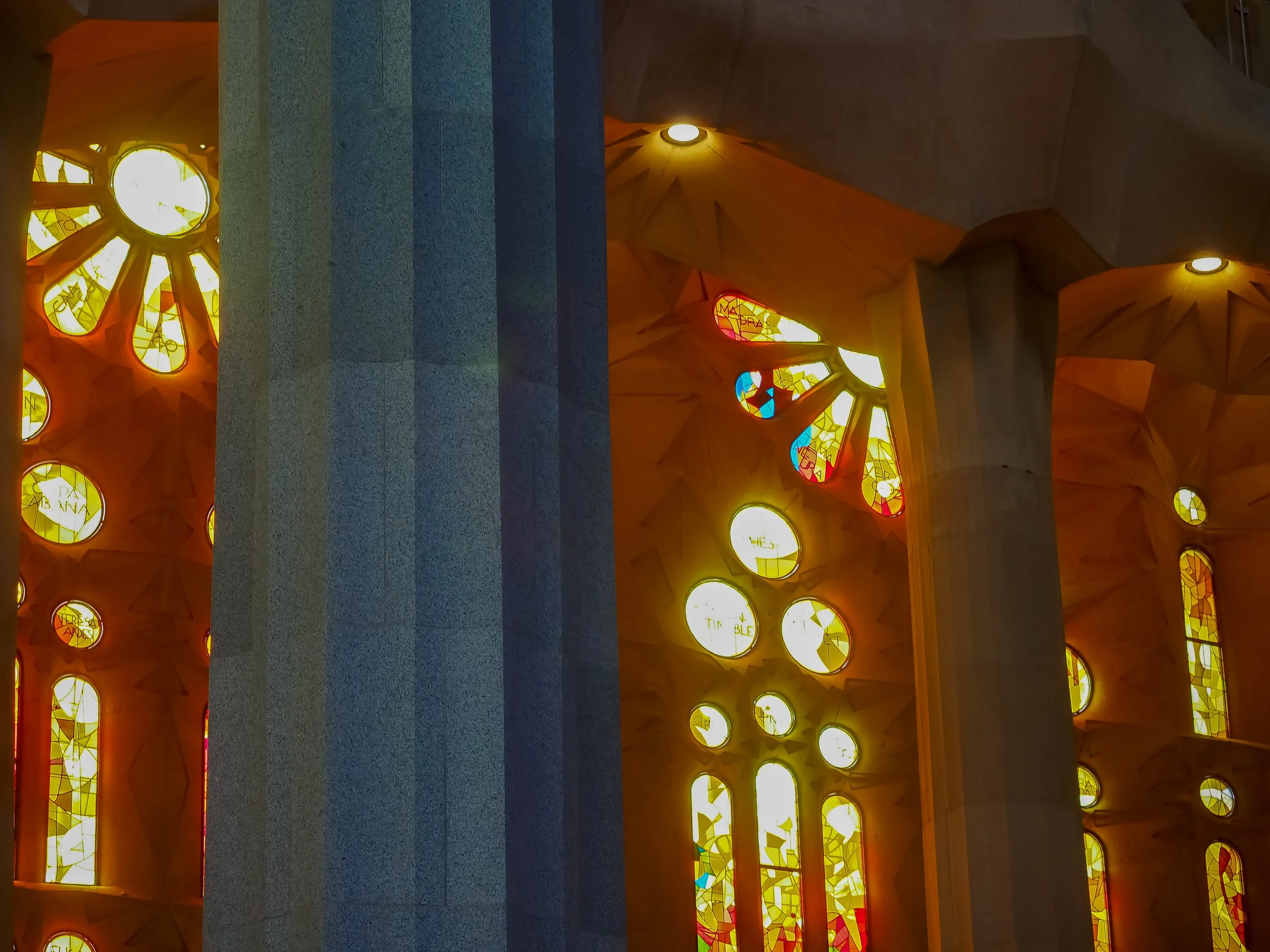
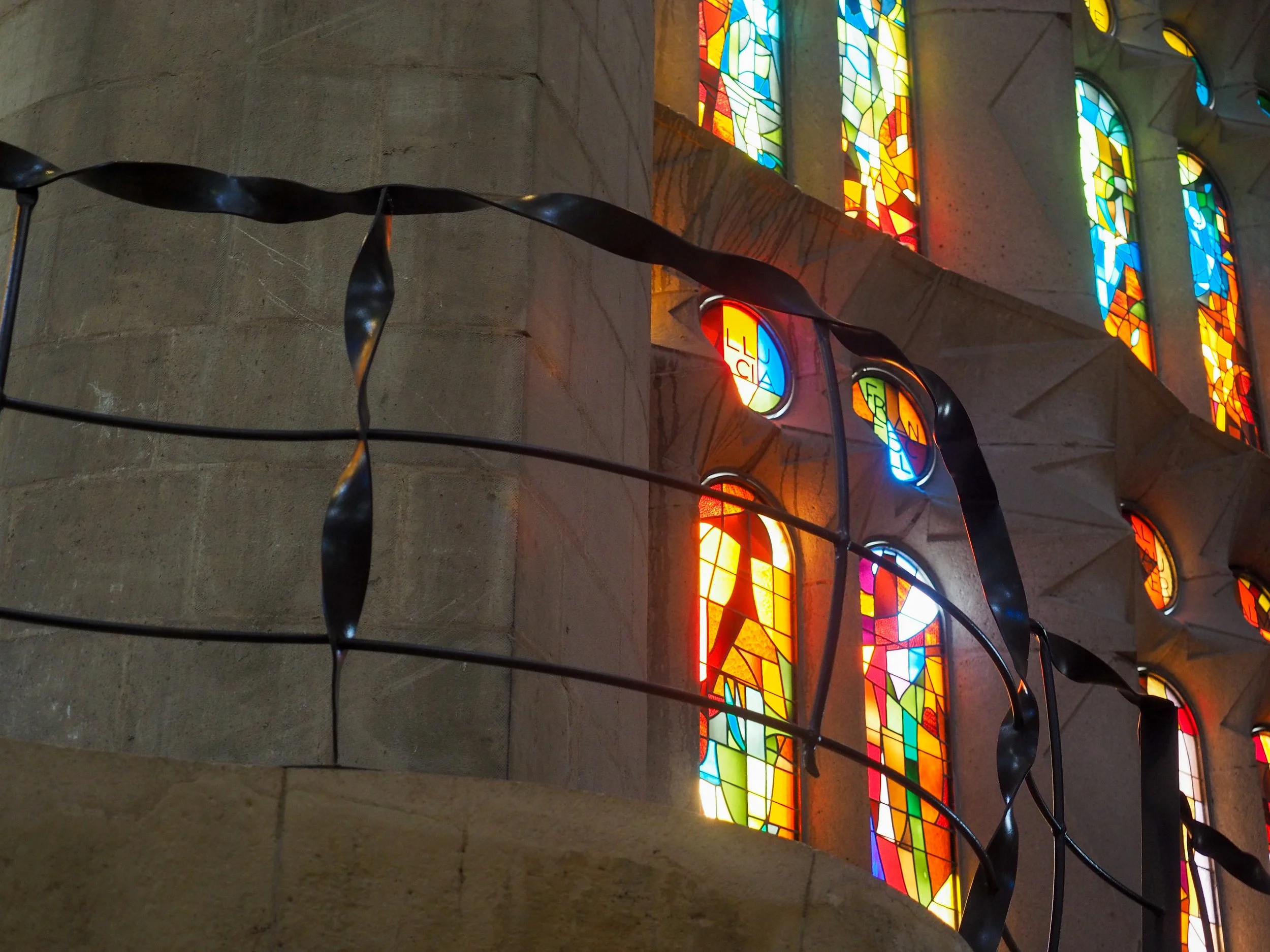
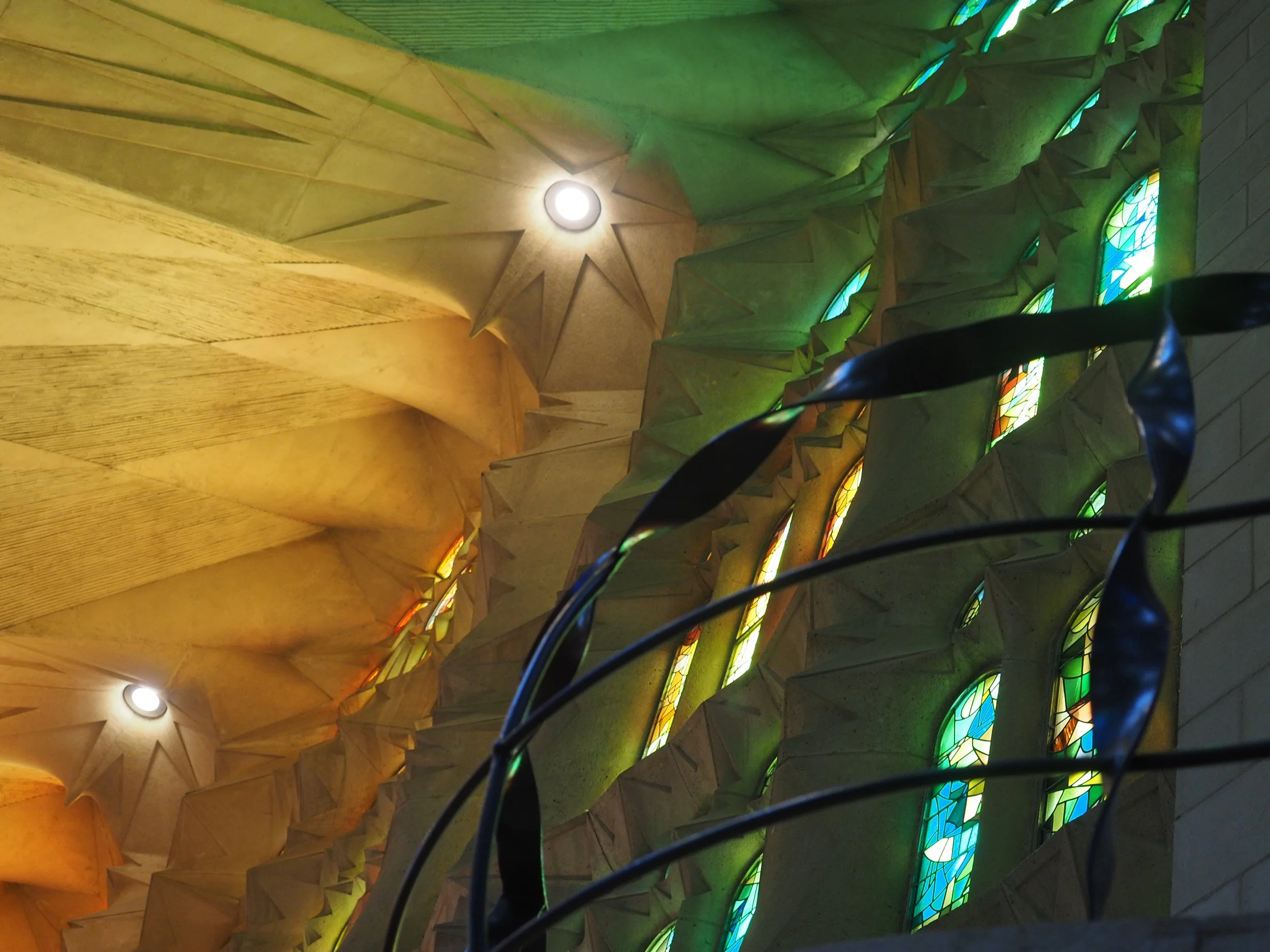
stained glass, and natural light, creating a space that feels at once sacred, monumental, and otherworldly. Gaudí believed that light was the “expression of the divine,” and the interior’s chromatic atmosphere embodies this principle.
Despite Gaudí’s death in 1926, the Sagrada Família has continued to evolve, shaped by generations of architects and craftsmen who have worked to bring his complex models, sketches, and intentions to life. The construction process has weathered civil conflict, funding challenges, and shifts in building technology, yet it remains a symbol of perseverance and artistic devotion.
Today, the Sagrada Família stands not only as a UNESCO World Heritage Site but also as one of the world’s most visited cultural landmarks—an enduring testament to human imagination, faith, and the power of architectural vision across centuries.