Cockatoo Island 2024
Cockatoo Island 2024
Cockatoo Island 2024
Cockatoo Island 2024
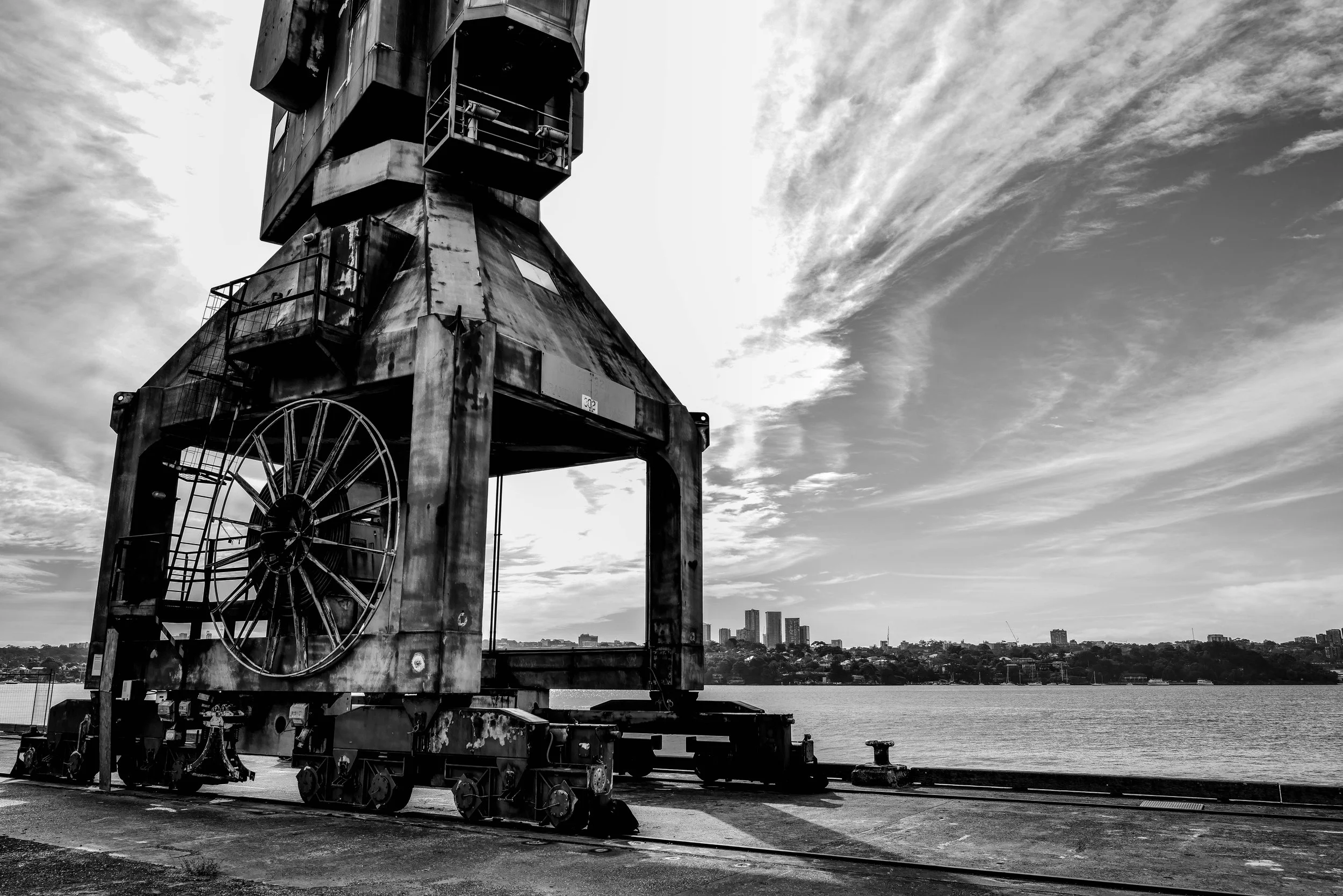
Cockatoo Island 2024
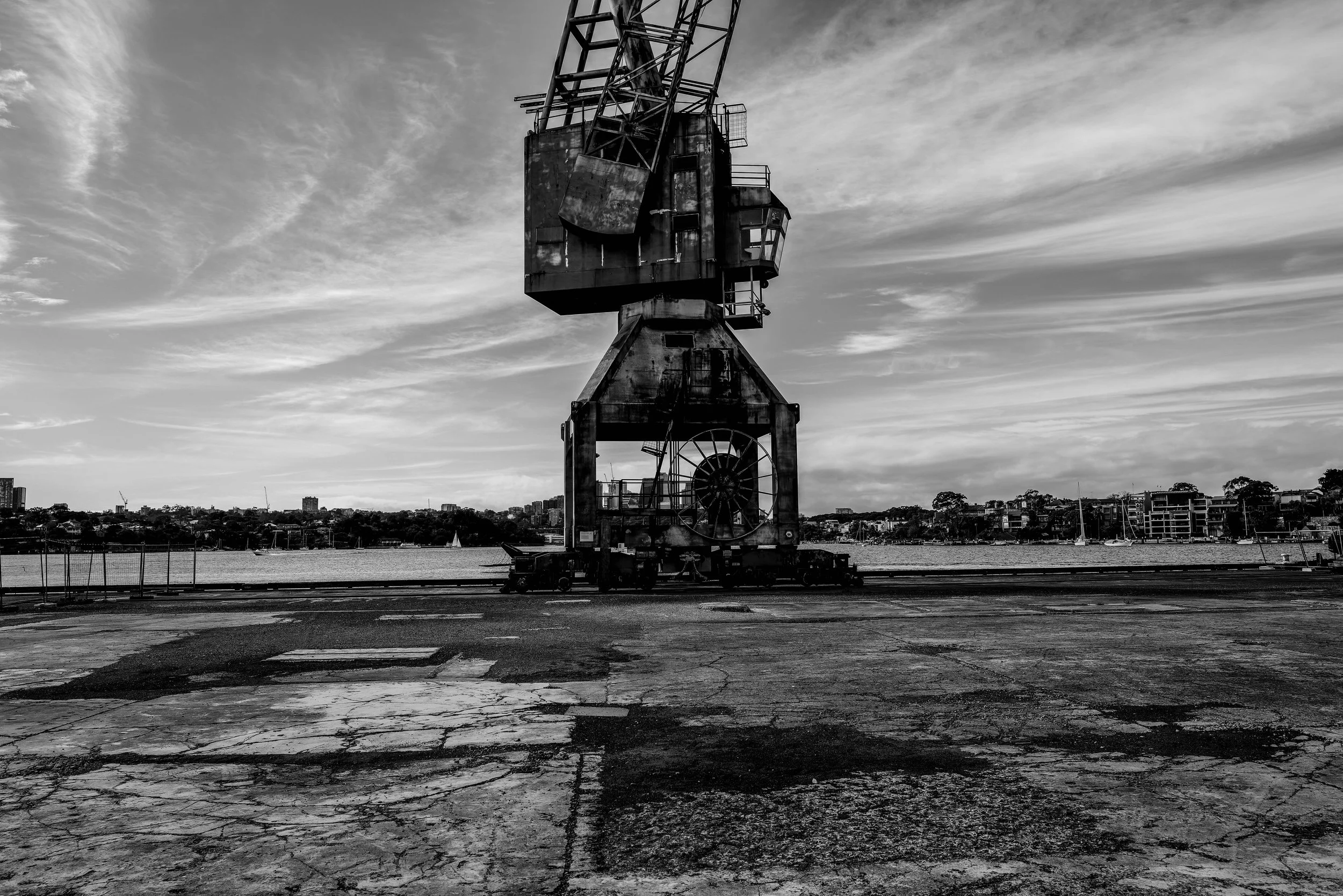
Cockatoo Island 2024
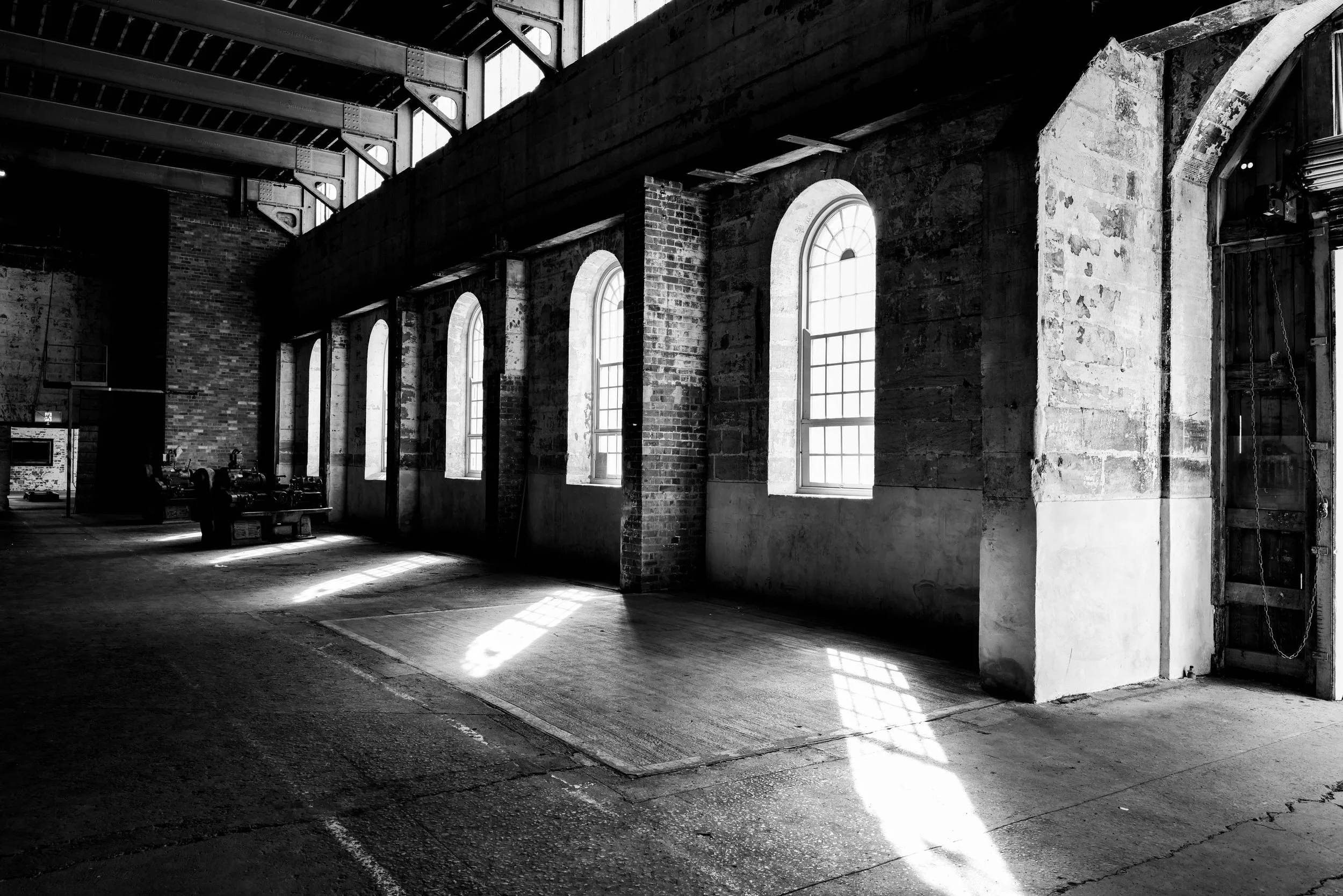
Cockatoo Island 2024
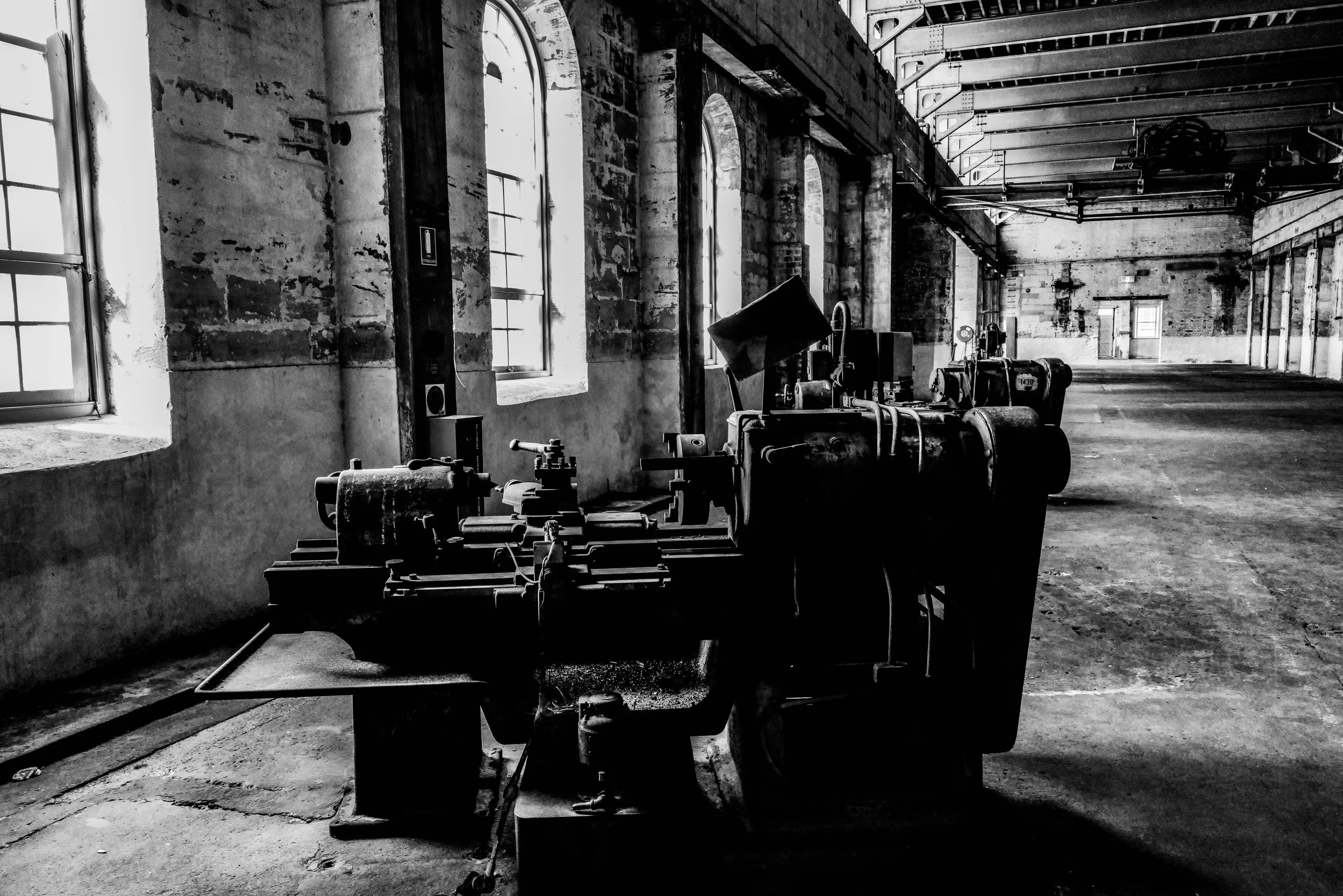
Cockatoo Island 2024
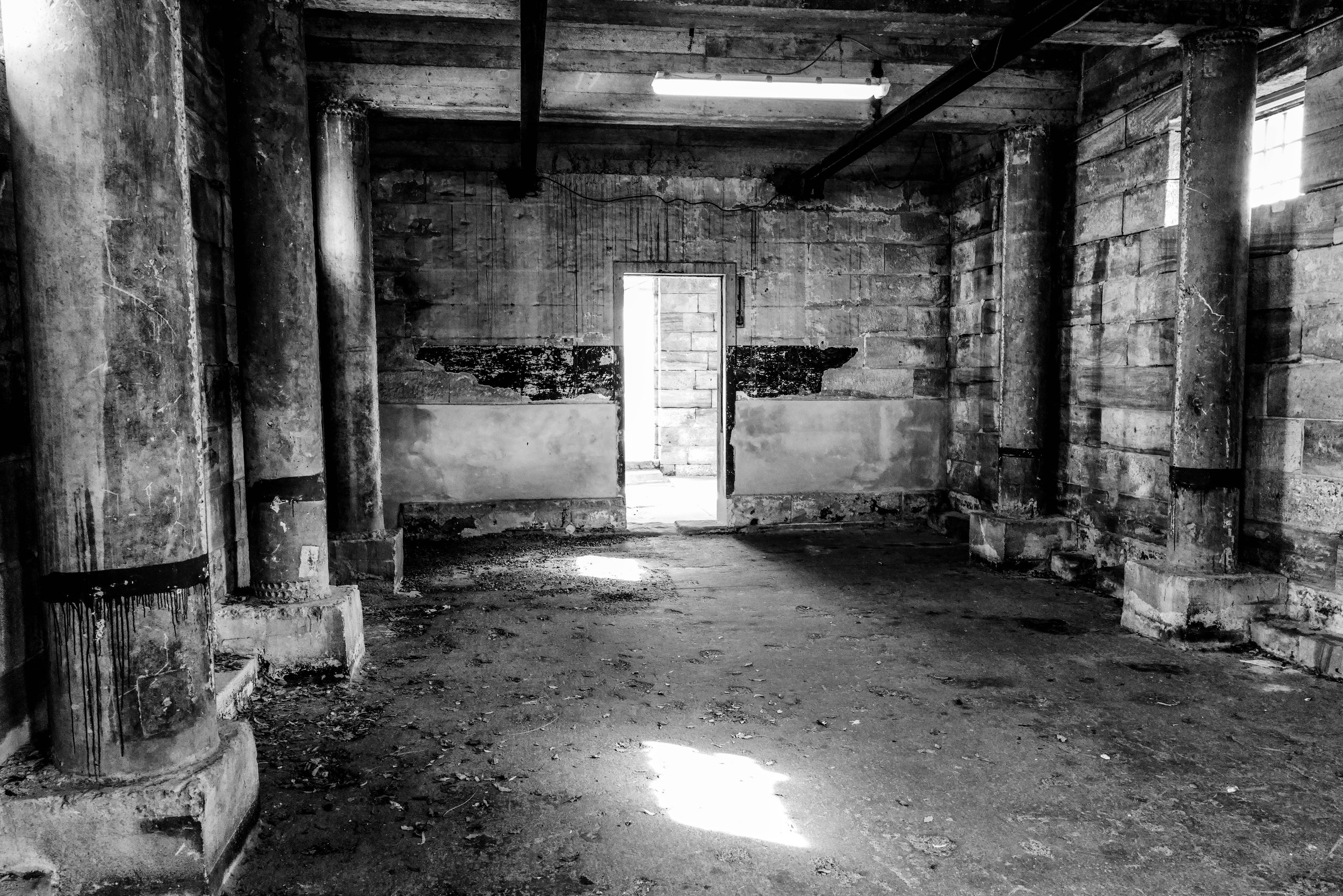
Cockatoo Island 2024
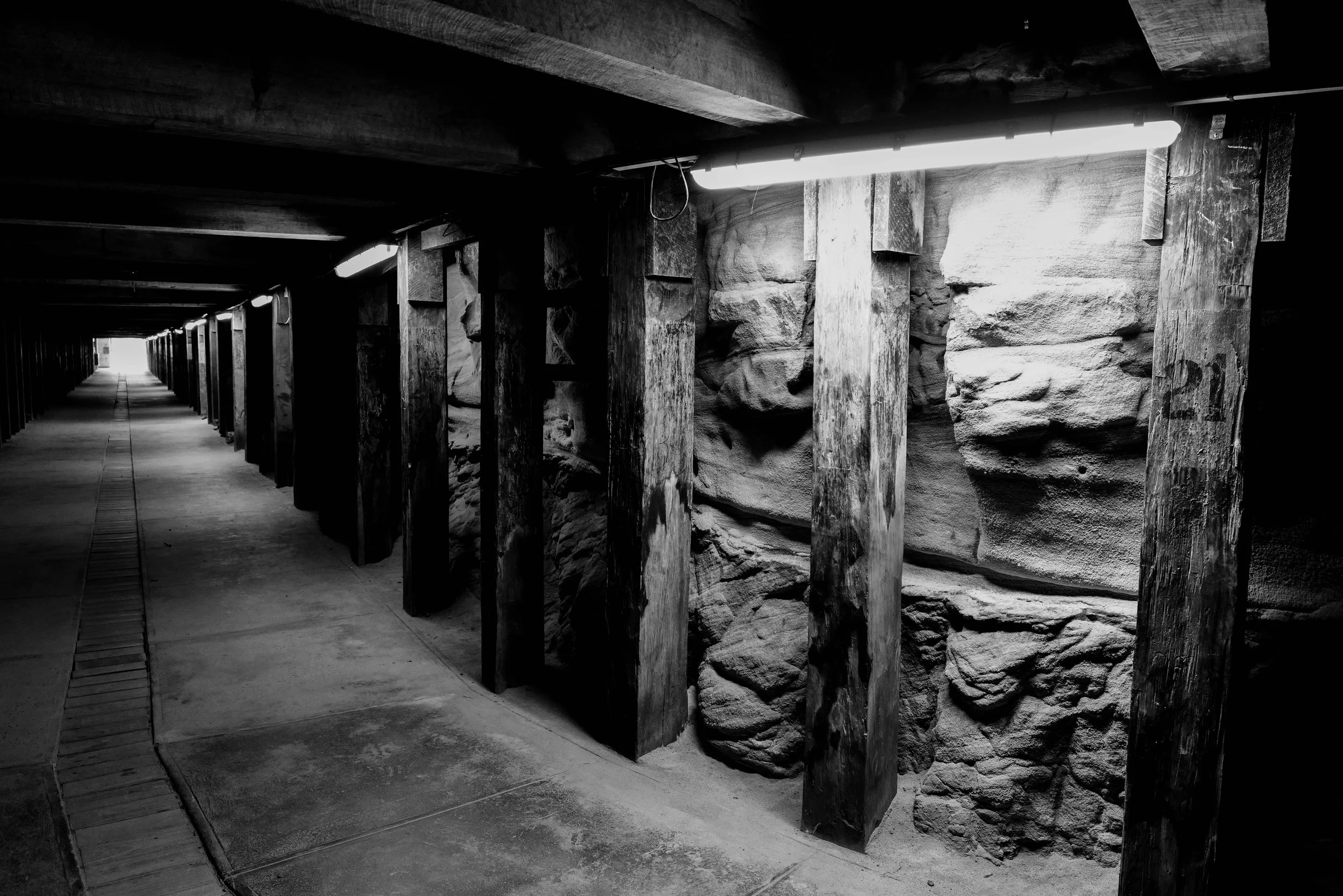
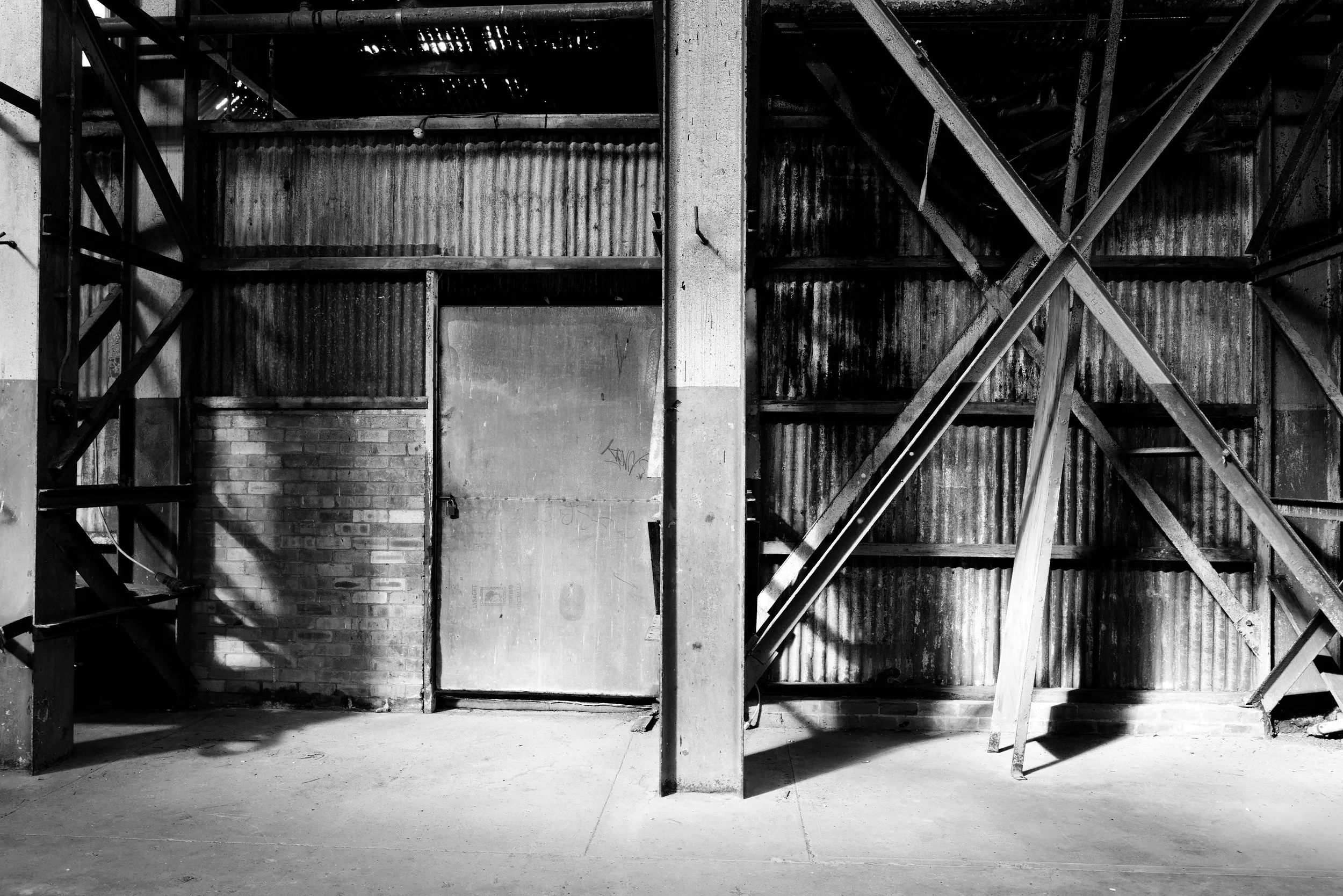
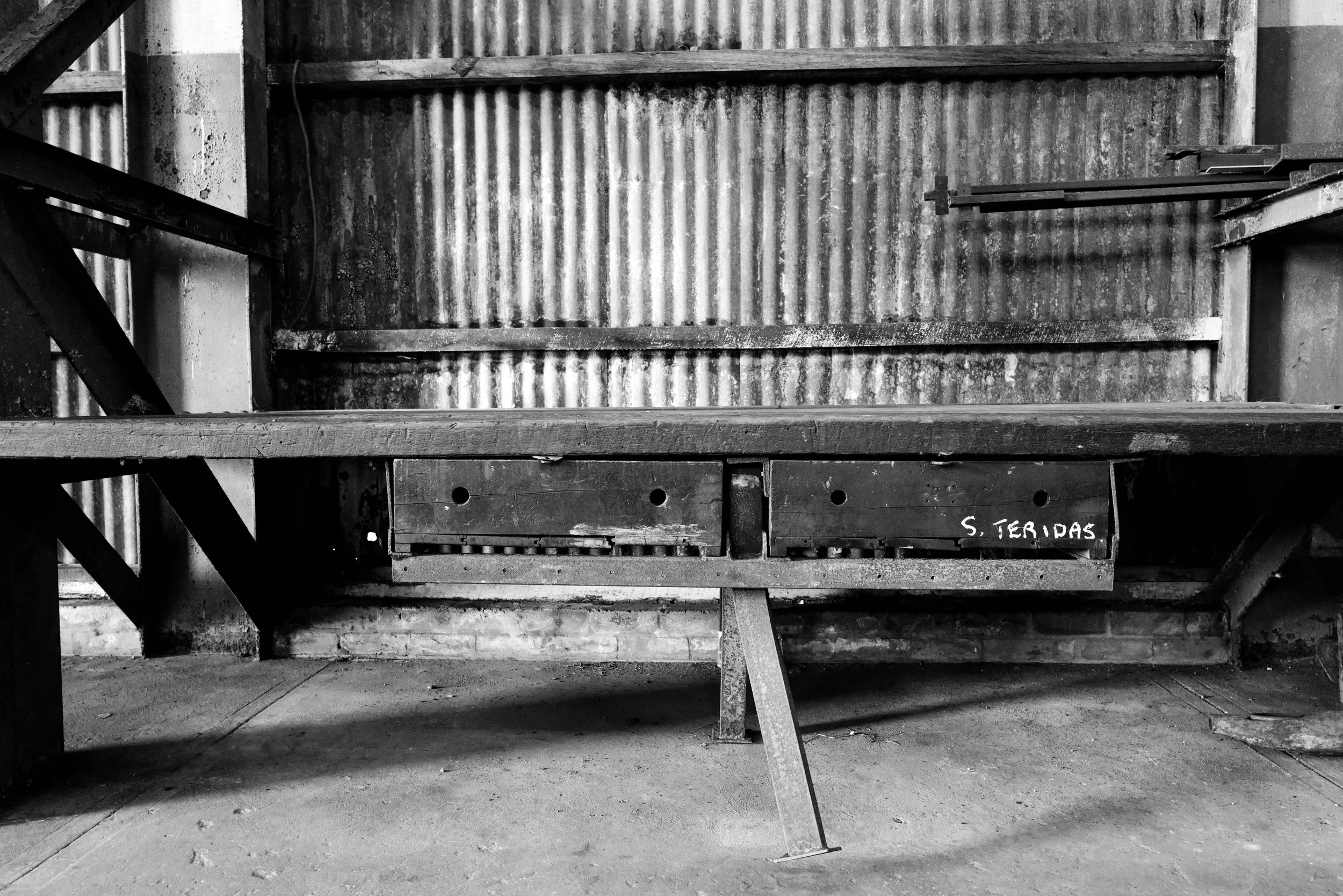
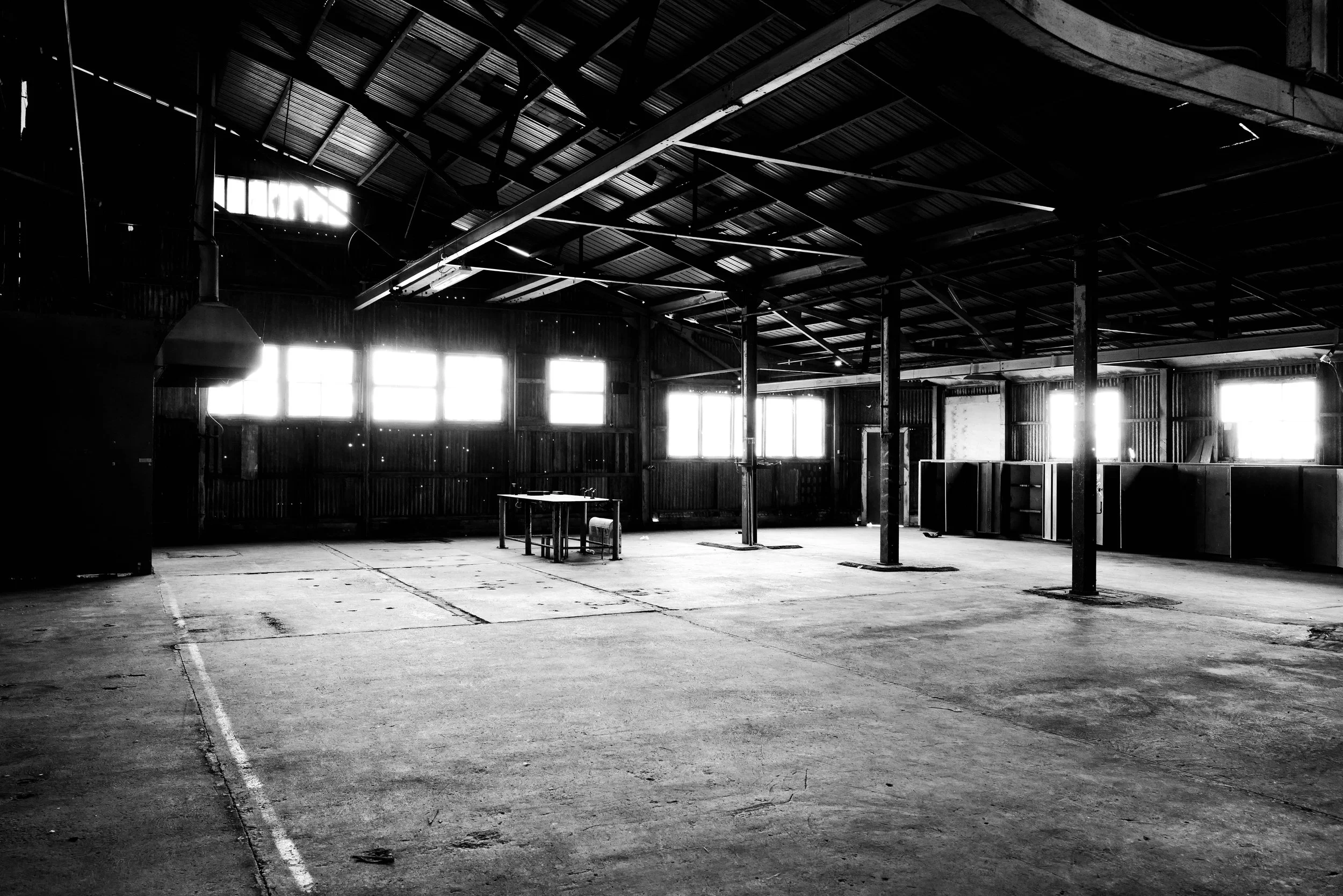
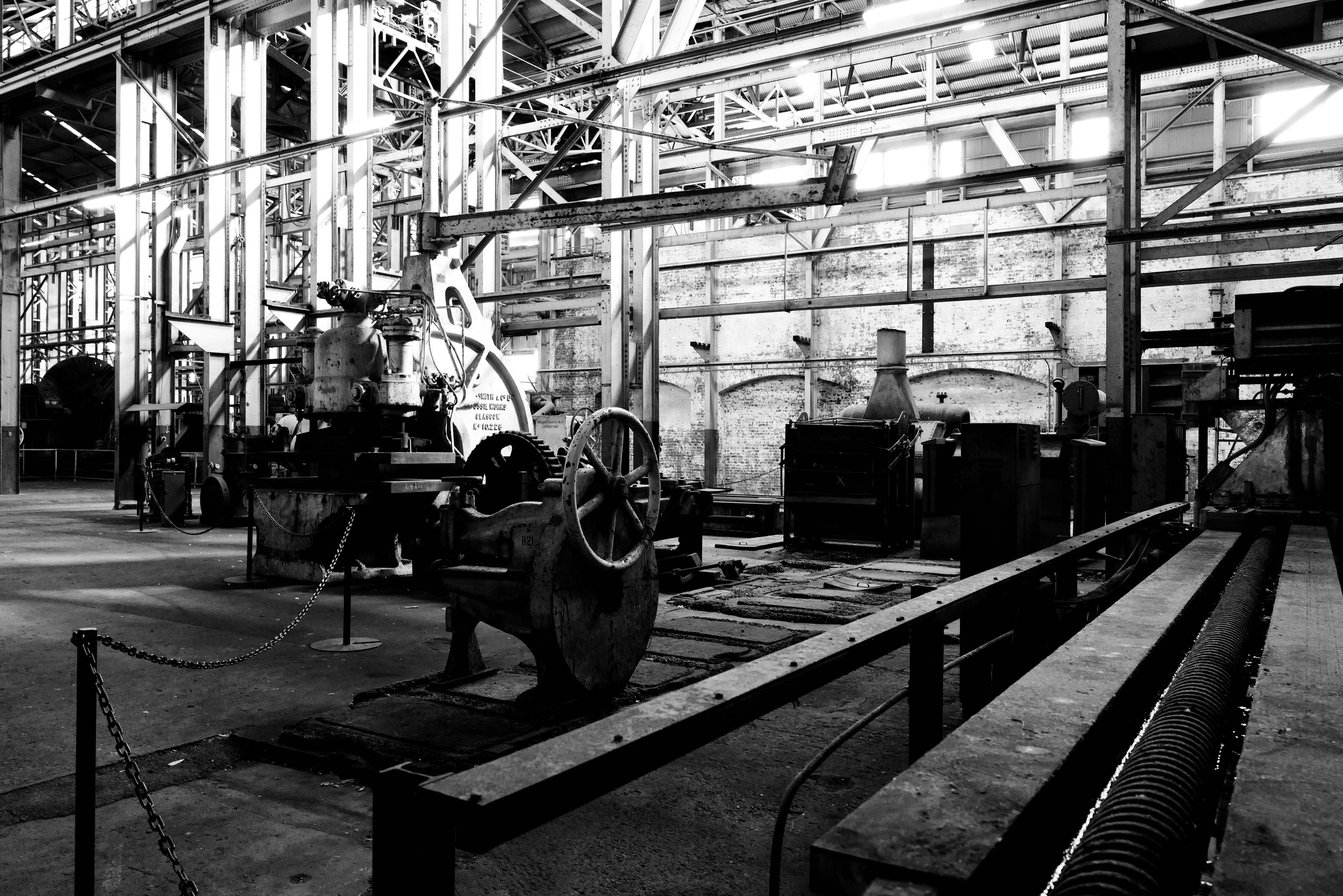
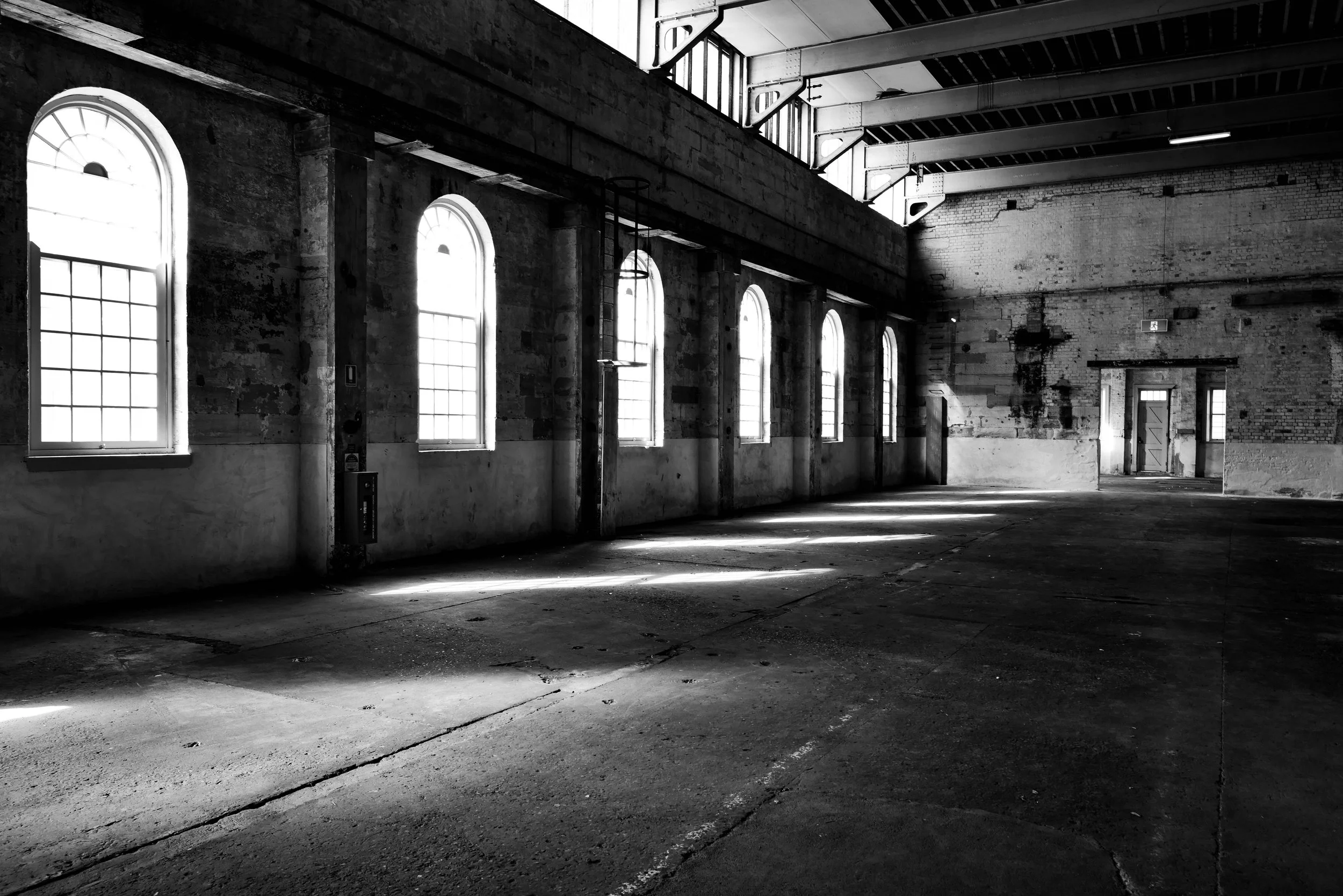
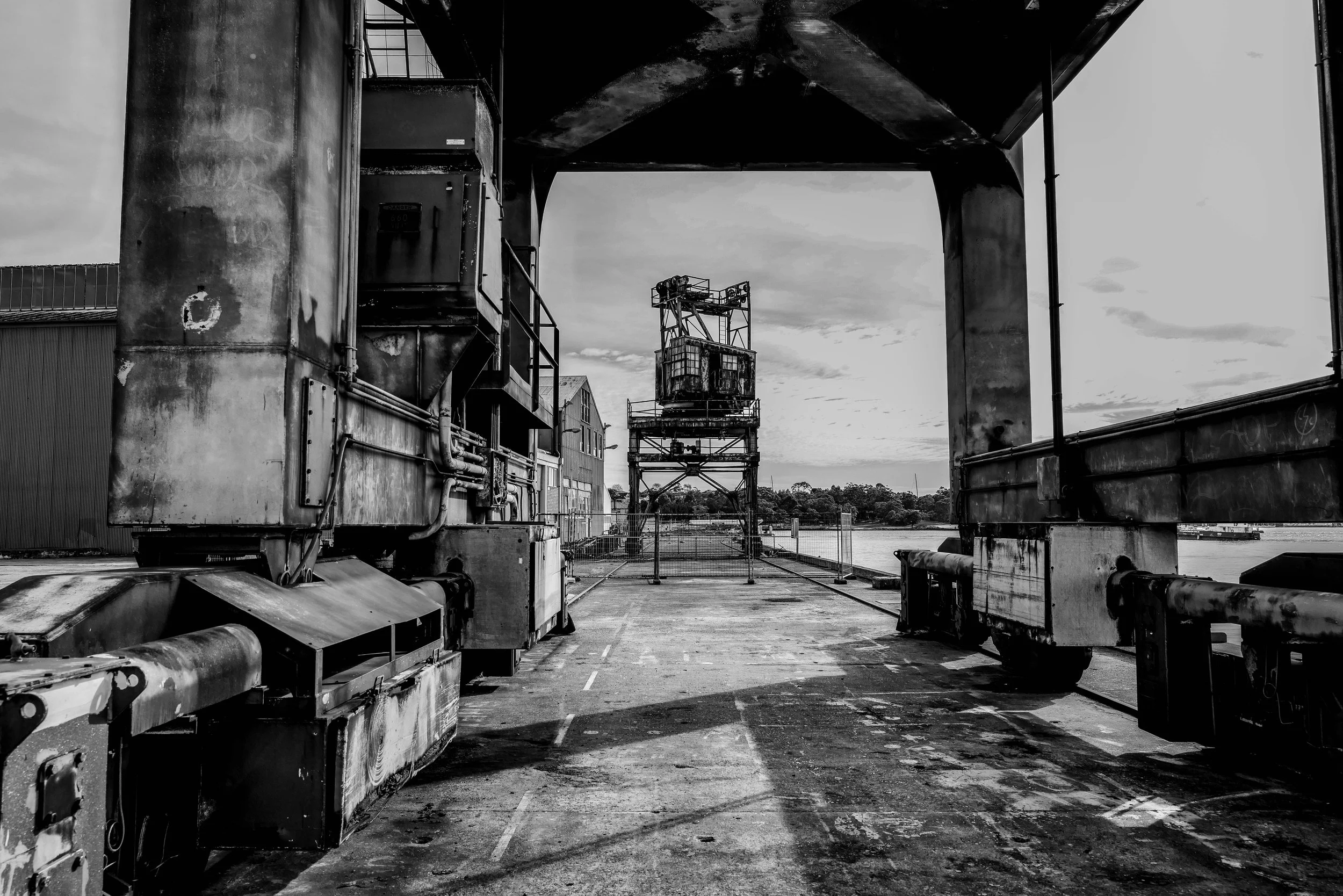
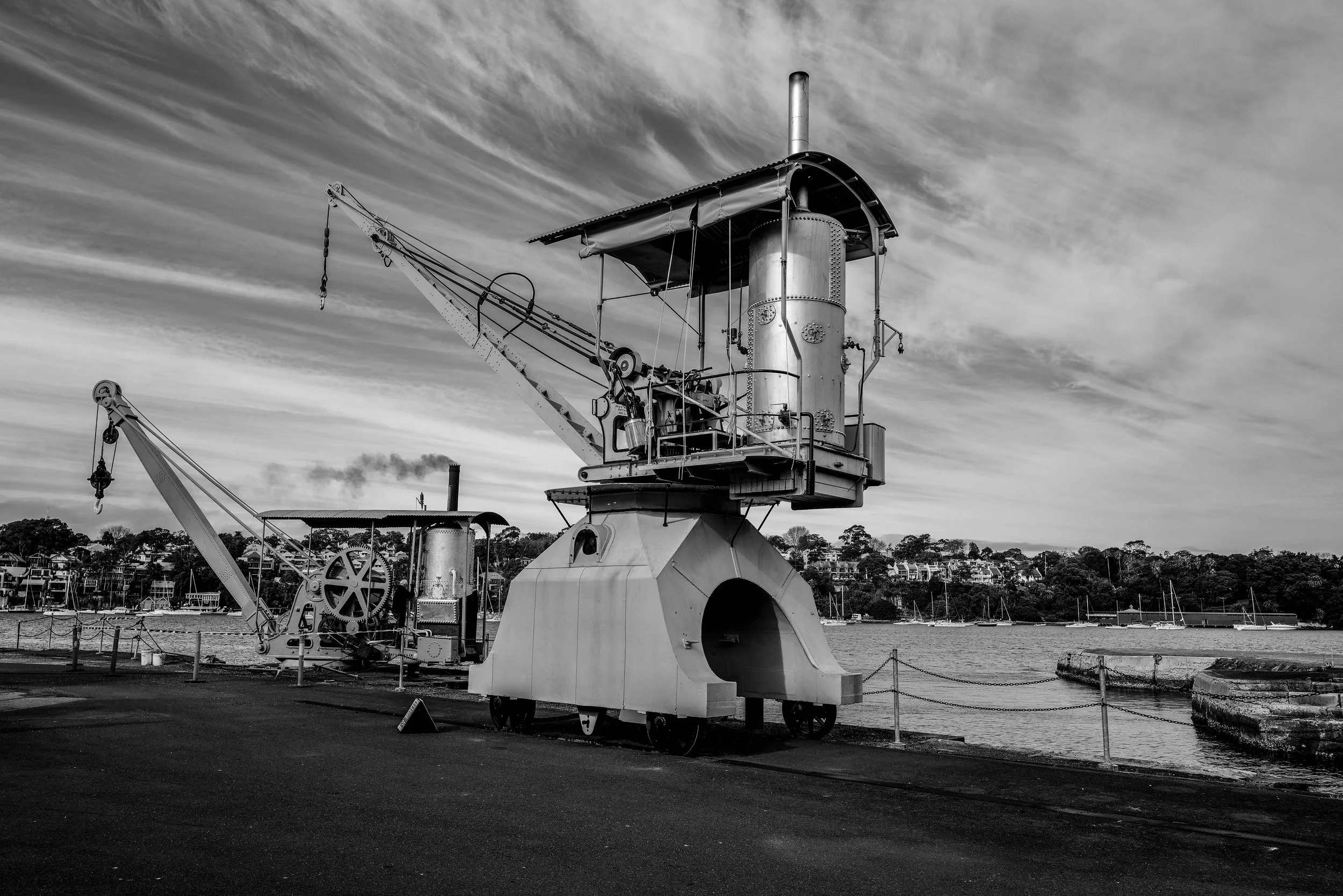
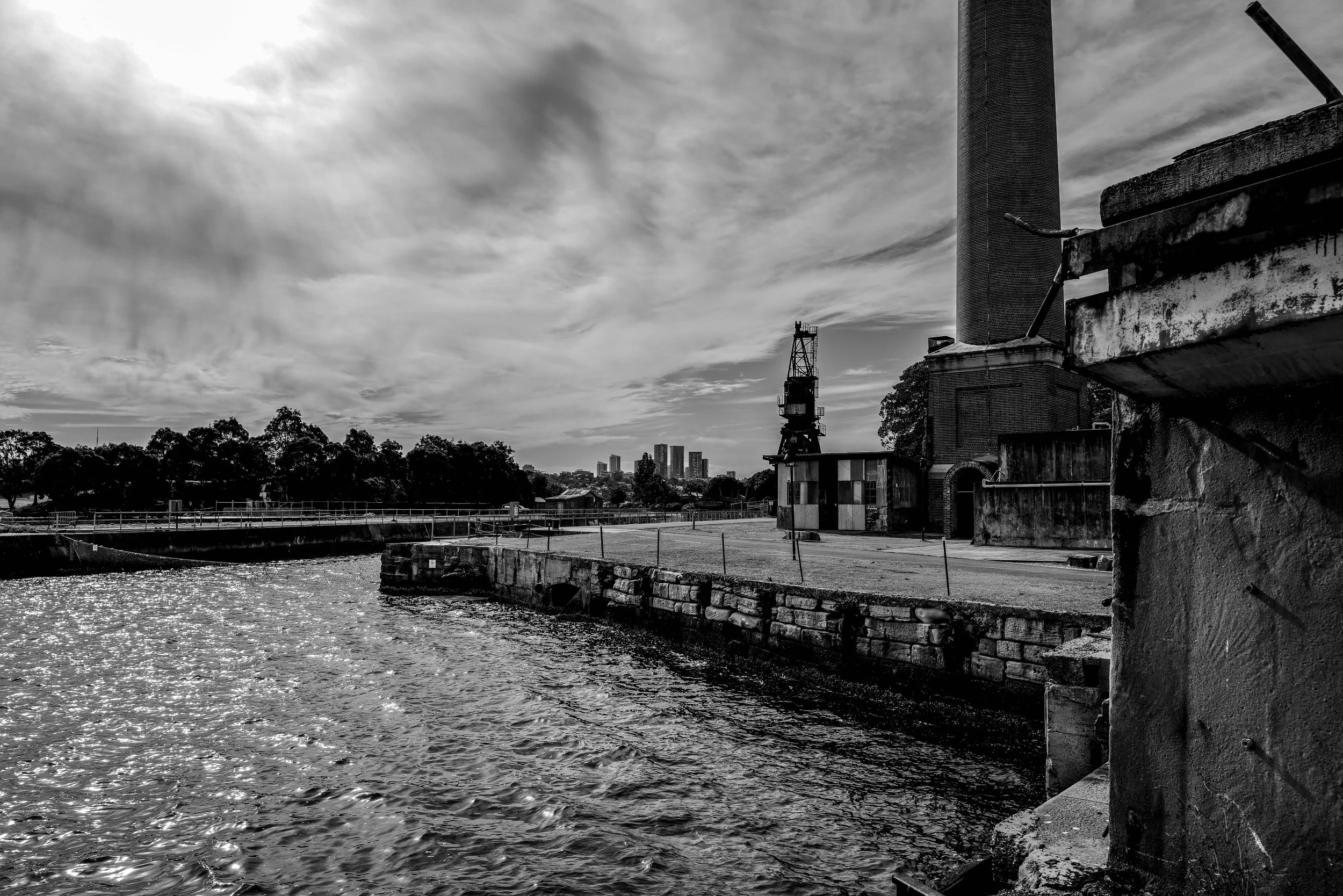
Cockatoo Island, Sydney,
Australia
Cockatoo Island, situated at the meeting point of the Parramatta and Lane Cove Rivers in Sydney Harbour, has a layered and multifaceted history that mirrors Australia’s broader social, cultural, and industrial evolution. Long before European settlement, the island was known to and used by the Wangal people of the Eora Nation, who relied on the harbour’s waters for food, travel, and cultural practices. After colonisation, the island was dramatically reshaped.
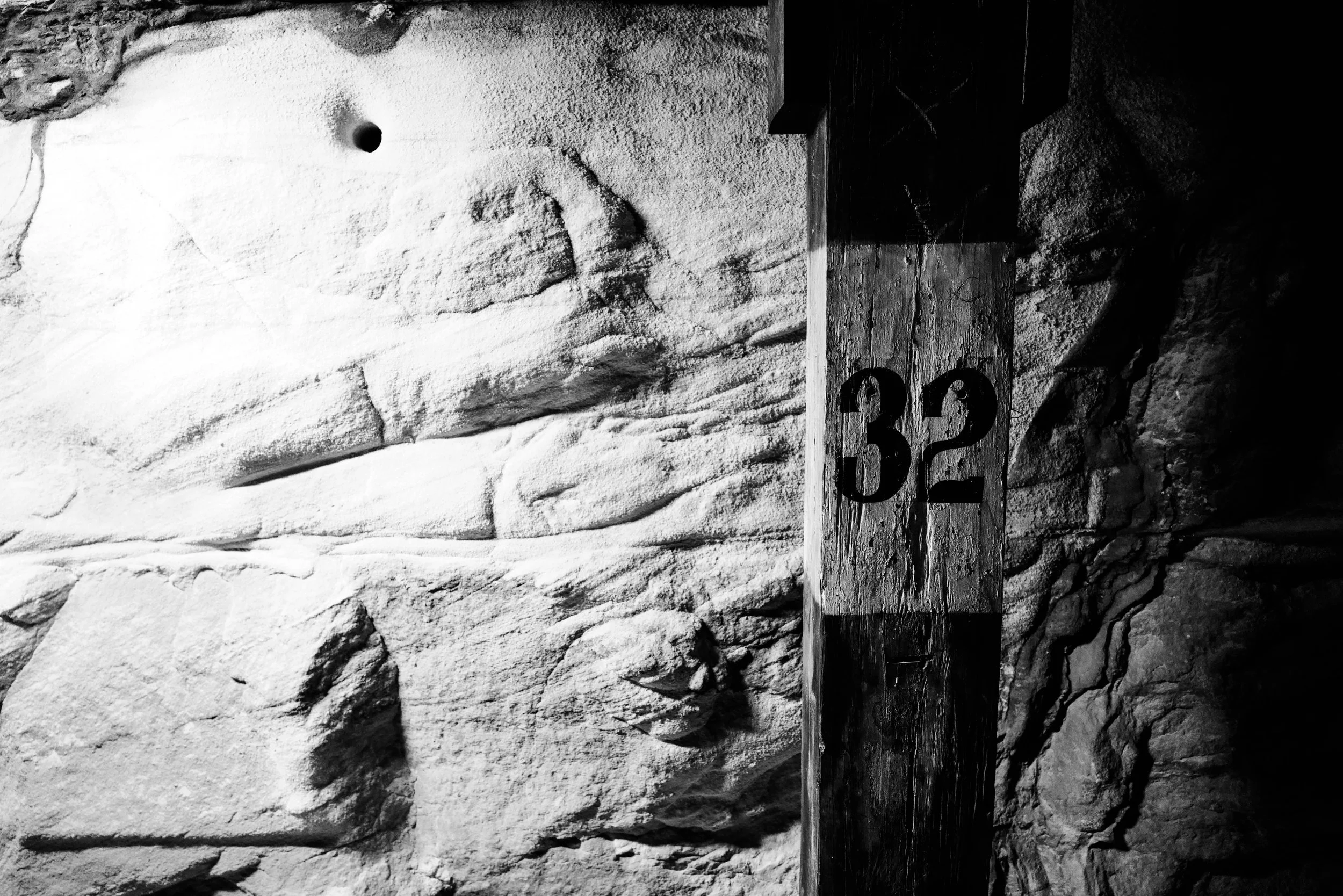
In 1839 it was designated as a penal establishment, selected for its natural isolation and deep surrounding channels. Convicts quarried sandstone, carved out underground grain silos, and erected their own barracks, leaving behind some of the nation’s earliest surviving examples of large-scale convict labour and engineering.
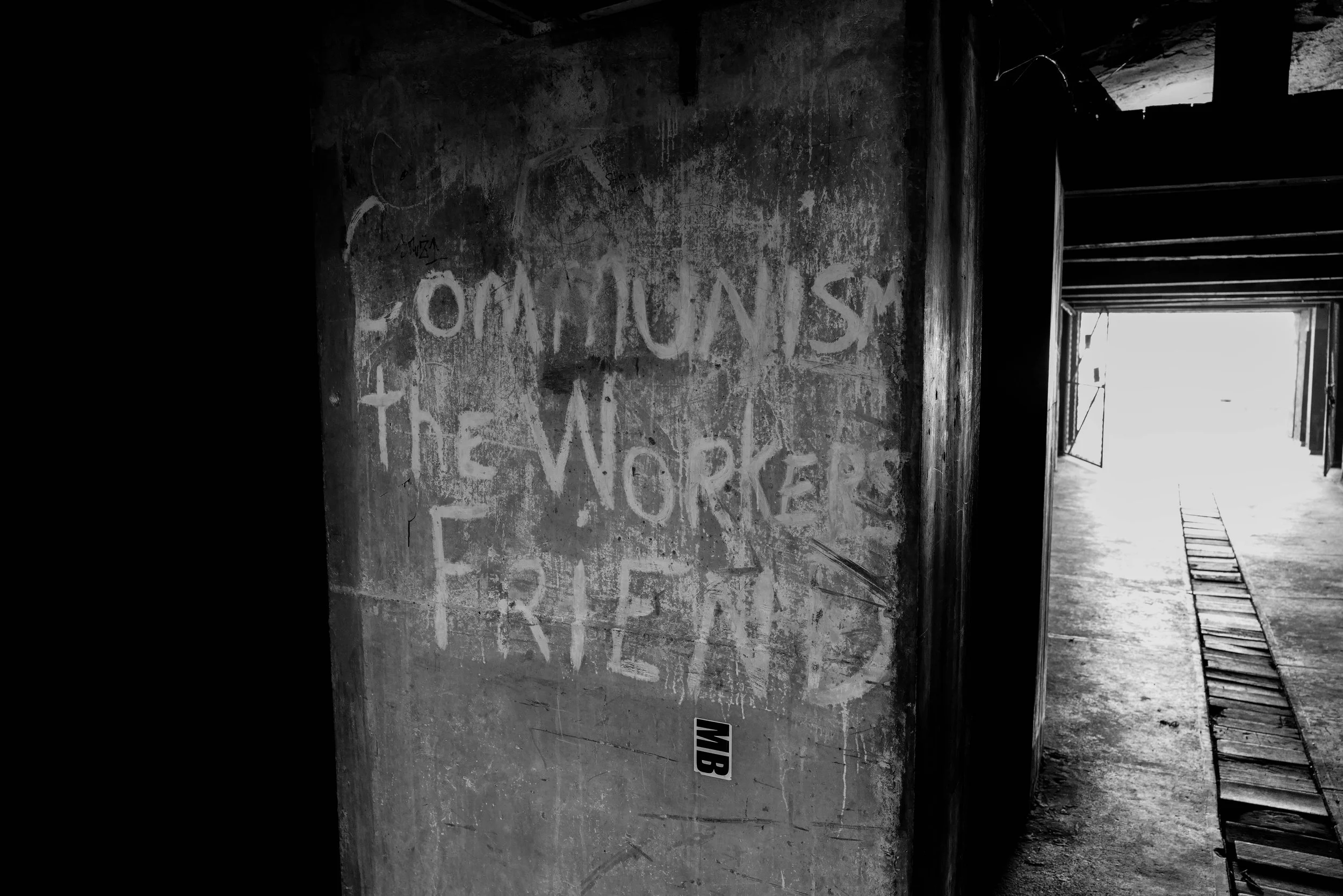
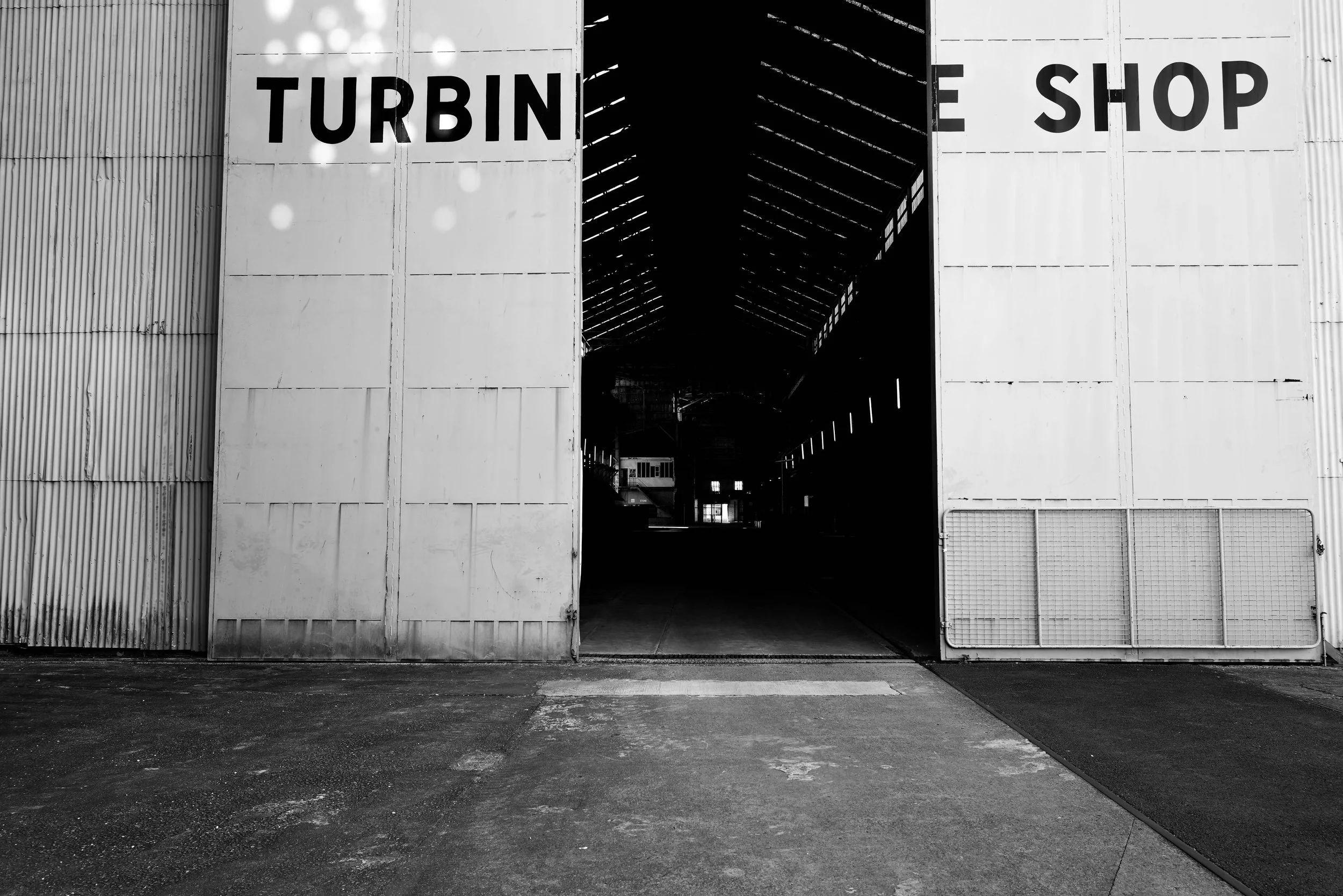
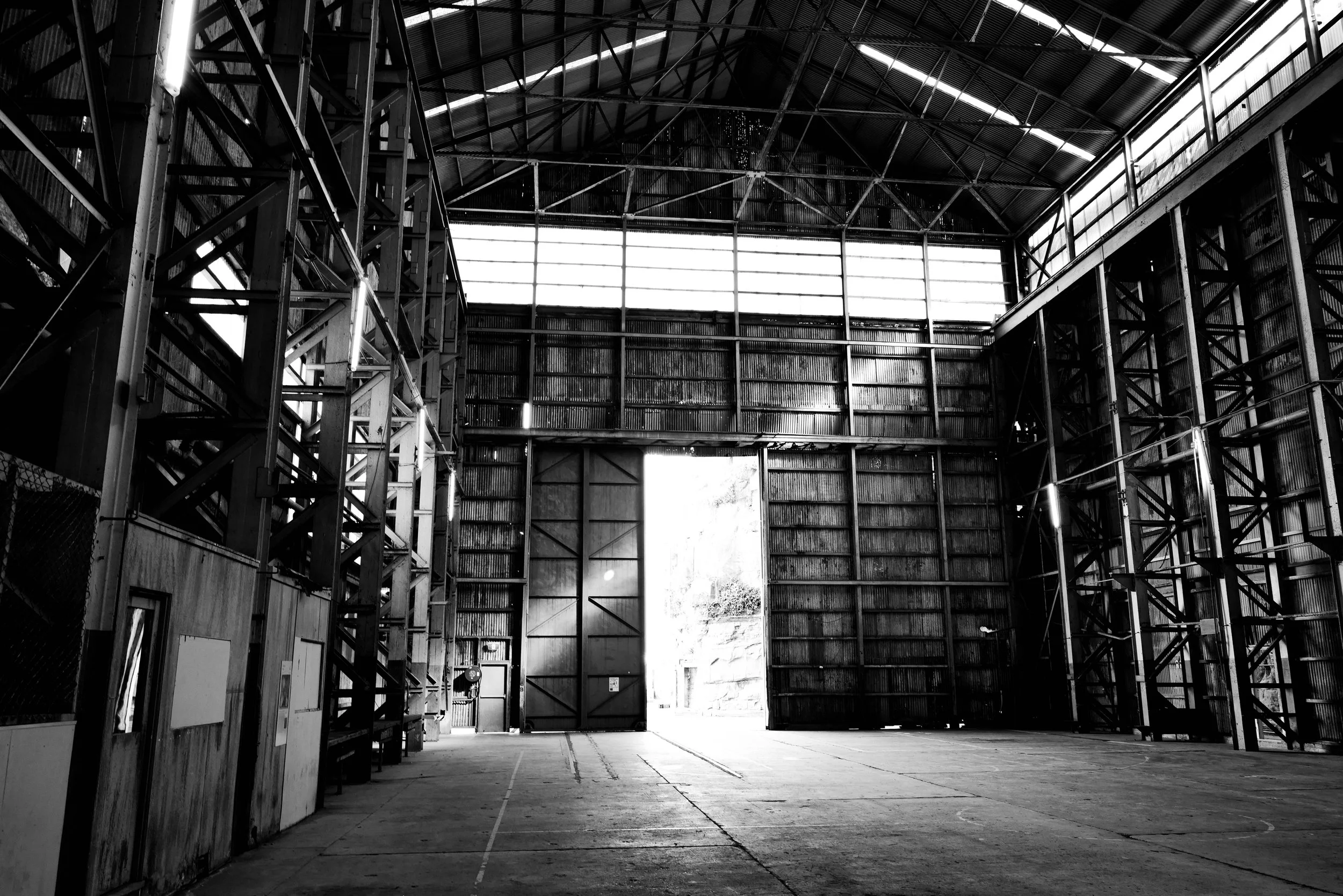
By the mid-19th century, Cockatoo Island’s role shifted from incarceration to industry. It developed into one of Australia’s most significant shipbuilding and repair facilities, beginning with the construction of the Fitzroy Dock in 1857 and followed by the vast Sutherland Dock in 1890, then among the largest dry docks in the world. For well over a century, the island supported maritime operations, contributed to Australia’s naval strength, and played a vital role during both World Wars.
Today, Cockatoo Island stands as a distinctive heritage and cultural destination. As part of the UNESCO-listed Australian Convict Sites, it attracts visitors drawn to its dramatic blend of convict history, industrial architecture, harbour panoramas, and contemporary arts programming.