Giverny France 2017
Giverny France 2017
Giverny France 2017
Giverny France 2017
Giverny France 2017
Giverny France 2017

Giverny France 2017
Giverny France 2017
Giverny France 2017
Giverny France 2017
Giverny France 2017
Giverny France 2017
Giverny France 2017
Giverny France 2017
Giverny France 2017
Giverny France 2017
Giverny France 2017
Giverny France 2017

Giverny France 2017
Giverny France 2017
Giverny France 2017
Giverny France 2017
Giverny France 2017
Giverny France 2017
Giverny France 2017
Monet’s House,
Giverny, France
Monet's house at Giverny is one of the most iconic and cherished spots associated with the French Impressionist artist Claude Monet. Located in the small village of Giverny, about 80 kilometres west of Paris, the house and its surrounding gardens played a significant role in Monet's life and artistic work.
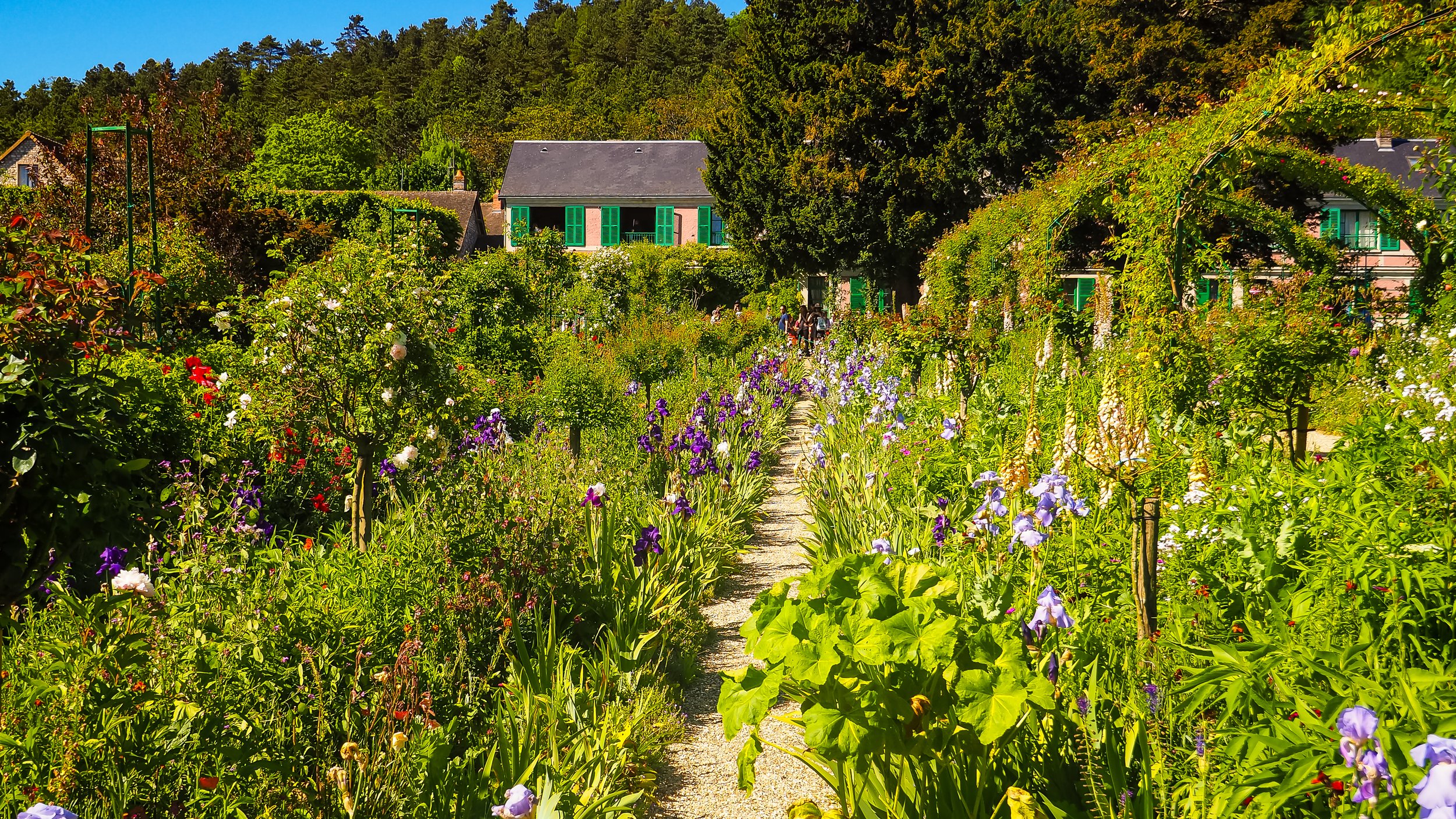
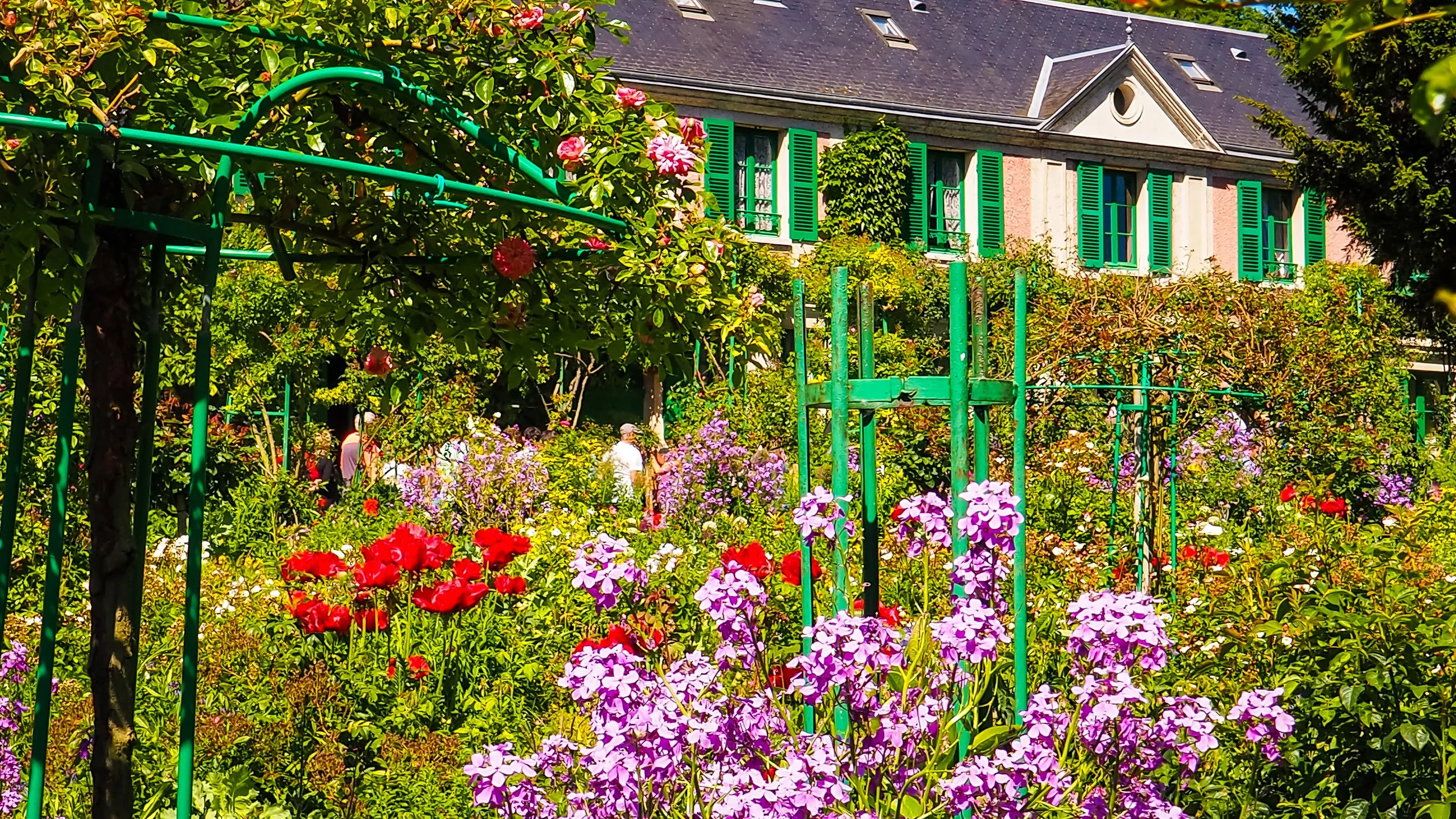
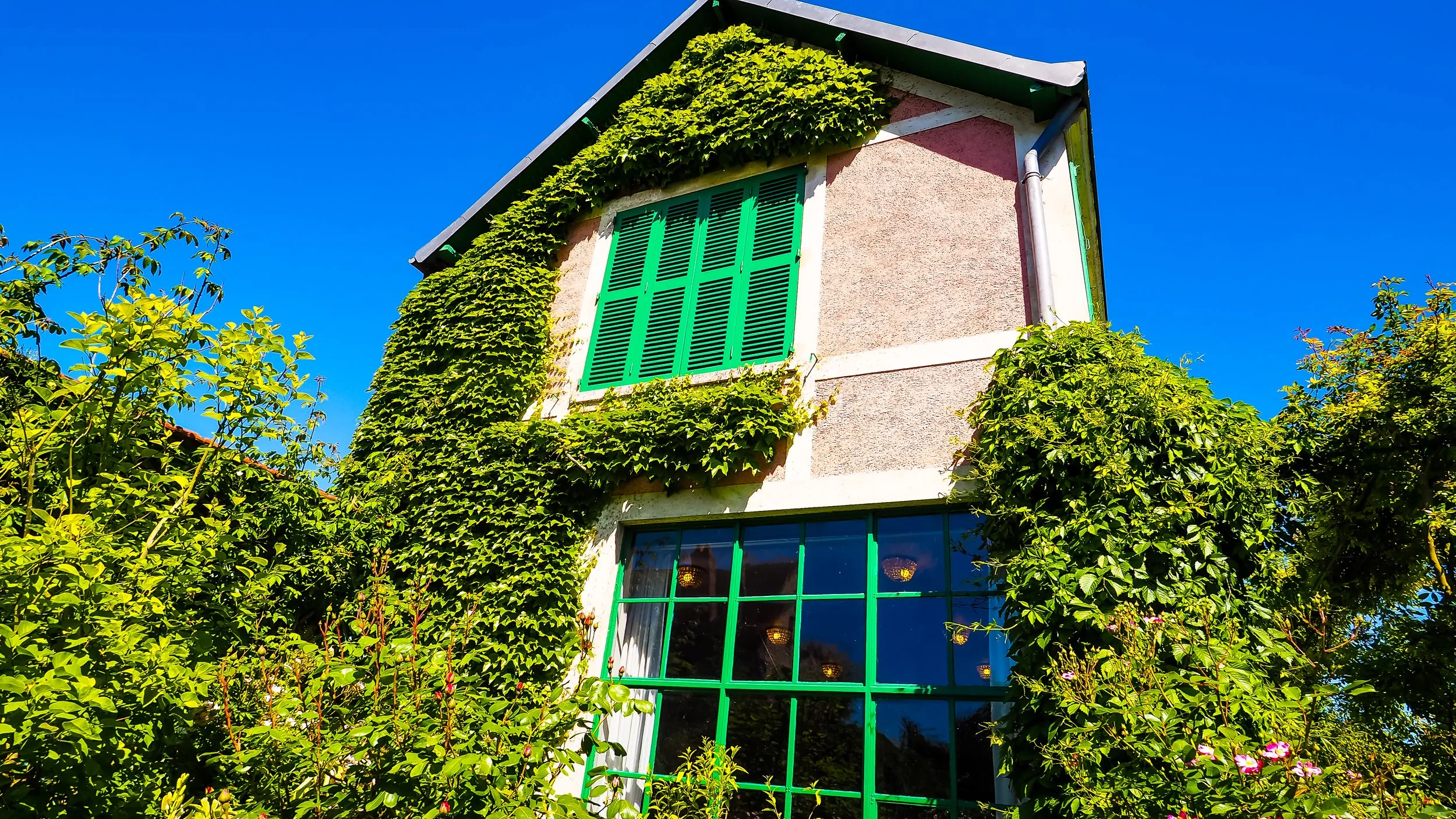
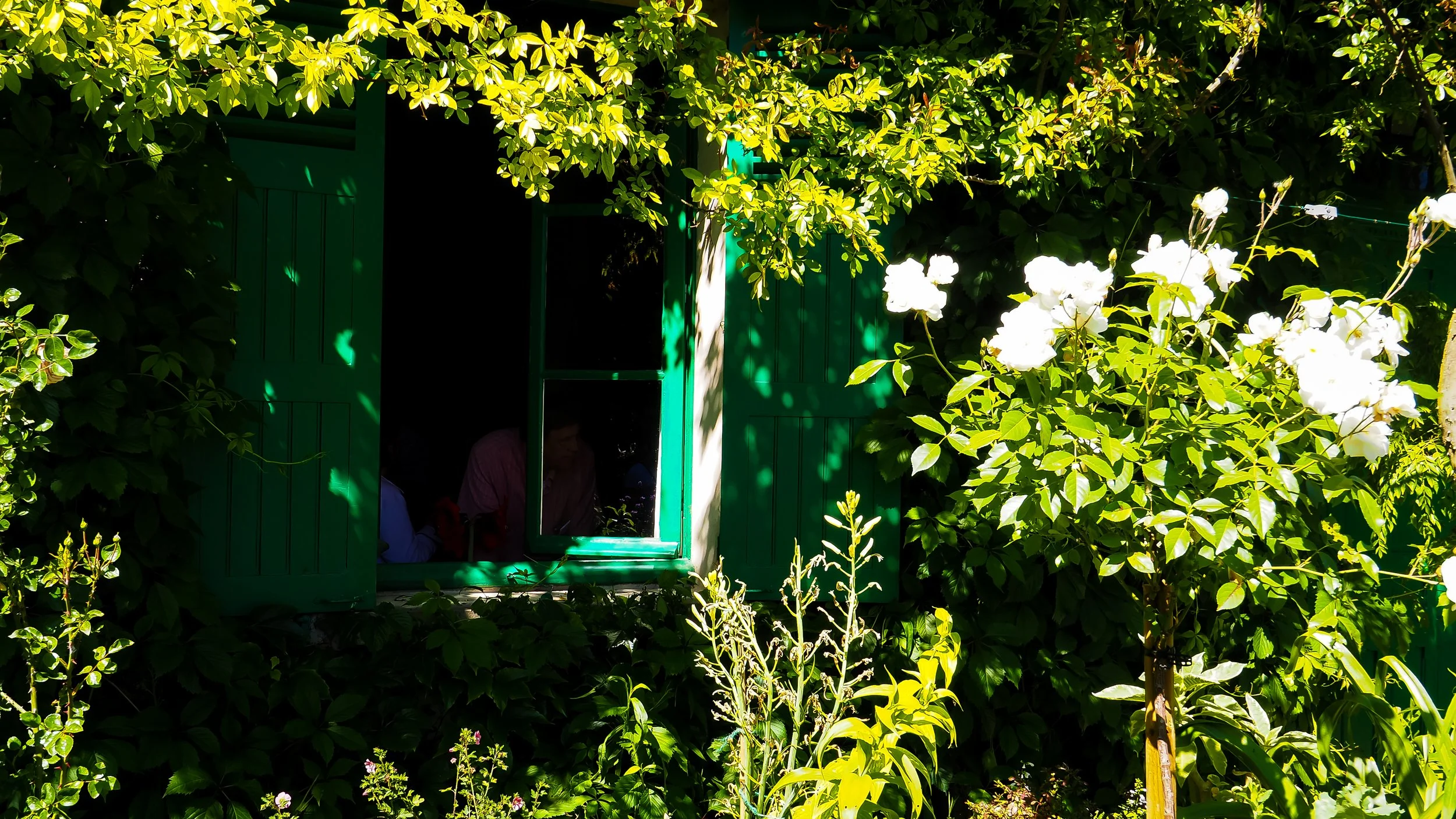
Monet moved to Giverny in 1883, and he lived there for over 40 years until his death in 1926. The house itself is a long, pink-colored farmhouse with green shutters, a look that reflects Monet's love of color and harmony. Monet expanded and transformed the property during his residence, making it into a living work of art.
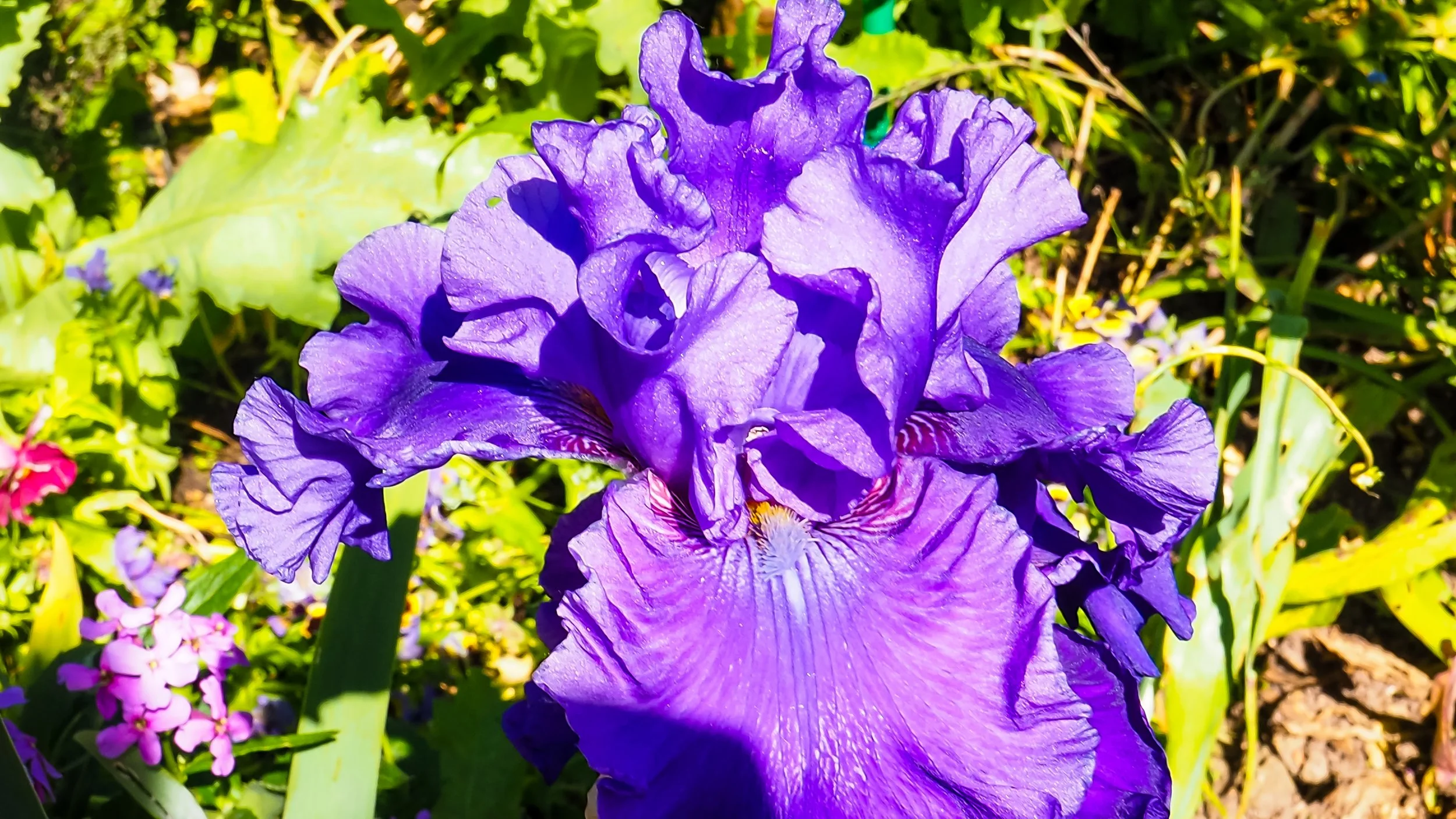
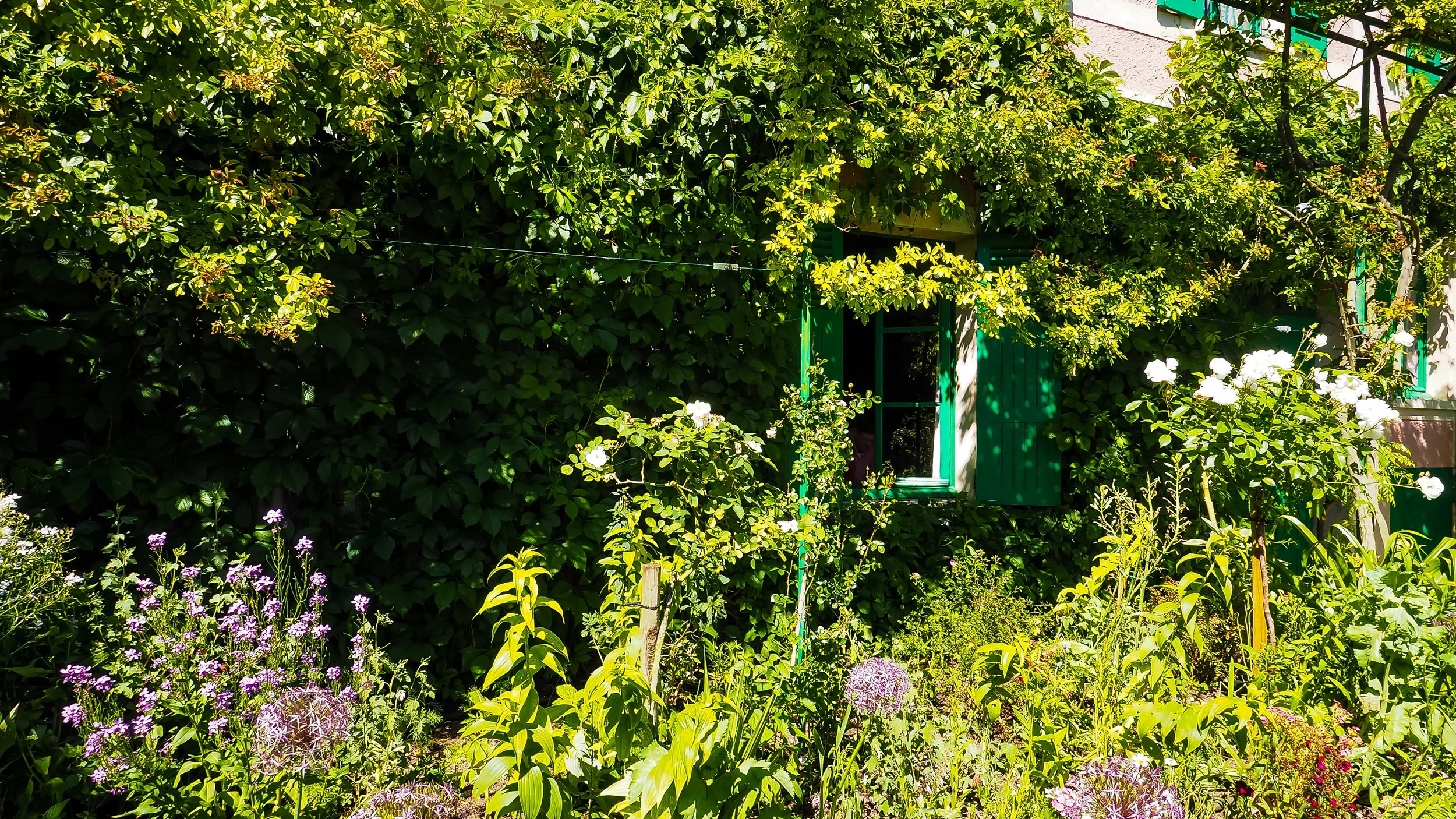
The gardens at Giverny are perhaps even more famous than the house itself. Monet designed the gardens with as much care as he painted them, making them a constant source of inspiration. They are divided into two main sections:
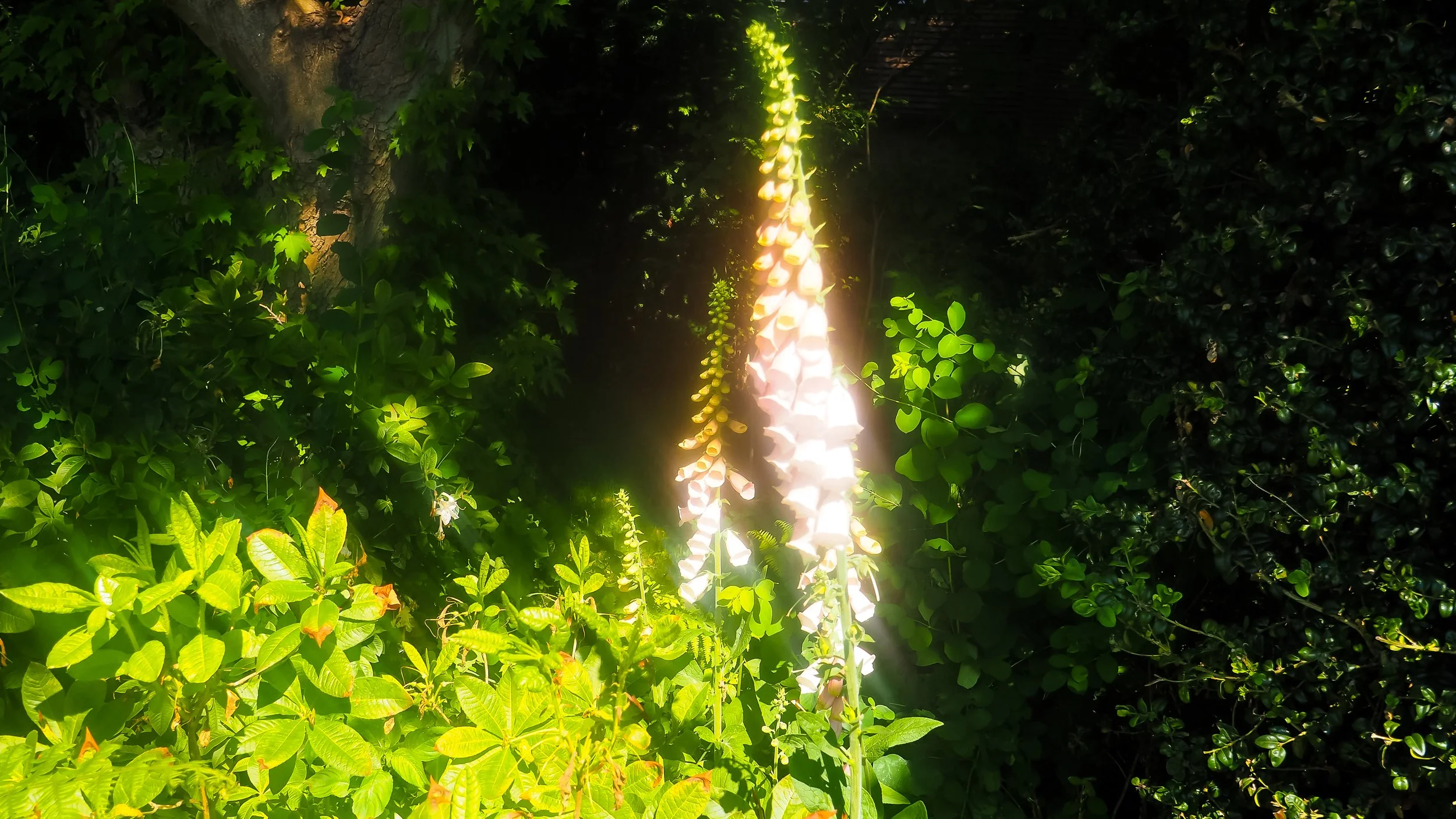
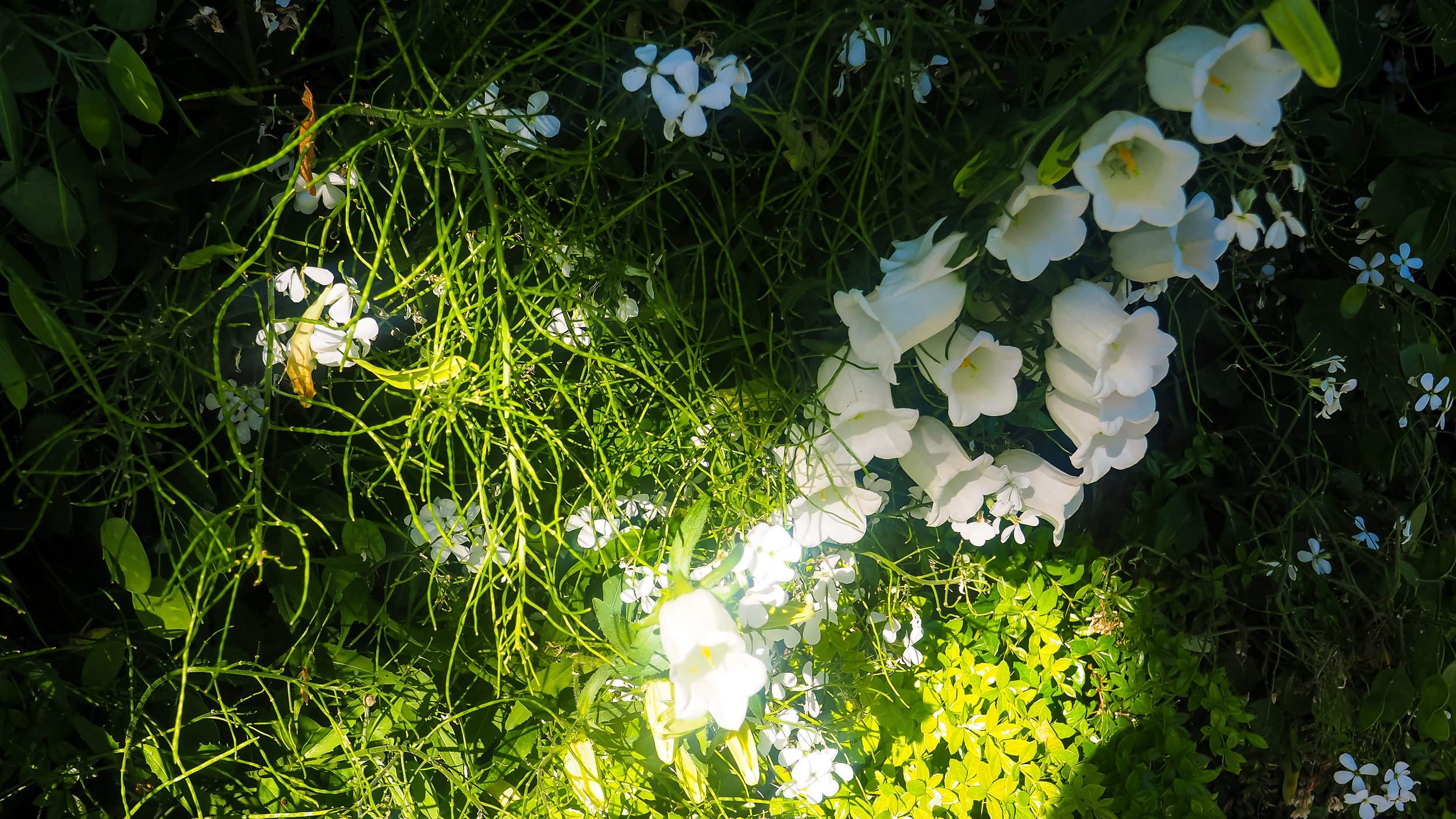
The Clos Normand: The flower garden in front of the house, filled with a diverse array of colourful blooms, including roses, tulips, and daffodils. Monet meticulously arranged the plants to create stunning color compositions.
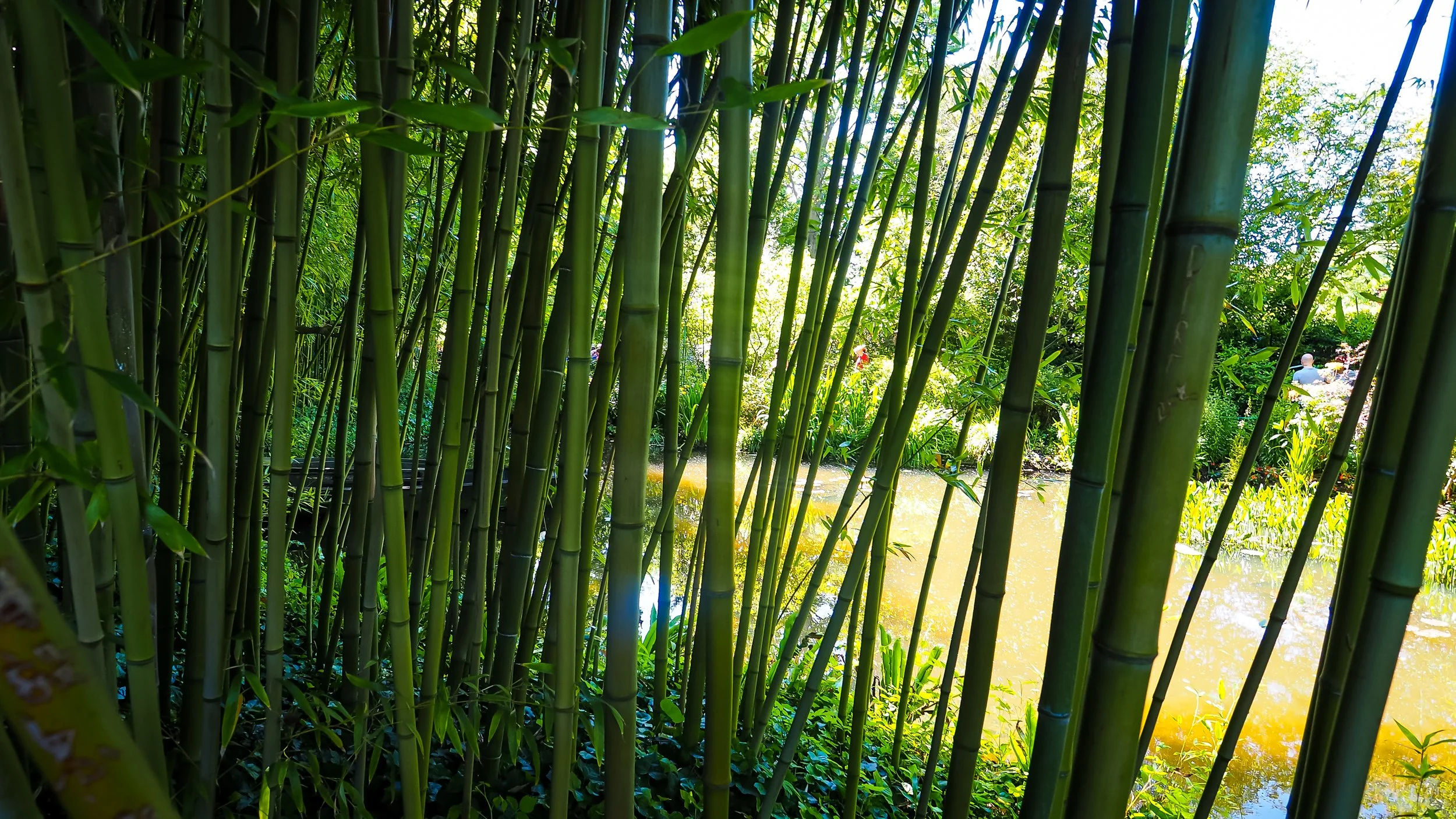
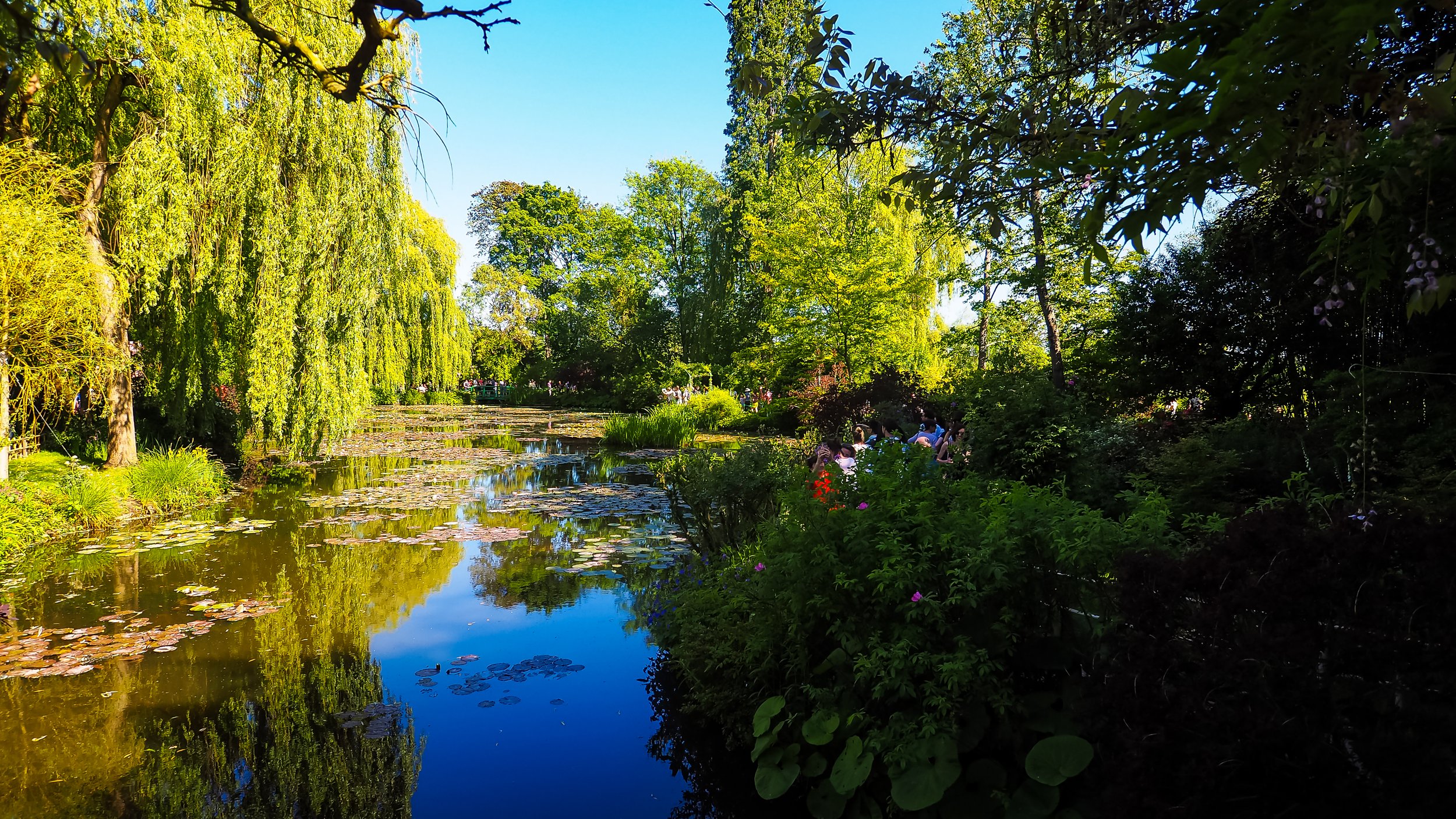
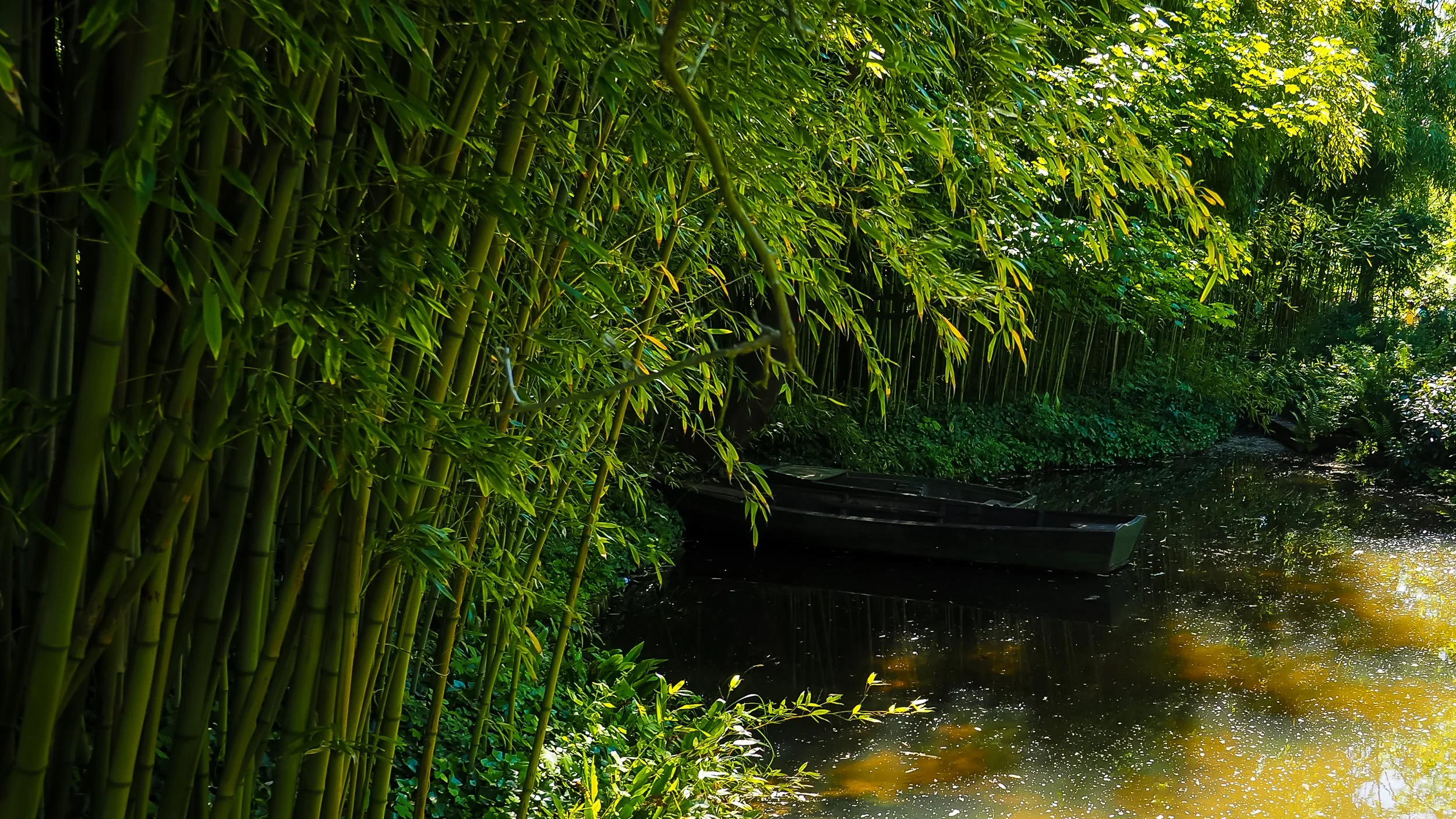
The Water Garden: The Japanese-inspired water garden, located across the road from the house, is best known for its water lilies, weeping willows, and the iconic Japanese bridge. This garden provided inspiration for some of Monet's most famous works, such as his series of Water Lilies and Japanese Bridge paintings.
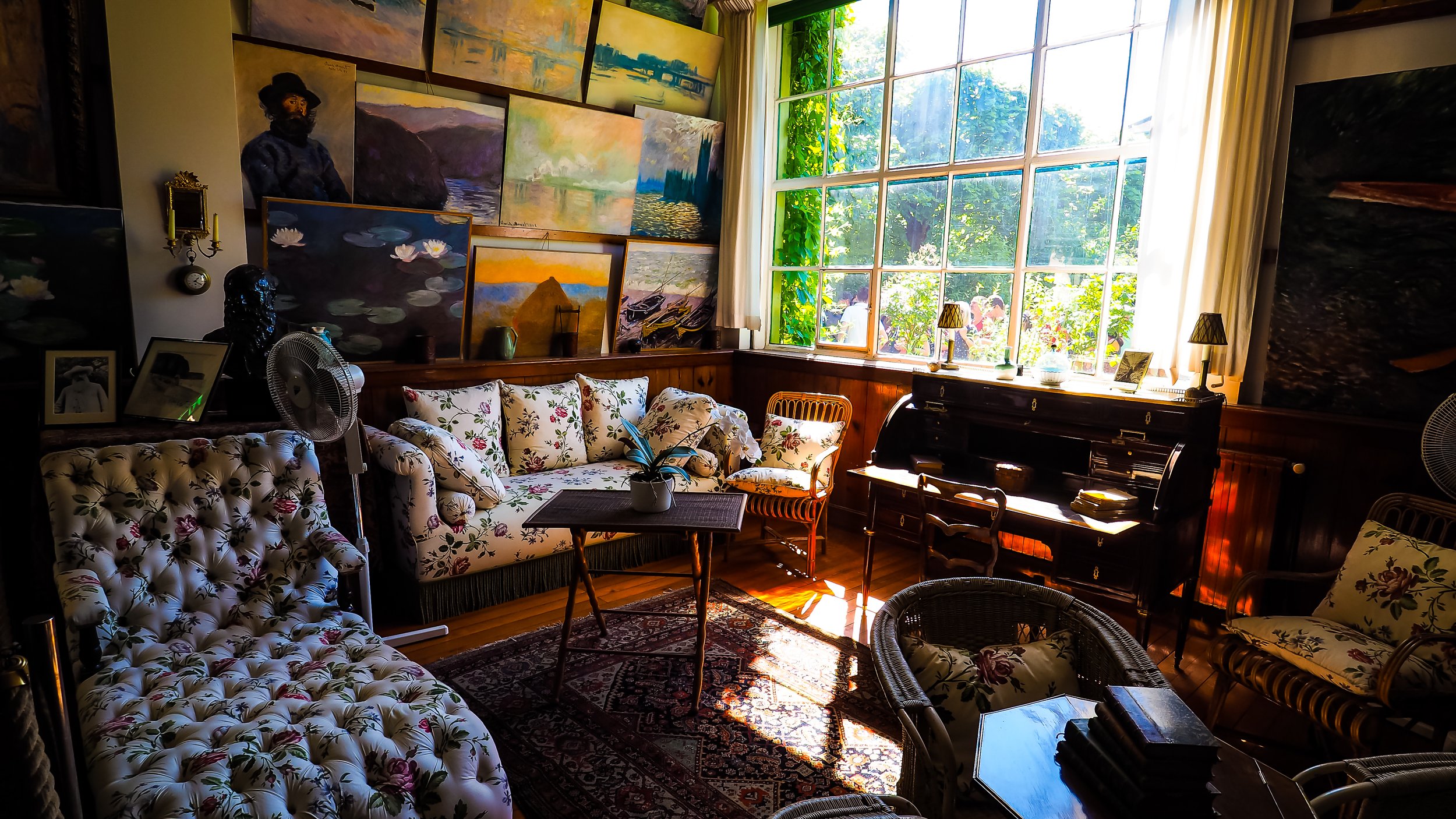
The house contains Monet’s studio, which was once his primary workspace. It is now open to the public, displaying reproductions of some of his major works. The studio was where Monet created many of his masterpieces, inspired by the surrounding natural beauty.
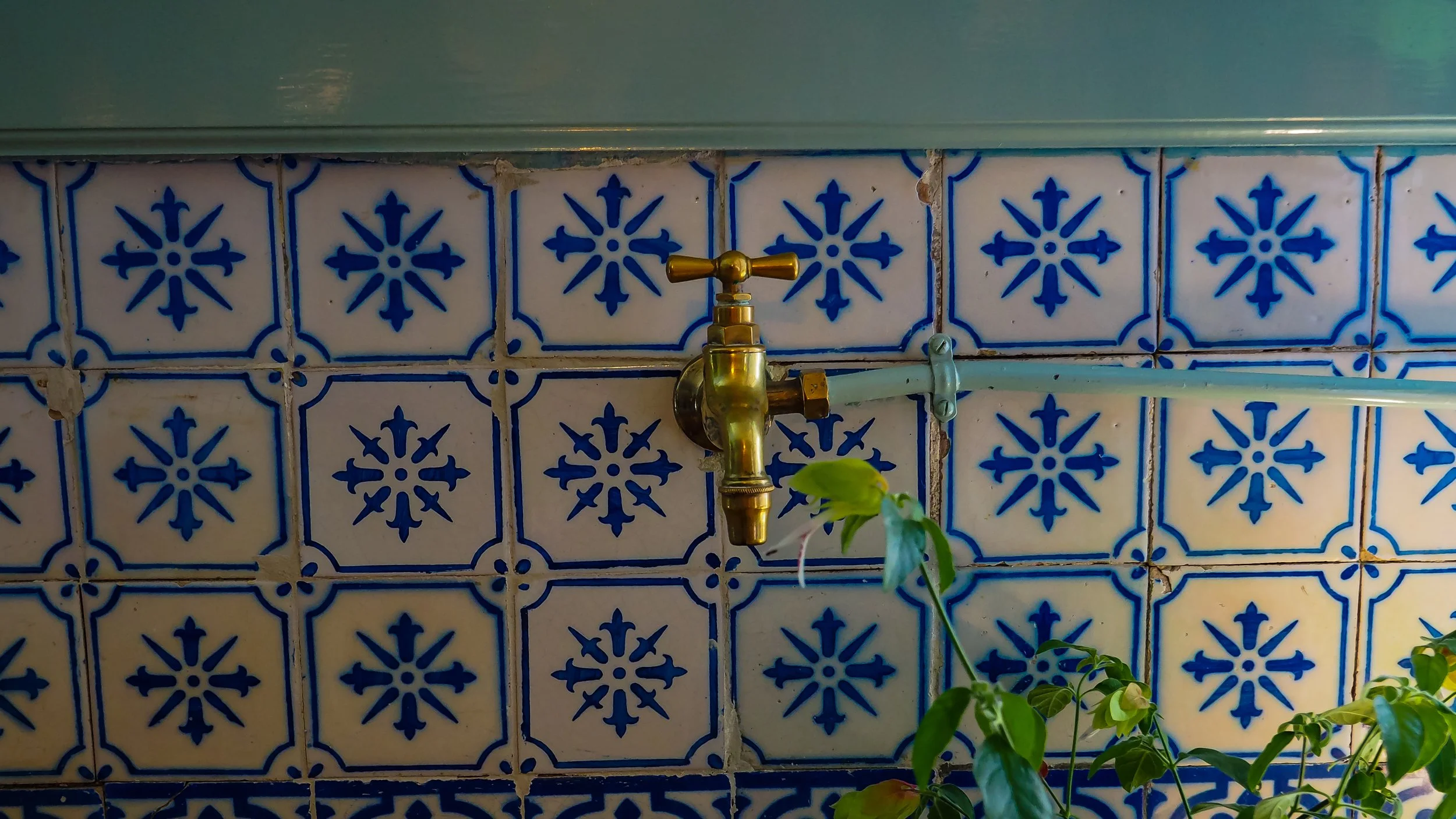
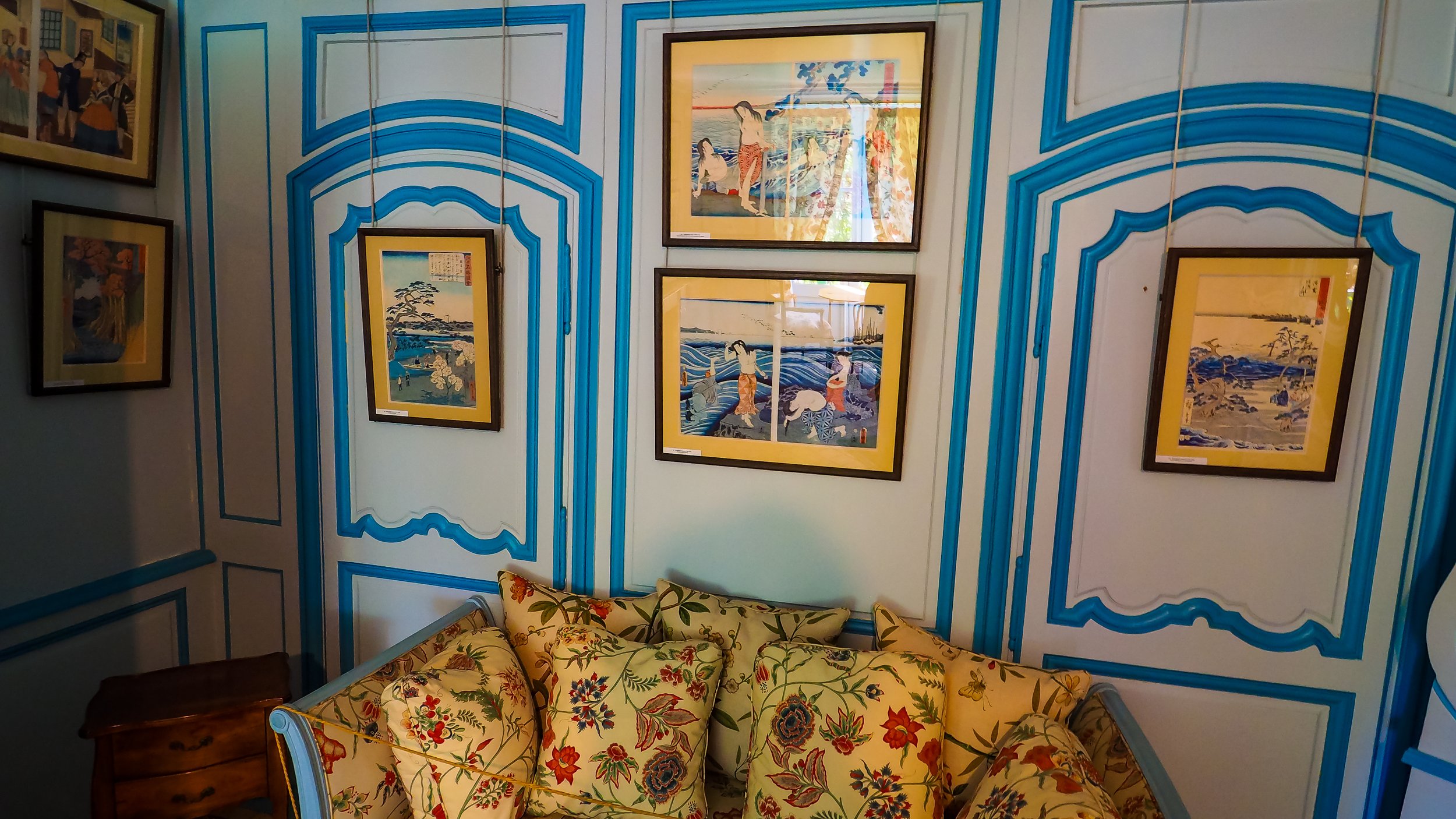
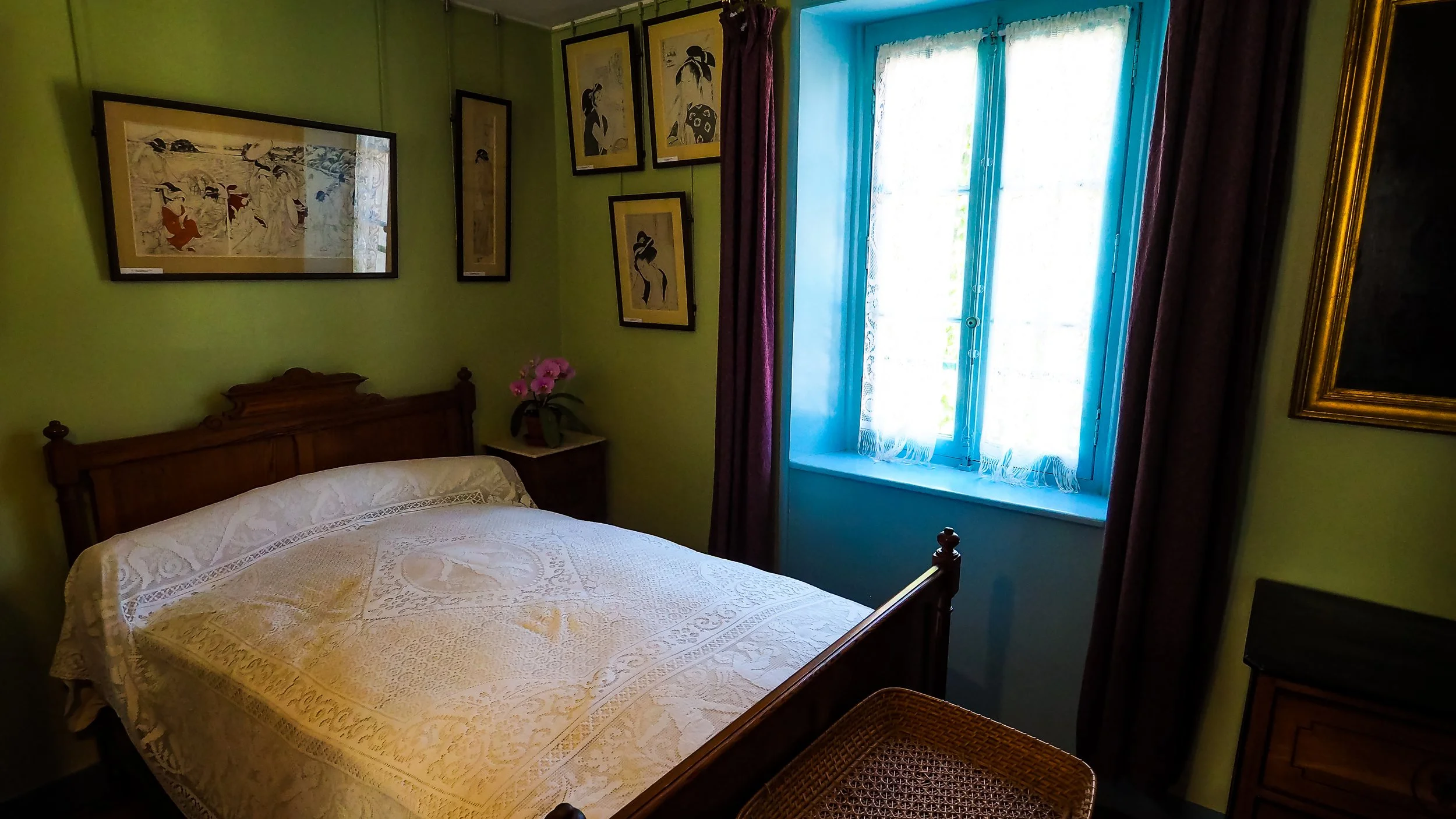
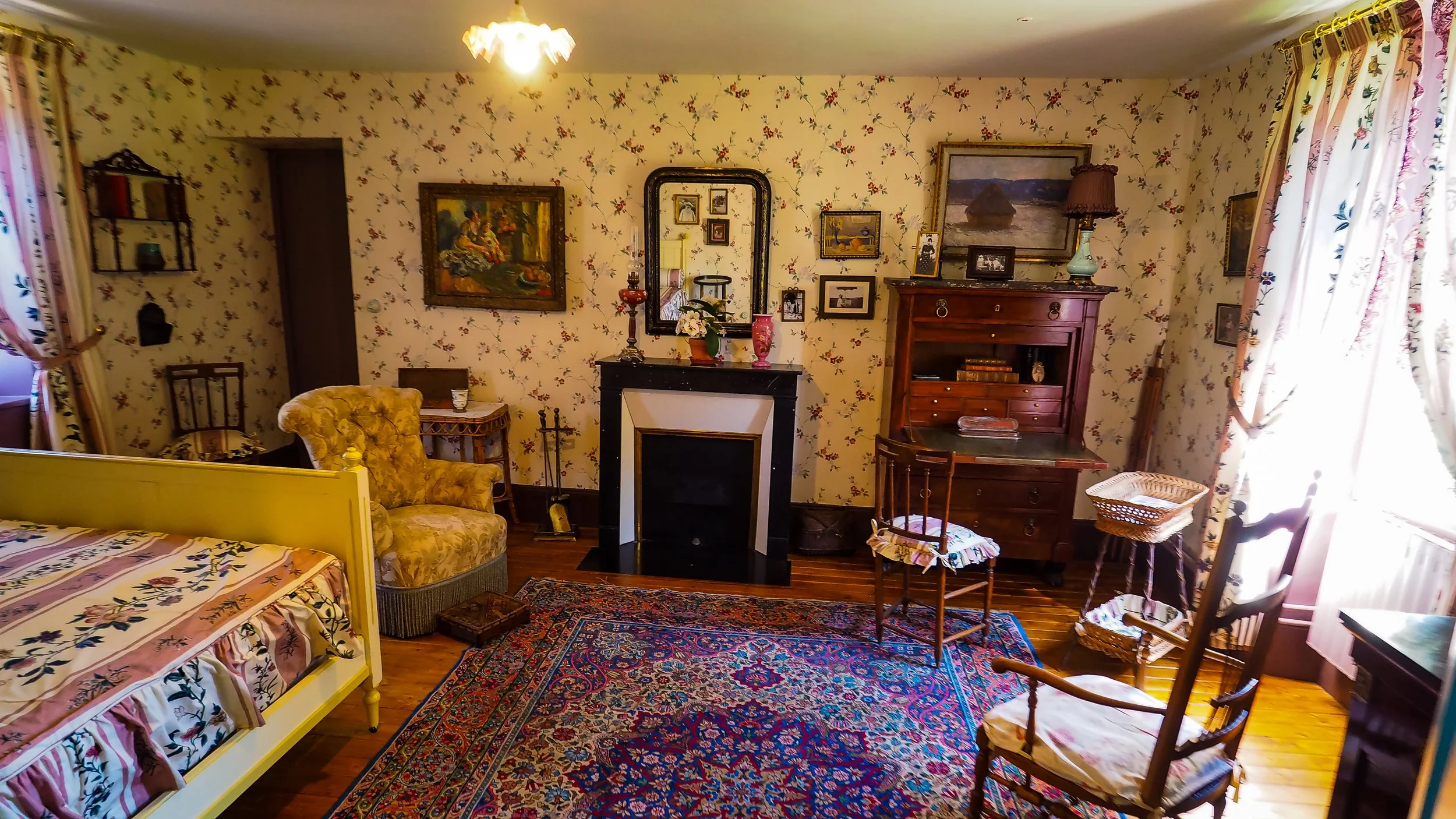
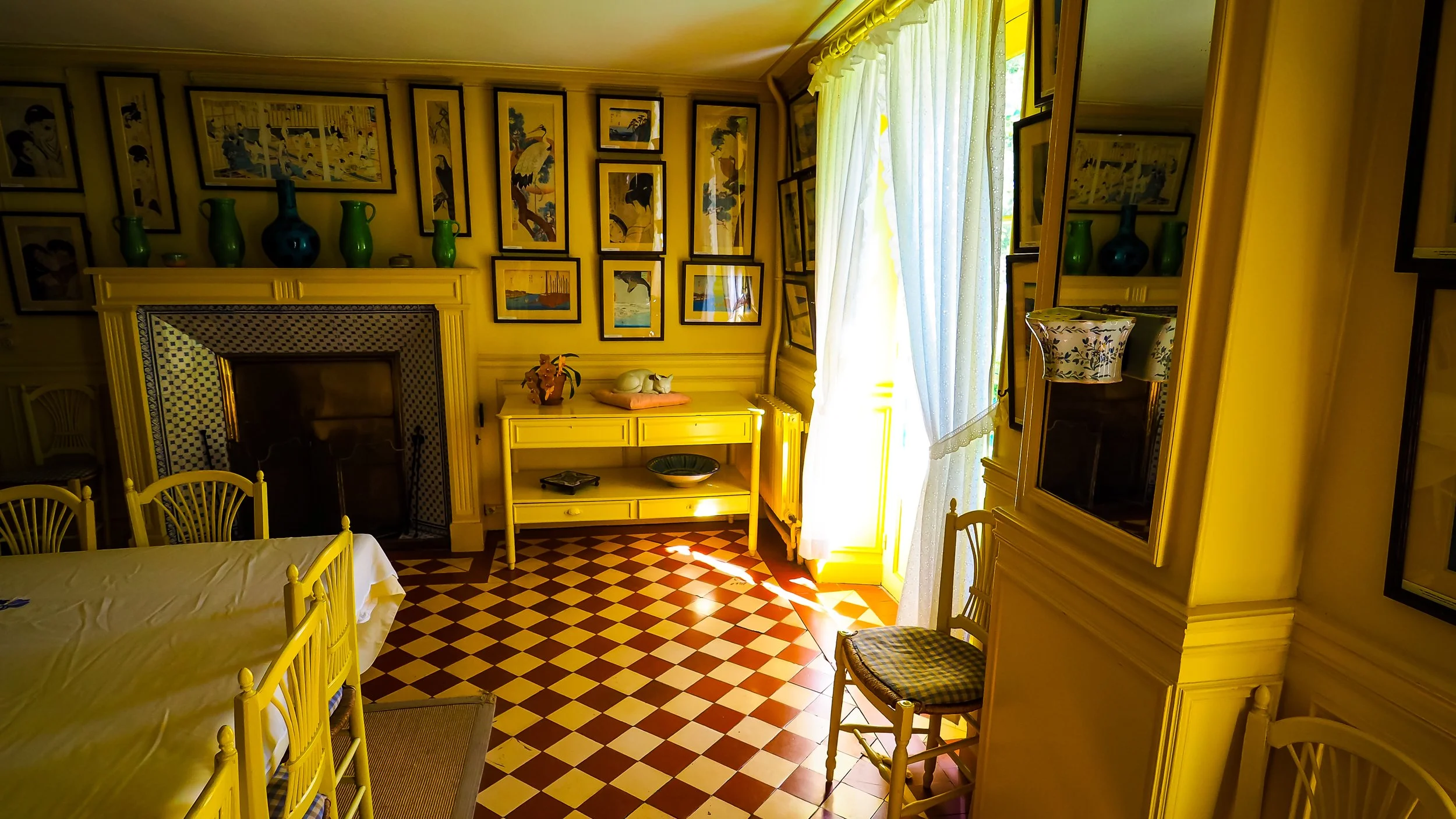
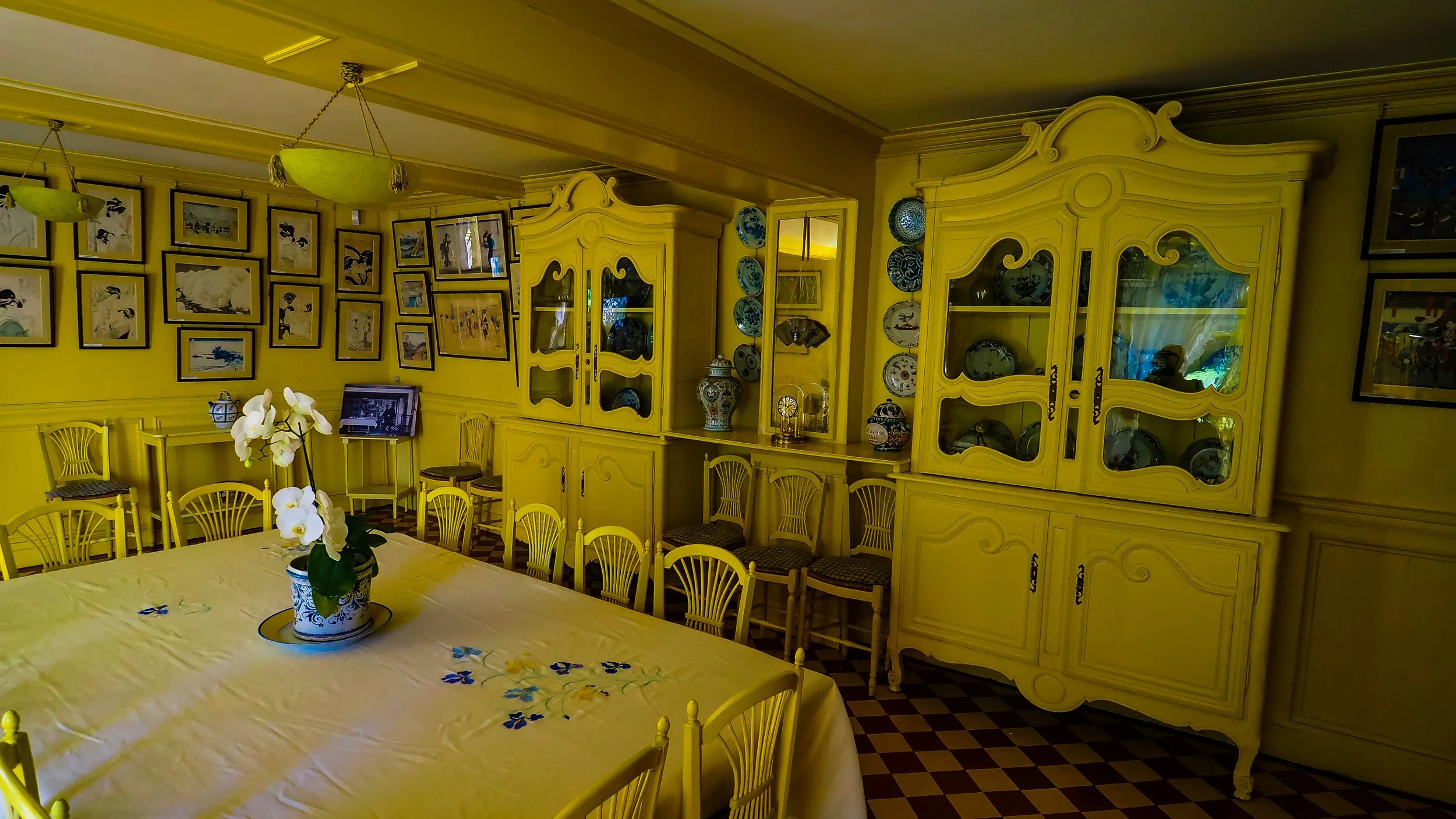
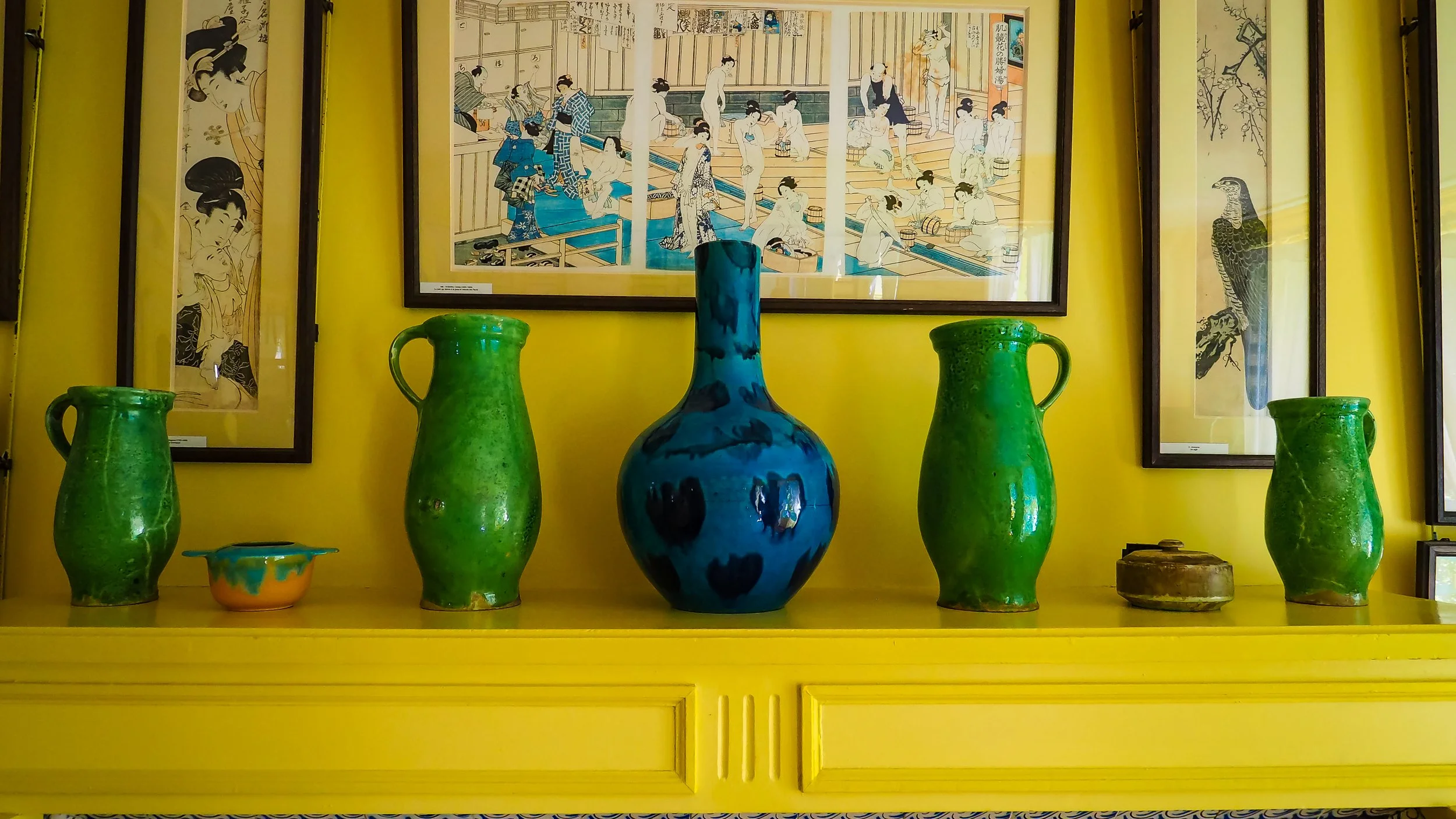
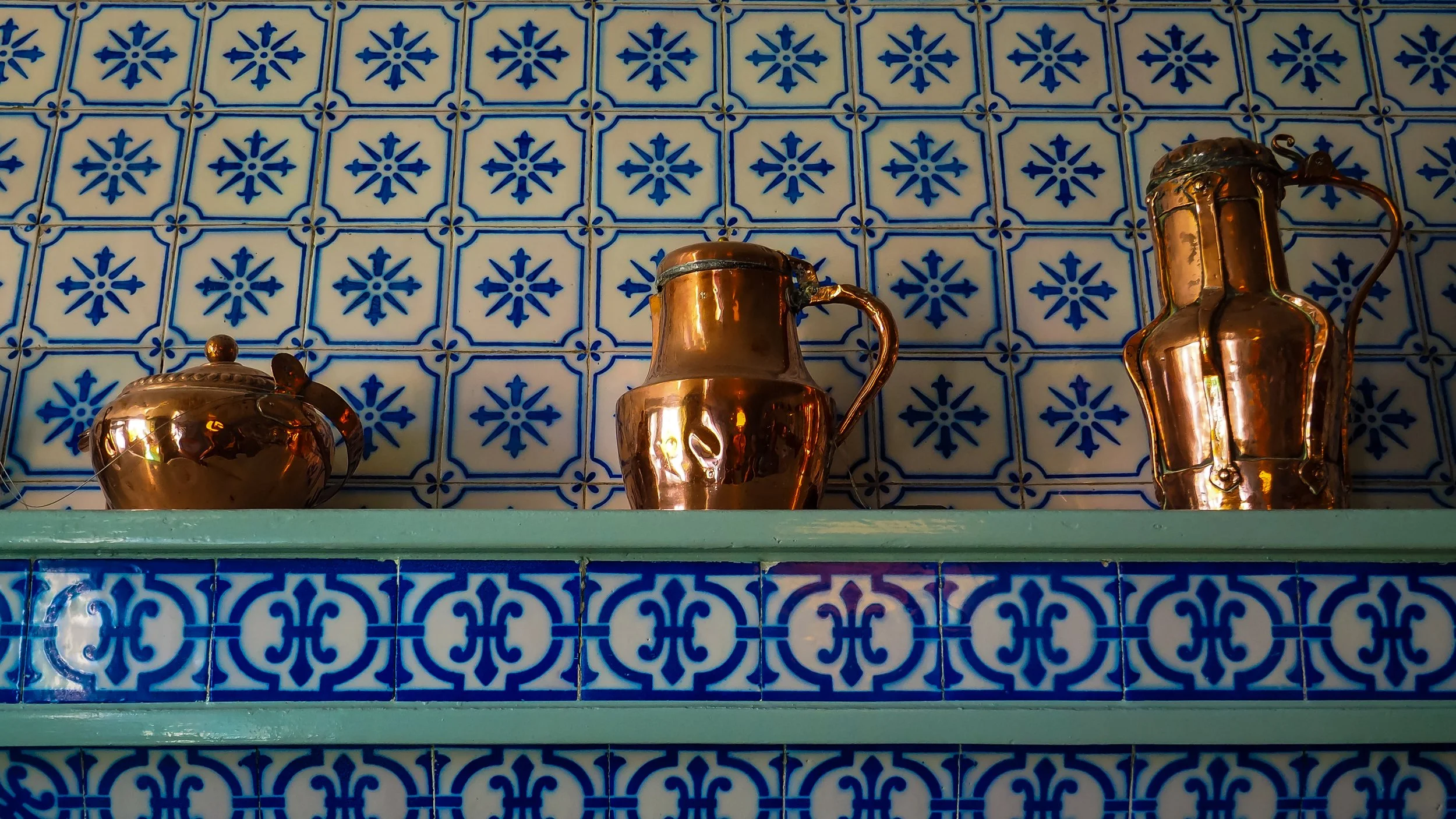
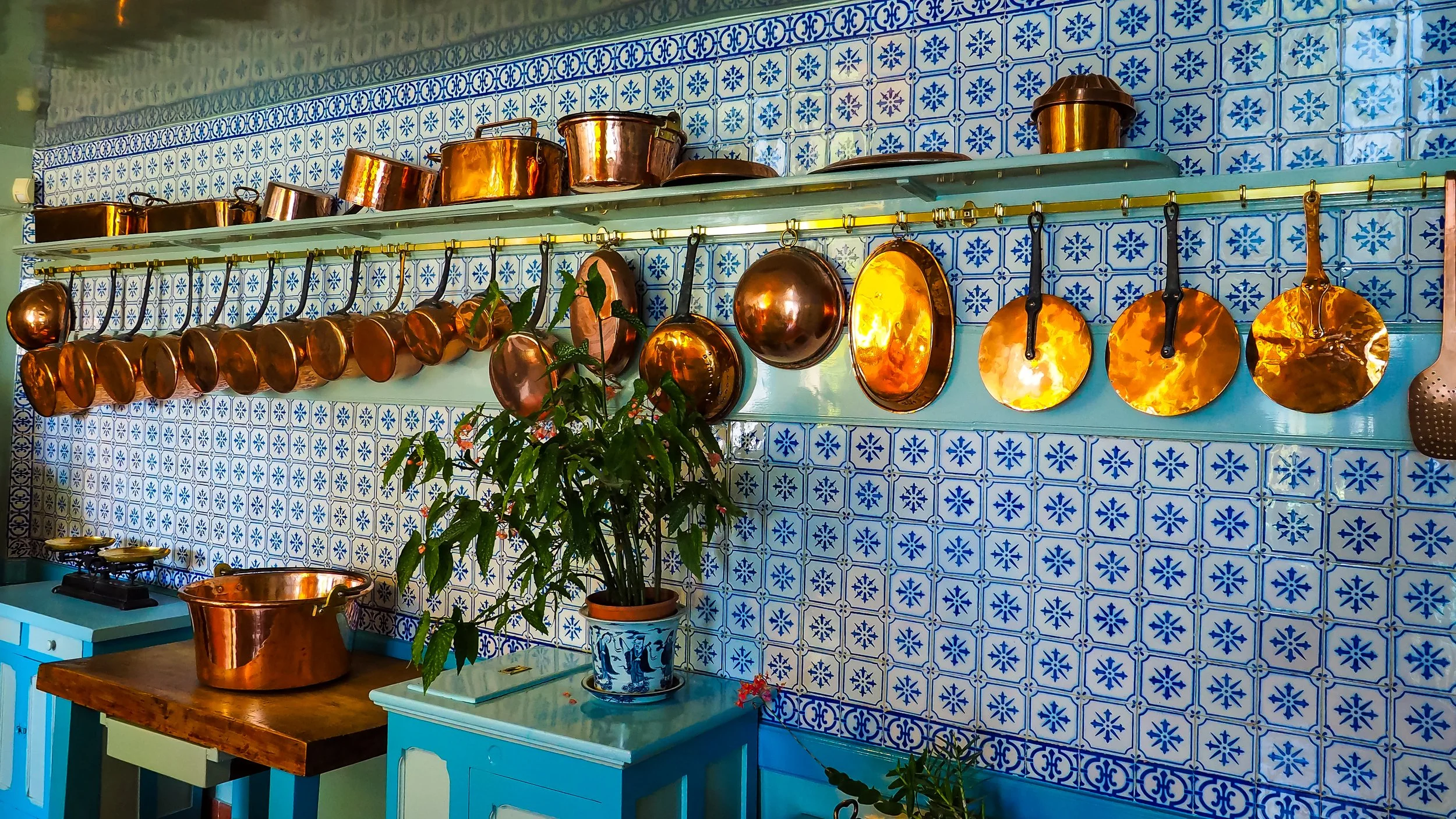
The interior of the house is also a reflection of Monet’s tastes. It is famous for its vibrant colours: the kitchen is a striking blue, and the dining room is painted in bold yellow. The house is filled with Monet's collection of Japanese prints, which had a profound influence on his work.
Giverny became Monet's primary source of inspiration during his later years. He spent years observing and painting the changing light and seasons in his gardens. The serene atmosphere of Giverny, combined with the carefully crafted water garden, helped shape his later works, particularly his large-scale water lily paintings, now considered masterpieces of Impressionism.
Today, Monet’s house and gardens have been meticulously restored and are maintained as a museum, attracting thousands of visitors each year. The Fondation Claude Monet manages the property, offering a glimpse into the life and creative world of one of the most celebrated artists of the 19th and early 20th centuries.