



New Zealand-South Island
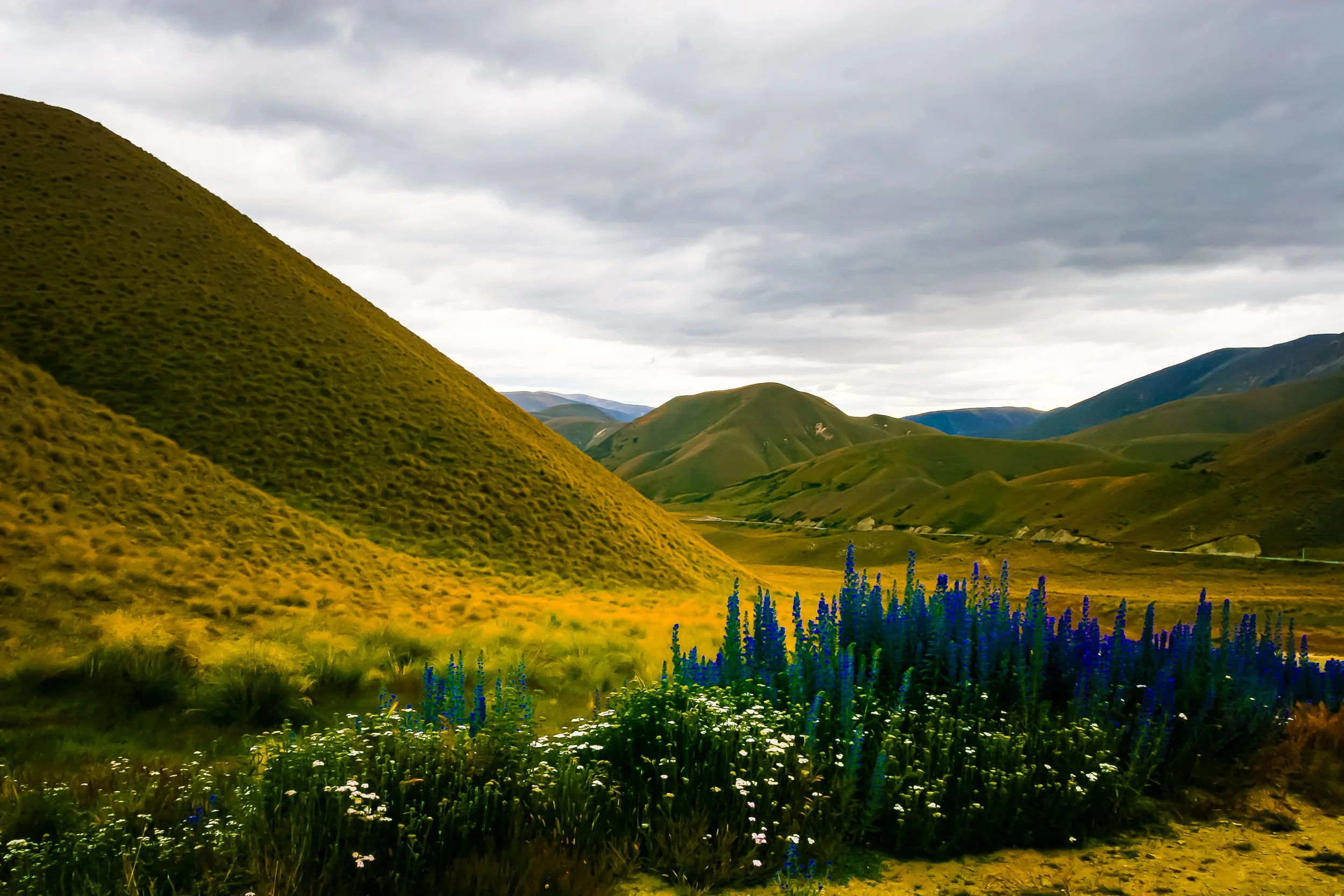
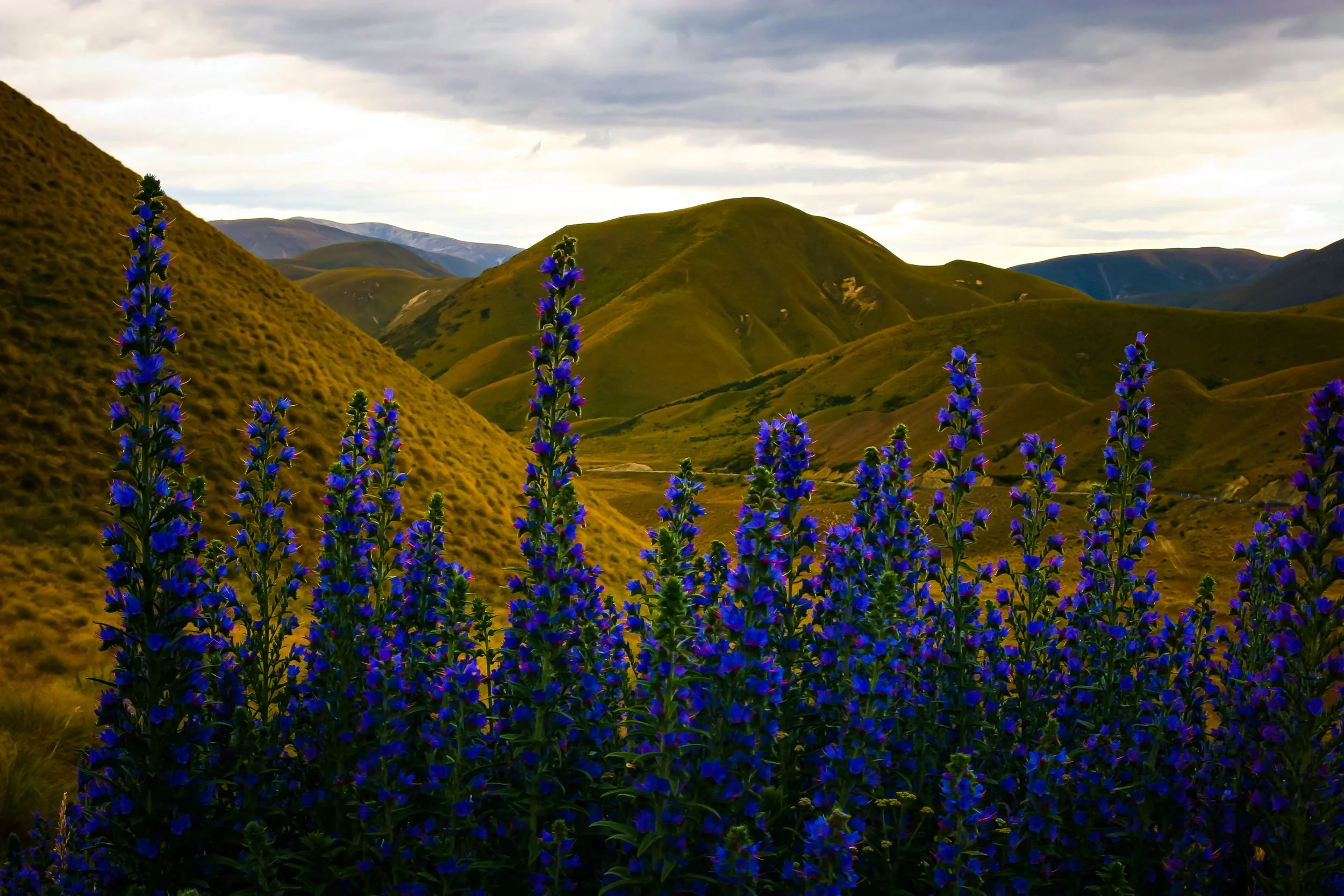
New Zealand’s South Island, known in Māori as Te Waipounamu, is a region celebrated for its dramatic landscapes, deep cultural roots, and powerful sense of natural grandeur. Larger yet less populated than the North Island, it offers some of the most striking and diverse scenery in the Southern Hemisphere. From the rugged spine of the Southern Alps to the tranquil bays of the Marlborough Sounds, the island’s geography has shaped both its history and its identity.
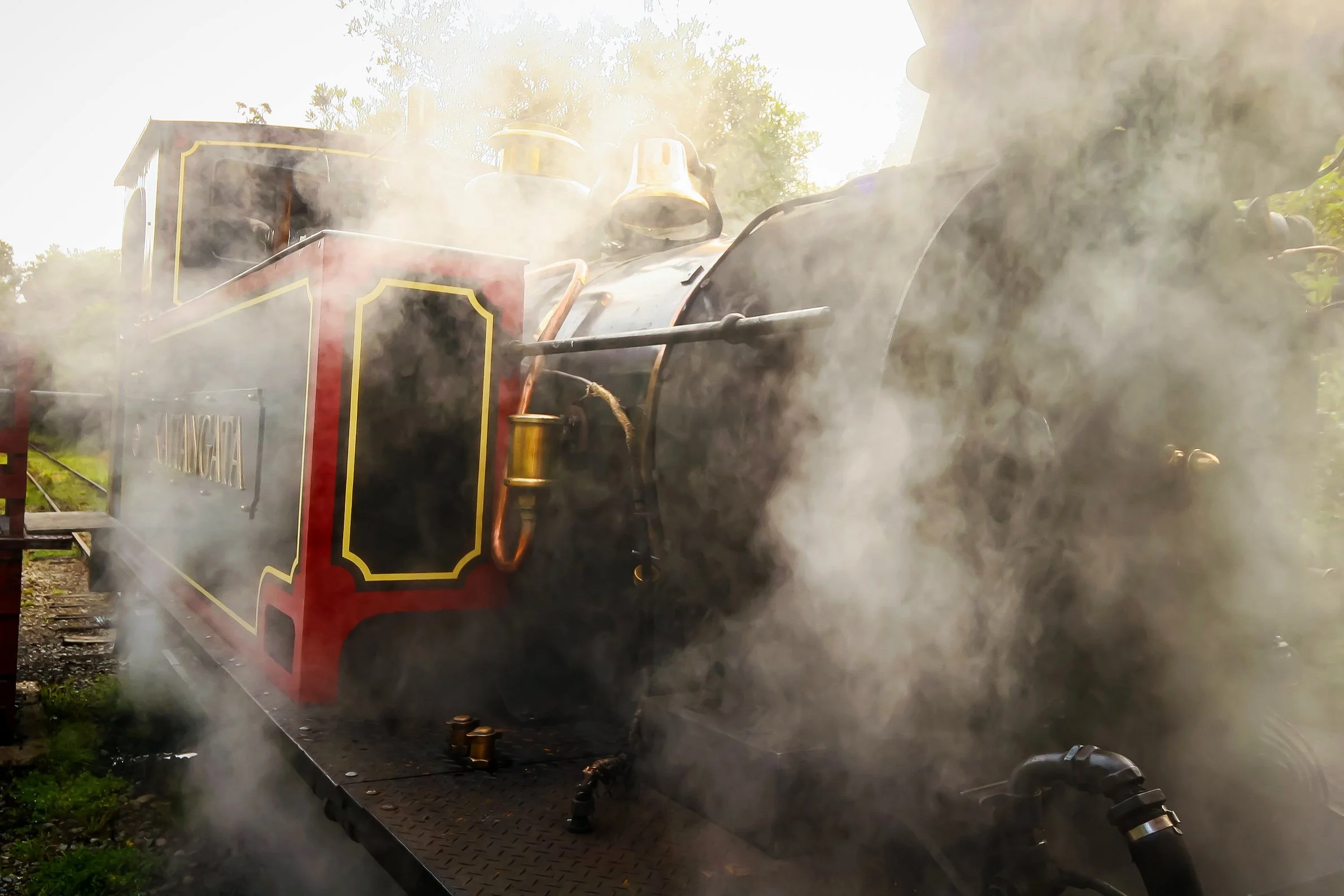
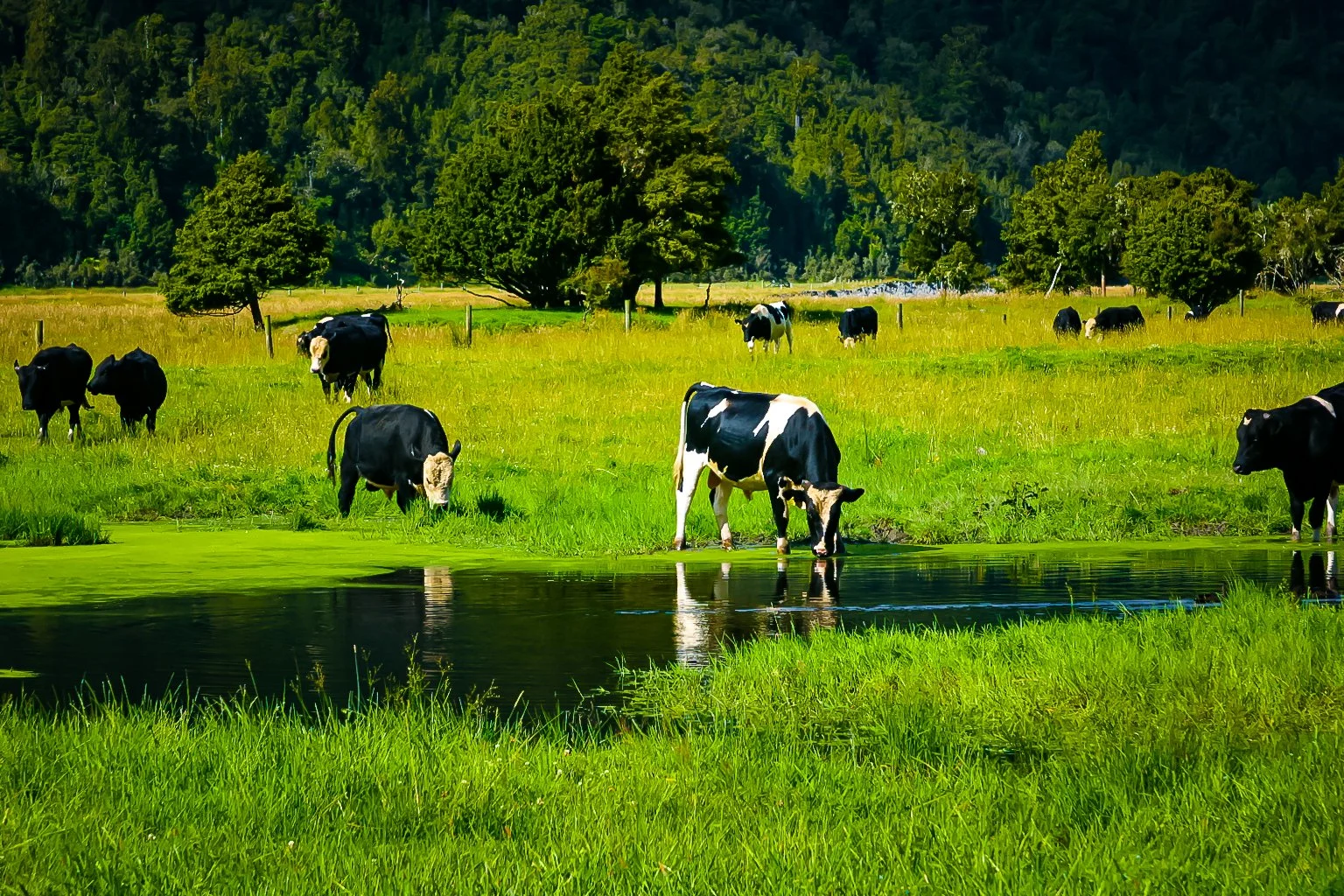
The South Island’s cultural narrative begins with Māori exploration and settlement, particularly by the Ngāi Tahu people, whose traditions remain deeply connected to the land, its waterways, and its natural resources. European arrival in the 19th century brought whaling stations, gold rushes, and later extensive pastoral farming, all of which left enduring marks on local communities and landscapes. Today, the island’s towns—from coastal settlements to alpine villages—reflect a blend of Māori heritage and European influence.
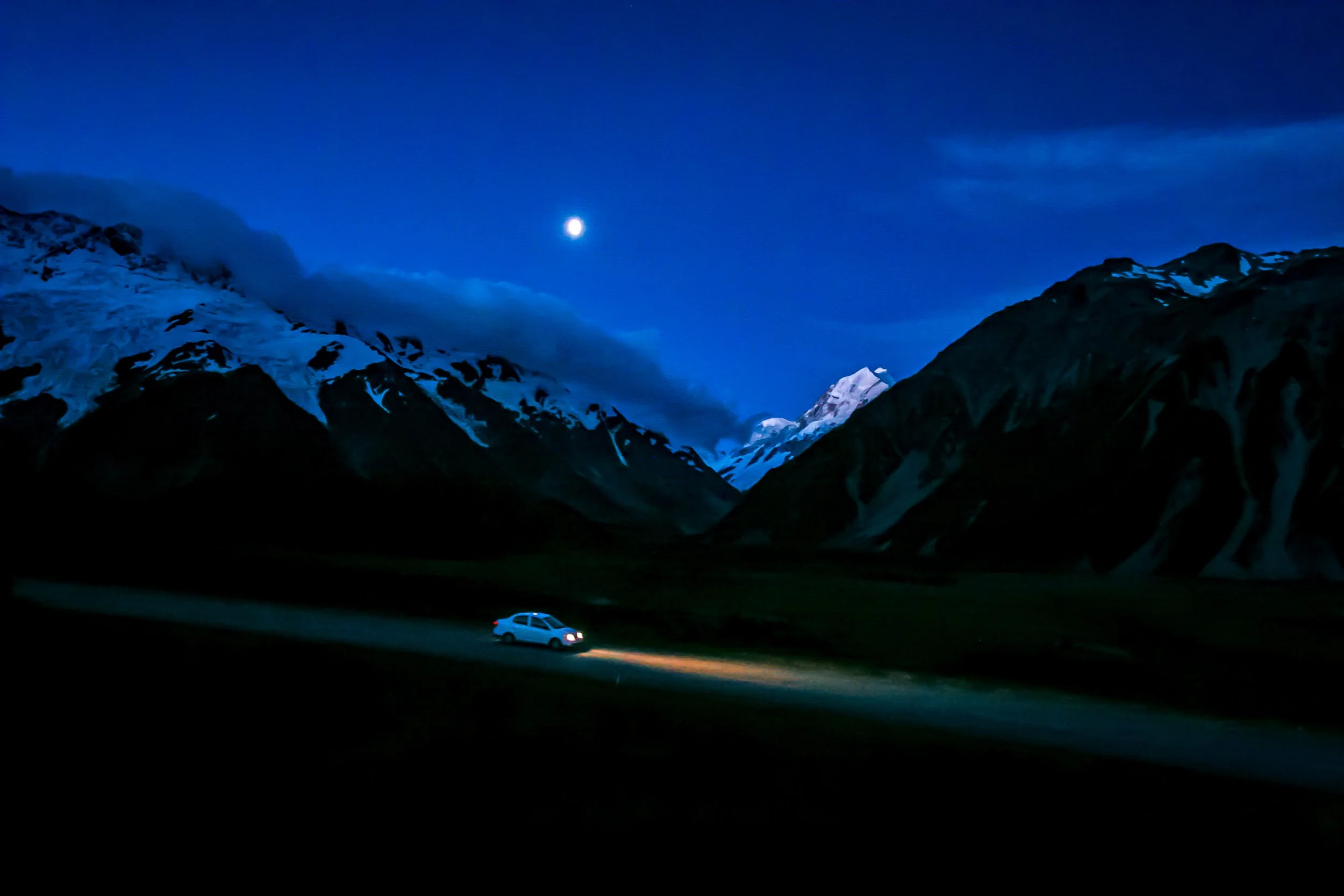
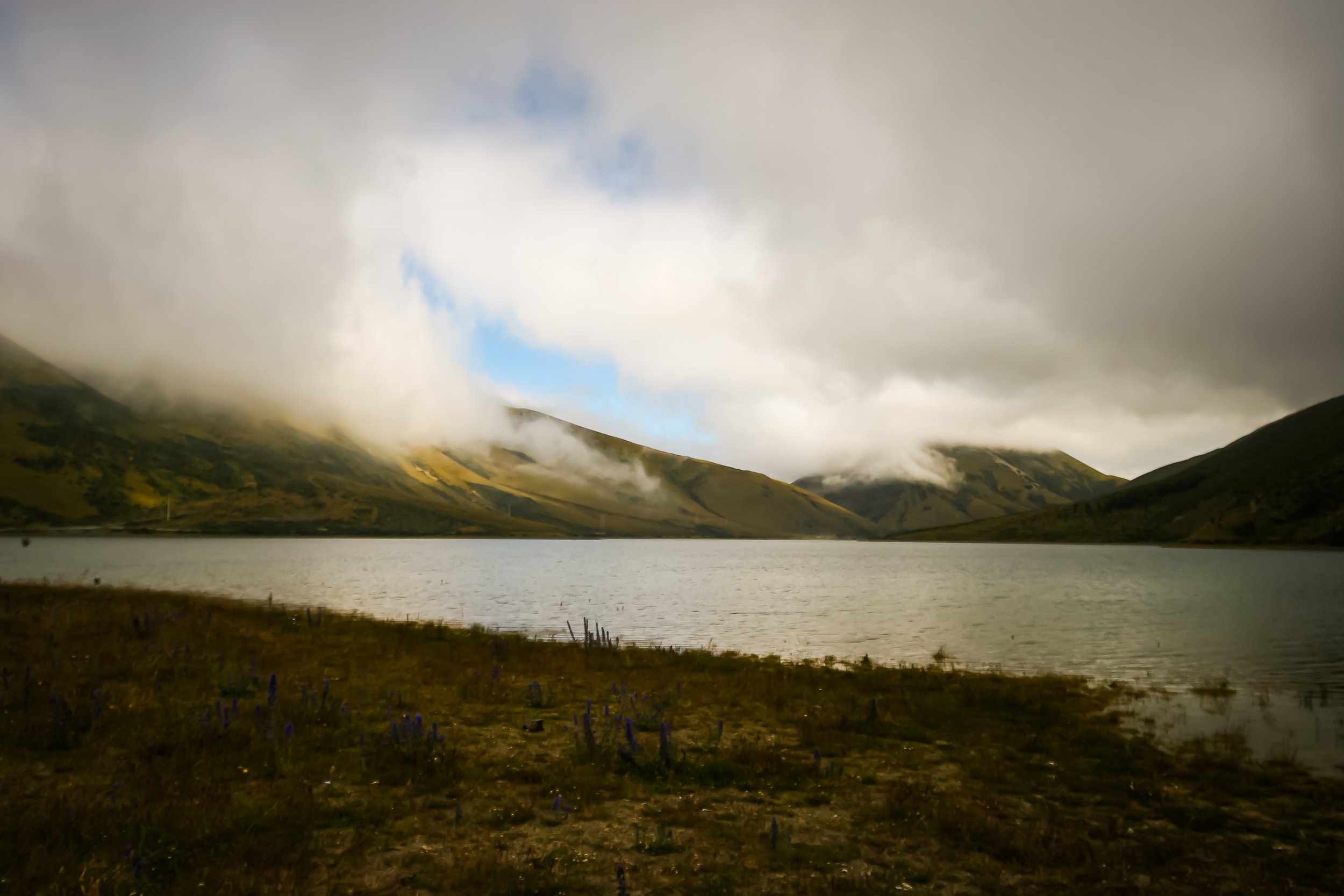
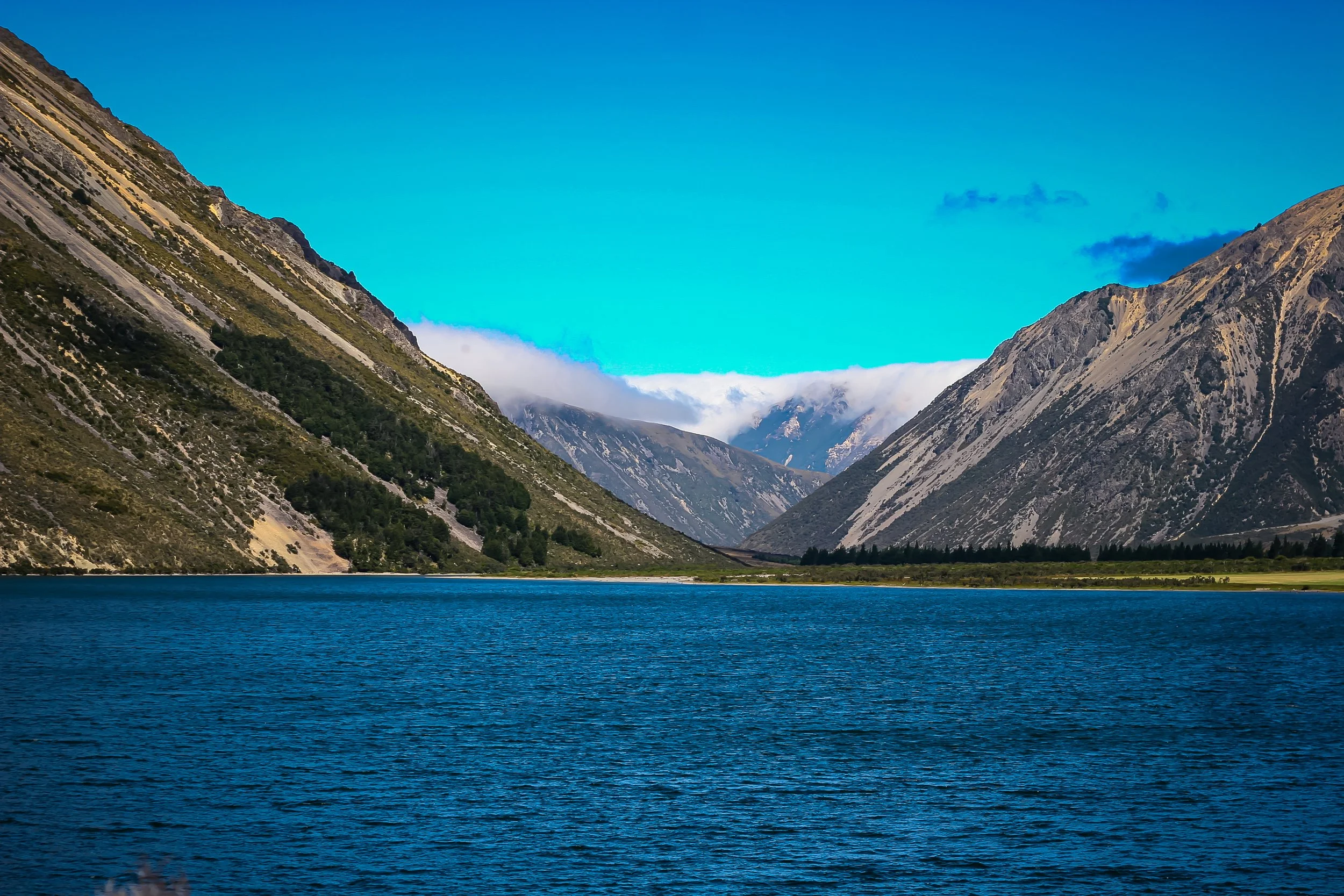
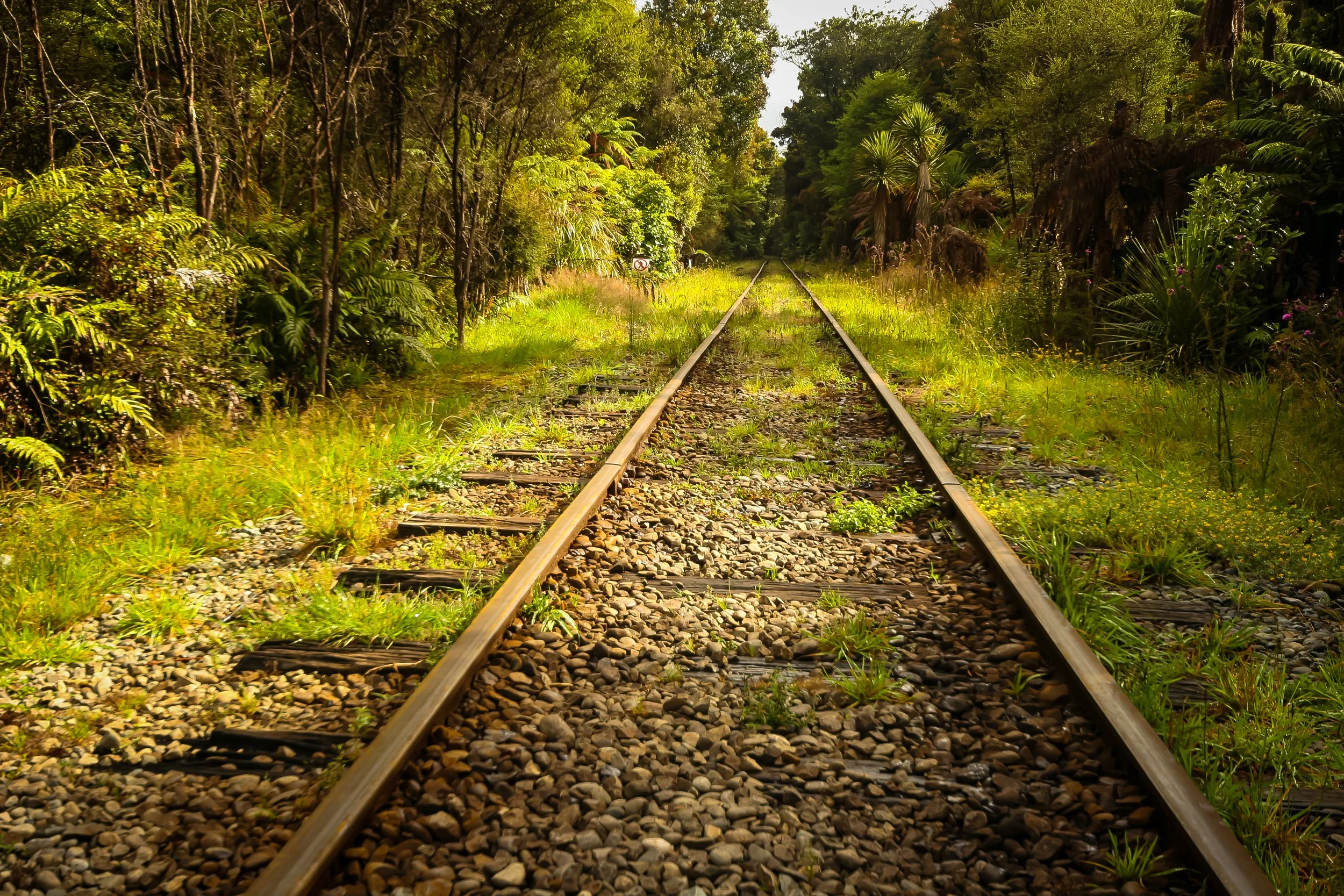
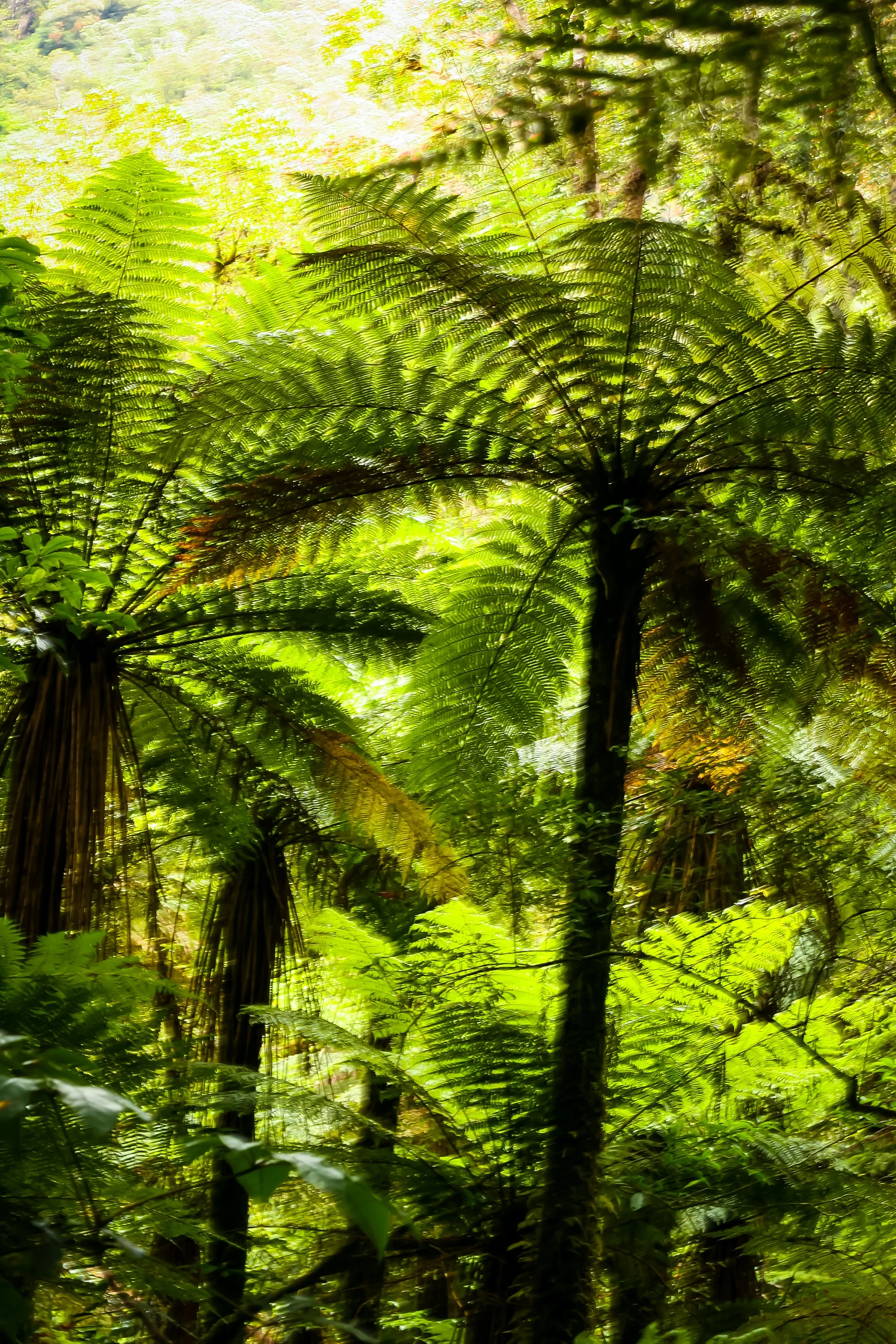
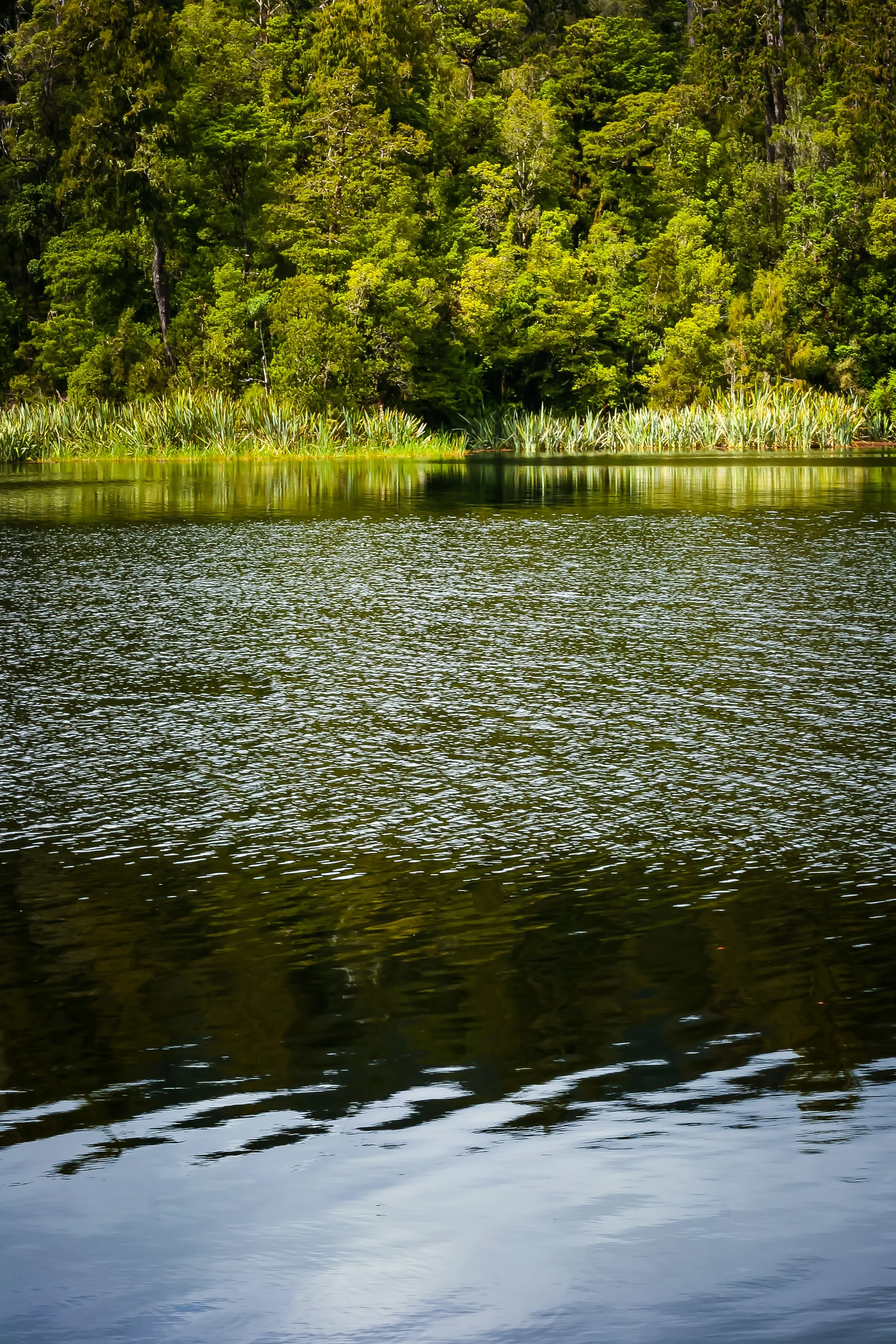
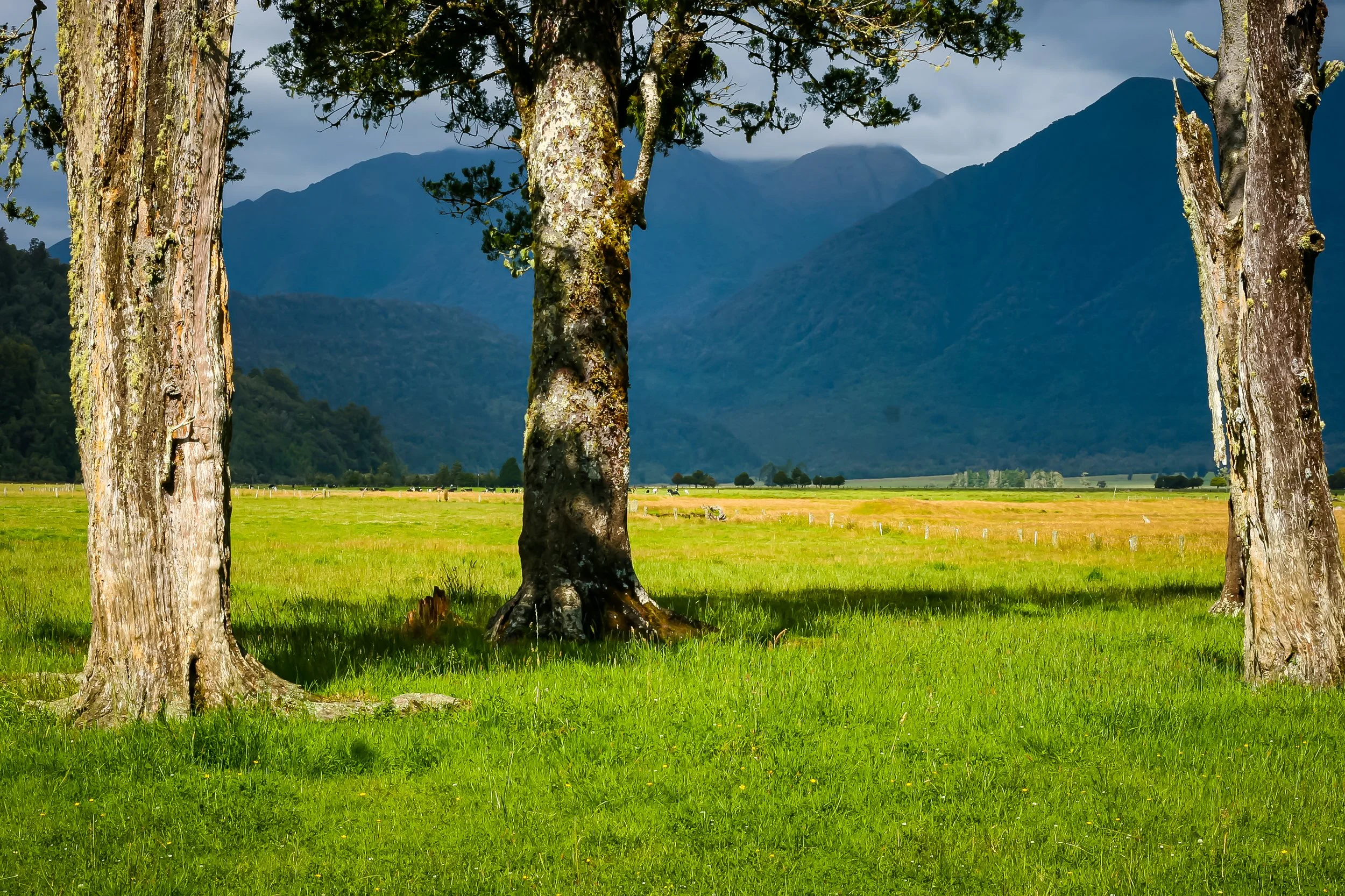
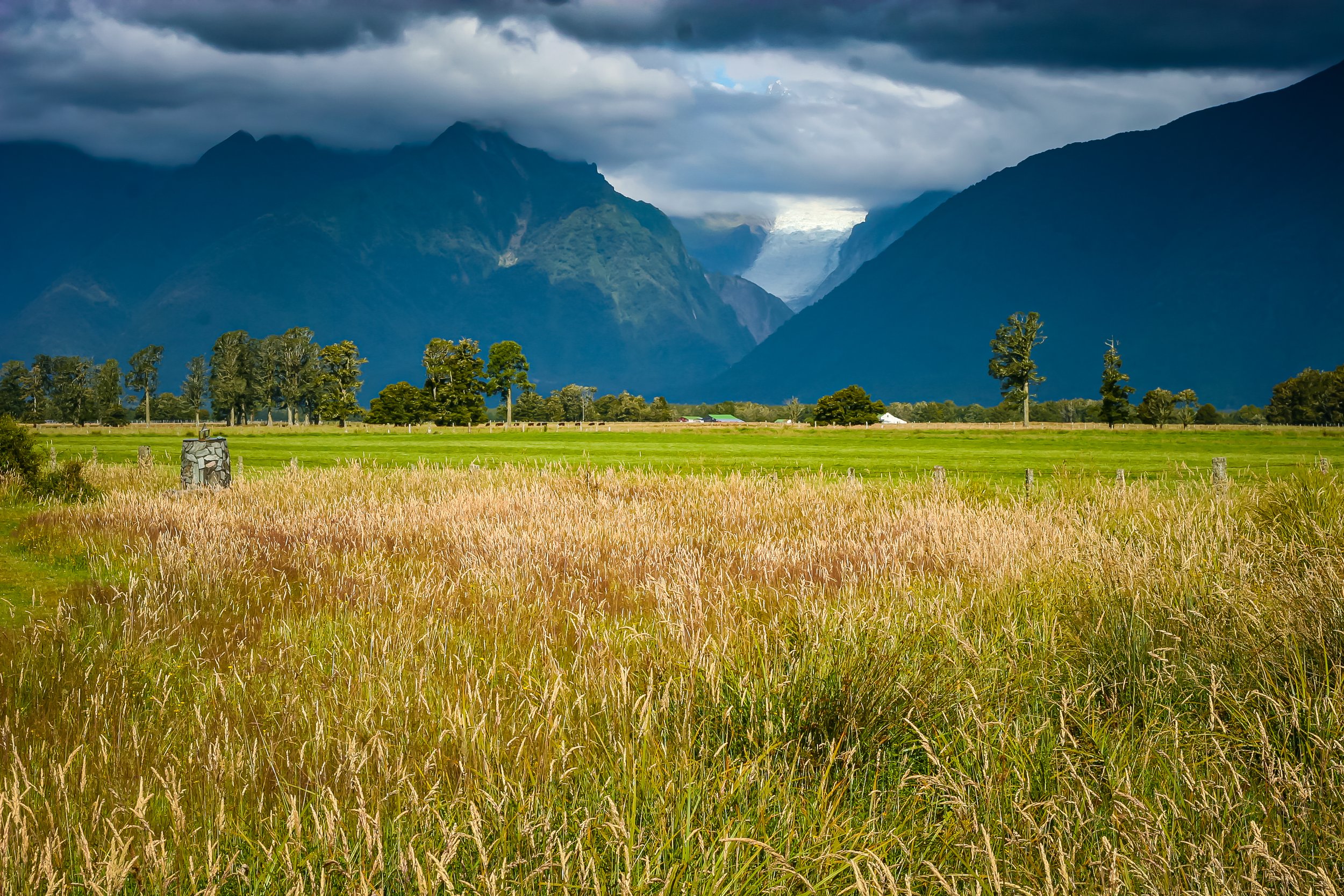
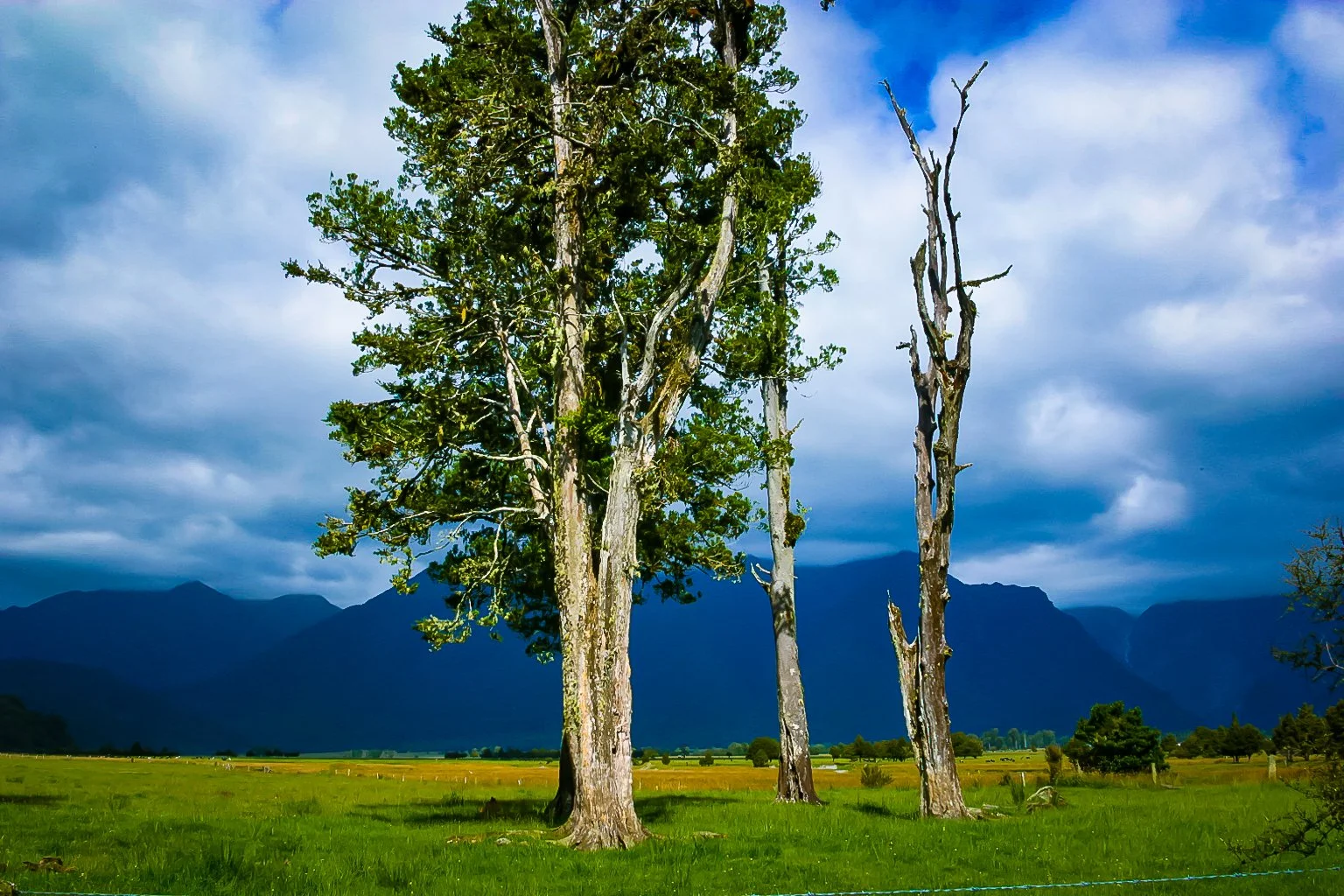
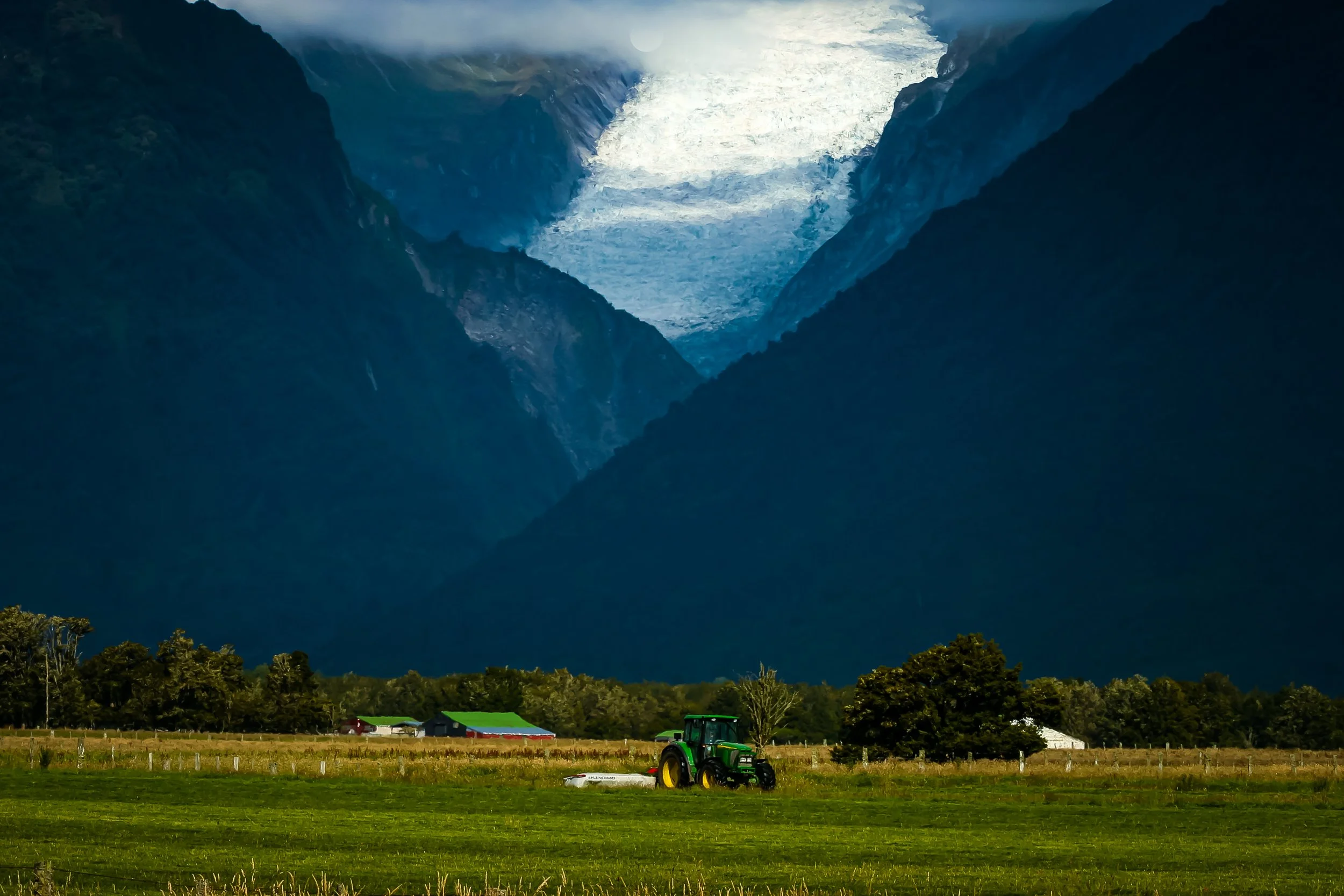
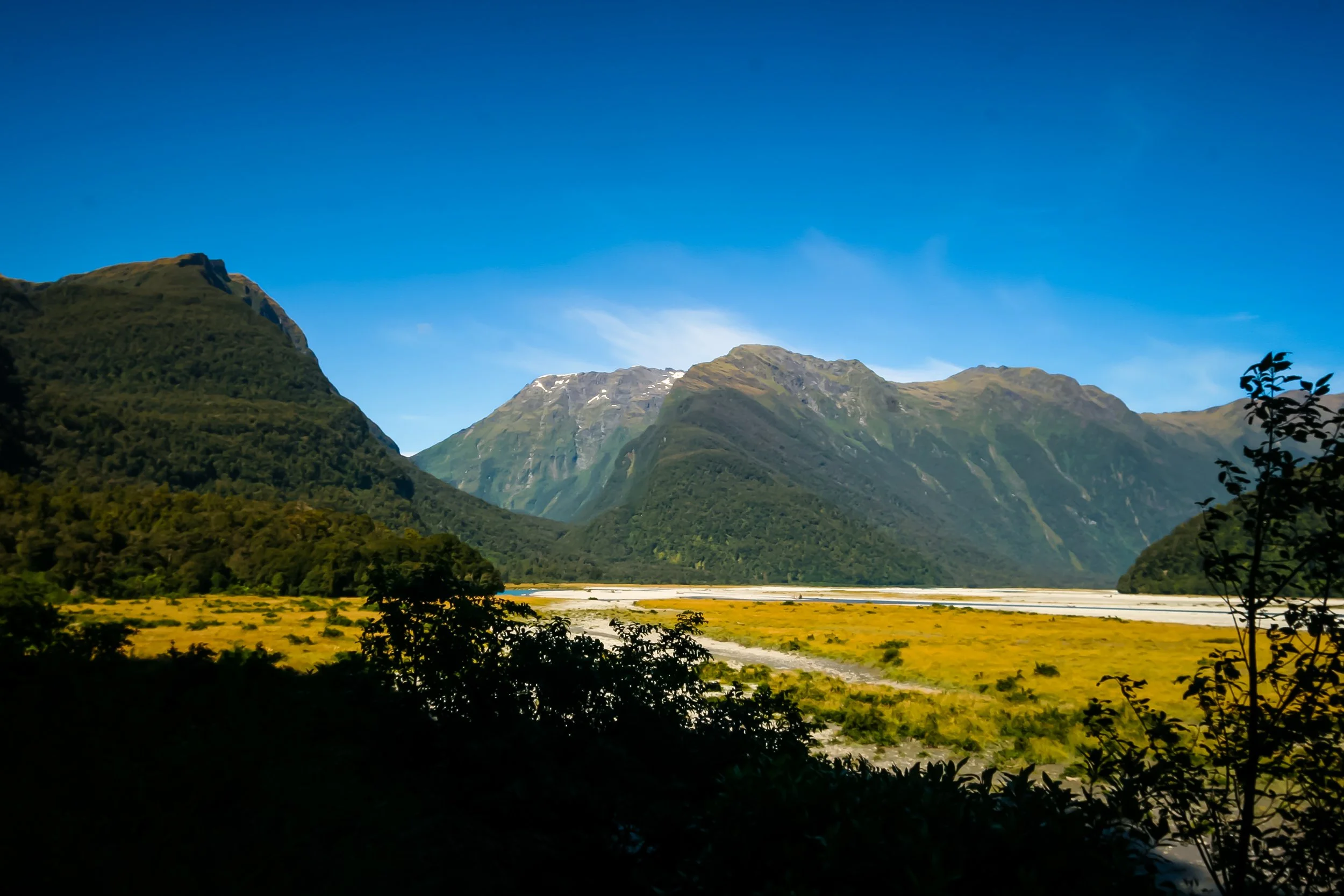
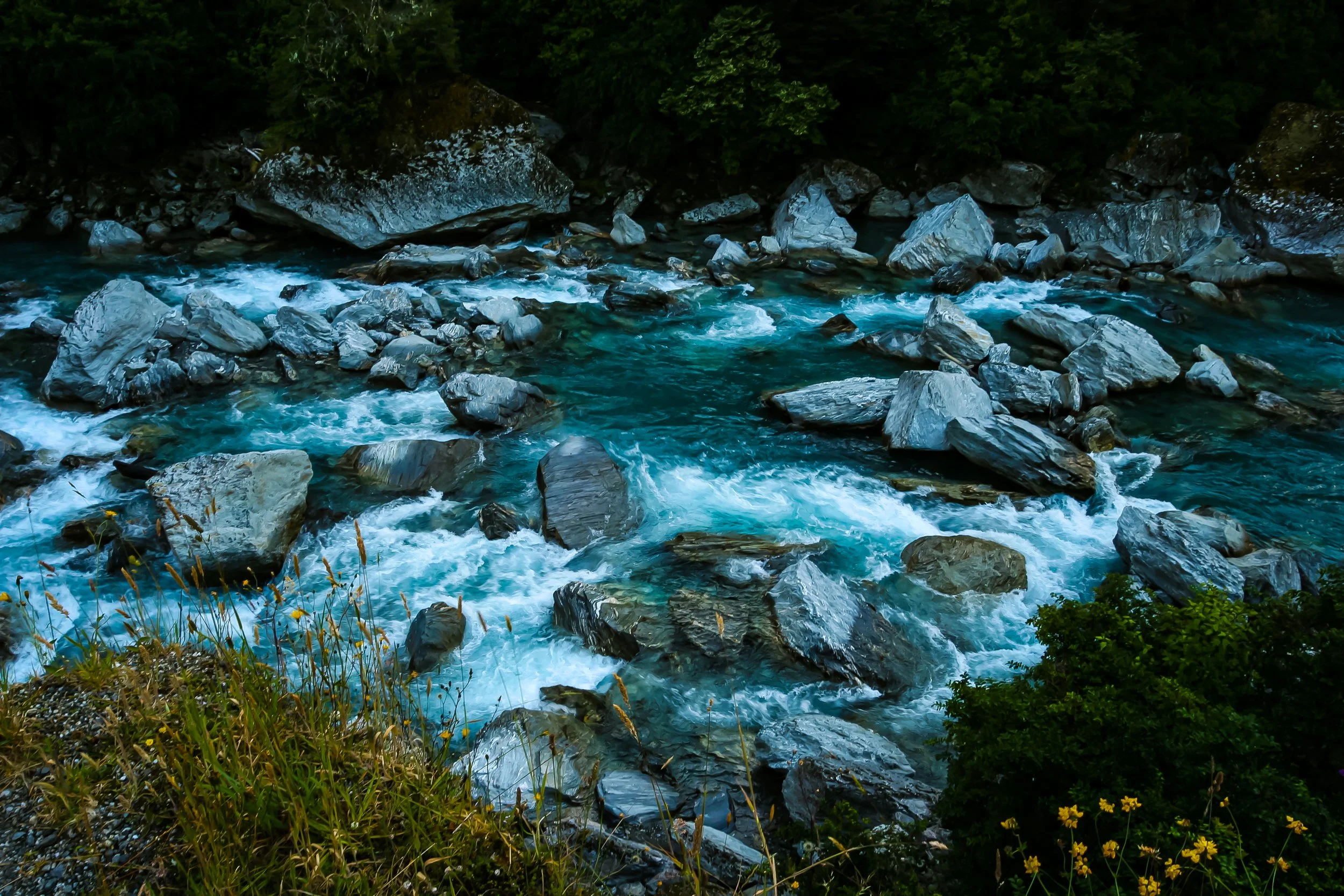
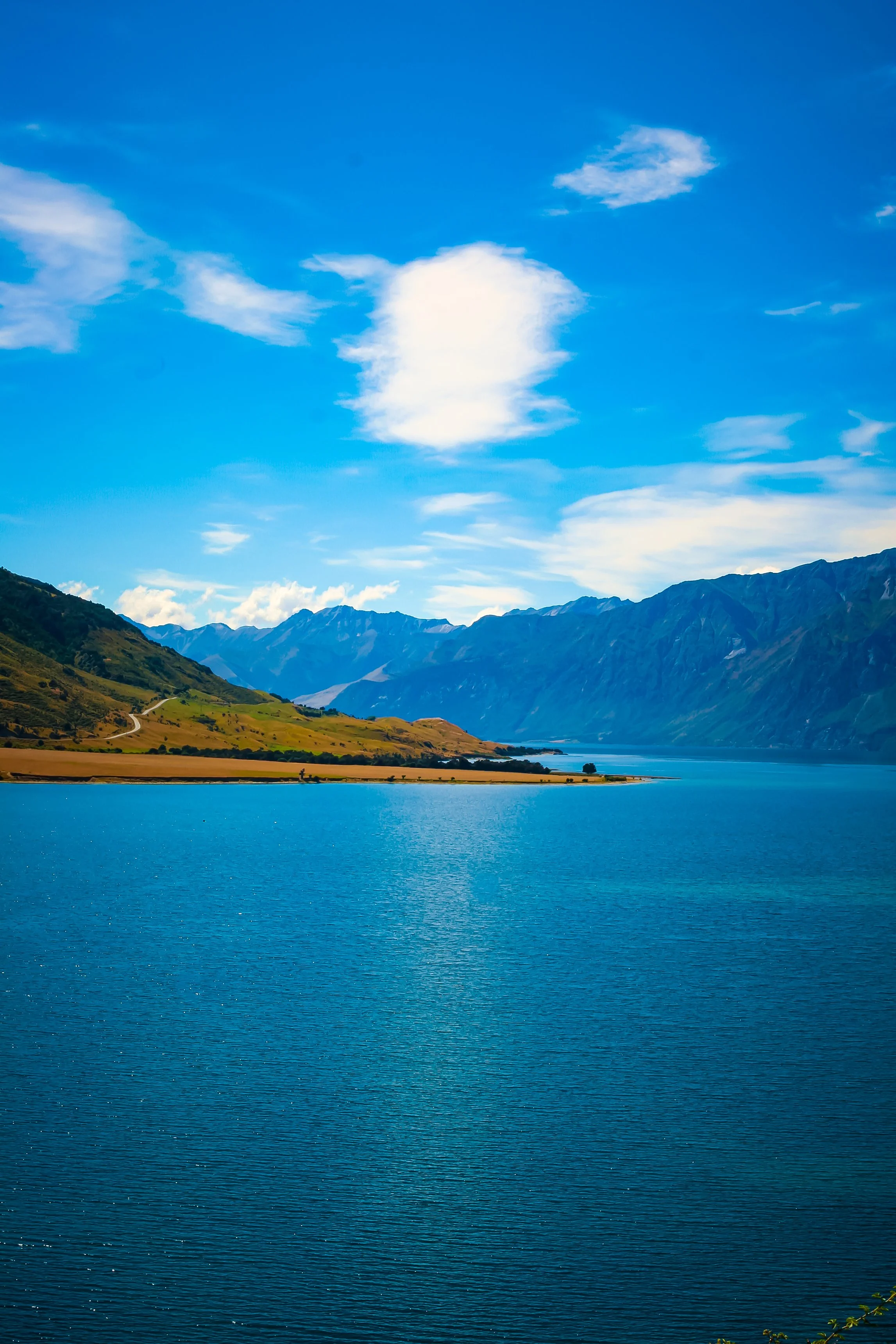
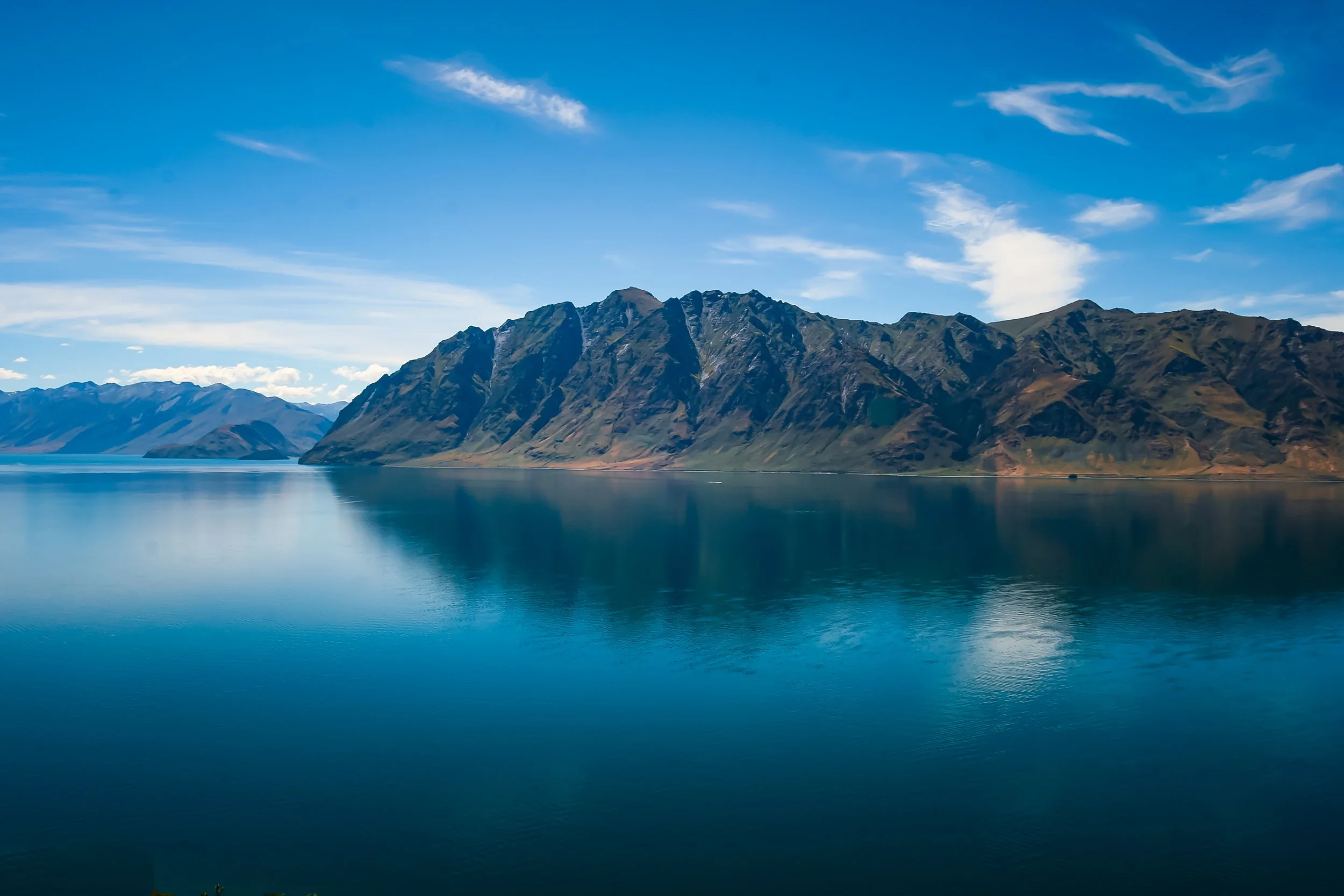
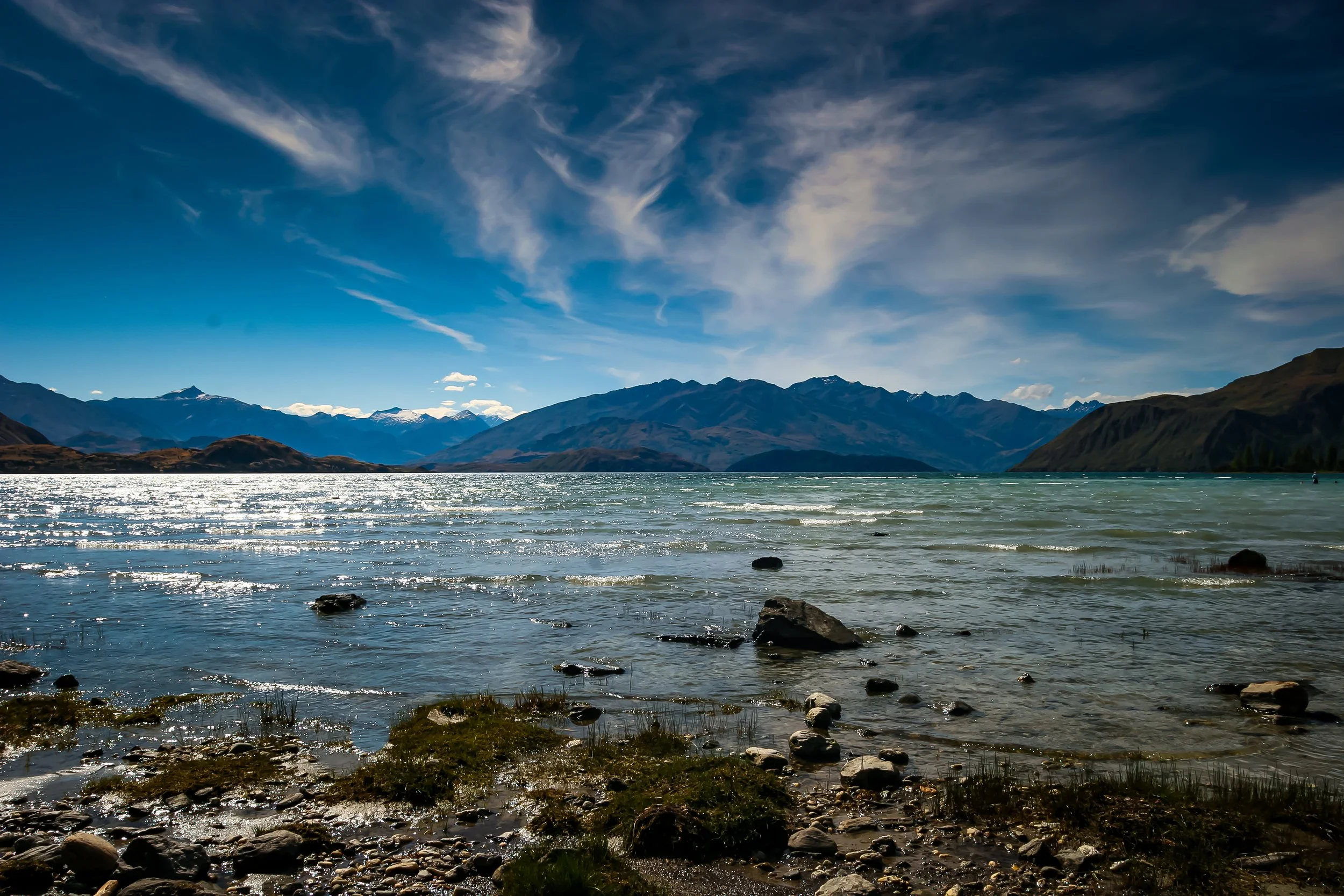
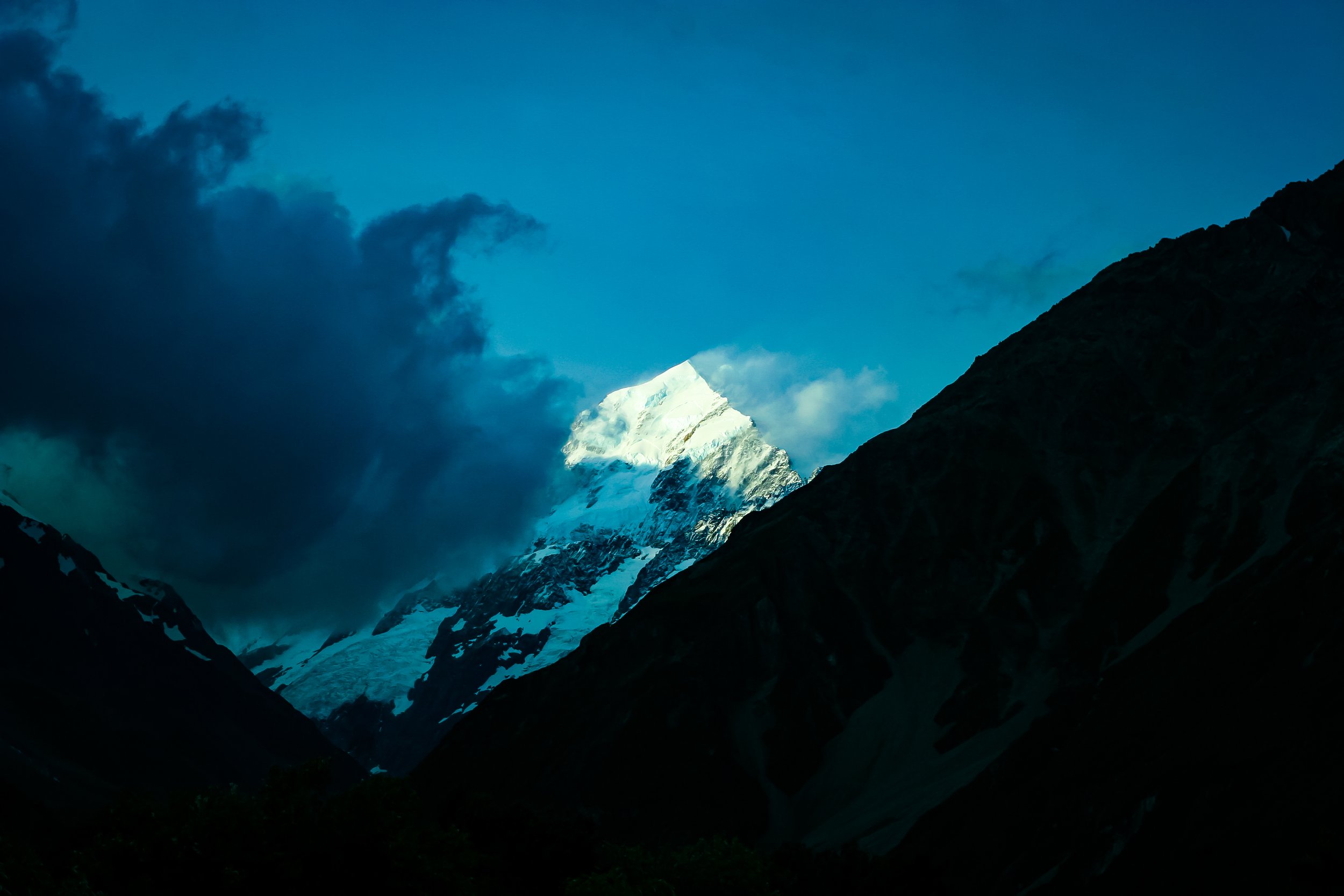
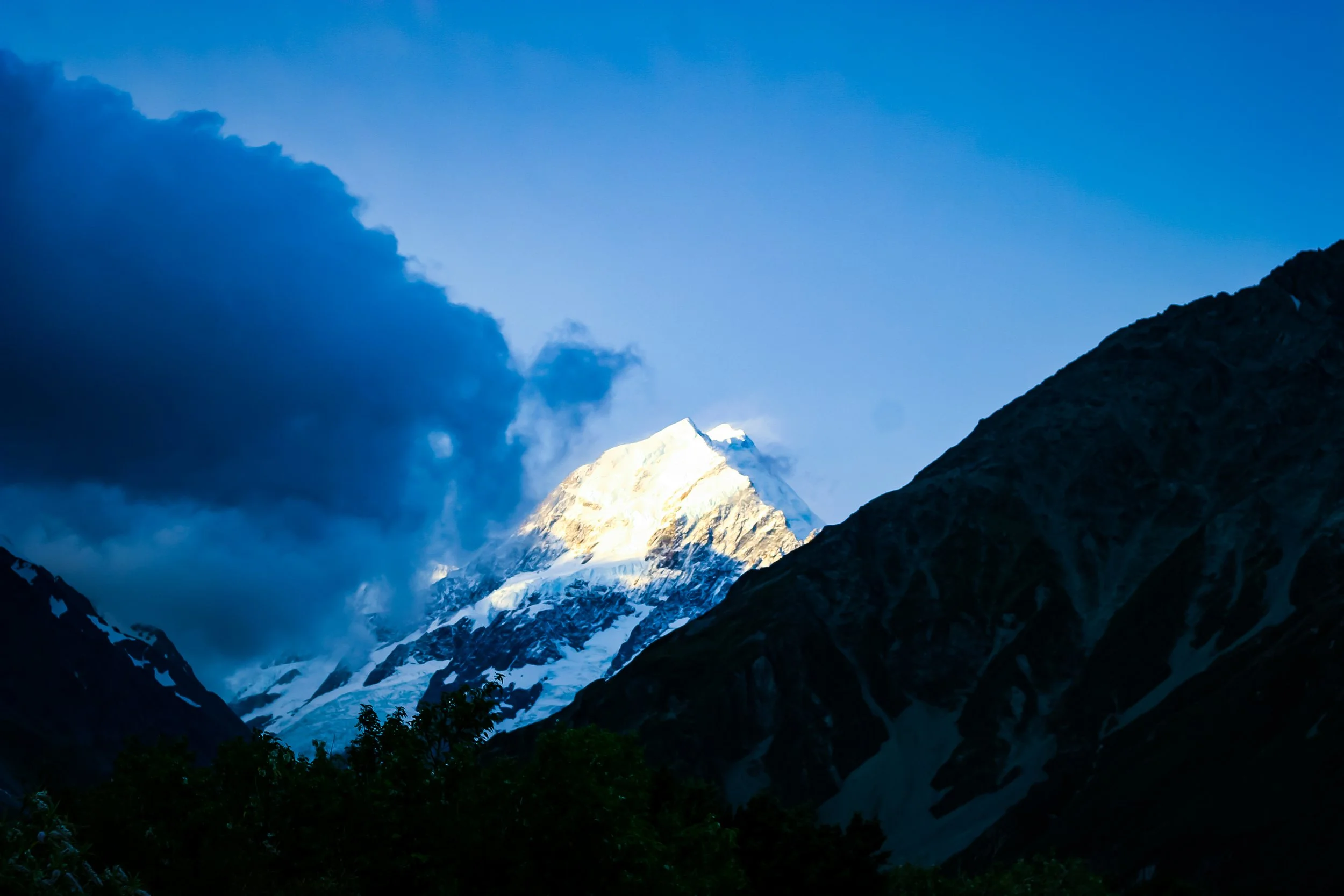
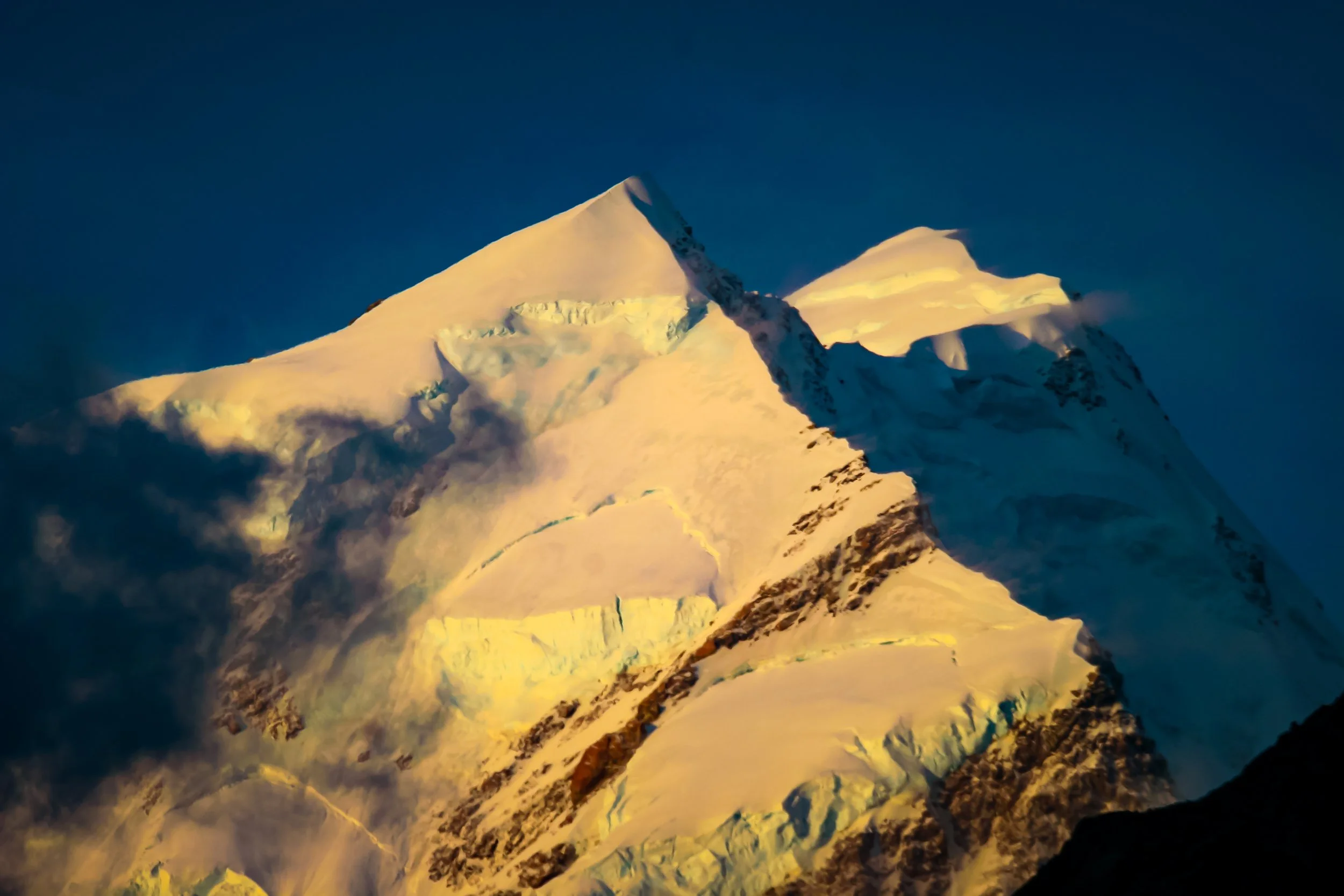
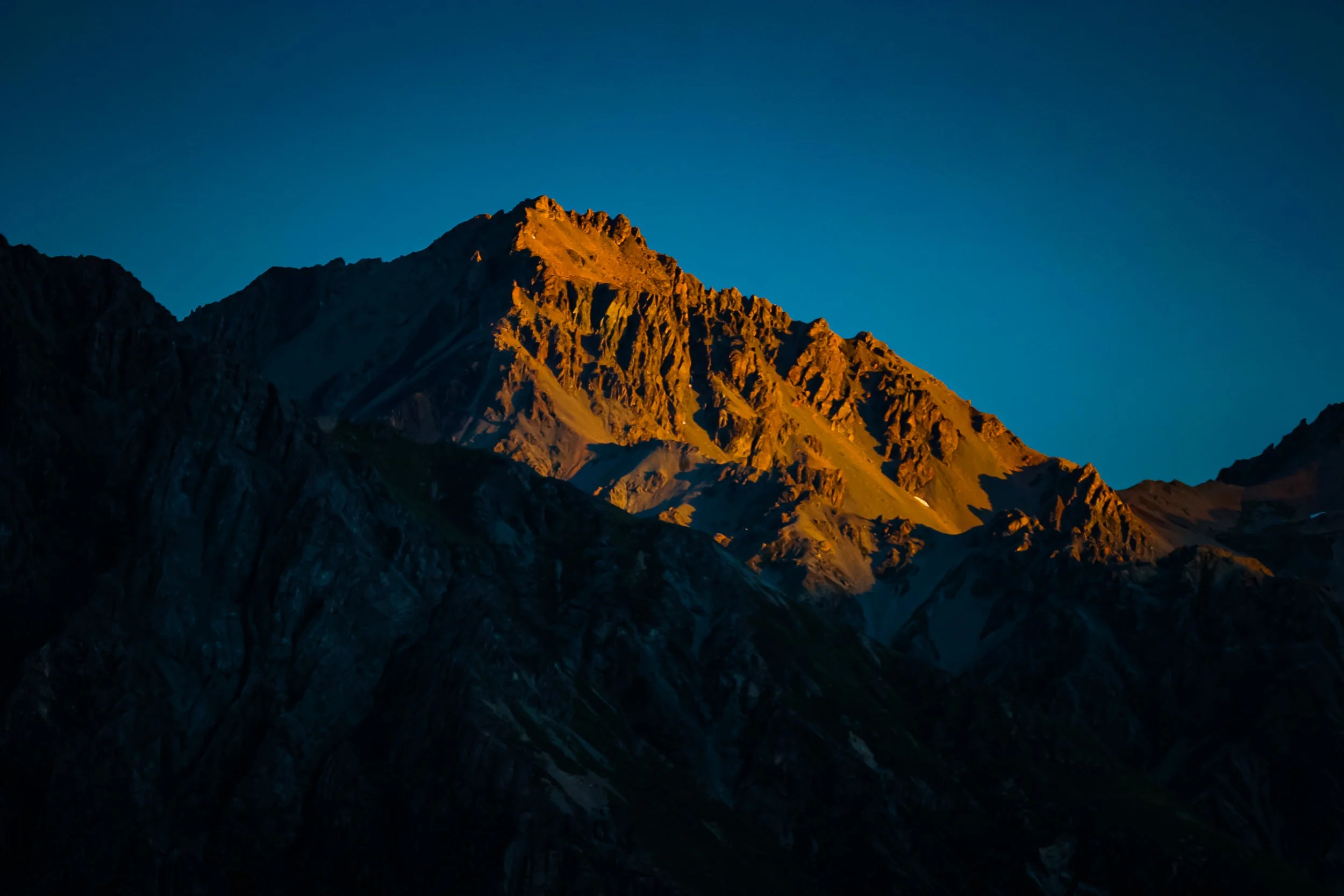
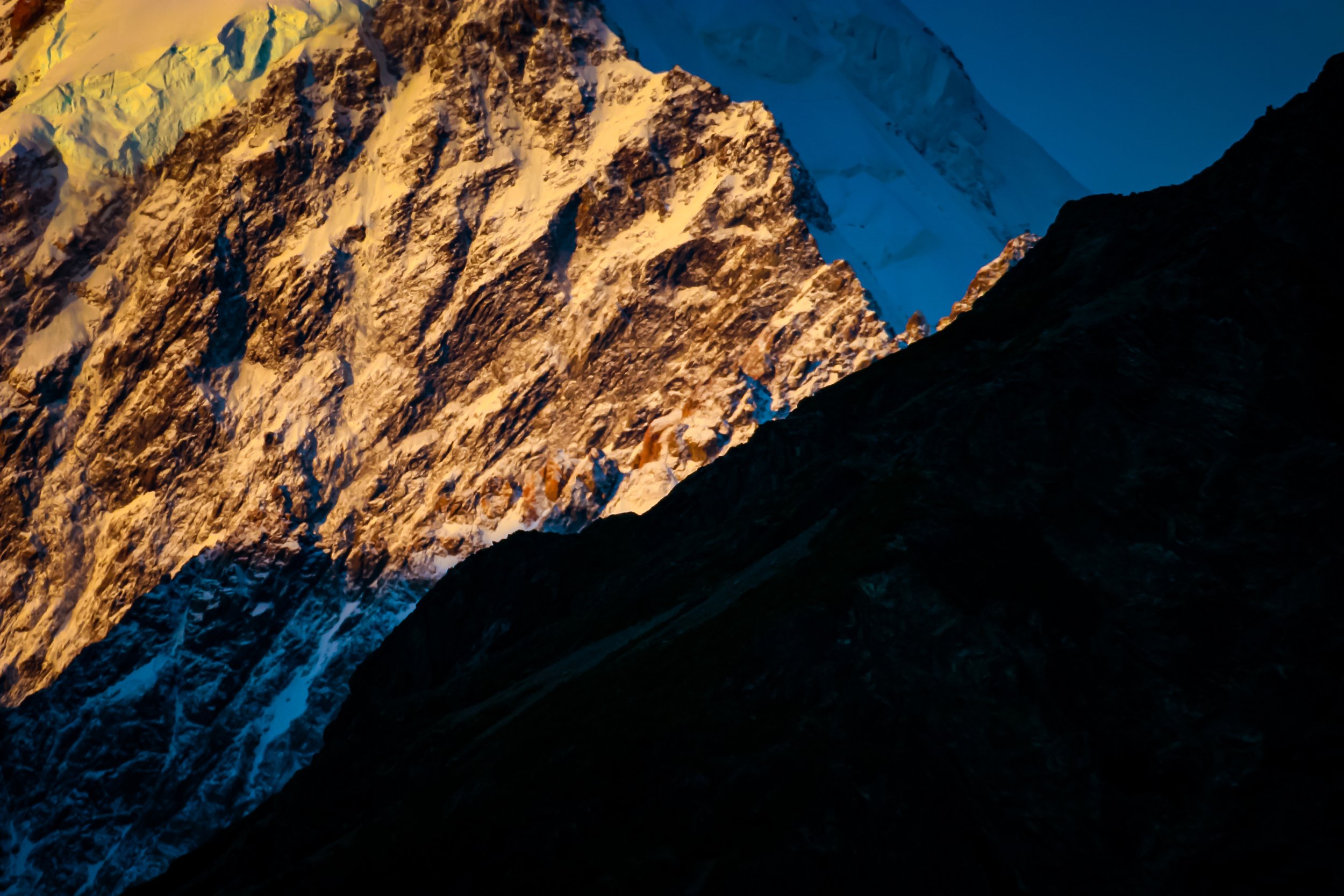
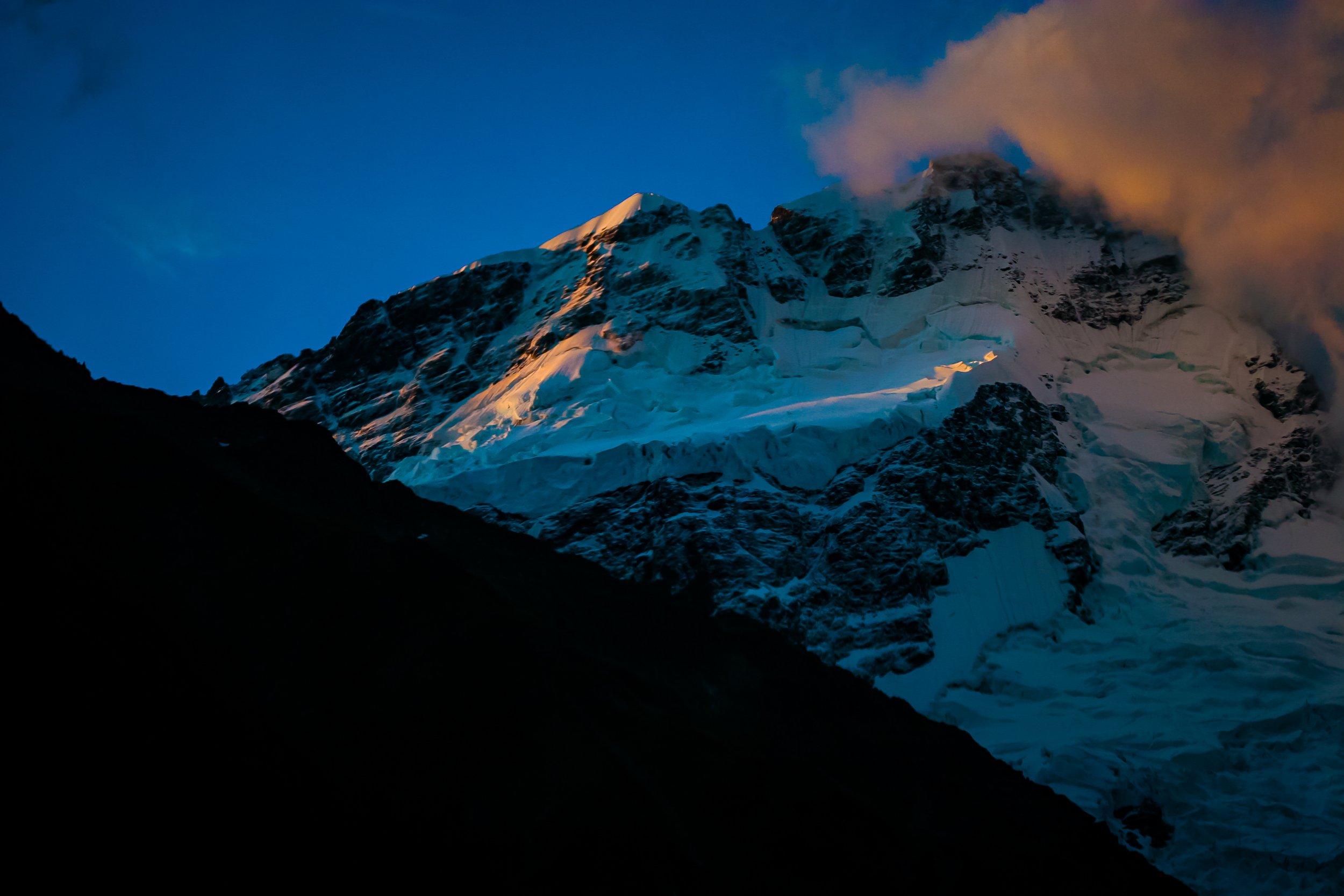
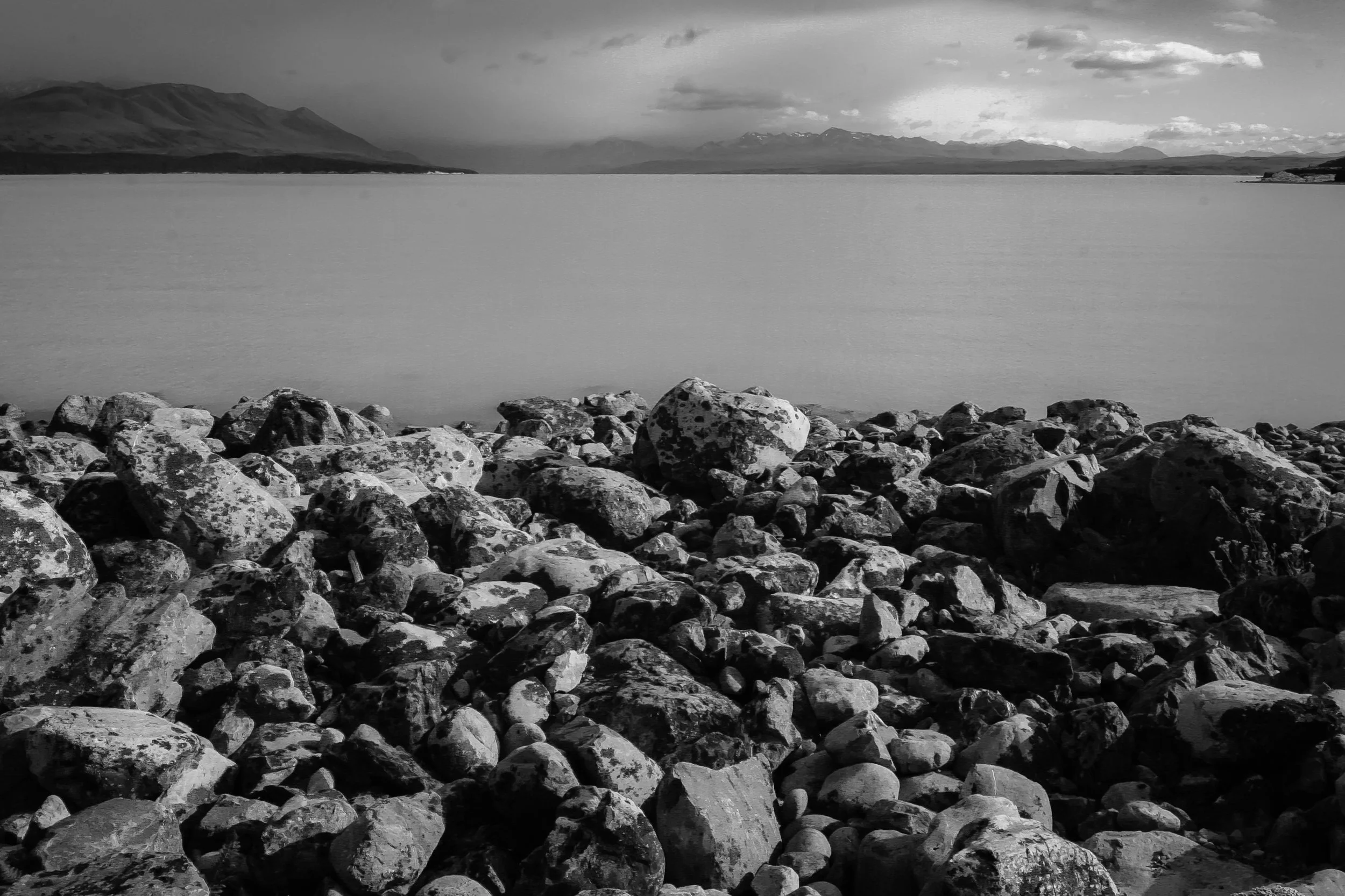
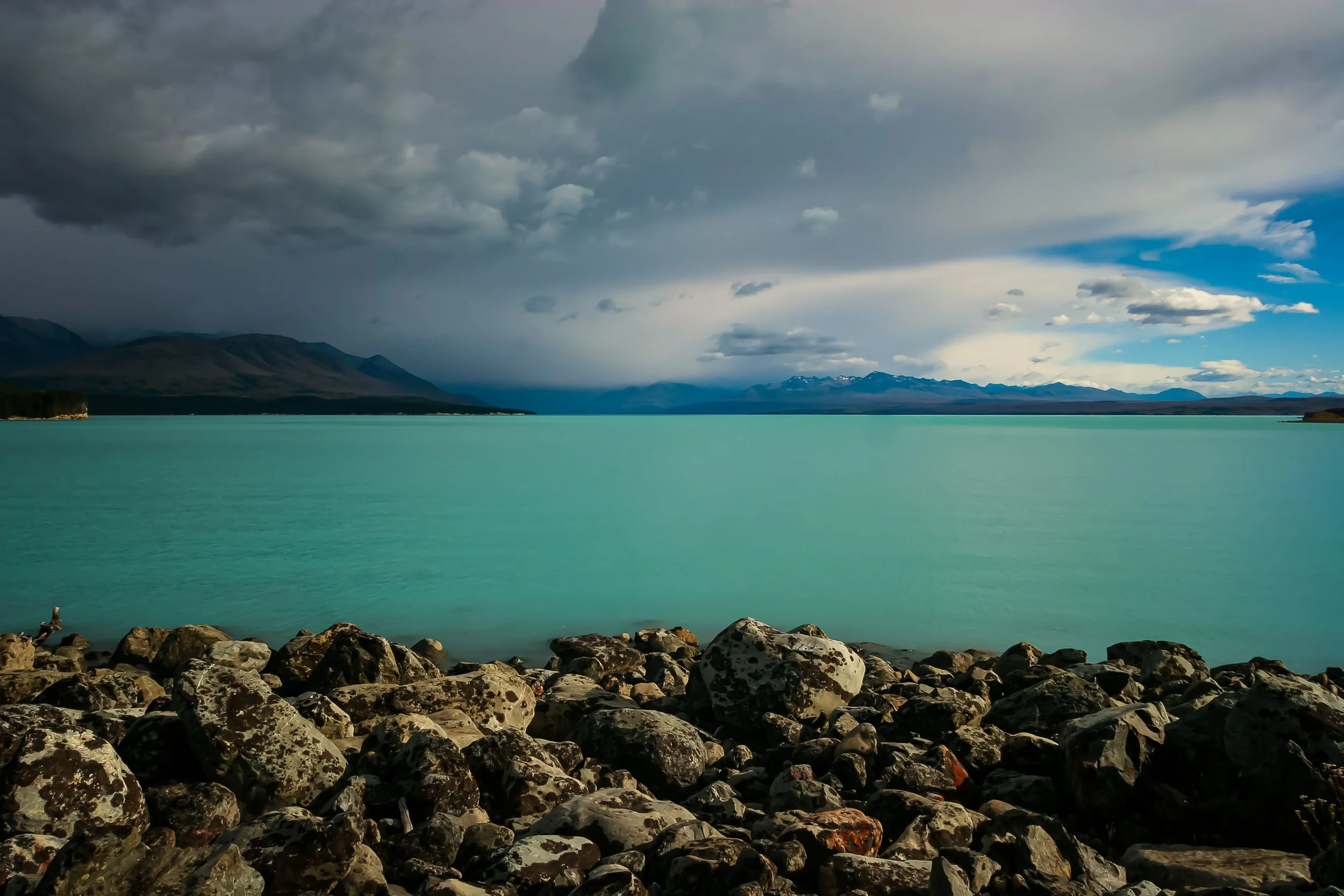
Nature is the island’s defining feature. The Southern Alps dominate the landscape, crowned by Aoraki/Mount Cook, the country’s highest peak. Glacial lakes such as Tekapo and Pukaki dazzle with their turquoise clarity, while the West Coast hosts ancient rainforests, wild beaches, and the famous Franz Josef and Fox Glaciers. In the southwest, Fiordland National Park—home to Milford and Doubtful Sounds—offers towering cliffs, cascading waterfalls, and untouched wilderness protected as part of a UNESCO World Heritage site.
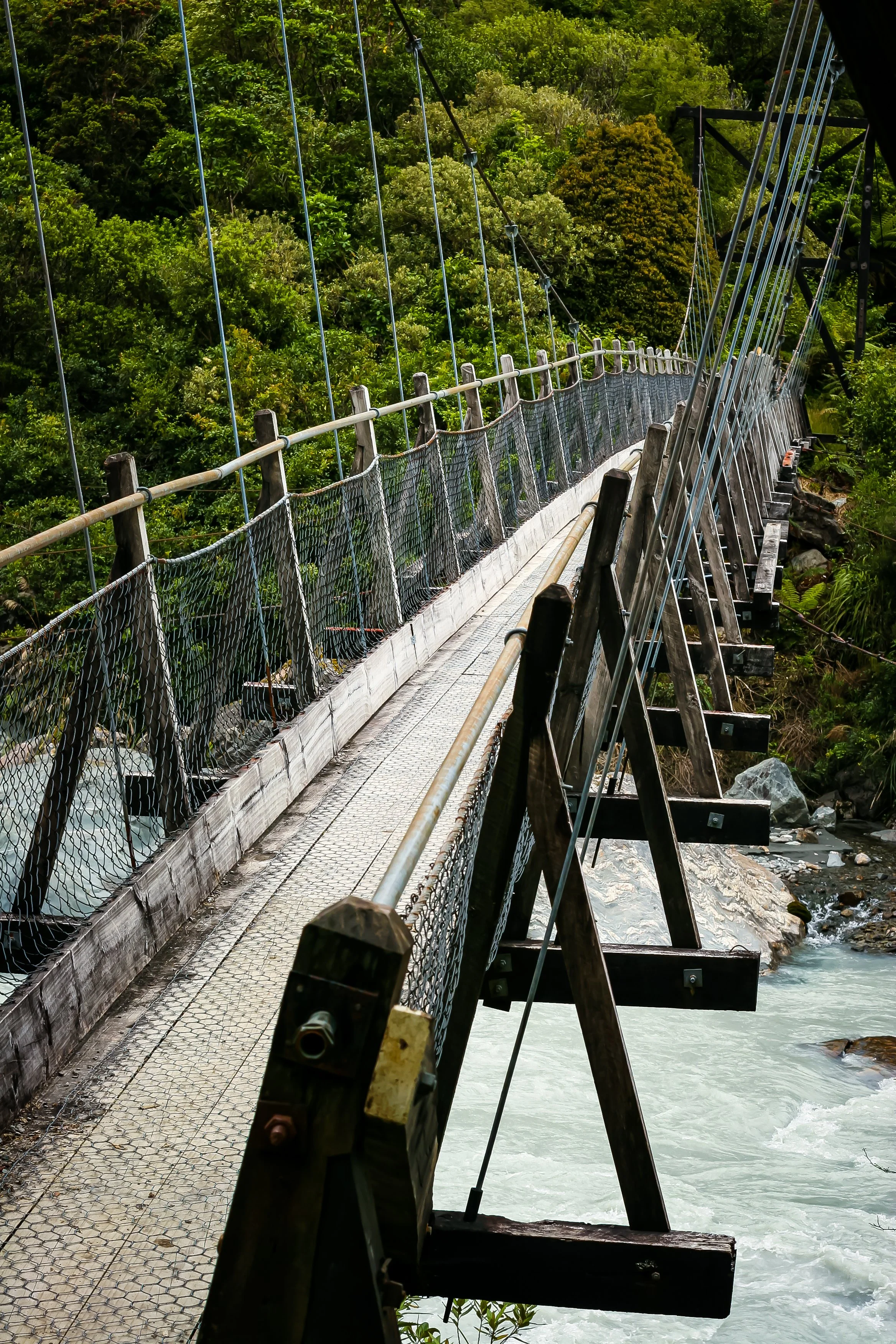
The South Island is also renowned for its outdoor recreation and ecological richness. Visitors come for hiking, skiing, mountaineering, wildlife encounters, and marine adventures, all supported by a strong conservation ethos that seeks to preserve fragile ecosystems.
Today, New Zealand’s South Island stands as a place of profound beauty and contrast, where dramatic natural forces, cultural depth, and a sense of remoteness combine to create a landscape that feels both timeless and uniquely alive.