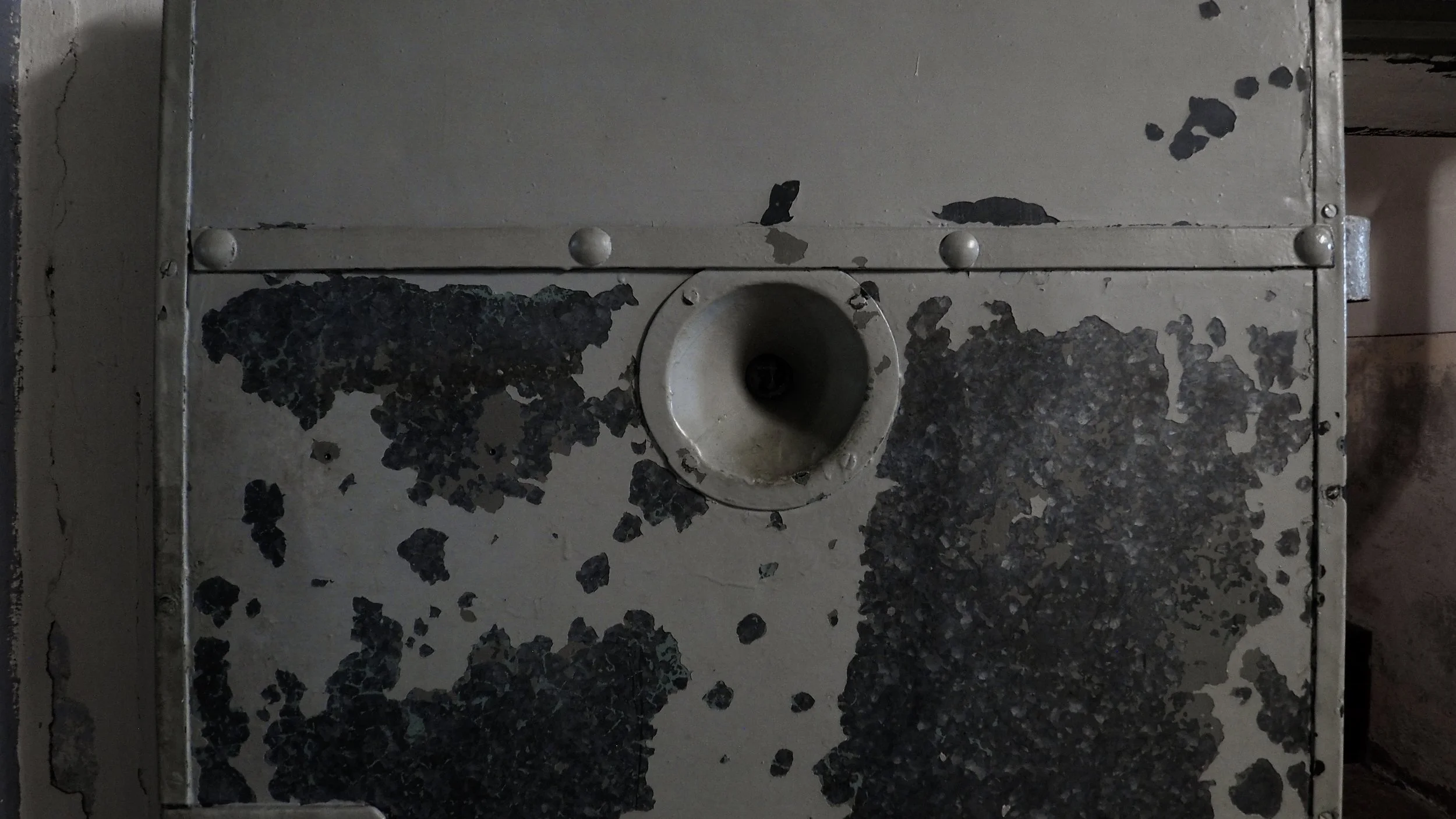
Hohenschönhausen Prison Berlin 2019
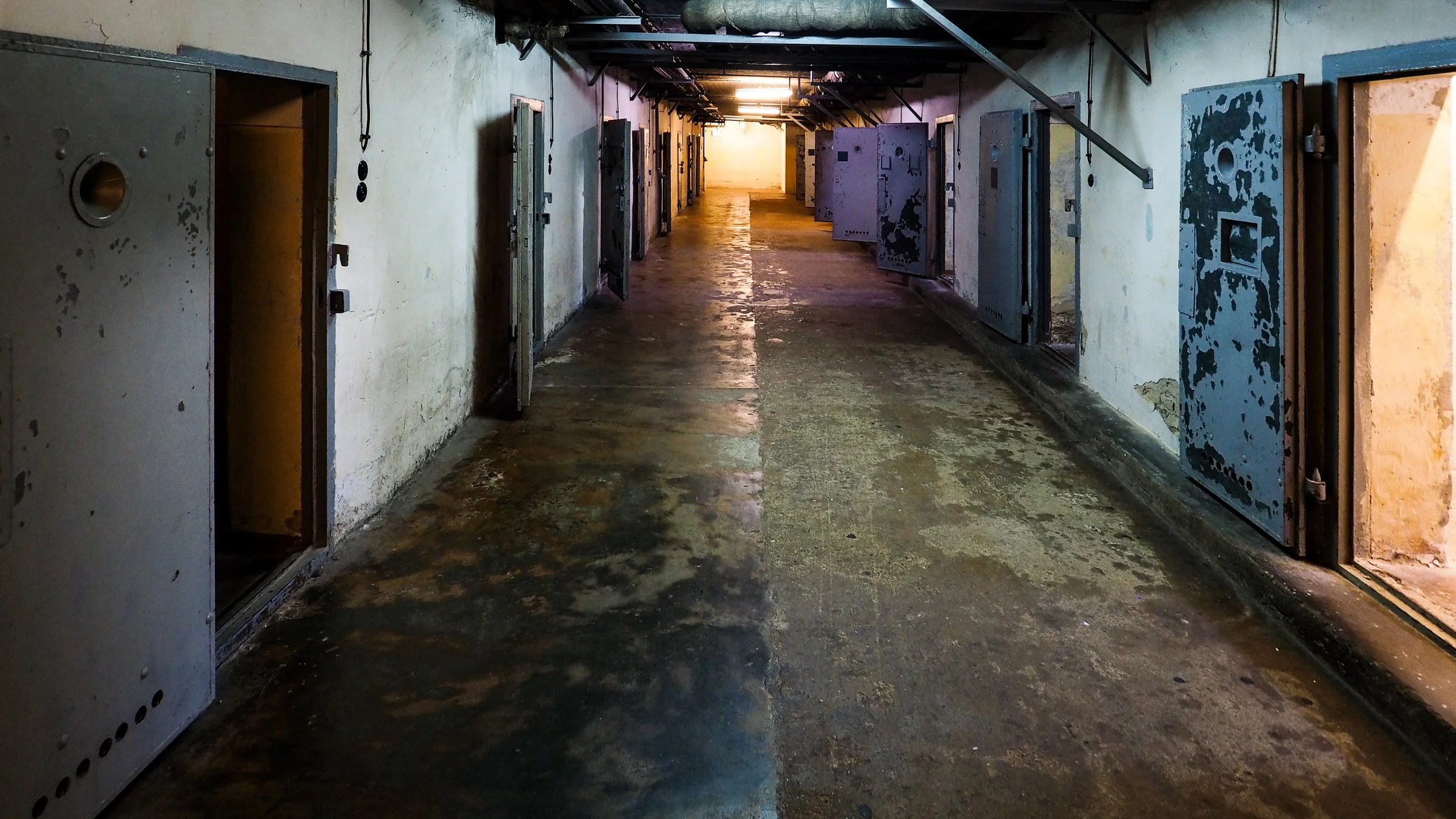
Hohenschönhausen Prison Berlin 2019
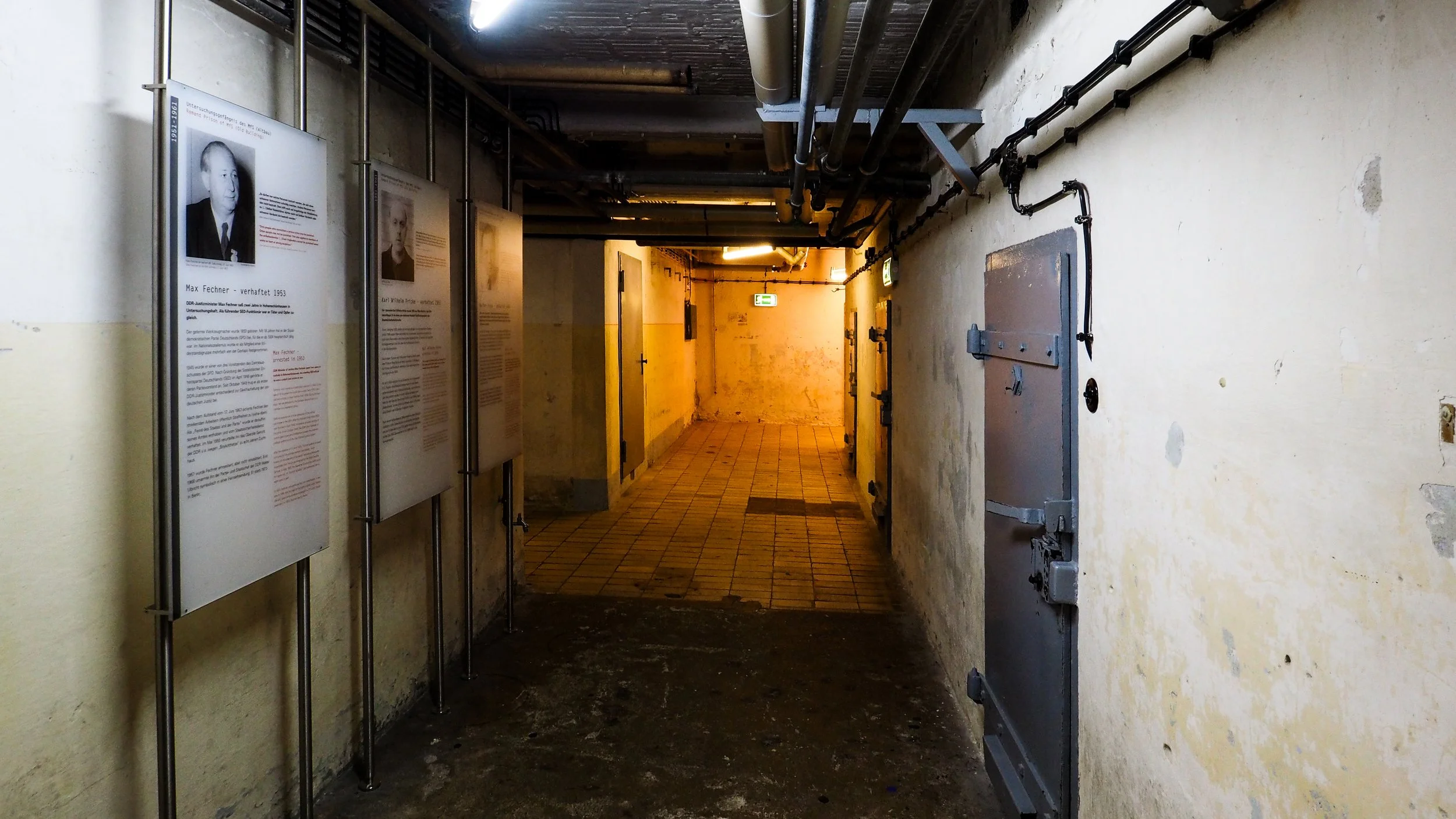
Hohenschönhausen Prison Berlin 2019
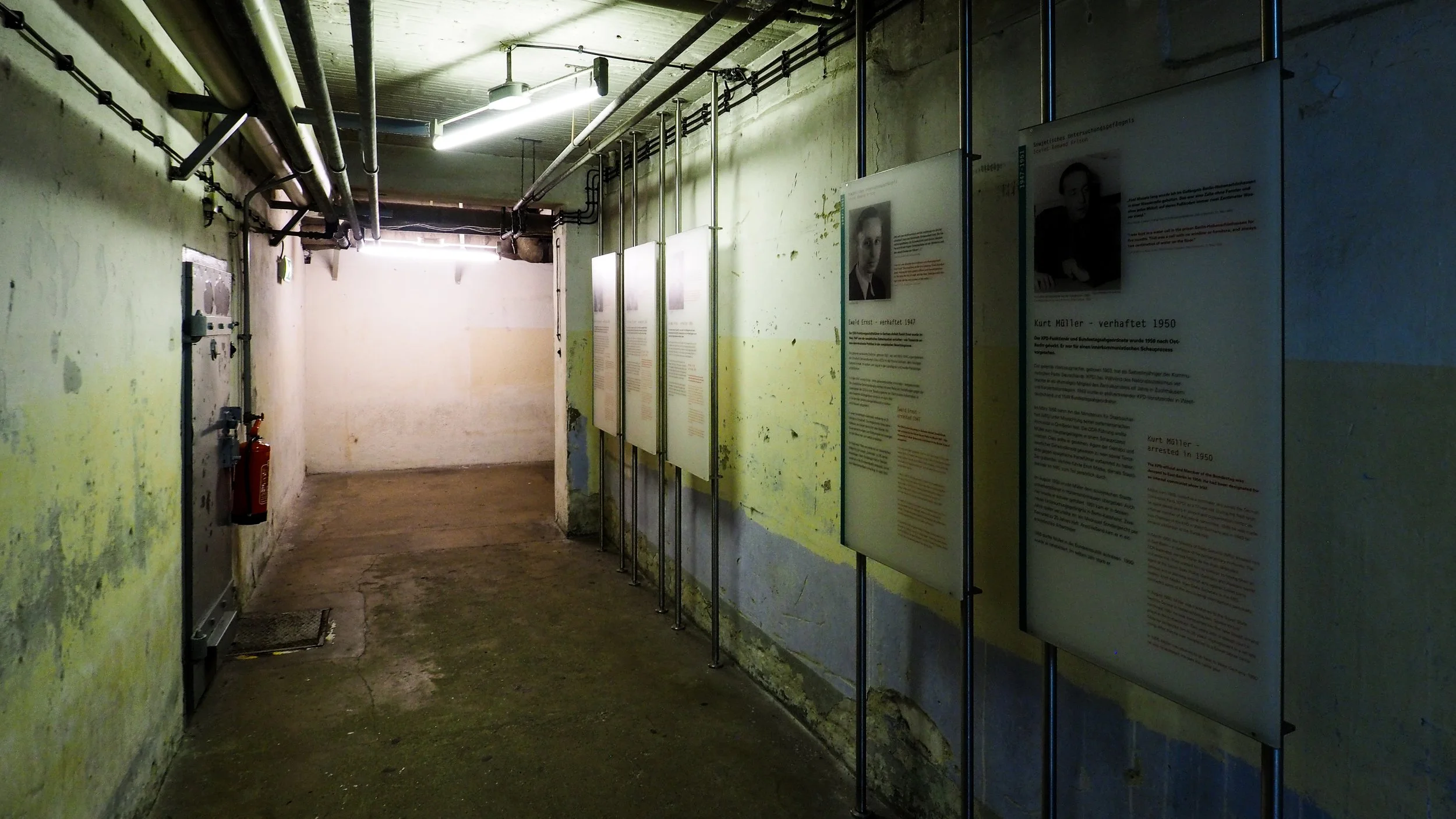
Hohenschönhausen Prison Berlin 2019

Hohenschönhausen Prison Berlin 2019
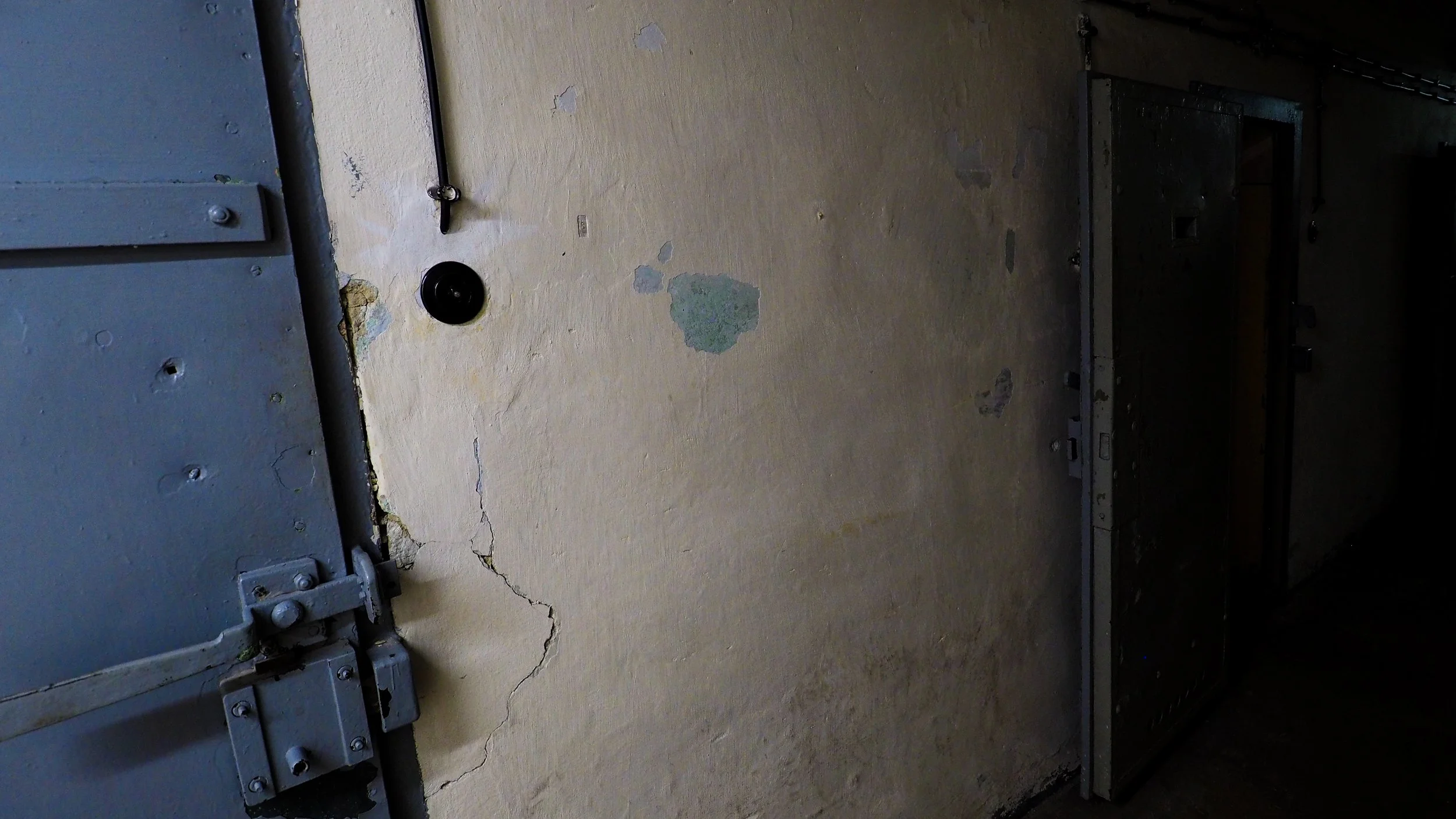
Hohenschönhausen Prison Berlin 2019
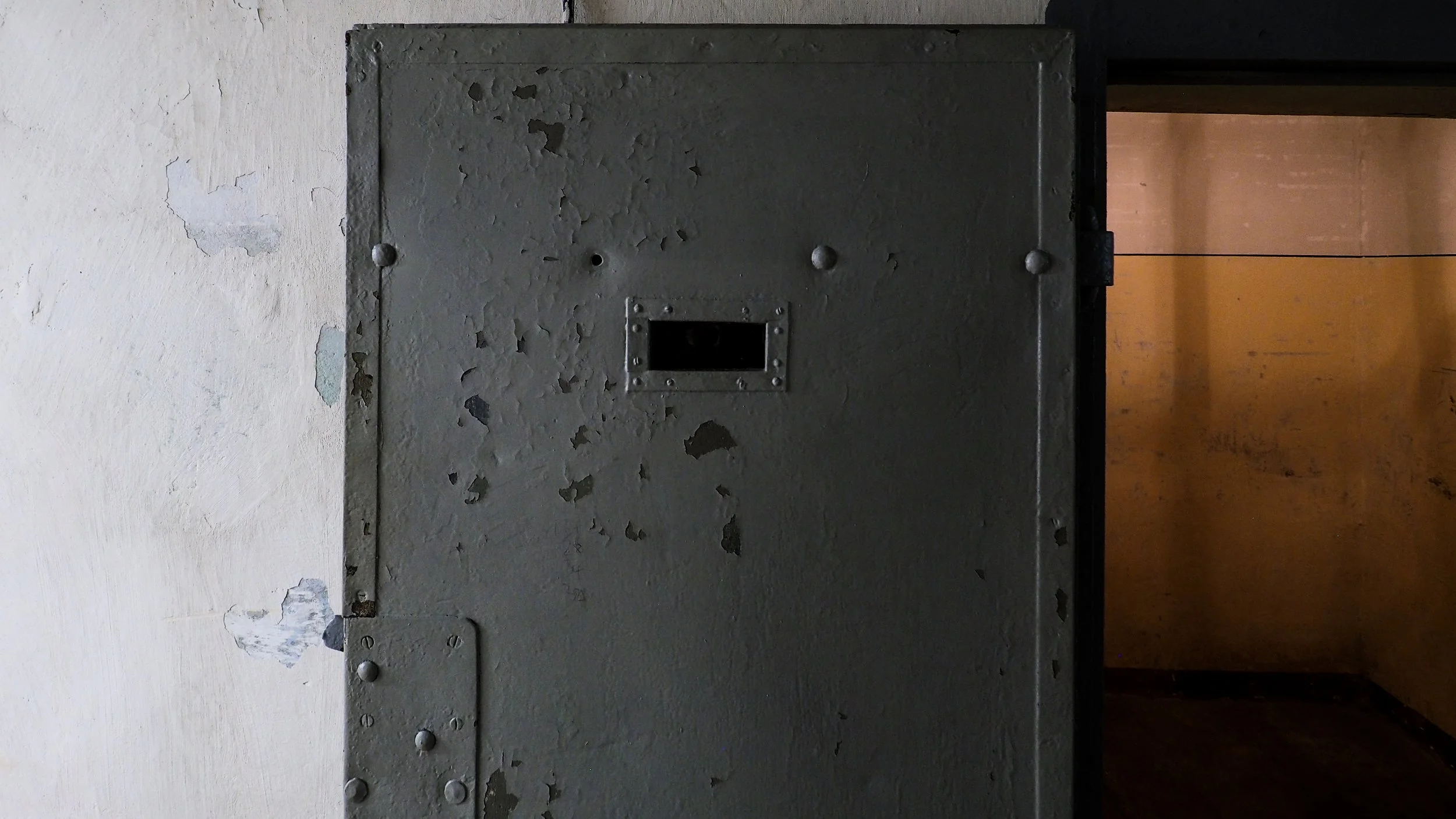
Hohenschönhausen Prison Berlin 2019
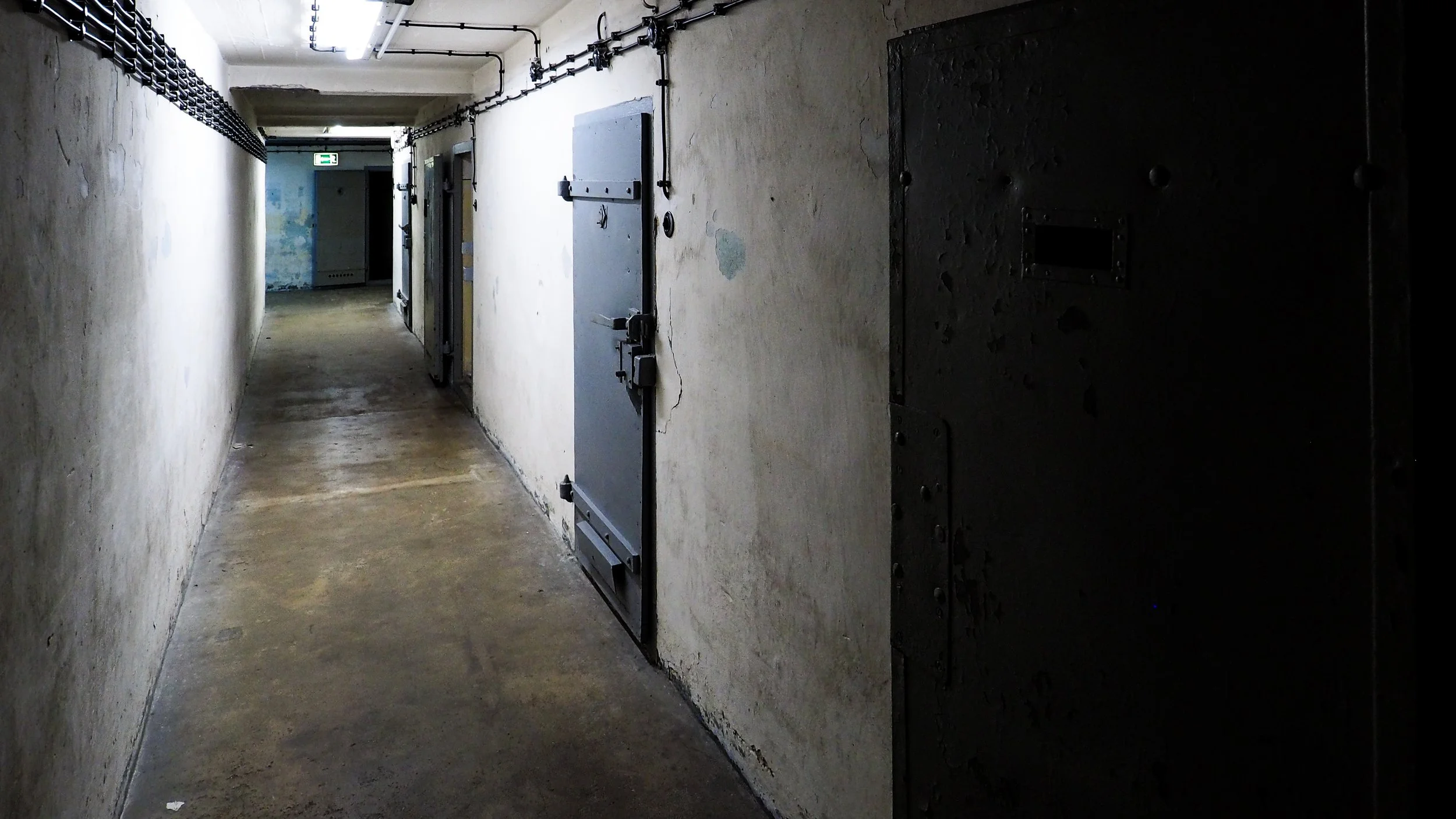
Hohenschönhausen Prison Berlin 2019
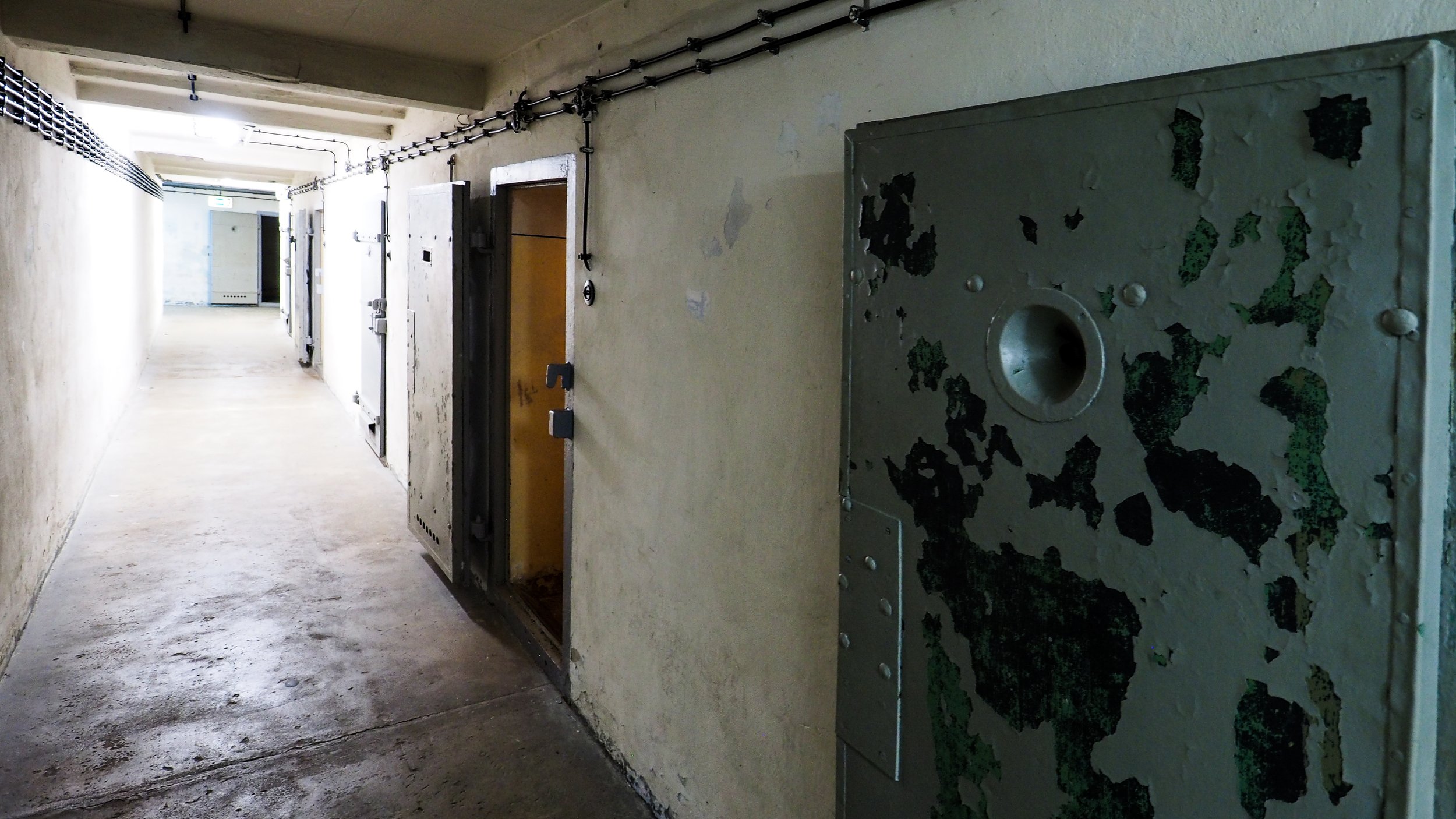
Hohenschönhausen Prison Berlin 2019
Hohenschönhausen Prison Berlin 2019
Hohenschönhausen Prison Berlin 2019
Hohenschönhausen Prison Berlin 2019
Hohenschönhausen Prison Berlin 2019
Hohenschönhausen Prison Berlin 2019
Hohenschönhausen Prison Berlin 2019
Hohenschönhausen Prison Berlin 2019
Hohenschönhausen Prison Berlin 2019
Hohenschönhausen Prison Berlin 2019
Hohenschönhausen Prison Berlin 2019
Hohenschönhausen Prison Berlin 2019
Hohenschönhausen Prison Berlin 2019
Hohenschönhausen Prison Berlin 2019
Hohenschönhausen Prison Berlin 2019
Hohenschönhausen Prison Berlin 2019
Hohenschönhausen Prison Berlin 2019
Hohenschönhausen Prison Berlin 2019
Hohenschönhausen Prison Berlin 2019
Hohenschönhausen Prison Berlin 2019
Hohenschönhausen Prison Berlin 2019
Hohenschönhausen Prison Berlin 2019
Hohenschönhausen Prison Berlin 2019
Hohenschönhausen Prison Berlin 2019

Hohenschönhausen Prison Berlin 2019

Hohenschönhausen Prison Berlin 2019
Hohenschönhausen Prison Berlin 2019
Hohenschönhausen Prison Berlin 2019
Hohenschönhausen Prison Berlin 2019
Hohenschönhausen Prison Berlin 2019
Hohenschönhausen Prison Berlin 2019
Hohenschönhausen Prison Berlin 2019
Hohenschönhausen Prison Berlin 2019
Hohenschönhausen Prison Berlin 2019
Hohenschönhausen Prison Berlin 2019
Hohenschönhausen Prison Berlin 2019
Hohenschönhausen Prison Berlin 2019
Hohenschönhausen Prison Berlin 2019
Hohenschönhausen Prison Berlin 2019
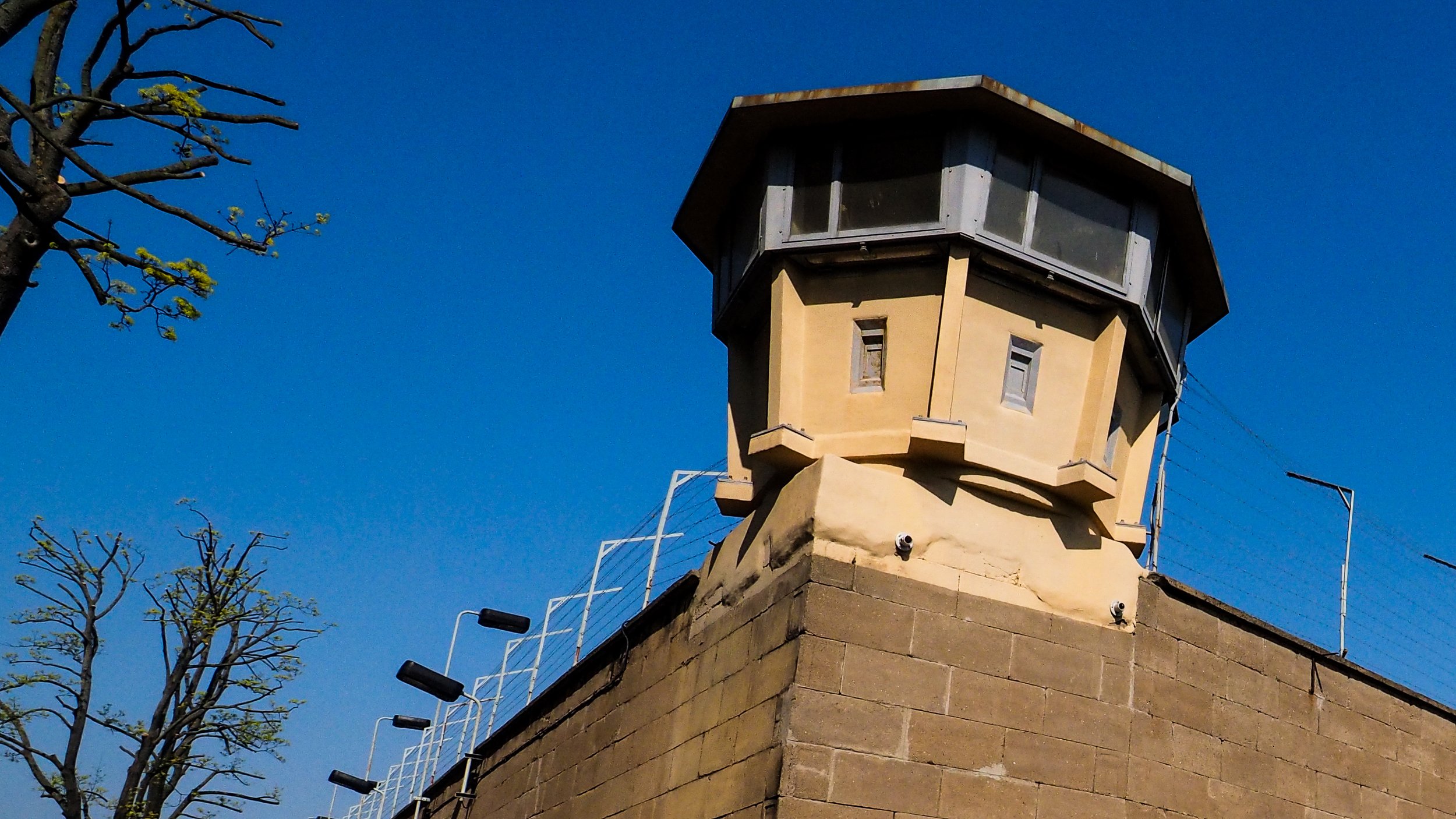
Hohenschönhausen Prison Berlin 2019
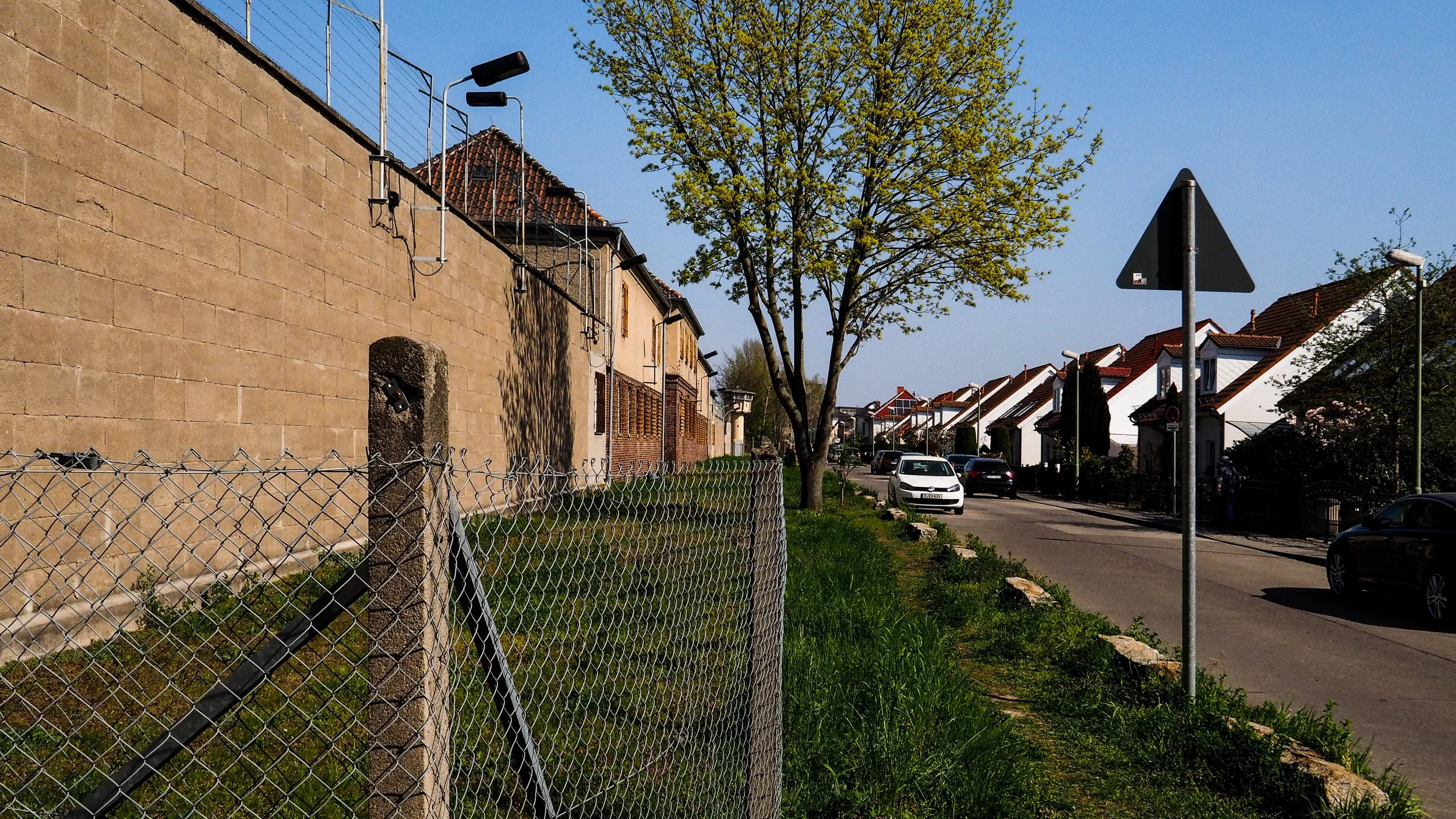
Hohenschönhausen Prison Berlin 2019
Hohenschönhausen Prison,
Berlin, Germany
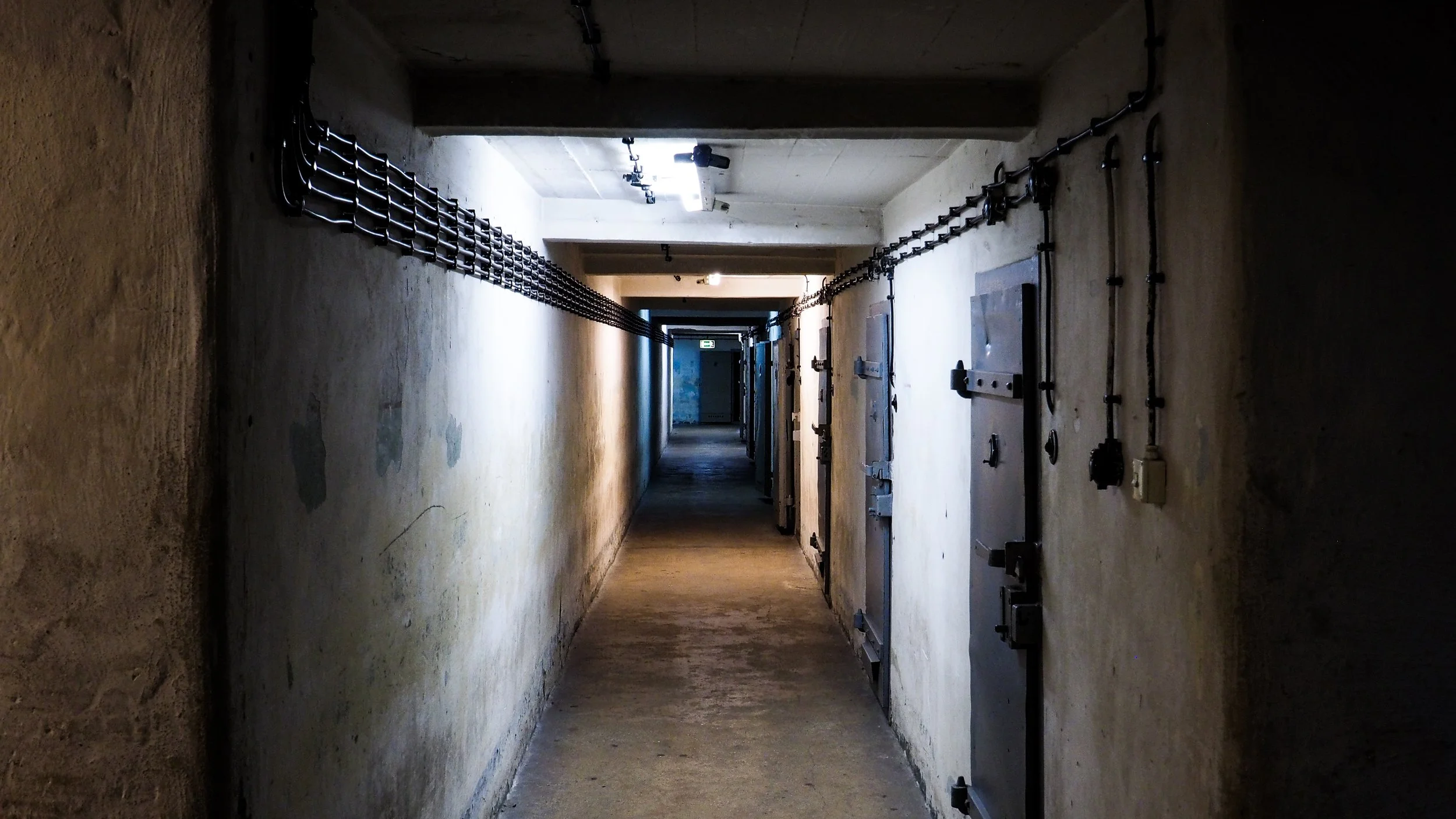
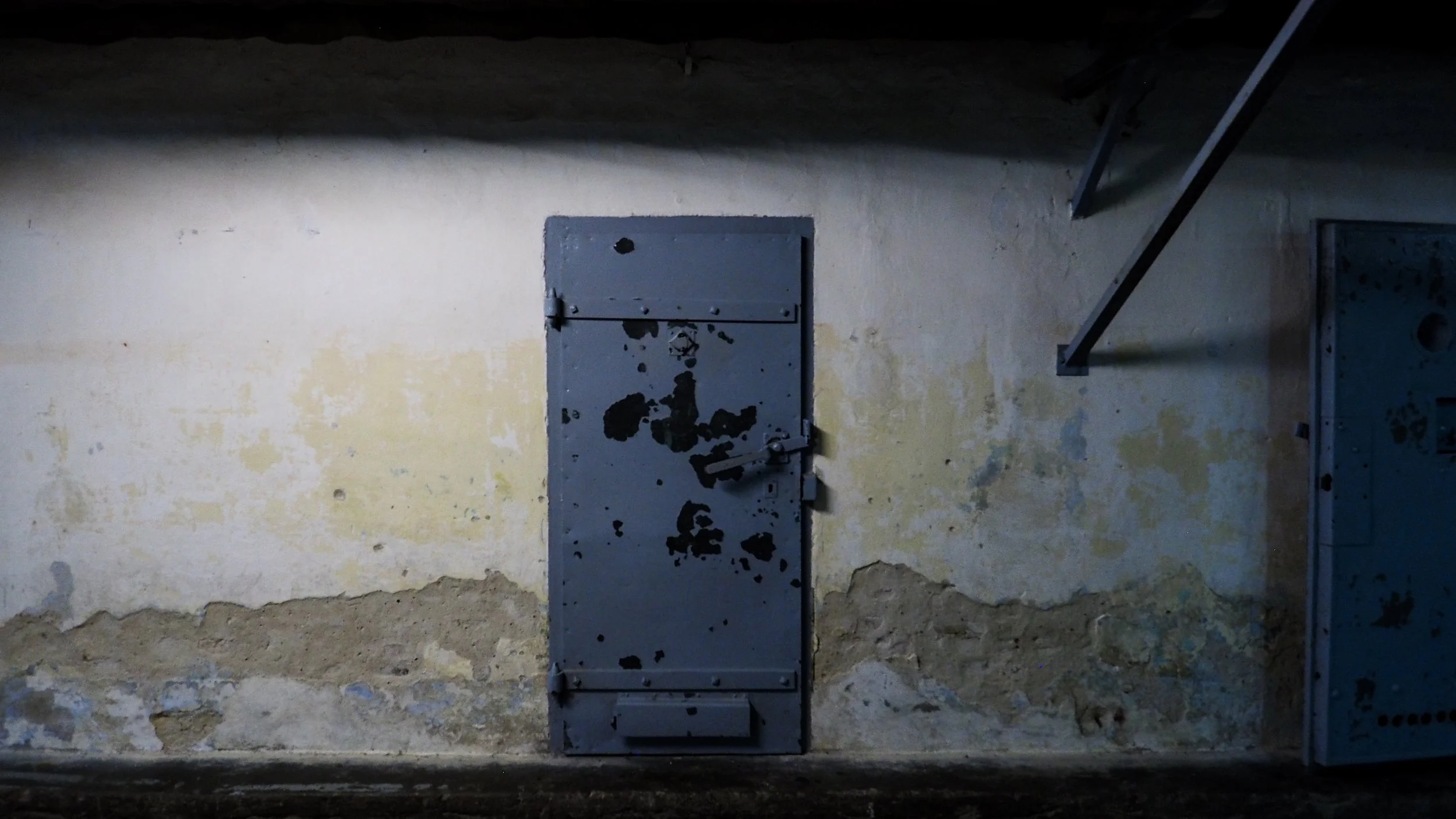
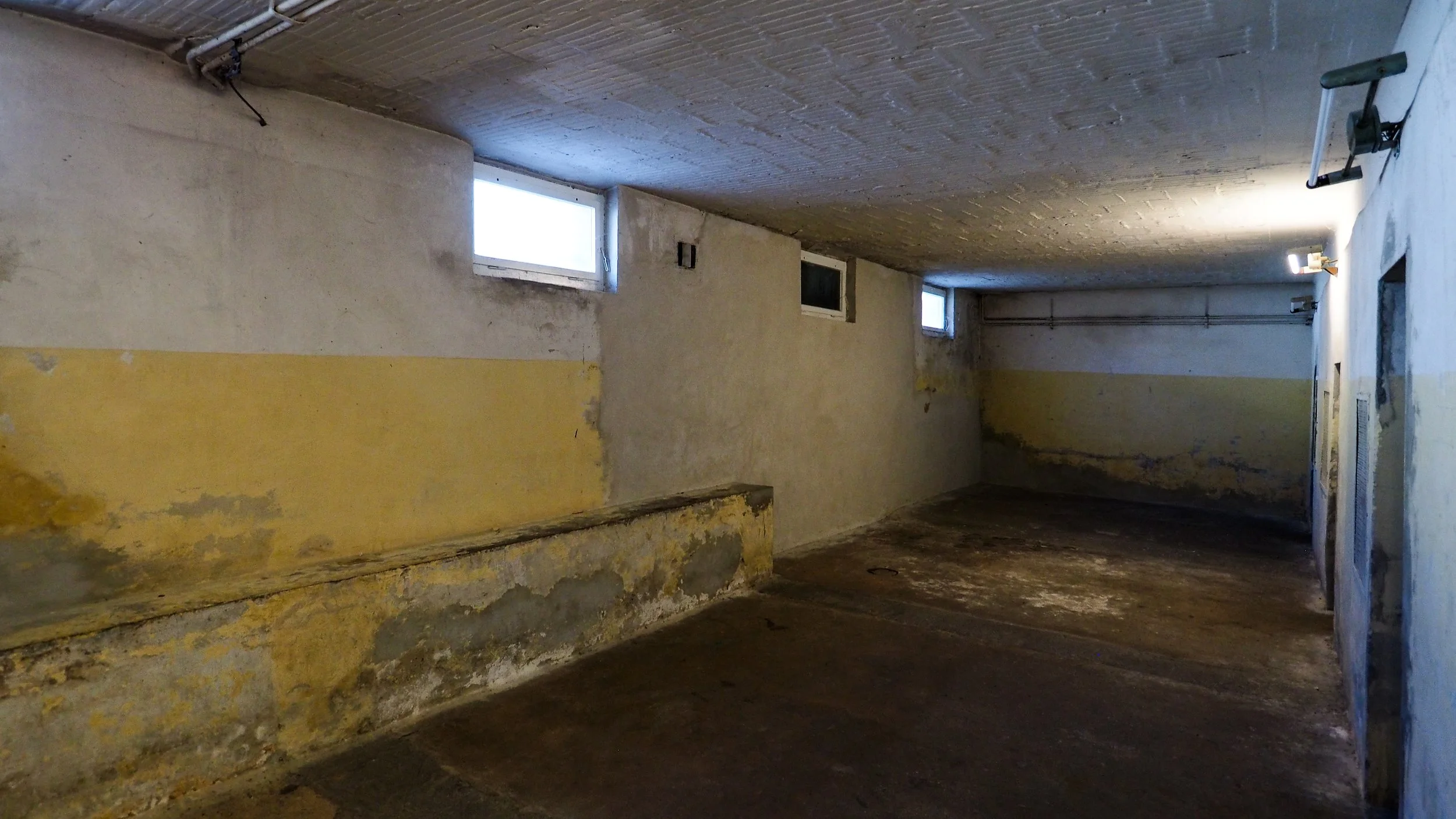
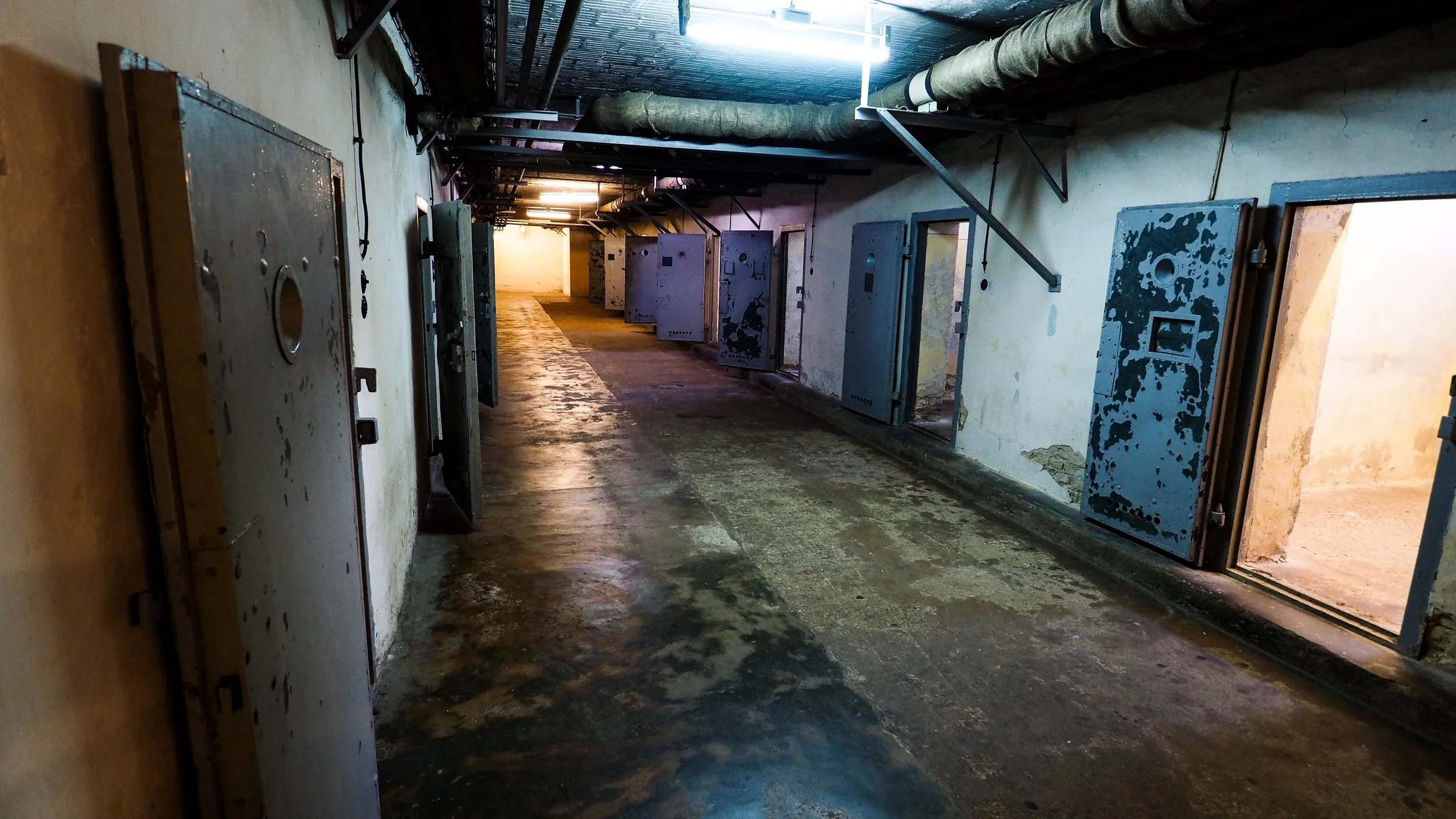
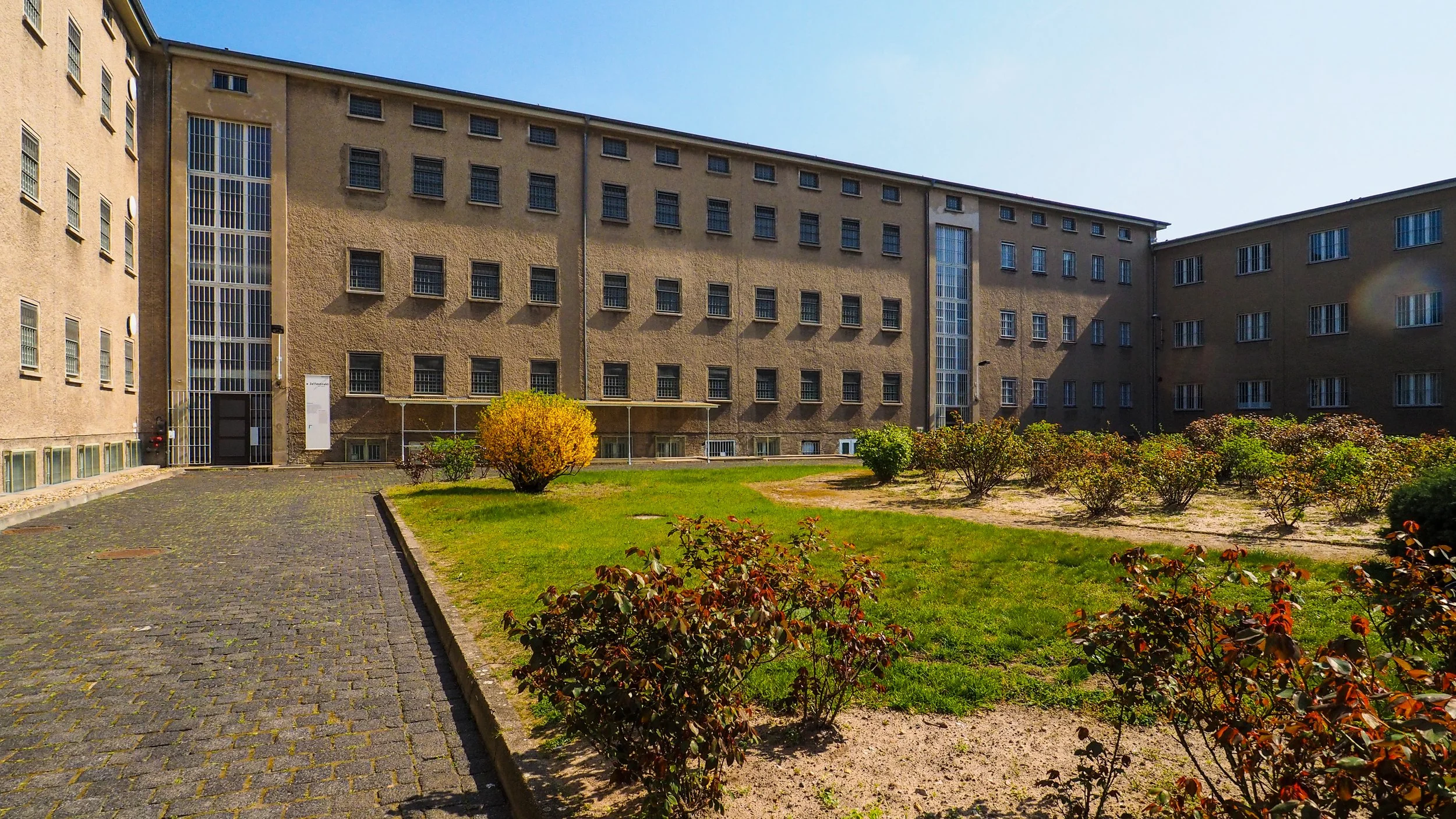
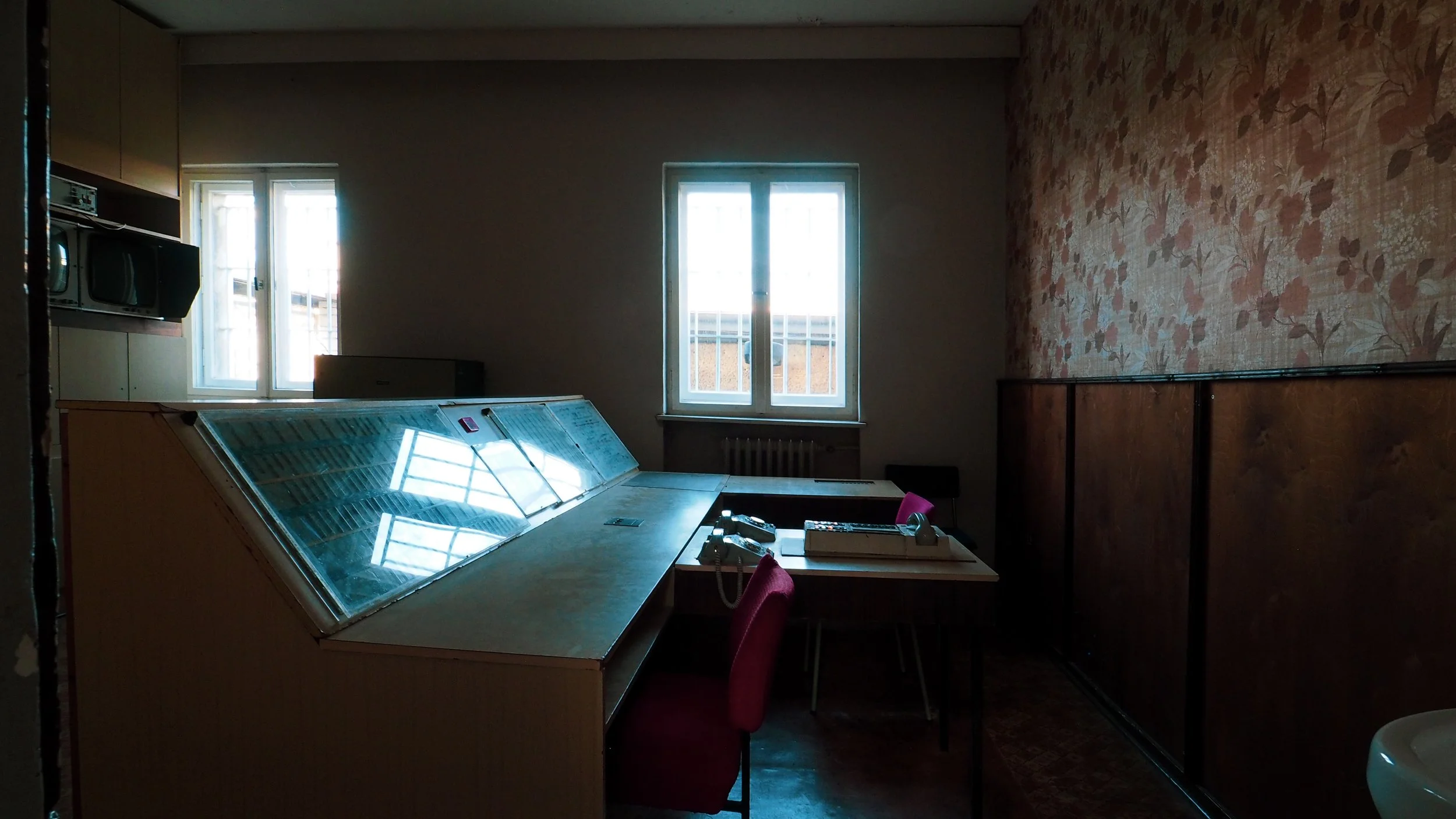
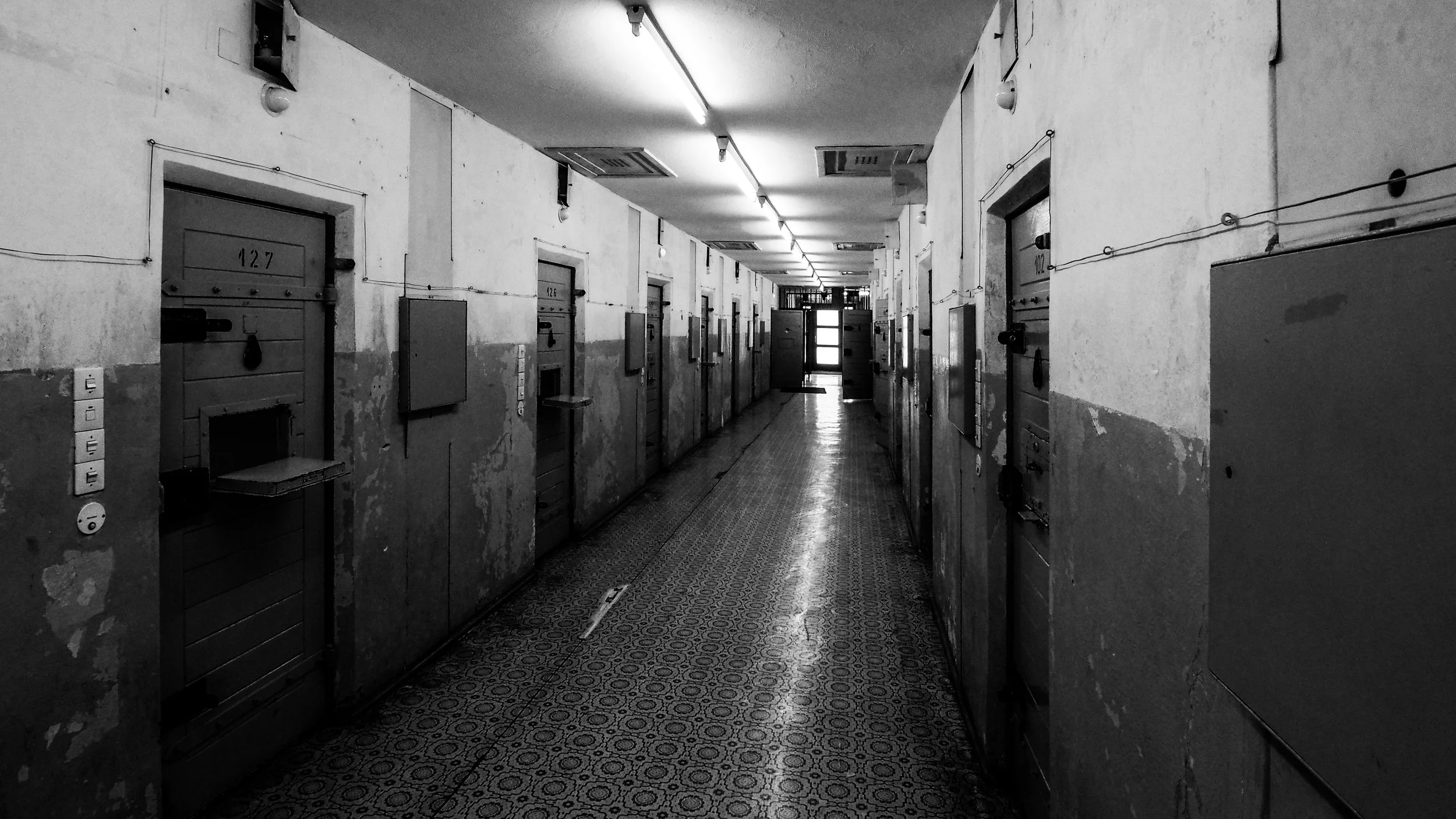
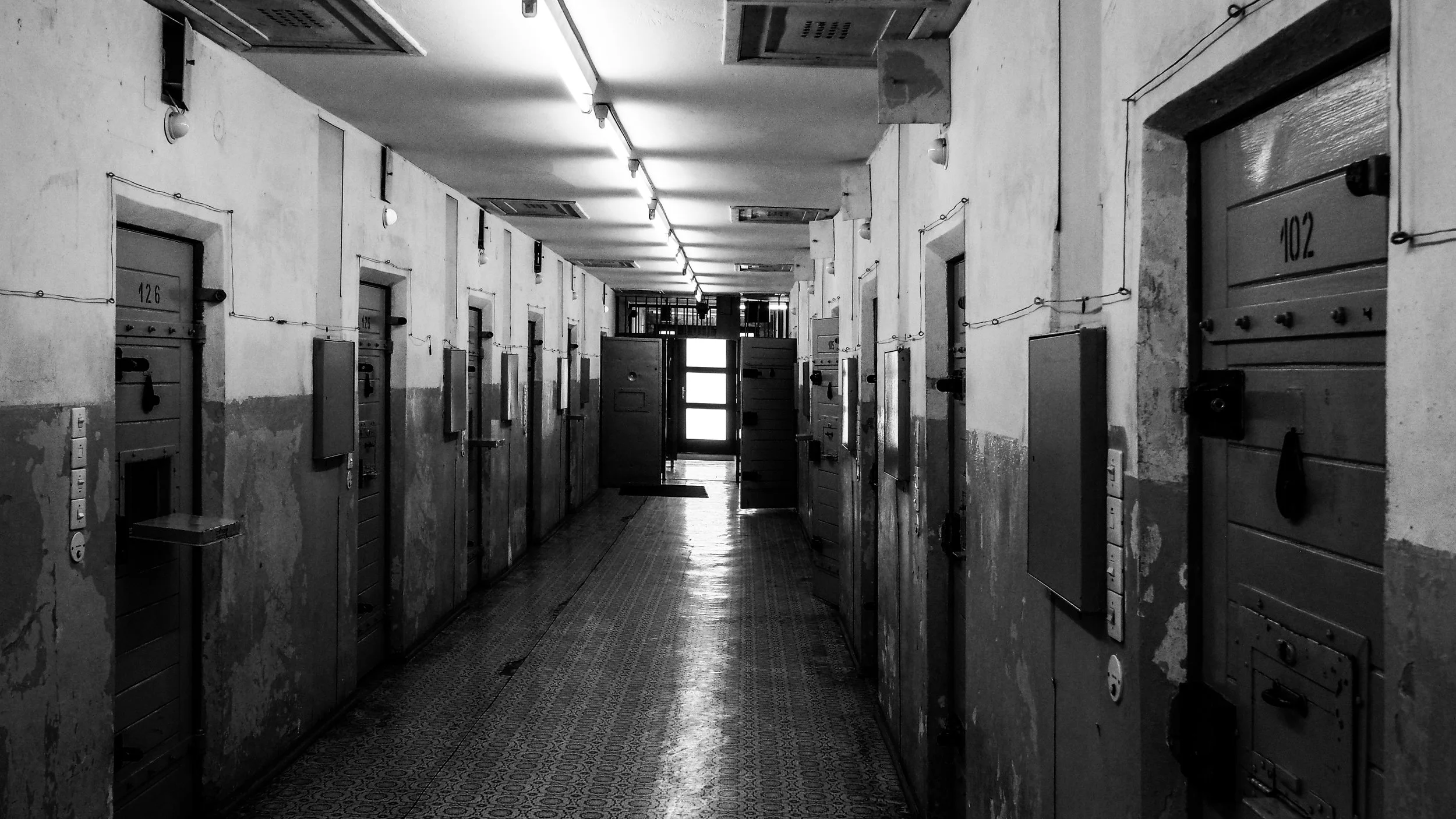
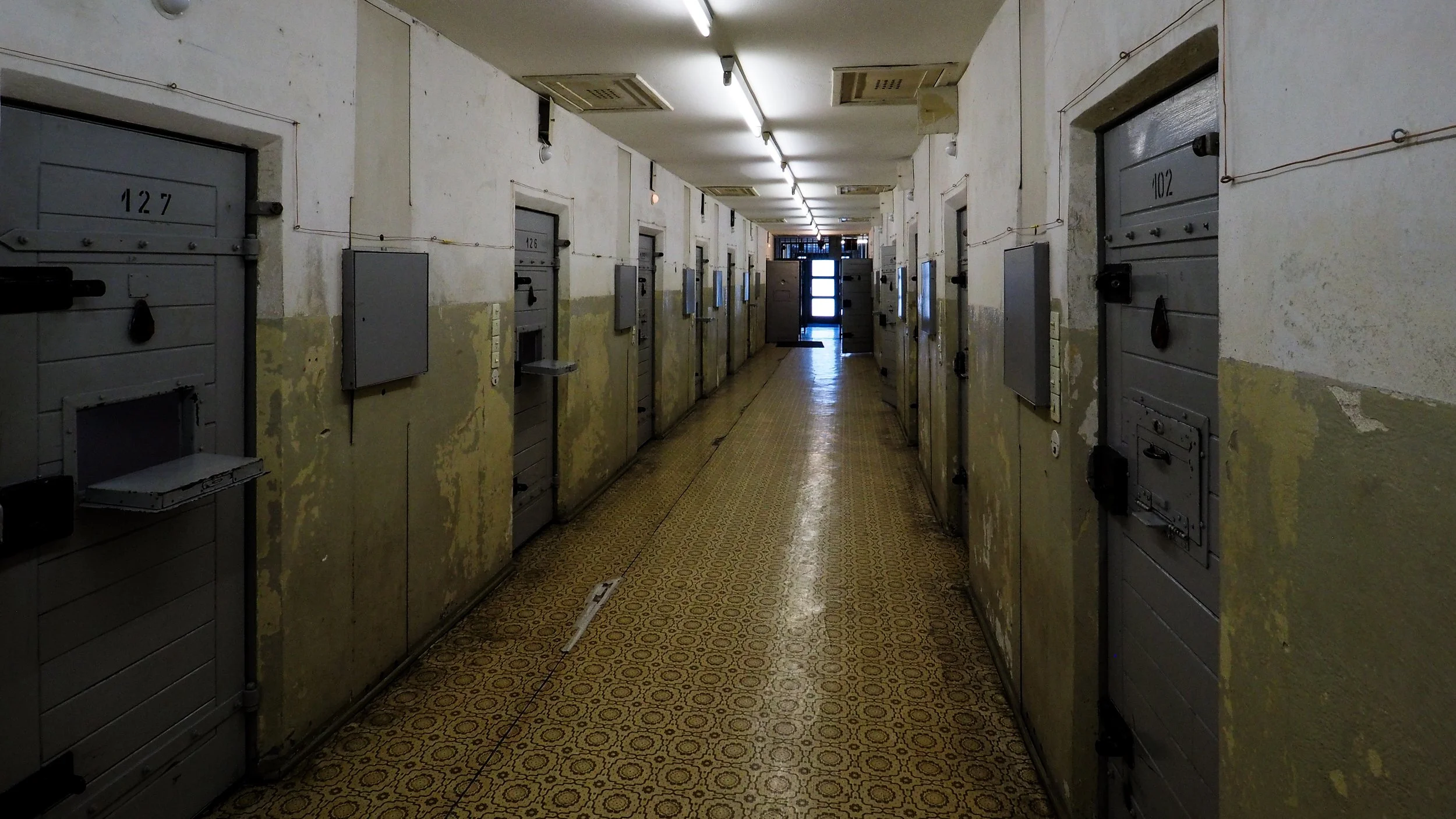
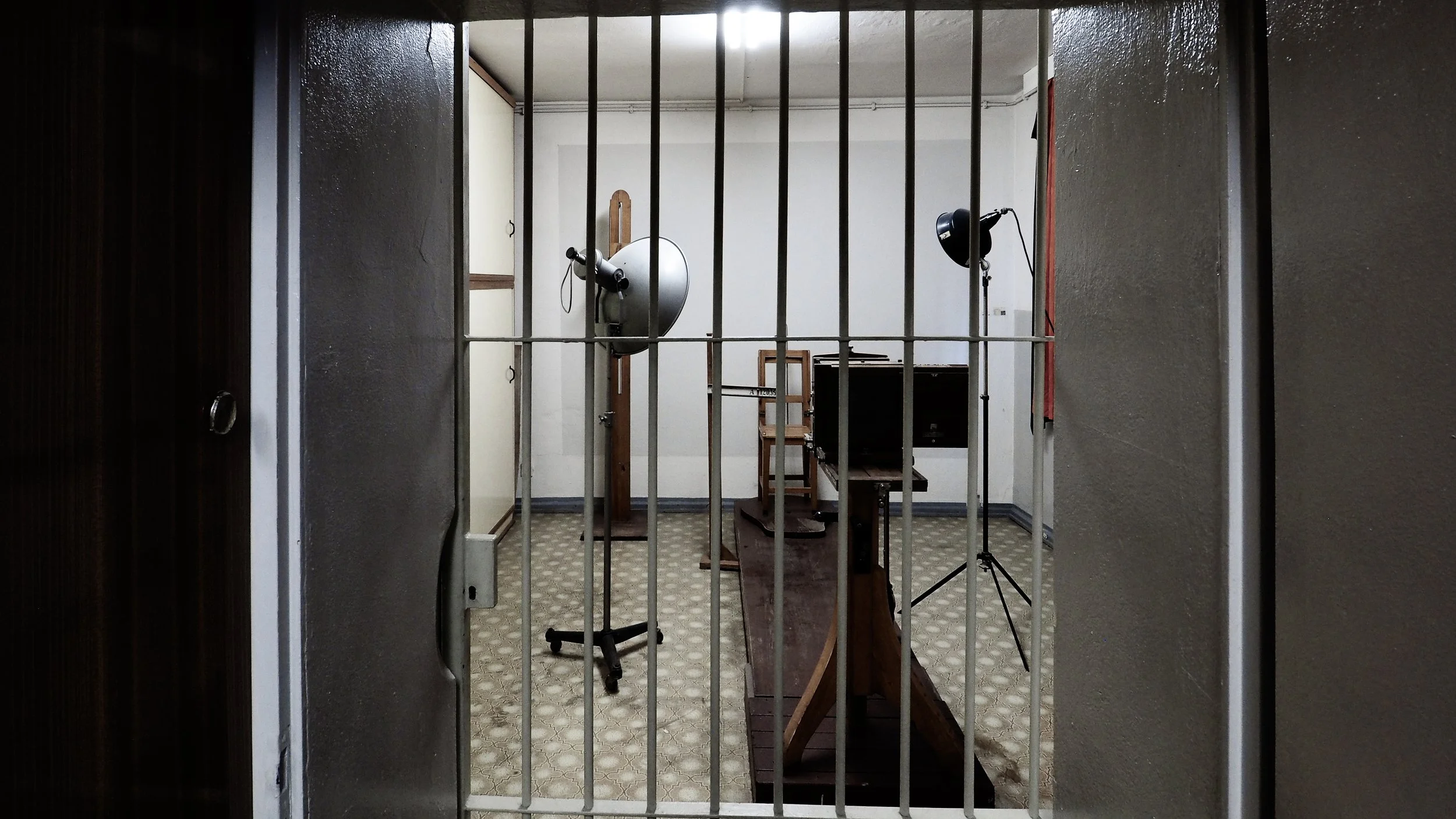
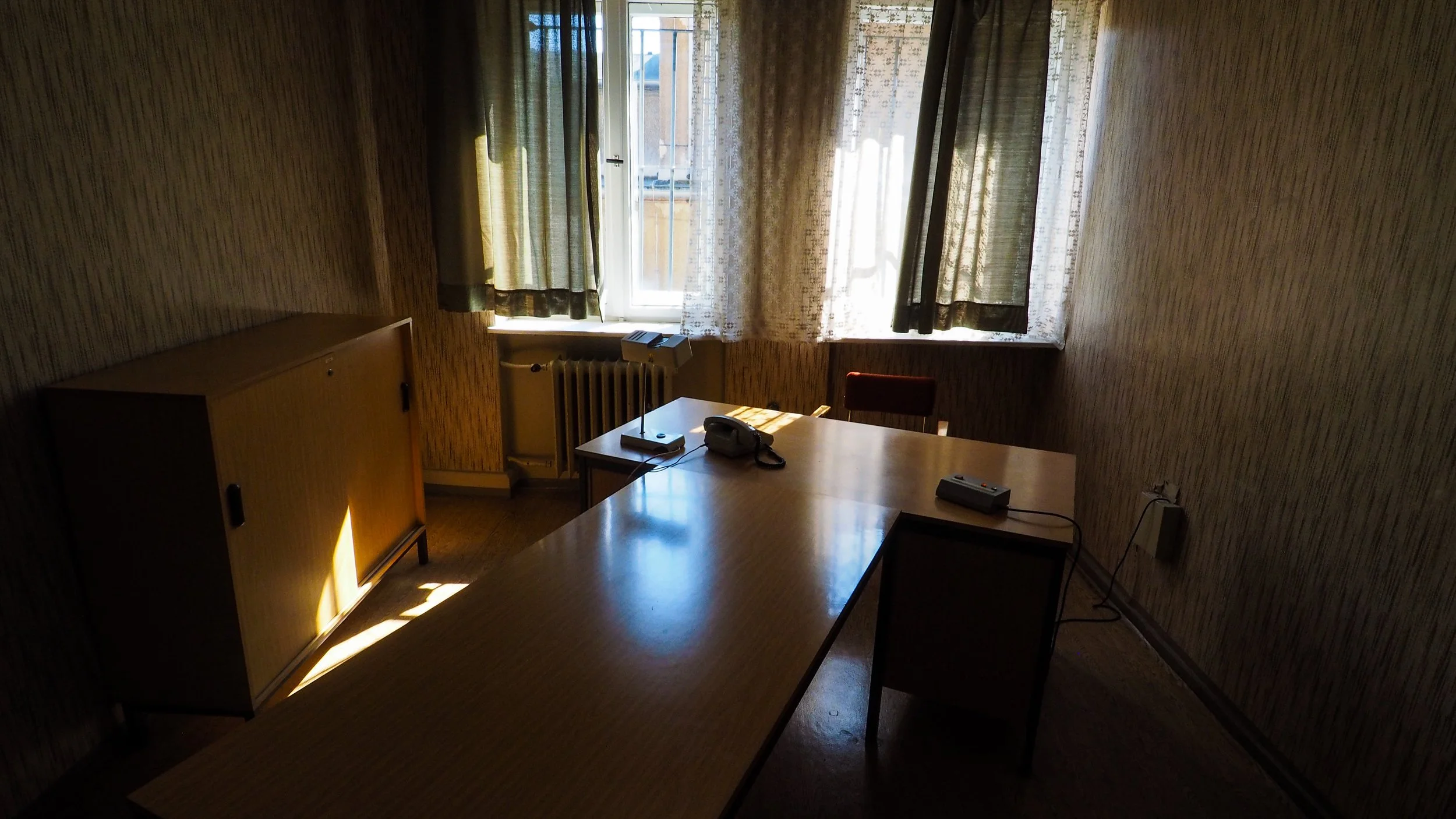
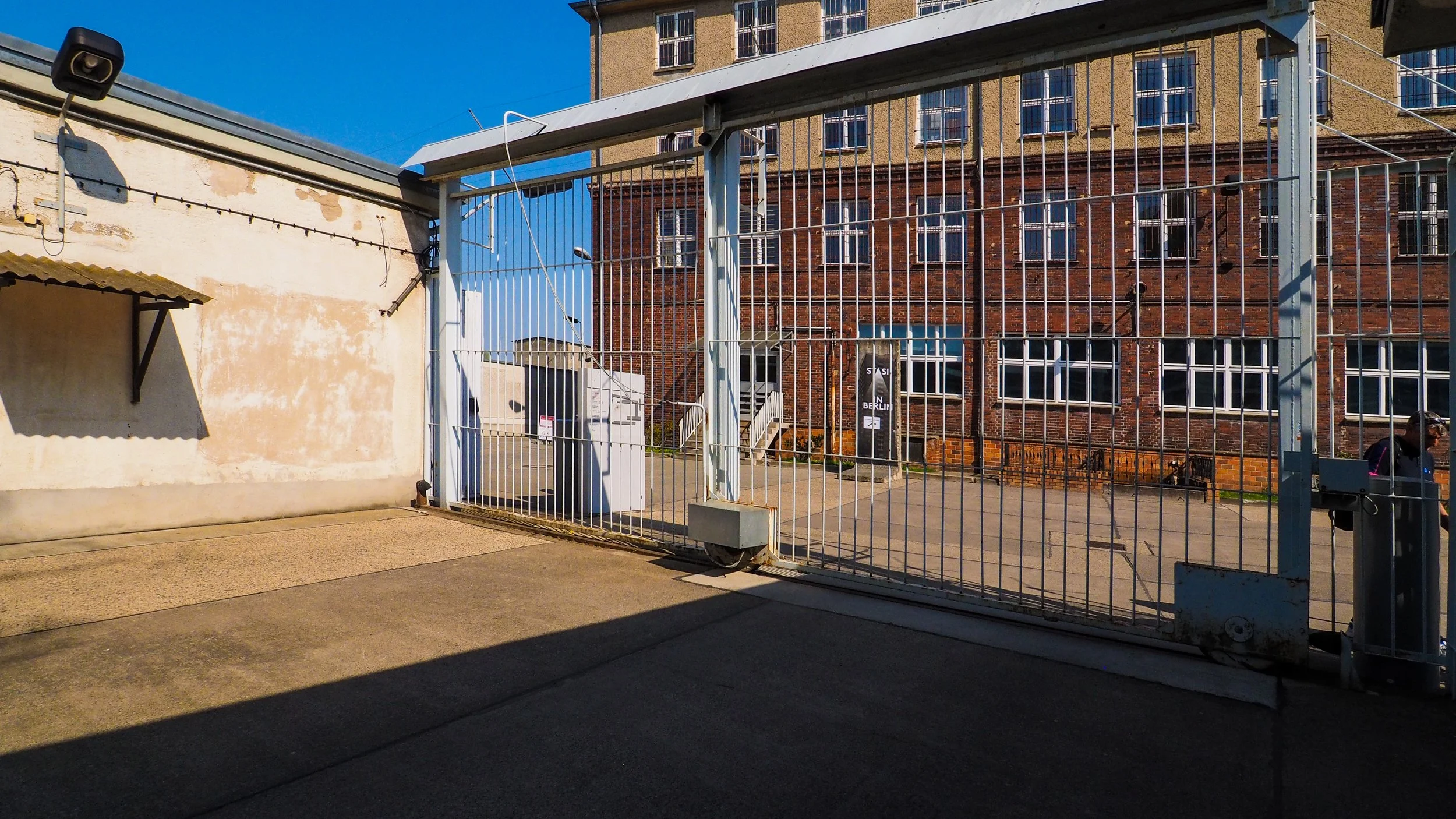
Hohenschönhausen prison, located in Berlin, Germany, is a place with a significant and haunting history. It was originally built in 1945 by the Soviet occupying forces in Germany as a detention center. However, it became notorious during the Cold War era as a centre for political repression and torture under the East German communist regime, particularly the Ministry for State Security (Stasi).
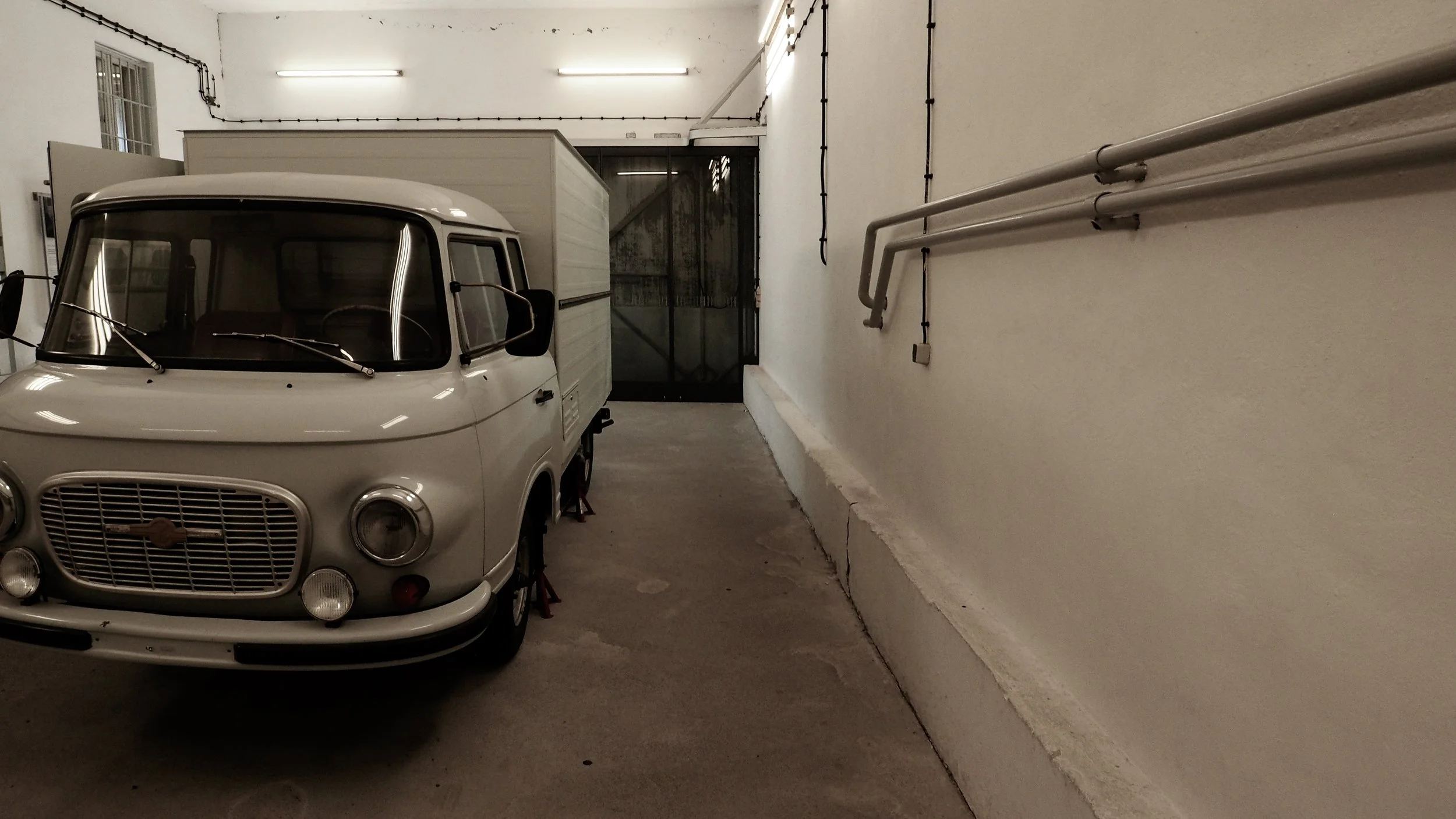
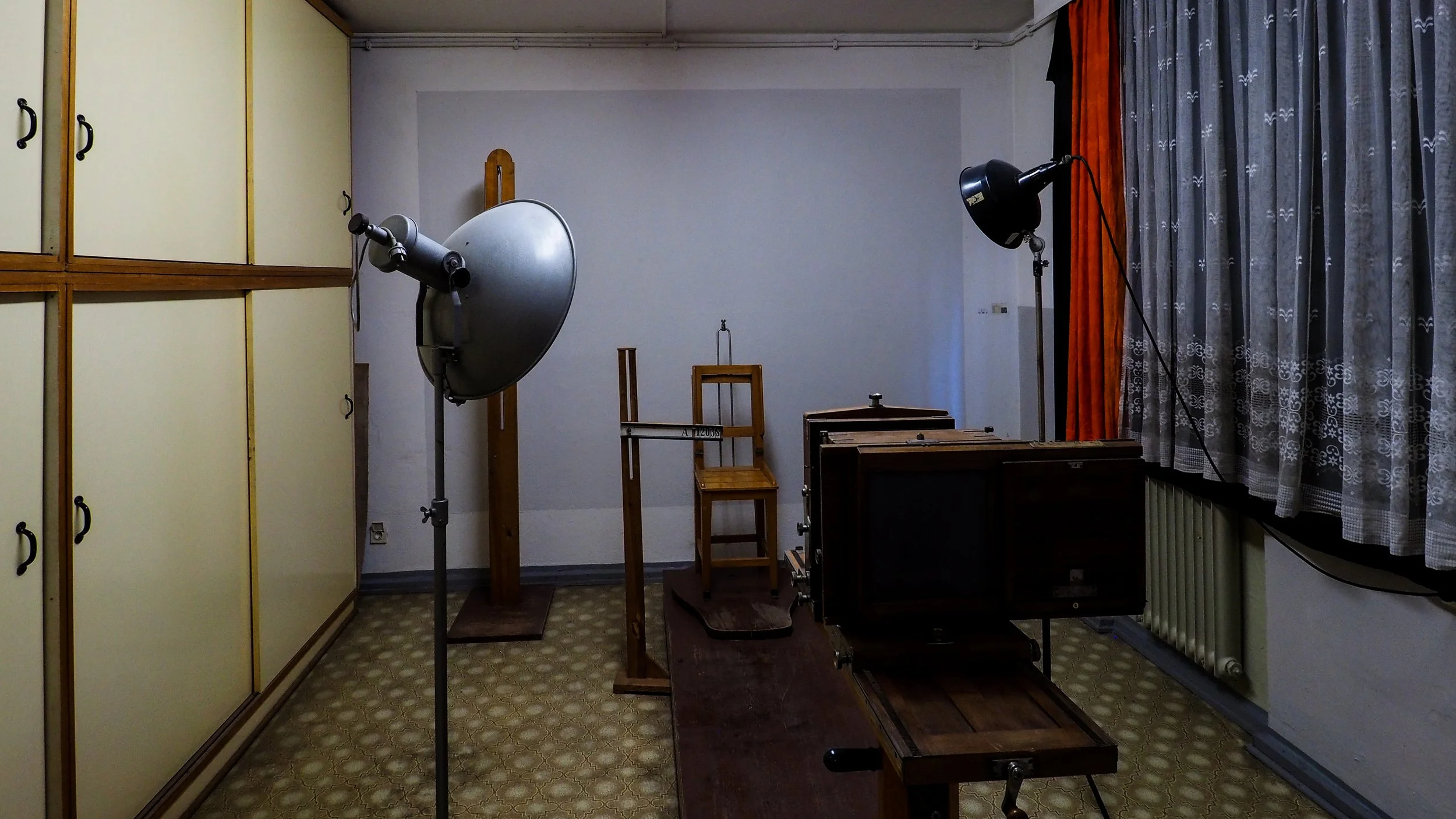
The prison was used primarily to detain political prisoners, dissidents, and suspected enemies of the state under the Communist regime in East Germany. It was part of a network of facilities where the Stasi conducted interrogations, often using brutal methods to extract confessions or information.
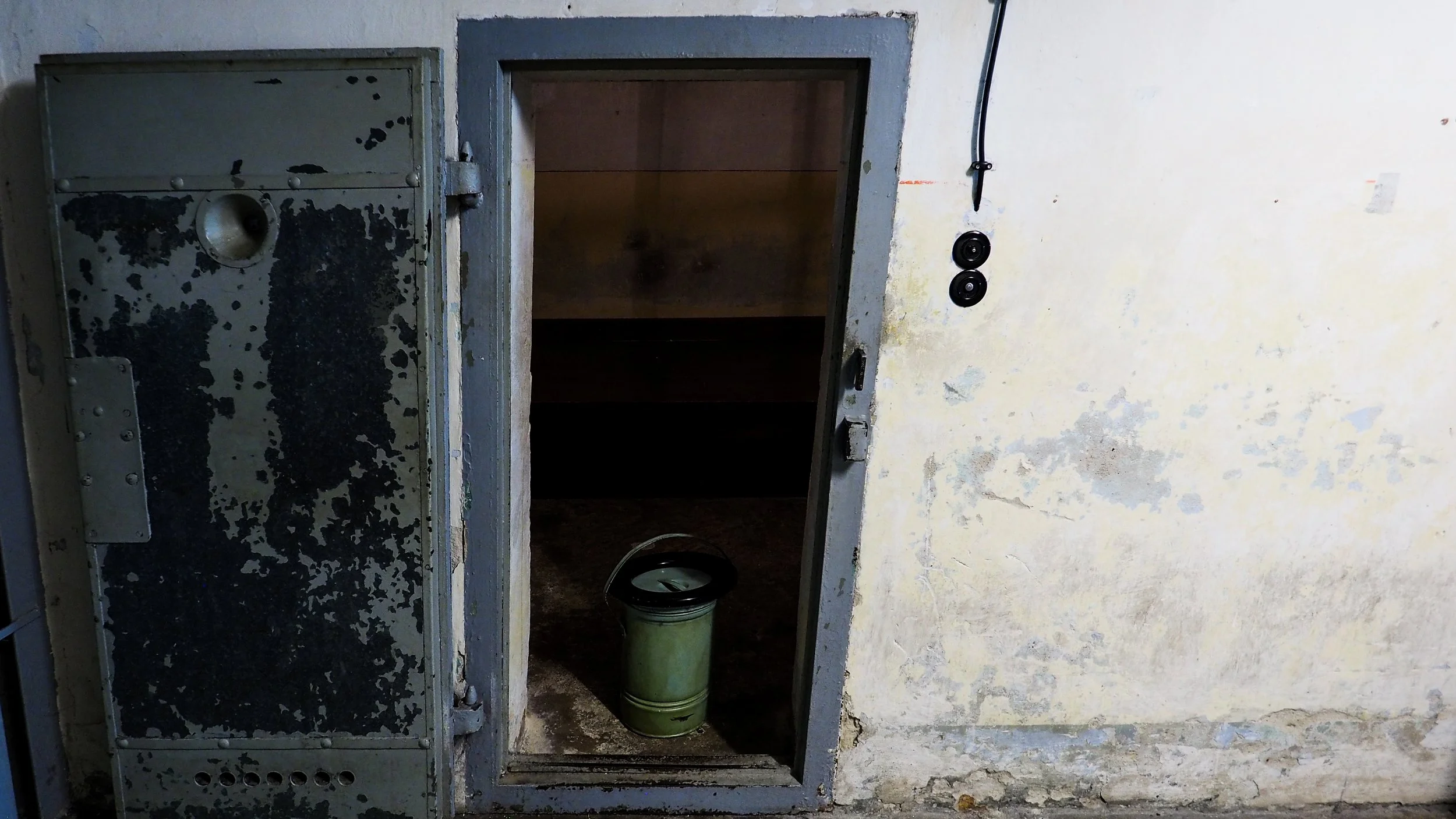
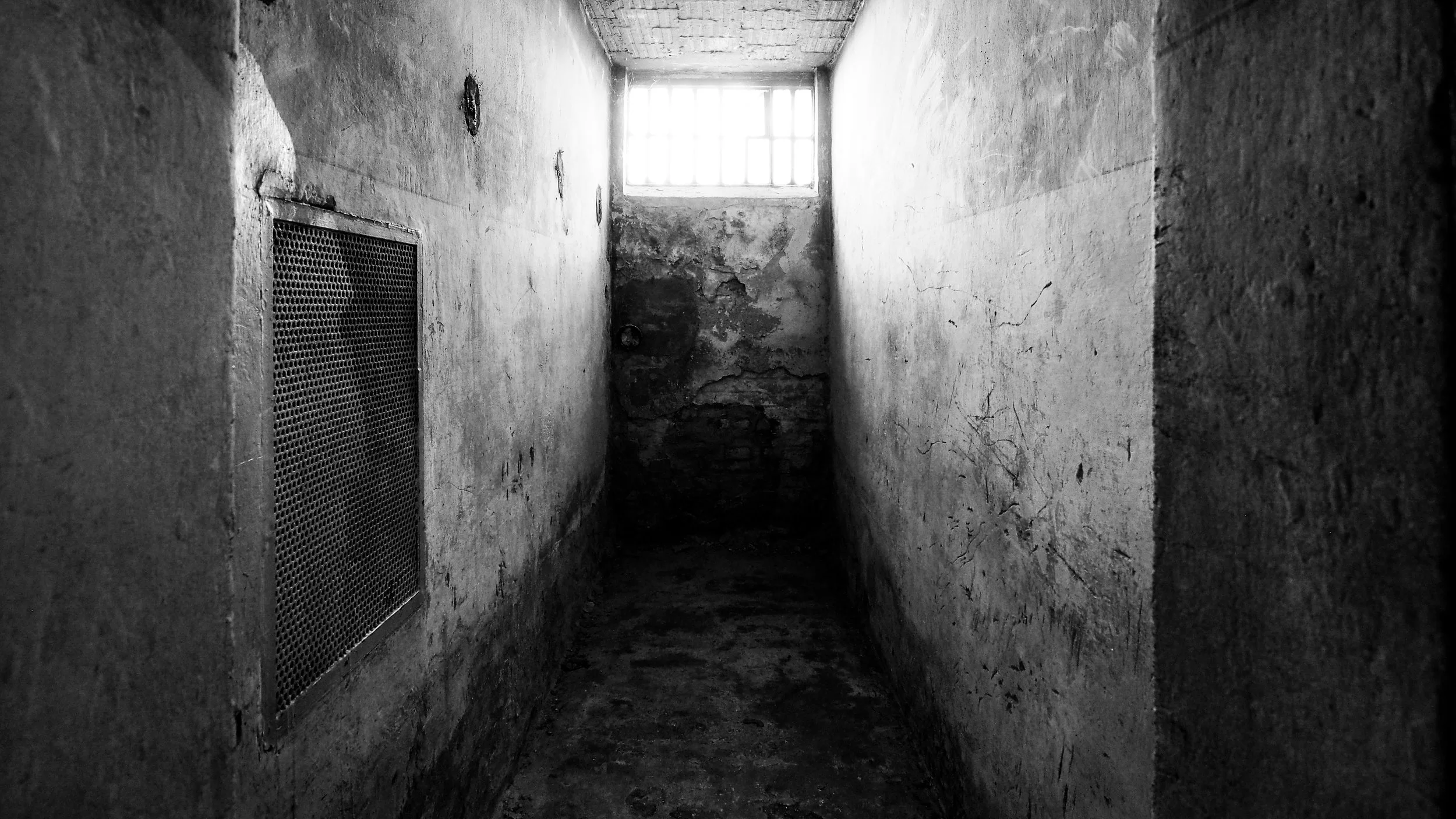
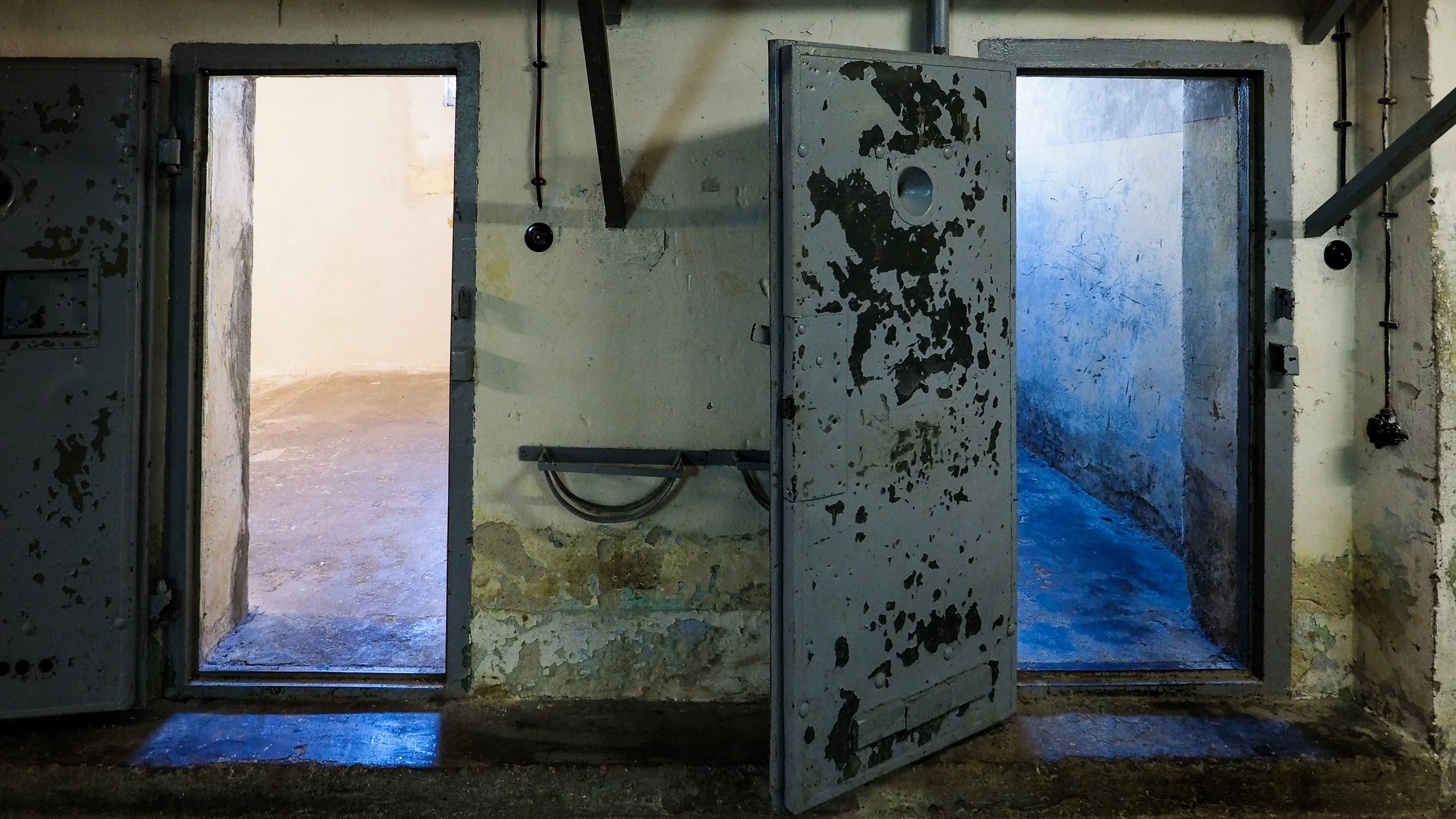
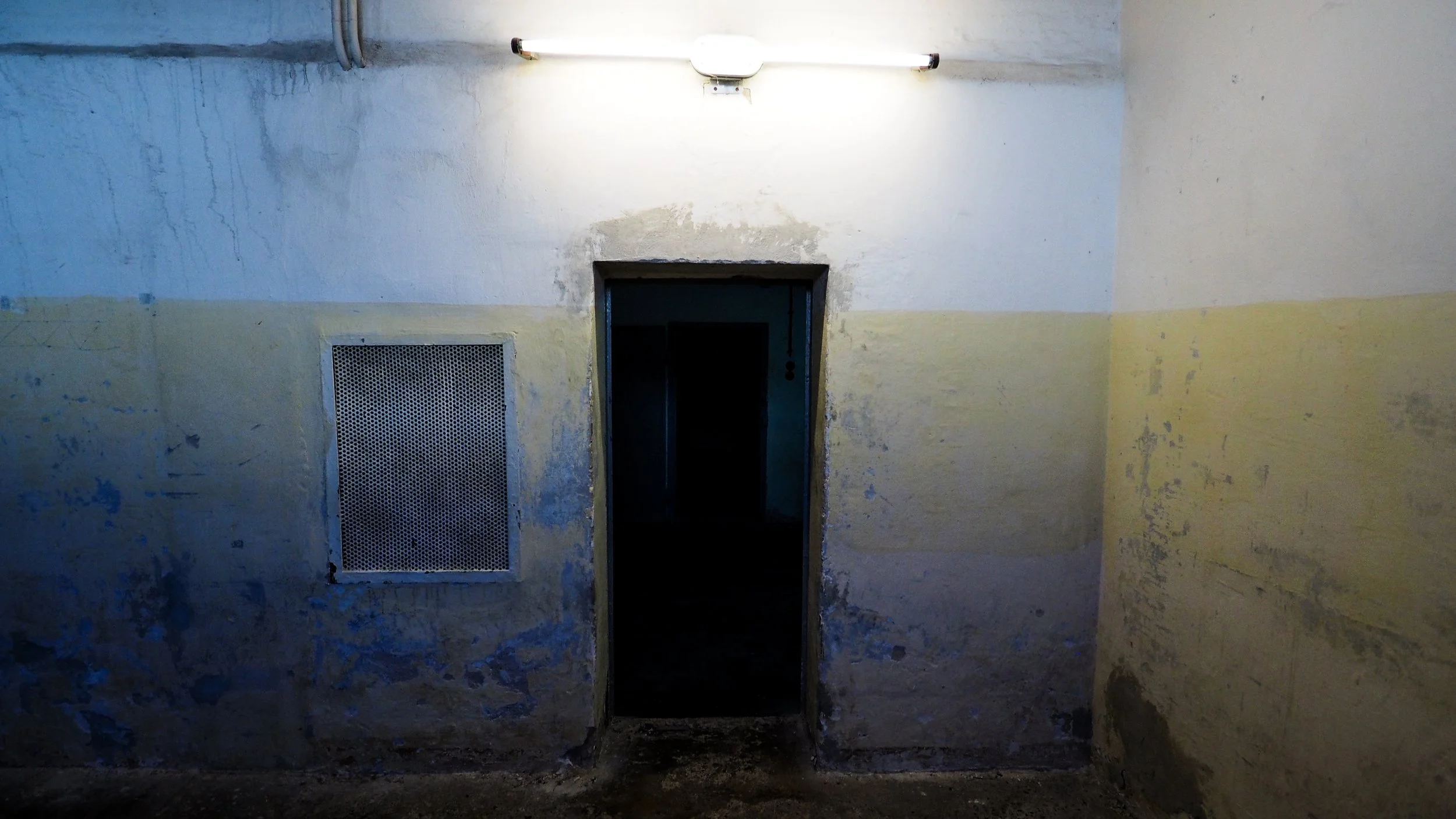
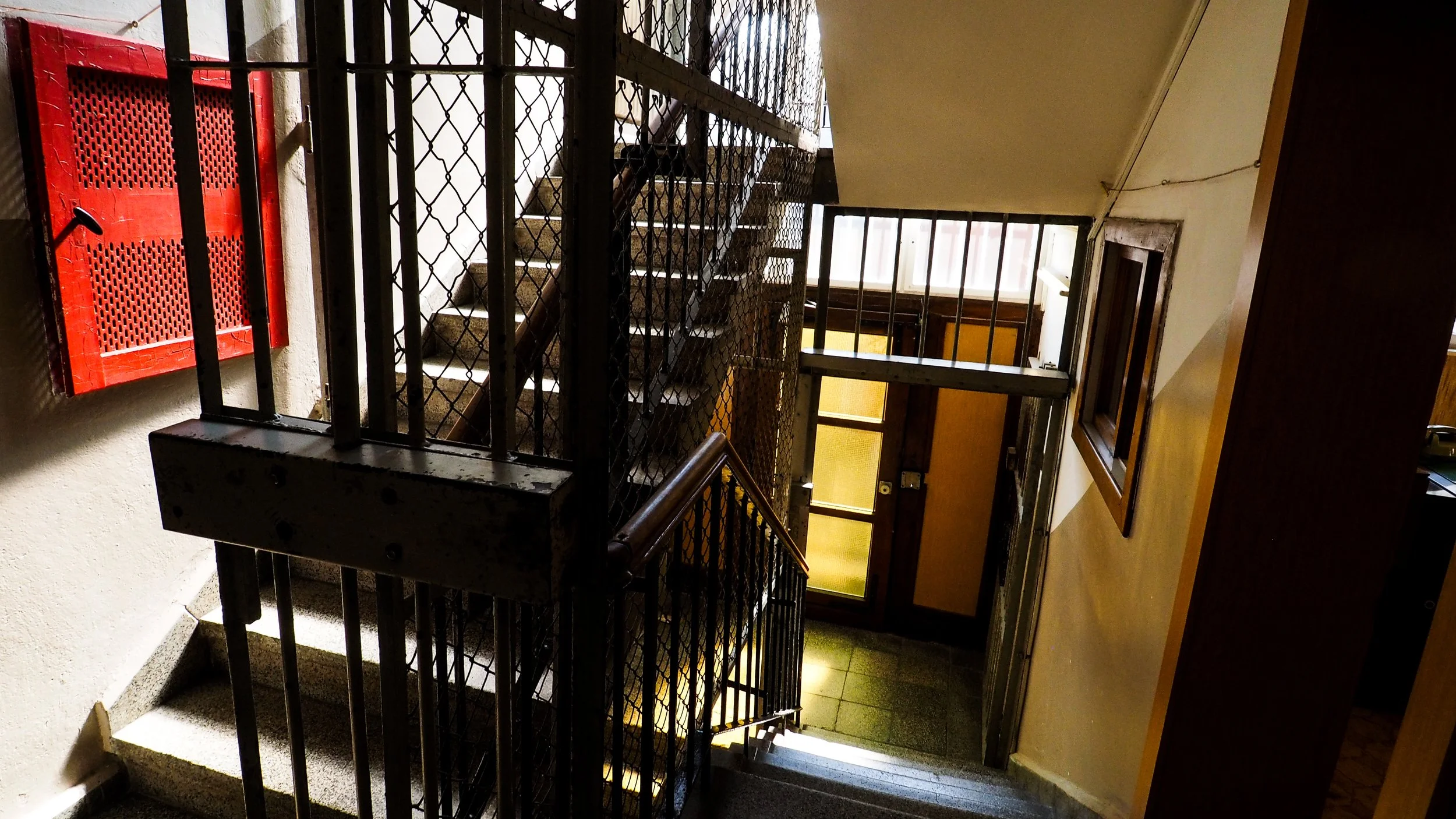
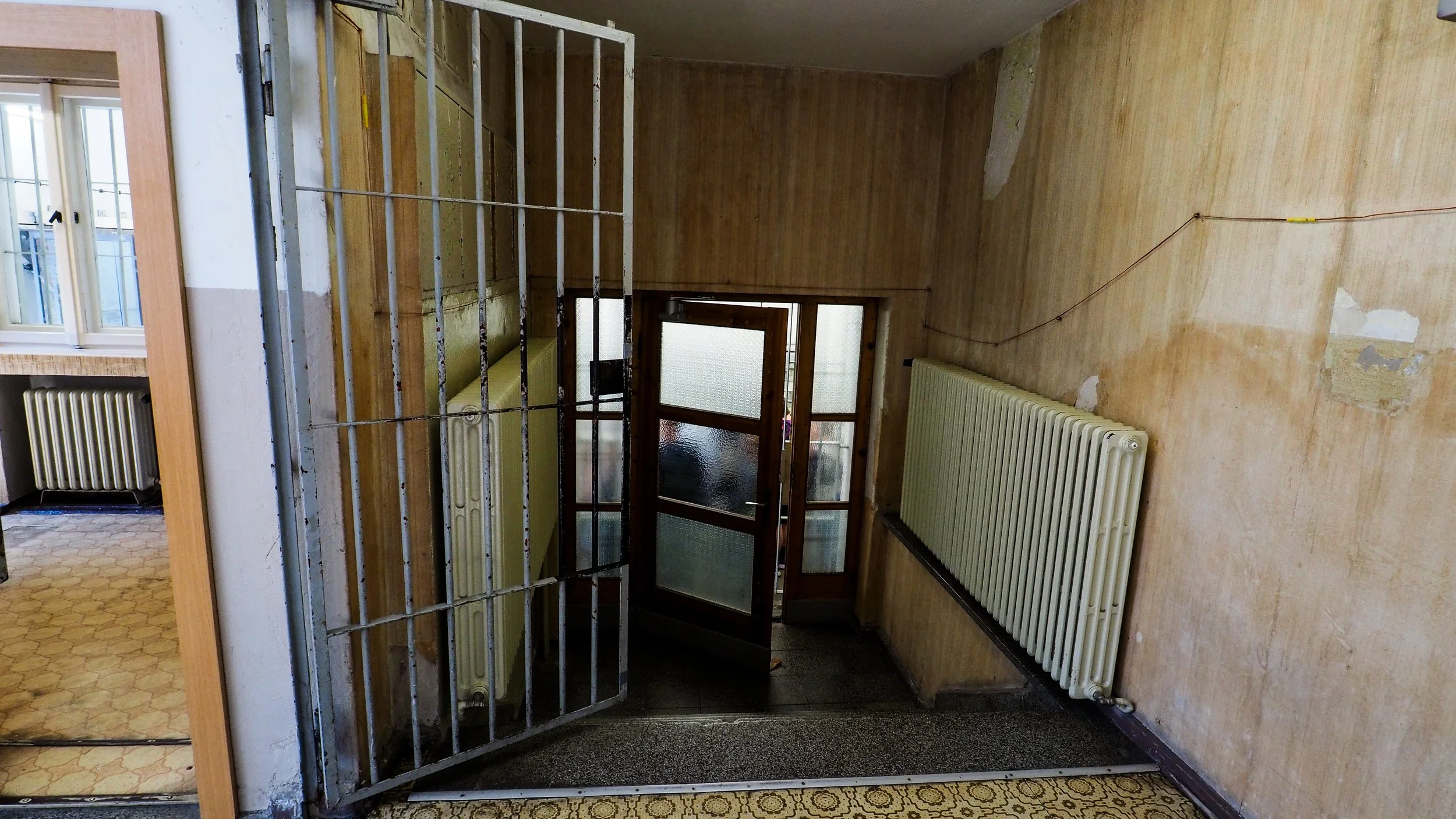
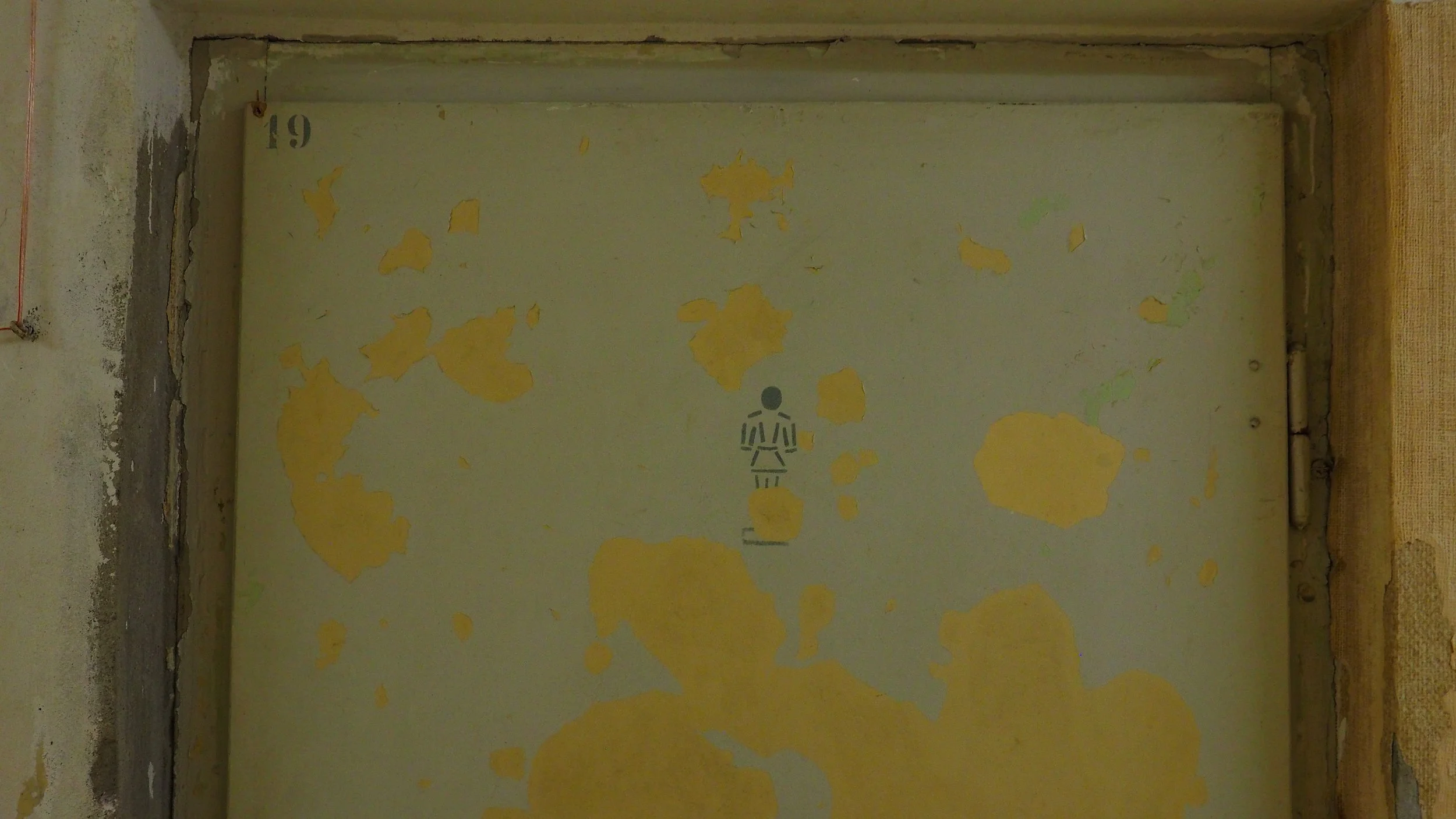
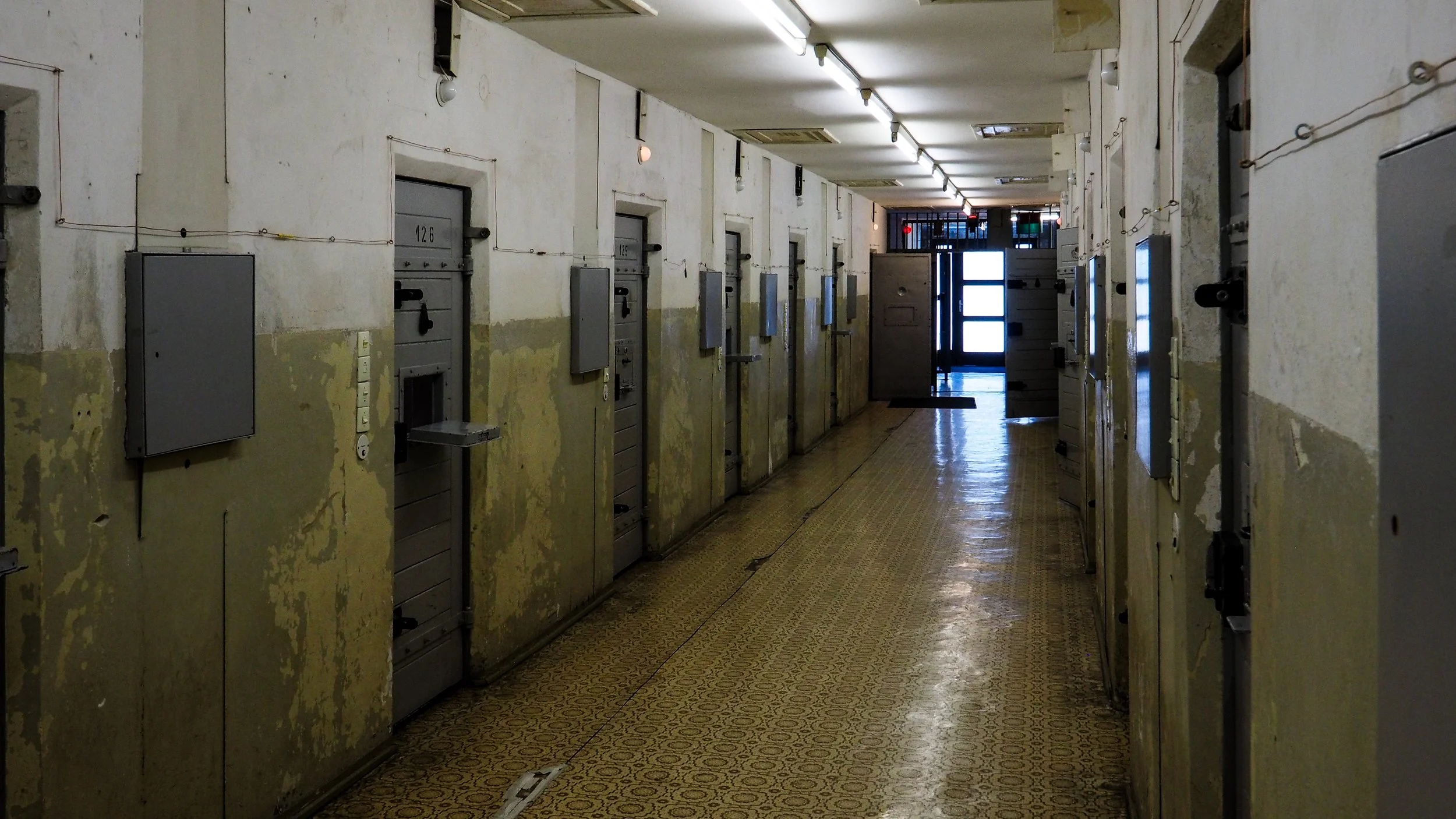
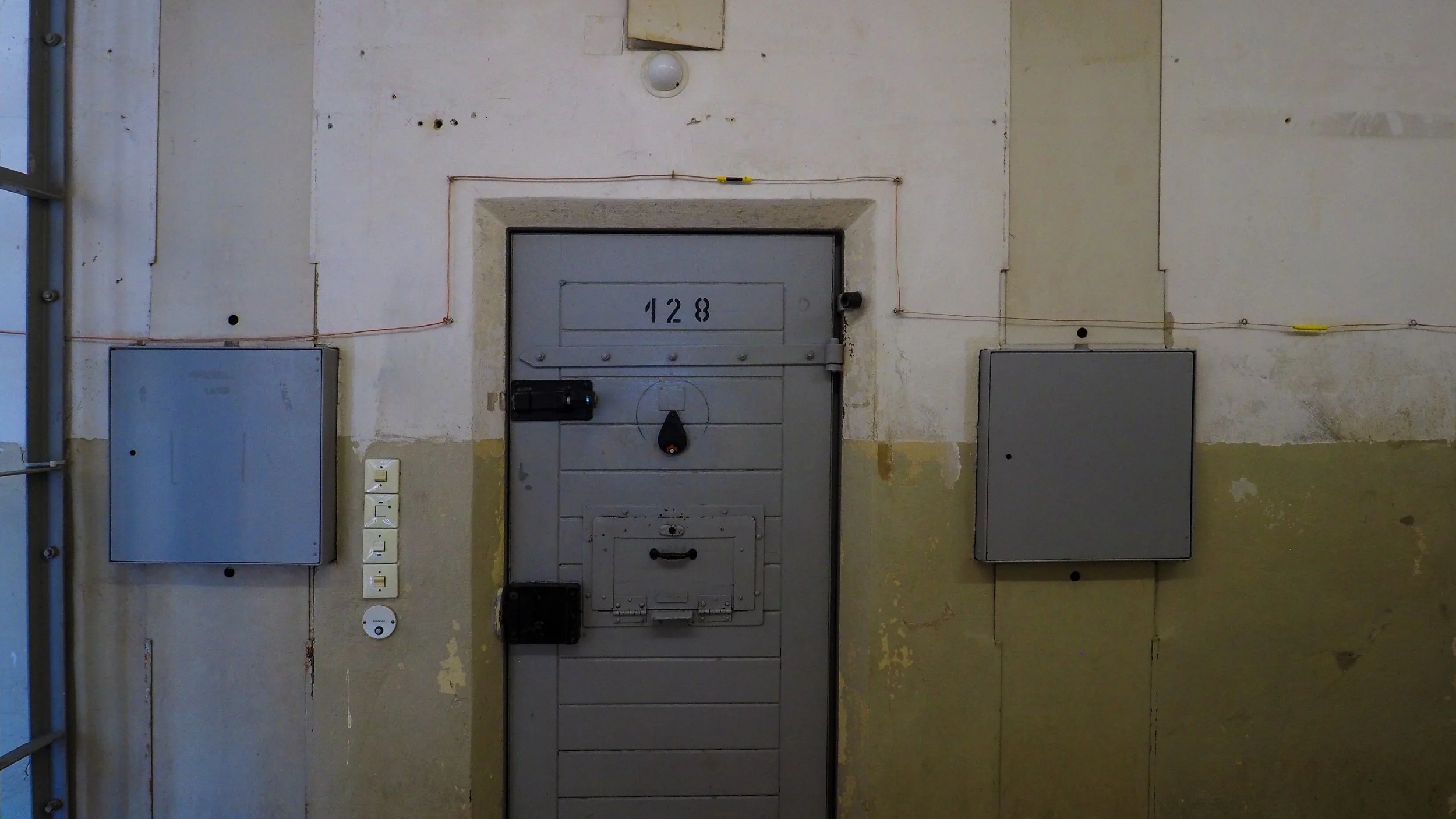
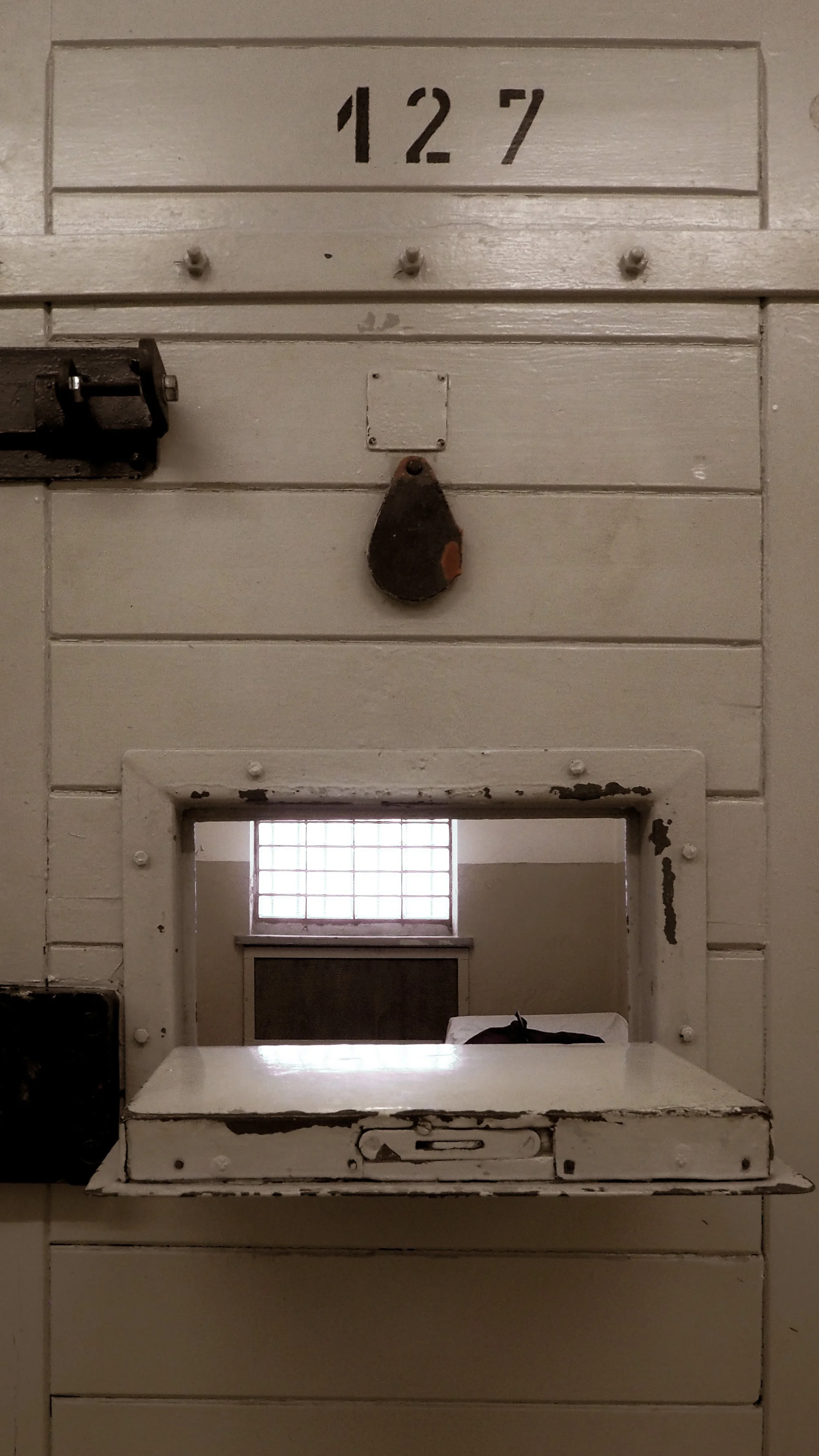
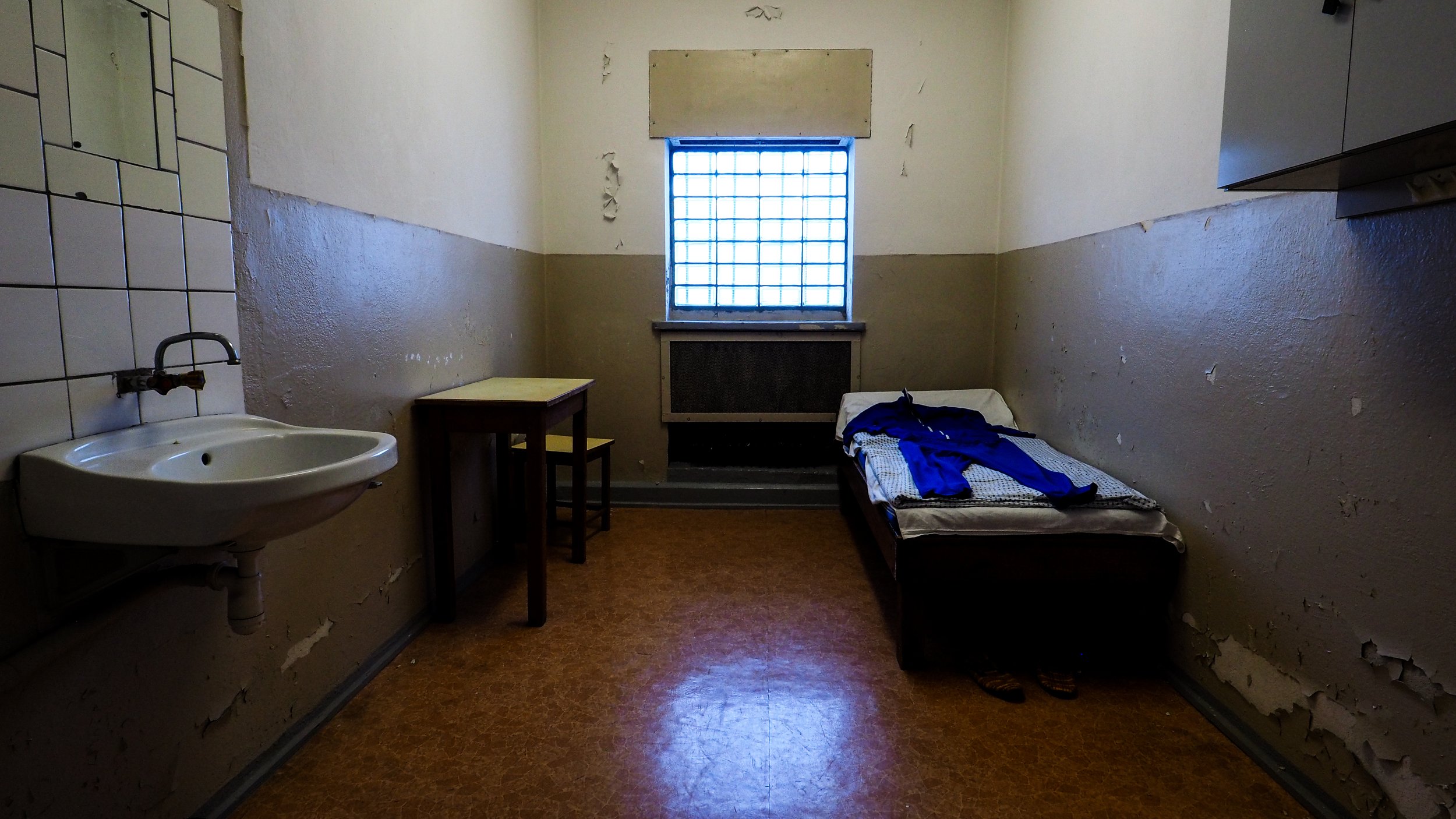
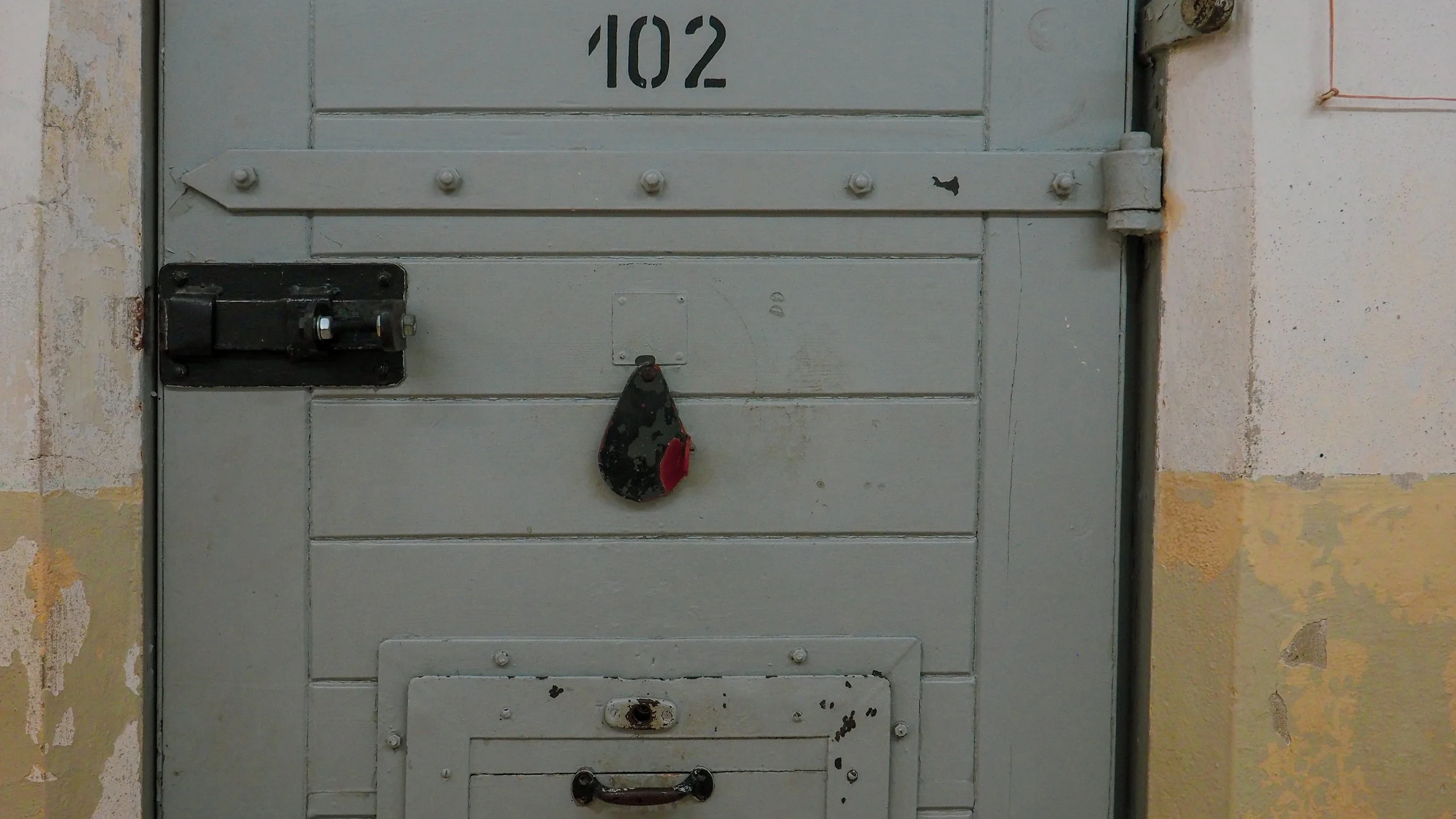
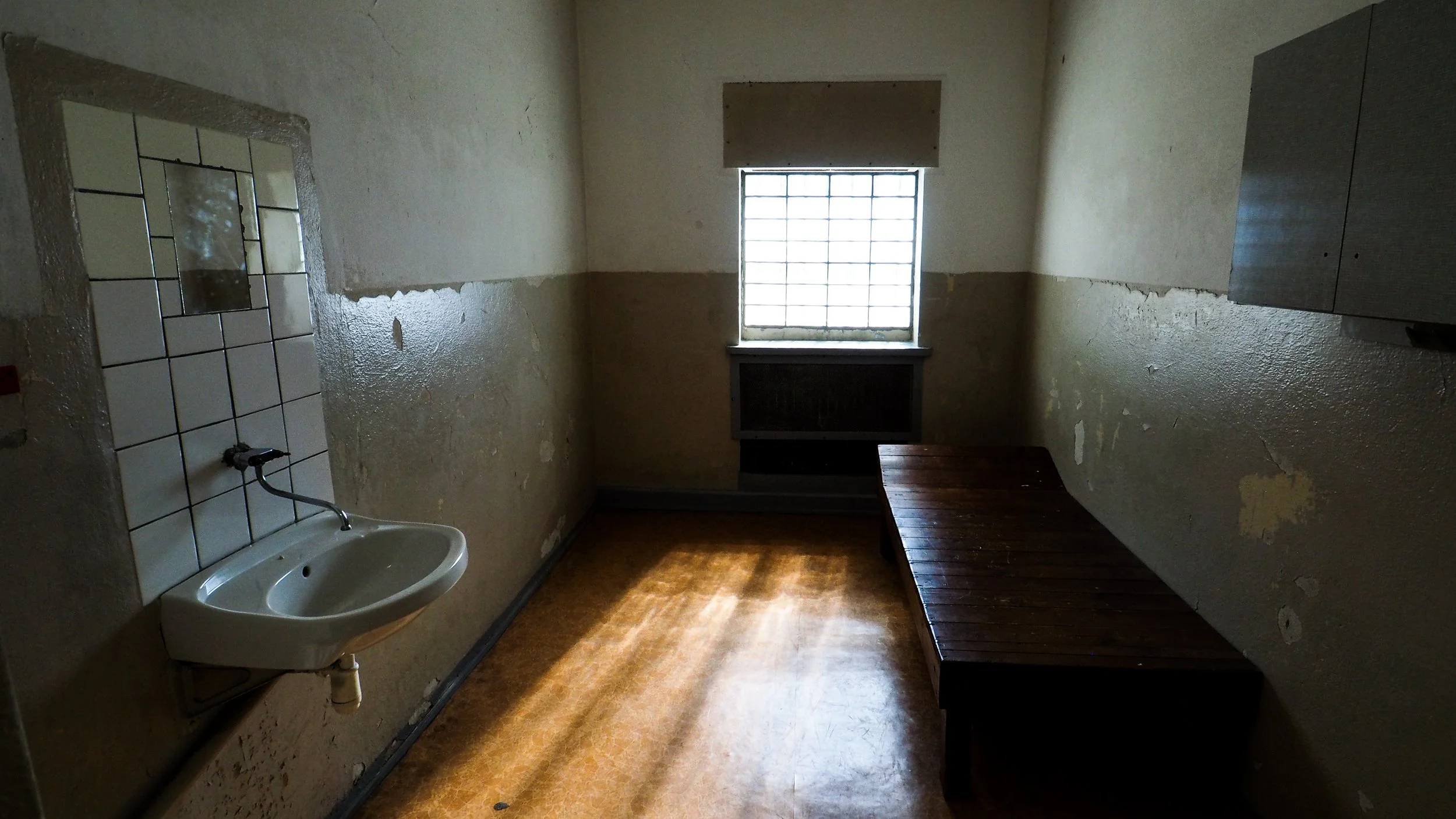
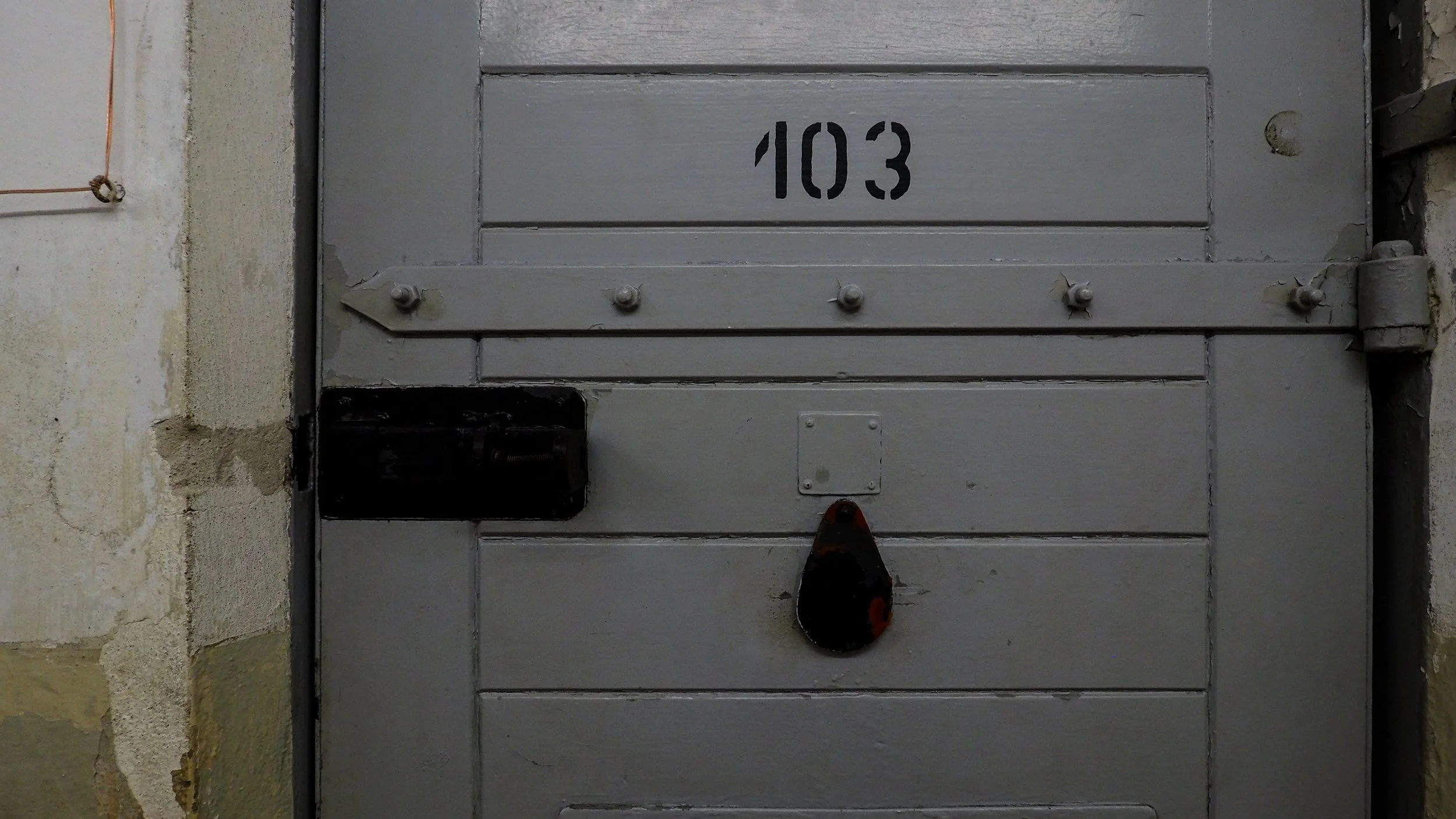
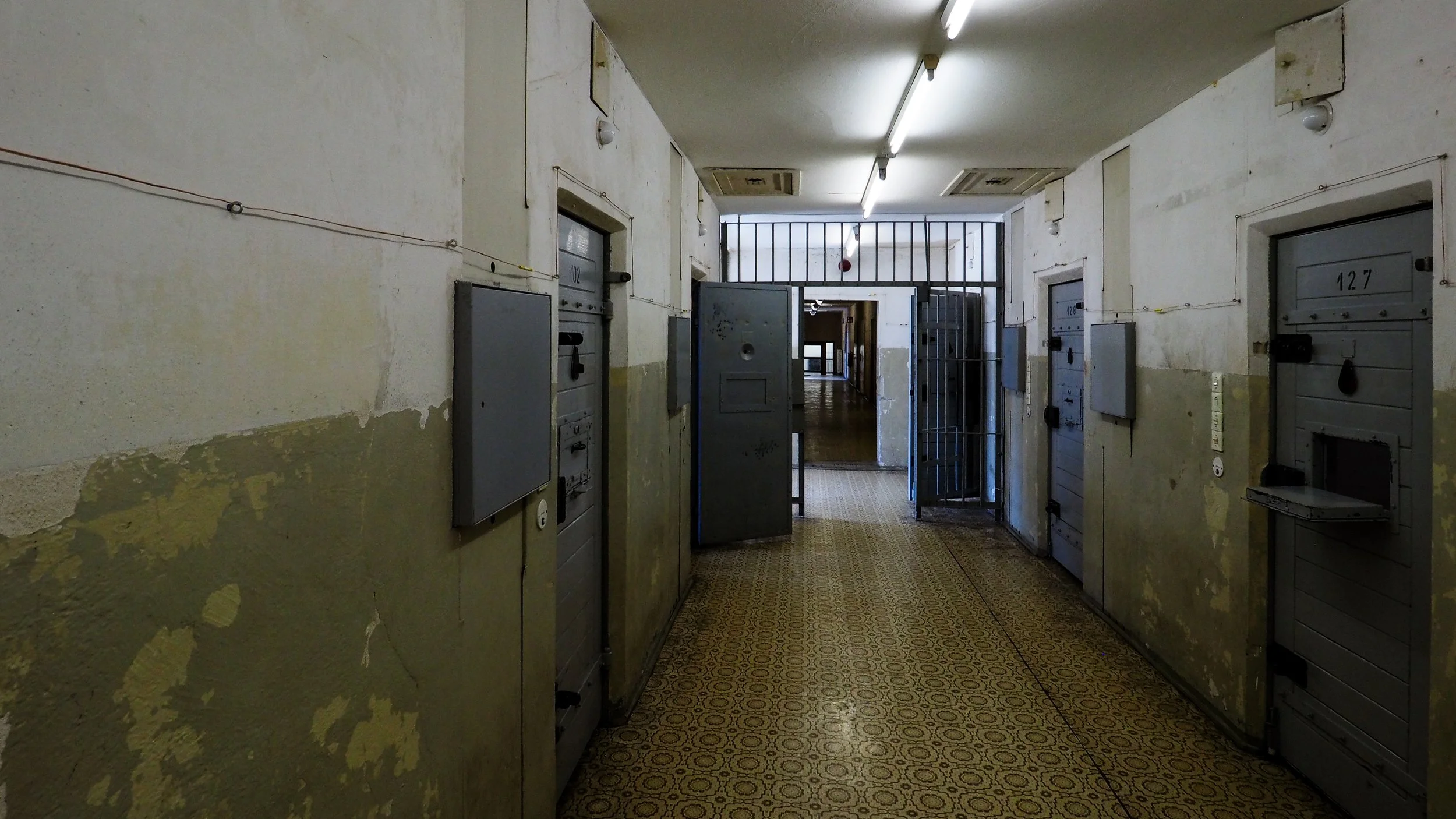
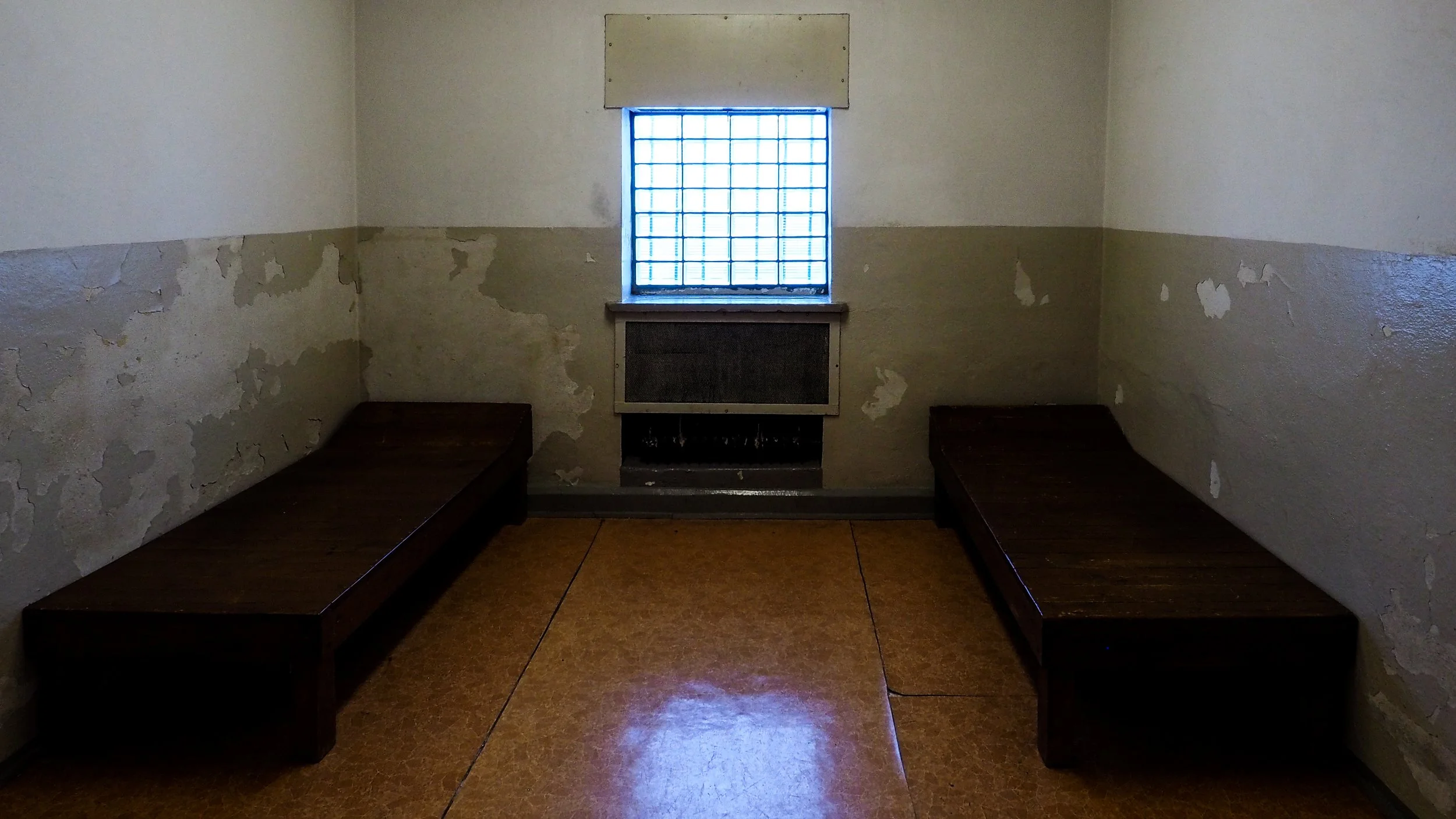
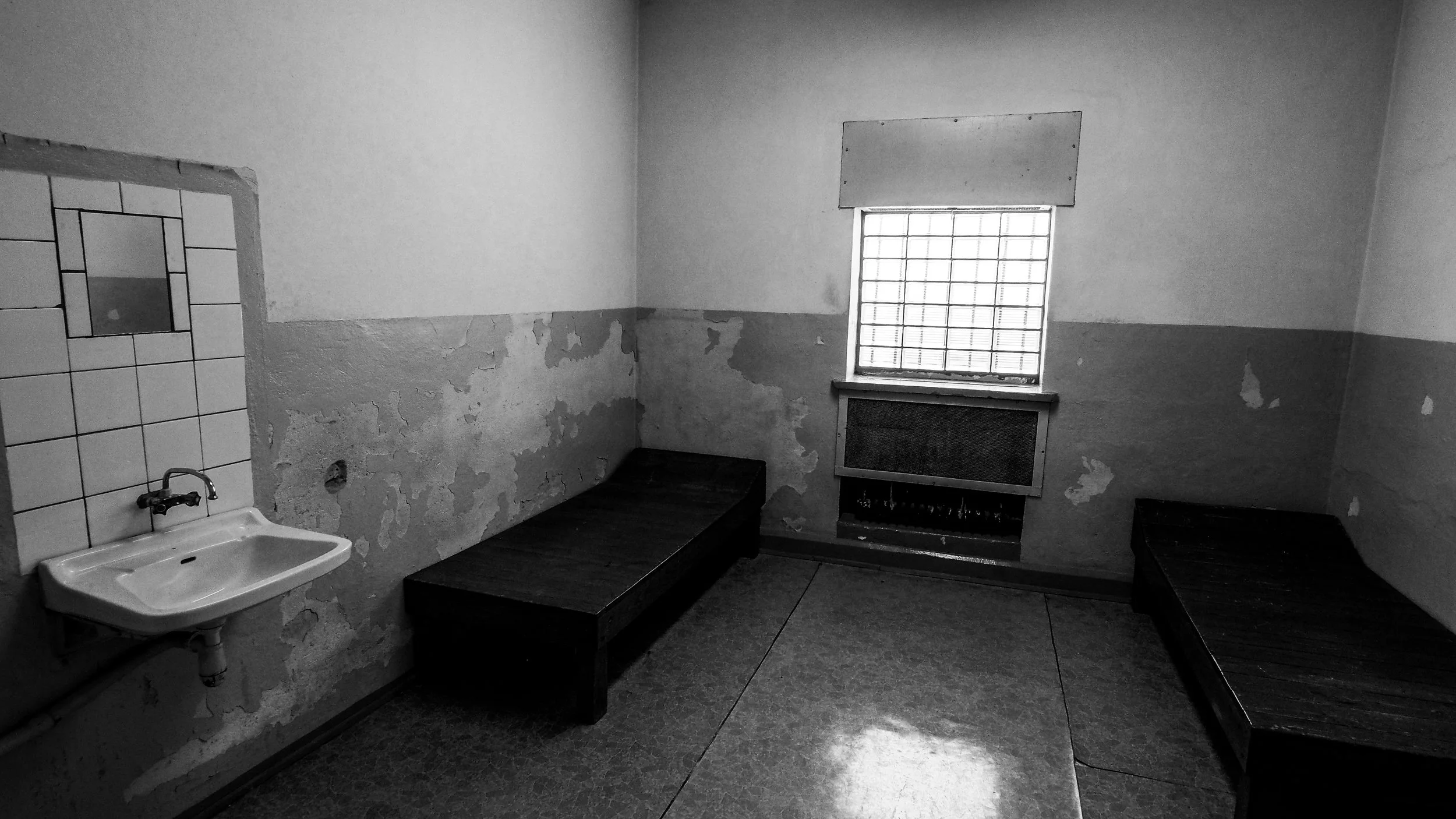
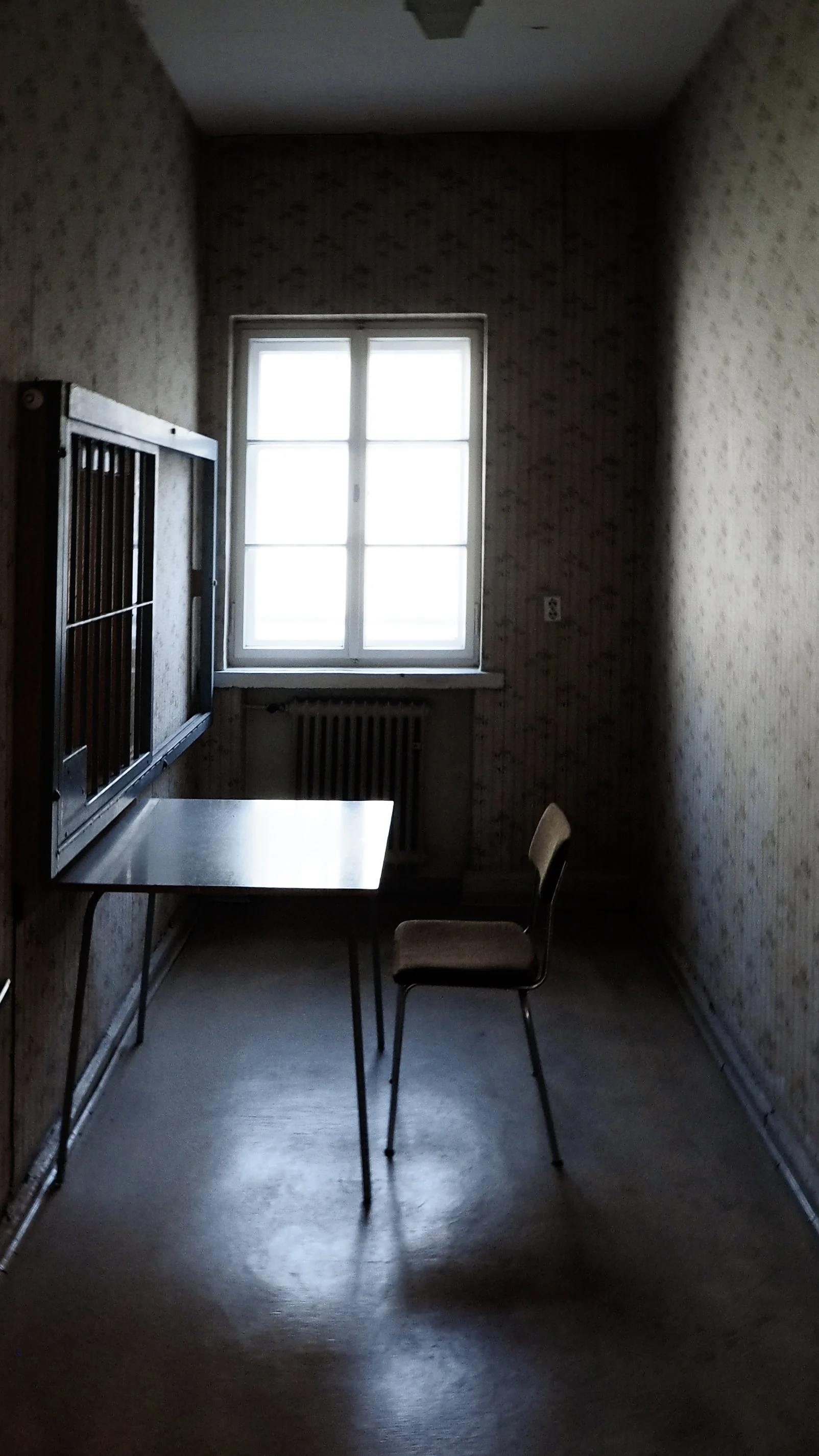
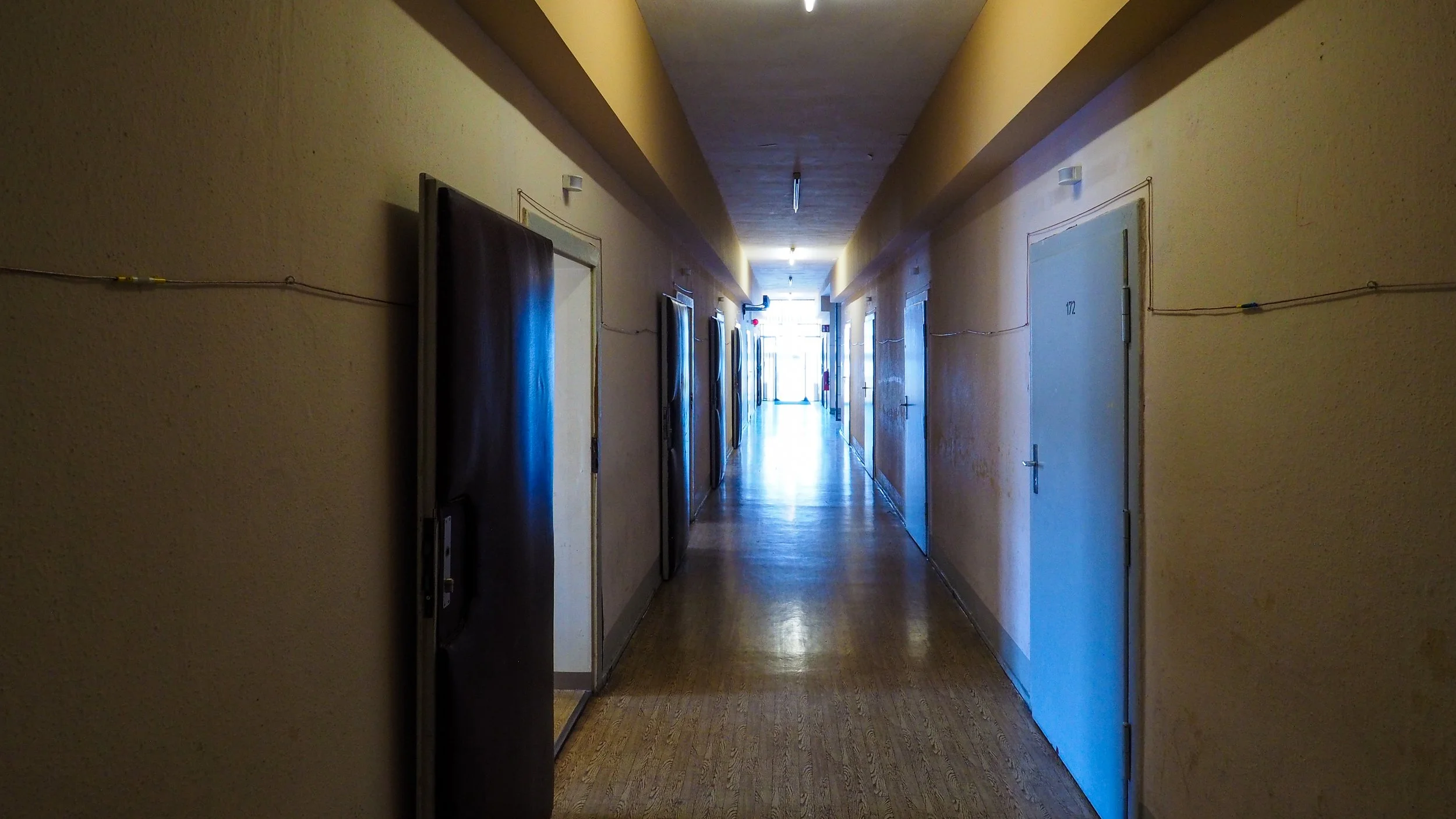
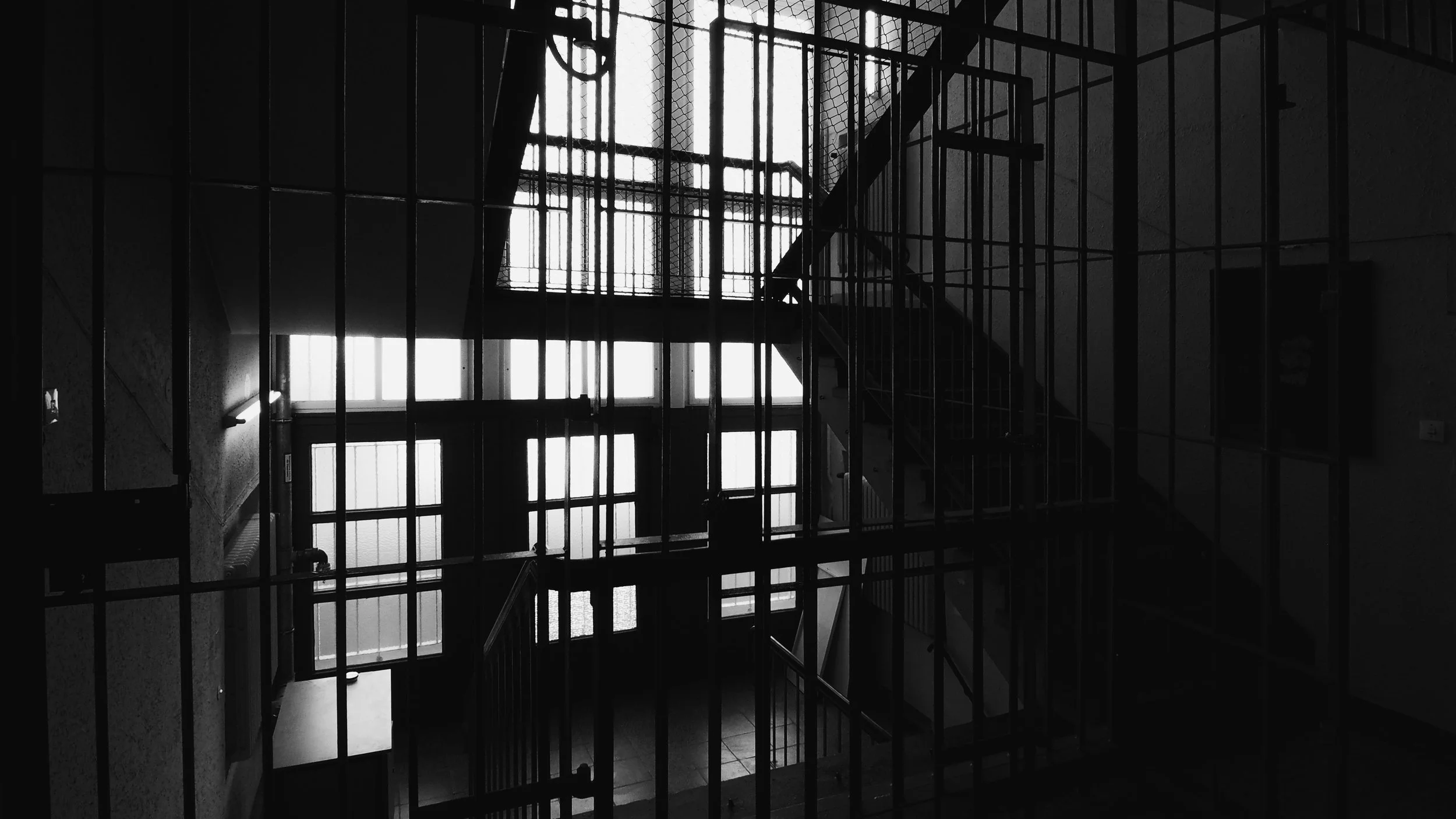
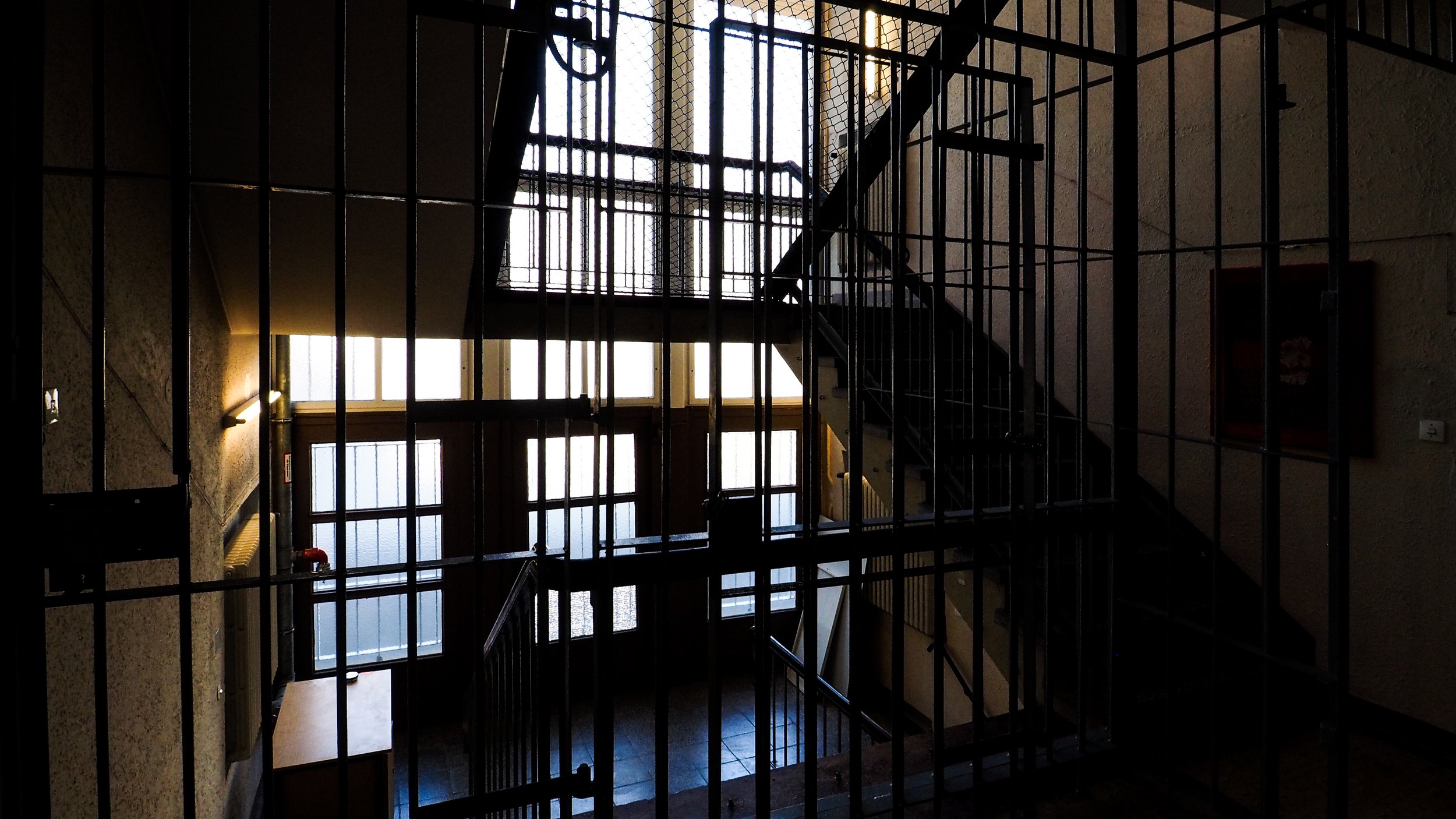
The conditions in Hohenschönhausen were harsh and designed to psychologically break down prisoners. They were subjected to isolation, sensory deprivation, and constant surveillance. The prison was deliberately designed to disorient and intimidate inmates.
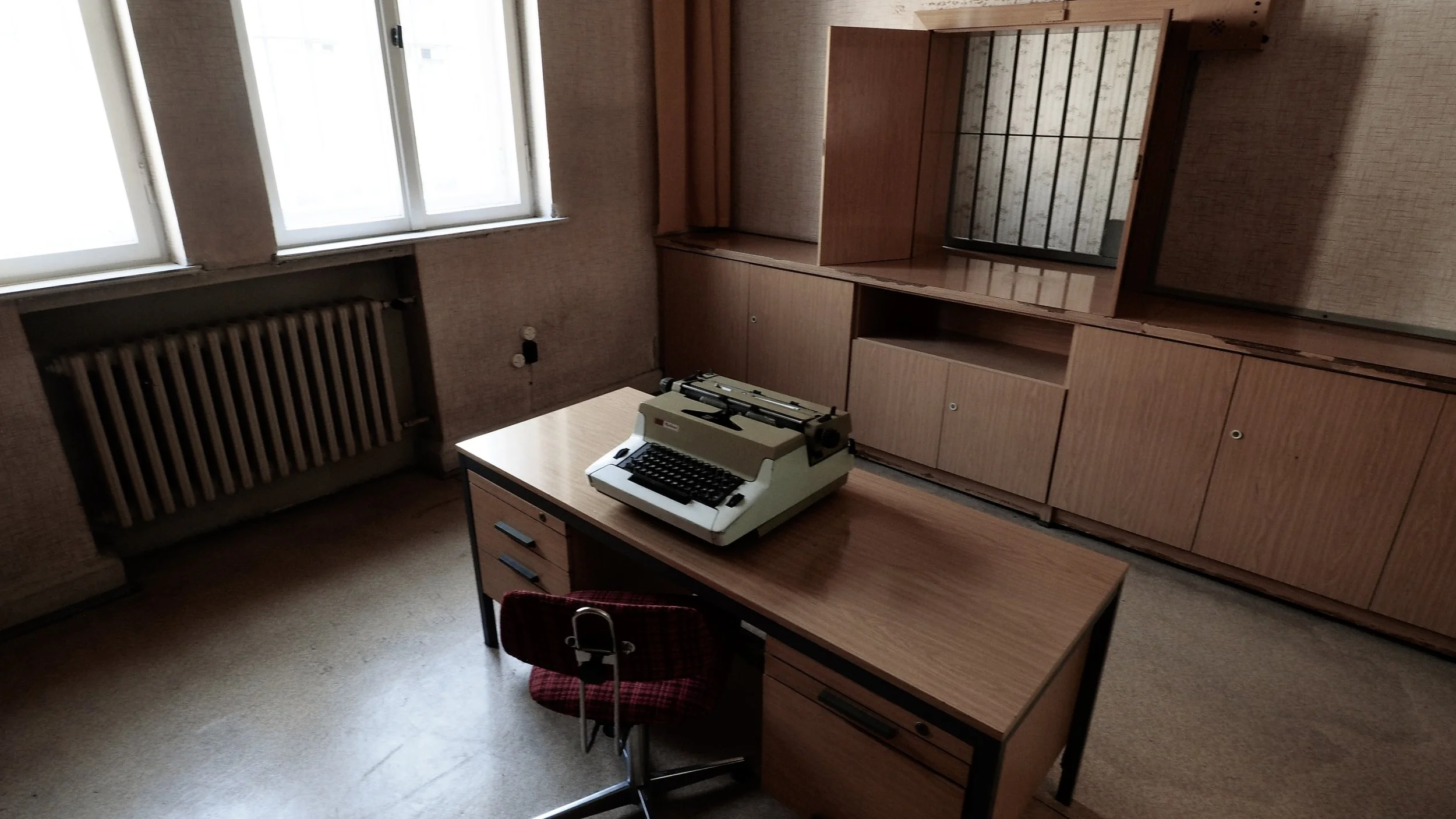
Interrogations in Hohenschönhausen were often conducted in a manner intended to psychologically manipulate and coerce prisoners. This could involve threats, false promises, and physical and mental abuse. The goal was to force compliance or obtain information.
During its operation, the prison was a closely guarded secret. Families often did not know the whereabouts of their loved ones, and inmates were often held without trial or access to legal representation.
After German reunification in 1990, Hohenschönhausen was turned into a memorial and museum in 1994. It serves as a reminder of the repression that occurred under totalitarian regimes and as a tribute to those who suffered there. Visitors can take guided tours led by former prisoners, providing a chilling insight into the dark history of the Cold War.
Hohenschönhausen prison stands as a poignant symbol of the injustices perpetrated during the Cold War era, highlighting the importance of safeguarding human rights and democratic principles.