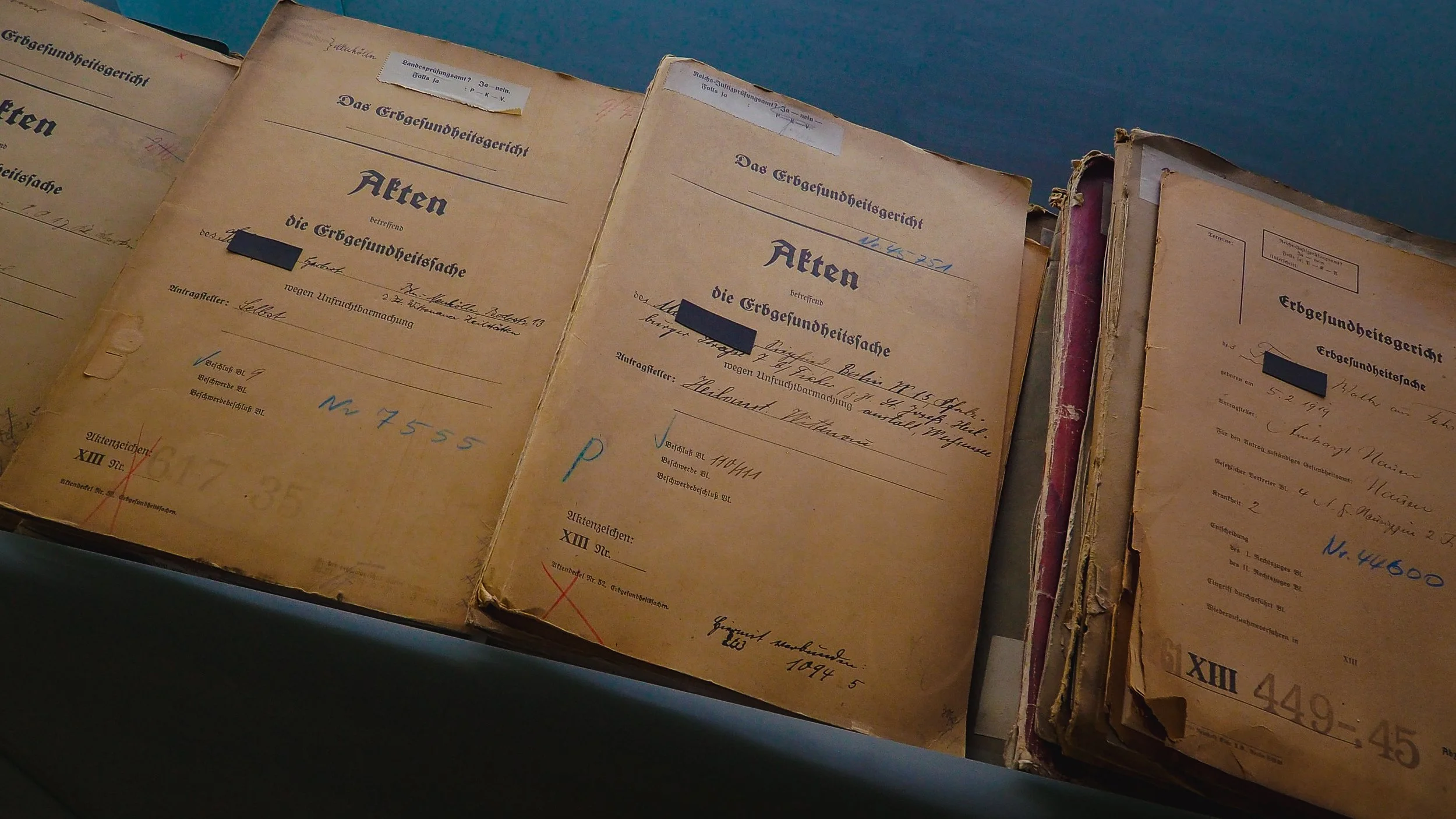
Sachsenhausen Germany 2018
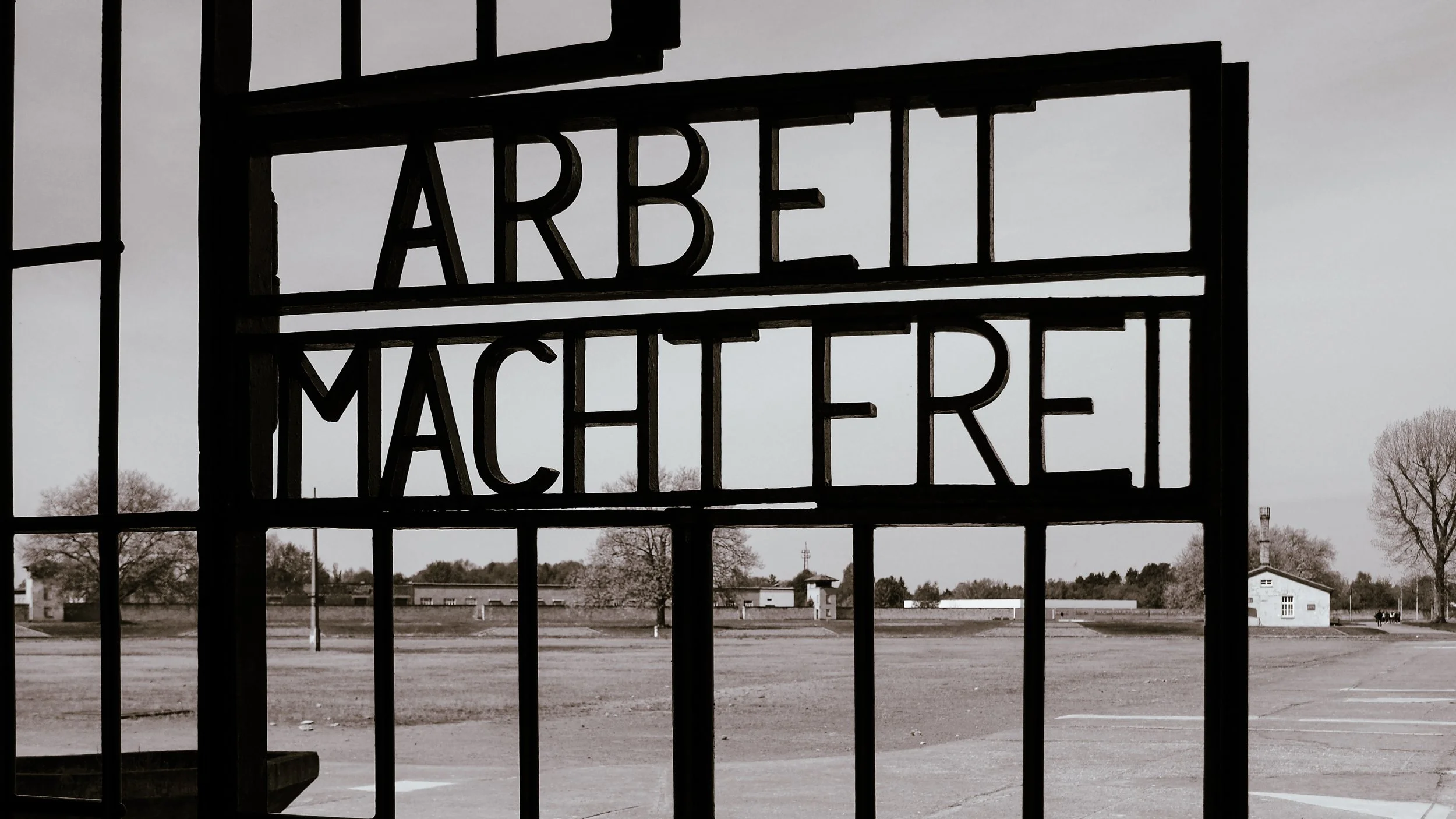
Sachsenhausen Germany 2018
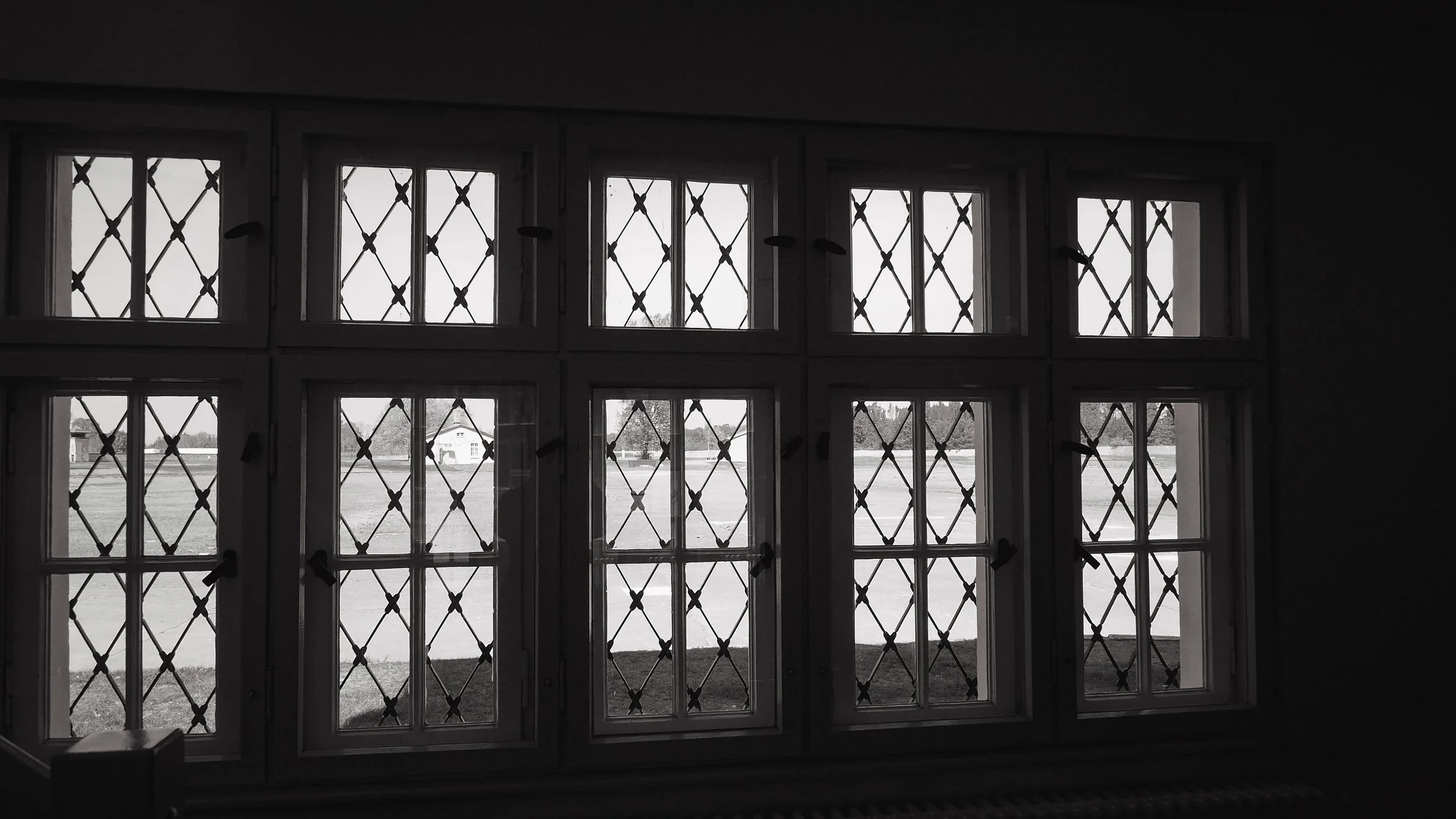
Sachsenhausen Germany 2018
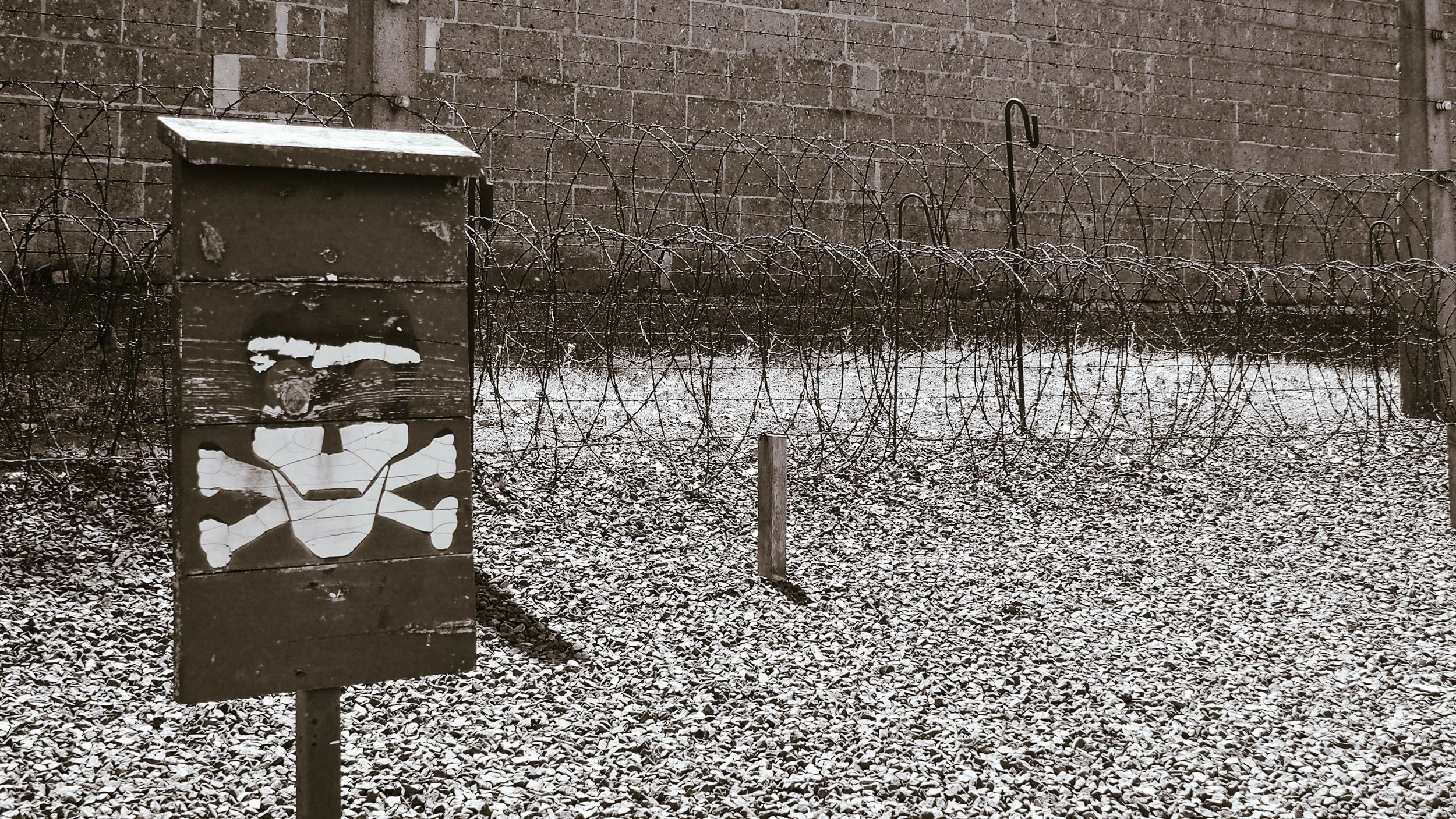
Sachsenhausen Germany 2018
Sachsenhausen Germany 2018
Sachsenhausen Germany 2018
Sachsenhausen Germany 2018
Sachsenhausen Germany 2018
Sachsenhausen Germany 2018
Sachsenhausen Germany 2018
Sachsenhausen Germany 2018
Sachsenhausen Germany 2018
Sachsenhausen Germany 2018
Sachsenhausen
Oranienburg Berlin
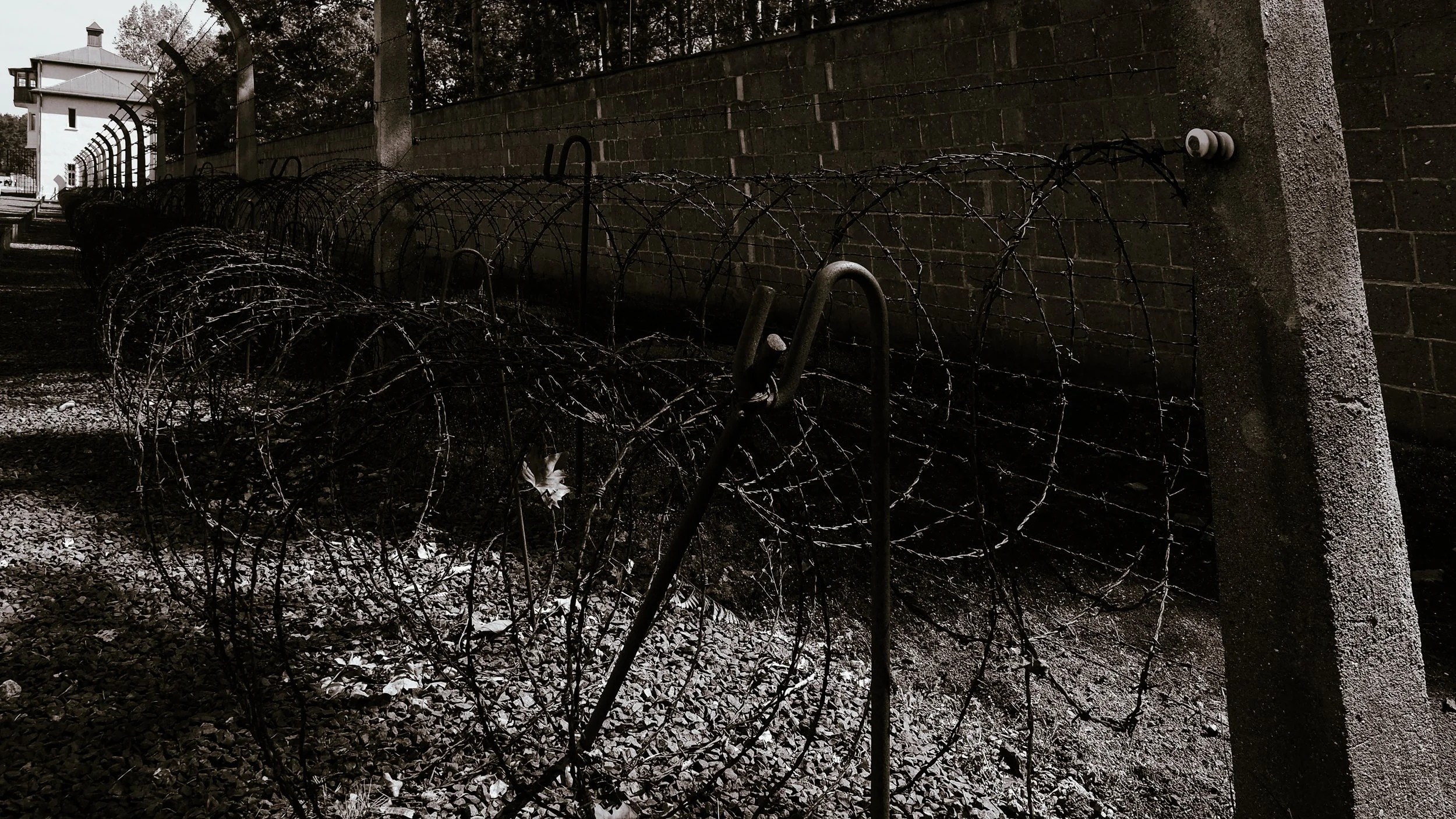
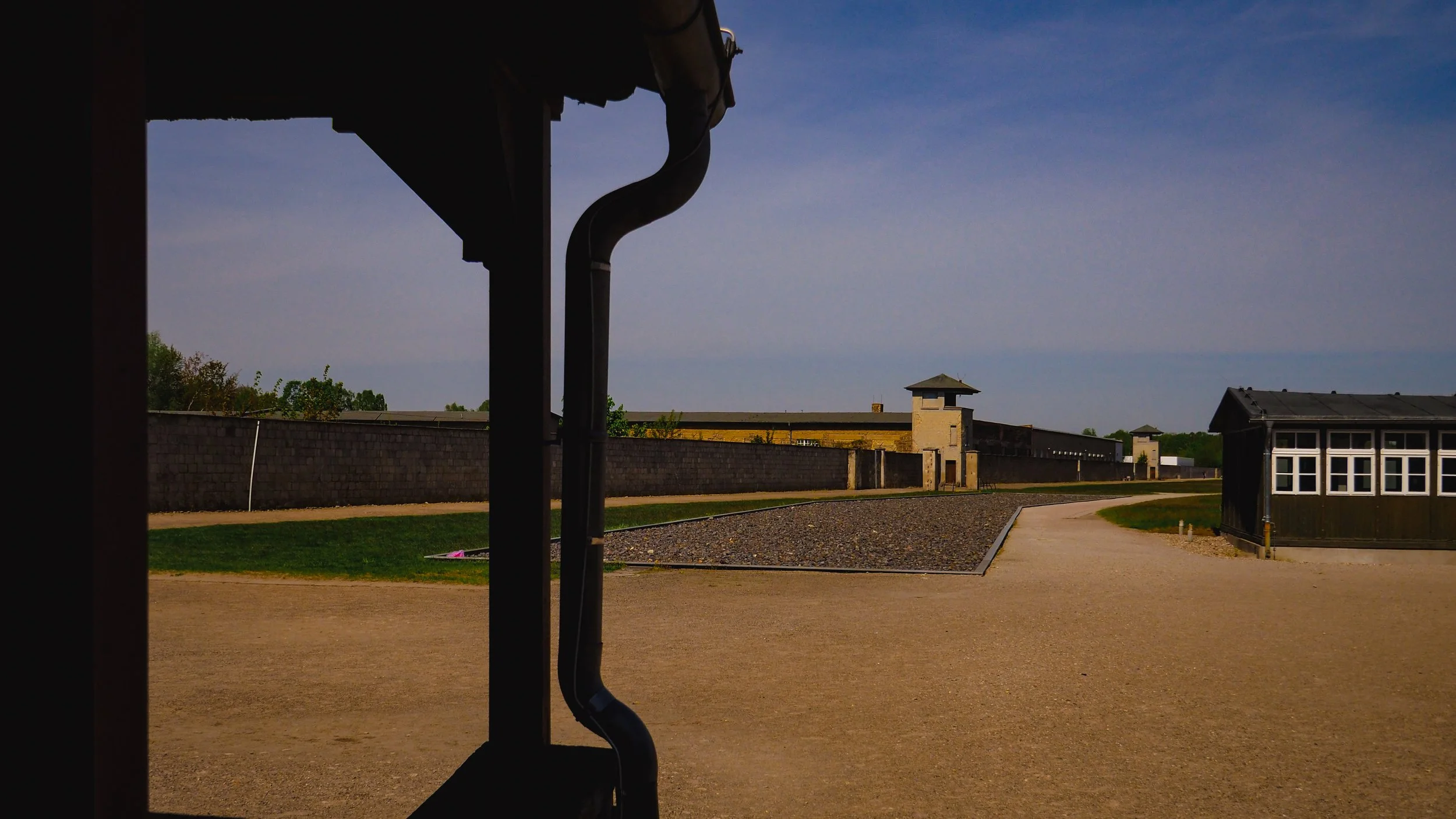
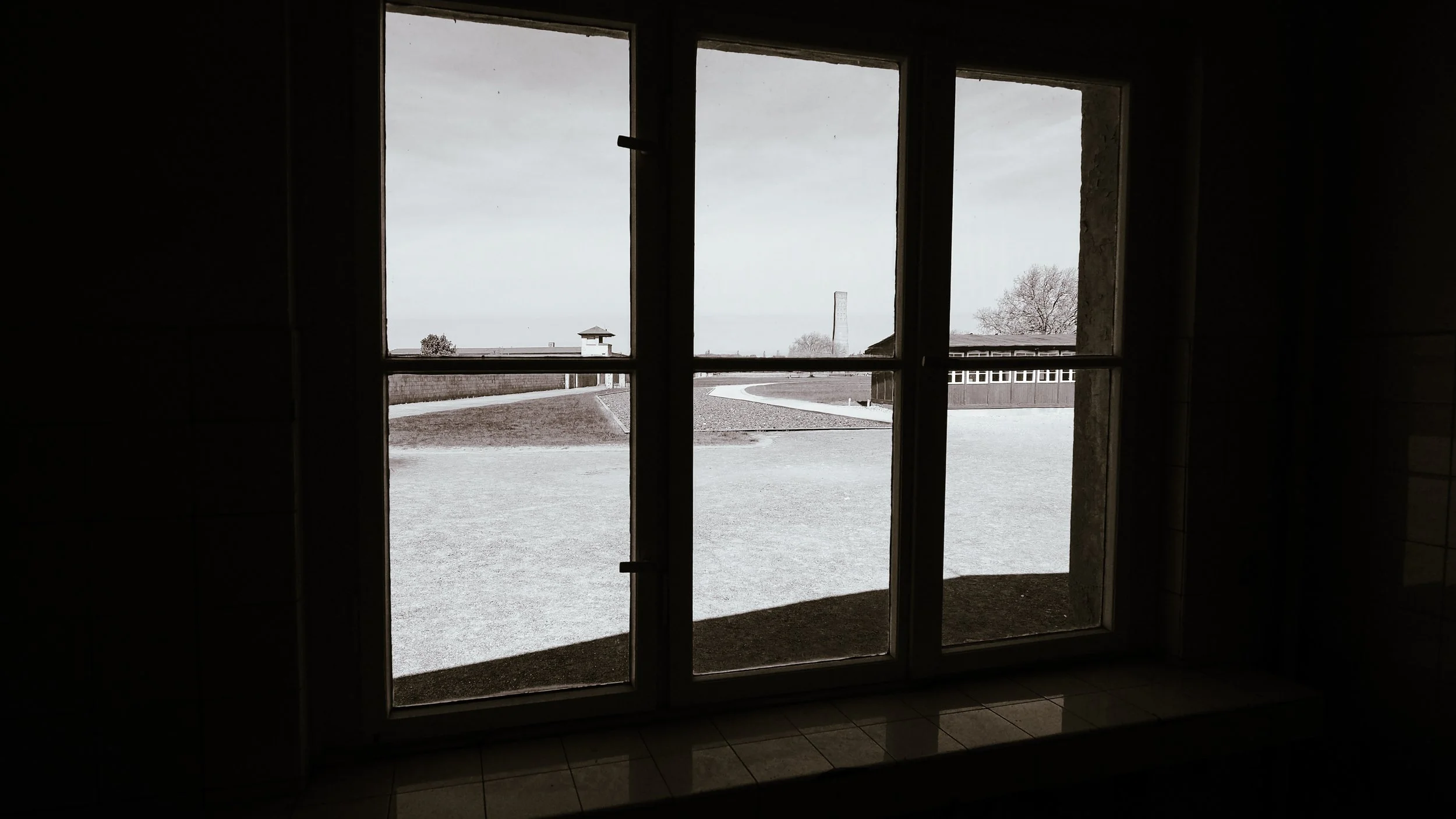
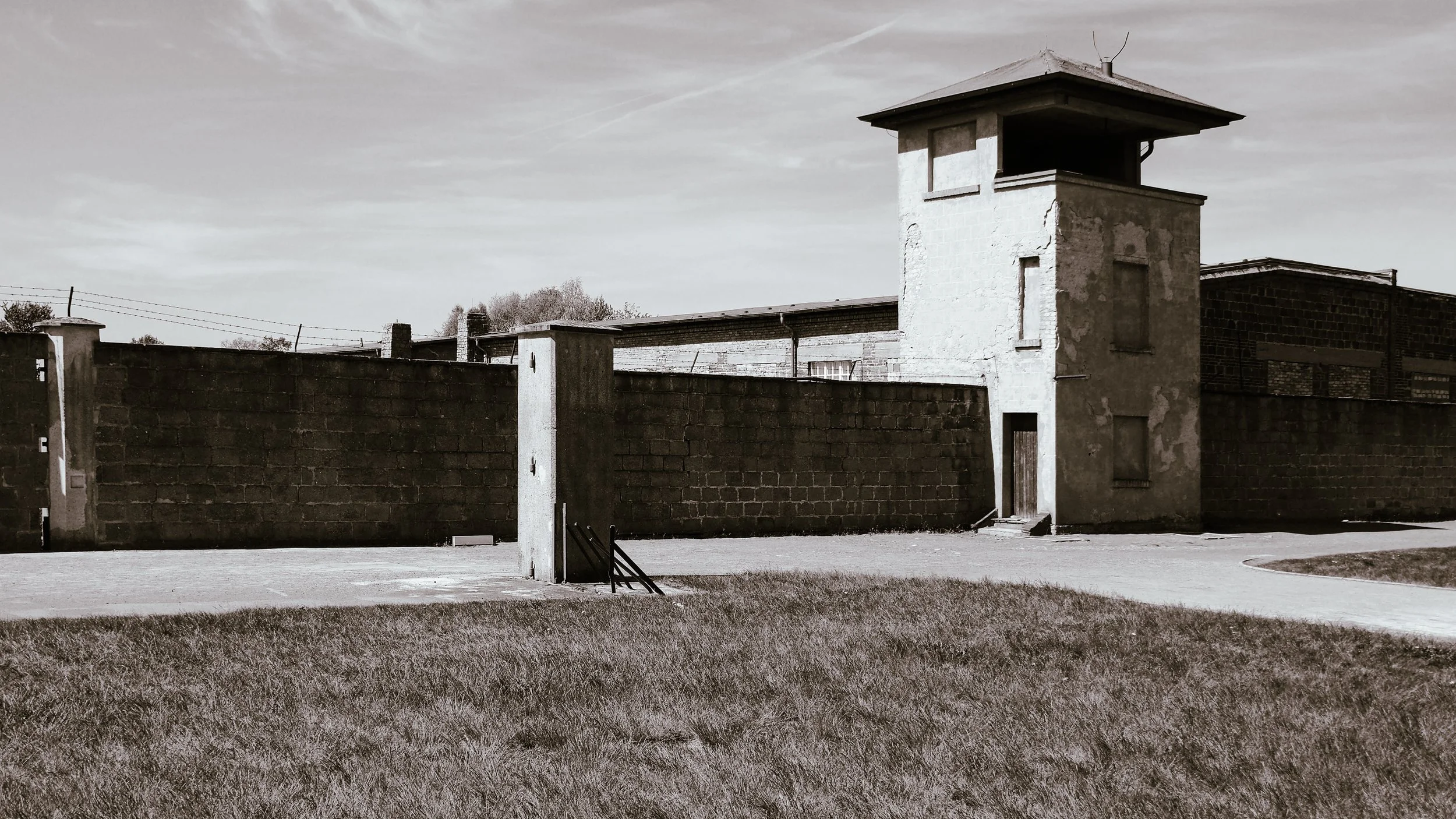
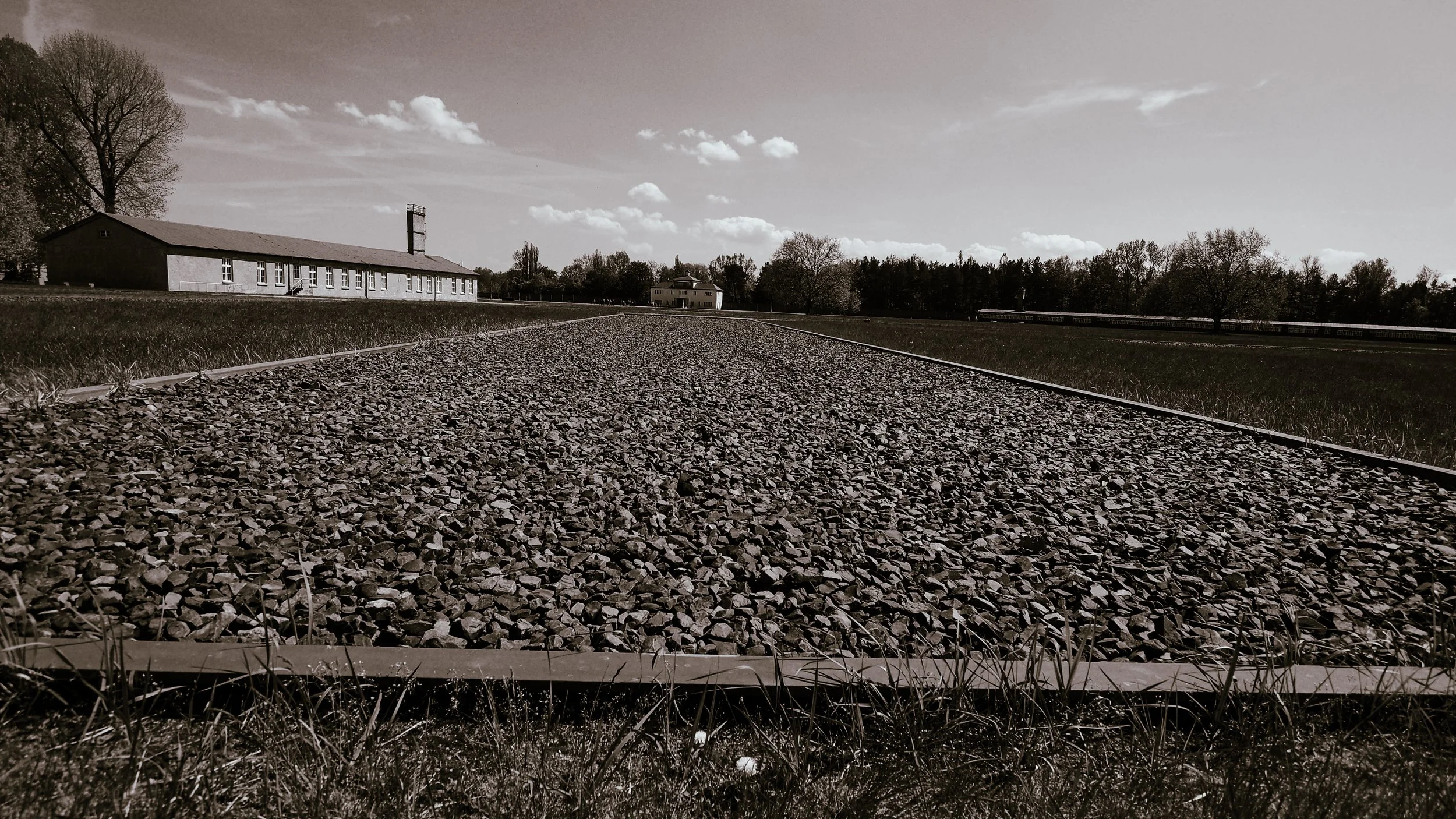
Sachsenhausen Concentration Camp, located near Berlin in Oranienburg, Germany, was established by the Nazis in 1936. Its primary purpose was to imprison political opponents, including communists, social democrats, and other perceived enemies of the state. The camp was built by concentration camp prisoners themselves starting in the summer of 1936. It served as a model for other camps and was intended to be a showcase camp due to its proximity to Berlin.
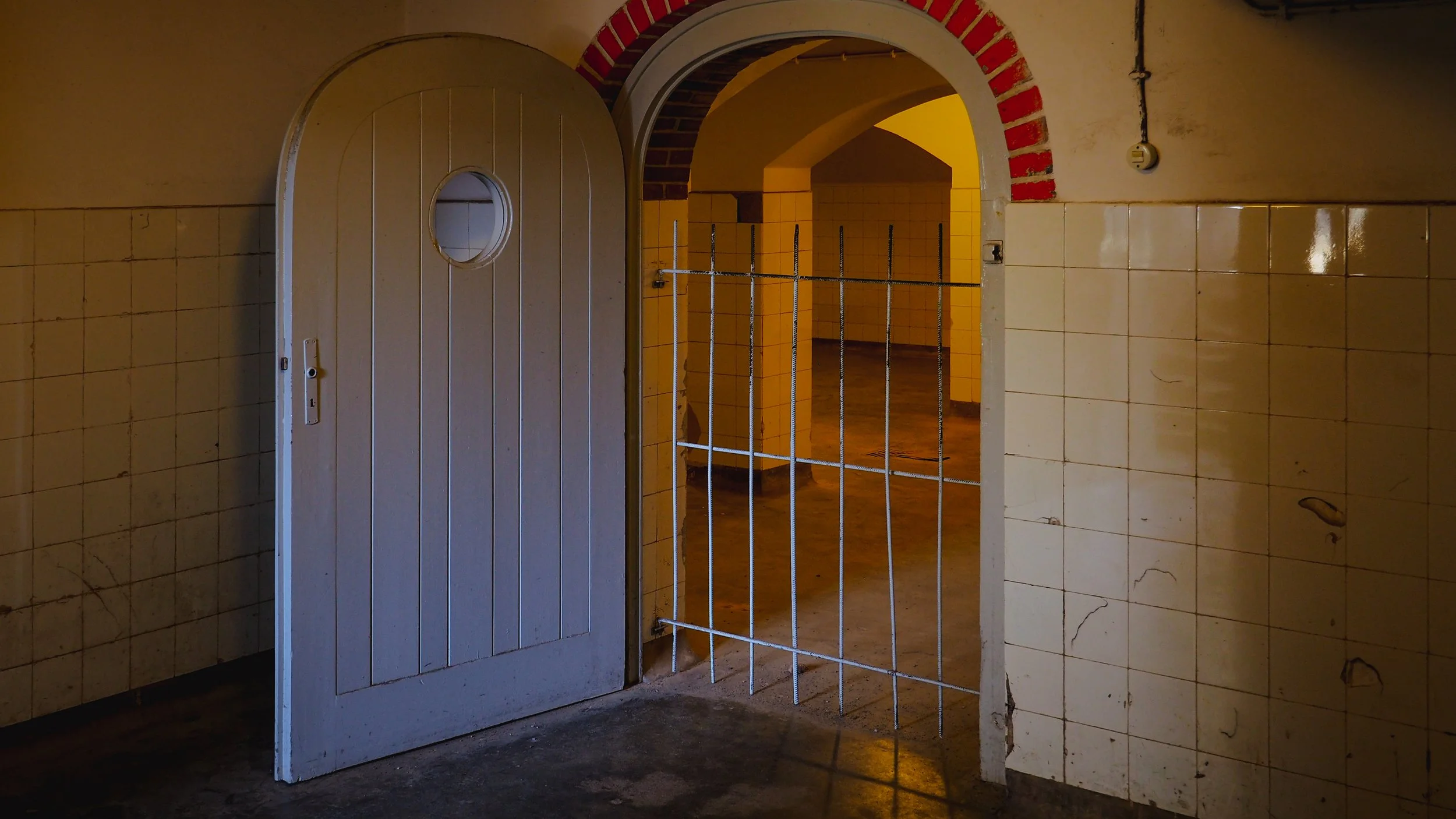
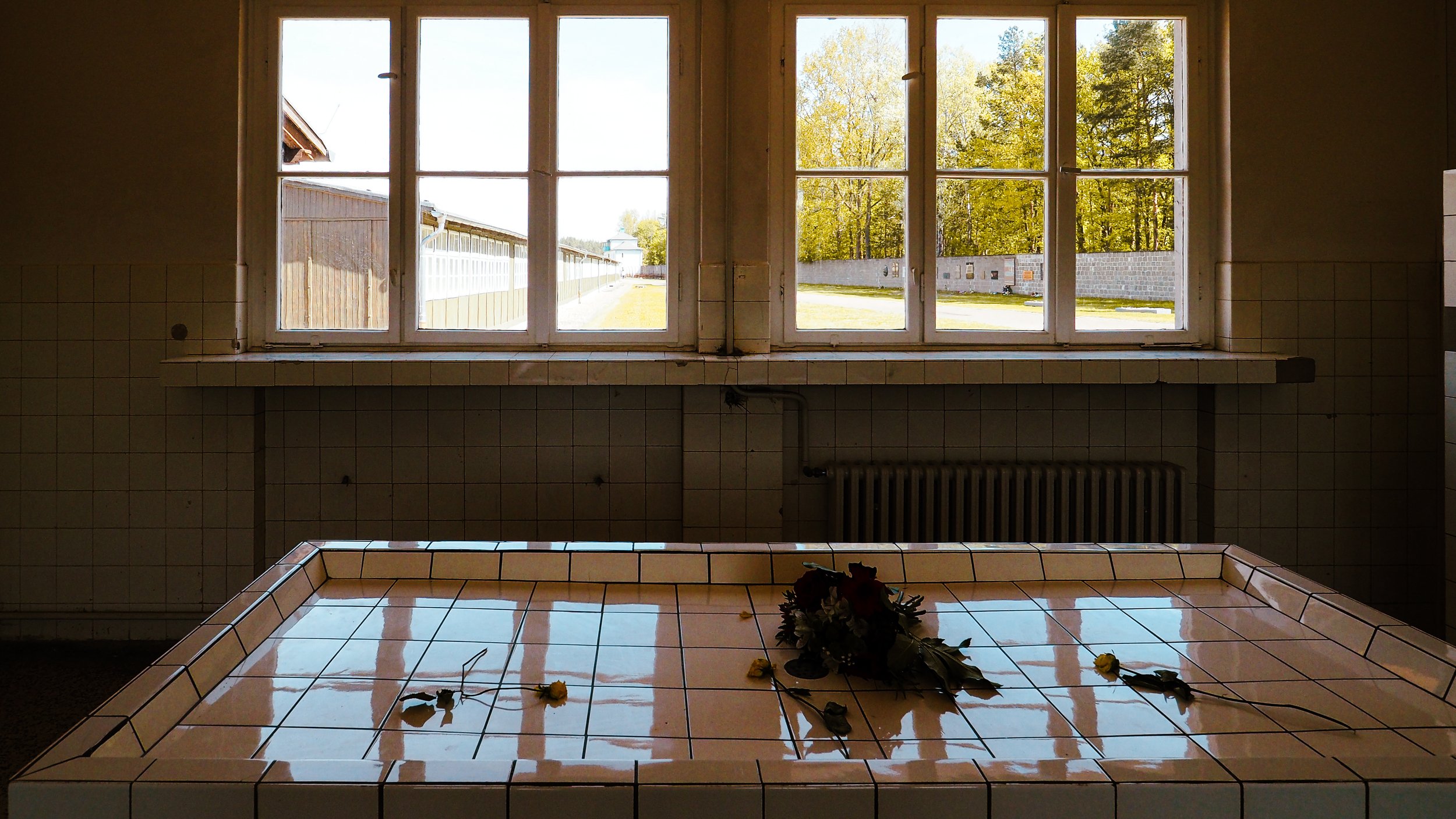
Initially, Sachsenhausen held political prisoners, including Communists, Social Democrats, and other opponents of the Nazi regime. Later, it also housed Jews, homosexuals, Jehovah's Witnesses, and others deemed undesirable by the Nazis. During World War II, Sachsenhausen's role expanded to include forced labor for various industrial purposes. Prisoners were used in nearby factories, and the camp became a center for medical experiments and a training ground for SS officers. The conditions in Sachsenhausen were harsh, with inadequate food, forced labor, and brutal treatment by the SS guards. Many prisoners died from exhaustion, disease, malnutrition, or were killed outright. The camp's mortality rate was high, particularly during the war years.
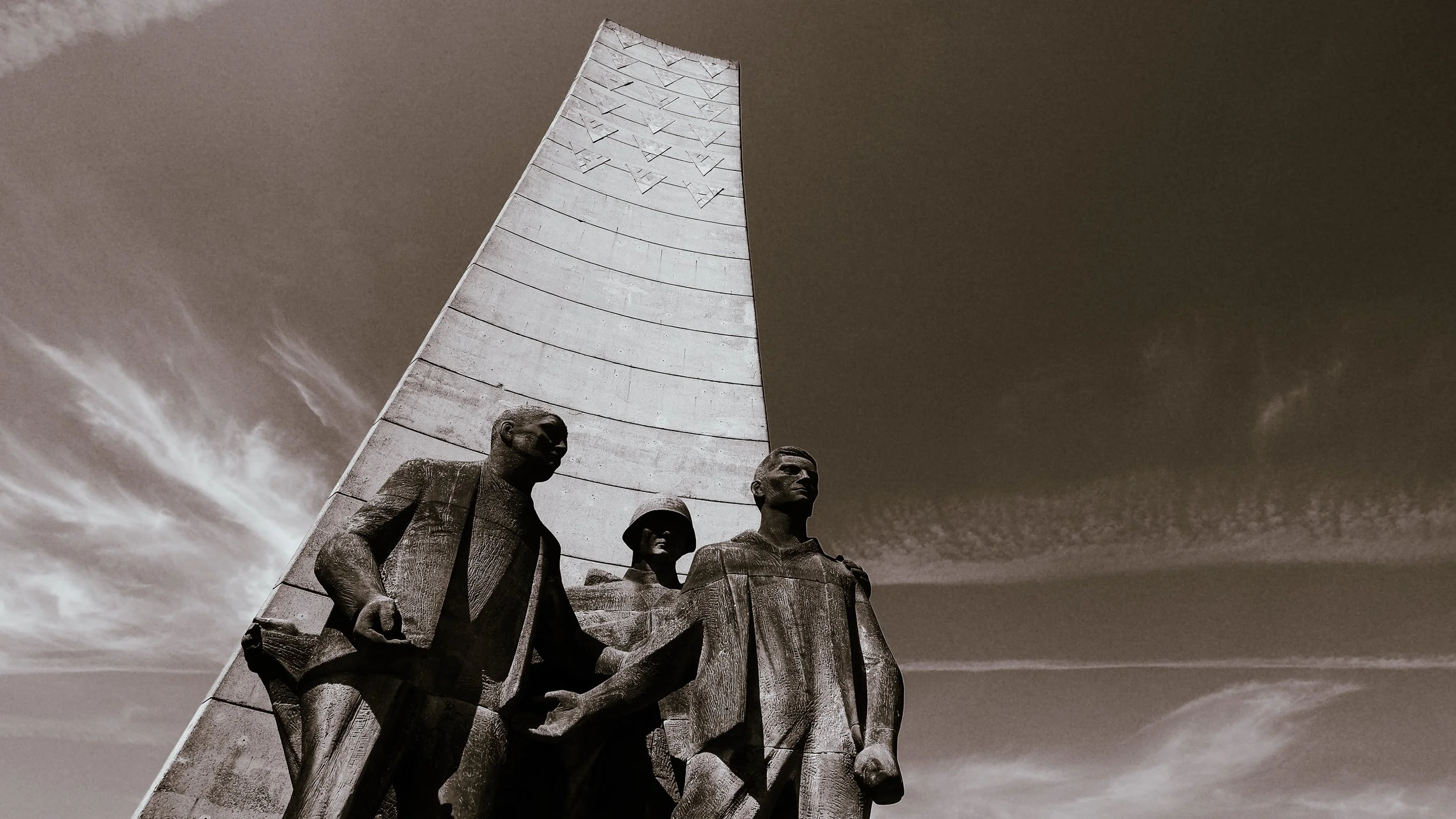
As Soviet forces advanced towards Berlin in April 1945, the SS evacuated many prisoners from Sachsenhausen on death marches. The camp was liberated by Soviet troops on April 22, 1945. After the war, the Soviets continued to use Sachsenhausen as an internment camp for political prisoners. In 1956, the East German government established a memorial site at Sachsenhausen to commemorate the victims of Nazism and educate the public about the crimes committed there. It remains a place of remembrance and education today.
Sachsenhausen is significant not only as a site of Nazi atrocities but also as a symbol of resistance and survival. It stands as a reminder of the horrors of the Holocaust and the totalitarian regime that perpetrated these crimes.