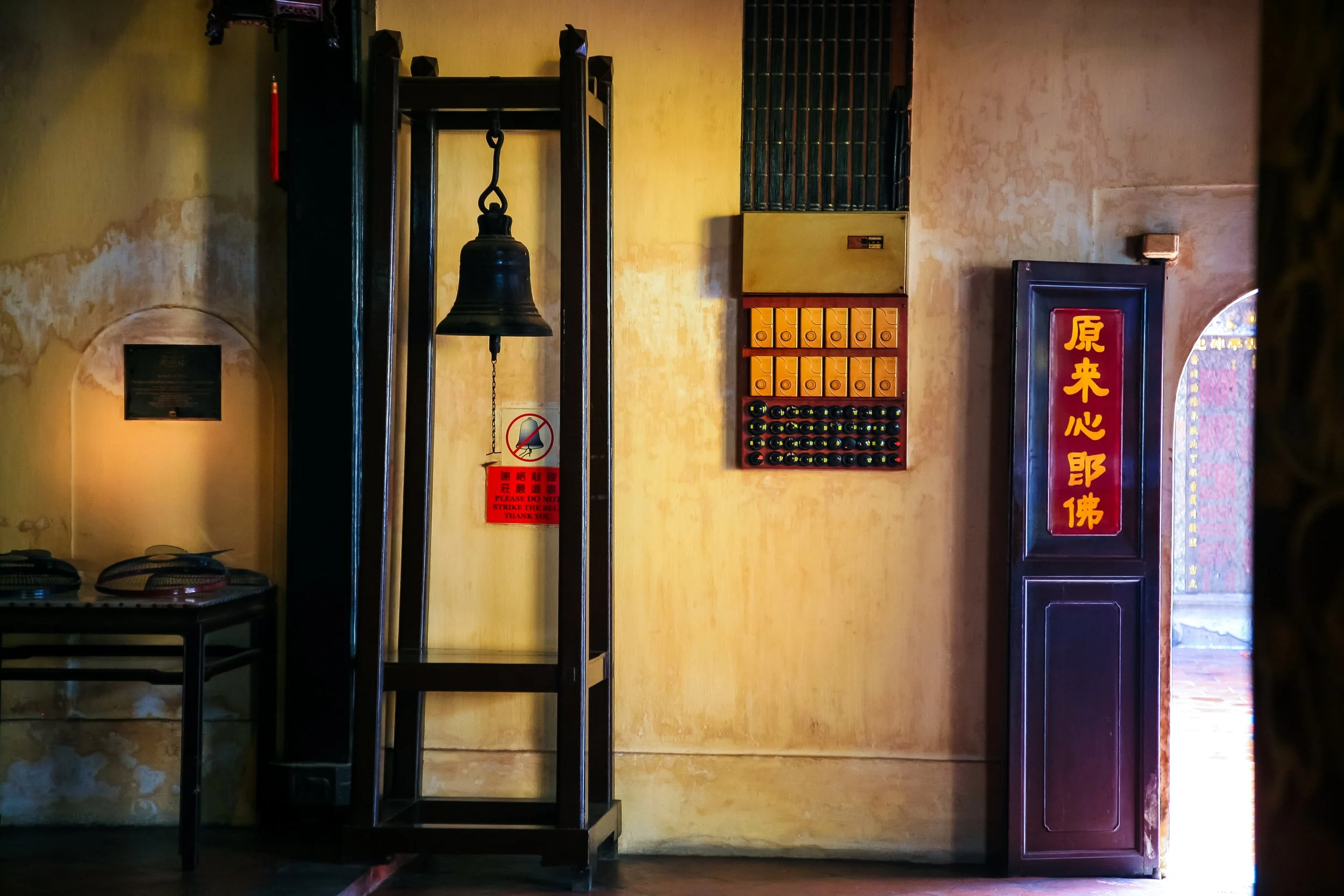
Malacca Malaysia 2010
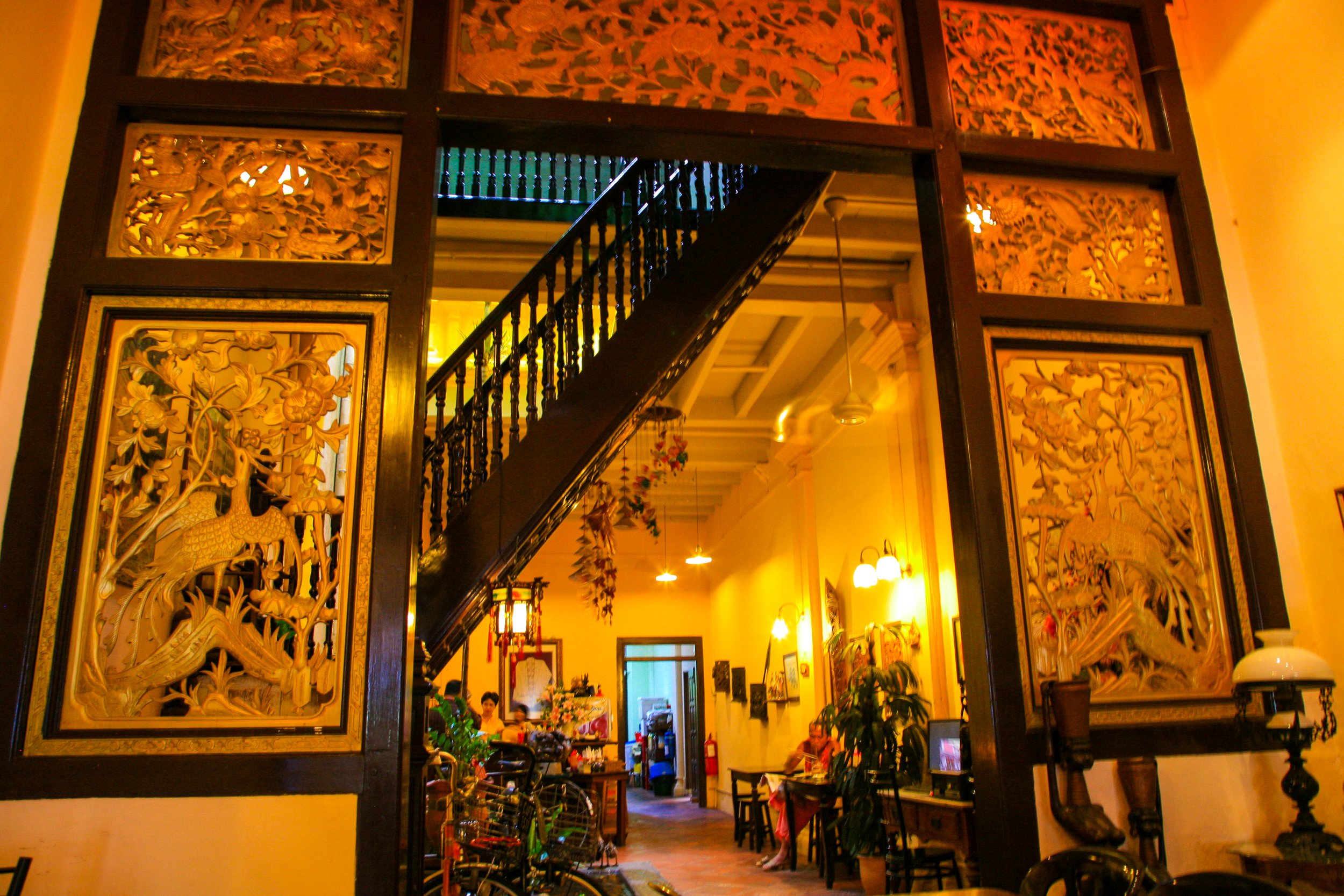
Malacca Malaysia 2010
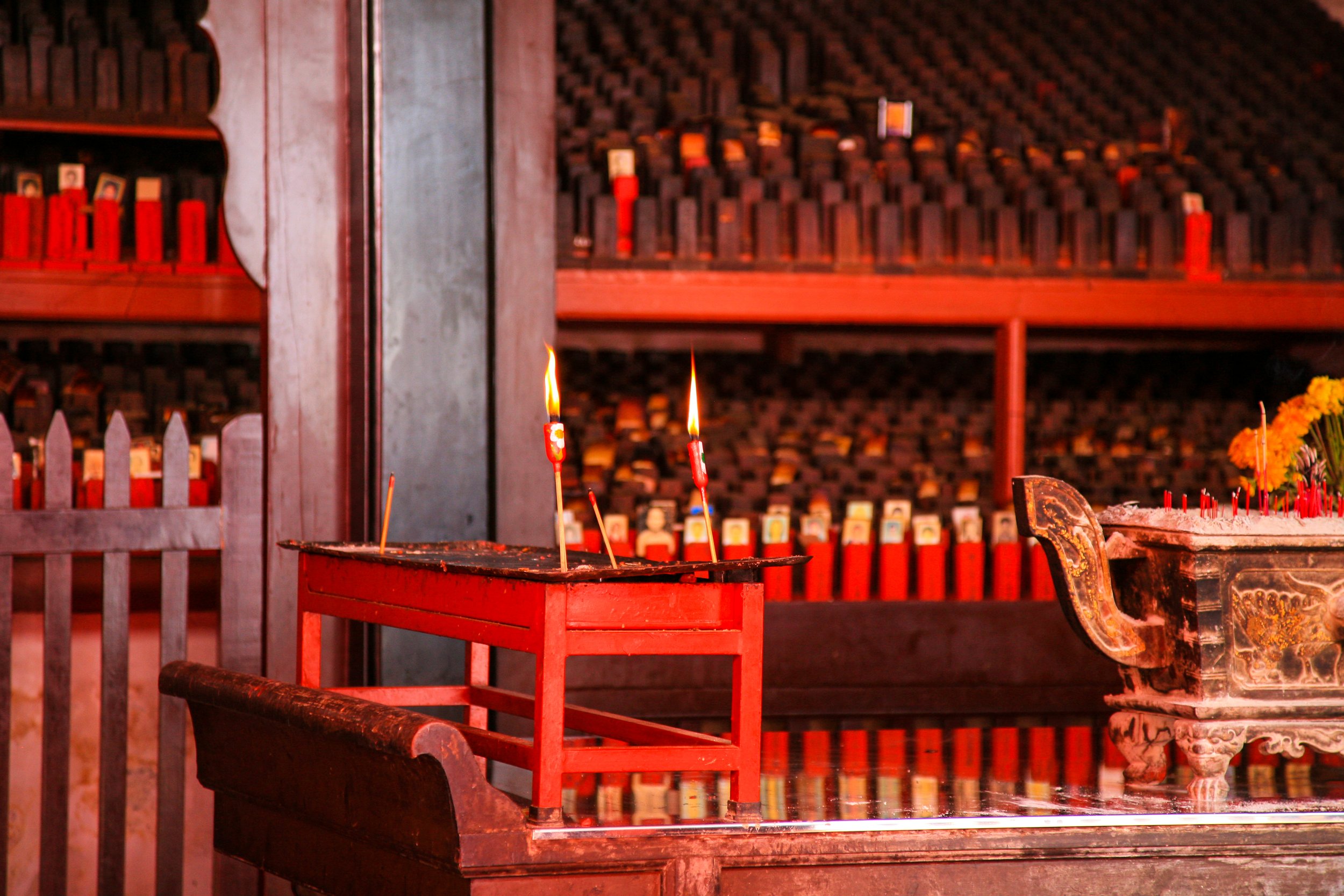
Malacca Malaysia 2010
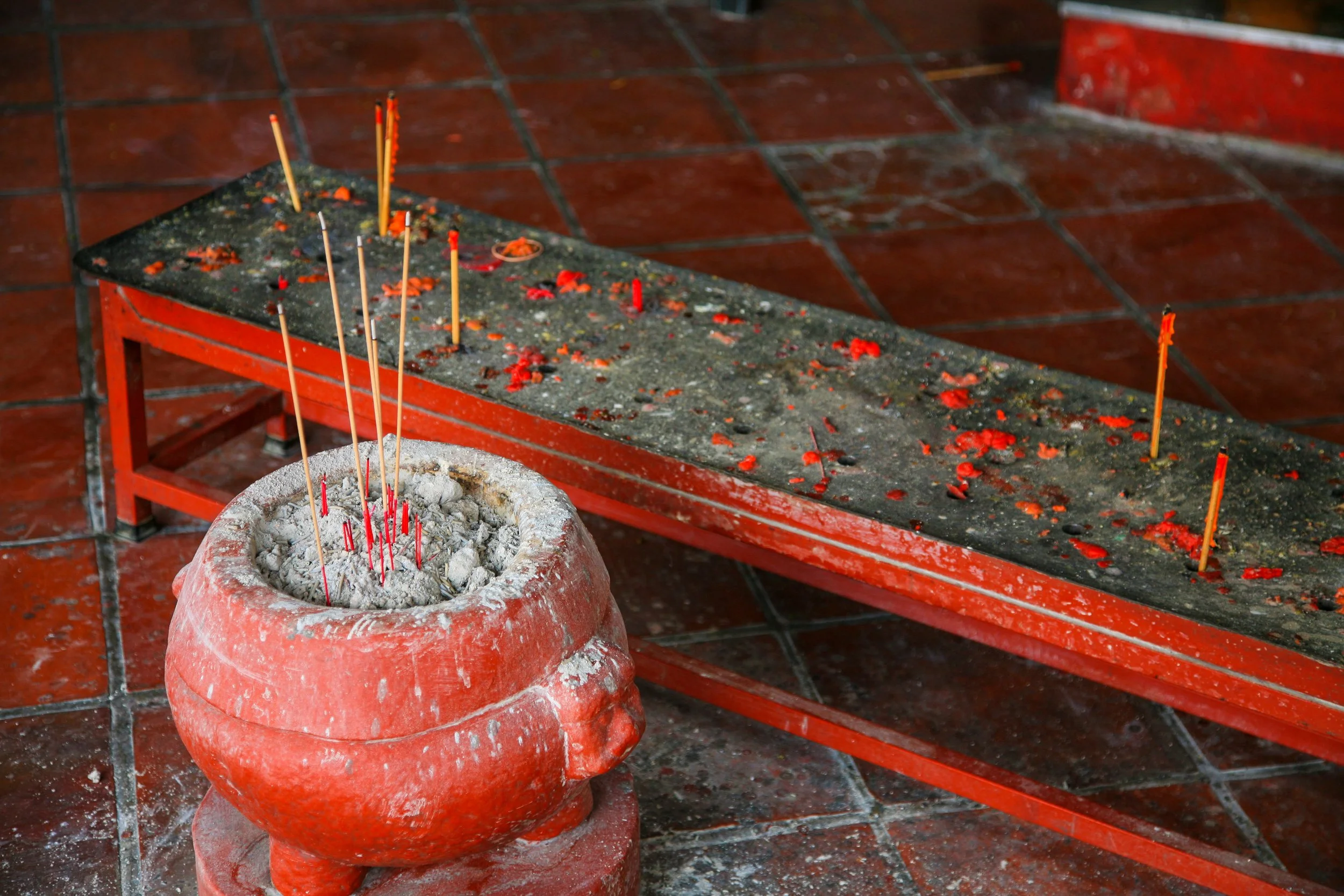
Malacca Malaysia 2010
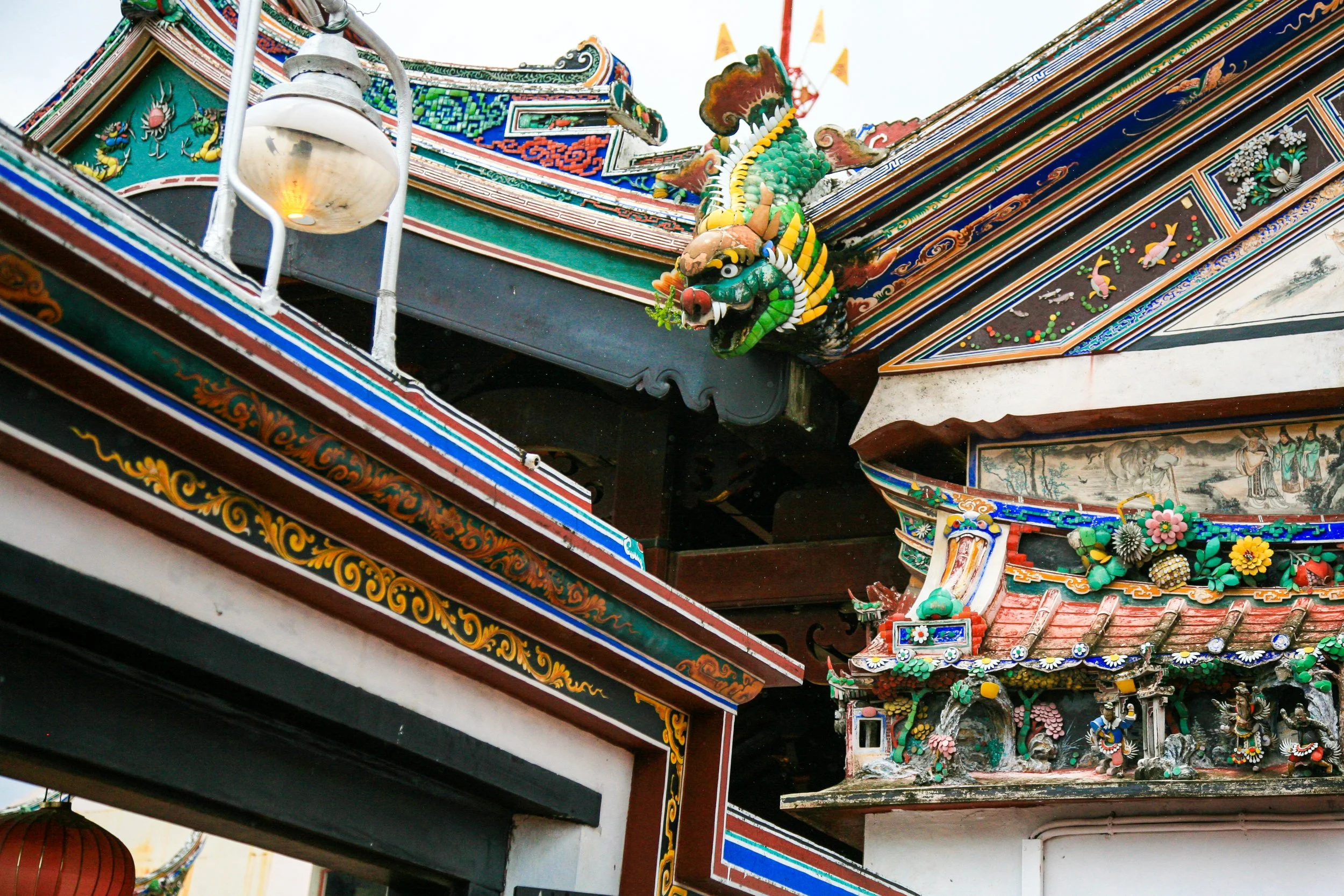
Malacca Malaysia 2010
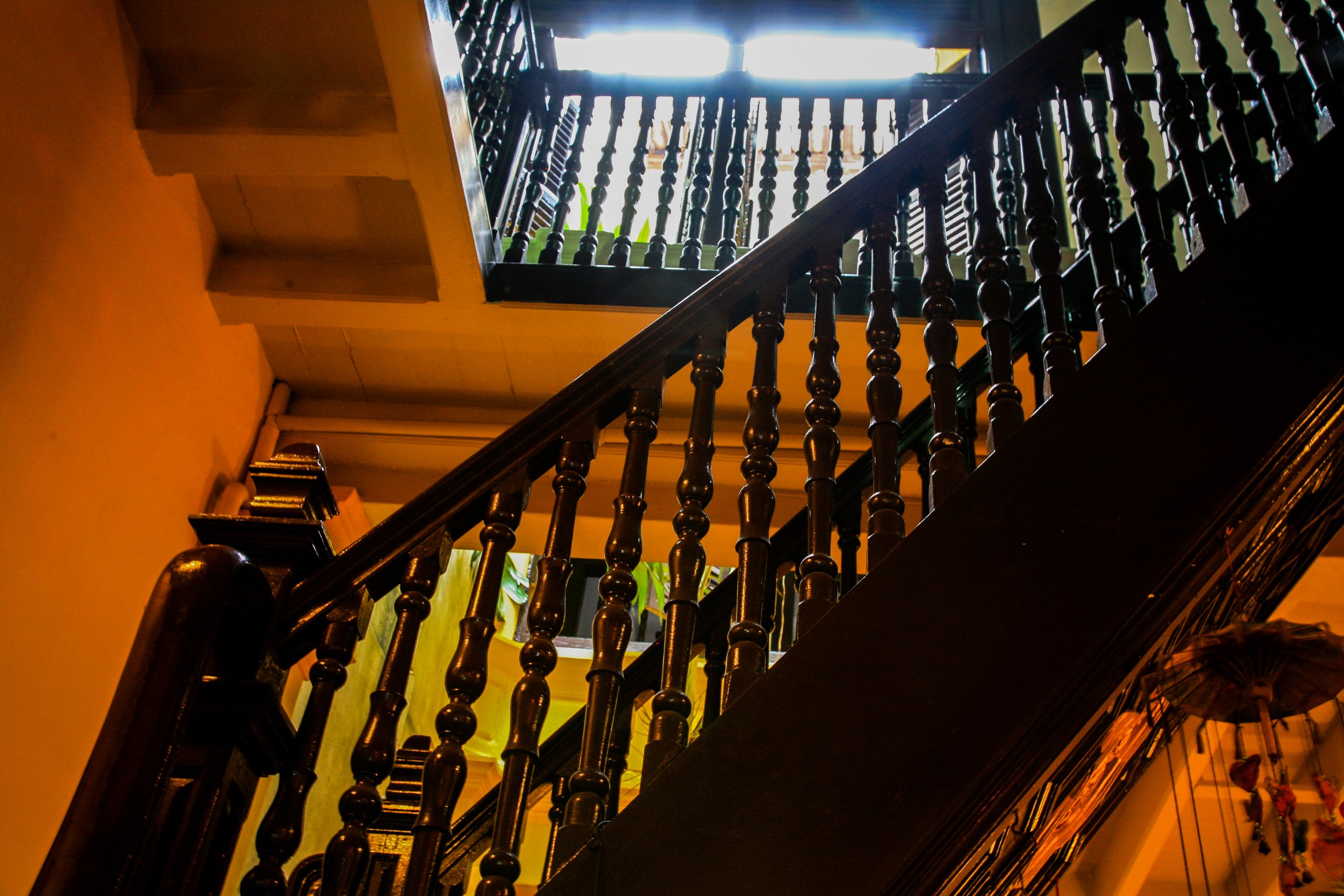
Malacca Malaysia 2010
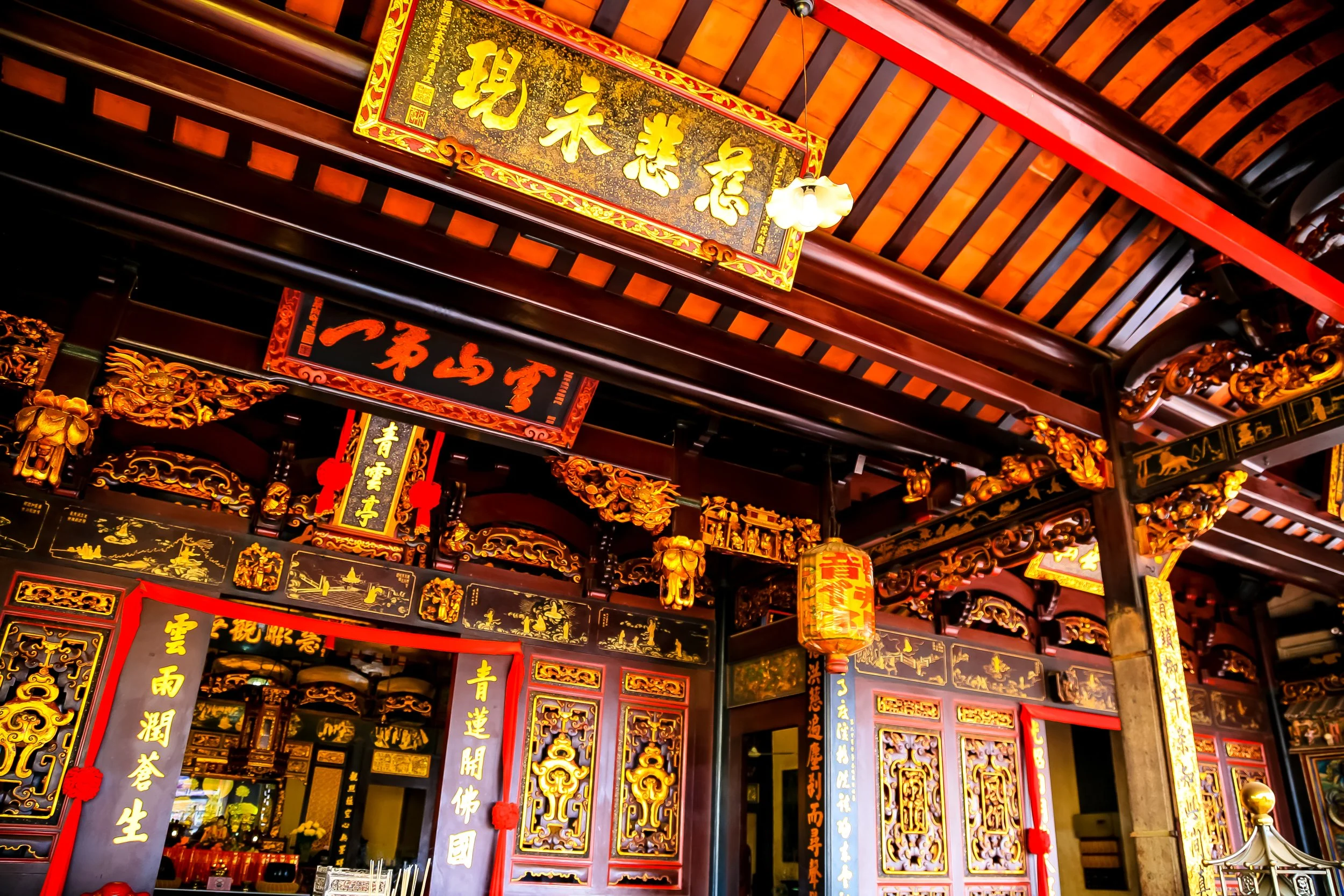
Malacca Malaysia 2010
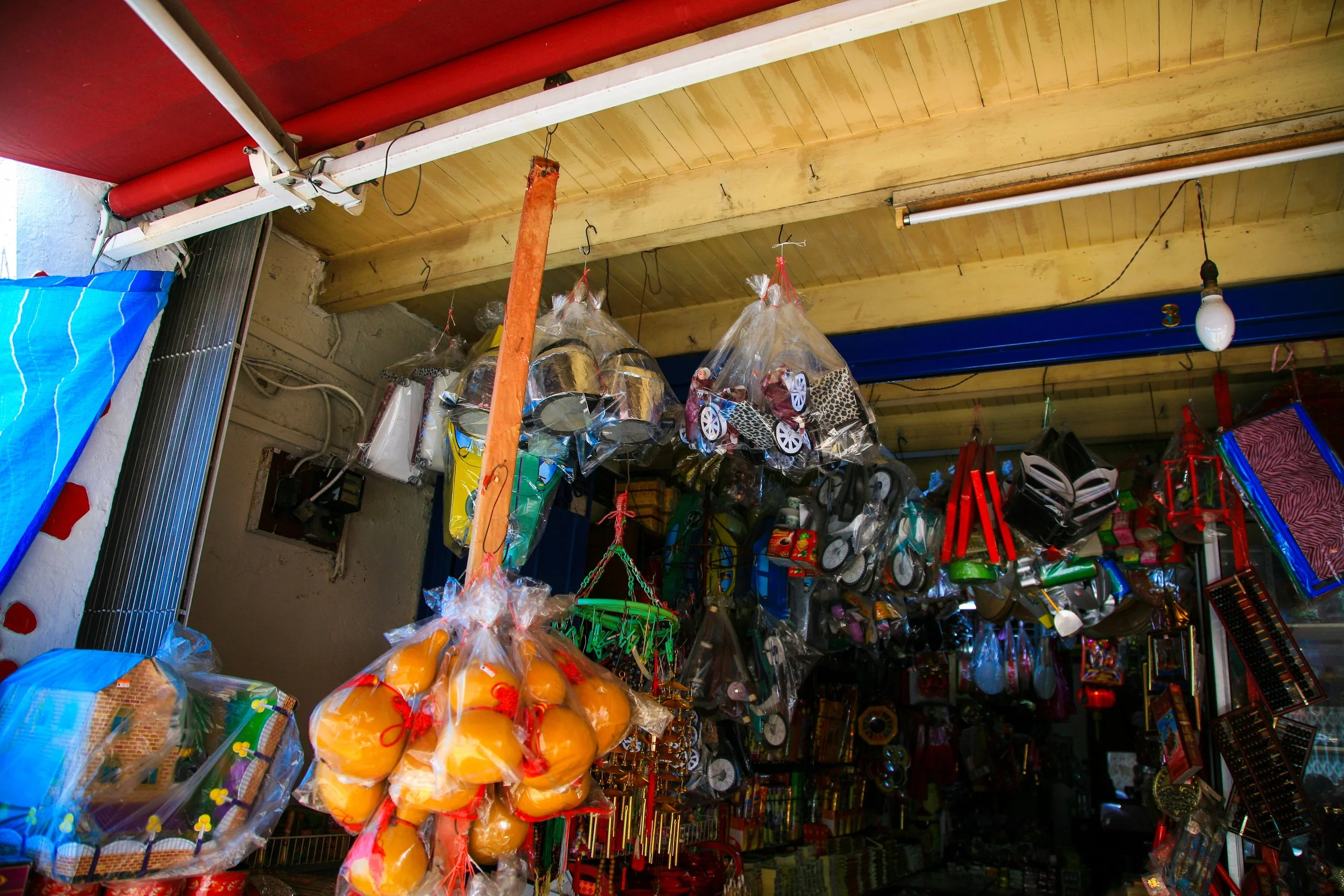
Malacca Malaysia 2010
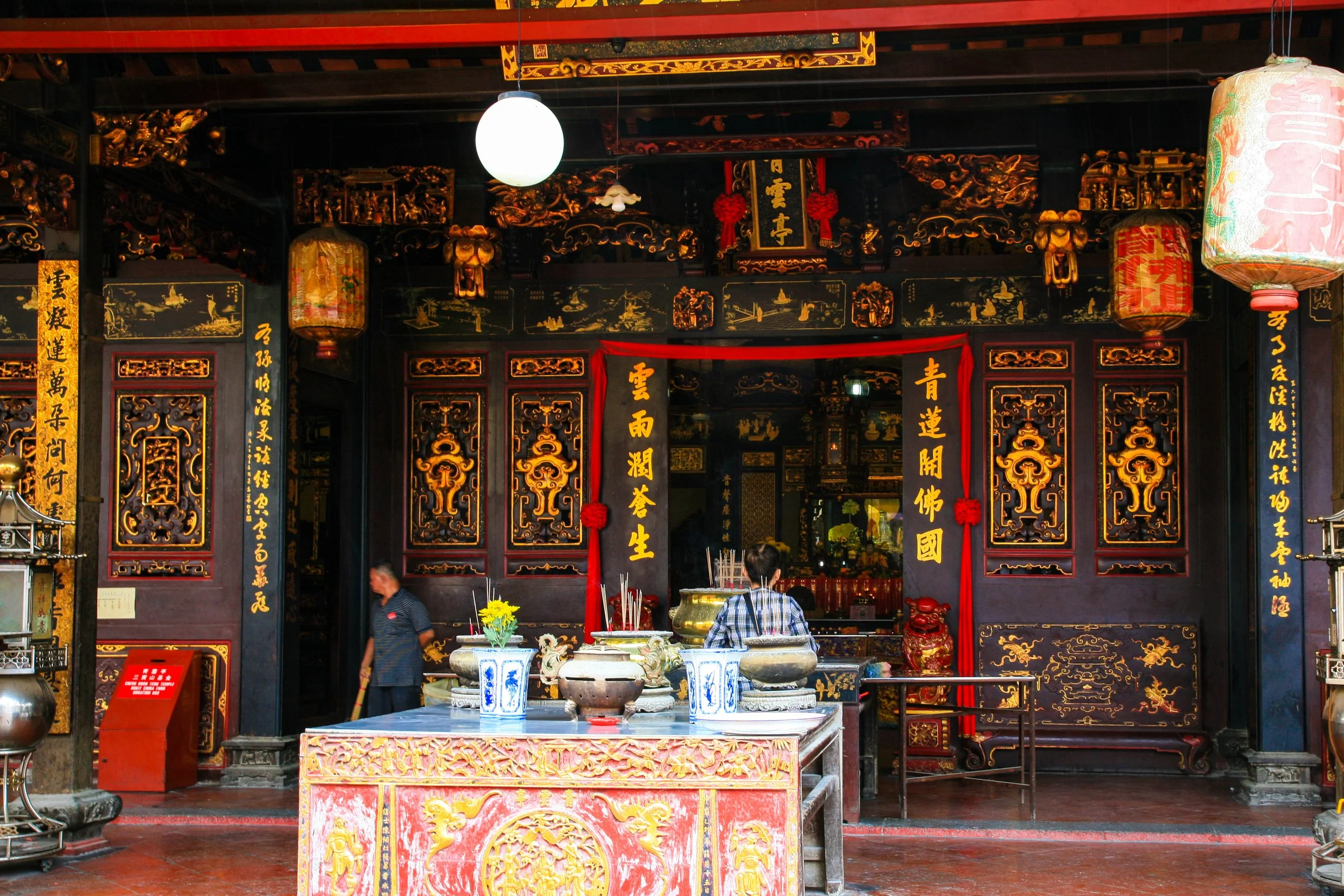
Malacca Malaysia 2010
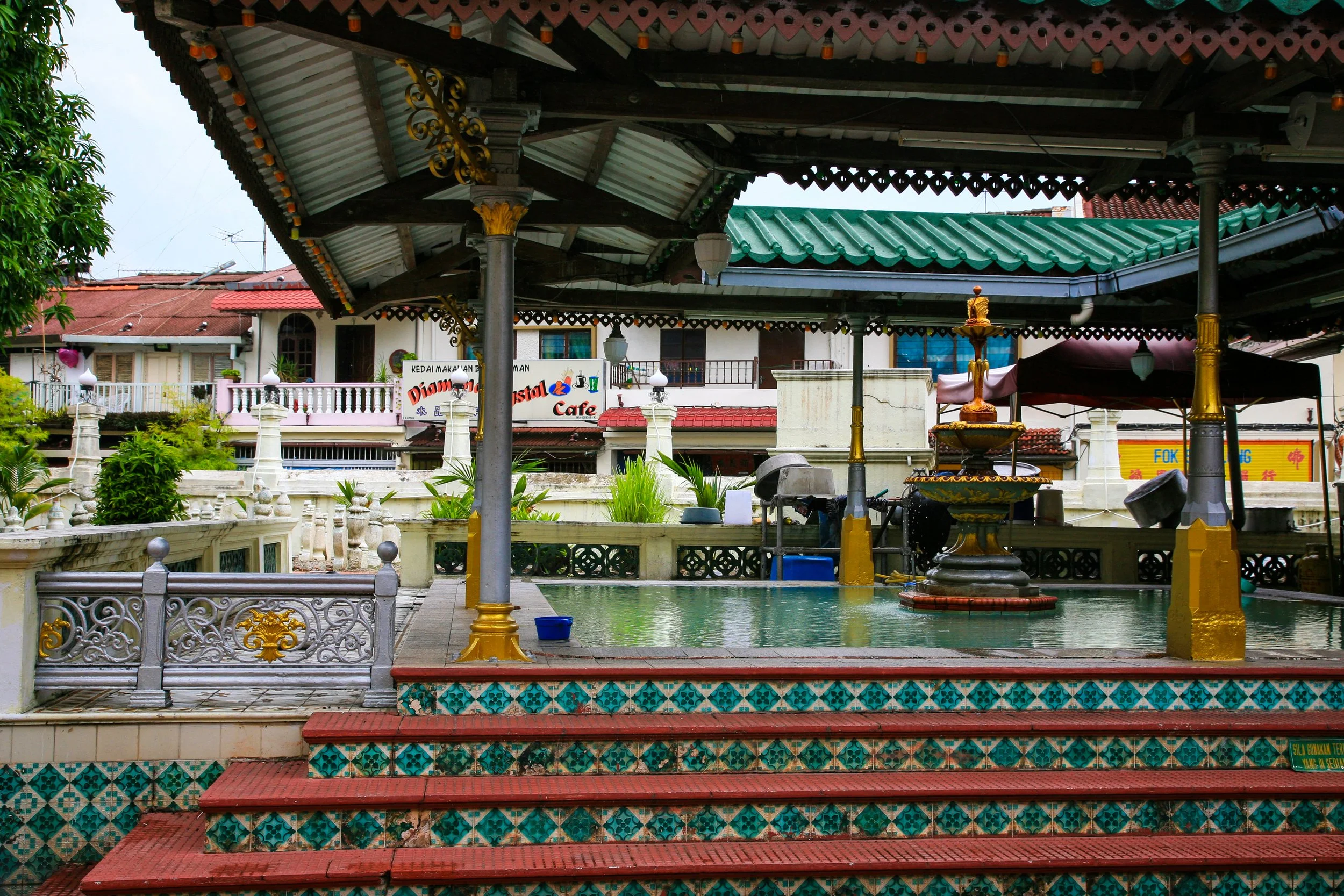
Malacca Malaysia 2010
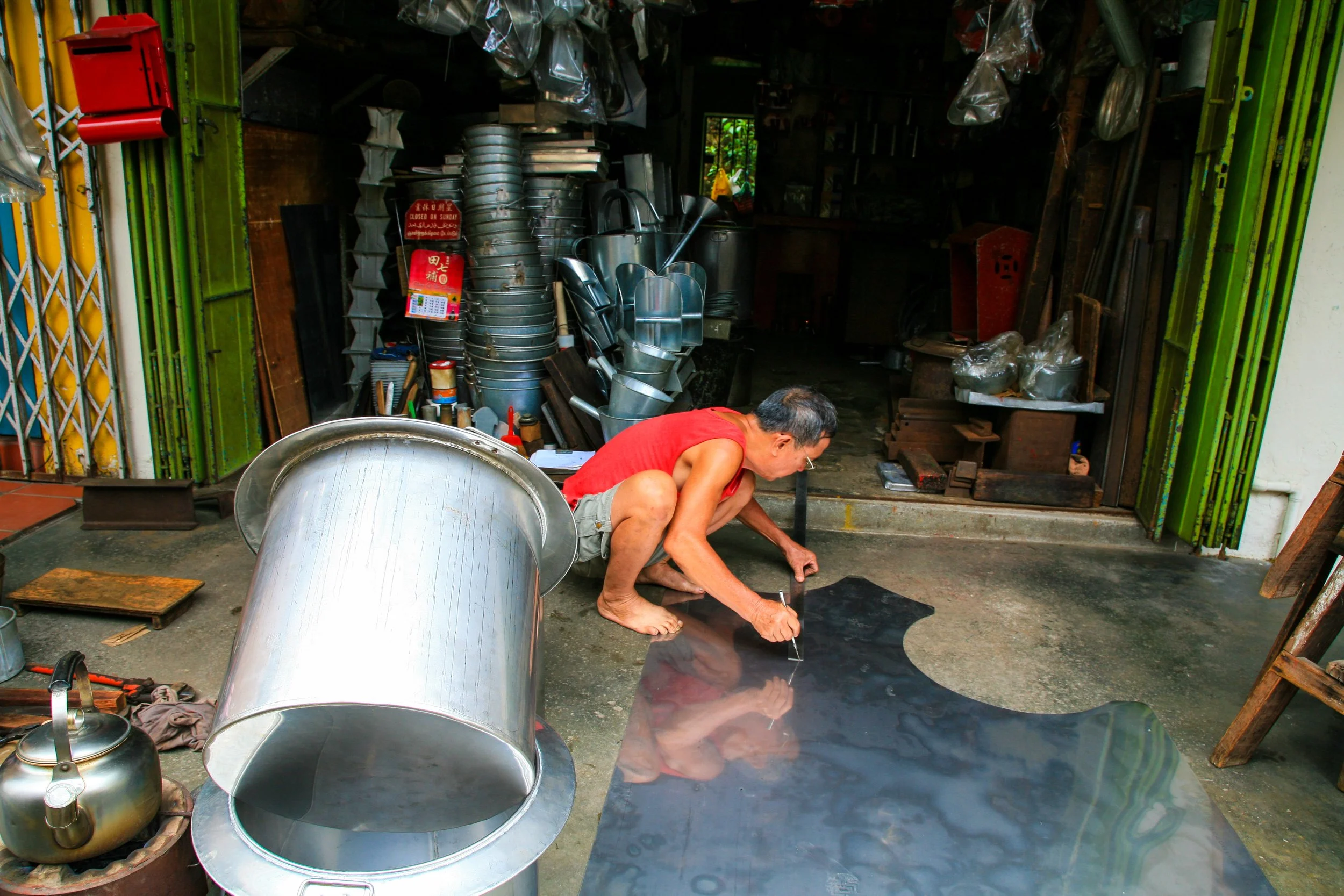
Malacca Malaysia 2010
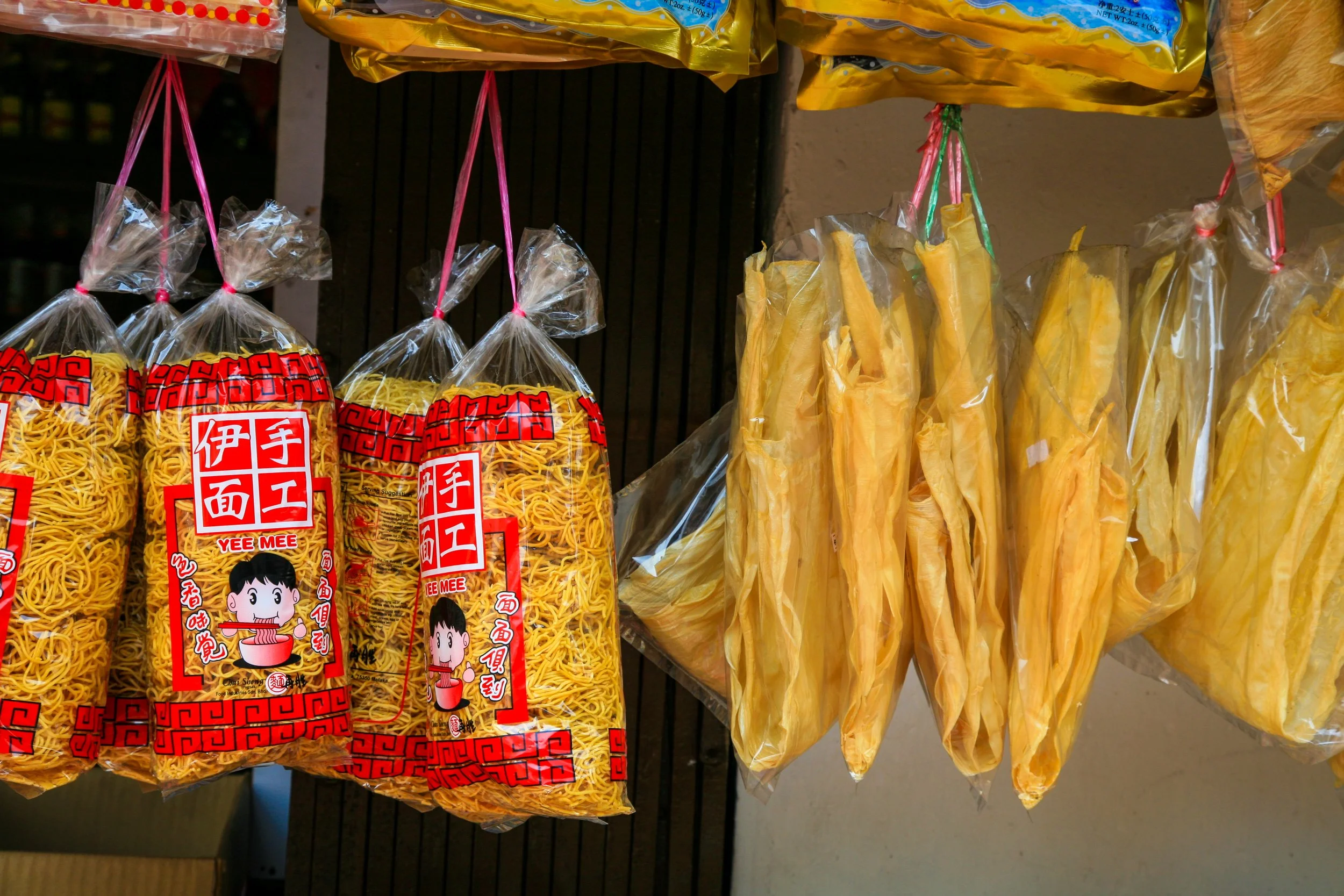
Malacca Malaysia 2010
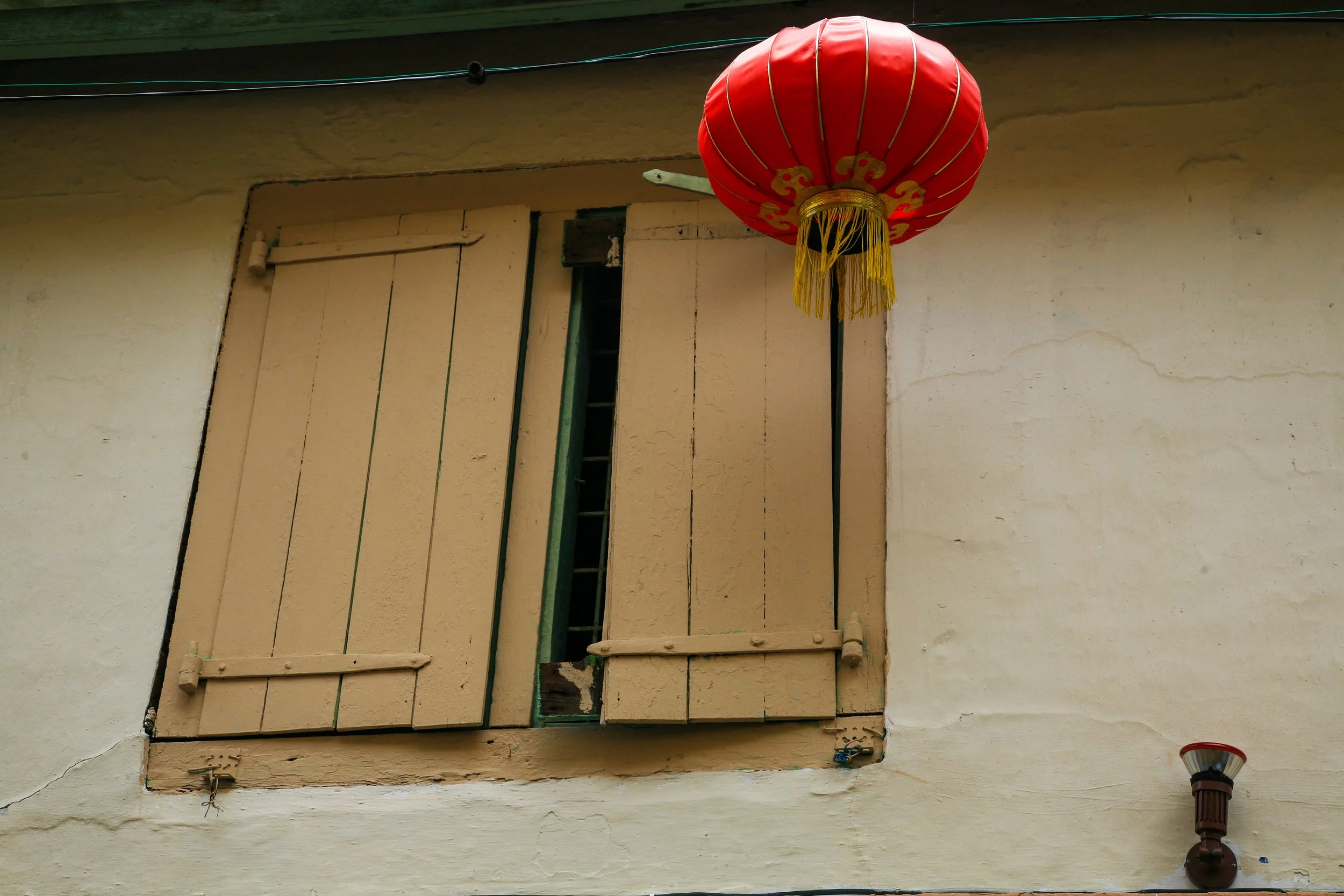
Malacca Malaysia 2010
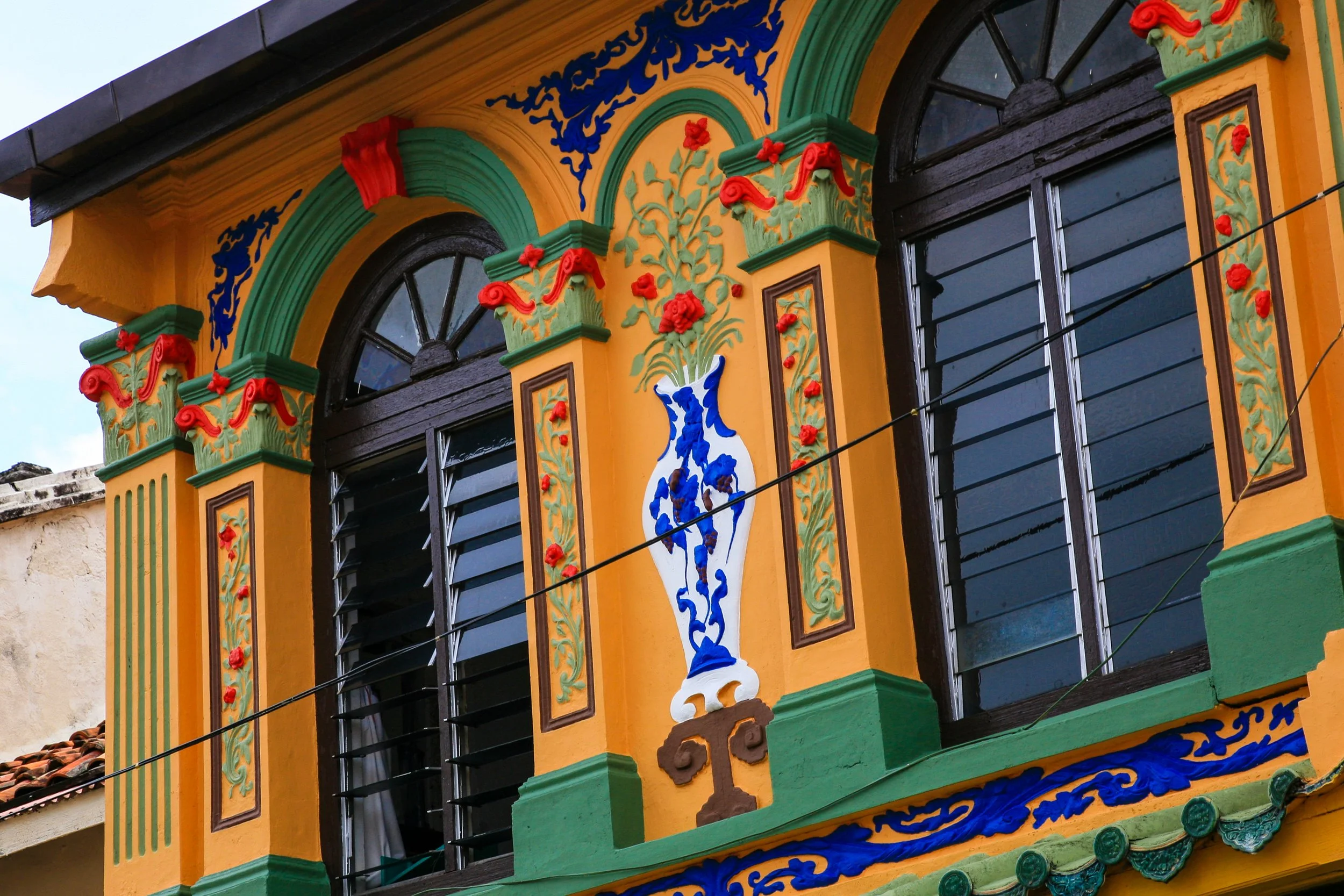
Malacca Malaysia 2010
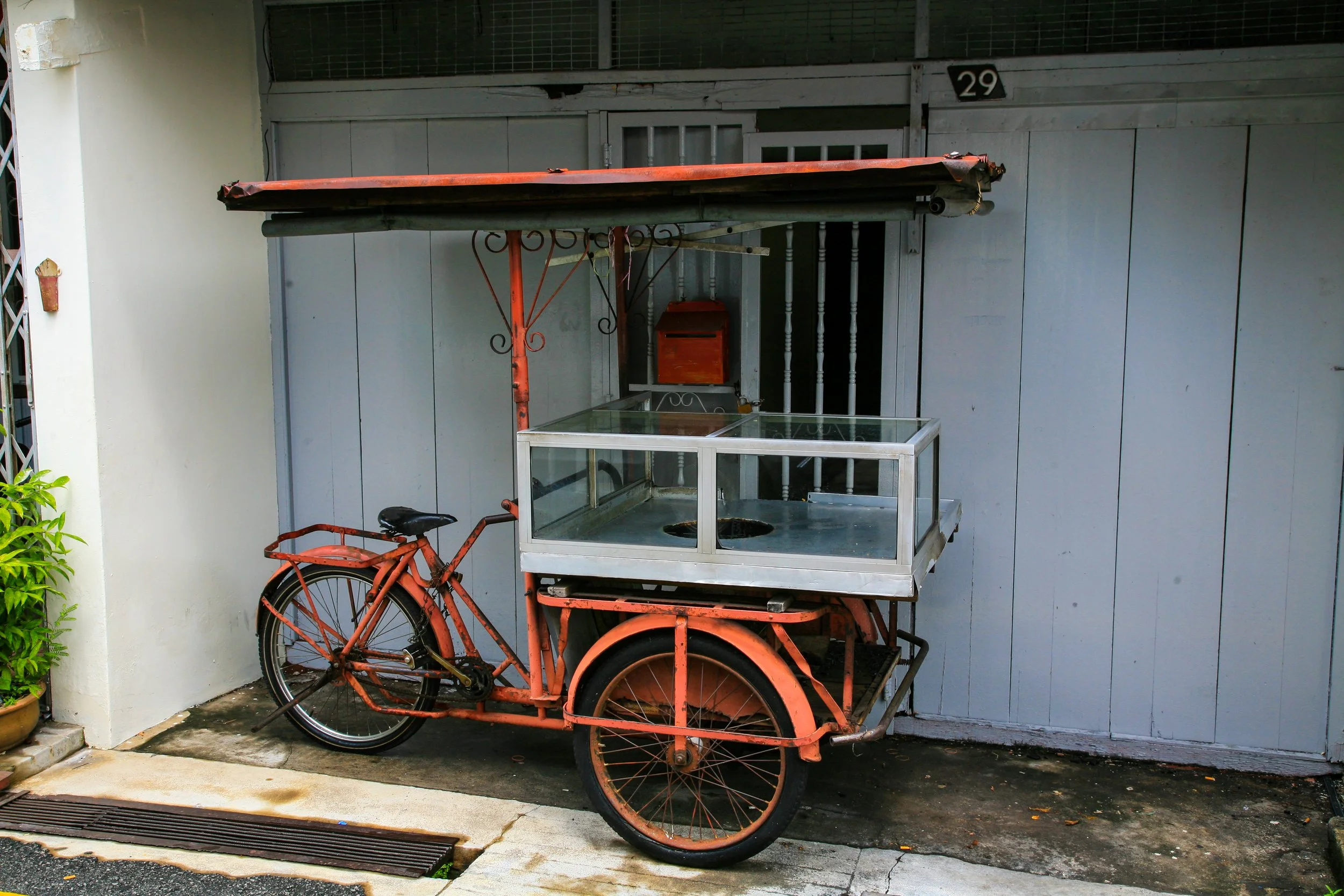
Malacca Malaysia 2010
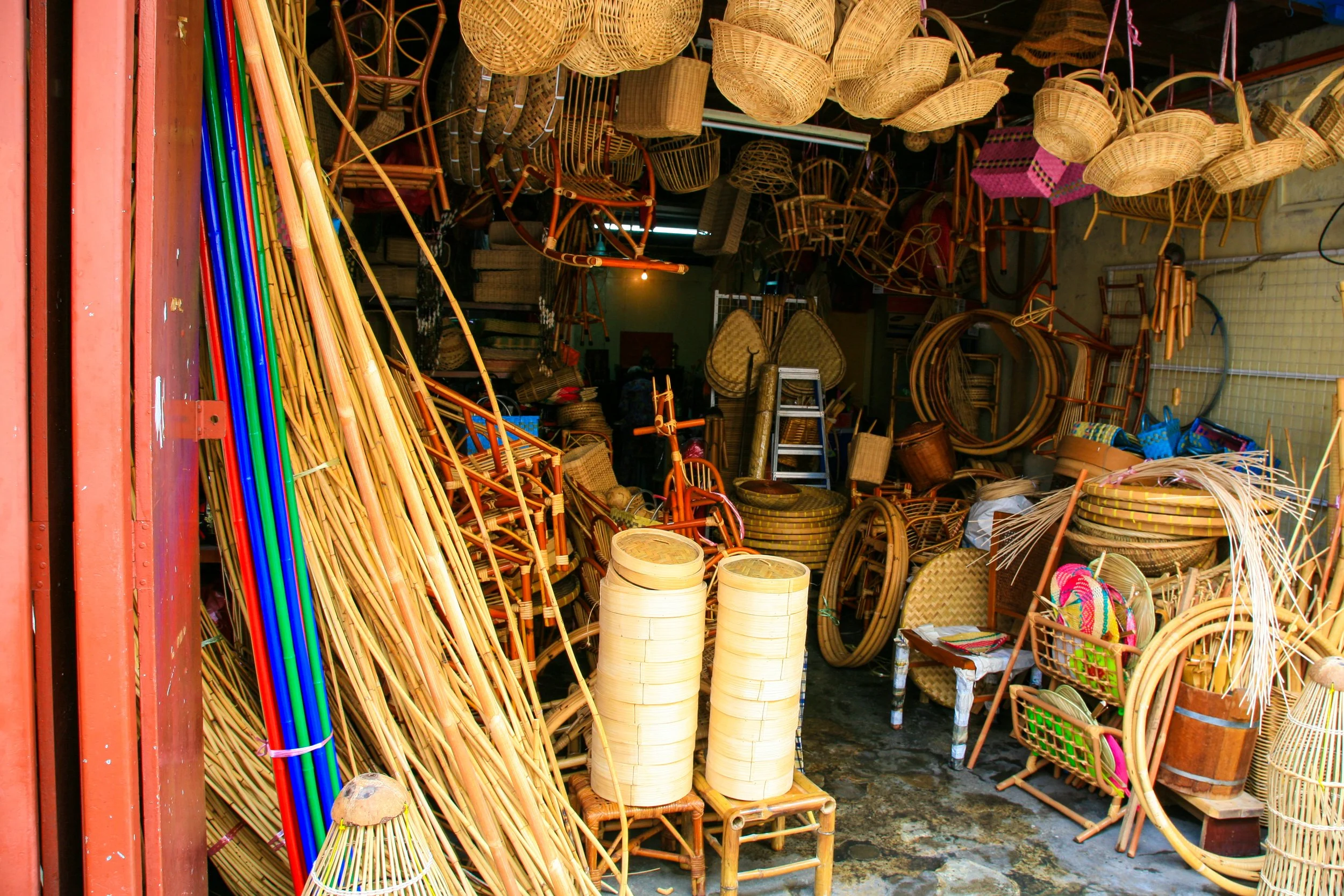
Malacca Malaysia 2010
Malacca Malaysia 2010
Malacca Malaysia 2010
Malacca Malaysia 2010
Malacca Malaysia 2010
Malacca Malaysia 2010

Malacca Malaysia 2010
Malacca Malaysia 2010
Malacca Malaysia 2010
Malacca Malaysia 2010
Malacca Malaysia 2010
Malacca Malaysia 2010
Malacca Malaysia 2010
Malacca Malaysia 2010
Malacca Malaysia 2010

Malacca Malaysia 2010
Malacca Malaysia 2010
Malacca Malaysia 2010
Malacca Malaysia 2010
Malacca Malaysia 2010
Malacca Malaysia 2010
Malacca Malaysia 2010
Malacca Malaysia 2010
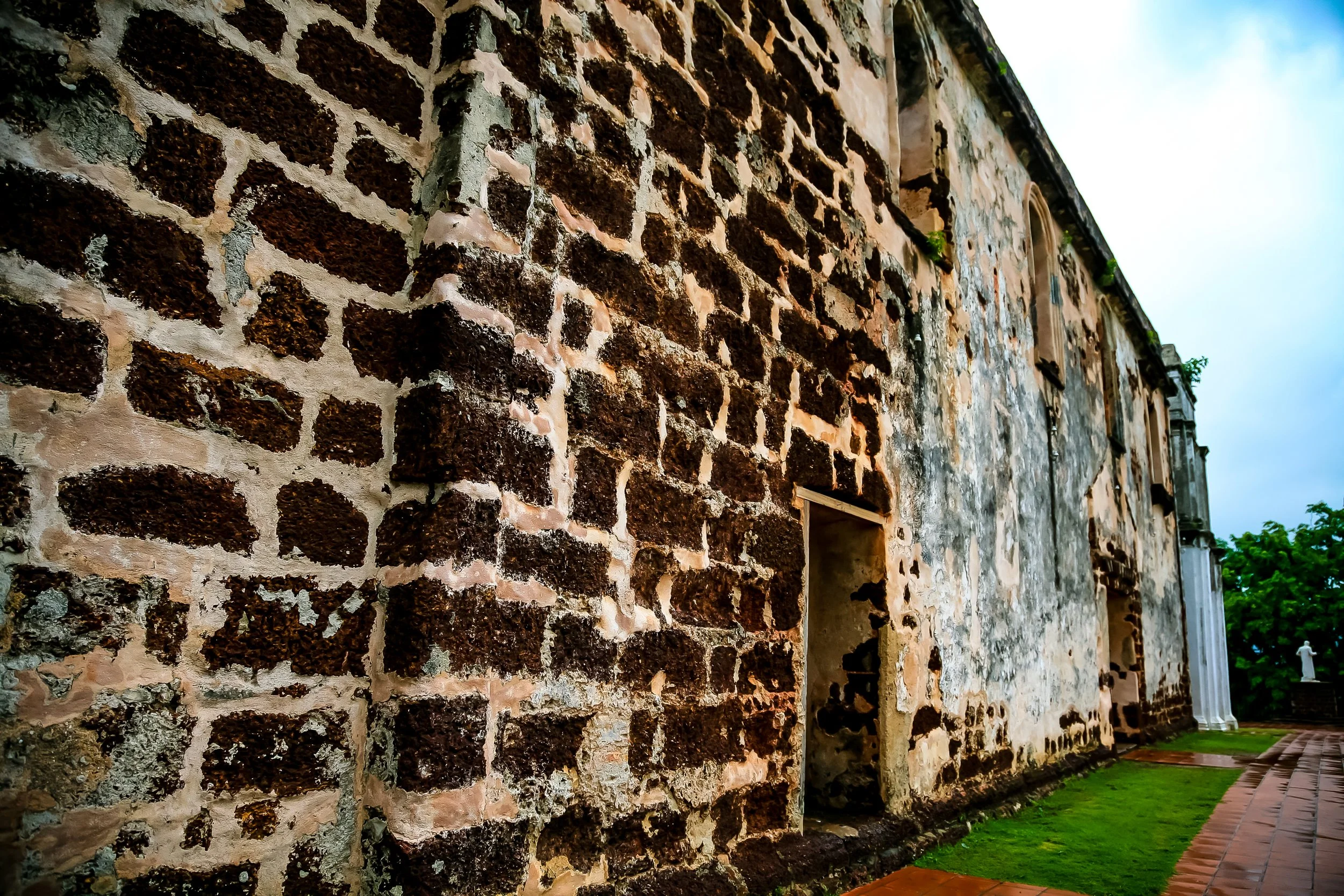
Malacca Malaysia 2010
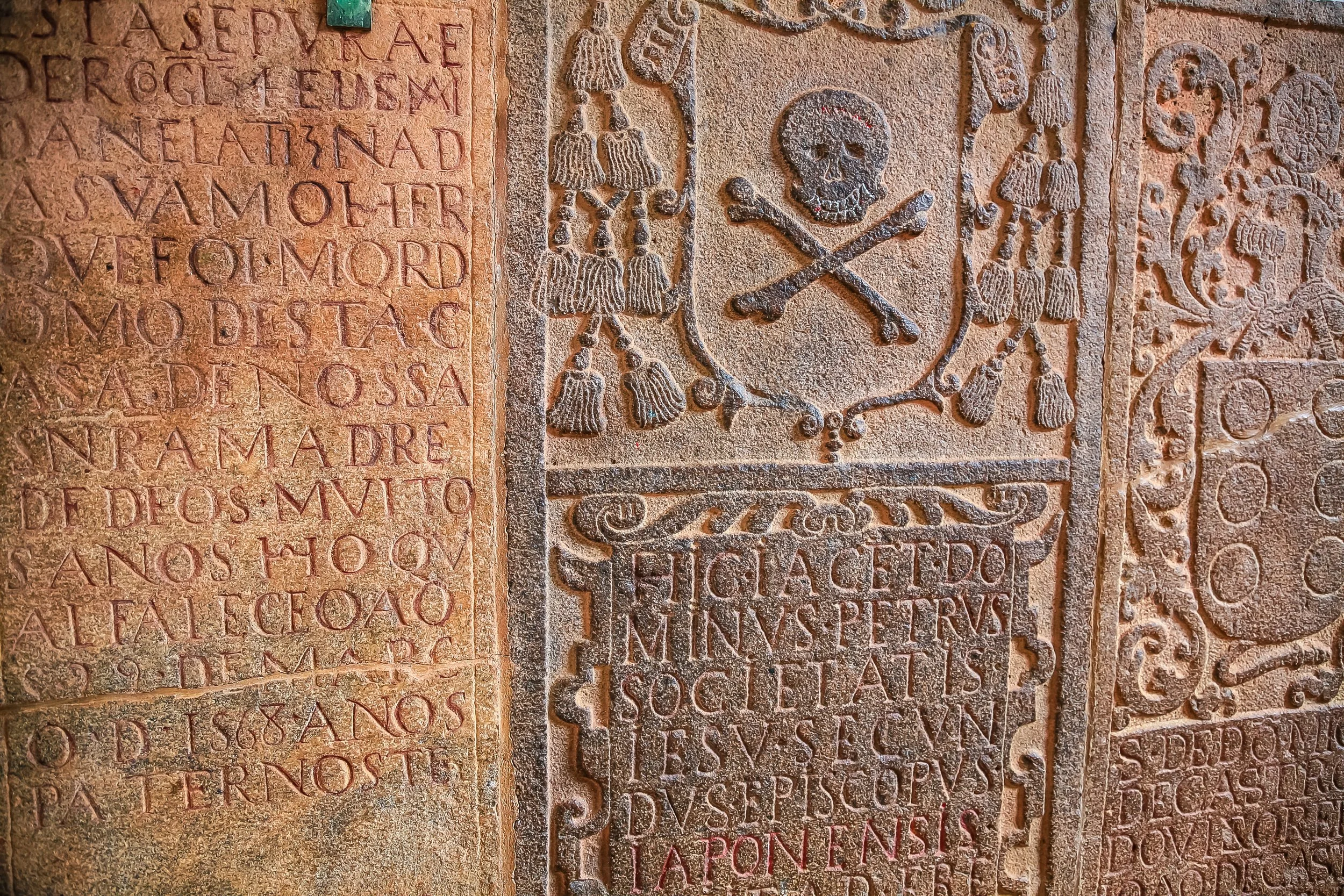
Malacca Malaysia 2010
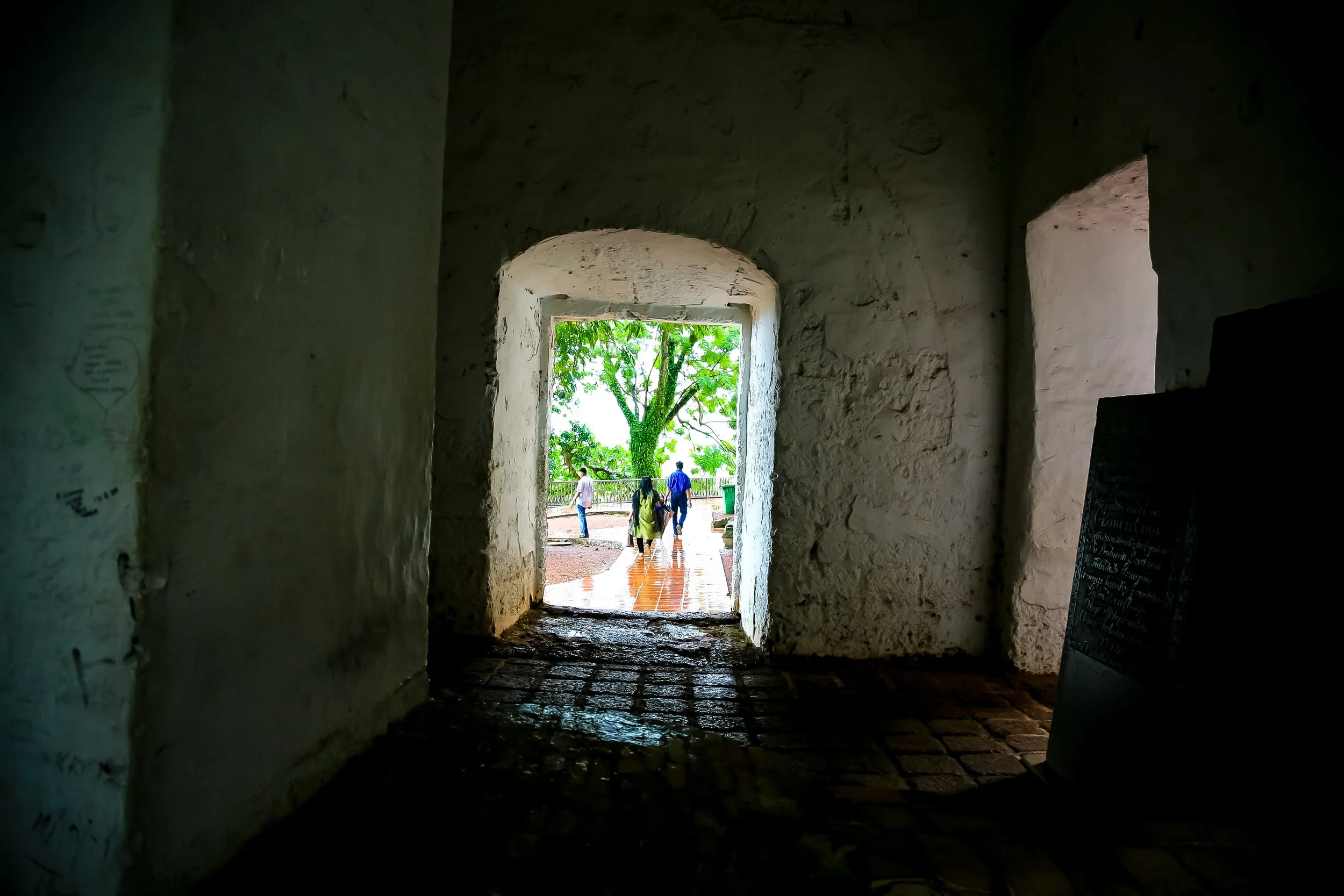
Malacca Malaysia 2010
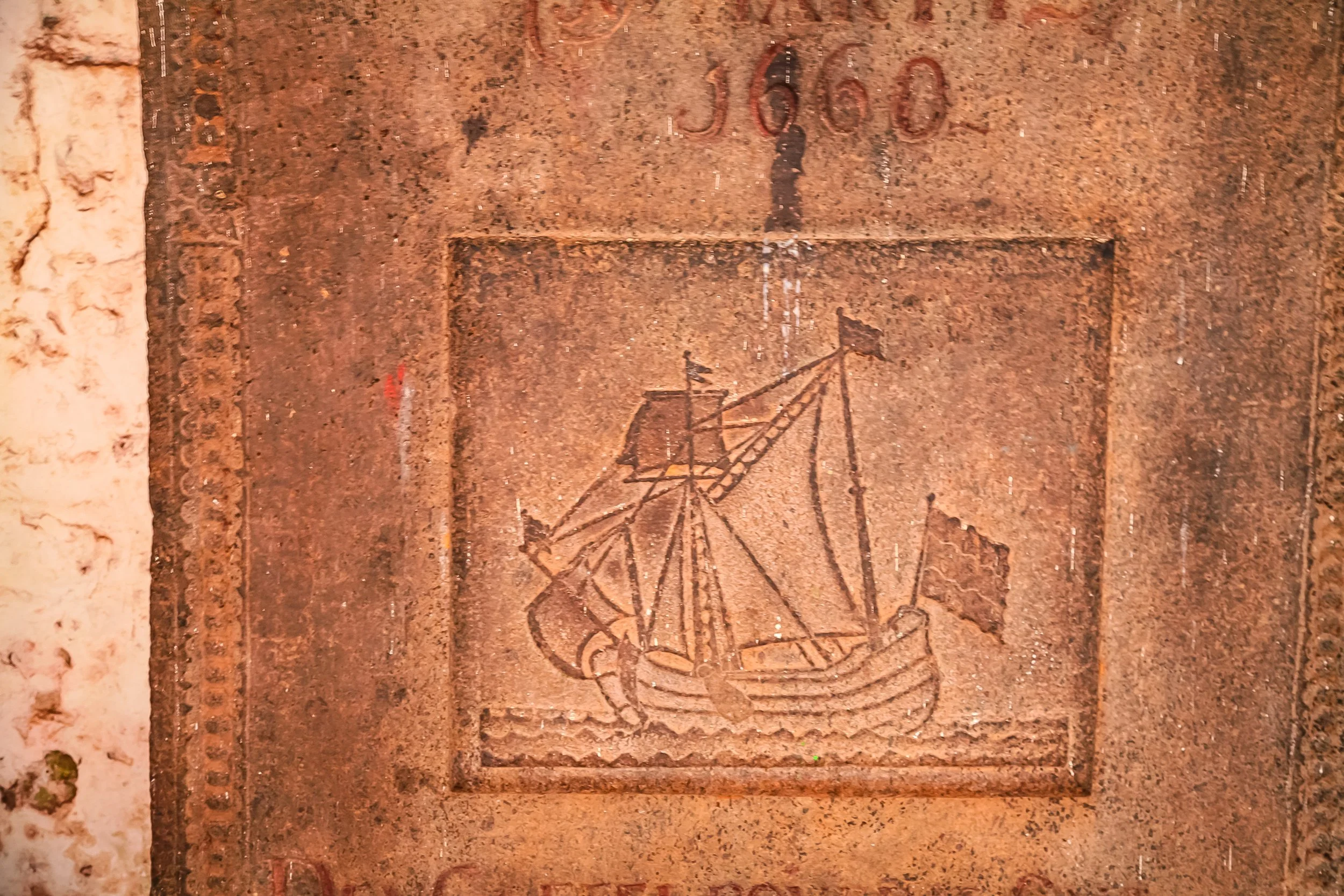
Malacca Malaysia 2010
Malacca Malaysia 2010
Malacca Malaysia 2010
Malacca Malaysia 2010
Malacca Malaysia 2010
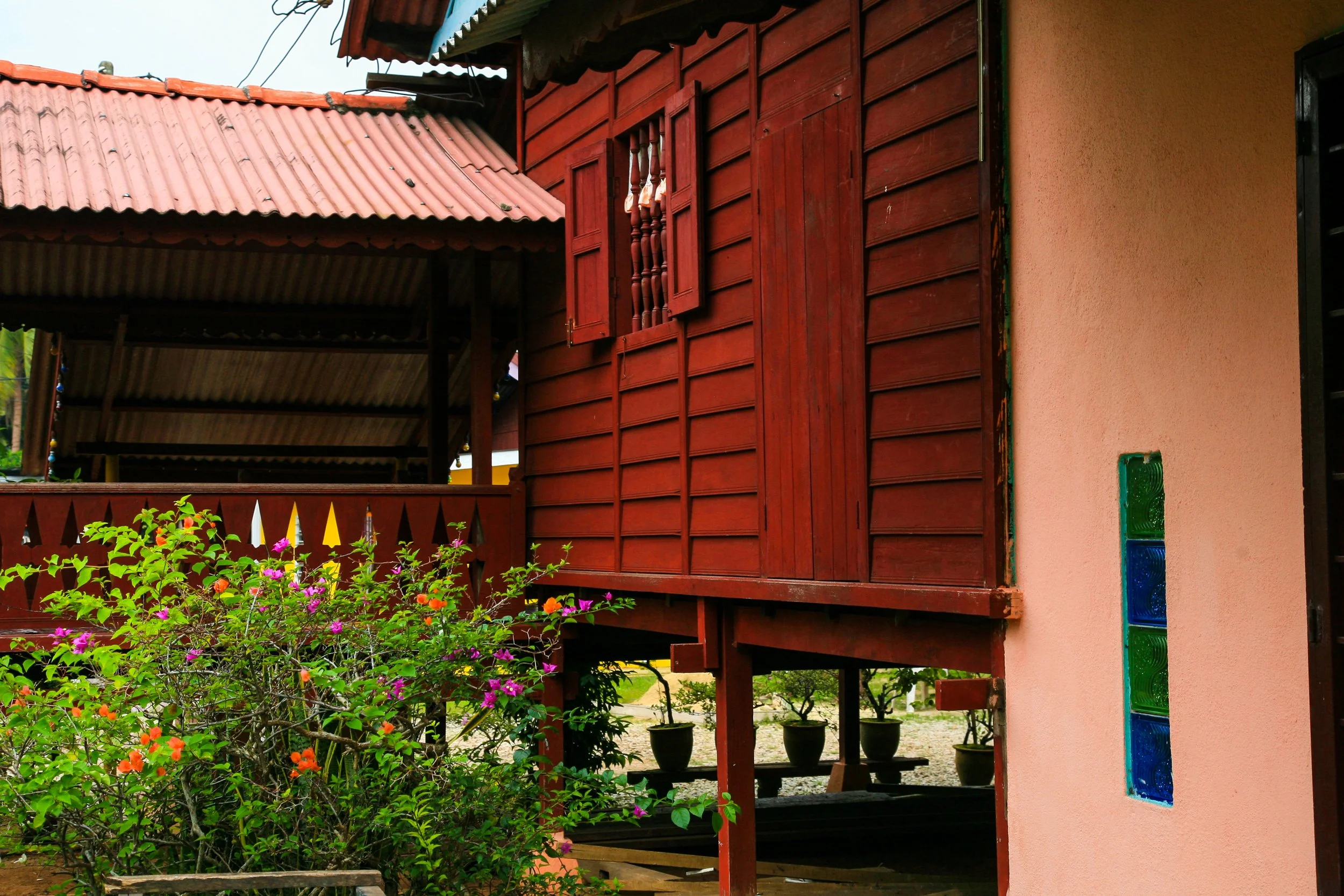
Malacca Malaysia 2010
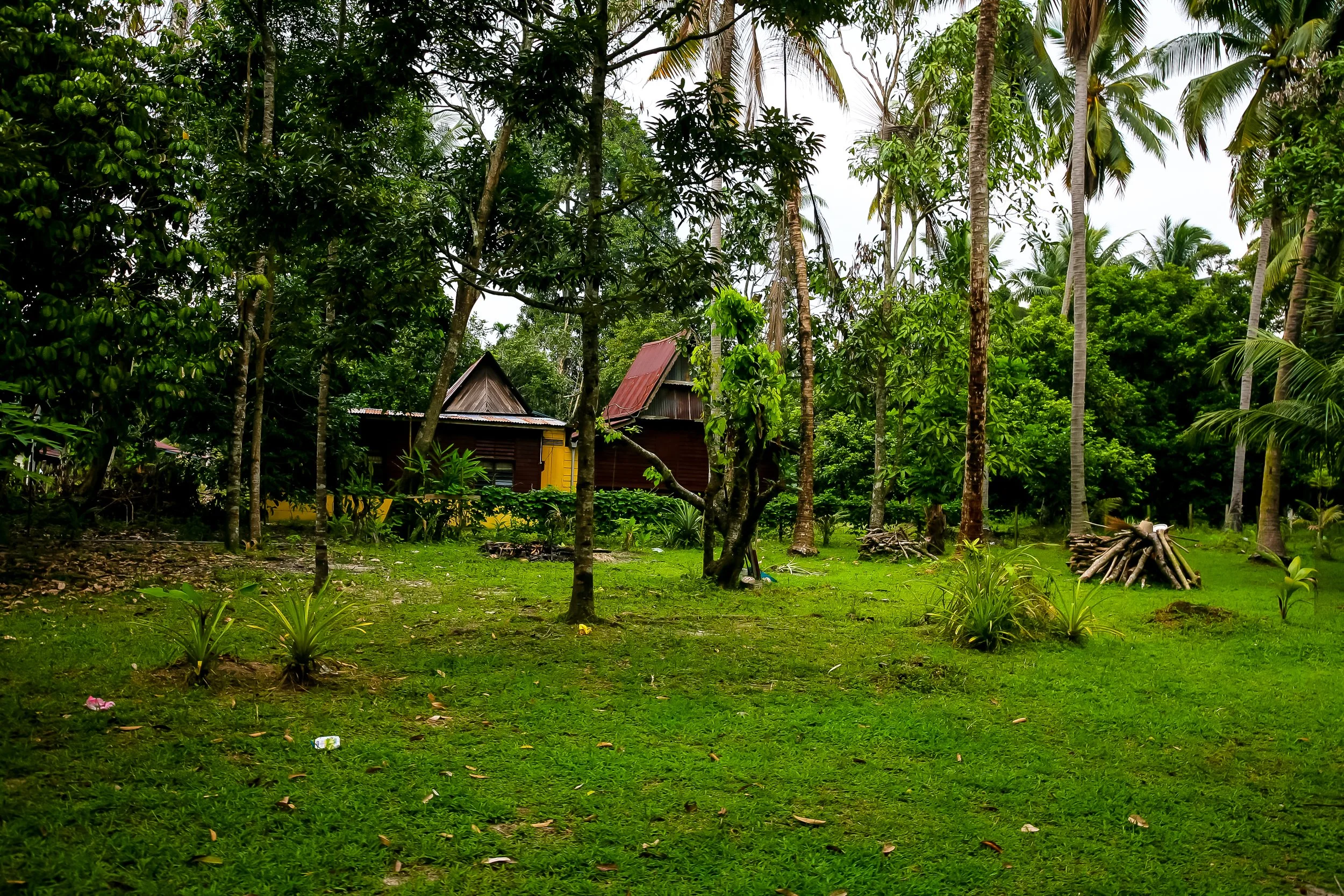
Malacca Malaysia 2010
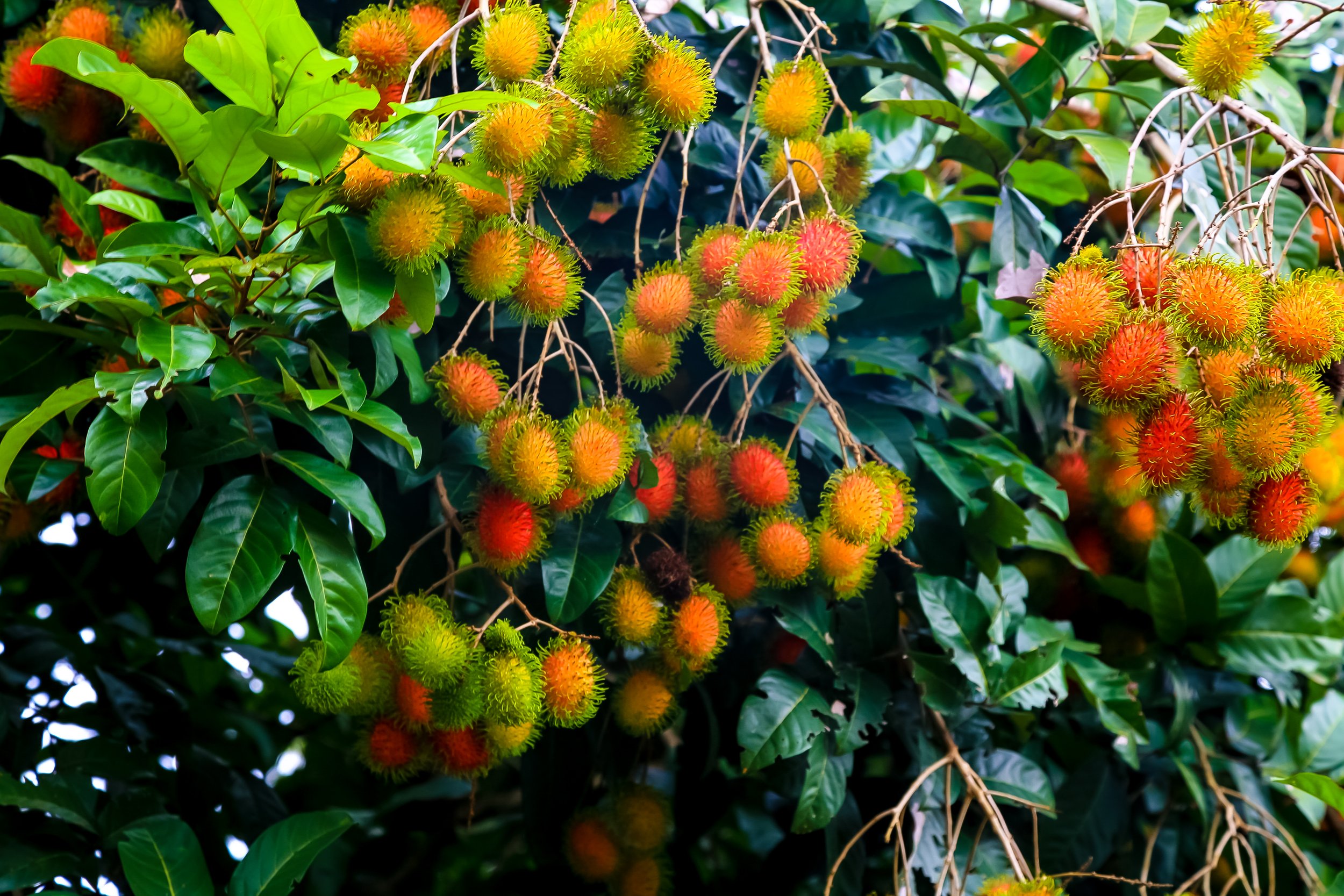
Malacca Malaysia 2010
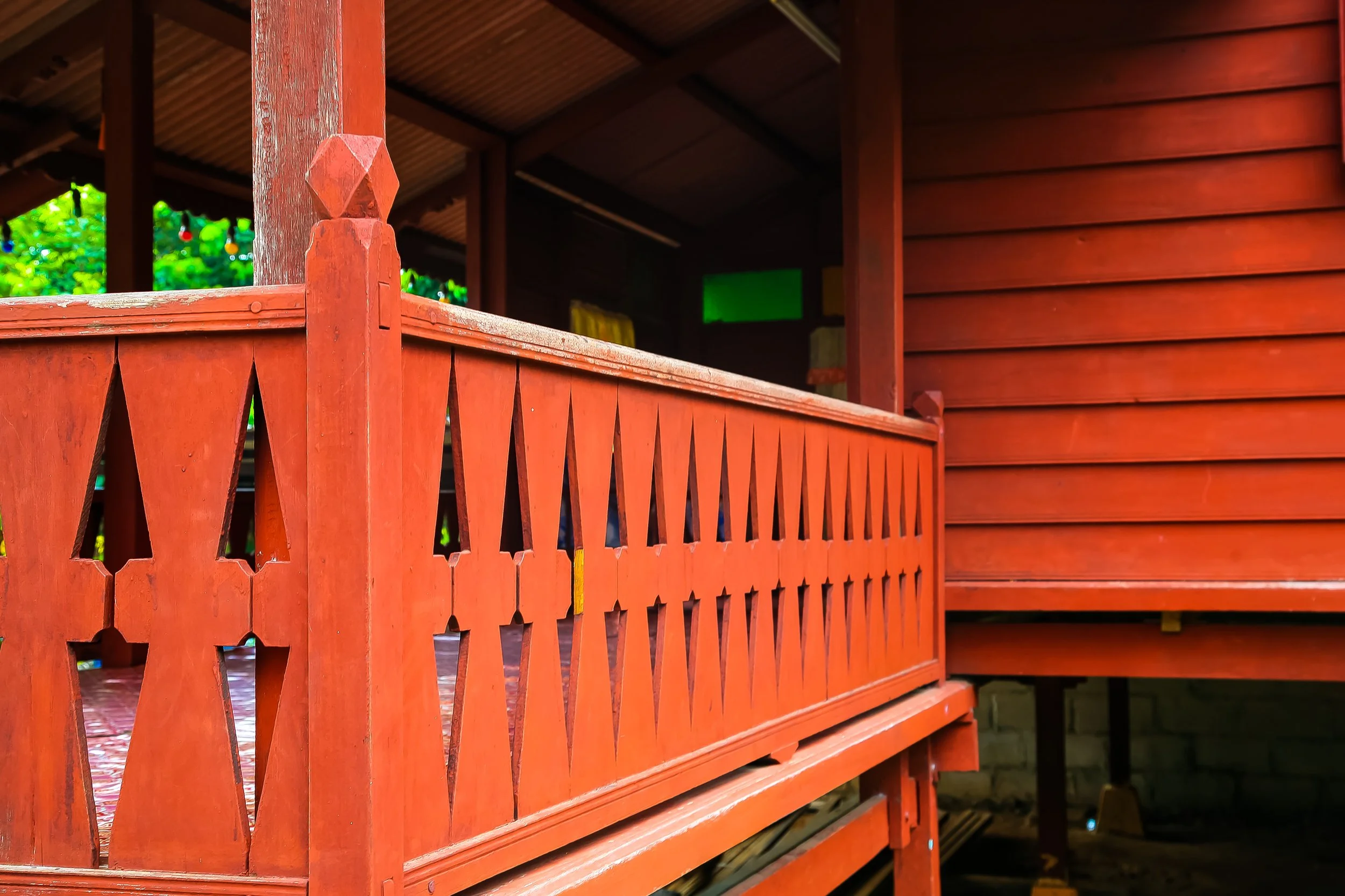
Malacca Malaysia 2010
Malacca Malaysia
The history of Malacca (also spelled Melaka), a historical city in Malaysia, is rich and multifaceted, reflecting its strategic importance and diverse cultural influences over the centuries.
The region where Malacca stands today has been inhabited since prehistoric times, with evidence of early settlements by the indigenous peoples. According to legend, Malacca was founded around 1400 by Parameswara, a Sumatran prince who fled to the Malay Peninsula after being ousted from his kingdom. He established Malacca as a trading port. Under Parameswara and his successors, Malacca grew rapidly into a significant trading port due to its strategic location on the Malacca Strait, which was a crucial maritime route.
Malacca became an Islamic sultanate in the early 15th century when Parameswara converted to Islam and took the title Sultan Iskandar Shah. The sultanate became a centre of Islamic learning and culture. Malacca established extensive trade networks and diplomatic relations with powerful states, including China, which sent Admiral Zheng He on several voyages to Malacca.
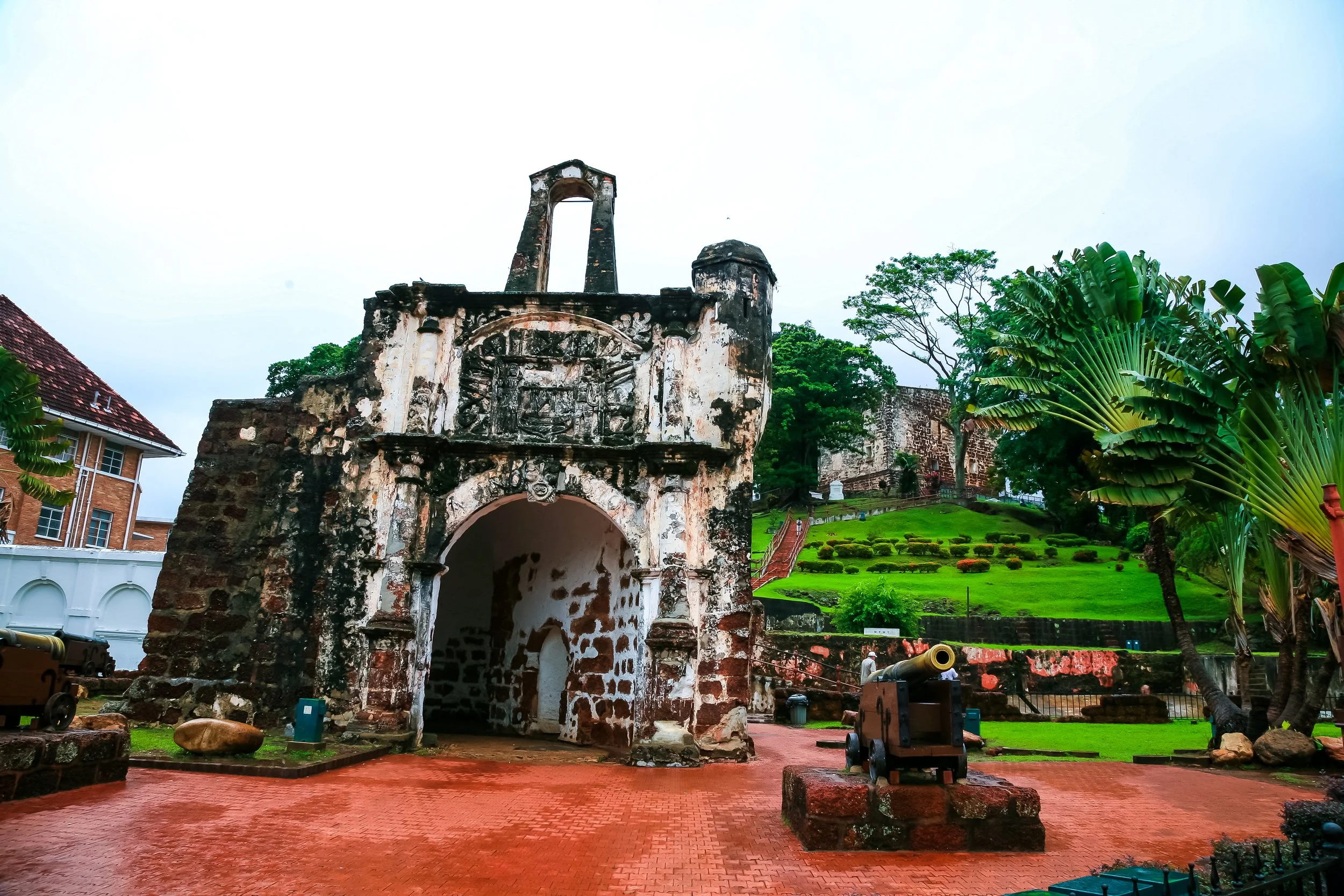
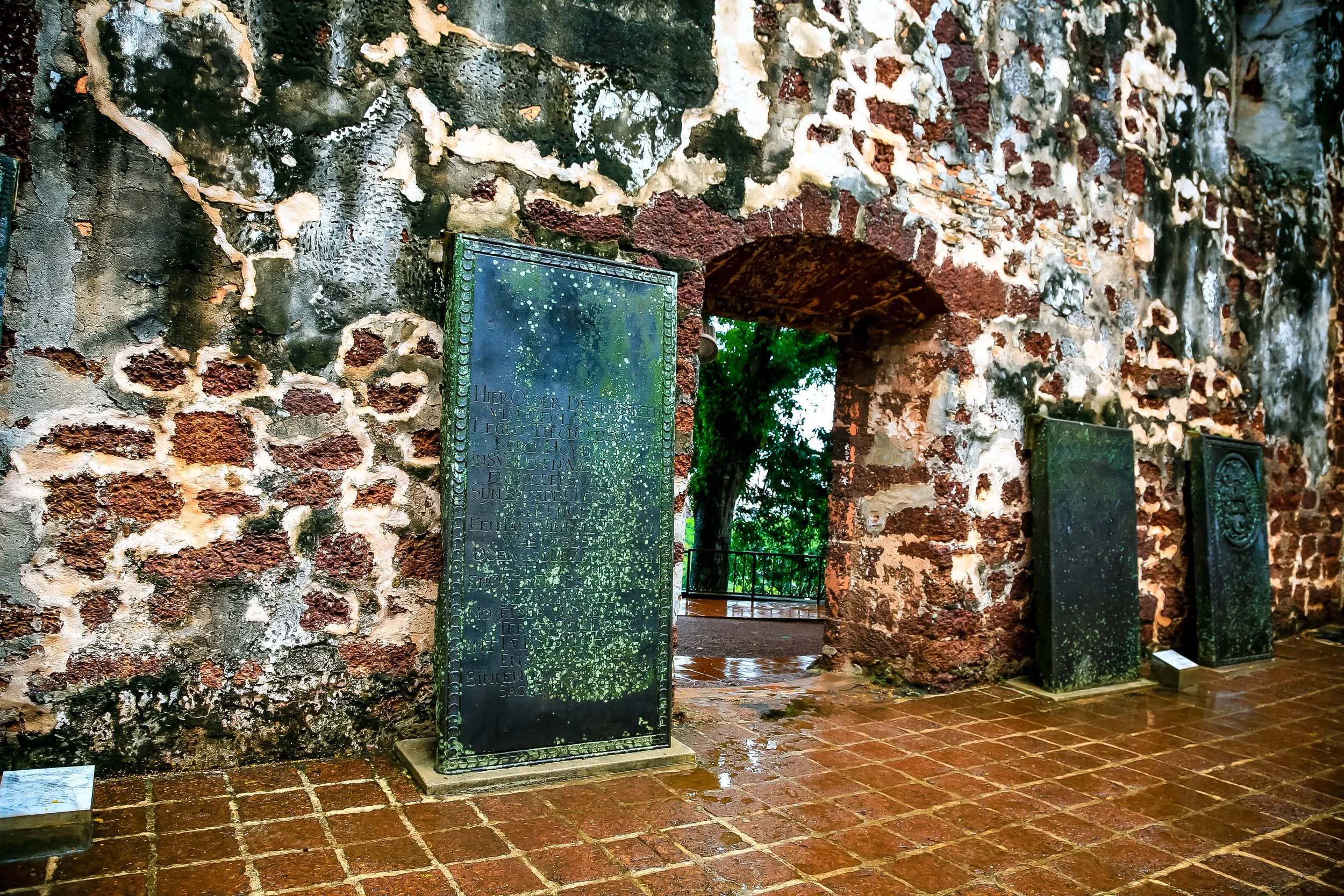
In 1509, the Portuguese, led by Diego Lopes de Sequeira, arrived in Malacca, marking the beginning of European interest in the region. In 1511, the Portuguese, under Afonso de Albuquerque, captured Malacca, making it a key base for their spice trade and military operations in Southeast Asia. The Portuguese built the A Famosa fort to protect their interests, but faced continuous resistance from local rulers and rival traders.
In the 17th century, the Dutch East India Company (VOC) sought to challenge Portuguese dominance in the region. In 1641, the Dutch, with the help of local allies, captured Malacca from the Portuguese. The Dutch controlled Malacca for over 150 years, focusing on maintaining it as a strategic port rather than a major trading centre.
The British gained control of Malacca through the Anglo-Dutch Treaty of 1824, which saw a territorial exchange between the British and the Dutch. Malacca became part of the British Straits Settlements, along with Penang and Singapore, serving as an administrative and trade centre under British rule.
During World War II, Malacca was occupied by Japanese forces from 1942 to 1945.
After the war, the British returned to Malacca, and the city continued to develop under colonial administration. In 1957, Malacca became part of the newly independent Federation of Malaya, which later became Malaysia in 1963.
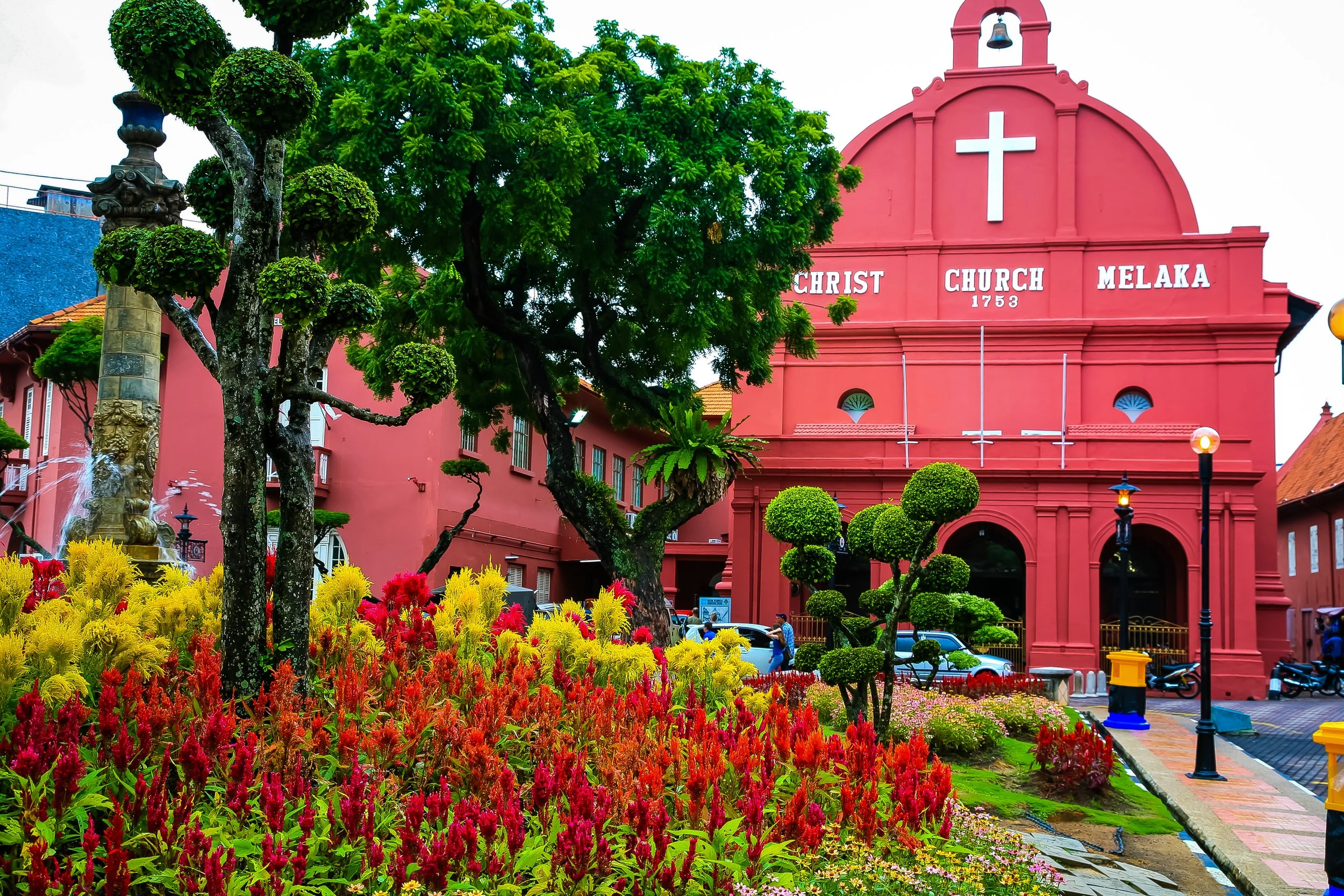
Malacca has developed into a prominent cultural and historical tourist destination, recognized for its well-preserved colonial architecture and rich multicultural heritage. In 2008, the historic city centre of Malacca was designated a UNESCO World Heritage Site, acknowledging its historical significance and diverse cultural influences.
Malacca’s history reflects its role as a crucial nexus of trade, cultural exchange, and colonial rivalry, contributing to its rich and diverse heritage that continues to attract visitors from around the world.