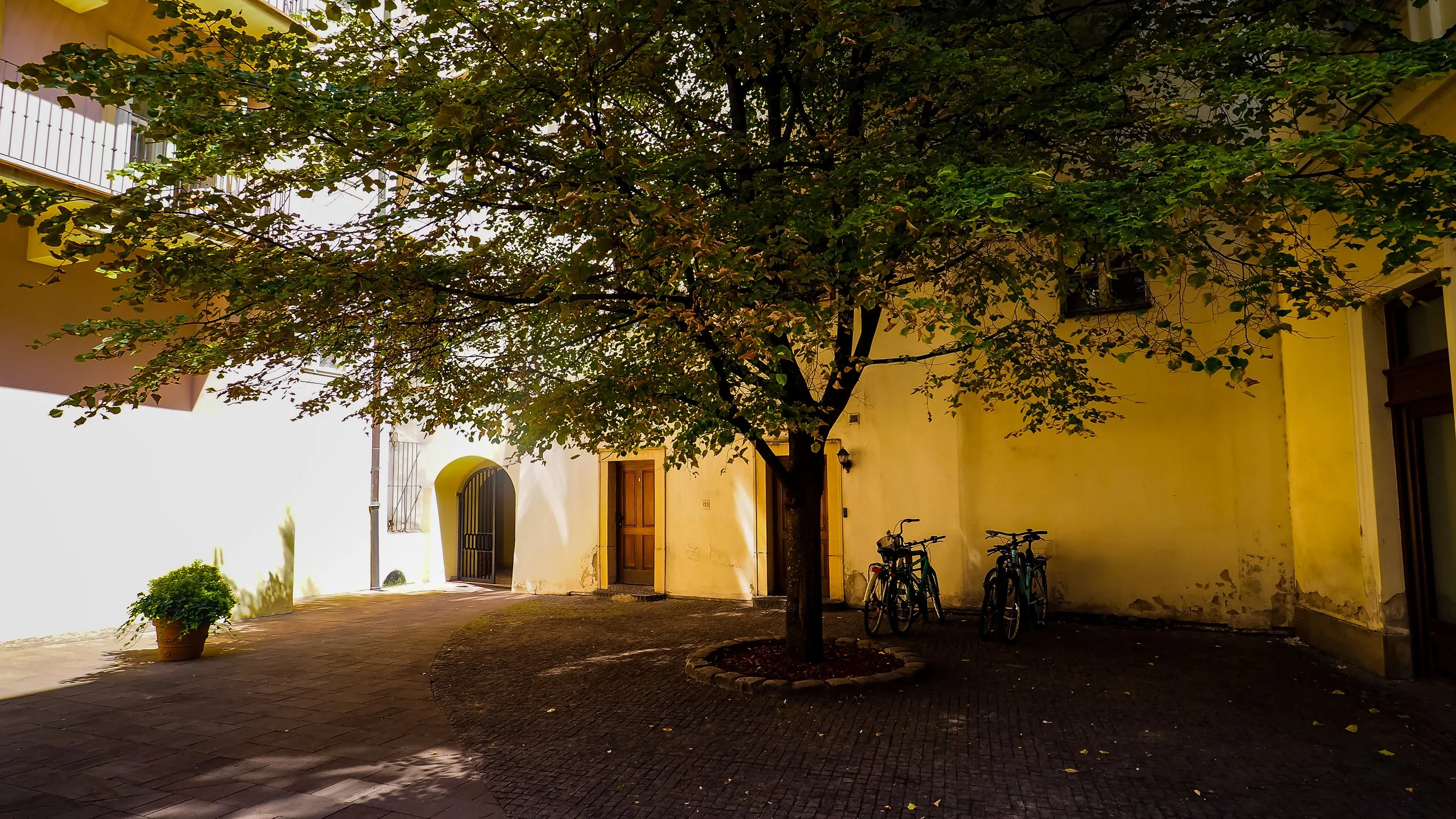
Bratislava Slovakia 2017
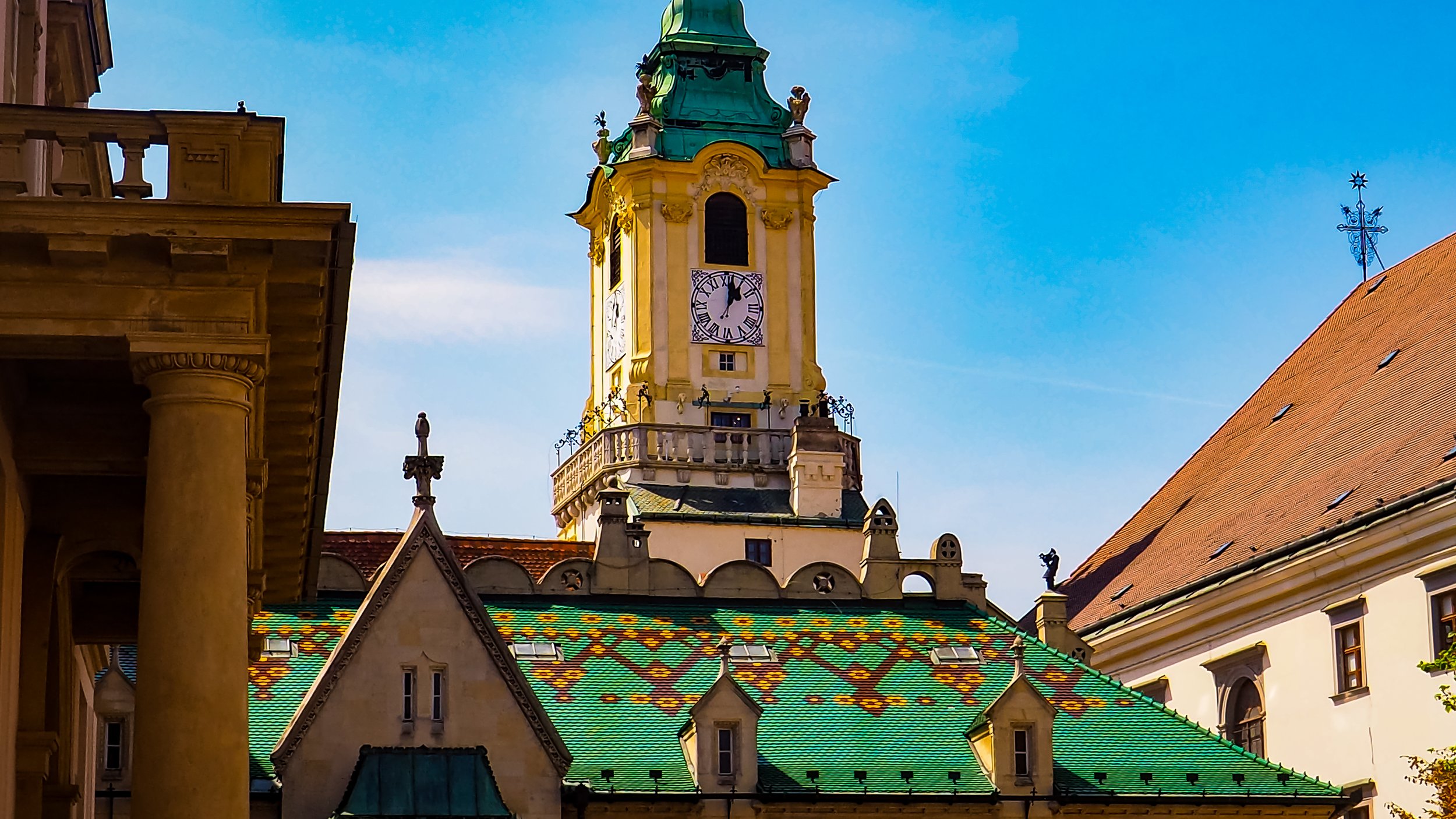
Bratislava Slovakia 2017
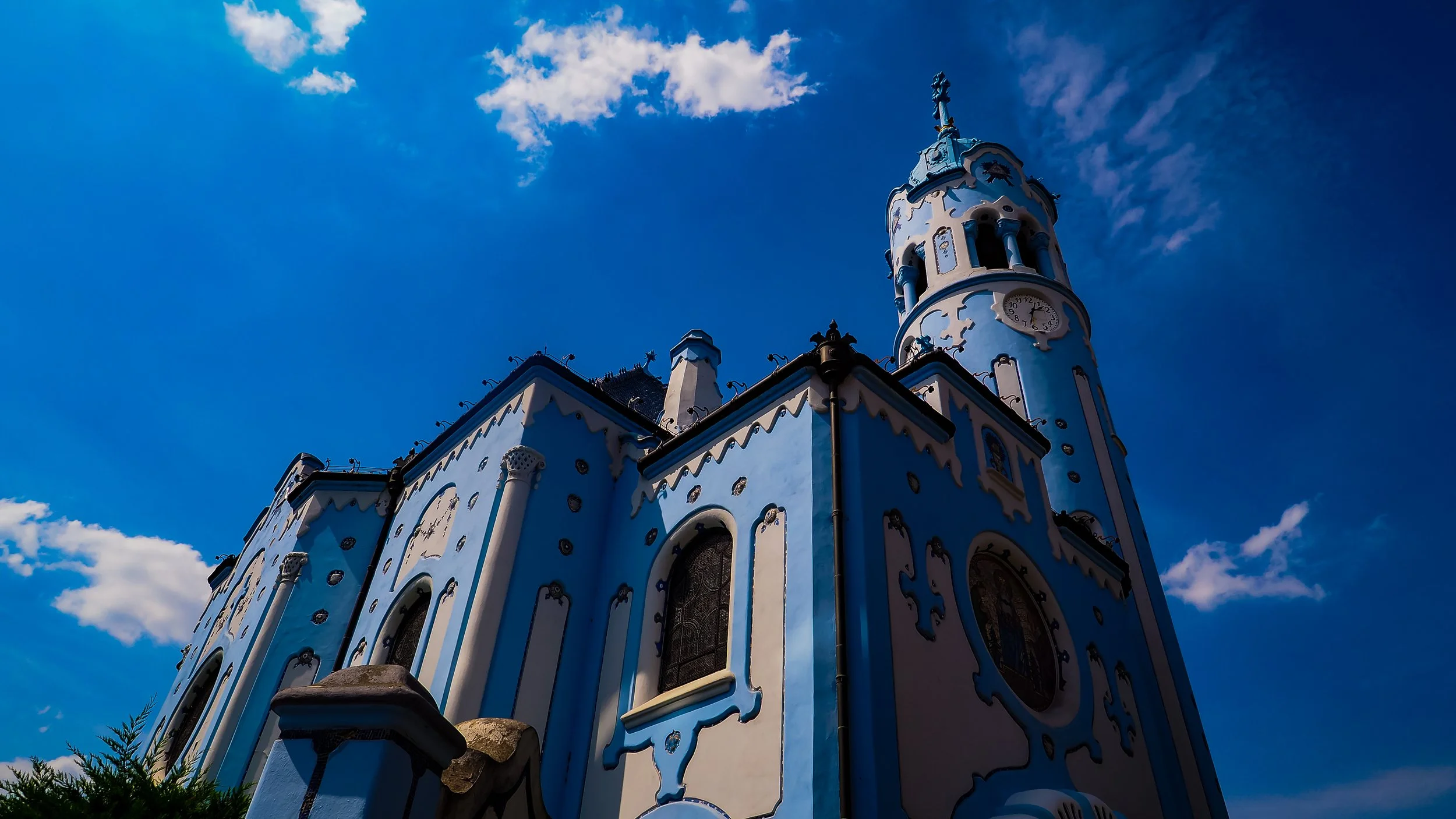
Bratislava Slovakia 2017
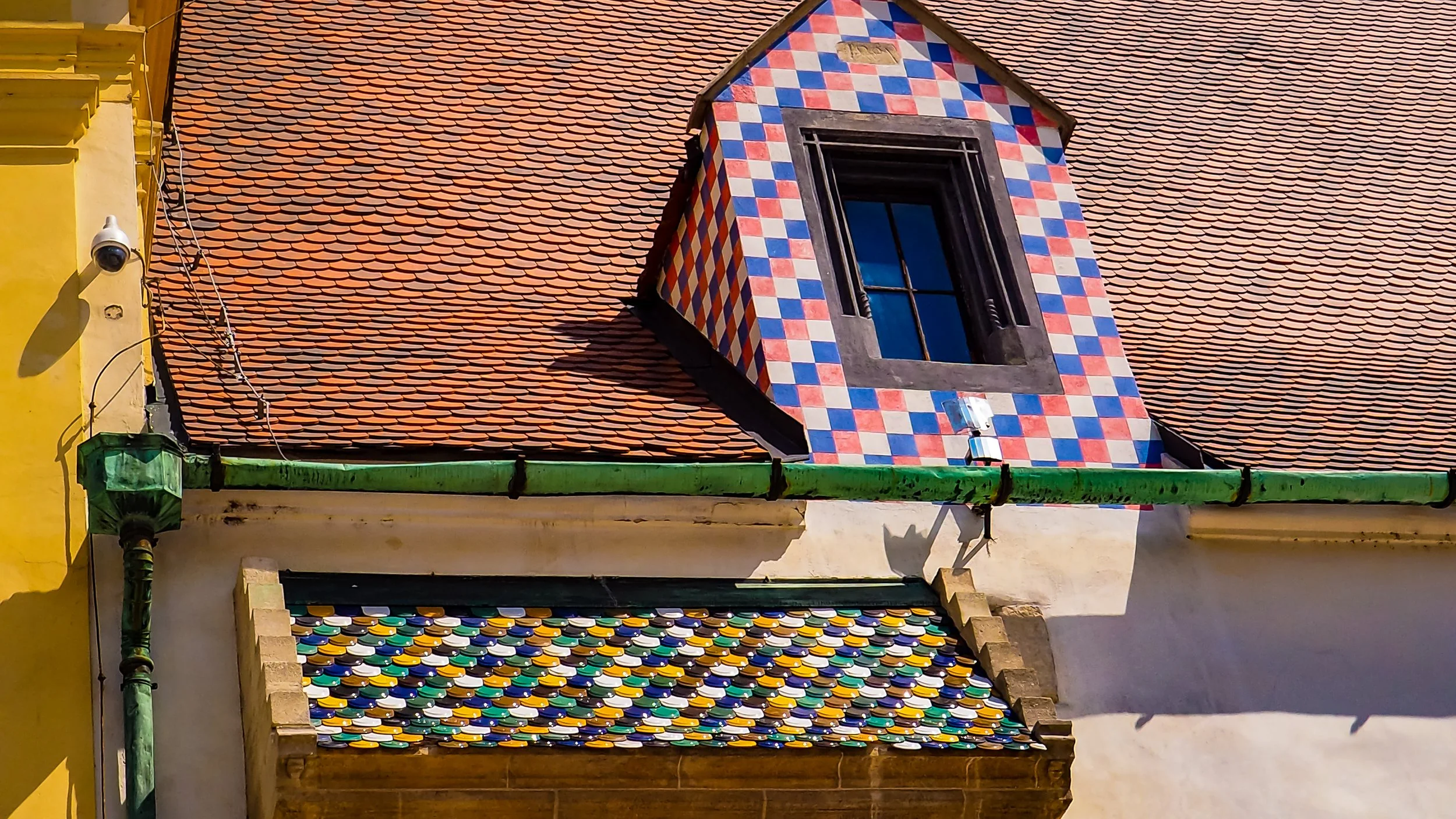
Bratislava Slovakia 2017
Bratislava Slovakia 2017
Bratislava Slovakia 2017
Bratislava Slovakia 2017
Bratislava Slovakia 2017
Bratislava Slovakia 2017
Bratislava Slovakia 2017
Bratislava Slovakia 2017
Bratislava Slovakia 2017

Bratislava Slovakia 2017
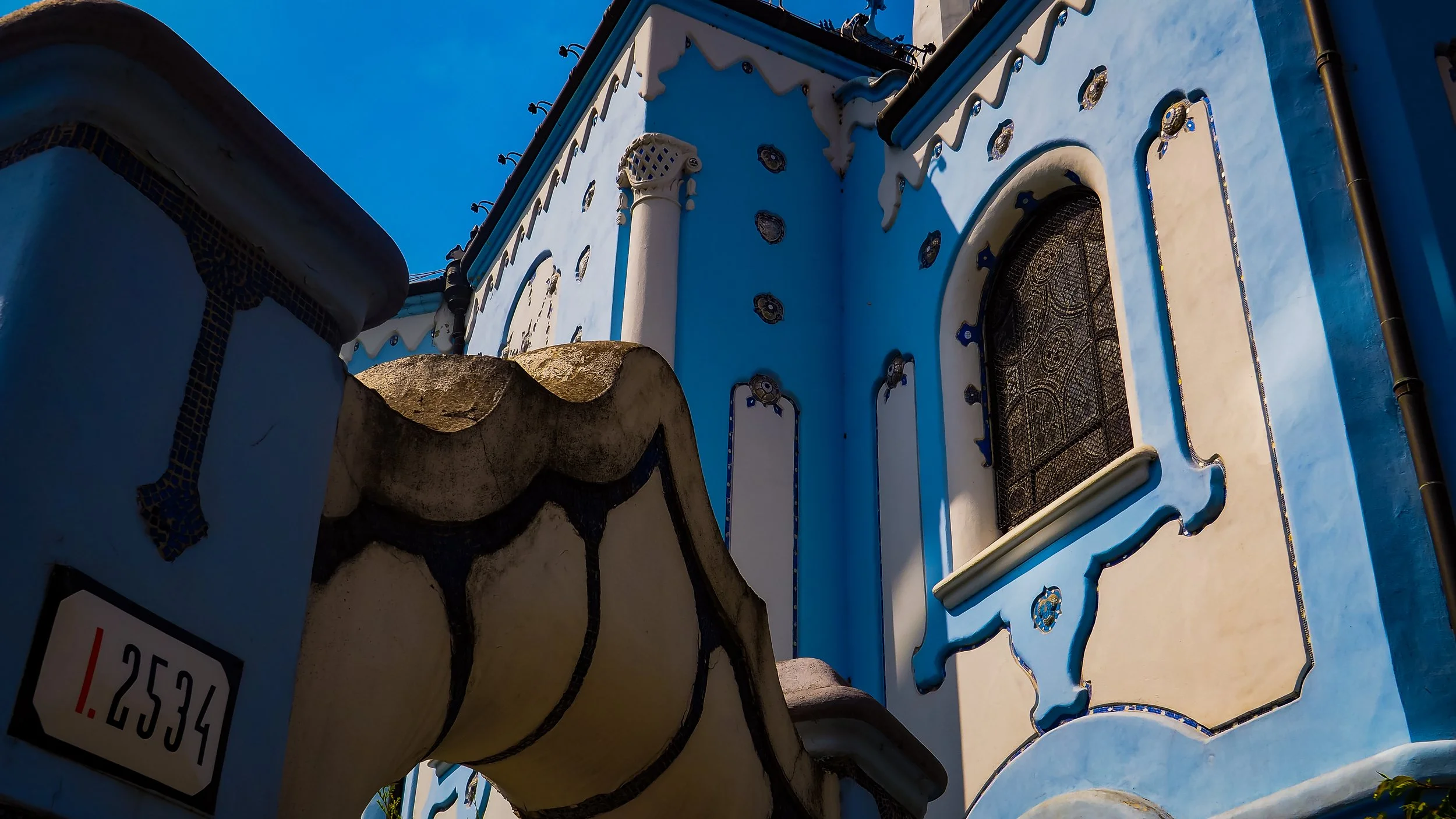
Bratislava Slovakia 2017
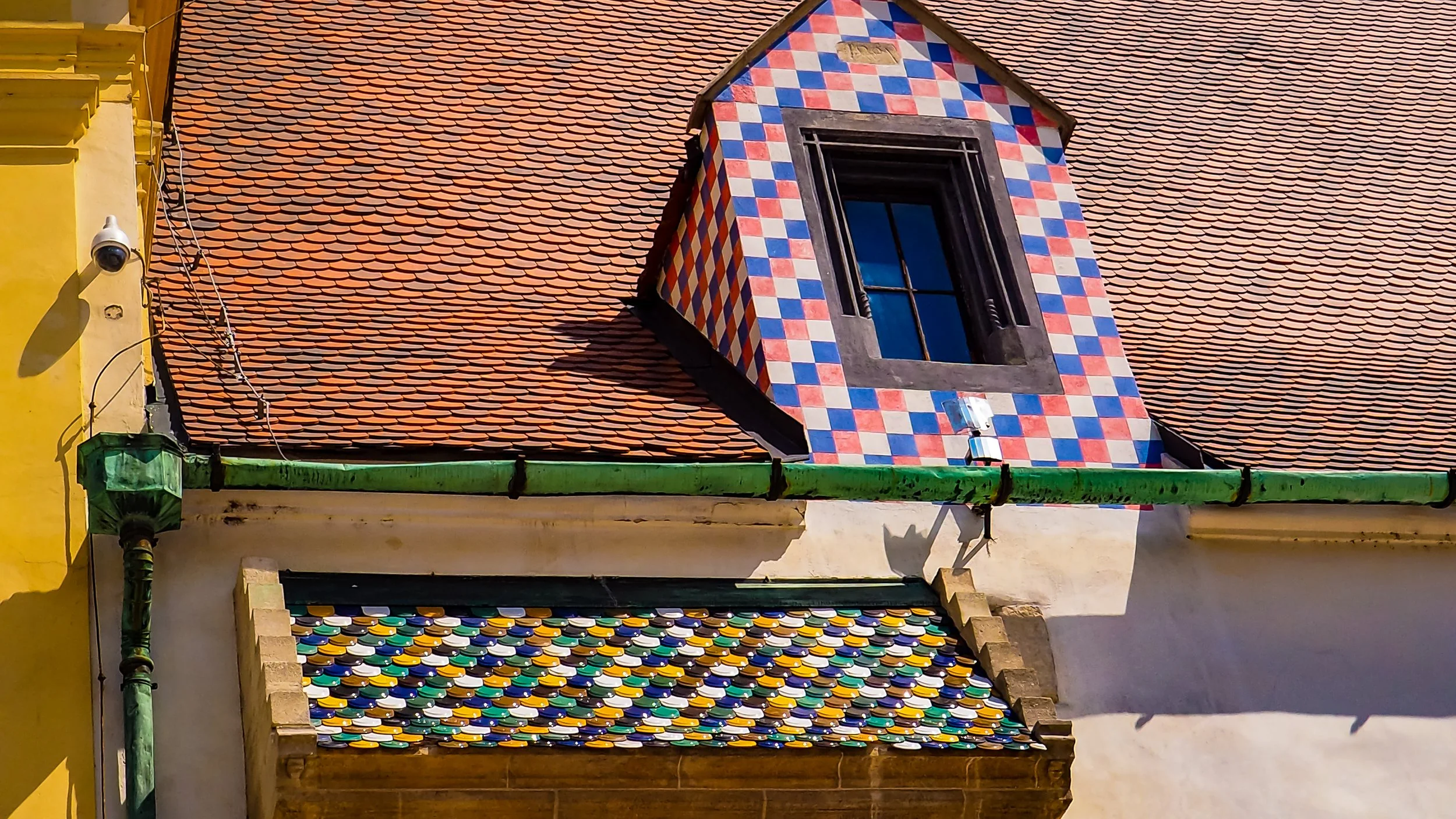
Bratislava Slovakia 2017
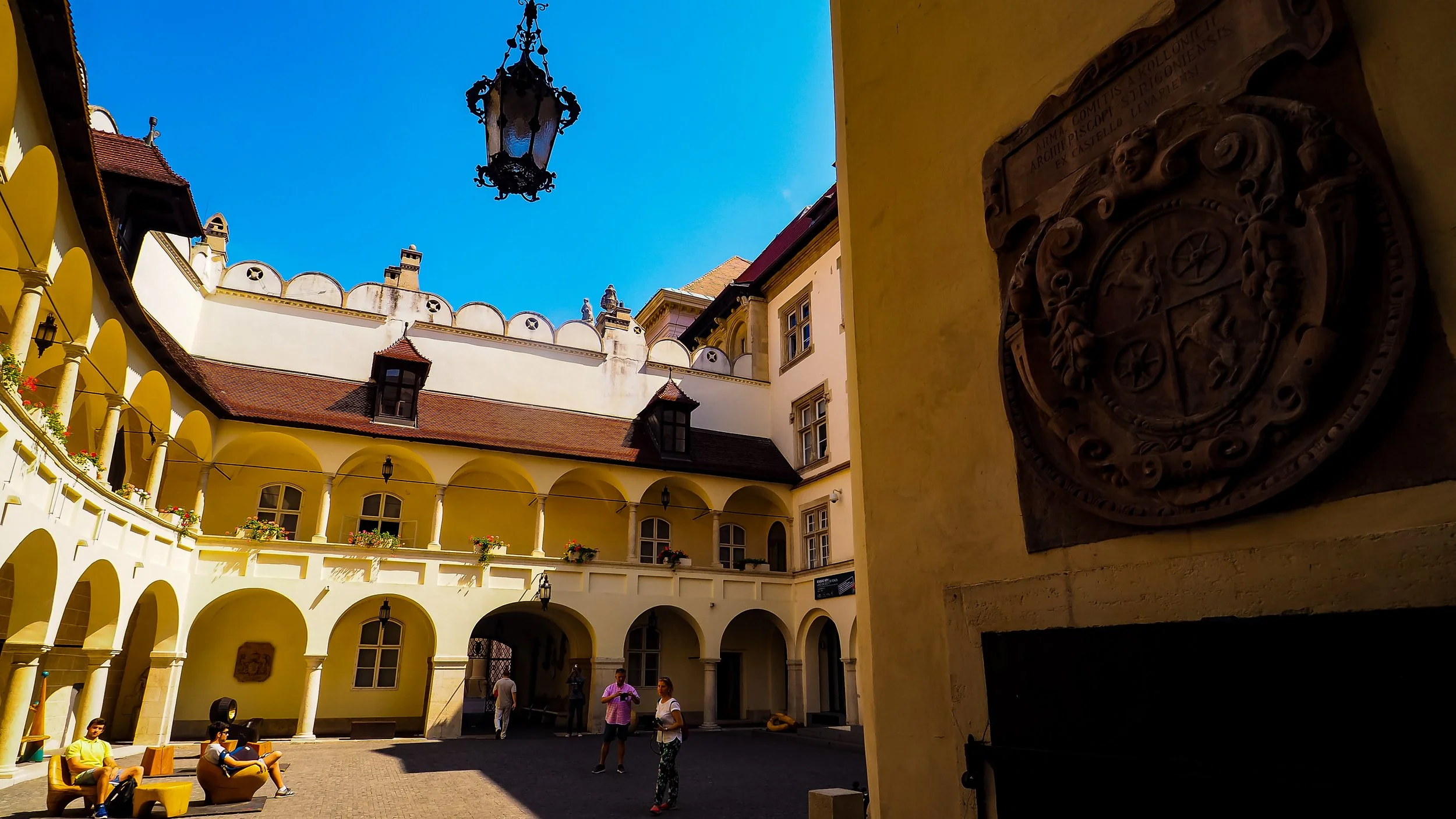
Bratislava Slovakia 2017
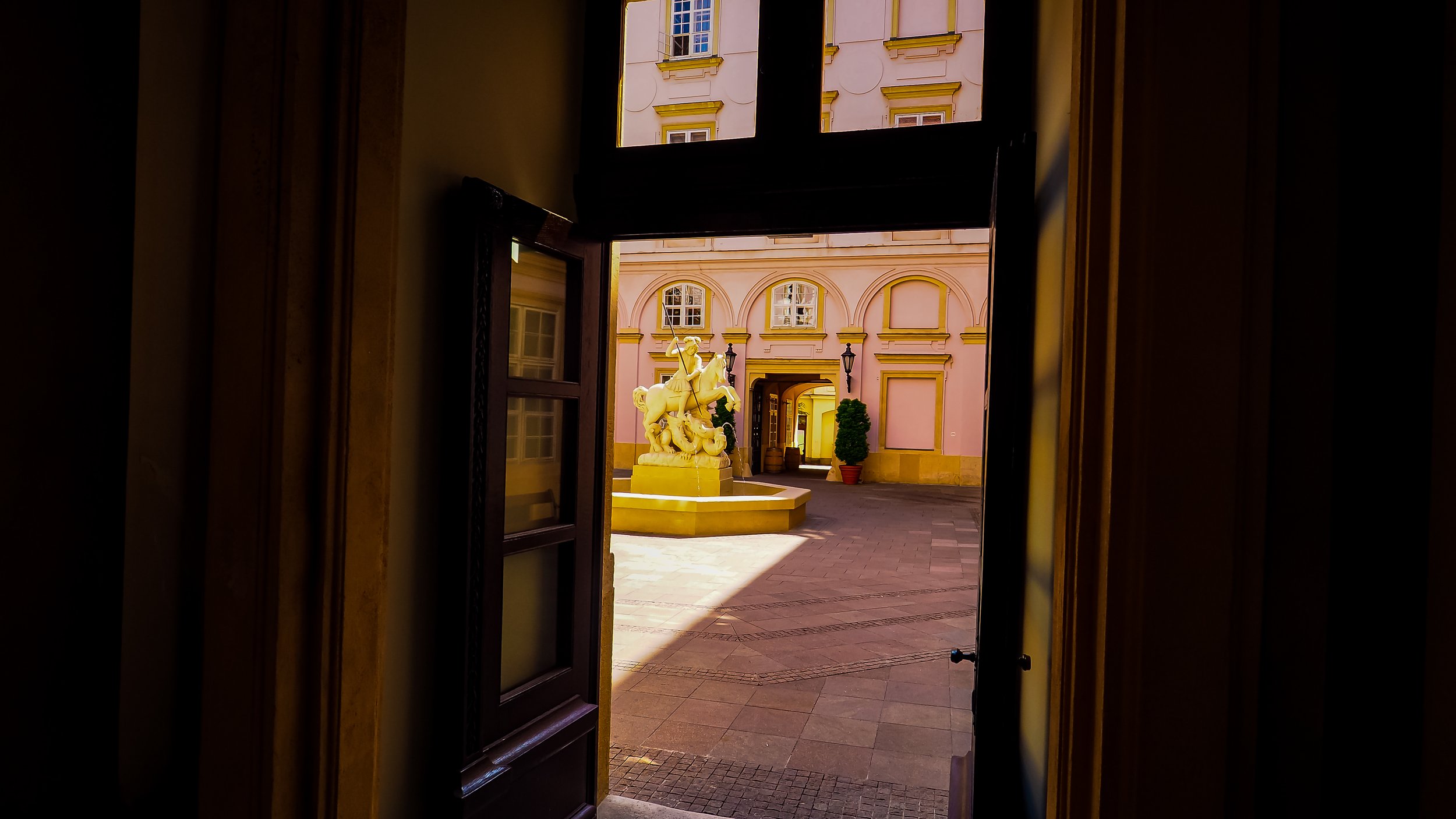
Bratislava Slovakia 2017
Bratislava Slovakia 2017
Bratislava Slovakia 2017
Bratislava Slovakia 2017
Bratislava Slovakia 2017
Bratislava Slovakia 2017
Bratislava Slovakia 2017
Bratislava Slovakia 2017
Bratislava Slovakia 2017
Bratislava Slovakia 2017
Bratislava Slovakia 2017
Bratislava Slovakia
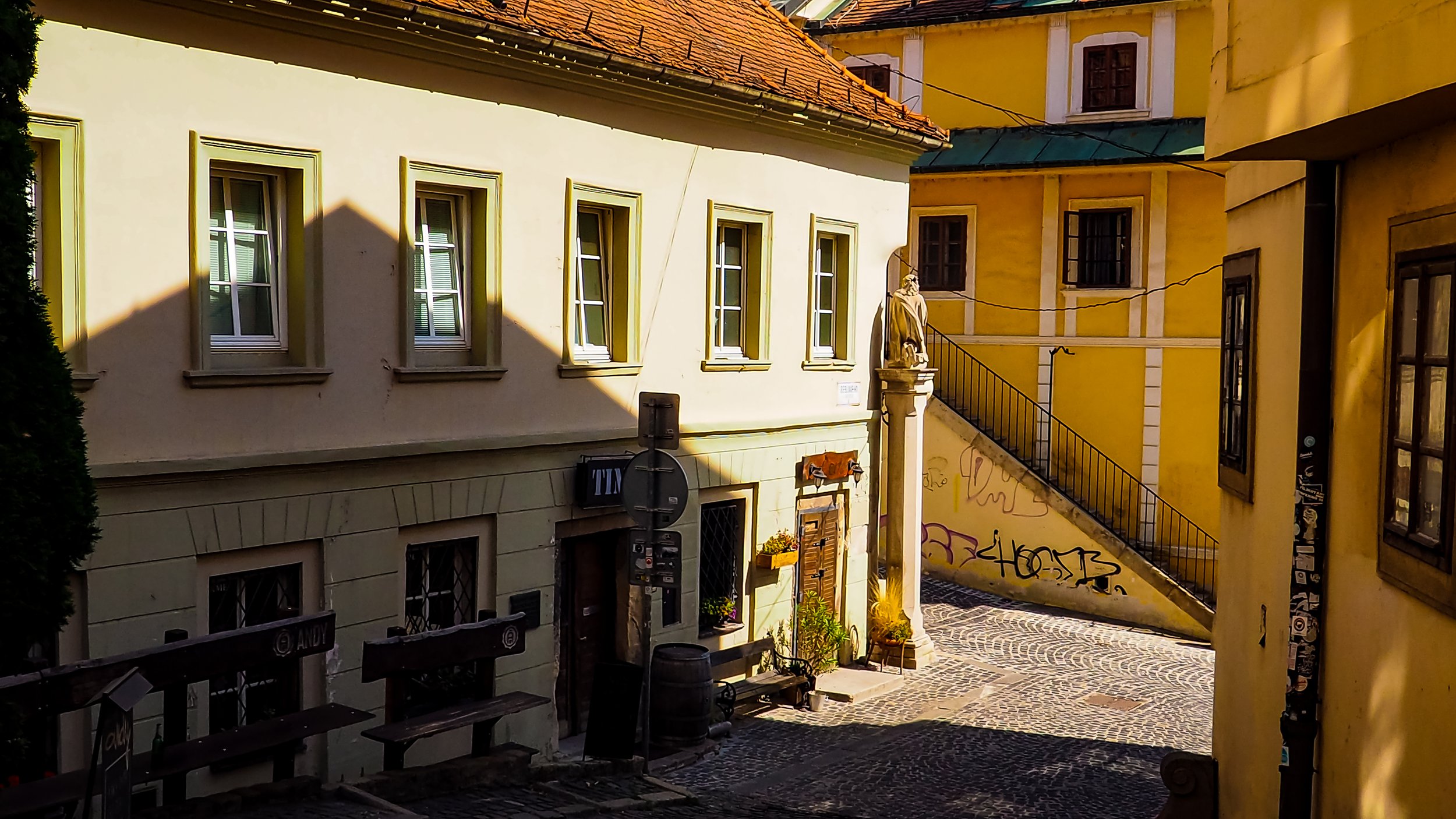
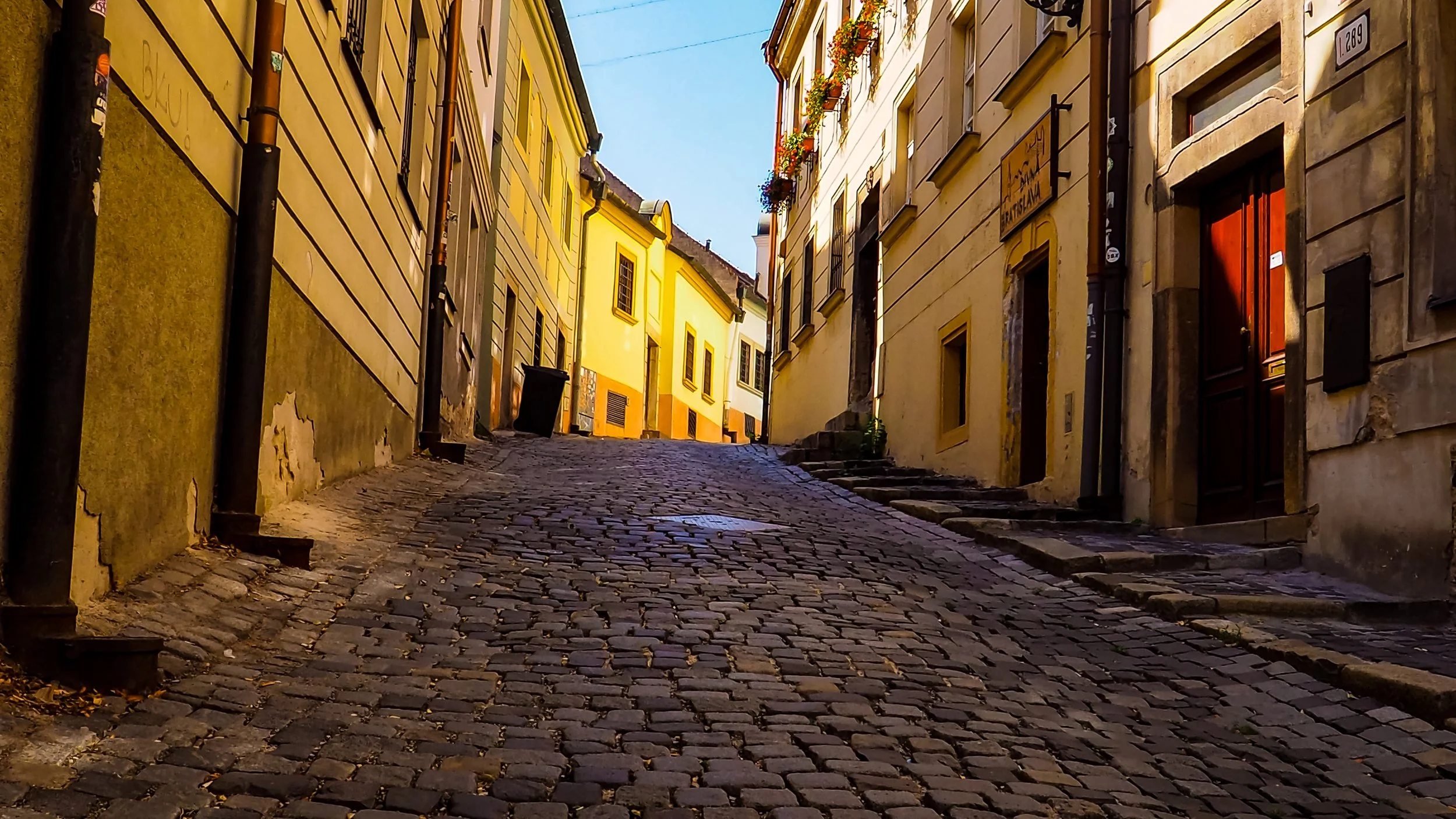
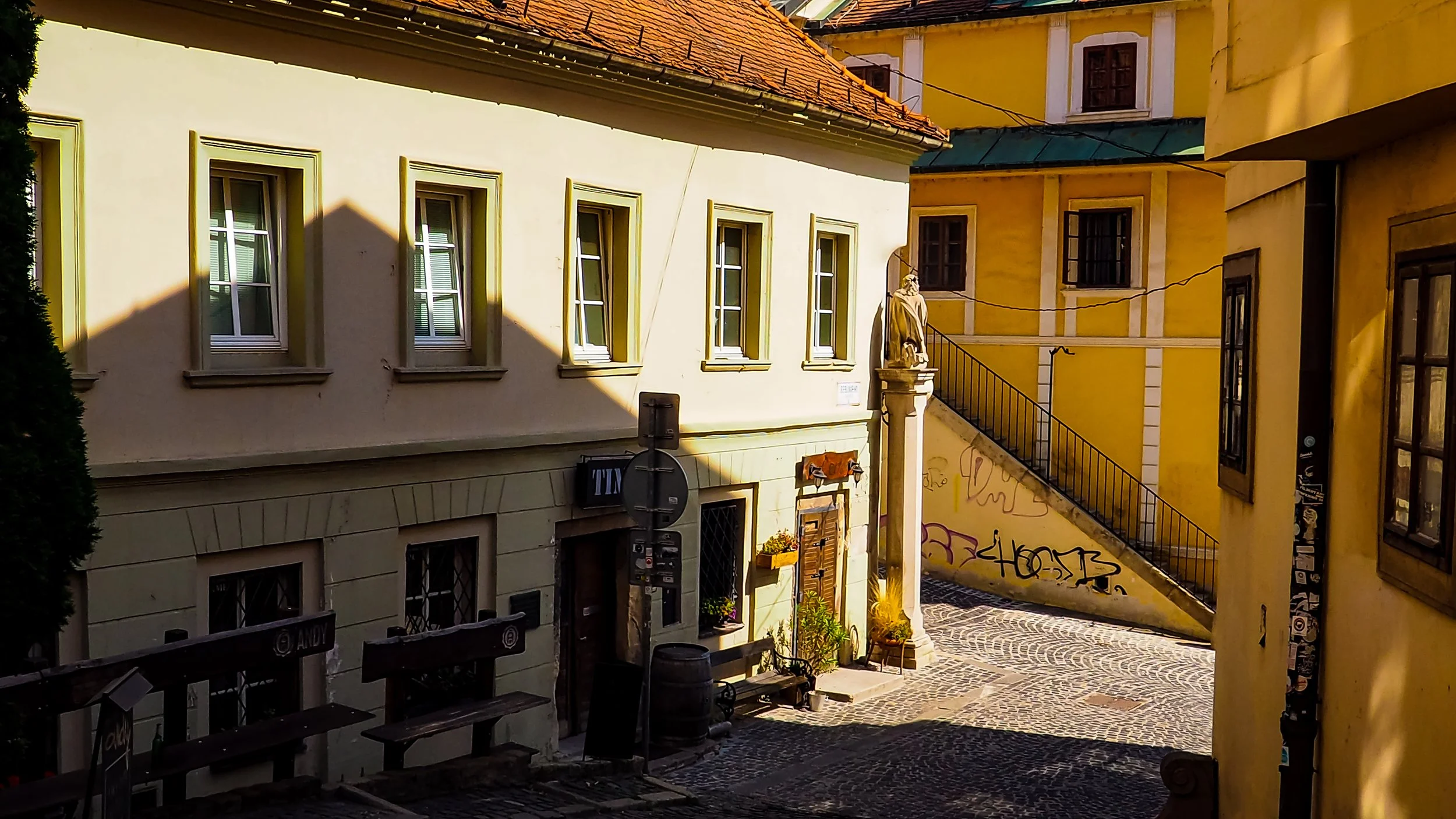
Bratislava, the capital of Slovakia, is a city rich in history and culture, located along the banks of the Danube River and near the borders of Austria and Hungary. The area of Bratislava has been inhabited since the Neolithic age. It was an important Celtic, Roman, and Slavic settlement. Known as Pressburg in German and Pozsony in Hungarian, Bratislava became a significant economic and political centre during the Middle Ages. From the 16th to 18th centuries, Bratislava was the coronation city for the Kingdom of Hungary within the Habsburg Monarchy.
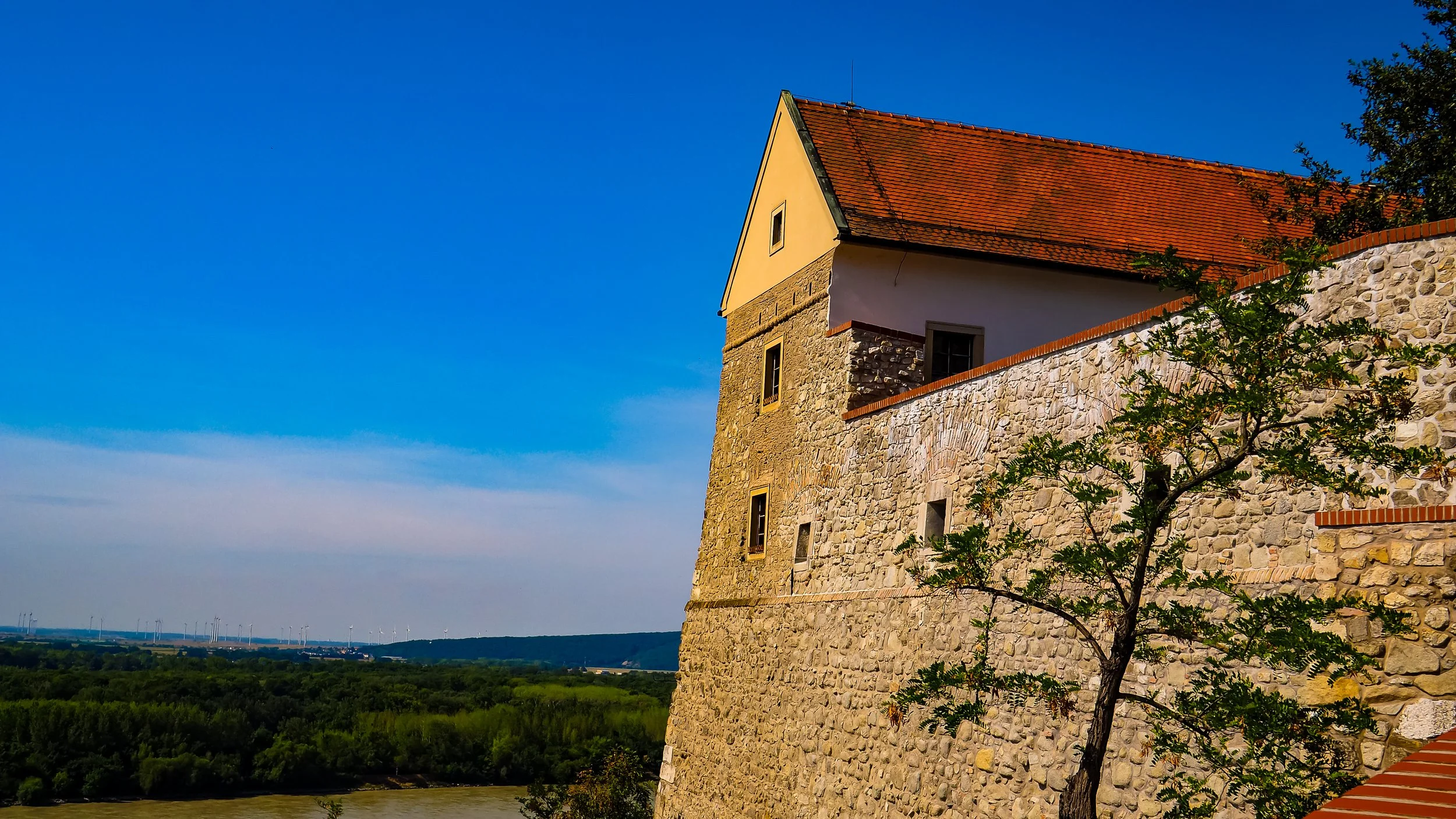
Situated at the confluence of the Danube and Morava rivers, it is strategically placed between Vienna (Austria) and Budapest (Hungary), contributing to its historical importance as a trade hub. The city is characterized by its rolling hills, vineyards, and the Little Carpathians mountain range.
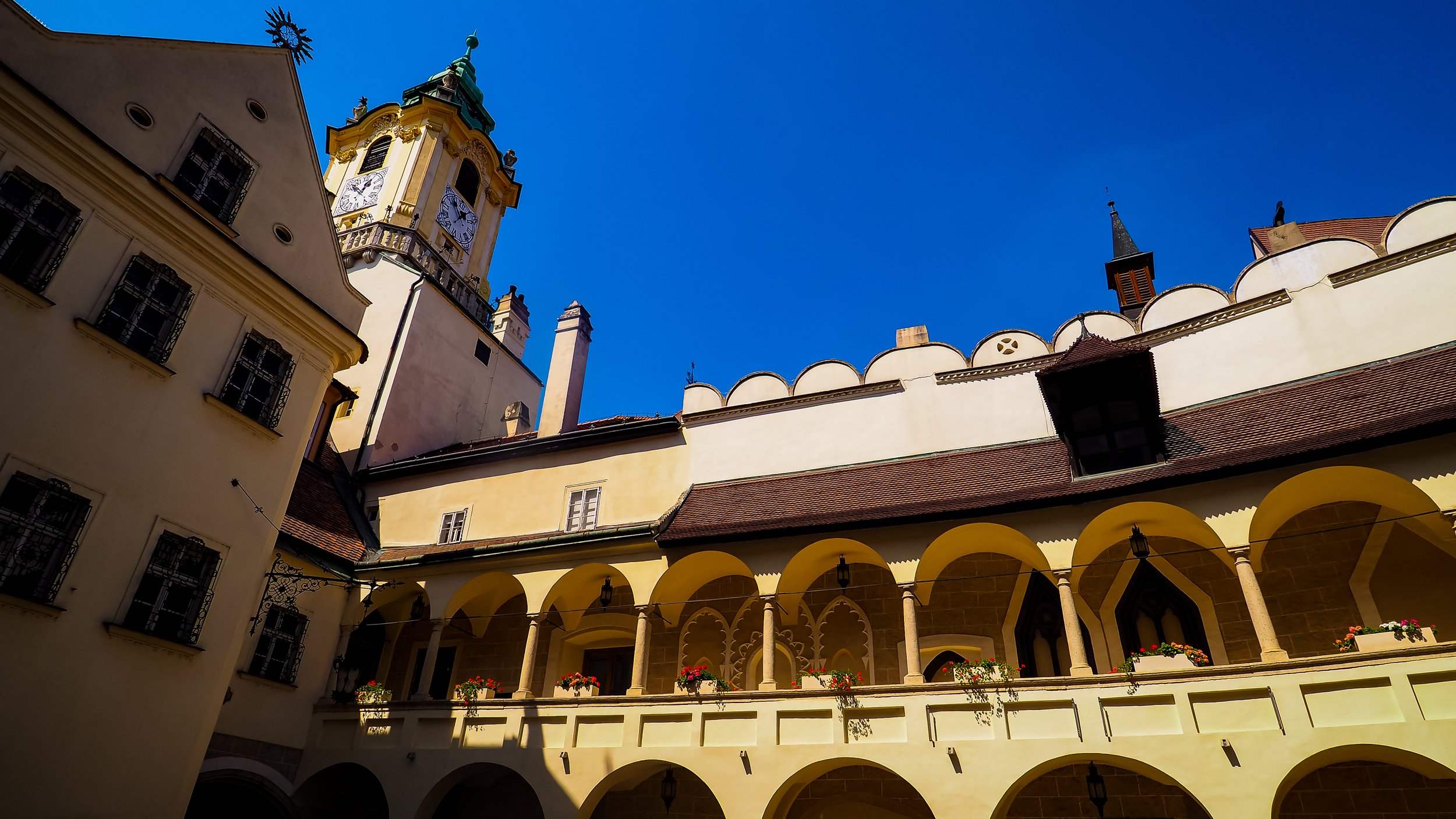
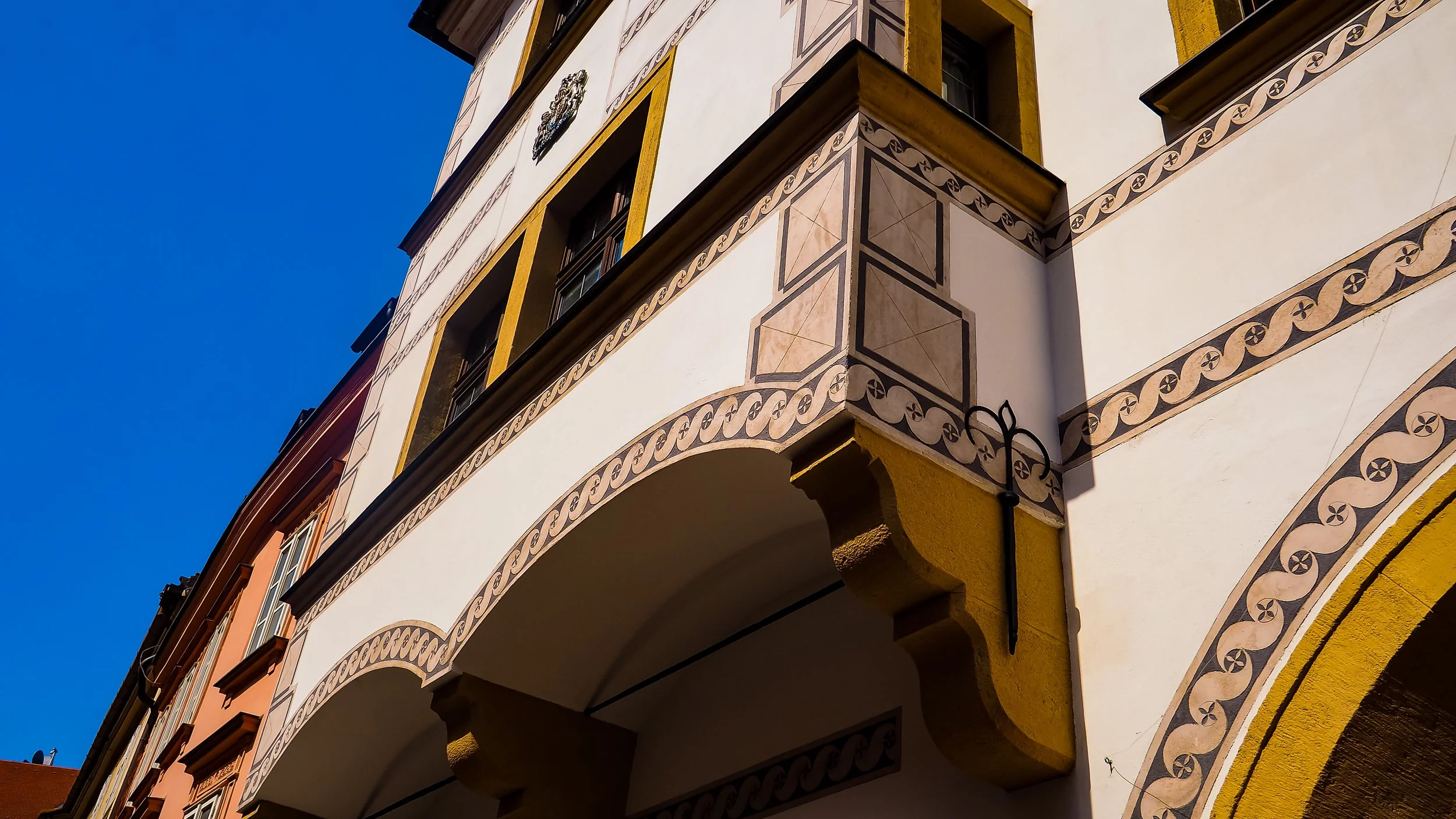
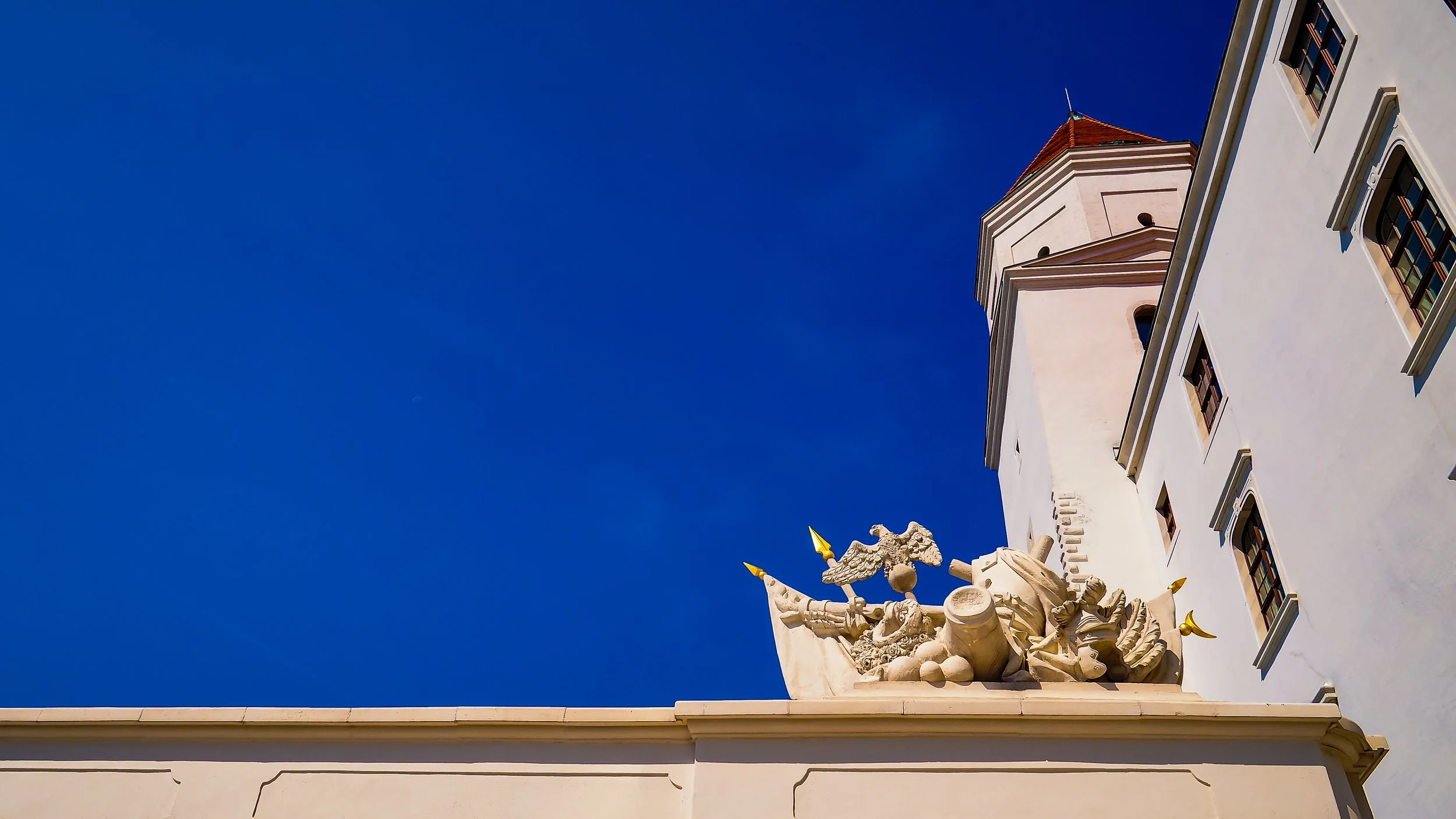
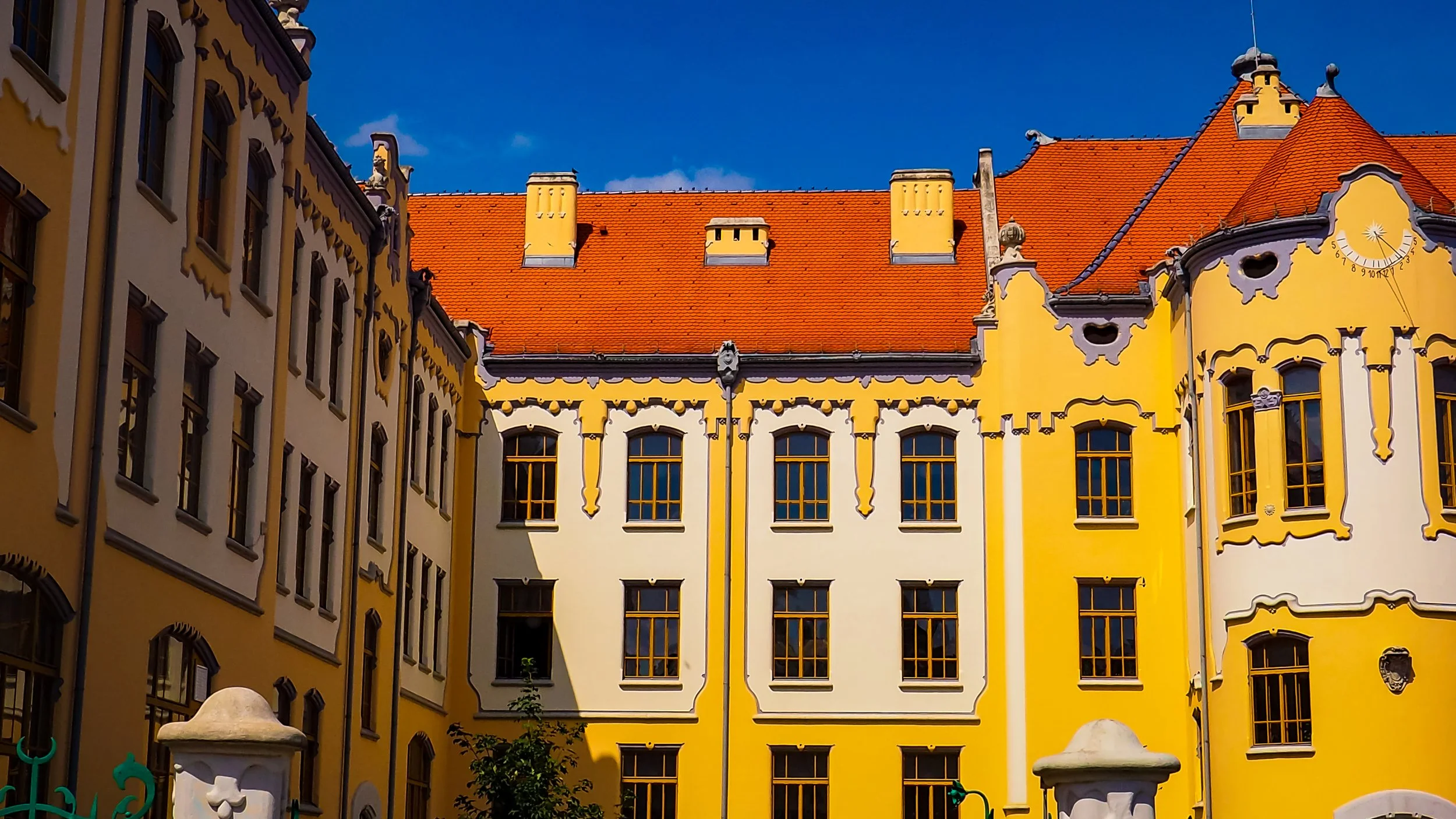
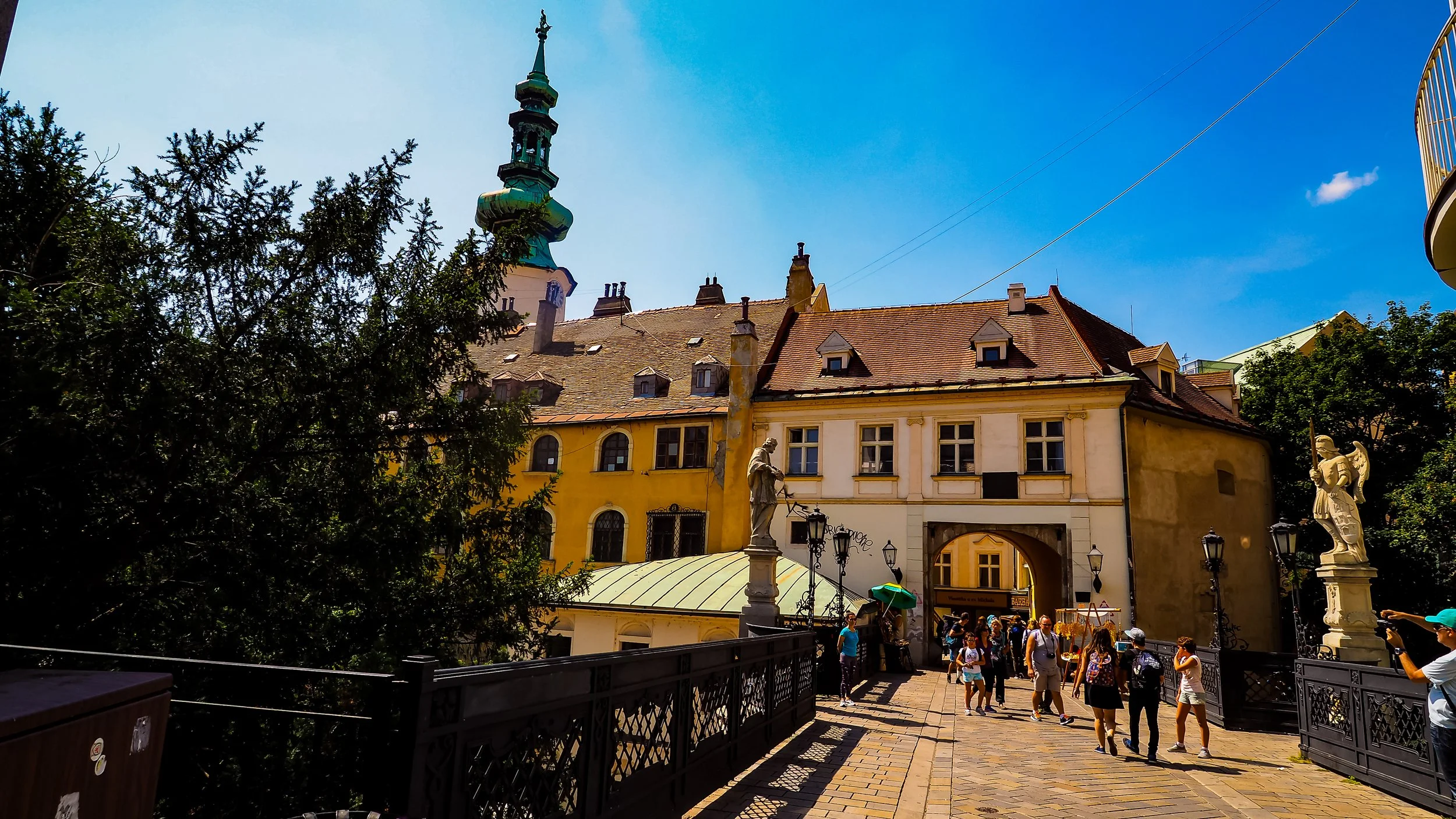
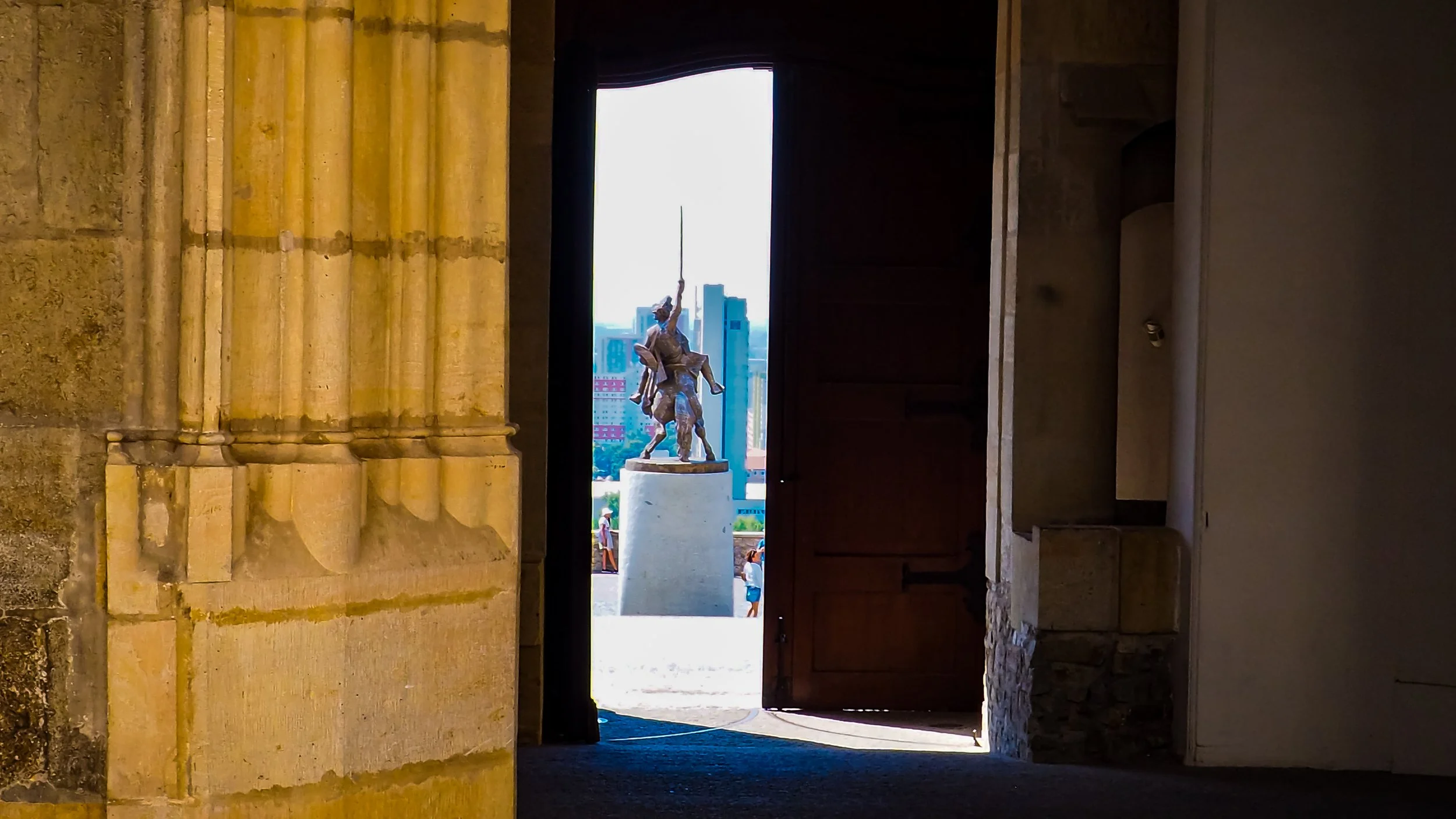
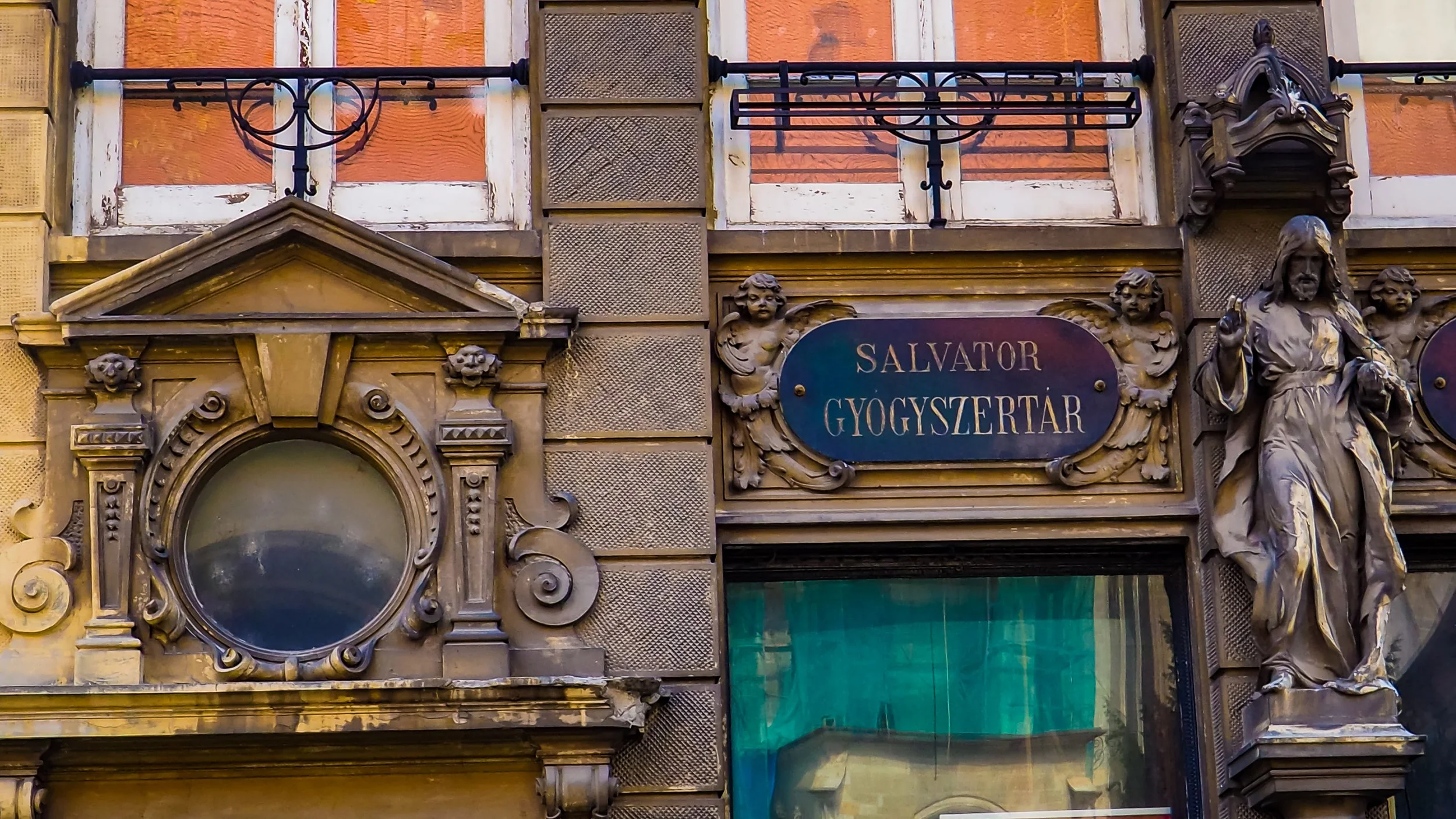
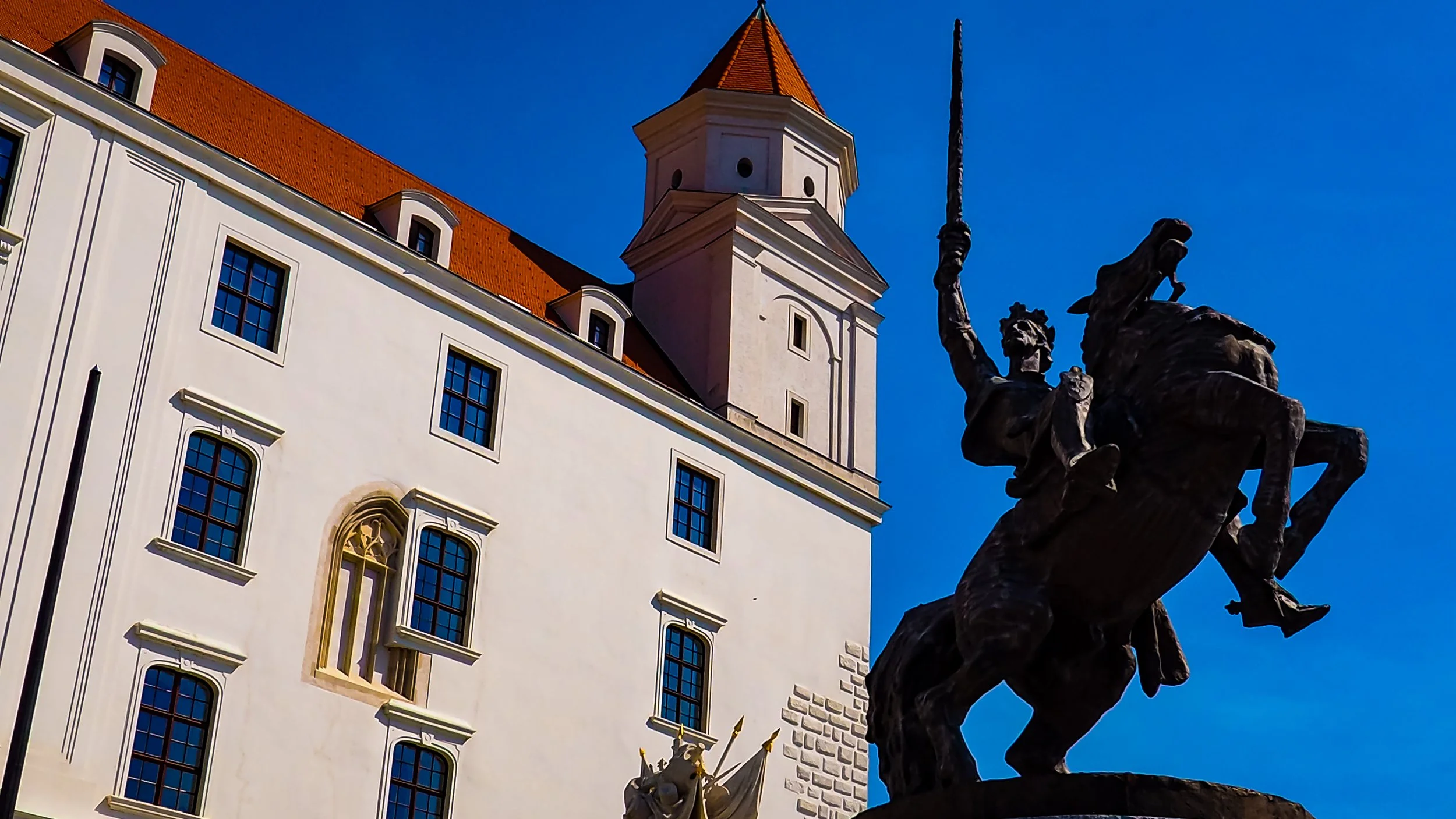
Bratislava boasts a mix of Gothic, Baroque, and Renaissance architecture. Notable buildings include the Bratislava Castle, St. Martin's Cathedral, and the Primatial Palace. The Slovak National Museum, Bratislava City Museum, and the Slovak National Gallery are key cultural institutions.
Bratislava has a population of around 430,000 residents, making it the largest city in Slovakia. The city is an economic powerhouse, with a focus on services, finance, IT, and tourism. It also has a growing automotive and manufacturing sector. Home to several universities, including Comenius University and the Slovak University of Technology, the city is a centre for higher education and research.
As Slovakia's capital, Bratislava plays a crucial role in the country's participation in the EU, hosting various international meetings and conferences. Bratislava has sister city agreements with several cities worldwide, including Vienna, Berlin, and Budapest, fostering cultural and economic exchanges.